
 EN
 English
 中文简体
DDB Yarn: A Flexible Solution for Functional, Recycled, and High-Performance Textile Manufacturing
Content
- 1 What Is DDB Yarn?
- 2 Core Product Characteristics
- 3 How DDB Yarn Compares with Conventional DTY
- 4 Recycled DDB Yarn and Sustainability-Oriented Production
- 5 Manufacturing Process and Technical Strengths
- 6 Available DDB Yarn Series
- 7 Applications for DDB Yarn
- 8 Customization and Product Development
- 9 Quality Control Considerations
- 10 Advantages of Working with an Experienced Supplier
- 11 How to Select the Right DDB Yarn
- 12 Recommended Testing Before Bulk Purchase
- 13 Frequently Asked Questions
- 13.1 What does DDB mean in DDB yarn?
- 13.2 Is DDB yarn the same as DTY yarn?
- 13.3 Is recycled DDB yarn available?
- 13.4 What is the difference between SD and FD yarn?
- 13.5 What is SD+CD yarn used for?
- 13.6 Can DDB yarn be used for sportswear?
- 13.7 Can DDB yarn be customized?
- 13.8 What information should be included in a quotation request?
- 13.9 How should recycled DDB yarn be verified?
- 13.10 What are the main advantages of purchasing from a differentiated-yarn supplier?
- 14 Conclusion
- 15 References
- 16 Product: DDB Yarn
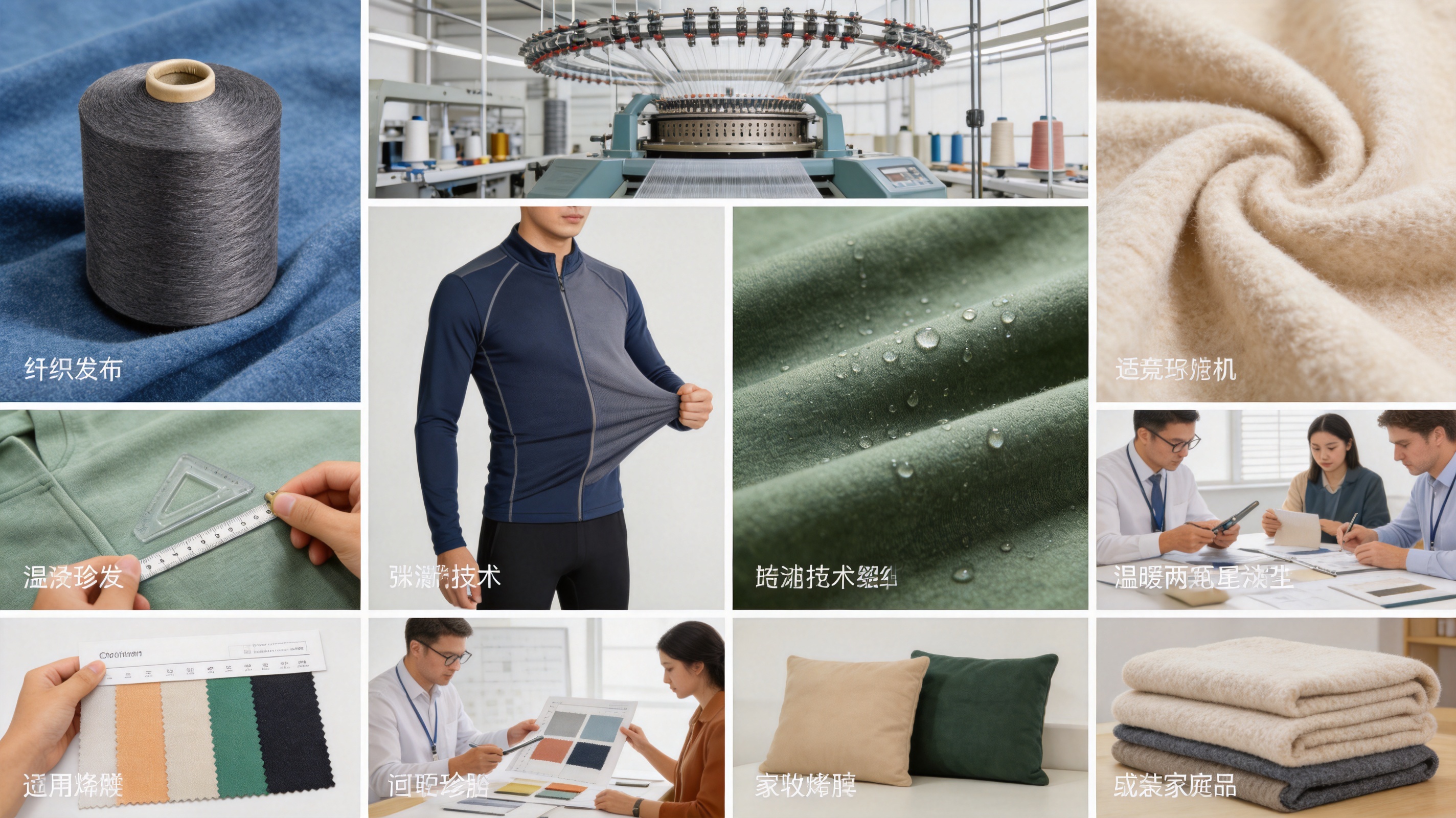
DDB yarn is a specialized polyester yarn solution designed for textile manufacturers that require flexibility in specifications, appearance, performance, and end-use application. Within the broader DTY yarn category, DDB yarn can be developed in a variety of deniers, filament counts, colors, and functional constructions. It can also be supplied as part of recycled, normal, cationic-dyeable, high-elastic, PBT/PET, and other differentiated yarn programs.
The product range presented by Suzhou Junhui Textile Co., Ltd. and Suzhou Xiaoran New Material Co., Ltd. demonstrates how modern yarn manufacturing is moving beyond a single standard polyester product. Textile buyers increasingly need materials that meet exact production requirements while also supporting sustainability objectives, efficient dyeing, comfort, elasticity, appearance, and specialized finishing. A comprehensive DDB yarn portfolio gives fabric mills, knitting factories, garment manufacturers, and textile wholesalers more ways to match yarn characteristics with the final product.
This article examines DDB yarn in detail, including its structure, available specifications, manufacturing strengths, functional options, recycled alternatives, quality considerations, and possible applications. It also explains why a broad, differentiated yarn platform can offer advantages over suppliers that focus only on conventional DTY products.

DDB Yarn
What Is DDB Yarn?
DDB yarn belongs to the family of differentiated polyester yarns. The exact meaning of the DDB designation may vary according to the supplier’s internal product classification, process, and market terminology. For this reason, buyers should confirm the technical meaning of DDB, the cross-section, dyeing behavior, luster, elongation, shrinkage, and other specifications before placing a production order.
In the supplied product list, DDB yarn appears in both recycled and normal product programs. Recycled DDB DTY is listed in deniers such as 75/36, 75/72, 150/48, and 300/96. Normal-series SD DDB is available in multiple constructions, including 30/24–36, 50/36–72, 75/36–72–144, 100/36–144, and 150/48–96–144–288. This range indicates that the product is intended for more than one type of fabric construction.
The numbers used in polyester yarn specifications generally describe denier and filament count. For example, “75/36” commonly indicates a yarn with a total linear density of approximately 75 denier and 36 individual filaments. “150/144” indicates a heavier yarn with a much higher filament count and a finer filament profile. However, actual technical interpretation should be confirmed through the supplier’s specification sheet because yarn properties can also be influenced by texturing conditions, cross-section, polymer characteristics, and finishing.
DDB yarn can be supplied in different luster categories, including semi-dull and full-dull options where identified by SD and FD terminology. Luster influences the visual effect of the fabric. Semi-dull yarn provides a moderate sheen, while full-dull yarn is generally selected when a softer, less reflective surface is desired. The right choice depends on the product’s design, fabric construction, dyeing route, and target market.
Core Product Characteristics
A major characteristic of the DDB yarn program is specification flexibility. The available list covers fine and medium deniers, different filament counts, and several texturing or combination options. This allows buyers to select yarns for lightweight knitted fabrics, medium-weight apparel, sportswear, lining, home textiles, and other applications.
Another important feature is product differentiation. Instead of offering only standard bright or semi-dull DTY, the supplier’s portfolio includes recycled yarn, cationic-dyeable yarn, high-elastic yarn, PBT/PET yarn, flame-retardant yarn, antibacterial yarn, moisture-wicking yarn, hollow warm yarn, cotton-like yarn, and combination yarns. DDB yarn buyers can therefore develop a broader material strategy with one experienced supplier.
The product list also includes SD+CD constructions. In this context, SD commonly refers to semi-dull polyester and CD commonly refers to cationic-dyeable polyester. Combining different components can create distinctive dyeing effects, color contrast, surface appearance, and fabric character. SD+CD yarn may be used when a standard single-component polyester yarn cannot deliver the desired visual result.
Recycled options are another notable part of the product range. Recycled SD DTY, recycled FD DTY, recycled DDB DTY, recycled CD DTY, and recycled SD+CD DTY are identified in the product list. The availability of these alternatives helps textile manufacturers respond to buyer requests for recycled content and lower-impact material programs, subject to the applicable documentation and certification requirements of each project.
| Product Program | Representative Options | Potential Textile Value |
|---|---|---|
| Normal SD DTY | 30/12–24–36–72; 50/36–48–72–144; 75/36–48–72–144; 150/48–96–144–288 | Versatile textured polyester for apparel, knitted fabrics, and general textile production |
| Normal FD DTY | 30/36; 50/72; 75/36–72–144; 100/72–144; 150/144–192–288 | Smoother, brighter, or more reflective fabric appearances depending on construction and finishing |
| Recycled DDB DTY | 75/36–72; 150/48; 300/96 | Specialized recycled yarn option for sustainability-oriented product lines |
| SD+CD DTY | 50/48–72; 75/48–72; 80/72; 100/72–108–144 | Combined dyeing behavior and differentiated fabric appearance |
| CD DTY | 25/24; 30/24–36; 50/36–72; 75/36–72–144; 150/48–144 | Cationic dyeing effects and color differentiation in polyester fabrics |
| High-elastic yarn | 30/12; 50/36–72; 60/72; 75/36–72; 150/48–144 | Stretch-oriented fabric constructions and comfort-focused applications |
| Functional yarn | Flame-retardant, antibacterial, moisture-wicking, and hollow warm options | Performance textiles requiring additional comfort, protection, or thermal properties |
How DDB Yarn Compares with Conventional DTY
Conventional DTY remains an important basic material, but it may not satisfy every buyer’s requirements. Standard yarn is often selected for its availability and cost efficiency, yet textile brands and fabric producers increasingly request additional qualities such as recycled content, special dyeing effects, softness, elasticity, moisture management, or thermal insulation.
DDB yarn provides a more flexible platform because it can be specified according to the intended fabric result rather than selected only by denier. A manufacturer can consider luster, filament count, recycled content, dyeing behavior, elasticity, function, and end use as part of one coordinated material decision.
For example, a lightweight knitted fabric may require a fine filament yarn that provides a smooth hand and stable appearance. A sportswear fabric may need moisture-wicking or high-elastic performance. A fashion fabric may benefit from SD+CD or cationic-dyeing effects. A sustainability-focused collection may use recycled DDB DTY or recycled SD/FD options. These are different technical objectives, but they can be addressed within the same broad supplier platform.
The advantage over a narrow product range is not simply the number of items in a catalog. It is the ability to move from sample development to production with fewer changes in sourcing. When a supplier understands multiple polyester yarn technologies, it may be easier to coordinate new product development, compare alternatives, adjust specifications, and solve production issues.
However, buyers should evaluate actual performance through samples and laboratory testing. A catalog range demonstrates availability, but it does not replace verification of tenacity, elongation, crimp, boiling-water shrinkage, oil content, package build, evenness, dye uptake, and knitting or weaving behavior.
Recycled DDB Yarn and Sustainability-Oriented Production
Recycled DDB yarn is designed for textile programs that seek to incorporate recycled polyester into their products. The supplier’s recycled series includes recycled SD DTY, recycled SD FDY, recycled FD DTY, recycled DDB DTY, recycled CD DTY, and recycled SD+CD DTY. This breadth is valuable because recycled content does not need to be limited to one appearance or one yarn construction.
Recycled polyester yarn can support the development of apparel, sportswear, home textiles, bags, accessories, and other products that communicate a recycled-material story. The final environmental profile depends on the source of the recycled polymer, the recycling method, energy consumption, transportation, dyeing, finishing, product life, and end-of-life treatment. Therefore, responsible buyers should request appropriate documentation and avoid treating the recycled label as a complete environmental assessment by itself.
From a production perspective, recycled yarn must achieve stable performance so that fabric mills can process it with confidence. Consistency in denier, filament distribution, winding, tensile behavior, and thermal response is important. Variation can lead to knitting bars, uneven dyeing, fabric streaks, or differences in hand feel. A supplier with experience in recycled and conventional yarn can compare the two material routes and help customers select an appropriate specification.
Recycled DDB yarn is particularly useful for customers who want differentiated appearance and sustainability at the same time. A project may require a recycled yarn with a specific filament count, dullness, dyeing effect, or texturing behavior. The availability of recycled DDB, recycled CD, and recycled SD+CD options creates more room for product design than a basic recycled yarn program alone.
When purchasing recycled DDB yarn, customers should confirm the percentage of recycled content, the source of the material, chain-of-custody documentation, applicable certifications, batch traceability, and whether the recycled content is pre-consumer or post-consumer. They should also verify whether the yarn is suitable for the intended dyeing and finishing process.
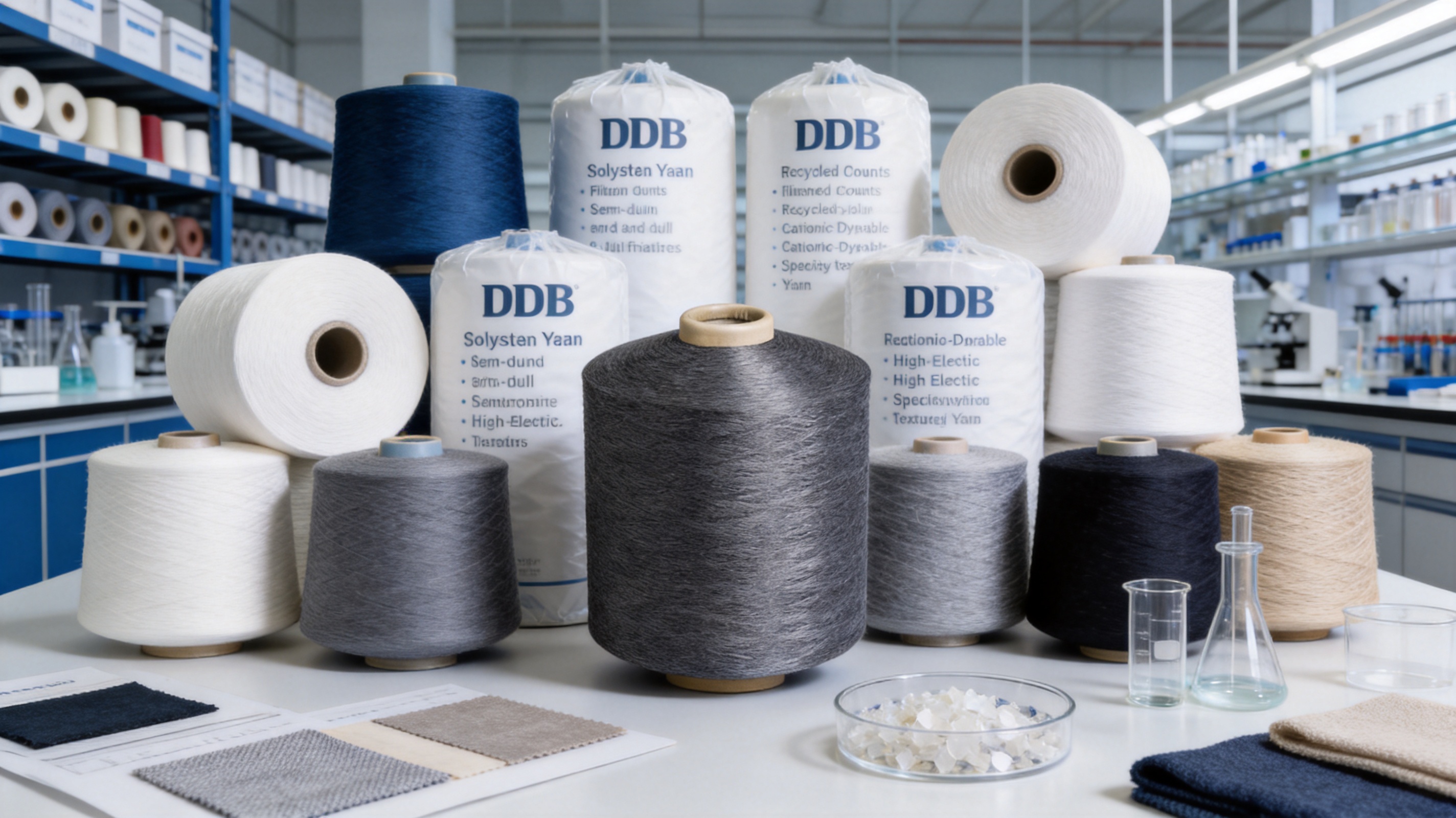
Manufacturing Process and Technical Strengths
The quality of a differentiated yarn depends on the complete manufacturing chain. Polymer preparation, spinning, drawing, texturing, winding, inspection, storage, and shipment all influence the final product. A strong yarn supplier must manage these stages as an integrated system rather than treating texturing as an isolated operation.
Polymer and Raw Material Preparation
The first stage is the selection and preparation of polyester polymer or recycled polyester feedstock. Raw material consistency affects melt behavior, spinning stability, yarn strength, elongation, dyeing response, and long-term production reliability. For special yarns, the raw material must also be compatible with the required luster, color, function, or combination structure.
For recycled products, the preparation stage is especially important because recycled feedstock may have different thermal history and viscosity characteristics from virgin polymer. Proper control helps reduce variability and supports stable spinning. The exact process may differ according to the source and form of the recycled material, so technical verification is essential for each product family.
Spinning and Filament Formation
During spinning, polymer is melted and formed into continuous filaments. The spinneret design, cooling conditions, spinning speed, and process stability influence filament uniformity and cross-sectional characteristics. Fine filament products require precise control because small deviations can affect softness, cover, luster, and dyeing.
For SD and FD products, the visual outcome is influenced by the polymer’s optical characteristics and the way light interacts with the filament surface. Semi-dull and full-dull products must be produced consistently so that fabric lots maintain a stable appearance. In combination yarns such as SD+CD, the compatibility and separation of the components also influence the final effect.
Drawing and Texturing
DTY is produced by processing partially oriented yarn through drawing and false-twist texturing. The process introduces bulk, stretch, crimp, and a softer hand compared with a flat filament yarn. Texturing conditions determine the balance between extension, recovery, bulk, surface character, and dimensional stability.
For DDB yarn, texturing must be matched to the intended end use. A fabric for close-fitting sportswear may need a different balance of stretch and recovery from a lining or home-textile fabric. The yarn’s denier and filament count also affect how it responds to texturing. Fine filament yarns can provide a smooth, soft touch, while other constructions may be selected for greater body or visual texture.
Stable texturing is one of the most important manufacturing strengths in DTY production. If the crimp level or tension varies across packages, downstream knitting and dyeing may become inconsistent. Experienced producers use process control, inspection, and package management to reduce these risks.
Combination and Functional Yarn Development
The supplier’s portfolio indicates experience with combination yarns and functional differentiation. SD+CD yarn combines semi-dull and cationic-dyeable components. PBT/PET yarn combines two polyester-based materials for a different elasticity and recovery profile. Acy yarn is listed in combinations such as 40+75/36–72, 30+100/96, and 40+150/48–96–144. These products show how yarn engineering can combine components to create a particular fabric behavior.
Functional yarn development requires more than adding a label to a conventional product. Flame-retardant, antibacterial, moisture-wicking, and hollow warm yarns must be assessed according to their intended performance and relevant testing methods. The functional component must remain sufficiently stable during spinning, texturing, dyeing, finishing, and use.
The company states that it maintains a professional research and development team and works with internationally recognized enterprises on environmental protection and functional yarn and fabric research, development, and application. This development-oriented approach is an important strength for customers who need customized or differentiated materials rather than only standard stock yarn.
Winding, Inspection, and Packing
Even if the polymer and texturing stages are well controlled, poor winding can reduce downstream performance. Package density, yarn tension, edge formation, and surface cleanliness influence unwinding and machine efficiency. Proper winding is especially important for high-speed knitting and weaving operations.
Quality inspection should cover both physical and visual characteristics. Typical checks may include linear density, tensile strength, elongation, crimp contraction, crimp stability, intermingling, oil content, moisture, package weight, and appearance. Customers may require additional tests based on their equipment and fabric specifications.
A reliable packing and storage system protects the yarn from contamination, excessive humidity, direct sunlight, and mechanical damage. Clear lot identification supports traceability and helps buyers manage repeat orders. For international shipments, packaging should also be suitable for extended transport and warehouse handling.
Available DDB Yarn Series
Recycled Series
The recycled series is intended for customers seeking recycled polyester alternatives in a wide variety of yarn constructions. Recycled SD DTY and recycled FD DTY provide different luster options. Recycled DDB DTY offers a specialized differentiated construction, while recycled CD DTY and recycled SD+CD DTY can support cationic or combined dyeing effects.
Representative recycled specifications include 15/6, 20/12–24, 30/12–24–36, 50/36–48–72, 75/36–72–144, 100/36–48–96–144, 150/48–96–144–288, and 300/96–192–288–576 in the broader recycled DTY listing. Recycled SD+CD and recycled CD options include additional specifications such as 50/48–72, 75/48–72, 100/72–108–144, 125/72–144, 150/72–108–144, and 300/96–144–288.
This range gives product developers the opportunity to preserve a familiar fabric construction while changing the raw material route. Before approval, however, the recycled yarn should be tested under the customer’s actual knitting, weaving, dyeing, and finishing conditions.
Normal Series
The normal series provides a broad base of standard polyester DTY and DDB-related options. SD DTY products are available in specifications ranging from 25/72 to 300/96–192–288–576. FD DTY includes options such as 30/36, 50/72, 75/36–72–144, 100/72–144, 120/192, and 150/144–192–288.
These products can serve as reliable materials for everyday textile production. Normal polyester yarn remains highly relevant because it offers a balance between cost, availability, processability, and performance. It is often used in knitted apparel, woven fabrics, linings, scarves, home textiles, and industrial or decorative materials.
Cationic and SD+CD Series
Cationic-dyeable polyester is used to create color effects that differ from conventional polyester. When cationic and regular polyester components are present in a fabric, the components can respond differently during dyeing. This may create mélange, contrast, two-tone, or other visual effects, depending on the yarn structure, dye recipe, fabric construction, and finishing method.
The supplier lists CD DTY in 25/24, 30/24–36, 50/36–72, 75/36–72–144, 100/36–48–72–144, 150/48–144–288, and 300/96. SD+CD DTY is listed in 50/48–72, 75/48–72, 80/72, 100/72–108–144, 125/72–144, 150/72–108–144, and 300/96–144–288.
These options are attractive for fashion fabrics and home textiles where surface appearance is a major selling point. They can help designers achieve color depth and visual complexity without relying solely on printed patterns or mechanical surface treatments.
High-Elastic and PBT/PET Series
The high-elastic series includes 30/12, 50/36–72, 60/72, 75/36–72, and 150/48–144. These yarns are intended for fabrics where comfort, movement, and recovery are important. Potential applications include sportswear, leggings, fitted garments, stretch tops, underwear, socks, and other close-fitting products.
The PBT/PET series includes 50/48 and 75/36, while PBT/PET DDB is listed as an additional option. PBT/PET constructions may be selected when a manufacturer wants a specific elasticity profile or hand feel. Actual performance depends on the ratio of components, yarn processing, fabric construction, and finishing conditions.
High-elastic yarn should be evaluated not only by initial elongation but also by recovery after repeated extension. Fabric manufacturers should test growth, bagging, dimensional stability, and comfort under realistic use conditions.
Functional Series
The functional series includes flame-retardant yarn, antibacterial yarn, moisture-wicking yarn, hollow warm yarn, cotton-like yarn, and Acy yarn. Flame-retardant options include SD/FD 75/36–72 and SD/FD 150/36–48–144. Antibacterial options include 50/48–72, 75/36–48–72, and 150/48–72–96–144. Moisture-wicking options include 30/24, 50/48–72, 75/48–72, and 150/48–72.
Hollow warm yarn is listed in 75/72 and 150/144. The hollow structure may help create a lighter, warmer hand when combined with suitable fabric construction and finishing. Cotton-like yarn is available in 32S, 40S, and 80S, providing an alternative approach for customers seeking a cotton-inspired appearance or touch using polyester-based material.
Functional yarn claims should always be supported by appropriate test methods. Antibacterial performance, moisture management, flame retardancy, and thermal insulation are not identical concepts, and results can change after repeated laundering or finishing. Buyers should request test reports that match their market and product requirements.
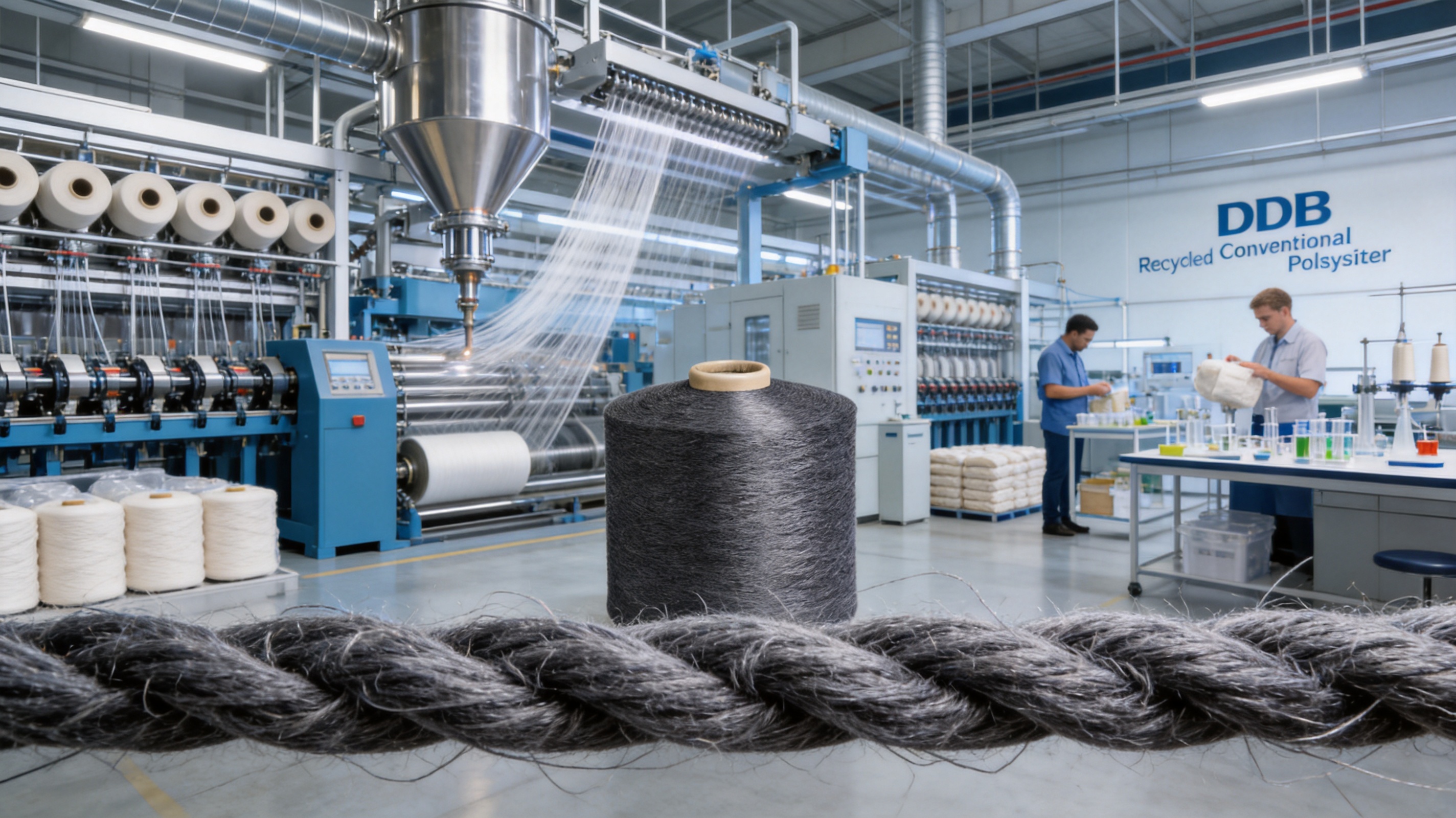
Applications for DDB Yarn
Knitted Apparel
DDB yarn is suitable for many knitted apparel categories because DTY provides a combination of softness, bulk, stretch, and surface coverage. Depending on the specification, it may be used for T-shirts, dresses, skirts, tops, underwear, sleepwear, leggings, and casual garments. Fine deniers and higher filament counts can support smooth surfaces, while other constructions can provide more body and texture.
Sportswear and Athleisure
Sportswear demands comfort, flexibility, moisture control, and dimensional stability. High-elastic yarn can support freedom of movement, while moisture-wicking yarn can contribute to a drier wearing experience when incorporated into a suitable fabric construction. Recycled options may also help sportswear brands develop collections with recycled-material content.
Fashion and Color-Effect Fabrics
Cationic, SD+CD, and differentiated DDB yarns can create opportunities for fashion fabrics with special color effects. These yarns may be used in dresses, jackets, skirts, knit tops, decorative fabrics, and accessories. The final effect depends on the ratio of components and the dyeing process, so lab dips and fabric trials are strongly recommended.
Home Textiles
Polyester DTY and DDB yarn can be used in curtains, cushions, blankets, bedding, upholstery-related fabrics, and decorative textiles. Hollow warm yarn may be considered for products where a lighter thermal hand is desired. Recycled yarn can support home-textile collections designed around recycled content and responsible sourcing.
Industrial and Specialized Textiles
Specialized yarns can be used in selected industrial or institutional textile products. Flame-retardant yarn may be considered for applications requiring resistance to ignition or flame spread, provided the complete fabric system passes the required standards. Antibacterial yarn may be used in hygiene-oriented fabrics, while moisture-wicking yarn may be suitable for uniforms, performance garments, and workwear.
The suitability of any yarn for industrial use must be confirmed through product-specific testing. A yarn feature alone does not guarantee that a finished fabric or garment will meet a regulatory standard.
Customization and Product Development
The supplier states that it can accept orders for various types of differentiated yarn. This capability is significant because many textile buyers do not need a generic yarn; they need a material adjusted to a specific machine, fabric weight, dyeing route, hand feel, or brand specification.
Customization may involve denier, filament count, luster, recycled content, color, cationic component, elasticity, functional additive, package size, or combination structure. The feasibility of each request depends on production volume, raw material availability, process limitations, testing requirements, and delivery schedule.
A successful development project should begin with a detailed technical brief. The buyer should provide the target fabric construction, knitting or weaving method, machine gauge, fabric weight, dyeing process, finishing route, desired hand feel, elongation range, shrinkage limit, color requirements, and end-use standards. The more complete the brief, the more efficiently the yarn can be matched to the application.
Sampling should proceed in stages. The first stage may involve yarn samples for basic evaluation. The second stage should include knitting or weaving trials. The third stage should evaluate dyeing and finishing. The final stage should assess garment or product performance, including laundering, abrasion, pilling, dimensional stability, and appearance retention where appropriate.
Close communication between the yarn supplier and the fabric manufacturer can reduce development risk. Suzhou Junhui Textile Co., Ltd. states that its experts are prepared to provide guidance on product selection and problem solving. This type of technical support can be particularly valuable for overseas customers working across different time zones and production environments.
Quality Control Considerations
Purchasing decisions should be based on measurable performance rather than product names alone. DDB yarn should be evaluated according to the requirements of the customer’s process and finished product.
Linear density is important because it influences fabric weight, coverage, handle, and consumption. Filament count affects softness, surface smoothness, dyeing behavior, and fabric appearance. Tenacity and elongation influence process stability and finished-fabric performance. Crimp and crimp stability influence stretch, bulk, and recovery.
Yarn evenness is another essential property. Uneven yarn can create streaks, barre effects, and inconsistent dye uptake. Intermingling may influence filament cohesion and processing performance. Oil content must be suitable for downstream machinery and should not create unwanted dyeing or finishing problems.
Package quality also deserves attention. A package that unwinds irregularly can reduce machine efficiency even if the yarn itself meets the laboratory specification. Buyers should check package weight, density, edge formation, winding tension, and lot consistency.
For recycled yarn, traceability and documentation are especially important. Customers may require evidence related to recycled content, production location, chain of custody, and applicable environmental standards. Documentation should correspond to the exact product and production batch rather than a general company statement.
Advantages of Working with an Experienced Supplier
One of the company’s principal strengths is its concentration on differentiated yarn and fabric products. Since its establishment in June 2015, Suzhou Junhui Textile Co., Ltd. and Suzhou Xiaoran New Materials Co., Ltd. have focused on developing and selling recycled yarn, polyester dope-dyed yarn, SHAWLIENCE, microfine yarn, flame-retardant yarn, cationic-dyeing yarn, and knitting fabric products.
The stated product focus supports a more specialized approach than that of a general trading company. Buyers can discuss product selection, material alternatives, and application issues with a supplier that works across several related yarn categories.
The companies also state that more than 90 percent of their products are exported and that they have established cooperative relationships with customers in 36 countries. International experience can help a supplier understand different packaging expectations, communication requirements, documentation needs, and market-specific product standards.
Another strength is the company’s emphasis on research, development, and application. The stated cooperation with internationally renowned enterprises in environmental protection and functional yarn and fabric development suggests an orientation toward practical innovation. For buyers, this may provide access to more than catalog products, especially when a project requires a new combination of recycled material, functional performance, and visual effect.
Customer service is also part of the sourcing decision. The company states that its experts are ready to help within 12 hours globally. Fast communication does not replace technical competence, but it can shorten the response time for sample requests, production questions, specification confirmation, and problem resolution.
How to Select the Right DDB Yarn
The first question is the final application. A yarn for lightweight apparel will not necessarily be suitable for upholstery, sportswear, or thermal products. The buyer should define the required hand feel, surface, stretch, coverage, durability, and appearance before selecting the specification.
The second question is fabric construction. Knitting gauge, stitch density, weave structure, fabric weight, and finishing conditions all influence the result. The same yarn can produce different behavior in different constructions.
The third question is luster. SD yarn is often selected for a moderate appearance, while FD yarn is chosen when a duller or softer visual effect is desired. If the fabric requires a special color contrast, CD or SD+CD yarn may be more appropriate.
The fourth question is sustainability. If recycled content is required, the customer should determine the target percentage, accepted certification system, documentation requirements, and whether the recycled yarn must match the performance of an existing virgin-polyester product.
The fifth question is functionality. Moisture management, antibacterial performance, flame retardancy, warmth, elasticity, and cotton-like touch require different yarn solutions. Selecting a functional label without defining the test method can lead to confusion during approval.
The sixth question is production scale. A sample specification may be technically feasible but commercially unsuitable if the required order volume, lead time, or packaging format cannot be maintained. Buyers should confirm minimum order quantities, sample availability, production capacity, repeat-order consistency, and delivery planning before final approval.
| Selection Factor | Questions for Buyers | Recommended Verification |
|---|---|---|
| Application | What product will use the yarn? | Review end-use requirements and expected wear conditions |
| Yarn structure | What denier and filament count are required? | Confirm linear density, filament count, and fabric weight |
| Luster | Should the fabric be semi-dull or full-dull? | Conduct visual and fabric-level comparison |
| Color effect | Is conventional dyeing sufficient, or is a cationic effect needed? | Run lab dips and fabric dyeing trials |
| Sustainability | Is recycled content required? | Review recycled-content documents and traceability |
| Performance | Is stretch, moisture management, warmth, or another function needed? | Use the relevant laboratory test method |
| Production | Can the supplier support repeat orders and required volumes? | Confirm capacity, lead time, package format, and lot control |
Recommended Testing Before Bulk Purchase
Before placing a large order, buyers should request a representative yarn sample and test it under actual production conditions. Laboratory testing should include denier or linear density, tenacity, elongation, crimp properties, shrinkage, evenness, intermingling, and package unwinding where relevant.
A knitting or weaving trial is essential because yarn behavior on production machinery may differ from laboratory results. The trial should monitor machine breaks, tension stability, needle or loom performance, fabric appearance, and fabric weight.
Dyeing trials should be carried out using the intended dye class, recipe, temperature, time, and finishing route. CD and SD+CD products require particular attention because their visual effects depend heavily on dyeing conditions. The buyer should evaluate shade consistency, color depth, fastness, and lot-to-lot repeatability.
For functional yarns, the finished fabric should be tested rather than relying only on yarn-level claims. Moisture-wicking, antibacterial, flame-retardant, warmth, and stretch performance can be influenced by fabric structure and finishing. Testing should be repeated after laundering or other care cycles if the product is intended for apparel or household use.
For recycled yarn, documentation should be reviewed alongside physical performance. A sustainable claim is most useful when it is supported by clear records and when the recycled yarn performs reliably in the customer’s manufacturing process.
Frequently Asked Questions
What does DDB mean in DDB yarn?
DDB is a product designation used in the supplier’s differentiated yarn portfolio. The exact technical meaning may depend on the supplier’s internal terminology and construction. Buyers should request a technical data sheet confirming the yarn structure, luster, cross-section, dyeing behavior, and performance characteristics before approval.
Is DDB yarn the same as DTY yarn?
DDB yarn can be offered within the DTY category, but the two terms are not necessarily identical. DTY describes a textured yarn process or product family, while DDB may identify a particular differentiated construction or product program. The final specification should be confirmed with the supplier.
Is recycled DDB yarn available?
Yes. The listed recycled series includes recycled DDB DTY in specifications such as 75/36–72, 150/48, and 300/96. Other recycled SD, FD, CD, and SD+CD options are also listed.
What is the difference between SD and FD yarn?
SD generally refers to semi-dull yarn, which has a moderate level of luster. FD generally refers to full-dull yarn, which is designed to provide a less reflective appearance. The exact visual result depends on the yarn, fabric construction, dyeing, and finishing process.
What is SD+CD yarn used for?
SD+CD yarn combines semi-dull polyester with cationic-dyeable polyester. It can be used to create differentiated dyeing effects, color contrast, mélange appearances, or greater visual depth. The final effect must be confirmed through a dyeing trial.
Can DDB yarn be used for sportswear?
Yes, selected DDB and related DTY options may be suitable for sportswear. High-elastic yarn can support stretch and recovery, while moisture-wicking yarn can support moisture-management requirements. The final fabric should be tested for comfort, stretch, recovery, pilling, color fastness, and dimensional stability.
Can DDB yarn be customized?
The supplier states that it can accept orders for various differentiated yarns. Customization may involve denier, filament count, luster, recycled content, dyeing behavior, elasticity, functionality, or combination structure. Feasibility depends on order volume, raw materials, process requirements, and testing.
What information should be included in a quotation request?
A quotation request should include the desired yarn type, denier, filament count, luster, recycled or virgin requirement, color, functional properties, end use, package format, estimated quantity, destination, and expected delivery schedule. A fabric sample or technical target can make the development process more accurate.
How should recycled DDB yarn be verified?
Buyers should verify recycled content, material source, certification or documentation requirements, lot traceability, physical performance, and suitability for the intended process. A sample should be knitted or woven and dyed before bulk production approval.
What are the main advantages of purchasing from a differentiated-yarn supplier?
The main advantages include broader product selection, easier comparison of material alternatives, access to functional and recycled options, support for custom development, and the possibility of coordinating multiple yarn requirements through one experienced supplier.
Conclusion
DDB yarn offers textile manufacturers a flexible route to differentiated polyester products. Its value lies not only in a particular denier or filament count but also in the broader material platform surrounding it. Recycled DDB, normal DDB-related products, SD+CD yarn, cationic-dyeable yarn, high-elastic yarn, PBT/PET yarn, and functional options allow buyers to match yarn properties with specific fabric and market requirements.
The product portfolio of Suzhou Junhui Textile Co., Ltd. and Suzhou Xiaoran New Material Co., Ltd. demonstrates a strong focus on specialized yarn development. The companies’ stated R&D capabilities, international customer experience, broad export activity, and emphasis on environmental and functional materials provide a foundation for serving buyers that need more than standard polyester yarn.
For the best results, DDB yarn should be selected through a structured process. Buyers should define the final application, confirm the technical meaning of the product designation, choose the correct denier and filament count, evaluate luster and dyeing behavior, verify recycled or functional claims, conduct production trials, and approve the material through objective testing.
When these steps are followed, DDB yarn can become a practical component of modern textile development. It can help manufacturers produce fabrics with distinctive appearance, improved comfort, recycled content, stretch, moisture management, warmth, or other targeted characteristics while maintaining the process flexibility expected from a professional polyester yarn supplier.
References
1. Suzhou Junhui Textile Co., Ltd. and Suzhou Xiaoran New Material Co., Ltd., Product List for Recycled, Normal, Cationic, High-Elastic, PBT/PET, and Functional Yarn Series.
2. International Organization for Standardization, Polyester Fibres and Textile Testing Principles.
3. Textile Exchange, Recycled Materials and Recycled Polyester Guidance.
4. American Society for Testing and Materials, Standard Methods for Testing Textile Yarns and Fabrics.
5. AATCC, Textile Colorfastness and Moisture Management Testing Methods.
6. Standard textile engineering references on draw-textured yarn, polyester filament formation, false-twist texturing, and fabric performance evaluation.
Product: DDB Yarn
Popular products
-
Premium Cationic Interlock Stretch Comfort Fabric
-
Moisture-Wicking Nylon Woven Fabric
-
Double-faced jacquard elastic fabric
-
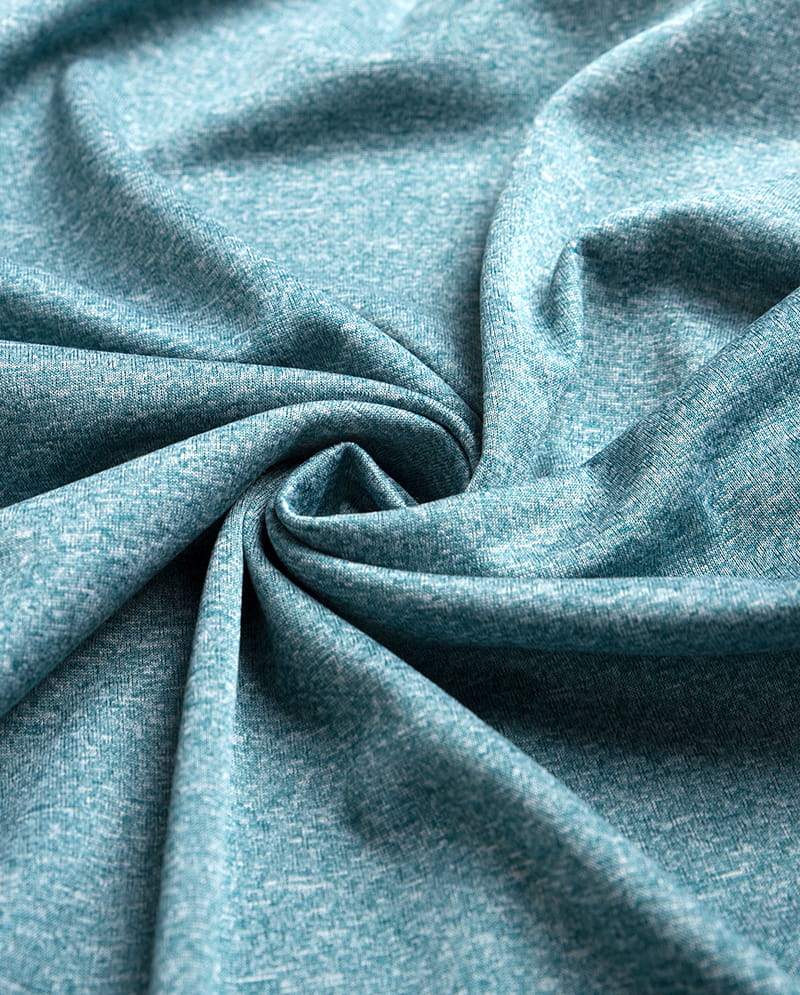
Heather Grey Double-faced cationic jersey fabric
-
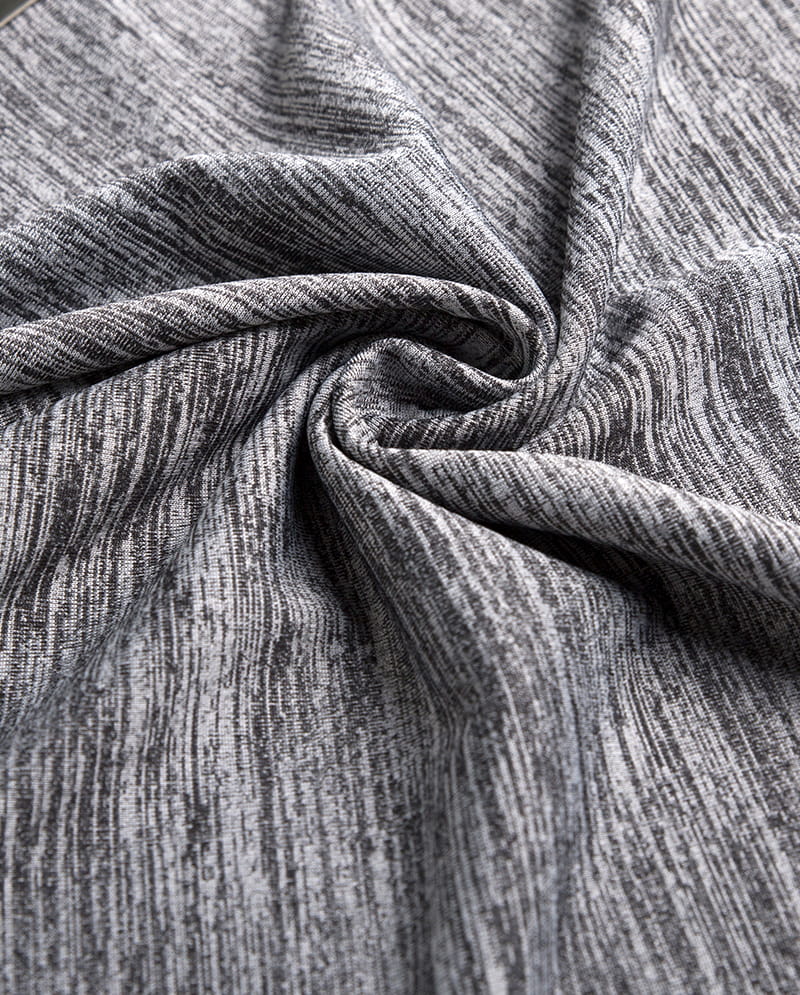
Anti-static Cationic Knitted Rib Fabric
-
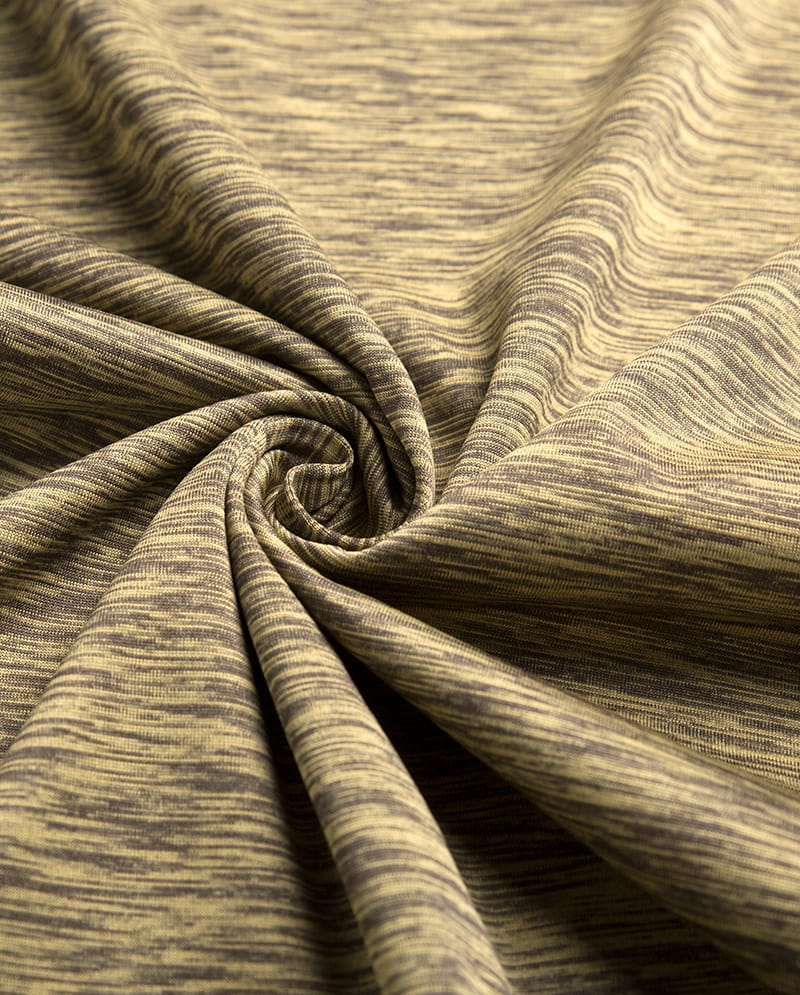
High-Stretch Cationic Jersey Fabric
-
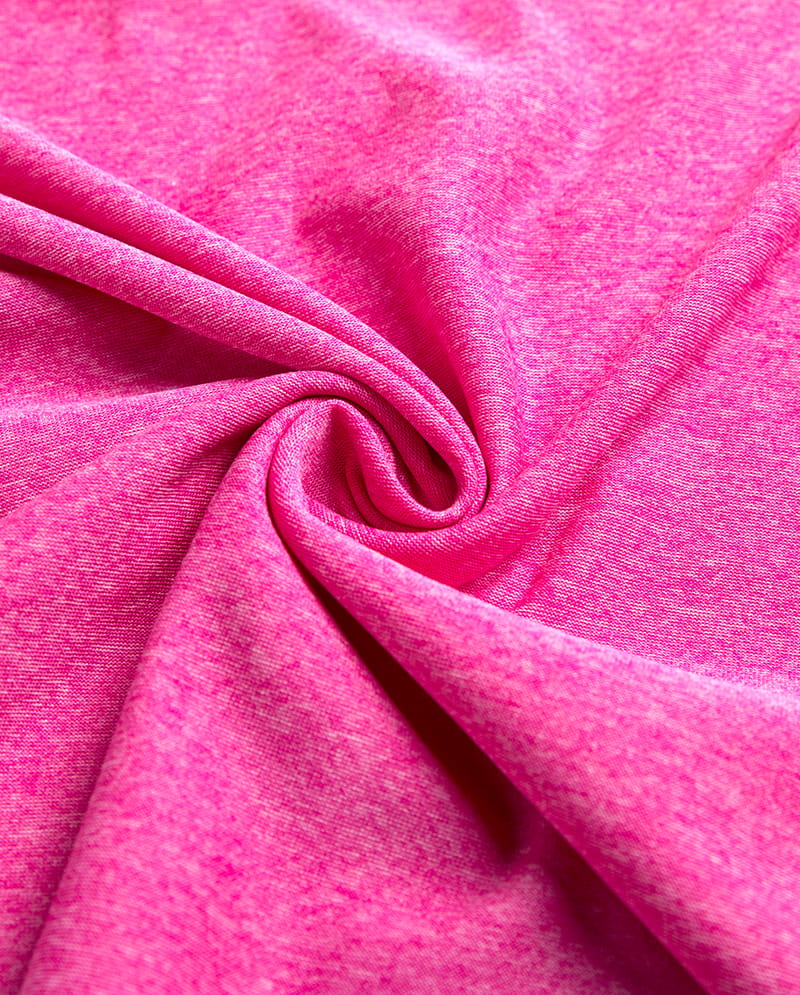
High Quality Cationic DTY Spandex Two Sides Brush Dralon Knit Fabric for Garment Thermal Underwear
-
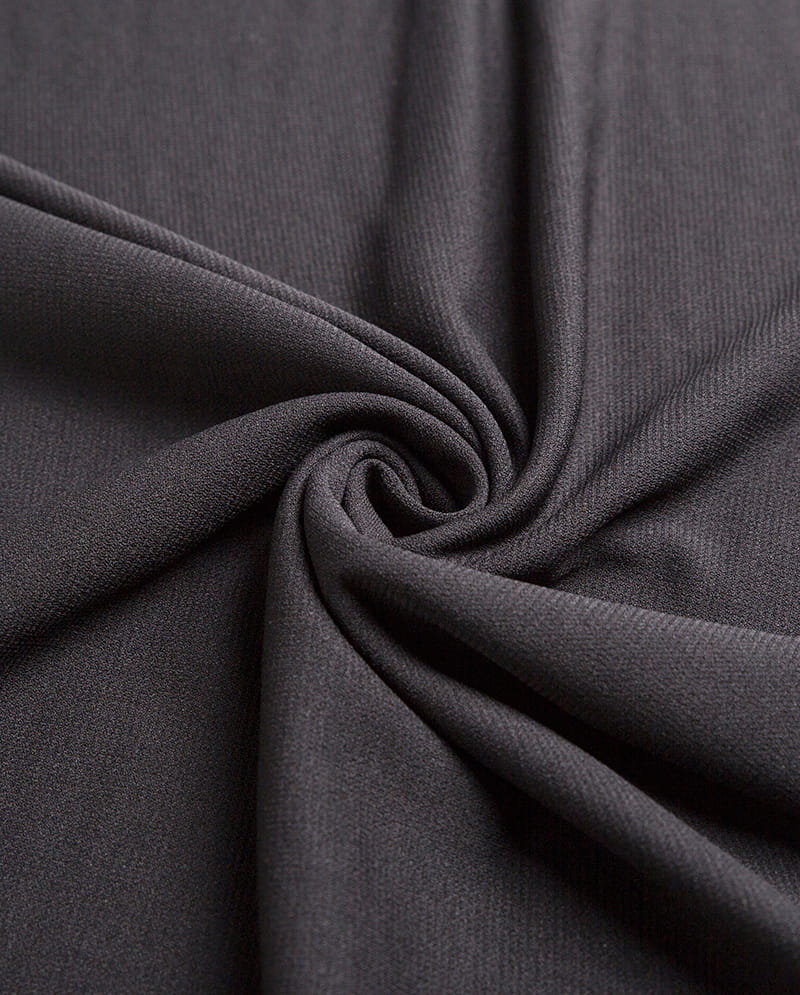
Durable Anti-Pilling Knitted Fabric for Home Textiles
-
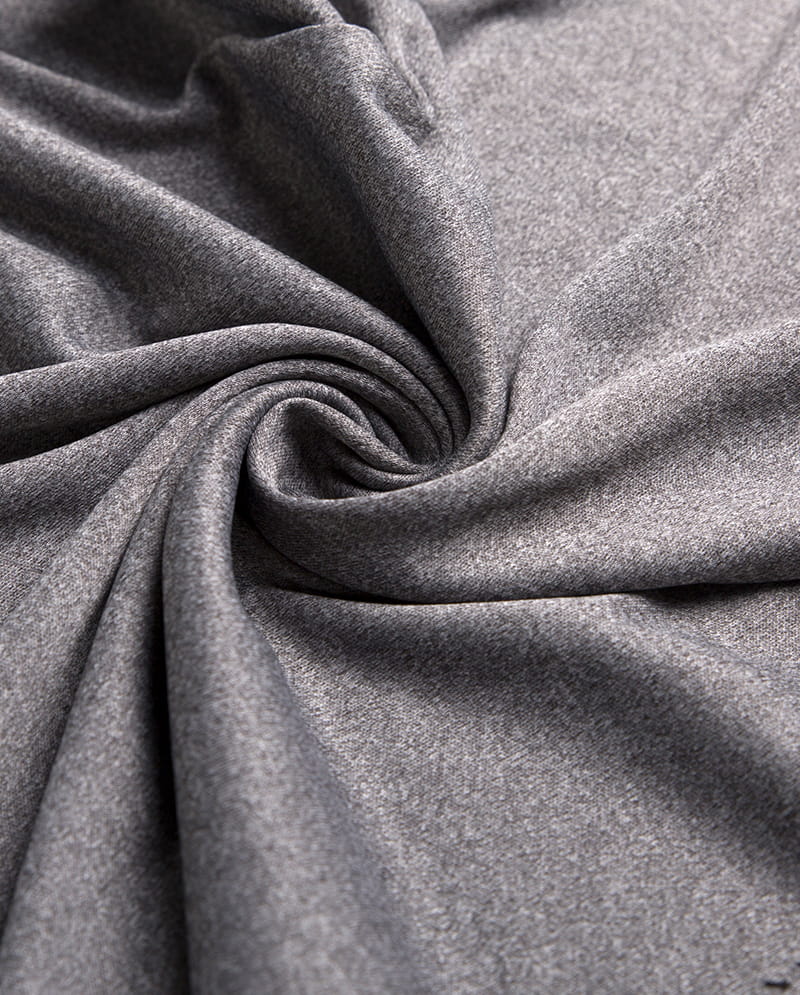
Wash-Resistant Cationic Elastic Knitted Fabric for Garment Industry
-
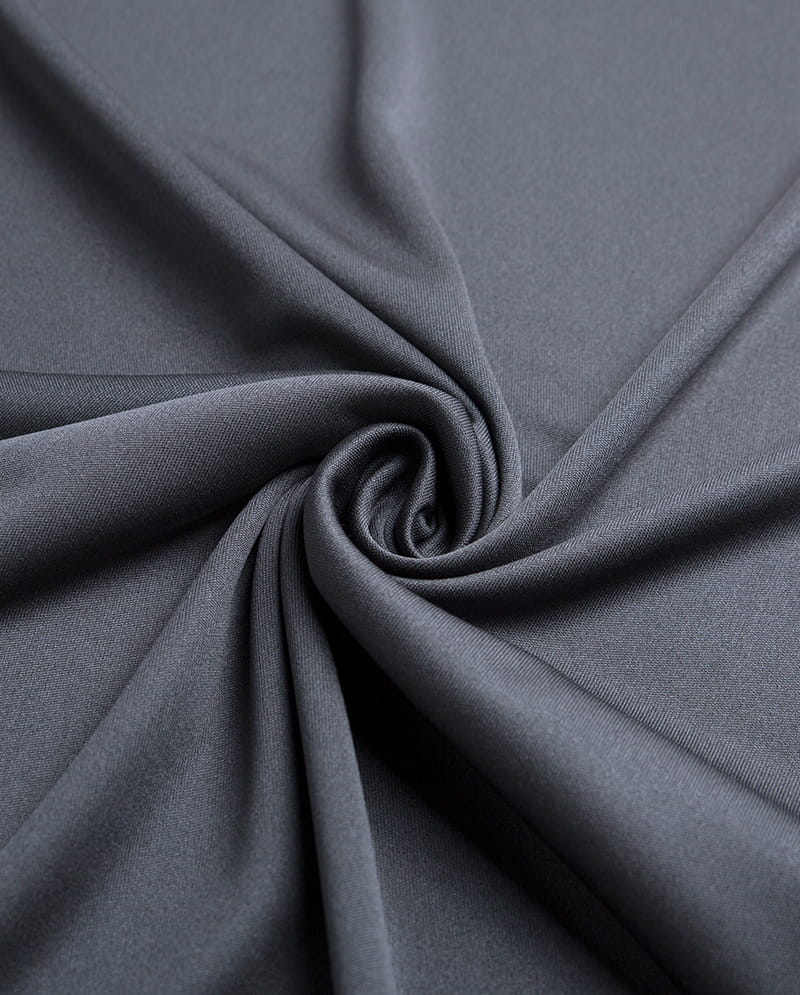
Breathable Double-Faced Elastic Composite Fabric
-
-
-
- whatsapp:
- 0086-13962559622
-
- skype:
- skype.aliceshenghong
-
- Wechat:

COPYRIGHT © 2016 Suzhou Junhui Textile Co., Ltd.
