

 EN
EN English
 中文简体
中文简体CD Yarn vs Standard Polyester: What Every Textile Buyer Needs to Know
Content
Most polyester yarn looks the same on a spool. The difference shows up the moment it hits a dye bath — and that difference can define the entire quality of your finished fabric. CD yarn, short for cationic dyeable polyester yarn, was specifically engineered to solve the color limitations of standard polyester. If you're sourcing yarn for sportswear, home textiles, or technical fabrics, here's what the technical data actually means for your production.
What Makes CD Yarn Different at the Molecular Level
Standard polyester (PET) is dyed with disperse dyes under high temperature and high pressure — typically above 130°C. The fiber's dense, crystalline structure makes dye penetration difficult, which caps color vibrancy and limits blending options.
Cationic dyed polyester yarn takes a different approach. During polymerization, sulfonate groups (from 5-sulfoisophthalic acid sodium salt) are introduced into the polymer chain. These negatively charged sites attract and bond with positively charged cationic dyes at just 110–125°C — atmospheric pressure, no pressure vessels required. The result is a deeper ionic bond between dye and fiber, which is why CD yarn fabrics consistently outperform standard polyester in color fastness tests.
Key Performance Specs Buyers Should Check
Performance claims mean nothing without numbers. The CD DTY yarn used for textile weaving and knitting carries the following verified specs:
| Parameter | CD Yarn | Standard Polyester DTY |
|---|---|---|
| Tensile Strength | 4.5–5.0 cN/dtex | 3.5–4.2 cN/dtex |
| Dyeing Temperature | 110–125°C | 130°C+ |
| Elastic Recovery Rate | ~90% | 80–85% |
| Dye Type | Cationic dyes | Disperse dyes |
| Color Fastness | Excellent (ionic bond) | Good |
The 90% elastic recovery rate matters most for weft-knitted applications — it determines whether a fabric retains its shape after repeated wear and washing. Higher tensile strength (4.5–5.0 cN/dtex) directly reduces breakage risk during high-speed weaving, lowering your defect rate and waste cost.
Available Denier and Filament Configurations
Choosing the wrong D/F combination is one of the most common sourcing mistakes. Finer counts produce softer, silkier hand feel; heavier counts add structure and abrasion resistance. The standard CD DTY range covers:
- Fine count: 25D/24F, 30D/24F, 30D/36F — ideal for linings, base layers, and lightweight activewear
- Mid-range: 50D/36F, 50D/72F, 75D/36F, 75D/72F, 75D/144F — the workhorses for sportswear and knitted fashion fabrics
- Heavier count: 100D/36F–144F, 150D/48F–288F, 300D/96F — suited for workwear, upholstery, and technical woven fabrics
The SD+CD blend variant (mixing semi-dull and cationic filaments in the same yarn) is especially popular for heather-effect fabrics. When piece-dyed, the two fiber types take on different shades in the same dye bath — creating a natural two-tone depth without yarn dyeing costs. Common specs for this blend run from 50D/48F to 300D/288F.
Where CD Yarn Outperforms: Application Guide
Not every fabric needs CD yarn — but for certain end uses, there's no practical substitute.
Sportswear and activewear: The combination of ~90% elastic recovery and superior color fastness makes it the preferred choice for compression leggings, jerseys, and training apparel. Repeated washing at 40°C won't dull the color or weaken the crimp structure. Pair it with high-stretch cationic knitted fabric constructions for maximum performance.
Woven outerwear and workwear: The tensile strength (4.5–5.0 cN/dtex) reduces warp breakage on high-speed looms. For outdoor jackets and industrial workwear, cationic woven fabric delivers both color durability and structural integrity across long production runs.
Home textiles: Bedding, cushion covers, and decorative fabrics benefit from the vibrant, fade-resistant colors that cationic dyeing achieves. The lower dyeing temperature also reduces energy costs per meter — a real advantage at scale.
Dual-color and heather designs: Blending CD yarn with standard polyester in the same fabric is how mills achieve sophisticated heather aesthetics without complex yarn-dyeing processes. A single dye bath produces two distinct shades on two fiber types simultaneously.
Sourcing Checklist: 4 Questions to Ask Your Supplier
Before placing a bulk order, verify these four points to avoid quality surprises downstream.
- What is the actual cationic modifier content? The DMS salt content (sulfonate groups) determines dye uptake. Too low and colors look flat; too high and the yarn becomes brittle. Ask for the chip blend ratio.
- What D/F range do they stock vs. make to order? Stocked ranges (typically 50D–150D) ship faster; custom fine counts like 25D/24F usually require a minimum order and lead time.
- Can they supply SD+CD blended yarns? This is a key differentiator for heather-effect fabric buyers. Not every supplier runs SD+CD on the same texturing line.
- What certifications cover the recycled CD option? If you need GRS-certified recycled cationic dyed polyester yarn for sustainability claims, confirm the certificate number and scope before sampling.
Bottom Line
CD yarn costs slightly more per kilogram than standard DTY. That premium pays for itself in three ways: lower dye cost per meter (less energy, no pressure equipment), fewer defects on the loom (higher tensile strength), and better end-product color retention that reduces returns and complaints. For any application where color quality and fabric durability are non-negotiable, the math favors CD yarn over conventional polyester from the first production run.
Popular products
-
Premium Cationic Interlock Stretch Comfort Fabric
-
Moisture-Wicking Nylon Woven Fabric
-
Double-faced jacquard elastic fabric
-
Heather Grey Double-faced cationic jersey fabric
-
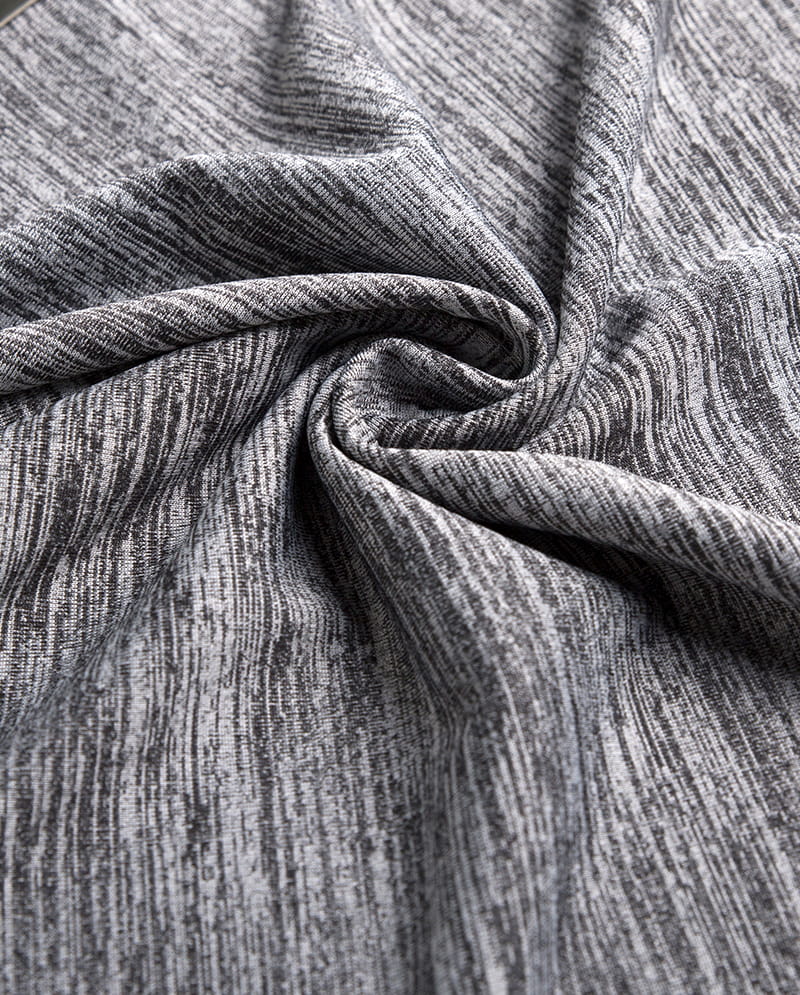
Anti-static Cationic Knitted Rib Fabric
-
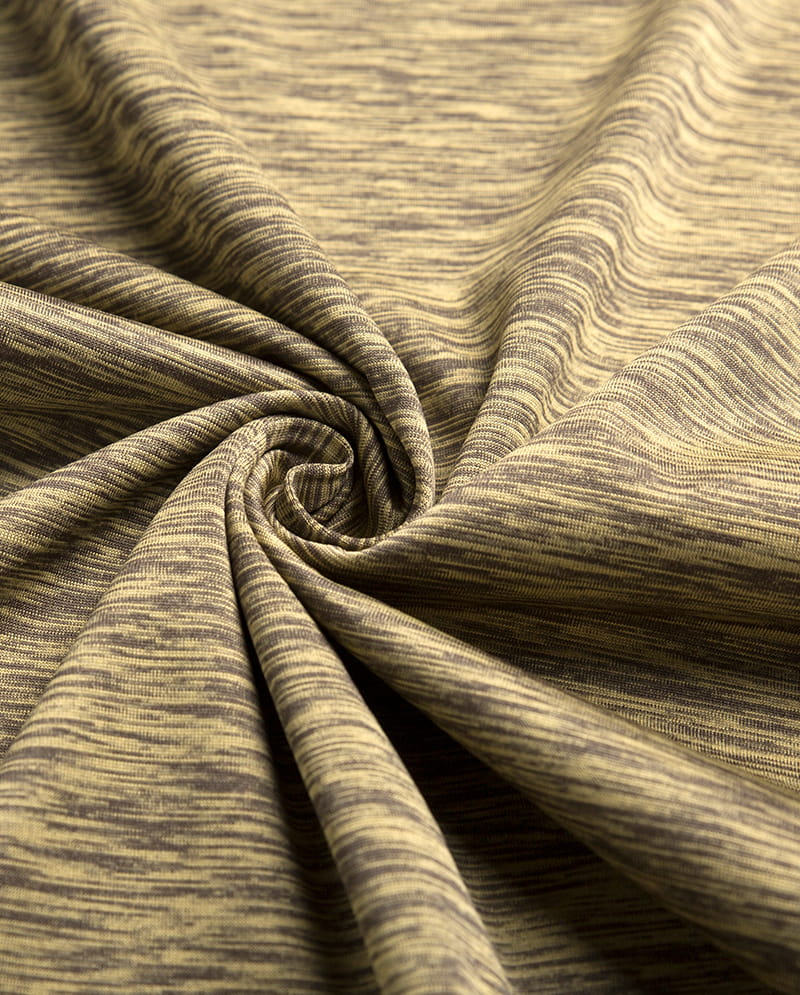
High-Stretch Cationic Jersey Fabric
-
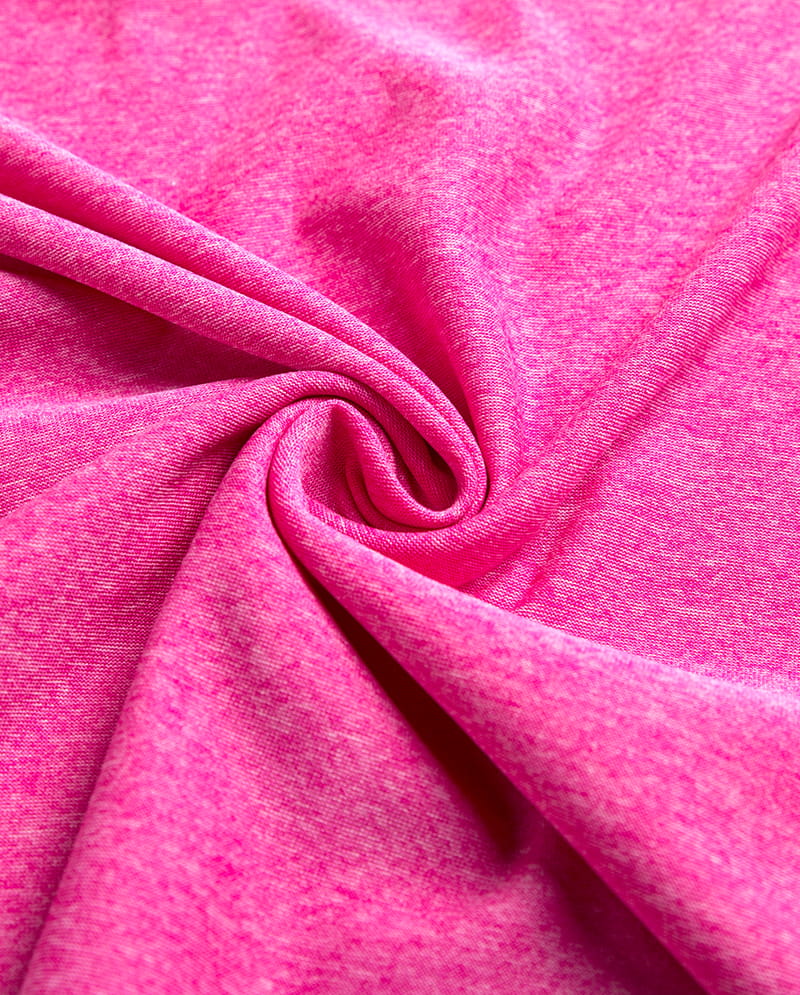
High Quality Cationic DTY Spandex Two Sides Brush Dralon Knit Fabric for Garment Thermal Underwear
-
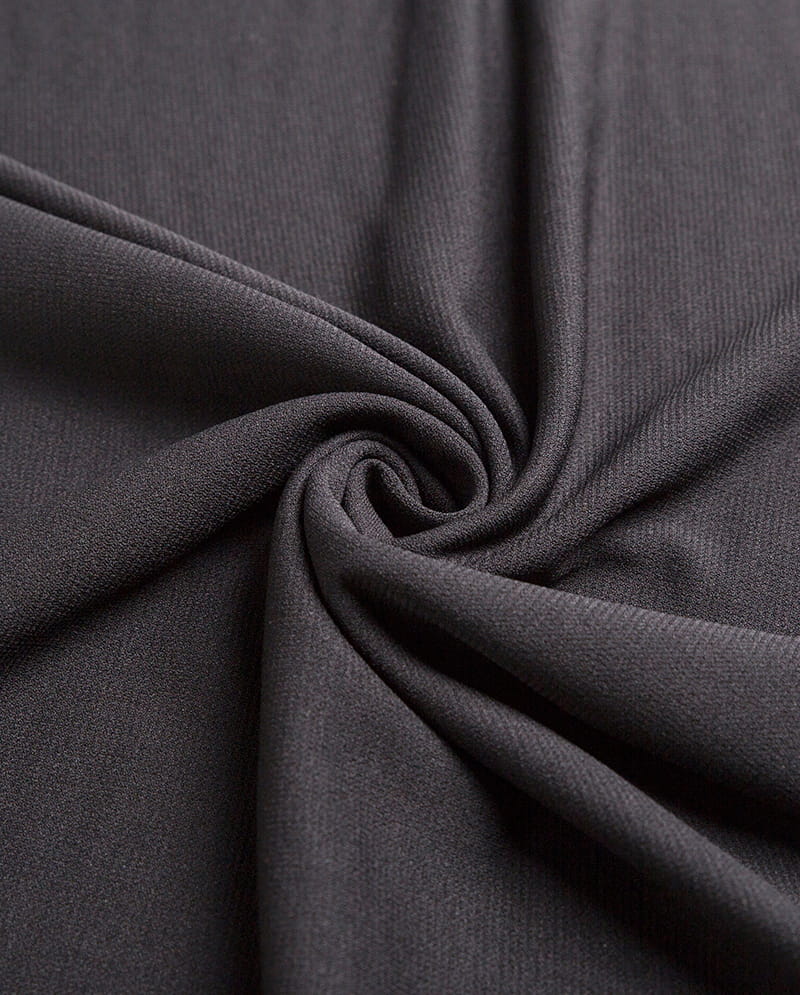
Durable Anti-Pilling Knitted Fabric for Home Textiles
-
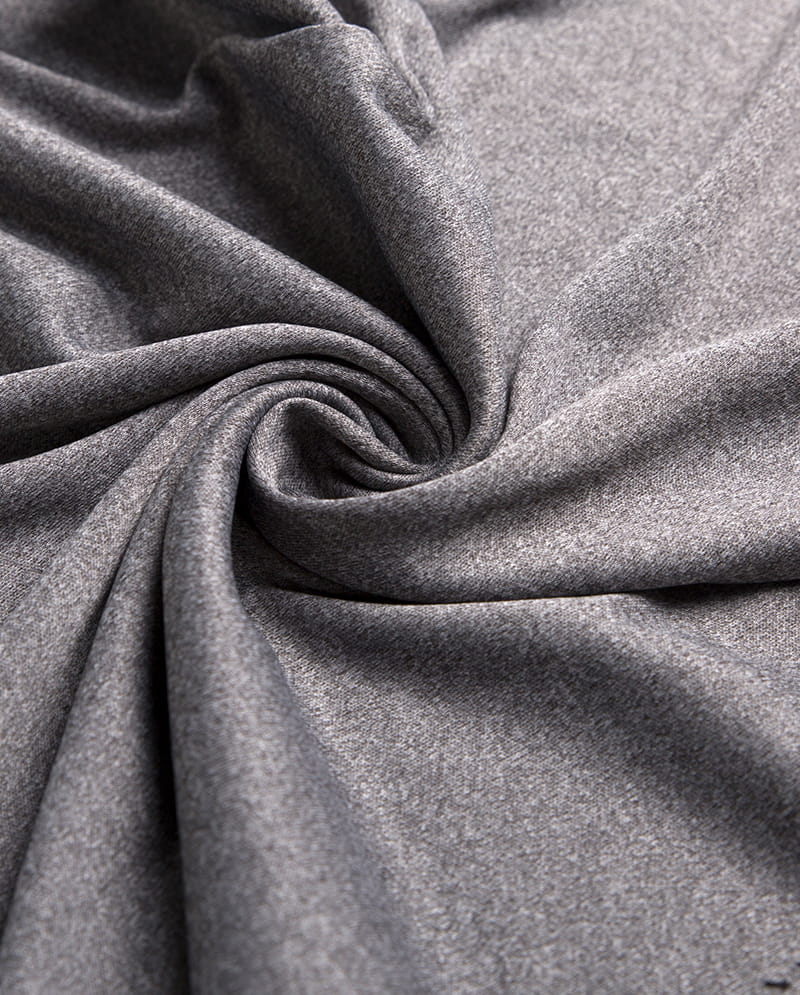
Wash-Resistant Cationic Elastic Knitted Fabric for Garment Industry
-
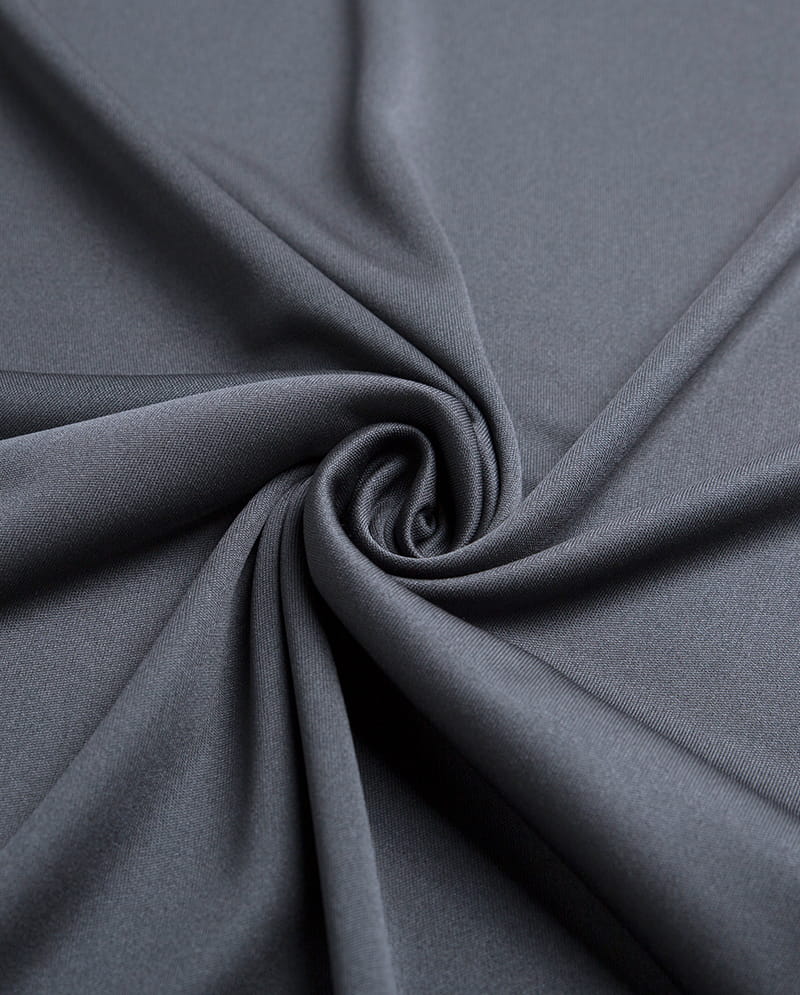
Breathable Double-Faced Elastic Composite Fabric
-
-
-
- whatsapp:
- 0086-13962559622
-
- skype:
- skype.aliceshenghong
-
- Wechat:

COPYRIGHT © 2016 Suzhou Junhui Textile Co., Ltd.
