

 EN
EN English
 中文简体
中文简体CD Yarn vs. Regular Polyester: 5 Differences Every Textile Buyer Should Know
Content
- 1 Why Buyers Are Switching from Regular Polyester to CD Yarn
- 2 1. Dyeing Temperature: 120°C vs. 135°C
- 3 2. Color Performance: Deeper, Brighter, More Consistent
- 4 3. Tensile Strength and Elastic Recovery
- 5 4. The Bi-Color Effect: A Capability Standard Polyester Cannot Match
- 6 5. Available Specifications: What to Request When Sourcing
- 7 The Practical Decision: When CD Yarn Makes Sense
Why Buyers Are Switching from Regular Polyester to CD Yarn
Standard polyester has one persistent problem: dye uptake. It requires disperse dyes at 130–135°C under high pressure, limits color vibrancy, and often produces inconsistent results when blended with elastane or nylon. That constraint has pushed sportswear and fashion manufacturers toward a better option.
CD Yarn — cationic dyeable polyester draw-textured yarn — was engineered specifically to solve those problems. The difference starts at the molecular level: a small amount of sodium sulfonate groups is copolymerized into the PET backbone, which lowers the fiber's glass transition temperature by roughly 10°C and creates anionic dye sites that bond directly with cationic dyes. The result is a yarn that performs differently in almost every relevant dimension.
Here are five differences that actually affect your sourcing and production decisions.
1. Dyeing Temperature: 120°C vs. 135°C
CD yarn reaches full color saturation at 110–120°C — a meaningful reduction from the 130–135°C required for standard polyester. That 10–15°C gap matters for two reasons.
First, it reduces energy consumption per dyeing cycle. Second — and more practically — it prevents thermal degradation of spandex or elastane in blended fabrics. If you're producing stretch activewear or swimwear, keeping the dyeing temperature below 125°C protects the elastic component and maintains the fabric's recovery after washing. With regular polyester, that compromise is unavoidable. With CD yarn, it disappears.
2. Color Performance: Deeper, Brighter, More Consistent
The ionic bond between cationic dyes and CD fiber is chemically stronger than the mechanical bond disperse dyes form with standard polyester. That structural difference shows up in two measurable ways: color depth and wash fastness.
CD yarn achieves a broader, more saturated color spectrum — particularly strong reds, royal blues, and deep blacks that standard polyester struggles to match. More importantly, the colorfastness holds after repeated washing and UV exposure, which makes it the default choice for outdoor apparel, athleisure, and home textiles where long-term color retention is part of the product promise.
There's also a production efficiency angle: because dye uptake is faster and more uniform, dyeing cycles are shorter and dye wastage is reduced compared to standard polyester processing.
3. Tensile Strength and Elastic Recovery
One concern buyers raise about modified polyester yarns is whether the chemical modification weakens the fiber. With well-produced CD DTY, the answer is no.
The High-Strength Cationic Dyed Polyester Yarn from Suzhou Junhui Textile delivers tensile strength of 4.5–5.0 cN/dtex — comparable to standard SD DTY performance — with an elastic recovery rate of approximately 90%. That recovery figure matters for woven and knitted applications alike: it means the yarn retains its shape after stretching, reducing pilling and deformation across the garment's life cycle.
The crimped structure from the DTY texturing process also contributes to a soft, bulky hand feel that flat FDY cannot replicate, making CD DTY a practical choice for sportswear and intimate apparel where comfort against skin matters.
4. The Bi-Color Effect: A Capability Standard Polyester Cannot Match
One application where CD yarn has no real substitute is yarn-dyed two-color fabric — what manufacturers often call the "heather" or "melange" effect.
The technique uses CD yarn in the warp direction and regular polyester yarn in the weft. During the dyeing process, the two fiber types react differently to the same bath: cationic dyes bond to the CD component while standard polyester picks up disperse dyes. The result is a subtle, sophisticated two-tone visual depth that would otherwise require expensive yarn-dyed processes.
This is widely used in premium athleisure and outdoor jackets. The SD+CD DTY blended yarn option (available in denier/filament combinations including 50/48–72, 75/48–72, and 100/72–108–144) gives designers direct control over the intensity and ratio of the two-color effect.
5. Available Specifications: What to Request When Sourcing
Knowing what CD yarn can do is one thing. Knowing what specifications to request from a supplier is another. The table below summarizes the standard CD DTY denier/filament combinations available from Suzhou Junhui Textile.
| Product Type | Denier / Filament Options | Common End Use |
|---|---|---|
| CD DTY (D/F) | 25/24, 30/24-36, 50/36-72, 75/36-72-144, 100/36-48-72-144, 150/48-144-288, 300/96 | Sportswear, outdoor jackets, home textiles |
| SD+CD DTY (D/F) | 50/48-72, 75/48-72, 80/72, 100/72-108-144, 125/72-144, 150/72-108-144, 300/96-144-288 | Heather-effect fashion fabrics, two-color wovens |
| White & Black (D/F) | 100D B01/B02/B03, 150D B01/B02/B03, 80D/72-84 | Technical fabrics, linings, functional garments |
For most sportswear applications, 75D or 100D with a high filament count (72 or above) delivers the best balance of softness, drape, and durability. Finer counts like 50/36 are better suited to lightweight knit structures and cationic-dyed knitted fabrics where fabric weight and transparency are factors.
The Practical Decision: When CD Yarn Makes Sense
CD yarn is not the right choice for every application. If your end product uses 100% polyester with no blending requirements and color vibrancy is not a differentiator, standard SD DTY will cost less. But for any of the following conditions, the case for switching is clear:
- You're blending with elastane or nylon and need to keep dyeing temperature below 125°C.
- Your product competes on color — either through vivid solid shades or a heather two-color aesthetic.
- You need wash fastness comparable to natural fibers like cotton or silk, but with polyester's durability.
- You're producing activewear, swimwear, or outdoor apparel where UV resistance and abrasion resistance are specifications, not preferences.
For buyers sourcing at scale, the reduced dyeing cycle time and lower energy input per batch also improve production economics — an advantage that compounds across large orders.
Suzhou Junhui Textile ships products to customers in 36 countries, with OEM/ODM customization available across the full CD yarn range. If you have denier or application requirements not listed in the standard specifications, custom orders are accepted.
Popular products
-
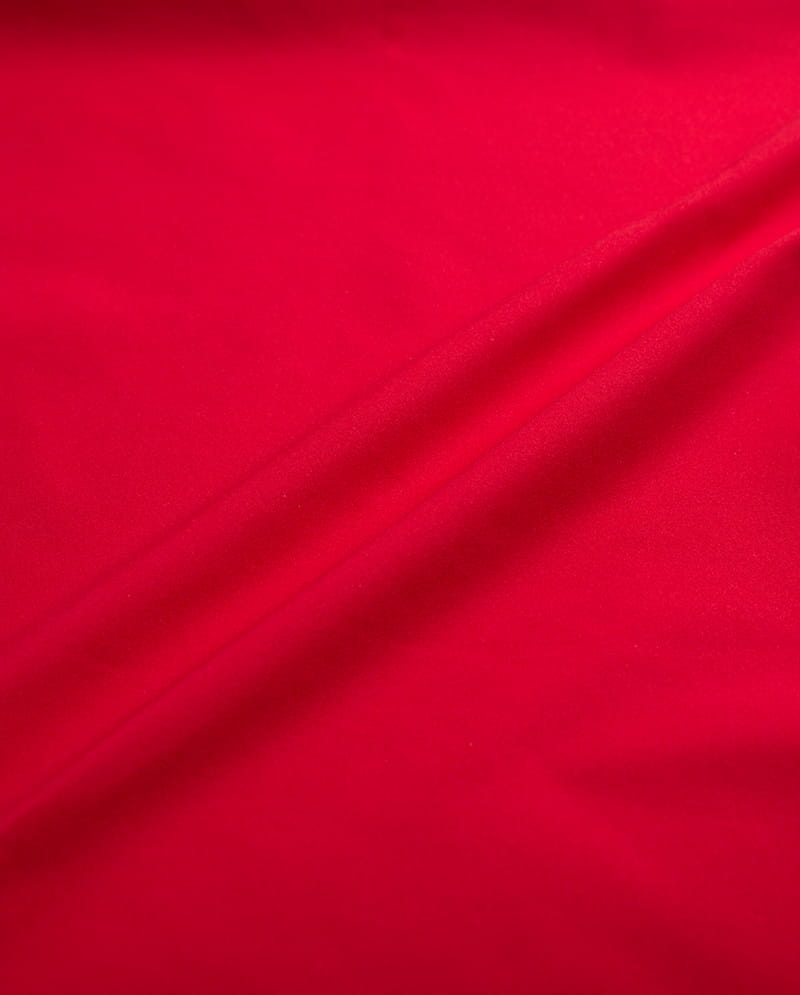
Premium Cationic Interlock Stretch Comfort Fabric
-
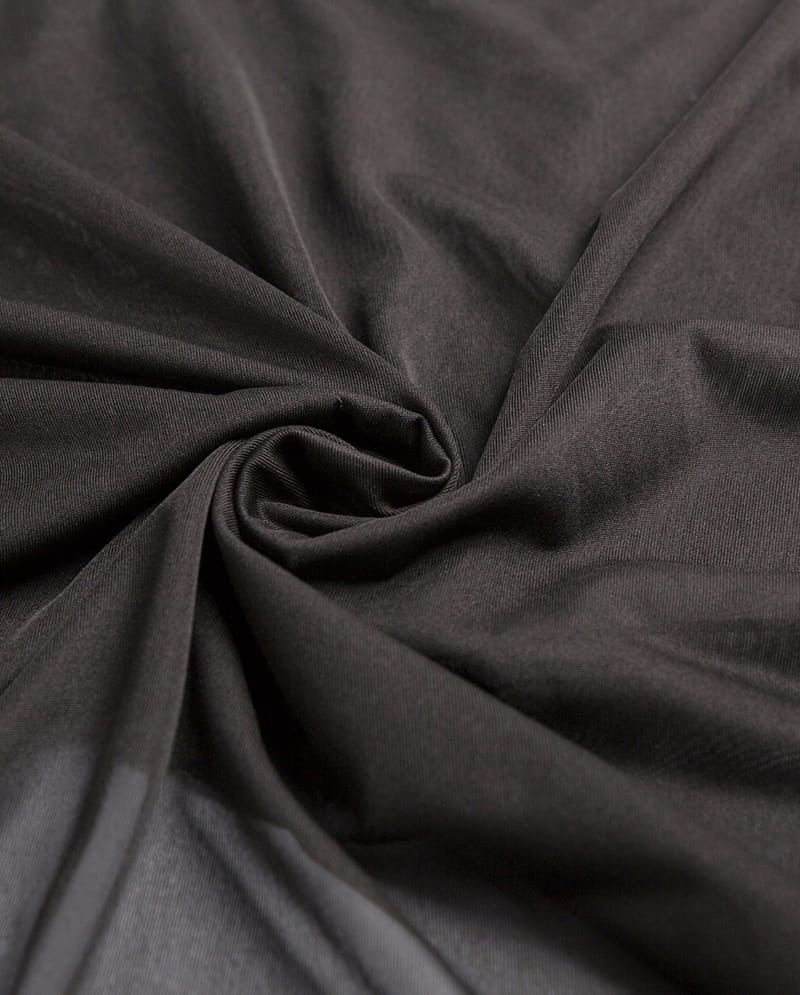
Moisture-Wicking Nylon Woven Fabric
-
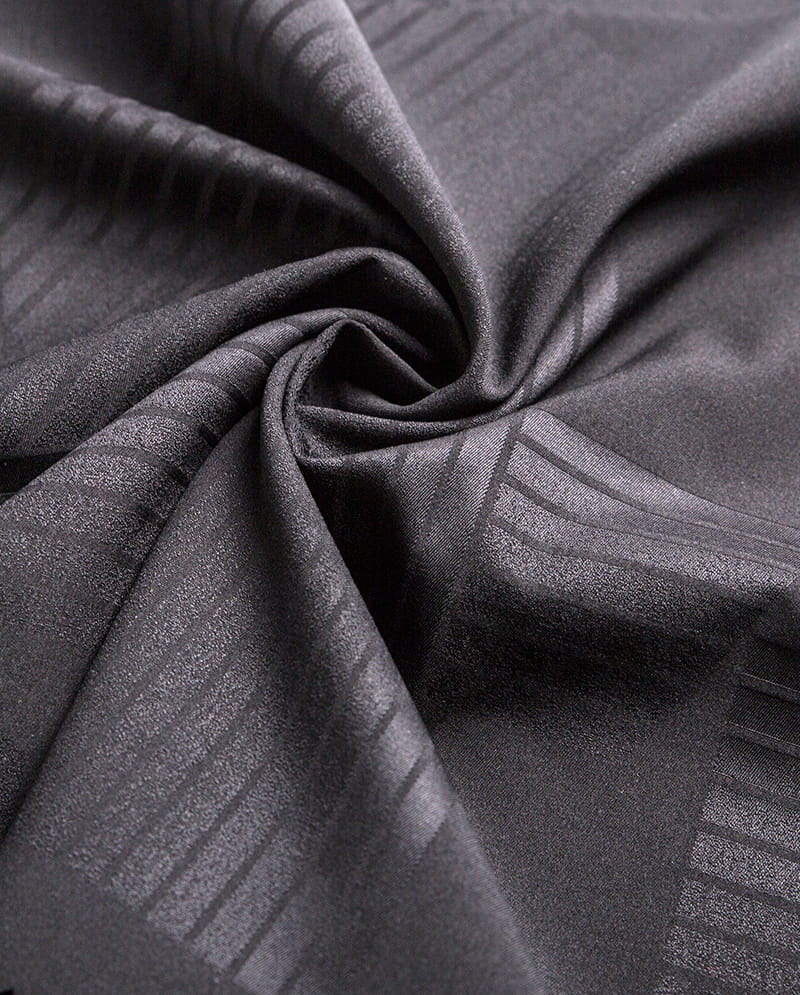
Double-faced jacquard elastic fabric
-
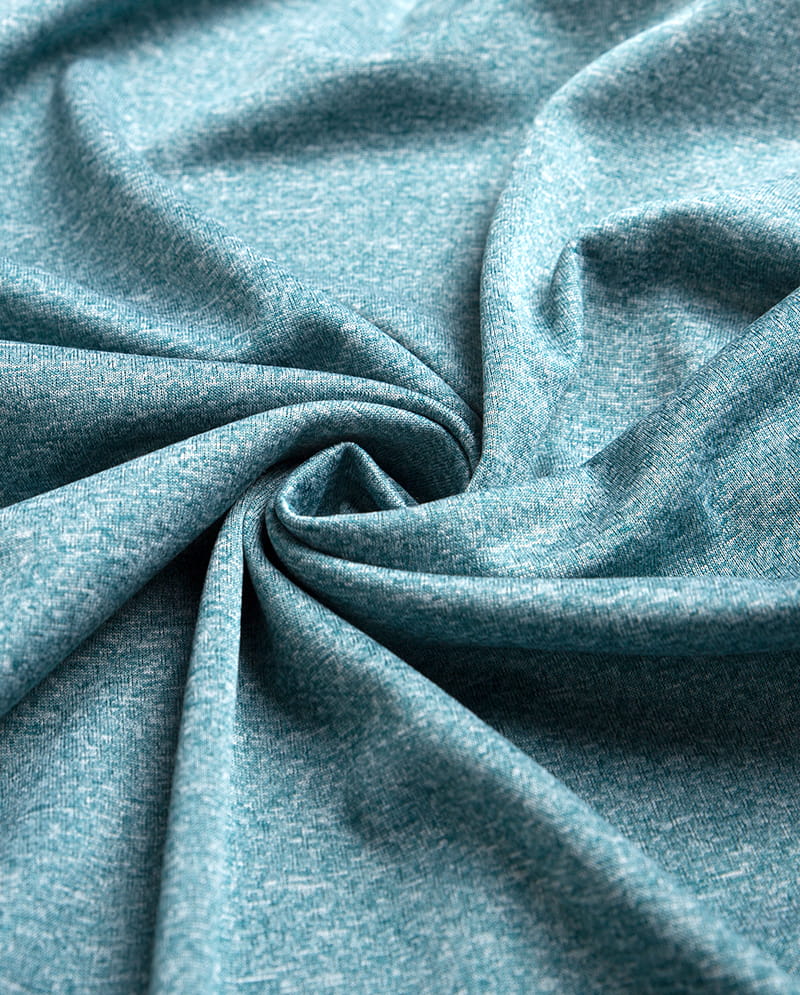
Heather Grey Double-faced cationic jersey fabric
-
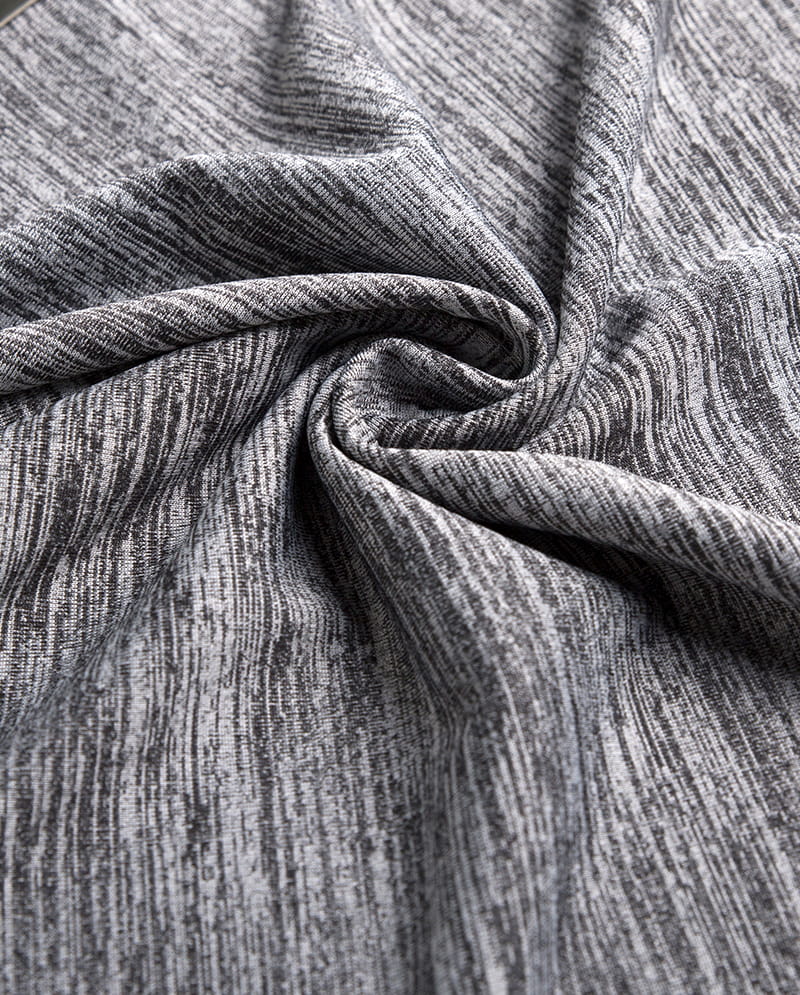
Anti-static Cationic Knitted Rib Fabric
-
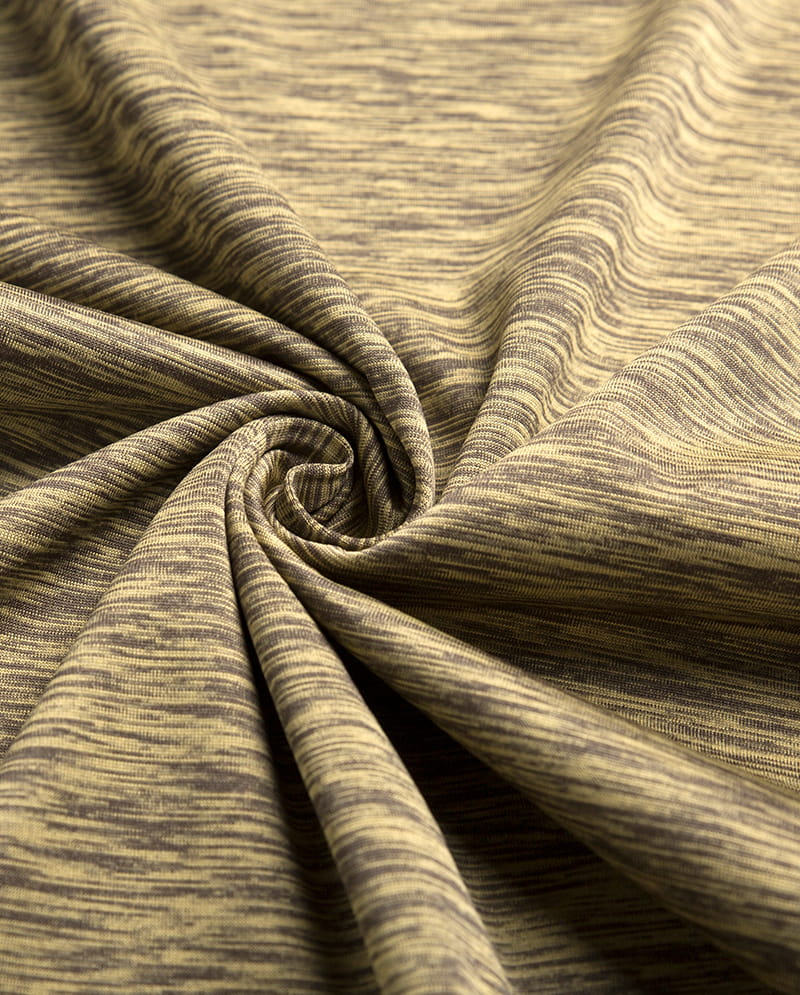
High-Stretch Cationic Jersey Fabric
-
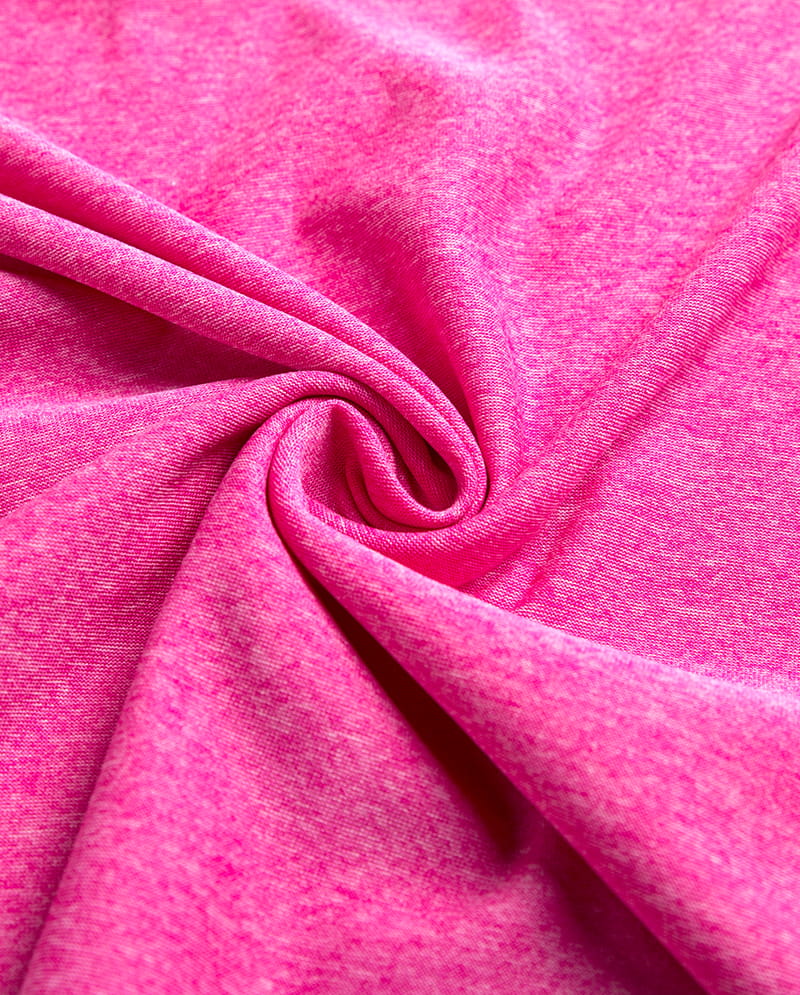
High Quality Cationic DTY Spandex Two Sides Brush Dralon Knit Fabric for Garment Thermal Underwear
-
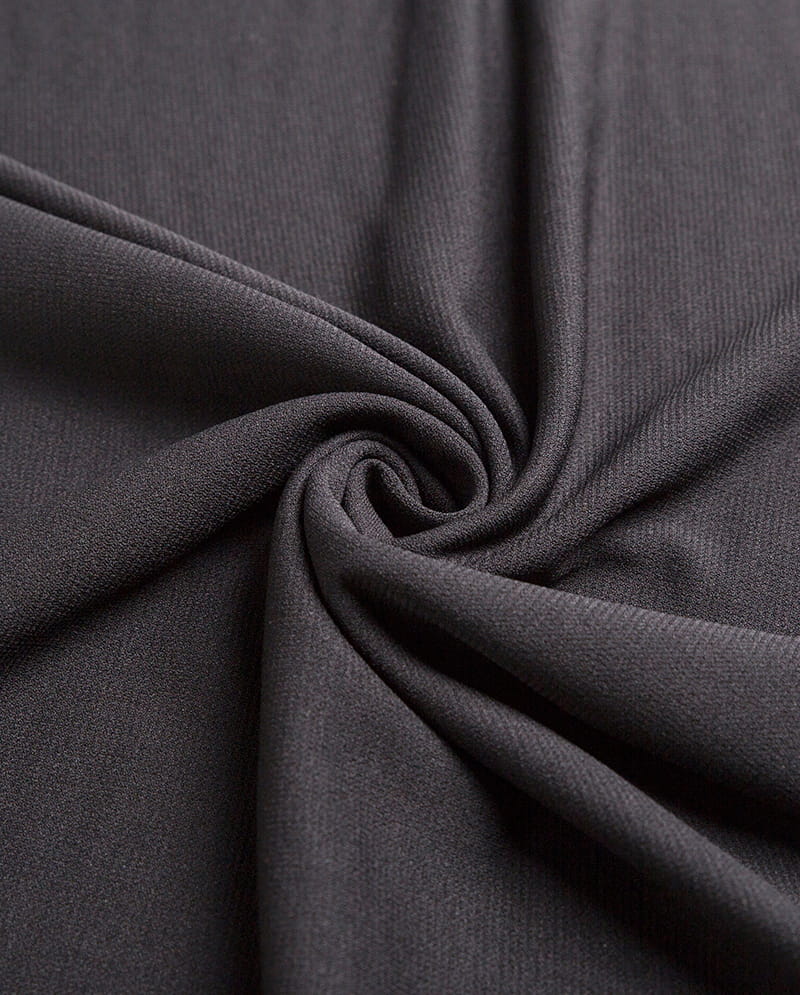
Durable Anti-Pilling Knitted Fabric for Home Textiles
-
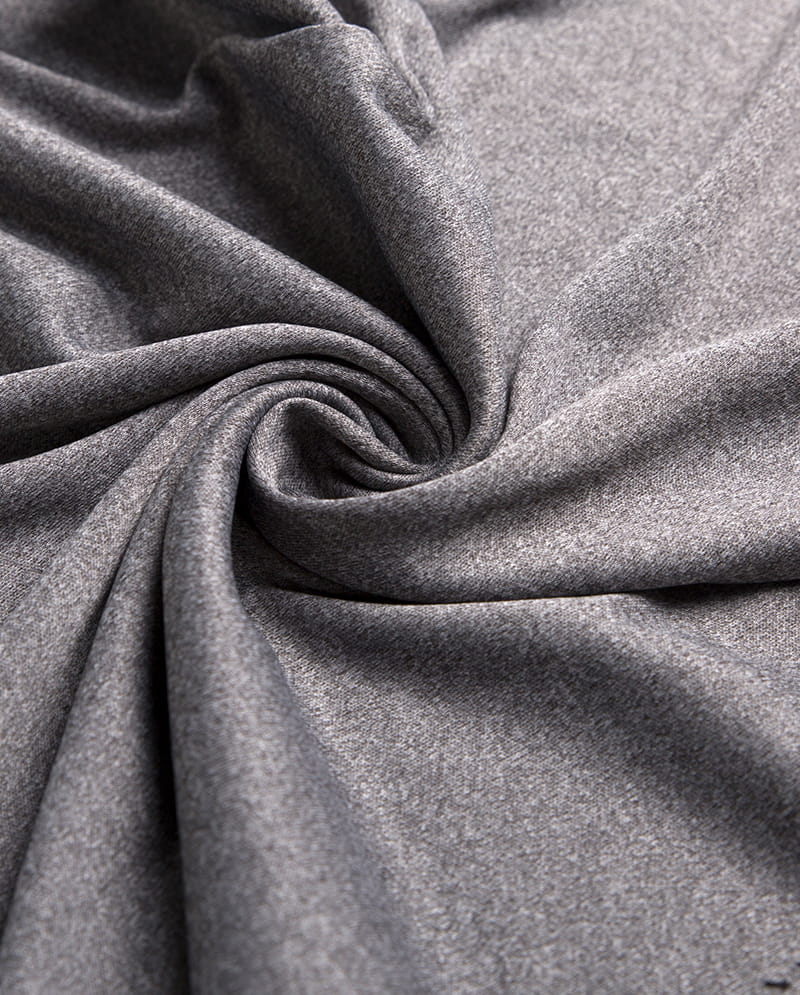
Wash-Resistant Cationic Elastic Knitted Fabric for Garment Industry
-
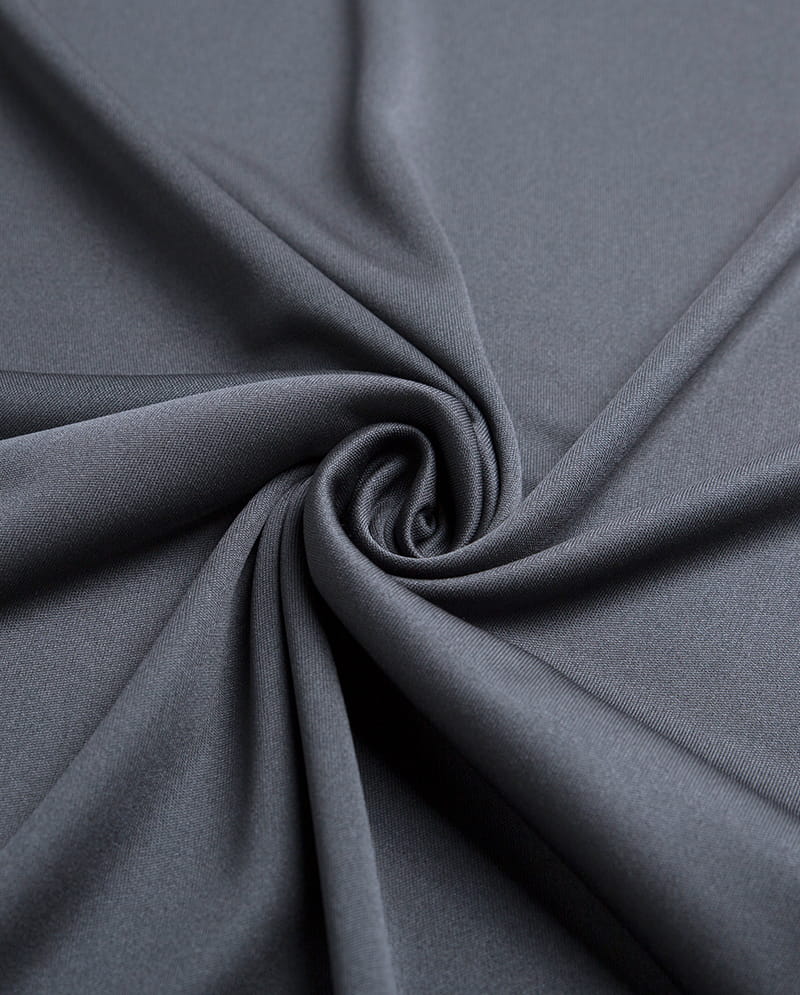
Breathable Double-Faced Elastic Composite Fabric
-
-
-
- whatsapp:
- 0086-13962559622
-
- skype:
- skype.aliceshenghong
-
- Wechat:

COPYRIGHT © 2016 Suzhou Junhui Textile Co., Ltd.
