

 EN
 English
 中文简体
Cationic Polyester Yarns: Performance, Dyeing Advantages, and Flexible Textile Applications
Content
- 1 What Makes Cationic Polyester Yarn Different?
- 2 Core Product Characteristics
- 3 SD+CD DTY Construction and Its Functional Benefits
- 4 Advantages Compared with Ordinary Polyester Yarn
- 5 Manufacturing Process and Technical Control
- 6 Product Portfolio Supporting Customer Development
- 7 Applications in Textile Manufacturing
- 8 Environmental and Functional Development
- 9 Quality, Customization, and Technical Service
- 10 How to Select the Right Specification
- 11 Processing Recommendations
- 12 Competitive Position in the Market
- 13 Commercial Benefits for Textile Manufacturers
- 14 Q&A: Cationic Polyester SD+CD DTY Yarn
- 14.1 What is SD+CD DTY yarn?
- 14.2 What is the main benefit of cationic polyester yarn?
- 14.3 Can cationic polyester be blended with ordinary polyester?
- 14.4 Is the yarn suitable for knitting?
- 14.5 Is the yarn suitable for weaving?
- 14.6 Does cationic polyester provide good color fastness?
- 14.7 What do specifications such as 100/72 or 150/144 mean?
- 14.8 Can the product be customized?
- 14.9 Are recycled cationic yarn options available?
- 14.10 What other yarn types are available from the supplier?
- 14.11 How should buyers begin a product inquiry?
- 15 Why Work with an Experienced Differentiated-Yarn Manufacturer?
- 16 Conclusion
- 17 References
- 18 Product: Cationic Polyester Yarns (SD+CD DTY (D/F) CD Yarn
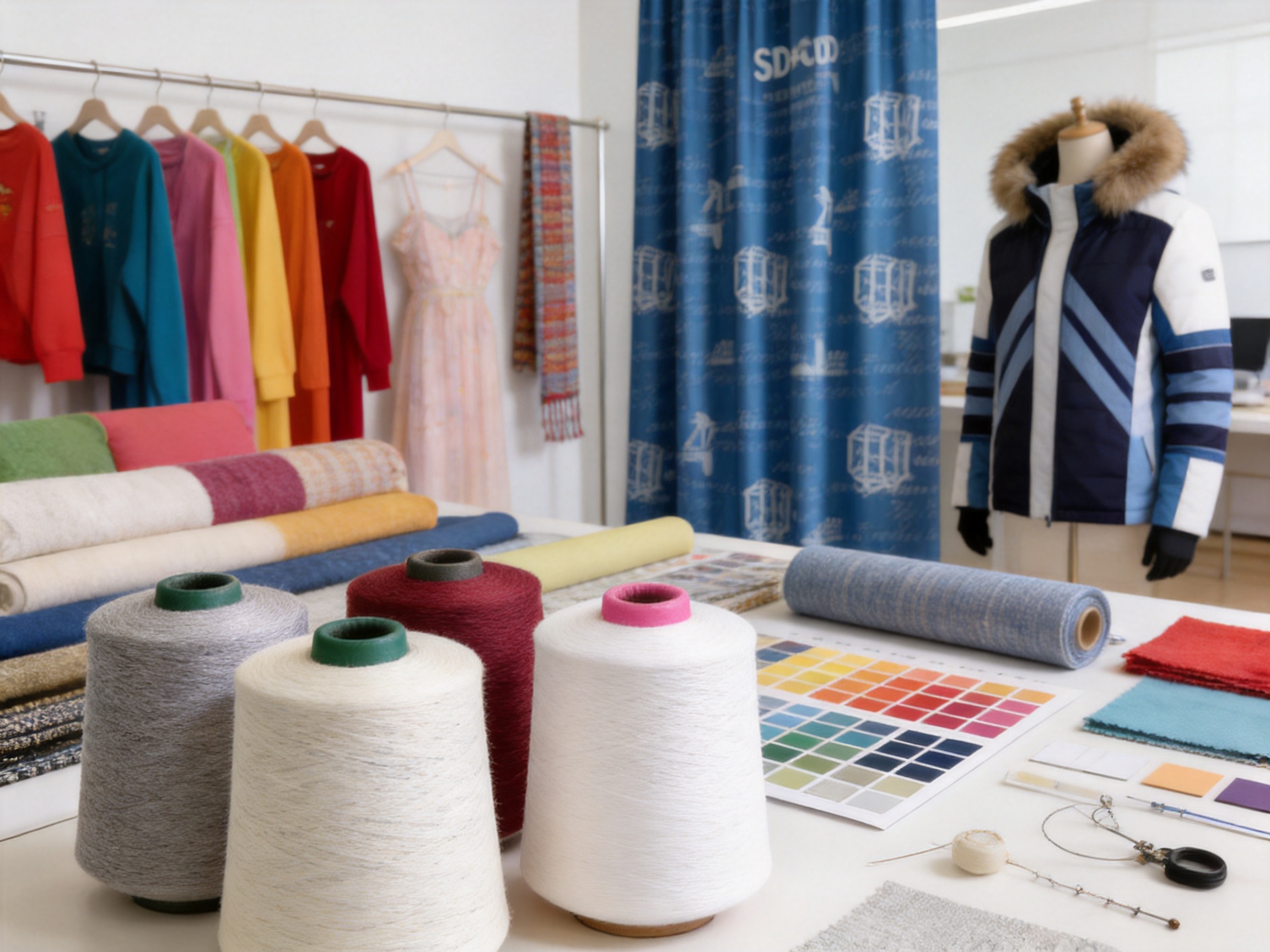
Cationic polyester yarns are engineered to combine the strength and processing efficiency of polyester with enhanced dyeability, vivid color development, and improved fabric value. Among the most versatile options in this category is SD+CD DTY yarn, a differentiated yarn that combines semi-dull and cationic-dyeable components in a textured structure. This construction enables textile manufacturers to create fabrics with attractive color contrast, comfortable handling, stable performance, and a distinctive visual character.
The product is designed for manufacturers that need more than ordinary polyester yarn. Conventional polyester is appreciated for its strength, dimensional stability, abrasion resistance, and cost efficiency, but it can require specialized dyeing conditions and may not provide the depth or brightness demanded by fashion and performance textiles. Cationic polyester addresses these limitations by introducing dye-active properties that support strong color absorption and clearer shade expression.
SD+CD DTY yarn is suitable for a wide range of knitting and weaving applications. It can be used in apparel fabrics, sportswear, casualwear, home textiles, decorative materials, scarves, lining fabrics, knitted garments, and other products that require reliable physical performance combined with attractive coloration. The yarn can also be used in blended constructions, where its cationic-dyeable behavior creates a two-tone, mélange, or contrast effect alongside ordinary polyester.
Produced by Suzhou Junhui Textile Co., Ltd. and Suzhou Xiaoran New Material Co., Ltd., the yarn belongs to a broader portfolio of differentiated polyester products. This portfolio includes recycled yarn, polyester dope-dyed yarn, flame-retardant yarn, antibacterial yarn, moisture-wicking yarn, cotton-like yarn, hollow warm yarn, high-elastic yarn, PBT/PET yarn, and other functional products. This breadth gives customers access to coordinated yarn development instead of requiring separate suppliers for every special material requirement.
What Makes Cationic Polyester Yarn Different?
Cationic polyester yarn is a modified polyester material developed to improve dyeing compatibility with cationic dyes. Its molecular structure contains dye-active sites that attract cationic dyestuffs. As a result, fabrics made with this yarn can develop strong shades under dyeing conditions that are different from those used for standard polyester.
The key benefit is not simply color intensity. Cationic polyester can also be combined with ordinary polyester to create visual differentiation within the same fabric. When the two fiber types are dyed together, they can absorb color at different rates or to different degrees. This produces effects such as cross-dyeing, mélange coloration, subtle contrast, shadow effects, and two-tone appearances.
In SD+CD DTY yarn, SD generally refers to semi-dull polyester, while CD refers to cationic-dyeable polyester. DTY means draw textured yarn, a filament yarn that has undergone drawing and texturing to add bulk, stretch recovery, softness, and a more textile-like handle. The combination of SD and CD components gives the yarn a balance of appearance and dyeing performance.
The semi-dull component reduces excessive luster and creates a softer, more refined visual effect. The cationic component contributes strong dye affinity and distinctive shade development. Texturing adds volume, flexibility, and surface interest. Together, these features make SD+CD DTY yarn more adaptable than a standard bright or semi-dull polyester filament.
Core Product Characteristics
Bright and Deep Color Development
One of the main advantages of cationic polyester yarn is its ability to produce bright, saturated, and visually rich colors. Cationic dyes can bond effectively with the dye-active sites in the fiber, allowing manufacturers to achieve strong shade expression. This is especially valuable for fashion fabrics, colored knits, sportswear, and home textiles where color is a primary selling point.
Compared with ordinary polyester, the yarn can offer improved depth of dyeing. Dark colors can appear fuller, while medium and bright shades can show greater clarity. The resulting fabric may look more vibrant without requiring excessive dye concentration. This can help designers achieve a broader color palette and support collections that depend on strong visual differentiation.
High Dye Absorption Efficiency
The product is designed to provide a high dye absorption rate. Efficient dye uptake can contribute to more consistent coloration, improved production efficiency, and better use of dyestuffs. When the fiber absorbs dye effectively, less color may remain in the dye bath, which can simplify subsequent washing and reduce the risk of uneven shade development.
Dye absorption efficiency must always be evaluated together with the customer’s dyeing equipment, recipe, temperature curve, liquor ratio, and finishing process. Nevertheless, the inherent cationic dye affinity gives manufacturers a strong material foundation for developing efficient dyeing procedures.
Fast Internal Diffusion
The material is described as having a fast diffusion rate into the fiber. This characteristic helps dye move beyond the outer surface and distribute more evenly through the filament. Good internal diffusion reduces the likelihood of ring dyeing, a defect in which color concentrates near the surface while the interior remains less dyed.
Uniform dye penetration is important for both appearance and durability. A well-dyed filament is less likely to show noticeable shade irregularity when stretched, abraded, or processed into fabric. It can also help maintain a more stable appearance during garment use and care.
Good Color Fastness Performance
Cationic polyester yarn offers good resistance to color loss caused by sunlight and smoke fading. These properties are useful in products exposed to light, air pollutants, or indoor environmental conditions. Curtains, decorative fabrics, apparel, and other textile products can benefit from improved color stability.
Actual fastness results depend on shade, dye selection, dyeing conditions, finishing chemistry, exposure duration, and fabric construction. Dark shades and fluorescent colors may behave differently from pale shades. For this reason, production-scale testing remains essential. The yarn’s dye affinity, however, provides a reliable base for developing colorfast fabrics when appropriate dyes and process controls are used.
Lower Contamination Risk in Blended Applications
When cationic polyester is used with other polyester fibers, it can produce clear color differentiation while maintaining a relatively low contamination risk. This is an important advantage during processing. Excessive cross-contamination between fiber types can make shade control difficult and increase cleaning requirements. The product is designed to support clearer separation of dyeing behavior between cationic and ordinary polyester components.
Lower contamination risk can help textile mills maintain cleaner production conditions and reduce the frequency of corrective processing. It may also support more repeatable results when multiple lots are processed in succession. This benefit is particularly relevant to mills producing different shades or fabric types on shared equipment.
SD+CD DTY Construction and Its Functional Benefits
SD+CD DTY yarn combines two polyester characteristics in one engineered yarn structure. The SD portion provides a semi-dull appearance and helps moderate excessive filament brightness. The CD portion provides cationic dyeability and enhanced color response. The DTY process gives the yarn a textured profile that improves bulk, softness, and fabric coverage.
Texturing changes the physical behavior of a flat filament. It can introduce crimp, increase yarn volume, and improve the tactile quality of the finished fabric. Depending on the yarn count, filament number, texturing settings, and fabric construction, the result may range from a smooth and compact surface to a fuller and more elastic hand.
The product list includes multiple specifications for CD DTY and SD+CD DTY yarn. Available examples include 50/48-72, 75/48-72, 80/72, 100/72-108-144, 125/72-144, 150/72-108-144, and 300/96-144-288. In these descriptions, the first figure commonly indicates denier, while the second figure indicates filament count. Customers should confirm the exact specification, cross-section, luster, twist, intermingling, package format, and performance requirements before placing an order.
| Product Group | Representative Specifications | Typical Functional Contribution |
|---|---|---|
| CD DTY | 50/48-72; 75/48-72; 80/72; 100/72-108-144 | Cationic dyeability, vivid coloration, textured handle |
| SD+CD DTY | Available in selected denier and filament combinations | Contrast dyeing, semi-dull appearance, differentiated fabric effects |
| Recycled CD DTY | 75/36-72; 100/72-108-144; 150/72-108-144; 300/96-144-288 | Recycled-material positioning with cationic dyeing potential |
| High-Elastic Yarn | 30/12; 50/36-72; 75/36-72; 150/48-144 | Stretch-oriented comfort and recovery |
| Functional Yarn | Fire-retardant, antibacterial, moisture-wicking options | Added performance for specialized textile applications |
| Specialty Yarn | Cotton-like, hollow warm, PBT/PET, Acy constructions | Softness, warmth, elasticity, or distinctive hand feel |
The range allows manufacturers to select a yarn based on fabric weight, coverage, surface appearance, elasticity, and end-use requirements. A fine filament specification may be suitable for lightweight apparel or soft knitted fabrics, while a heavier specification may provide greater coverage and a fuller handle in outerwear, furnishing, or structured fabric.
Advantages Compared with Ordinary Polyester Yarn
More Flexible Dyeing Possibilities
Ordinary polyester is typically dyed with disperse dyes under high-temperature conditions. It provides strong general performance, but its dyeing behavior can limit the range of contrast effects available to fabric designers. Cationic polyester introduces another dyeing pathway. This creates opportunities for mixed-fiber and mixed-yarn designs that are difficult to achieve with standard polyester alone.
For example, a fabric containing ordinary polyester and cationic polyester can be dyed to produce a subtle two-color appearance. Designers can use this effect to create depth without printing, coating, or applying complicated finishing treatments. The result may look more natural and integrated because the color variation is developed within the yarn or fabric structure.
Enhanced Visual Value
Color has a direct influence on the perceived value of a textile. Deep, even, and distinctive shades can make a fabric appear more sophisticated. Cationic polyester supports this value through bright color development, rich dark shades, and specialized contrast effects.
These features are useful for manufacturers serving fashion brands and private-label customers. A differentiated yarn can help a mill offer fabrics that are not easily compared solely on price. Instead of supplying a basic polyester article, the manufacturer can present a fabric with a recognizable color effect, improved handle, or special performance story.
Comparable Comfort with a Lower Material Cost Than Natural Silk
Fabrics made with this type of yarn can provide a comfortable wearing experience and vivid coloration comparable in visual appeal to some natural-fiber fabrics. At the same time, polyester generally offers a more favorable cost structure than natural silk. This creates a practical middle ground for customers that want attractive, smooth, or elegant fabrics without the full cost and care requirements associated with silk.
Polyester also offers advantages in durability, dimensional stability, and supply consistency. These characteristics can help apparel and textile producers maintain predictable production schedules and product specifications.
Reliable Supply of Multiple Differentiated Products
A further advantage is access to a broad differentiated-yarn portfolio from a specialized supplier. The product range includes recycled series, normal series, cationic series, high-elastic series, and functional series. This makes it easier to develop coordinated collections using related yarn technologies.
A customer may require cationic yarn for a contrast-color jacket, recycled DTY for an environmentally positioned sportswear line, moisture-wicking yarn for activewear, and cotton-like yarn for casual garments. A supplier with expertise across these categories can provide more coherent technical support than a supplier focused only on commodity polyester.
Manufacturing Process and Technical Control
Raw Material Selection
Consistent yarn quality begins with controlled raw materials. Polyester polymer, chips, or specialty copolymer components must be selected according to the intended yarn function. For cationic polyester, the dye-active component must be properly controlled to provide repeatable dyeing behavior from lot to lot.
Raw-material selection affects intrinsic viscosity, melt stability, spinning behavior, strength, elongation, shrinkage, luster, and dye affinity. For recycled products, incoming material quality and traceability are particularly important because variation in recycled feedstock can influence processing stability. Careful supplier management and incoming inspection help establish a stable production foundation.
Polymer Preparation and Melting
Before spinning, polyester material is prepared and melted under controlled thermal conditions. Moisture control is essential because polyester can be sensitive to hydrolytic degradation during melting. Excess moisture may reduce polymer viscosity and negatively influence filament strength or uniformity.
Modern production practice therefore emphasizes drying, temperature control, melt filtration, and pressure stability. The objective is to deliver a clean and homogeneous polymer melt to the spinning assembly. Proper filtration helps remove impurities that could cause filament breaks, spinneret blockage, or uneven denier.
Composite or Component Spinning
SD+CD yarn requires accurate control of the relationship between semi-dull and cationic-dyeable components. The spinning process must maintain stable component distribution and consistent filament formation. Small variations in melt flow, temperature, pressure, or component ratio can influence dyeing behavior and fabric appearance.
Spinning equipment transforms the polymer melt into fine continuous filaments through spinneret orifices. Cooling air then solidifies the filaments. The cooling profile must be sufficiently uniform to prevent differences in crystallization and orientation across the filament bundle. Stable spinning conditions support consistent denier, strength, elongation, and shrinkage.
Drawing and Orientation
Drawing aligns polymer chains and improves the mechanical performance of the filament. The draw ratio, roller temperature, line speed, and tension must be adjusted according to the yarn specification. Proper drawing helps establish the desired balance of tensile strength, elongation, dimensional stability, and processability.
For differentiated yarns, drawing conditions also influence dyeing response and texture. Excessive orientation may reduce dye uptake or affect softness, while insufficient orientation may reduce strength and create unstable processing behavior. A skilled production team must therefore balance mechanical and dyeing requirements rather than optimizing only one property.
False-Twist Texturing
DTY is commonly produced through a false-twist texturing process. The partially oriented or fully drawn filament is heated, twisted, set, and untwisted in a controlled sequence. This creates crimp and bulk while retaining the continuous-filament structure.
Texturing parameters influence yarn shrinkage, crimp stability, bulk, stretch, recovery, interlacing, and surface feel. If the process is not stable, the finished yarn may show variations in package density, appearance, or dyeing performance. Consistent heater temperature, spindle or friction-disc conditions, yarn tension, and winding speed are essential for reliable DTY quality.
Intermingling and Winding
Intermingling can be used to improve filament cohesion and handling during downstream processes. The appropriate interlace level depends on the customer’s weaving, knitting, warping, and sizing requirements. Excessive intermingling may influence hand feel, while insufficient cohesion can create processing difficulties.
Winding creates the final package for shipment and subsequent use. Package hardness, shape, yarn tension, and winding density must be controlled to support smooth unwinding. A well-prepared package reduces the chance of yarn breaks and helps customers achieve stable knitting and weaving efficiency.
Inspection and Quality Assurance
Quality assurance should cover both physical and dyeing-related properties. Typical inspection categories include denier, filament count, tensile strength, elongation, shrinkage, crimp, intermingling, oil content, package weight, and appearance. For cationic products, dyeing trials are also important because the commercial value of the yarn depends strongly on its color response.
Laboratory dyeing can be used to compare shade depth, levelness, color difference, and fastness. Production samples should be evaluated using the customer’s intended dyeing method whenever possible. This approach helps identify process interactions before bulk manufacturing.
Product Portfolio Supporting Customer Development
The manufacturer’s product portfolio extends beyond SD+CD DTY yarn. The recycled series includes recycled SD DTY, recycled SD FDY, recycled FD DTY, recycled SD+CD DTY, recycled DDB DTY, and recycled CD DTY. Representative recycled specifications include 15/6, 20/12-24, 30/12-24-36, 50/36-48-72, 75/36-72-144, 100/36-48-96-144, 150/48-96-144-288, and 300/96-192-288-576, depending on the product category.
The normal series includes SD DTY, FD DTY, and SD DDB yarns. These products cover a broad selection of denier and filament combinations, including 25/72, 30/12-24-36-72, 50/36-48-72-144, 75/36-48-72-144, 100/36-48-96-144, 120/144, 150/48-96-144-288, 200/96-288-384, and 300/96-192-288-576.
The CD series includes CD DTY and SD+CD DTY yarns. The range is suitable for customers that need cationic dyeing effects in different fabric weights. White and black yarn options are also available in selected specifications, including 100D and 150D B01/B02/B03 products, together with 80D/72-84 options.
The high-elastic series includes high-elastic yarn, PBT/PET yarn, and PBT/PET DDB yarn. These products can serve applications requiring improved stretch, recovery, softness, or body comfort. The functional series includes fire-retardant yarn, antibacterial yarn, and moisture-wicking yarn, allowing customers to combine color effects with performance functions.
Other specialty options include cotton-like yarn in 32S, 40S, and 80S forms; hollow warm yarn in 75/72 and 150/144; and Acy yarn combinations such as 40+75/36-72, 30+100/96, and 40+150/48-96-144. This product diversity reflects the company’s focus on differentiated yarn development rather than only high-volume standard products.
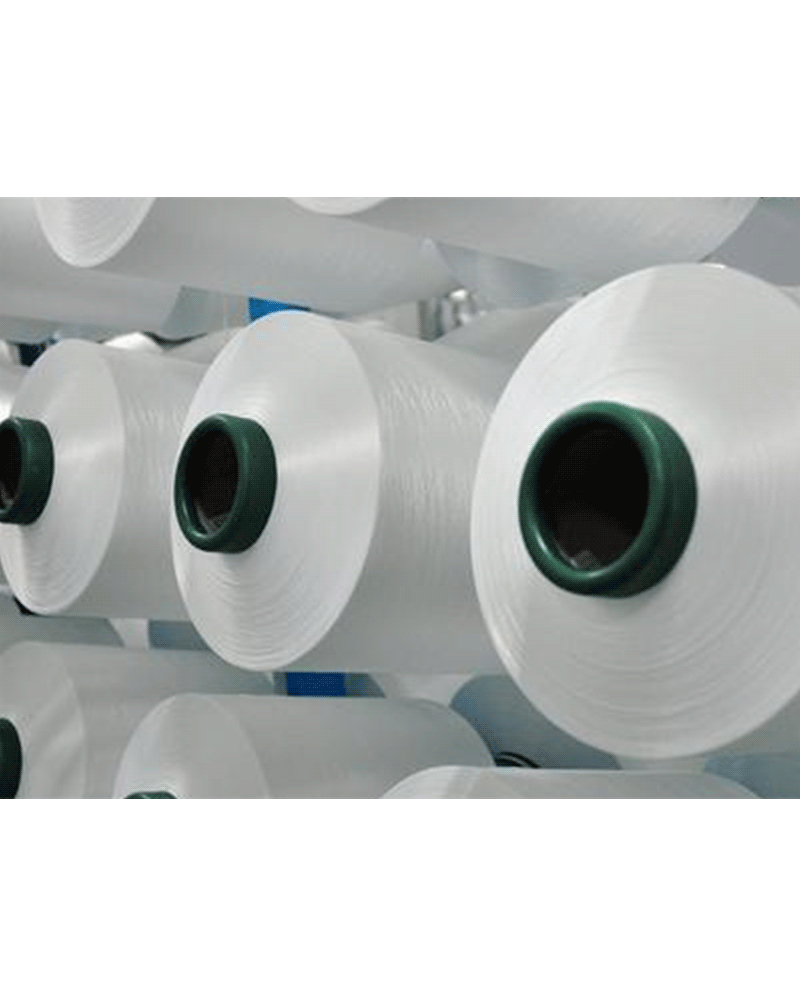
Cationic Polyester Yarns (SD+CD DTY (D/F) CD Yarn
Applications in Textile Manufacturing
Knitted Apparel
SD+CD DTY yarn is suitable for knitted fabrics requiring softness, bulk, stretch, and color richness. It can be used in T-shirts, dresses, skirts, lightweight sweaters, sportswear, lounge garments, and fashion knitwear. The textured construction helps create a comfortable surface, while cationic dyeability supports attractive solid or mixed-color effects.
In circular knitting, yarn uniformity and package quality are especially important. Stable tension helps reduce barré, streaks, and uneven loop formation. Customers should select the appropriate denier and filament count according to machine gauge, fabric weight, stitch density, and desired cover factor.
Sportswear and Activewear
Sportswear manufacturers often need yarns that combine color stability, durability, comfort, and efficient production. Cationic polyester can support strong visual branding through vivid colors and contrast effects. DTY construction can add softness and flexibility, while polyester’s inherent strength supports repeated wear.
For activewear, cationic yarn may be combined with moisture-wicking, high-elastic, or recycled yarns. This creates a multi-functional fabric that addresses both performance and sustainability requirements. Product selection should be based on the complete fabric design rather than on dyeing properties alone.
Fashion and Decorative Fabrics
Fashion fabrics benefit from distinctive surface and color effects. SD+CD constructions can produce subtle shading, mélange appearances, and tonal contrast without relying entirely on printing. This can support seasonal collections that require visual novelty and an upscale appearance.
Decorative fabrics, scarves, linings, and accessories can also benefit from the combination of smooth filament performance and textured bulk. The semi-dull component can create a more subdued luster than fully bright polyester, helping the fabric appear elegant rather than overly reflective.
Home Textiles
Home-textile applications may include curtains, cushion fabrics, bed products, table textiles, and decorative panels. Good color expression and sunlight fastness are valuable in these applications because fabrics may be exposed to indoor lighting or sunlight for long periods.
The appropriate yarn specification depends on the required drape, opacity, abrasion resistance, and fabric construction. Heavier denier options may be suitable for fuller or more durable fabrics, while finer specifications can support lightweight curtains and soft decorative materials.
Environmental and Functional Development
The company’s product strategy includes recycled yarn and functional yarn development. Recycled polyester products can help textile manufacturers respond to demand for materials containing recycled content. Recycled SD DTY, recycled FD DTY, recycled SD+CD DTY, and recycled CD DTY provide options for customers seeking both environmental positioning and differentiated dyeing performance.
Recycled production requires careful management of feedstock quality, polymer consistency, filtration, and process parameters. When these controls are properly applied, recycled yarn can be integrated into apparel, home textiles, and other applications that require dependable processing behavior.
Functional yarn options include fire-retardant, antibacterial, and moisture-wicking products. Fire-retardant yarn can be considered for products where ignition resistance or reduced flame spread is important. Antibacterial yarn may be used in applications requiring odor-control or hygiene-oriented properties. Moisture-wicking yarn can support sportswear, underwear, uniforms, and other garments designed to manage perspiration.
These functions should be evaluated according to the relevant end-use standards and test methods. A yarn’s intended function may depend on additive type, dosage, fiber structure, finishing process, and laundering conditions. Technical consultation and sample testing are therefore important steps before commercialization.
Quality, Customization, and Technical Service
Customers rarely require only a generic denier and filament count. They may also need a specific luster, cross-section, shrinkage level, intermingling level, package format, color, elasticity, or dyeing behavior. The manufacturer states that it can accept orders for many kinds of differentiated yarn, creating opportunities for customized development.
Customization may begin with a review of the customer’s fabric construction and target performance. A knitting mill may prioritize low hairiness, stable tension, and soft bulk. A weaving mill may emphasize abrasion resistance, package unwinding, and dimensional stability. A dye house may focus on levelness, shade depth, and compatibility with existing recipes.
Close communication at the development stage helps avoid mismatches between yarn design and downstream equipment. Recommended information includes end use, fabric construction, machine type, target weight, dyeing method, finishing process, desired hand feel, color range, and relevant compliance requirements.
The companies maintain a professional research and development team that works with internationally recognized enterprises on environmental protection, functional yarn, and fabric development. This experience supports a more application-oriented approach. Rather than treating yarn as an isolated commodity, the development process considers how the material will perform through spinning, knitting, weaving, dyeing, finishing, cutting, sewing, and final use.
Global support is another stated strength. More than 90 percent of the products are exported, and the companies have established customer relationships in 36 countries. International experience can help suppliers understand different documentation practices, packaging expectations, testing requirements, and delivery procedures.
The company also states that its experts are prepared to respond to product-selection and technical questions within 12 hours globally. Prompt communication can be valuable when customers are working on sampling deadlines, urgent shade development, production troubleshooting, or replacement-material evaluation.
How to Select the Right Specification
Denier and Filament Count
Denier describes the linear mass of the yarn, while filament count describes the number of individual filaments in the yarn bundle. A lower denier generally produces a finer yarn, whereas a higher denier gives greater bulk and coverage. For the same denier, a higher filament count may provide a softer and finer surface because the denier is distributed across more filaments.
For example, a 75/72 yarn and a 75/36 yarn have the same nominal total denier but different filament counts. The 75/72 version may offer a finer filament feel, while the 75/36 version may provide a somewhat different texture and processing behavior. The best choice depends on the target fabric and finishing route.
Luster
Semi-dull yarn is often selected when the fabric should have a softer, less reflective appearance. Full-dull and bright options may be considered for other visual effects. In SD+CD yarn, the semi-dull component helps create a balanced appearance that can complement the color differentiation produced by the cationic component.
Texturing and Elasticity
DTY generally provides more bulk and stretch than a flat filament yarn. However, the exact degree of stretch and recovery depends on the texturing process and yarn construction. Customers should clarify whether they need ordinary textured yarn, high-elastic yarn, PBT/PET yarn, or a combination with spandex or other elastic fibers.
Color and Dyeing Route
Cationic products should be evaluated using the intended dye class and dyeing sequence. If the fabric contains both cationic-dyeable and ordinary polyester components, the dye recipe must be designed to achieve the desired contrast while maintaining levelness and fastness. Laboratory trials are recommended for new fabric constructions.
End-Use Requirements
Apparel, sportswear, home textiles, uniforms, and decorative products may have different requirements for strength, softness, abrasion resistance, color fastness, moisture management, and care performance. A yarn that works well in a lightweight knitted top may not be the best selection for a heavy furnishing fabric. Technical advice should therefore begin with the end use rather than with a specification chosen in isolation.
Processing Recommendations
Textile mills should store yarn in a clean, dry, and temperature-stable environment. Packages should remain protected from moisture, dust, direct sunlight, and mechanical damage. Before production, the yarn should be conditioned in the mill environment so that temperature and humidity differences do not create unnecessary tension variation.
During knitting or weaving, operators should monitor yarn tension, guide condition, package unwinding, machine speed, and needle or loom settings. Consistent tension is important for preventing fabric streaks and uneven density. If the yarn is used in a blend, the feeding ratio and tension of each component should be controlled carefully.
Dyeing parameters should be developed through laboratory and pilot trials. Important variables include dye selection, bath pH, temperature rise, holding time, dispersing agent, leveling agent, reduction clearing, washing, and finishing. Cationic and ordinary polyester components may respond differently, so the dyeing curve should be selected according to the intended color effect.
Finishing can significantly influence the final fabric handle and appearance. Heat setting, softening, calendaring, brushing, raising, and compacting may all alter bulk, luster, shrinkage, and color perception. A yarn should therefore be judged by its performance in the complete fabric process rather than by yarn test data alone.
Competitive Position in the Market
The strongest competitive advantage of this cationic polyester yarn is its combination of differentiation and practicality. A commodity yarn may provide basic polyester performance, but it may not deliver the same dyeing flexibility or visual interest. A more expensive natural fiber may offer luxury appeal, but it can involve higher cost, more demanding care, and greater variability in supply.
Cationic SD+CD DTY occupies a useful position between these alternatives. It offers the familiar processing benefits of polyester while allowing stronger color development and special contrast effects. It can help textile manufacturers produce fabrics with added value without moving entirely to high-cost raw materials or complex surface treatments.
The product also competes through breadth of specification and supporting product categories. Customers can source standard, recycled, high-elastic, functional, and cationic options from a coordinated supplier. This can shorten development time, simplify communication, and support a more consistent sourcing strategy.
Another competitive strength is the company’s focus on differentiated yarn. The stated business direction includes research, development, and sale of products designed for specific textile effects and functions. This specialization is relevant to buyers that need guidance, sampling, and problem solving rather than only a catalog item.
Commercial Benefits for Textile Manufacturers
Using cationic polyester yarn can create value at several stages of the supply chain. During product development, it offers designers more options for color and surface effects. During dyeing, its high dye affinity can support efficient color development. During marketing, the resulting fabric can be presented as a differentiated material rather than a basic polyester product.
The yarn’s compatibility with a broad range of fabric constructions can also help manufacturers serve multiple customer segments. One supplier relationship may support lightweight fashion knits, sportswear, decorative fabrics, recycled collections, and functional textiles. This flexibility can reduce the need to search for separate technical partners for each new project.
For exporters, consistent documentation and communication are important. The supplier’s extensive export experience and customer base across 36 countries indicate familiarity with international business requirements. Buyers should still confirm product certificates, testing reports, packing standards, lead times, payment terms, and shipping arrangements for every order.
Q&A: Cationic Polyester SD+CD DTY Yarn
What is SD+CD DTY yarn?
SD+CD DTY yarn is a draw textured yarn that combines semi-dull polyester and cationic-dyeable polyester characteristics. The SD component contributes a controlled luster, while the CD component provides enhanced affinity for cationic dyes. The DTY process adds bulk, softness, and a textured appearance.
What is the main benefit of cationic polyester yarn?
The main benefit is improved dyeability with strong color expression. It can provide bright and deep shades, efficient dye absorption, fast internal dye diffusion, and opportunities for contrast or two-tone effects when combined with ordinary polyester.
Can cationic polyester be blended with ordinary polyester?
Yes. Blending cationic polyester with ordinary polyester is one of its important applications. The two components can respond differently during dyeing, creating mélange, cross-dyed, or contrast effects. The exact appearance depends on blend ratio, yarn structure, fabric construction, dyes, and processing conditions.
Is the yarn suitable for knitting?
Yes. DTY constructions are widely used in knitted fabrics because they offer bulk, softness, and flexibility. The appropriate denier and filament count should be selected according to the knitting machine gauge, target fabric weight, stitch density, and desired handle.
Is the yarn suitable for weaving?
Yes. It can also be used in woven fabrics, provided the yarn specification and package format are appropriate for warping and weaving. Customers should evaluate tensile strength, elongation, intermingling, abrasion resistance, and sizing requirements before bulk production.
Does cationic polyester provide good color fastness?
The product is described as having good sunlight fastness and smoke fading fastness. Final performance depends on the selected dye, shade, dyeing recipe, finishing process, and fabric construction. Testing should be carried out using the customer’s actual production conditions.
What do specifications such as 100/72 or 150/144 mean?
These specifications commonly refer to denier and filament count. The first number generally represents total denier, and the second number represents the number of filaments. Buyers should confirm the supplier’s exact specification system and request a technical data sheet before ordering.
Can the product be customized?
The manufacturer states that it can accept orders for many kinds of differentiated yarn. Customization may involve denier, filament count, luster, dyeing behavior, elasticity, function, package type, or other production requirements. A development discussion and sample trial are recommended for customized products.
Are recycled cationic yarn options available?
The product portfolio includes recycled CD DTY and recycled SD+CD DTY options in selected specifications. Customers seeking recycled content should confirm the recycled-material percentage, certification requirements, traceability documents, and test data required for their market.
What other yarn types are available from the supplier?
The portfolio includes recycled yarn, normal SD and FD DTY, CD yarn, high-elastic yarn, PBT/PET yarn, fire-retardant yarn, antibacterial yarn, moisture-wicking yarn, cotton-like yarn, hollow warm yarn, Acy yarn, and other differentiated products.
How should buyers begin a product inquiry?
Buyers should provide the intended application, fabric construction, required denier and filament count, luster, color or dyeing method, estimated quantity, packaging requirement, and target delivery schedule. If the product is for a new development, fabric samples or performance targets can help the technical team recommend a suitable specification.
Why Work with an Experienced Differentiated-Yarn Manufacturer?
Product quality depends on more than the name of the fiber. It depends on polymer preparation, spinning stability, texturing control, package formation, inspection, technical communication, and the supplier’s ability to understand downstream textile processes. An experienced differentiated-yarn manufacturer can connect these stages and help customers avoid costly trial-and-error development.
Suzhou Junhui Textile Co., Ltd. and Suzhou Xiaoran New Material Co., Ltd. were founded in June 2015 and focus on the development and sale of specialized yarn and knitting fabric products. Their research direction includes environmental protection, functional yarn, and differentiated textile materials. This focus supports customers that need solutions for modern fashion, performance, sustainability, and comfort requirements.
The companies’ export-oriented business and customer relationships in 36 countries provide experience in serving international buyers. More than 90 percent of the products are exported, indicating a strong emphasis on overseas markets and international cooperation. Customers can benefit from communication with a supplier accustomed to working across different textile traditions and market specifications.
The stated service philosophy is centered on customer success. This means that product selection, problem solving, sampling, and technical response are treated as part of the supply relationship. For a technically sensitive material such as cationic polyester yarn, this service approach can be as important as the yarn itself.
Conclusion
Cationic polyester SD+CD DTY yarn is a versatile material for textile manufacturers seeking stronger color performance, design flexibility, and reliable polyester processing characteristics. Its cationic component provides high dye affinity, bright and deep shade development, efficient absorption, and fast internal diffusion. Its semi-dull component supports a refined appearance, while the DTY structure contributes bulk, softness, and fabric comfort.
Compared with ordinary polyester, the yarn offers additional dyeing possibilities and can create distinctive contrast effects when used with other polyester fibers. Compared with higher-cost natural materials, it offers a practical route to attractive color, comfortable handling, stable supply, and cost control. These advantages make it suitable for apparel, sportswear, knitwear, home textiles, decorative fabrics, and many other applications.
The manufacturer’s broader product portfolio strengthens this value proposition. Recycled, high-elastic, functional, cotton-like, hollow warm, PBT/PET, and other differentiated yarns enable customers to build complete material solutions around changing market needs. Its research and development capability, export experience, broad specification range, and technical service provide additional support for product development.
For the best result, buyers should evaluate the yarn according to the complete textile process. Specification, fabric construction, dyeing method, finishing route, color target, and end-use requirements should all be considered. With appropriate selection and testing, cationic polyester SD+CD DTY yarn can help manufacturers produce vivid, comfortable, durable, and commercially differentiated textile products.
References
1. Technical product information for cationic polyester yarn, SD+CD DTY yarn, and CD DTY yarn supplied in the product materials.
2. Product specification listings for recycled, normal, cationic, high-elastic, functional, cotton-like, hollow warm, and PBT/PET polyester yarns.
3. General textile manufacturing principles related to polyester spinning, drawing, false-twist texturing, intermingling, winding, dyeing, and finishing.
4. General technical information concerning cationic-dyeable polyester fibers, cationic dyes, color development, dye absorption, and blended polyester effects.
5. Company information concerning research and development, export activities, differentiated yarn production, and customer technical support.
Product: Cationic Polyester Yarns (SD+CD DTY (D/F) CD Yarn
Popular products
-
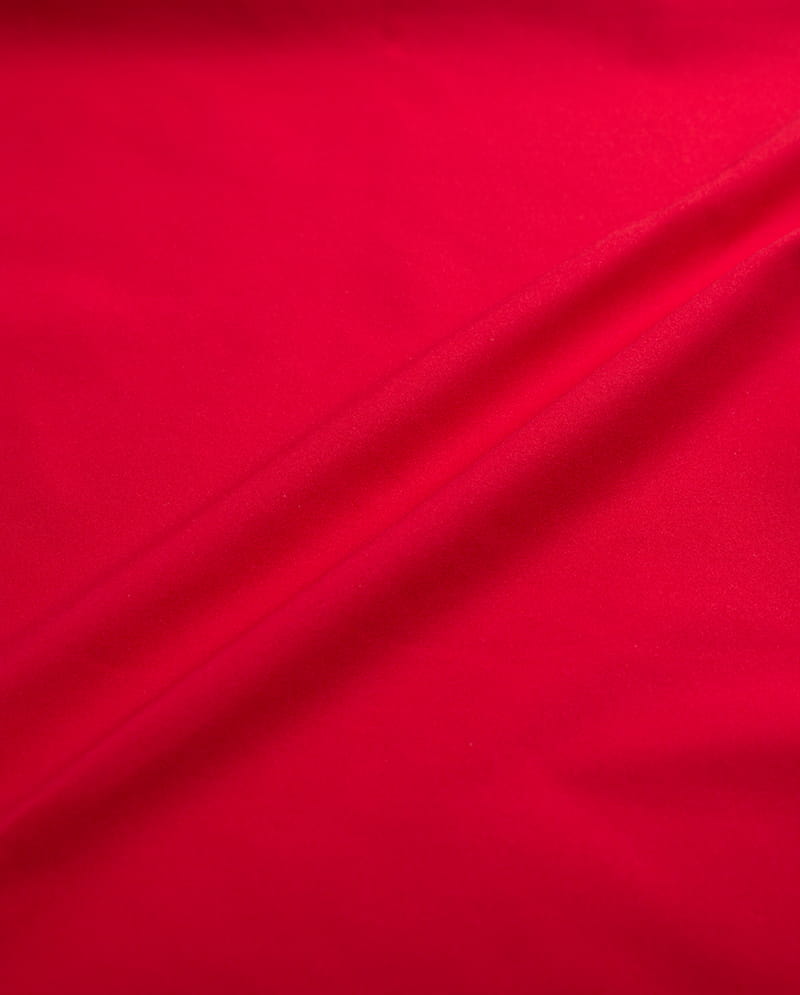
Premium Cationic Interlock Stretch Comfort Fabric
-
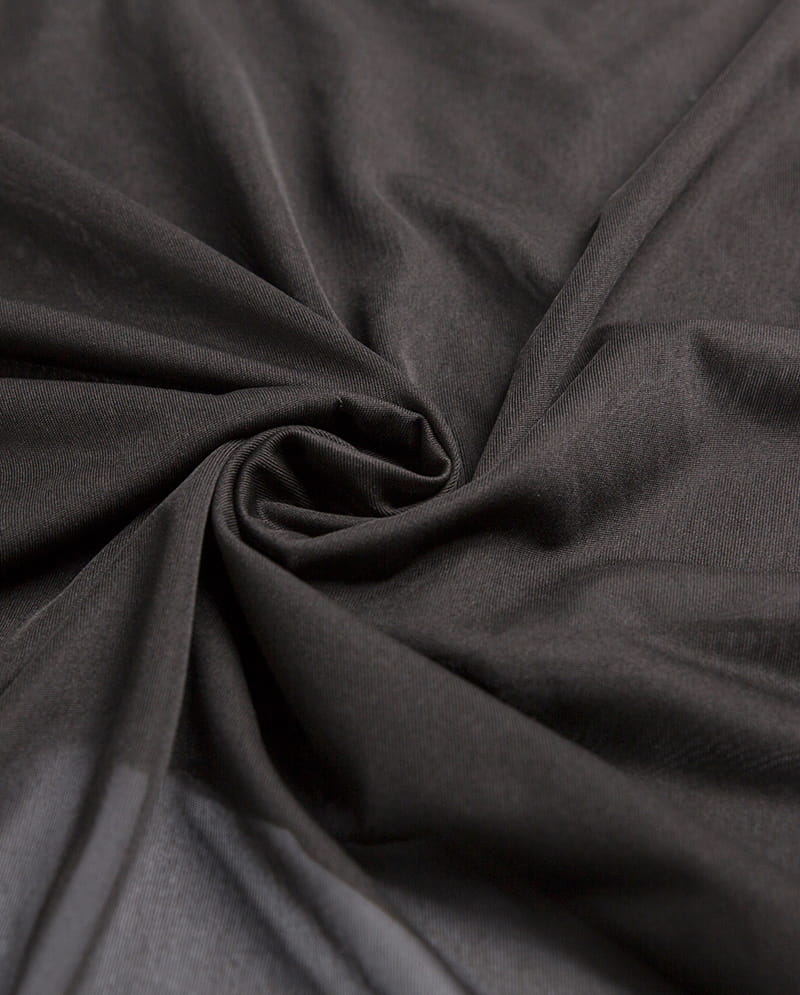
Moisture-Wicking Nylon Woven Fabric
-
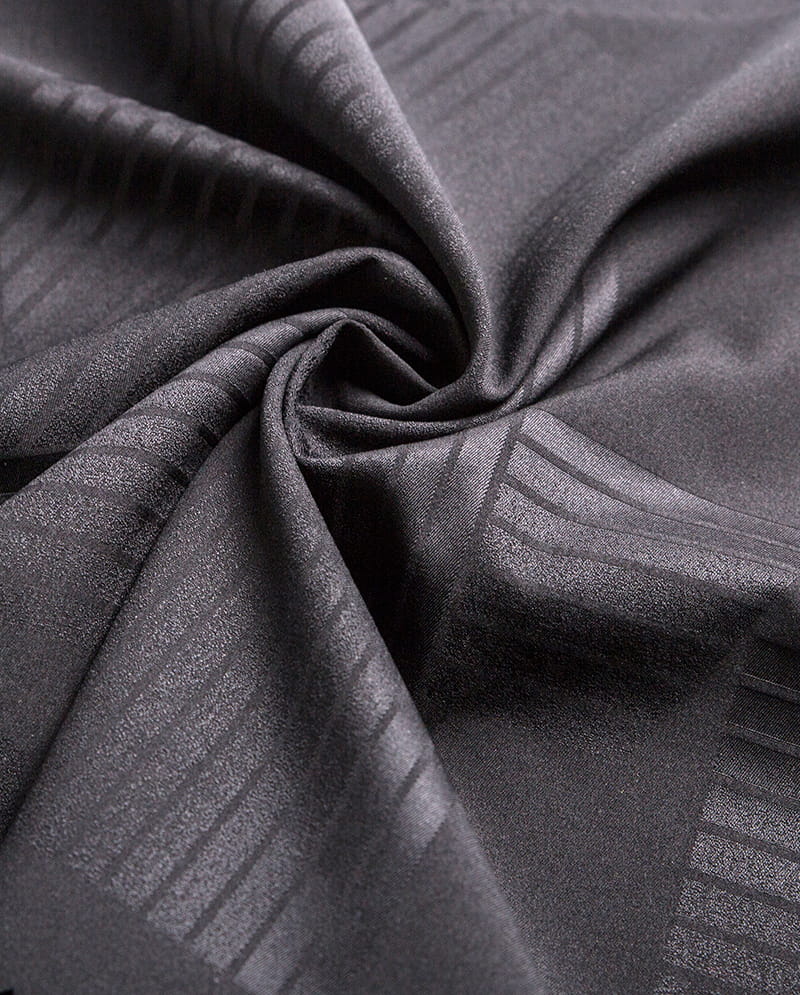
Double-faced jacquard elastic fabric
-
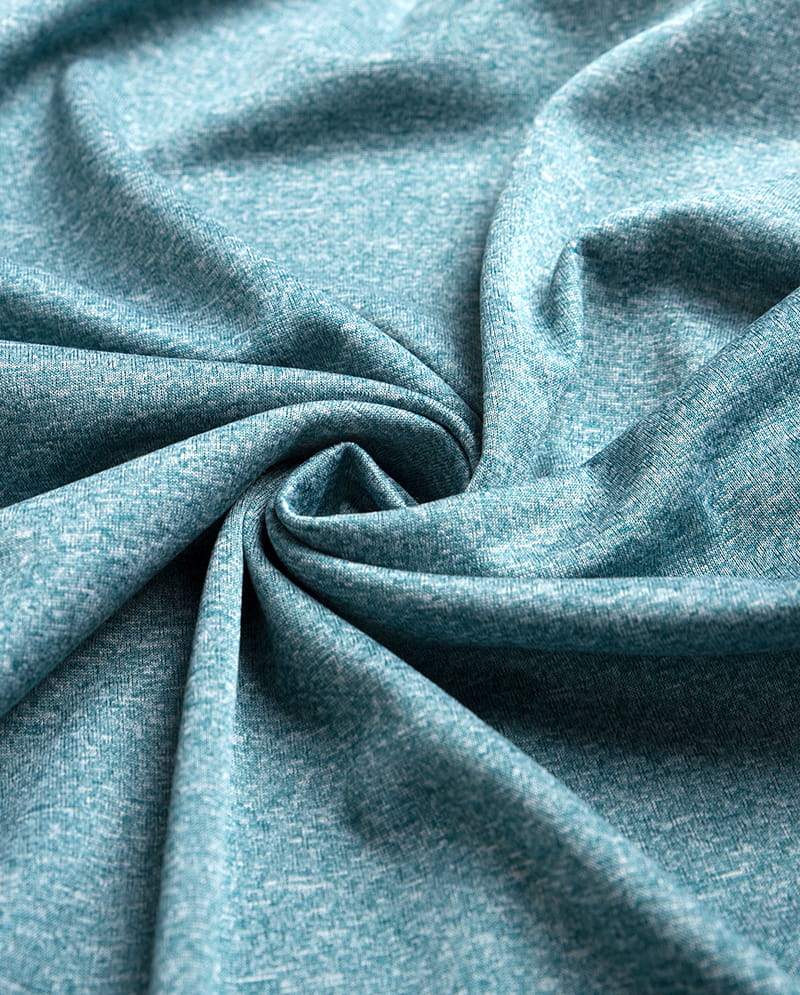
Heather Grey Double-faced cationic jersey fabric
-
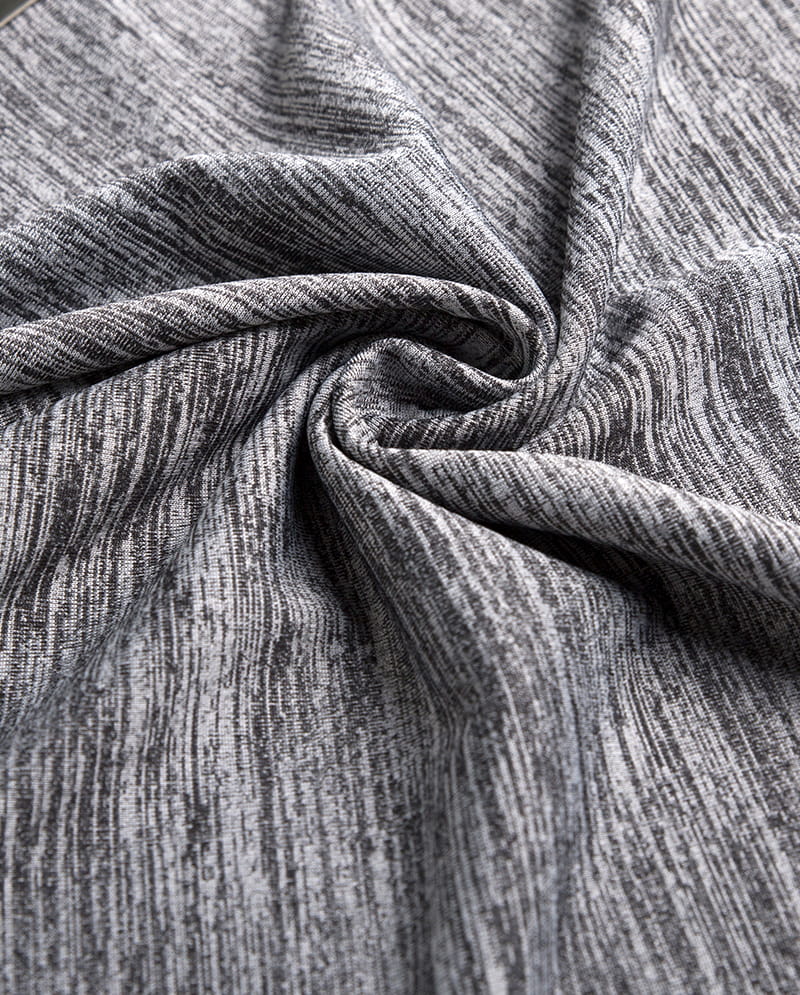
Anti-static Cationic Knitted Rib Fabric
-
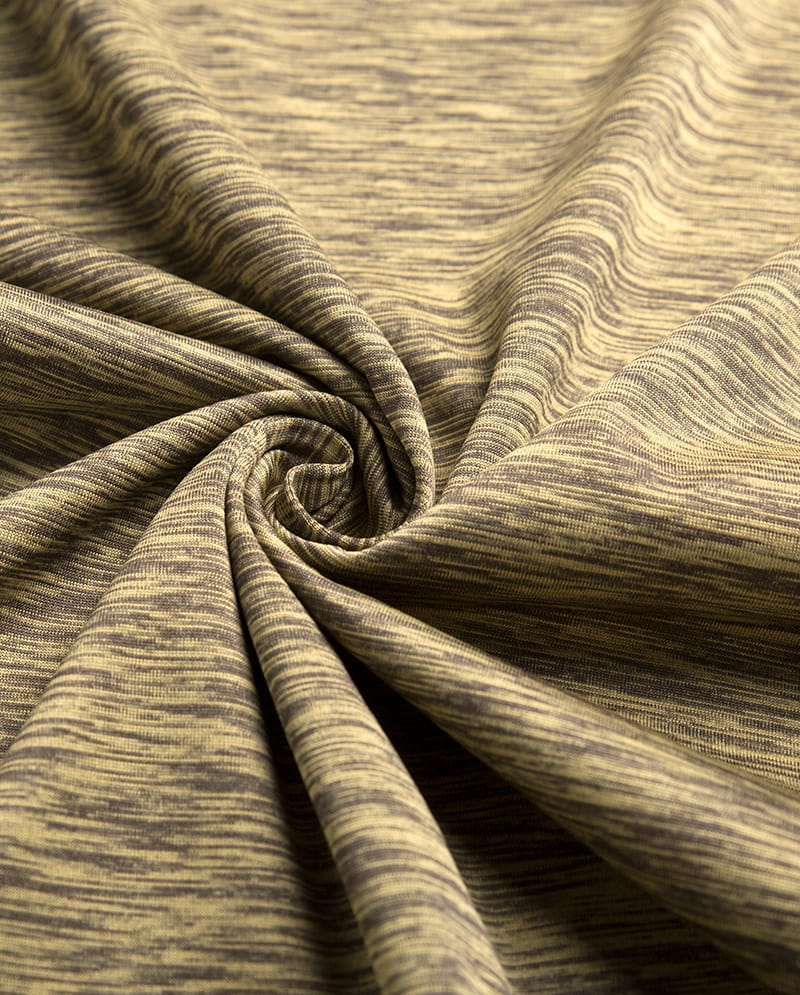
High-Stretch Cationic Jersey Fabric
-
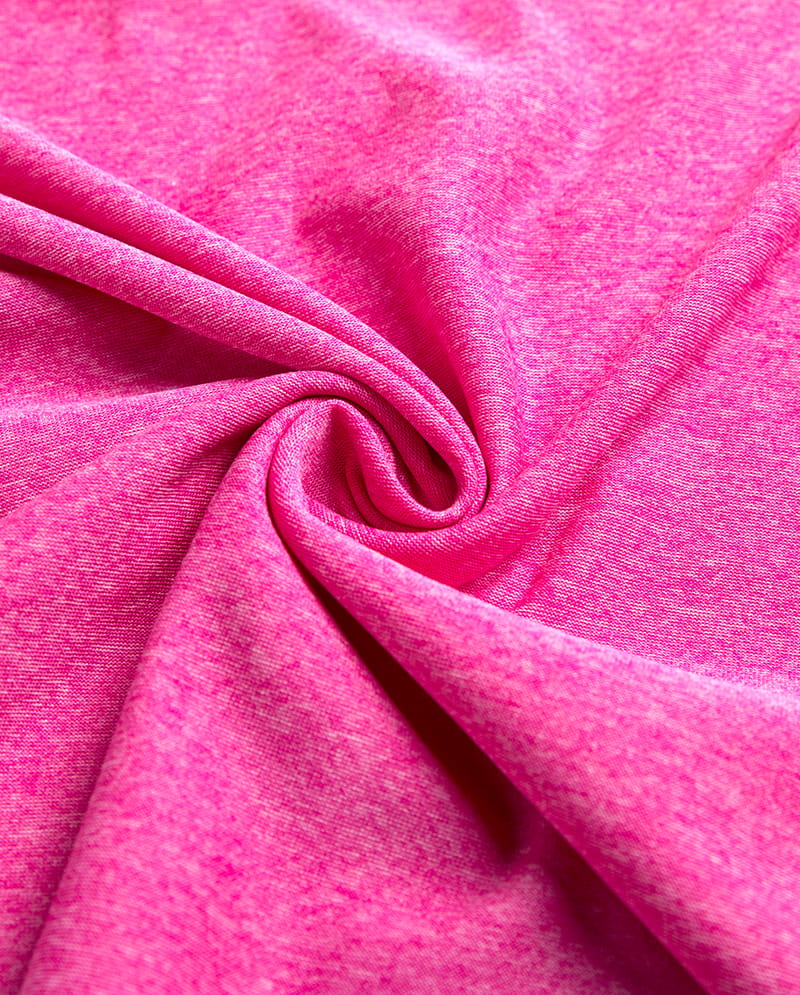
High Quality Cationic DTY Spandex Two Sides Brush Dralon Knit Fabric for Garment Thermal Underwear
-
Durable Anti-Pilling Knitted Fabric for Home Textiles
-
Wash-Resistant Cationic Elastic Knitted Fabric for Garment Industry
-
Breathable Double-Faced Elastic Composite Fabric
-
-
-
- whatsapp:
- 0086-13962559622
-
- skype:
- skype.aliceshenghong
-
- Wechat:

COPYRIGHT © 2016 Suzhou Junhui Textile Co., Ltd.
