

 EN
EN English
 中文简体
中文简体Cationic Polyester Yarns for Bright, Durable, and High-Value Textile Production
Content
- 1 Introduction
- 2 Product Overview
- 3 Key Advantages of Cationic Dyeability
- 4 Performance Benefits Compared with Conventional Polyester
- 5 Manufacturing Expertise and Process Strengths
- 6 Product Specification Reference
- 7 Applications in Textile Manufacturing
- 8 Recommended Processing Considerations
- 9 Quality Assurance and Buyer Support
- 10 Environmental and Functional Product Options
- 11 Competitive Advantages for Wholesale Buyers
- 12 How to Select the Correct Specification
- 13 Potential Limitations and Practical Management
- 14 Suggested Development Workflow
- 15 Frequently Asked Questions
- 15.1 What is SD+CD DTY yarn?
- 15.2 What does CD mean in cationic polyester yarn?
- 15.3 What does DTY mean?
- 15.4 What are the main advantages of this yarn?
- 15.5 Can the yarn be used for knitting and weaving?
- 15.6 Can the yarn create a two-tone effect?
- 15.7 What specifications are available?
- 15.8 Is recycled cationic yarn available?
- 15.9 Can the company develop customized yarn?
- 15.10 Is cationic polyester cheaper than natural silk?
- 15.11 What tests should be completed before bulk production?
- 15.12 How should the yarn be stored?
- 15.13 What information should a buyer provide when requesting a quotation?
- 16 Conclusion
- 17 References
- 18 Product: Cationic Polyester Yarns (SD+CD DTY (D/F) CD Yarn
Introduction
Cationic polyester yarns have become an important material choice for textile manufacturers seeking bright coloration, dependable processing performance, comfortable fabrics, and competitive production costs. By combining the stable characteristics of polyester with cationic dyeability, these yarns help producers create fabrics with vivid color expression, enhanced dye absorption, and an appearance that can approach the visual appeal of natural fibers.
The SD+CD DTY yarn described in this article is designed for manufacturers that require the combined performance of semi-dull and cationic-dyeable polyester components. This construction provides a practical solution for producing fabrics with contrasting or complementary color effects, rich depth, and more flexible design possibilities. It is suitable for knitting, weaving, fashion textiles, sportswear, casualwear, home textiles, and other applications in which color quality and fabric comfort are essential.
Manufactured by Suzhou Junhui Textile Co., Ltd. and Suzhou Xiaoran New Material Co., Ltd., the product forms part of a broader portfolio of differentiated yarns. The portfolio includes recycled yarns, polyester dope-dyed yarns, cationic dyeing yarns, microfine yarns, flame-retardant yarns, functional yarns, high-elastic yarns, and knitting fabrics. This broad product structure allows textile buyers to select materials according to color requirements, performance targets, sustainability goals, and downstream processing conditions.
Unlike ordinary polyester yarns that may require more limited dyeing strategies, cationic polyester yarns are engineered to interact effectively with cationic dyes. The result is a high dyeing rate, clear color development, fast internal diffusion, and reduced risk of ring dyeing. These qualities can improve production consistency while lowering the risk of shade variation and processing defects.
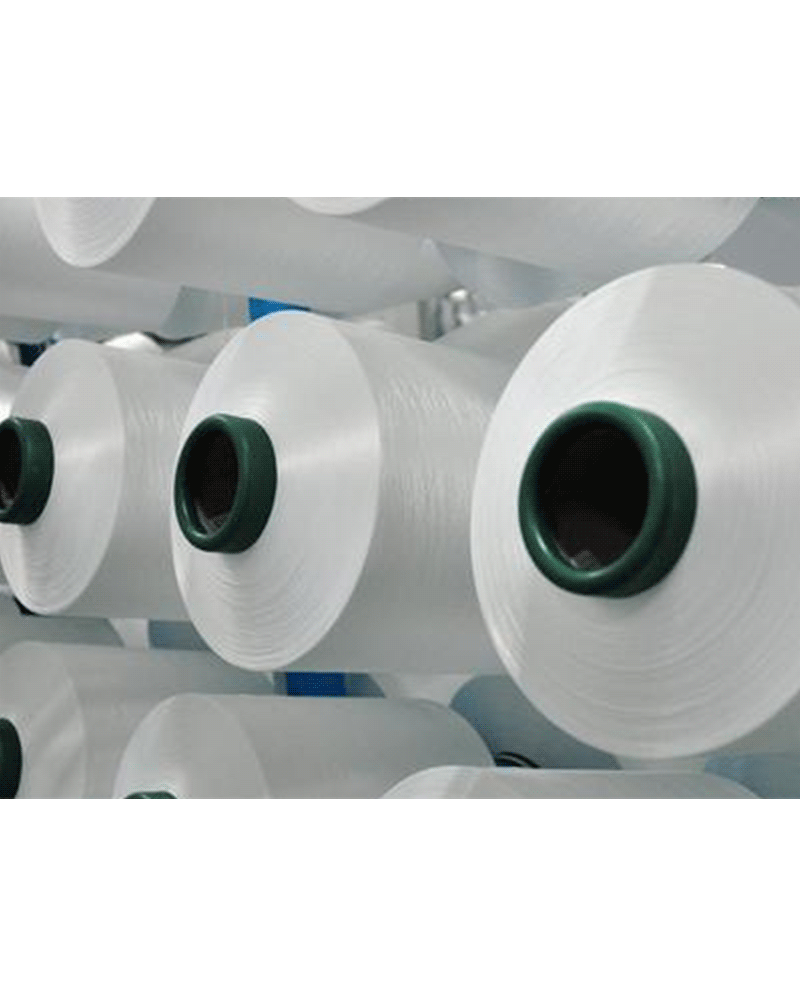
Cationic Polyester Yarns (SD+CD DTY (D/F) CD Yarn
Product Overview
Cationic Polyester Yarns (SD+CD DTY (D/F) CD Yarn) combine two important yarn characteristics: the surface and processing behavior associated with SD polyester yarn and the dyeing response of cationic-dyeable polyester. The abbreviation “SD” generally refers to semi-dull yarn, while “CD” refers to cationic-dyeable yarn. “DTY” means draw textured yarn, and “D/F” indicates the denier and filament configuration used to describe the yarn specification.
In a textile production environment, the SD+CD structure creates opportunities for producing mélange, two-tone, shadow, visual contrast, and differentiated color effects. Since the components can respond differently during dyeing, manufacturers can achieve a more dimensional appearance than may be possible with a single conventional polyester component. The result can be particularly valuable for fashion fabrics, knitted fabrics, sportswear, decorative textiles, and garments that require a distinctive surface appearance.
The yarn is available in multiple combinations of denier and filament count. Listed SD+CD DTY specifications include 50/48-72, 75/48-72, 80/72, 100/72-108-144, 125/72-144, 150/72-108-144, and 300/96-144-288. These options cover relatively fine to heavier constructions and allow buyers to match yarn selection with fabric weight, handle, coverage, stretch behavior, and machine requirements.
In addition to SD+CD DTY, the product range includes CD DTY specifications such as 50/48-72, 75/48-72, 80/72, 100/72-108-144, 125/72-144, 150/72-108-144, and 300/96-144-288. This parallel offering is useful for buyers who need a consistent cationic product family across several fabric constructions.
The company also supplies related polyester yarn categories, including recycled SD DTY, recycled SD FDY, recycled FD DTY, recycled SD+CD DTY, recycled DDB DTY, recycled CD DTY, normal SD DTY, FD DTY, SD DDB, high-elastic yarns, PBT/PET yarns, fire-retardant yarns, anti-bacterial yarns, moisture-wicking yarns, hollow warm yarns, cotton-like yarns, and acrylic-like yarns. This range supports customized development and consolidated sourcing.
Meaning of the Main Technical Terms
Denier is a commonly used unit for expressing the linear density of a filament yarn. A higher denier generally indicates a heavier yarn, while a lower denier is associated with a finer yarn. Filament count identifies the number of individual filaments in the yarn bundle. The selection of denier and filament count influences softness, bulk, coverage, luster, surface texture, and fabric appearance.
DTY, or draw textured yarn, is a filament yarn that has undergone drawing and texturing. Texturing introduces crimp and bulk, helping the yarn develop improved resilience, softness, elasticity, and comfort compared with a completely flat filament yarn. These properties are important in knitted and woven fabrics used for apparel and home applications.
DDB refers to a differentiated yarn structure used in the company’s product range. Depending on the specific production design, differentiated yarn constructions can be used to develop special surface effects, irregular visual characteristics, or modified hand feel. Buyers should confirm the exact technical structure and recommended processing conditions for each DDB specification before bulk production.
Key Advantages of Cationic Dyeability
The central advantage of cationic polyester yarn is its ability to absorb cationic dyes effectively. This characteristic allows textile manufacturers to produce strong, bright shades and deep colors at appropriate dyeing conditions. Compared with conventional polyester products that may require high-temperature disperse dyeing alone, cationic-dyeable polyester provides a different route for color development and fabric differentiation.
Bright Color Expression
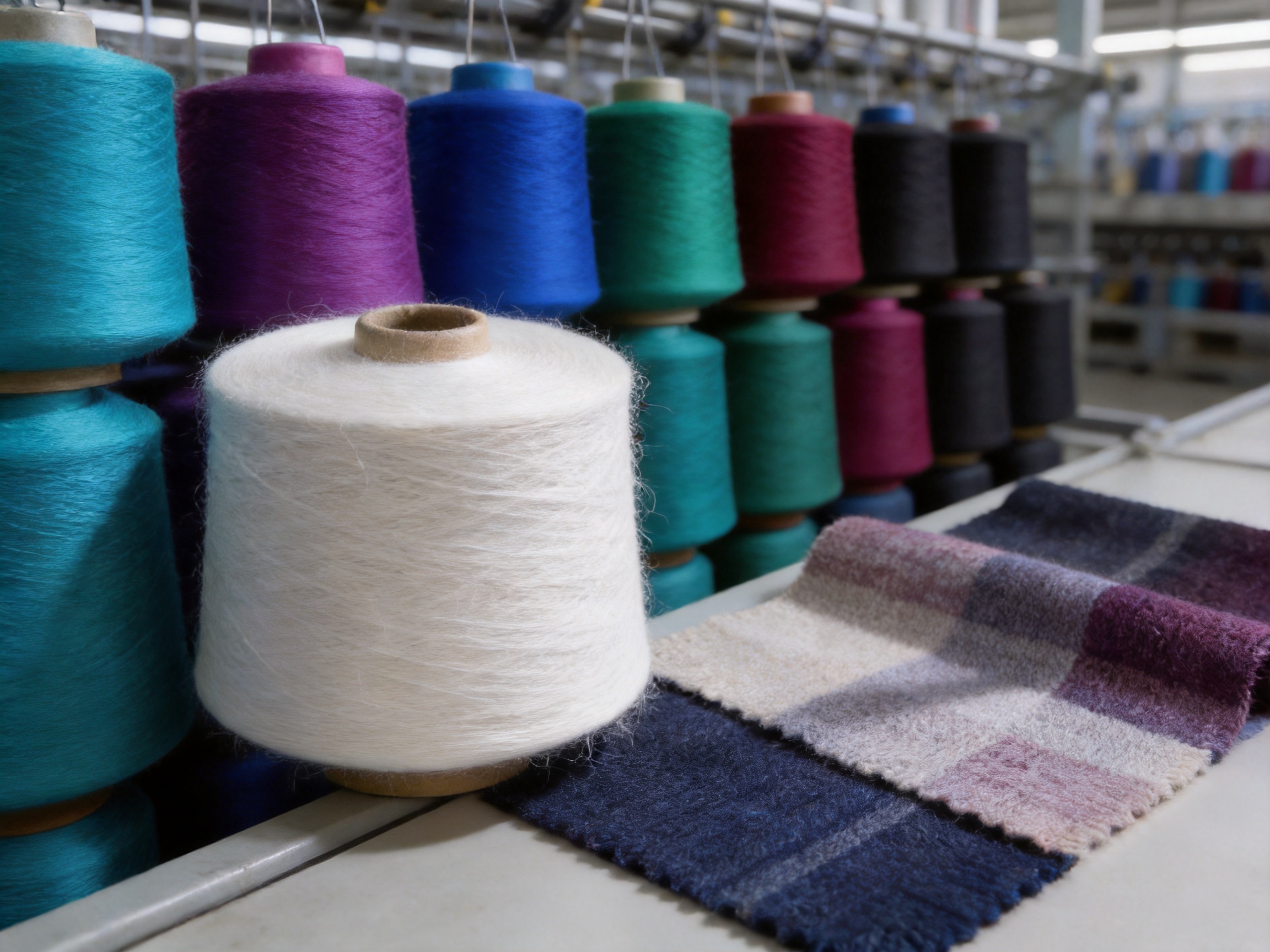
Cationic polyester yarns are recognized for their bright and attractive color appearance. This is especially valuable in fashion textiles, sportswear, activewear, decorative knitted fabrics, and other products where visual impact strongly influences purchasing decisions. The yarn can support shades that appear vivid, clean, and highly expressive after dyeing.
Bright coloration also helps fabric developers create stronger contrasts between different yarn components. In an SD+CD construction, the cationic component may develop a distinctive shade while the semi-dull component provides a controlled complementary appearance. This can create visual depth and a sophisticated mélange effect without relying solely on complex printing or finishing processes.
Good Deep Dyeing Performance
Deep dyeing is important for black, navy, burgundy, dark green, deep purple, and other saturated shades. Cationic polyester yarns are designed to support effective dye absorption, allowing the color to develop through the yarn structure rather than remaining only on the surface. This can help achieve a fuller and more even appearance in the finished fabric.
For manufacturers, improved deep dyeing performance can expand the available color palette. It can also support the production of premium-looking fabrics in darker shades, which are commonly used in coats, uniforms, trousers, sportswear, bags, upholstery, and fashion garments.
High Dye Absorption Rate
The supplied product information highlights a high dye absorption efficiency and high dyeing rate. In practical terms, this means the yarn can interact efficiently with the selected dye system under appropriate process conditions. Efficient absorption may contribute to shorter or more controlled dyeing cycles, improved color utilization, and better repeatability between production lots.
Actual dyeing results depend on factors such as dye formulation, liquor ratio, pH, temperature profile, auxiliary selection, machine type, fabric construction, and finishing conditions. Nevertheless, the cationic nature of the yarn gives textile mills a useful material advantage when developing bright and saturated shades.
Fast Internal Diffusion
Fast diffusion into the fiber is another important feature. When dye migrates and distributes through the yarn structure effectively, the risk of uneven surface coloration can be reduced. This contributes to a more uniform shade and helps avoid ring dyeing, a defect in which the outside and inside areas of a filament or yarn do not develop color evenly.
Reduced ring dyeing risk is particularly valuable for high-density fabrics, fine-gauge knitted fabrics, and products that are inspected under strong lighting. More uniform coloration supports better fabric appearance and can reduce rework, downgrading, or rejection during quality inspection.
Performance Benefits Compared with Conventional Polyester
Ordinary polyester remains one of the most widely used synthetic fibers because of its strength, dimensional stability, abrasion resistance, and reliable availability. However, conventional polyester may not provide the same cationic dye response or the same level of color differentiation. Cationic polyester yarns address this limitation by adding dyeing flexibility while retaining many of the practical advantages associated with polyester.
Lower Risk of Cross-Contamination
The product information states that cationic polyester has a lower contamination effect on ordinary polyester fibers and other fiber types. This feature is useful when a fabric includes multiple polyester components or when the construction depends on separate dyeing responses. Lower contamination can help maintain a cleaner contrast between components and reduce unwanted staining or shade interference.
For textile mills, contamination control is important because color defects can lead to additional washing, corrective dyeing, extra inspection, and production delays. A yarn that supports clearer separation between dyeable and less dyeable components can make color management more predictable.
Improved Design Flexibility
SD+CD yarn offers more design possibilities than a single-component yarn. Designers can develop two-tone effects, heathered appearances, color shadows, textured color surfaces, and subtle contrasts. These effects can be created through yarn selection and dyeing strategy rather than through additional printing or complicated surface treatments.
The yarn may be used in lightweight fabrics, medium-weight jersey, interlock, rib structures, knitted outerwear, woven fabrics, and blended constructions. The final design effect depends on denier, filament count, fabric density, knitting or weaving settings, dye recipe, and finishing method.
Comfort and Natural-Fabric-Like Appearance
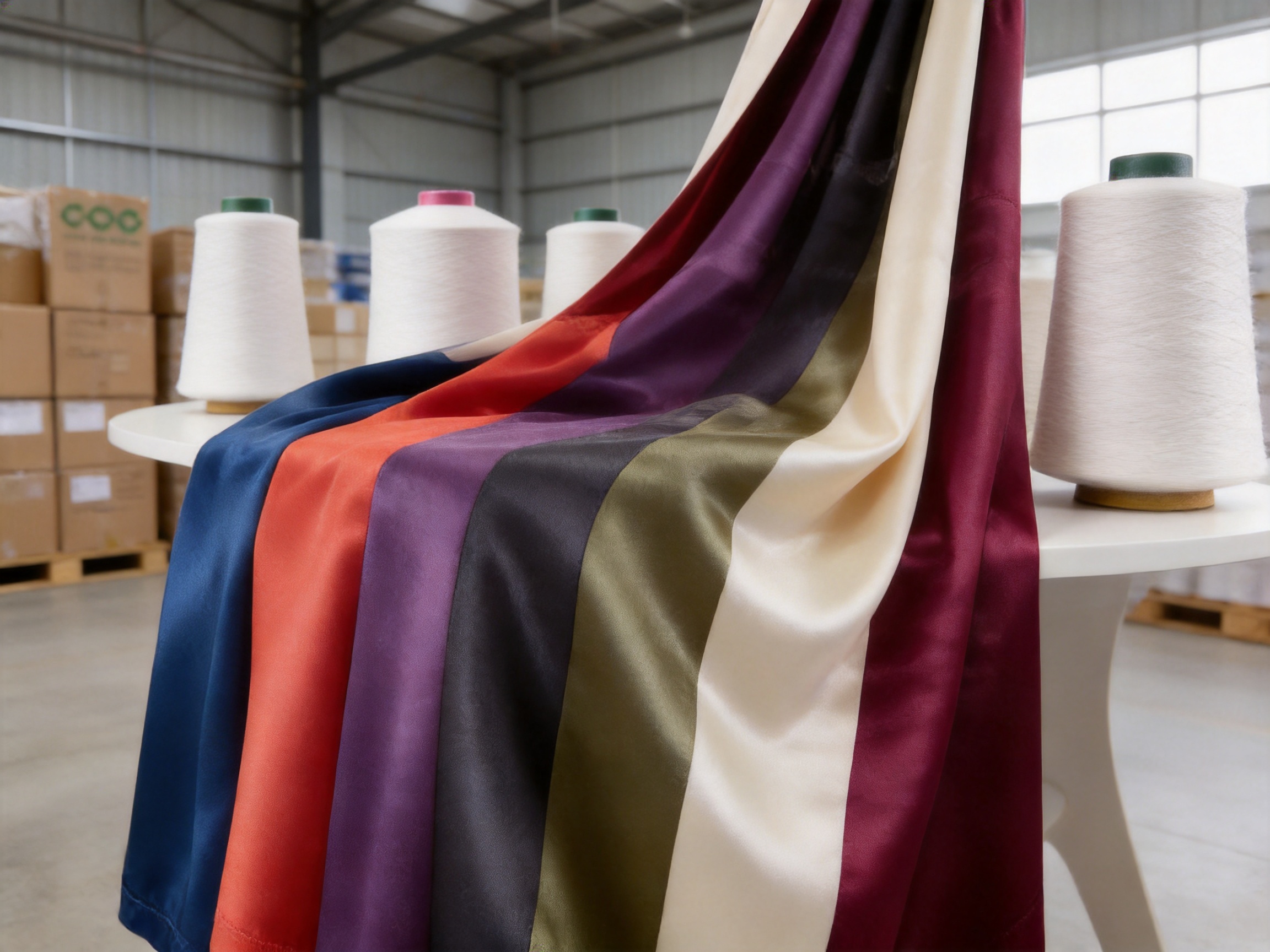
Fabrics made with suitable cationic polyester yarns can offer a comfortable handle and bright appearance that compare favorably with some natural-fiber textiles. Polyester’s strength and dimensional stability support long-term wear, while DTY texturing can add softness, bulk, resilience, and flexibility.
The resulting fabric can be developed for garments that require comfort during movement. Applications may include casual clothing, sportswear, fashion tops, dresses, scarves, lightweight jackets, trousers, uniforms, and accessories. The specific comfort level will depend on fabric construction and finishing, but the yarn provides a useful foundation for soft and visually rich textile development.
Cost Advantage over Natural Silk
Cationic polyester yarns can provide a more economical alternative to natural silk when manufacturers seek vivid color, smooth visual expression, and value-added fabric positioning. Natural silk remains distinctive because of its natural origin and unique hand feel, but its cost, supply conditions, and care requirements may limit its use in some commercial products.
By using cationic polyester, textile producers can develop fabrics with a premium visual impression while maintaining a more accessible material cost. This supports larger production volumes and enables brands to offer fashion-oriented fabrics at competitive prices.
Color Stability in Use
The supplied information highlights good fastness to sunlight and smoke fading. These properties are relevant for products exposed to light, environmental conditions, or indoor air contaminants. Color stability helps fabrics maintain their intended appearance during use and supports customer expectations for durable visual quality.
Fastness performance is influenced by the dye class, shade depth, dyeing procedure, after-treatment, finishing process, and end-use environment. Textile manufacturers should conduct their own testing according to the requirements of the target market, especially for outdoor products, automotive textiles, upholstery, and other applications exposed to intense light.
Manufacturing Expertise and Process Strengths
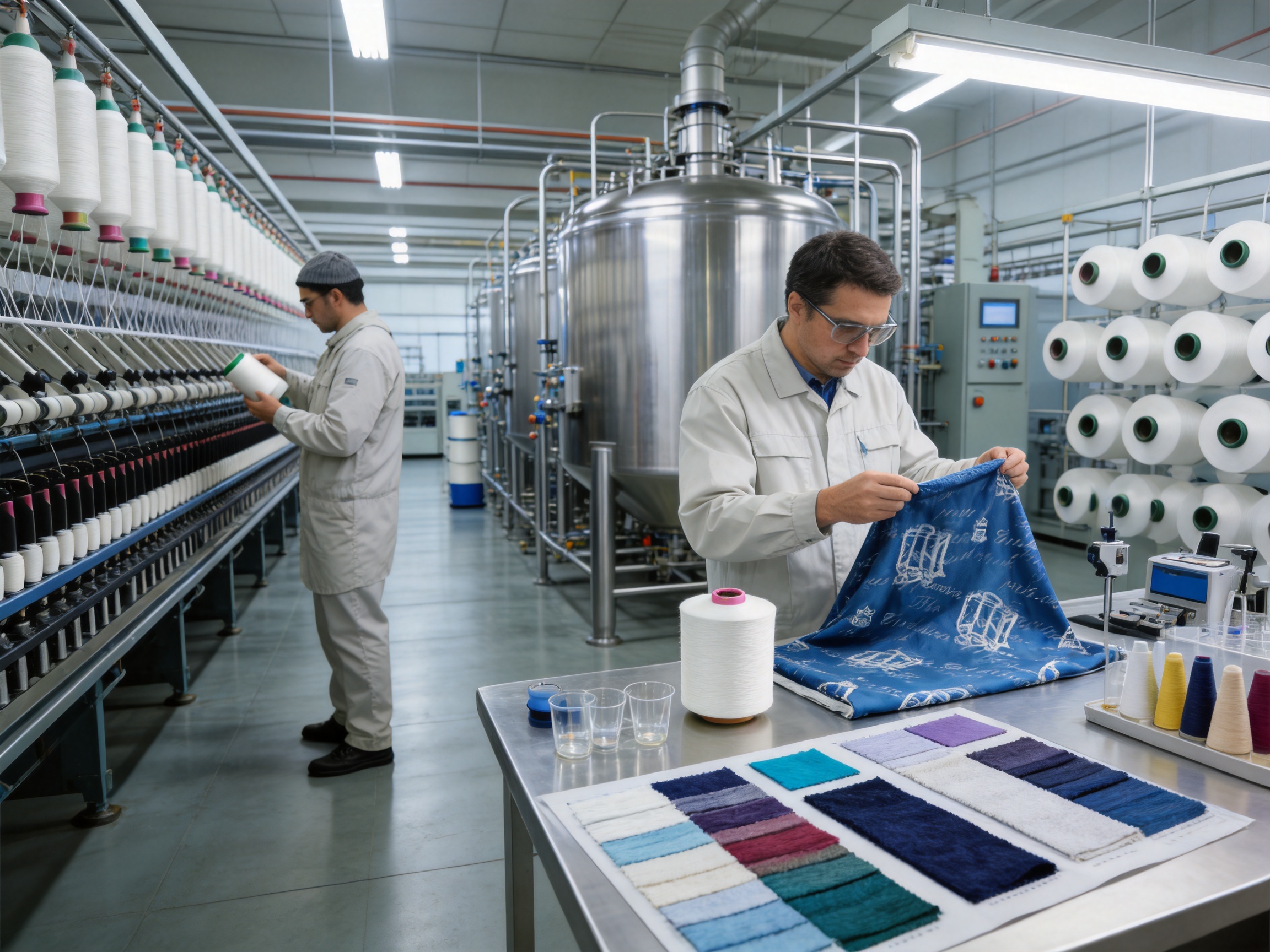
The strength of this product is not limited to its fiber chemistry. Consistent yarn performance also depends on polymer selection, spinning control, texturing accuracy, winding quality, package formation, inspection, and technical support. Suzhou Junhui Textile Co., Ltd. and Suzhou Xiaoran New Material Co., Ltd. focus on differentiated yarn development and application-oriented textile materials.
Specialized Differential Yarn Development
The companies were founded in June 2015 and have concentrated on developing and selling differentiated yarns. This specialization is significant because differentiated yarns require more than standard commodity production. They must be designed around the desired fabric effect, dyeing behavior, mechanical response, and downstream processing requirements.
The product portfolio demonstrates experience across several performance directions. Recycled series products address material reuse and sustainability objectives. Cationic products address color differentiation and dyeing response. Functional products target flame retardancy, anti-bacterial performance, moisture management, warmth, and other end-use needs. High-elastic and PBT/PET products address stretch and recovery requirements.
Such a portfolio gives buyers access to a technical partner rather than a single-product supplier. A customer developing a new collection may be able to evaluate several yarn routes through one sourcing relationship, reducing communication complexity and shortening the initial product selection process.
Application-Oriented Research and Development
The company maintains a professional research and development team and has worked with internationally recognized enterprises on research, development, and application relating to environmental protection, functional yarns, and fabrics. This type of cooperation can help connect yarn design with real production requirements.
Application-oriented development considers not only the yarn’s specification but also its performance on knitting machines, weaving machines, dyeing equipment, and finishing lines. It can include evaluation of yarn tension, filament uniformity, texturing behavior, package unwinding, color response, fabric hand, and final product appearance.
For SD+CD DTY, an application-focused approach is especially important. The balance between the SD and CD components must support the intended visual effect. If the contrast is too weak, the fabric may lack definition. If the contrast is too strong, the fabric may appear uneven or unsuitable for the target market. Careful product selection and process guidance help manufacturers achieve the desired result.
Process Control from Spinning to Texturing
High-quality polyester yarn production requires stable control of the polymer melt, spinning conditions, filament formation, drawing ratio, texturing temperature, yarn speed, interlacing, winding tension, and package build. Small variations in these parameters can affect denier, elongation, crimp, strength, shrinkage, bulk, and dye uptake.
A reliable manufacturing process aims to keep these characteristics within controlled ranges. Consistency is essential because textile mills often purchase yarn for repeated production runs. A stable yarn allows knitting and weaving departments to maintain machine settings and reduces the need for repeated adjustments.
For textured yarn, process stability also influences fabric appearance. Consistent crimp and bulk contribute to a uniform surface, while controlled tension helps reduce barre, streaks, loops, and unwinding problems. These factors directly affect productivity and finished fabric quality.
Broad Specification Capability
The available product list includes many denier and filament combinations. The normal SD DTY range includes specifications such as 25/72, 30/12-24-36-72, 50/36-48-72-144, 75/36-48-72-144, 100/36-48-96-144, 120/144, 150/48-96-144-288, 200/96-288-384, and 300/96-192-288-576.
FD DTY options include 30/36, 50/72, 75/36-72-144, 100/72-144, 120/192, and 150/144-192-288. CD DTY options range from 25/24 and 30/24-36 to heavier specifications such as 150/48-144-288 and 300/96. This breadth helps buyers select a yarn appropriate for fine, medium, or heavy fabric constructions.
The manufacturer also accepts orders for different kinds of differentiated yarn. This indicates flexibility for customers whose requirements do not fit a standard stock specification. Custom development may involve denier, filament count, luster, color, functional additives, recycled content, elasticity, or other technical characteristics, subject to feasibility and confirmed specifications.
Product Specification Reference
Product family |
Representative specifications |
Typical development purpose |
SD+CD DTY |
50/48-72; 75/48-72; 80/72; 100/72-108-144; 125/72-144; 150/72-108-144; 300/96-144-288 |
Two-tone effects, differentiated dyeing, visual depth, fashion fabrics |
CD DTY |
25/24; 30/24-36; 50/36-72; 75/36-72-144; 100/36-48-72-144; 150/48-144-288; 300/96 |
Bright and deep cationic dyeing, uniform coloration |
Recycled SD+CD DTY |
50/48-72; 75/48-72; 80/72; 100/72-108-144; 125/72-144; 150/72-108-144; 300/96-144-288 |
Differentiated color effects with recycled-material options |
Normal SD DTY |
25/72; 30/12-24-36-72; 50/36-48-72-144; 75/36-48-72-144; 100/36-48-96-144; 300/96-192-288-576 |
General-purpose textured polyester fabrics |
High-elastic yarn |
30/12; 50/36-72; 60/72; 75/36-72; 150/48-144 |
Stretch-oriented apparel and comfort fabrics |
Functional yarn |
Fire-retardant 75/36-72 and 150/36-48-144; anti-bacterial 50/48-72, 75/36-48-72, 150/48-72-96-144; moisture-wicking 30/24 to 150/48-72 |
Performance textiles and specialized end uses |
The specifications shown above are product-list references rather than a substitute for a formal technical data sheet. Buyers should confirm the exact denier, filament count, luster, strength, elongation, shrinkage, interlace level, package weight, dyeing method, and quality standard before placing a production order.
Applications in Textile Manufacturing
Knitted Apparel
SD+CD DTY is well suited to knitted fabrics because DTY provides bulk, softness, and surface resilience. It can be used in jersey, interlock, rib, pique, jacquard, and other knitted constructions. The cationic component can create an attractive contrast after dyeing, while the textured structure helps produce a comfortable and flexible fabric.
Potential apparel applications include T-shirts, polo shirts, dresses, skirts, sports tops, leggings, lightweight jackets, fashion knitwear, and children’s clothing. Product selection should be based on the desired fabric weight, stretch requirement, opacity, drape, and surface effect.
Sportswear and Activewear
Sportswear brands often require fabrics that combine comfort, color impact, durability, and easy-care characteristics. Cationic polyester yarns can support bold color development and attractive mélange effects in activewear fabrics. When combined with moisture-wicking or high-elastic yarns from the broader product range, they can contribute to performance-oriented fabric systems.
For activewear, buyers should evaluate moisture transfer, drying time, pilling, abrasion, colorfastness to perspiration, dimensional stability, and repeated laundering. The yarn is a component of the finished textile system, so final performance must be verified through fabric-level testing.
Fashion and Decorative Textiles
The bright color response and two-component structure make cationic yarn suitable for fashion fabrics that depend on surface character. Designers can use different yarn combinations to create soft contrast, shadow effects, irregular color impressions, and refined visual texture.
These effects may be used in garments, scarves, fashion accessories, decorative panels, bags, and other products where the fabric’s visual identity is important. The ability to obtain a distinctive appearance through yarn engineering can reduce dependence on additional printing steps and may simplify the development of seasonal collections.
Home Textiles
Cationic polyester yarns may also be considered for selected home textile products, including decorative fabrics, cushion covers, light upholstery, blankets, curtains, and bedding components. The advantages of polyester, including strength and dimensional stability, can be valuable in household applications.
For home textiles, the buyer should establish requirements for light exposure, washing, rubbing, pilling, flame behavior, and color migration. The appropriate yarn specification will depend on whether the product is knitted, woven, brushed, raised, or combined with other fibers.
Uniforms and Workwear
Uniform fabrics often require repeatable color, adequate durability, easy maintenance, and reliable supply. Cationic polyester yarns can help create strong and stable shades while offering a differentiated appearance for corporate, hospitality, transportation, retail, and service uniforms.
Where uniforms are exposed to sunlight, smoke, perspiration, or frequent laundering, colorfastness becomes particularly important. Trial dyeing and fabric testing should be conducted before standardizing the yarn for a large uniform program.
Recommended Processing Considerations
Although cationic polyester yarns are designed for efficient dyeing, successful production requires coordinated control of preparation, dyeing, washing, drying, and finishing. The best results are achieved when the yarn supplier, dyeing mill, knitting or weaving mill, and final buyer agree on the intended shade and quality requirements at the beginning of development.
Raw Material Preparation
Yarn should be stored in a clean, dry, and ventilated area. Packages should remain protected from dust, moisture, direct sunlight, and excessive temperature changes. Proper storage helps preserve yarn performance and reduces the possibility of contamination before processing.
Before knitting or weaving, operators should inspect packages for damage, verify labels, and confirm that the lot number and specification match the production order. Mixing yarns from different lots without approval can create visible shade or texture variation in the finished fabric.
Knitting and Weaving
Machine settings should be adjusted according to yarn denier, filament count, texturing level, and fabric construction. Excessive tension may affect fabric width, loop formation, and surface appearance. Insufficient tension control may lead to irregular feed, uneven fabric density, or defects during production.
Trial runs are recommended when introducing a new specification. The trial should evaluate yarn unwinding, friction, breakage, hairiness, fabric uniformity, needle or guide compatibility, and the appearance after dyeing and finishing.
Dyeing
Dye selection should be matched to the cationic component and the other fibers present in the fabric. The dyeing recipe should be developed through laboratory trials that establish color depth, leveling behavior, pH control, temperature profile, holding time, and after-treatment requirements.
Because SD+CD yarn contains components with different dyeing characteristics, the dyeing process should be controlled carefully to achieve the intended contrast. Rapid temperature changes, unsuitable auxiliaries, or poor leveling control may affect the final visual effect.
Laboratory approval should include evaluations under standard lighting conditions and, when appropriate, under commercial retail lighting. This is important because two-tone and mélange effects can appear differently under different light sources.
Finishing
Finishing conditions influence softness, width, dimensional stability, bulk, luster, and drape. Heat setting, mechanical finishing, softening, brushing, raising, and other treatments should be selected according to the end use. Excessive heat or tension may change the fabric’s surface and stretch behavior.
For a new product, the finishing mill should compare several conditions and record the effect on shrinkage, hand feel, color appearance, pilling, and recovery. A controlled finishing recipe helps ensure that the final fabric remains consistent between production batches.
Quality Assurance and Buyer Support
Quality assurance begins with clear communication of the buyer’s requirements. Important information includes the intended application, fabric construction, dyeing method, target shade, performance standard, package form, order quantity, and delivery schedule. Early communication allows the manufacturer to recommend a more suitable yarn specification.
Recommended Yarn Tests
Depending on the purchase agreement, yarn testing may include linear density, tensile strength, elongation, crimp contraction, boiling-water shrinkage, interlace, oil content, appearance, package build, and unwinding performance. Color-related testing may be completed after knitting or weaving and dyeing because the final fabric result is influenced by the complete production chain.
For finished fabrics, recommended tests may include colorfastness to washing, rubbing, perspiration, light, and smoke fading; dimensional stability; pilling; abrasion; bursting or tensile strength; moisture management; and appearance retention. The correct test standards depend on the destination market and product category.
Technical Guidance
The company states that its experts are ready to provide assistance within 12 hours globally. Timely technical communication can be valuable when customers are evaluating a new yarn, troubleshooting a dyeing issue, selecting between denier options, or developing a differentiated fabric.
Technical guidance should ideally include sample review, fabric construction information, process conditions, test results, and photographs or physical swatches. The more complete the information exchanged, the more efficiently the supplier can help identify a suitable specification or adjustment.
Export Experience
More than 90 percent of the company’s products are exported, and the business has established customer relationships in 36 countries. International export experience can support buyers with documentation, packaging coordination, production scheduling, and communication across different time zones and markets.
For overseas customers, dependable export coordination is especially important because a yarn order may involve sample approval, color confirmation, production inspection, container planning, customs documents, and delivery coordination. A supplier familiar with international business processes can help reduce avoidable delays.
Environmental and Functional Product Options
Many textile buyers now evaluate materials not only by price and appearance but also by recycled content, durability, chemical performance, and the broader environmental impact of production. The recycled series in the company’s product list includes recycled SD DTY, recycled SD FDY, recycled FD DTY, recycled SD+CD DTY, recycled DDB DTY, and recycled CD DTY.
Recycled yarn options can support brands and manufacturers that have established recycled-material targets. The exact recycled content, certification status, traceability method, and applicable standard should be confirmed for each product. Buyers should request the relevant documentation before making environmental claims in marketing materials.
The functional series includes fire-retardant, anti-bacterial, and moisture-wicking yarns. These options can support the development of workwear, sportswear, protective textiles, hygiene-related fabrics, and other specialized products. Functional performance should always be verified at the fabric or finished-product level because knitting, dyeing, finishing, blending, and laundering can affect the result.
High-elastic and PBT/PET products provide additional options for fabrics requiring flexibility and recovery. Cotton-like yarns, hollow warm yarns, and acrylic-like yarns address tactile and thermal design goals. This product diversity allows manufacturers to compare alternative material solutions within a single technical network.
Competitive Advantages for Wholesale Buyers
For wholesale buyers, the most important advantage is the combination of specialized product knowledge, broad specifications, and customization capability. A commodity yarn supplier may offer standard polyester products, but a differentiated yarn supplier can help address a more specific fabric objective.
One Supplier for Multiple Product Directions
Buyers can source cationic, recycled, functional, elastic, and conventional polyester yarns through the same supplier group. This may simplify vendor management, product sampling, quality communication, and purchase planning. It can also support coordinated collections in which several fabrics need to share a similar color or performance concept.
Support for Product Differentiation
In competitive textile markets, a fabric must often provide a clear reason for selection. Cationic SD+CD yarn can help create a recognizable appearance through color contrast and depth. Functional and recycled options can add further product value when their claims are properly verified.
Flexible Specification Selection
The broad denier and filament range supports different fabric weights and appearances. A fine specification may be chosen for lightweight, soft fabrics, while a heavier specification may be more appropriate for coverage, warmth, structure, or durability. The ability to compare several specifications helps buyers optimize performance and cost rather than selecting a one-size-fits-all yarn.
Cost-Conscious Value Creation
Cationic polyester can help manufacturers create fabrics with a premium appearance without the full material cost of natural silk. When combined with efficient production planning and suitable dyeing conditions, this can support attractive wholesale pricing and healthier product margins.
How to Select the Correct Specification
Specification selection should begin with the target fabric rather than the yarn name alone. Buyers should define whether they need a lightweight or heavy fabric, a smooth or bulky hand, a subtle or strong color contrast, a soft or structured surface, and a standard or functional performance profile.
For lightweight knitted fabrics, lower denier options may provide better softness and drape. Medium denier specifications may offer a balance of coverage, comfort, and visual fullness. Heavier denier options may be considered for thicker fabrics, outerwear, home textiles, or products requiring more body.
Filament count also affects the result. More filaments can contribute to a finer and softer surface, while other combinations may provide different bulk, coverage, and visual texture. The correct relationship between denier and filament count should be determined through fabric trials.
The buyer should also decide whether a semi-dull, full-dull, or brighter visual effect is desired. SD+CD yarn is particularly suitable when the fabric must combine a controlled luster with cationic color differentiation. Standard CD DTY may be more suitable when the primary goal is uniform cationic dyeing.
Potential Limitations and Practical Management
No yarn is suitable for every textile application. Cationic polyester yarn must be matched with compatible dyes, equipment, and fabric structures. If a buyer requires a particular color standard, the exact shade should be confirmed through laboratory dips and bulk trials.
Mixed-component dyeing may require additional process control because the SD and CD portions do not necessarily respond identically. The intended contrast should be defined before production, and the dyeing mill should establish a repeatable recipe.
Claims regarding sunlight fastness, smoke fading fastness, antibacterial performance, moisture management, flame retardancy, and recycled content should be supported by appropriate test reports. Finished fabric performance may differ from yarn-level expectations, so validation should be performed on the actual fabric construction.
These considerations do not reduce the value of the product. Instead, they emphasize the importance of technical cooperation. When the yarn, fabric, dyeing, and finishing stages are evaluated together, manufacturers can make better use of the material’s advantages.
Suggested Development Workflow
A practical development program can begin with a technical consultation. The buyer provides the end use, fabric construction, target weight, color concept, performance requirements, and estimated annual demand. The supplier then recommends one or more yarn specifications.
Next, the buyer receives yarn samples for knitting or weaving trials. The trial fabric is evaluated before dyeing for handle, texture, coverage, and machine performance. Laboratory dyeing then determines whether the selected yarn produces the intended contrast, shade depth, leveling, and color consistency.
After dyeing and finishing, the fabric should be tested for appearance, dimensional stability, colorfastness, pilling, strength, comfort, and other requirements. If necessary, the yarn specification or process recipe can be adjusted. Once the results meet the buyer’s standard, a pilot production run can confirm bulk manufacturability.
For repeat orders, the approved specification and processing conditions should be recorded. Lot control, shade management, package labeling, and inspection procedures should be maintained so that future production remains consistent with the approved sample.
Frequently Asked Questions
What is SD+CD DTY yarn?
SD+CD DTY yarn combines semi-dull polyester and cationic-dyeable polyester characteristics in a textured yarn structure. It is designed to support differentiated color effects, including two-tone and mélange appearances, while offering the softness and bulk associated with draw textured yarn.
What does CD mean in cationic polyester yarn?
CD refers to cationic-dyeable. The yarn is designed to accept cationic dyes effectively, allowing bright and deep shades to develop under suitable dyeing conditions.
What does DTY mean?
DTY means draw textured yarn. The yarn has been drawn and textured to introduce crimp, bulk, softness, and improved comfort compared with a flat filament yarn.
What are the main advantages of this yarn?
The main advantages include bright color expression, good deep dyeing, high dye absorption efficiency, fast internal dye diffusion, lower risk of ring dyeing, good sunlight fastness, good smoke fading fastness, and lower contamination risk when used with other polyester components.
Can the yarn be used for knitting and weaving?
Yes. The yarn can be considered for both knitted and woven fabrics. The proper denier, filament count, and processing settings should be selected according to the fabric structure and end use.
Can the yarn create a two-tone effect?
Yes. The combination of SD and CD characteristics can be used to develop contrasting or complementary color effects. The final appearance depends on yarn ratio, fabric construction, dye selection, dyeing conditions, and finishing.
What specifications are available?
Representative SD+CD DTY specifications include 50/48-72, 75/48-72, 80/72, 100/72-108-144, 125/72-144, 150/72-108-144, and 300/96-144-288. Buyers should confirm current availability and technical details with the manufacturer.
Is recycled cationic yarn available?
The product list includes recycled SD+CD DTY and recycled CD DTY options. Recycled content, certification, traceability, and technical parameters should be confirmed for the specific item required.
Can the company develop customized yarn?
The company states that it accepts orders for different kinds of differentiated yarn. Custom development should be discussed with the technical team, including the required denier, filament count, luster, color, function, recycled content, package form, and application.
Is cationic polyester cheaper than natural silk?
Cationic polyester generally offers a more favorable material cost than natural silk while providing bright coloration and an attractive textile appearance. It also offers polyester-related advantages such as durability and dimensional stability.
What tests should be completed before bulk production?
Recommended evaluations include knitting or weaving performance, dyeing behavior, colorfastness, dimensional stability, pilling, abrasion, strength, hand feel, and appearance. The exact test program should reflect the target product and market requirements.
How should the yarn be stored?
Yarn should be stored in a clean, dry, ventilated environment away from direct sunlight, excessive heat, moisture, and dust. Packages should remain protected until they are ready for processing.
What information should a buyer provide when requesting a quotation?
The buyer should provide the desired yarn type, denier and filament count, luster, color or dyeing requirement, end use, fabric construction, estimated quantity, packaging requirement, delivery destination, and any quality or certification requirements.
Conclusion
Cationic Polyester Yarns (SD+CD DTY (D/F) CD Yarn) provide textile manufacturers with a practical combination of color performance, processing flexibility, comfort, and commercial value. The yarn’s cationic dyeability supports bright and deep shades, while its fast internal diffusion helps promote even coloration and reduce the risk of ring dyeing. Its compatibility with differentiated fabric design makes it suitable for fashion, sportswear, casualwear, home textiles, uniforms, and other value-added applications.
The product is strengthened by the manufacturer’s broader expertise in differential yarn development. With recycled, functional, elastic, cotton-like, hollow warm, acrylic-like, and cationic product categories, Suzhou Junhui Textile Co., Ltd. and Suzhou Xiaoran New Material Co., Ltd. can support a wide variety of textile development programs.
For buyers, the most effective approach is to select the yarn together with the intended fabric construction and dyeing process. Sample development, laboratory dyeing, technical testing, and pilot production should be used to confirm the final result. With proper specification selection and process control, SD+CD DTY yarn can help manufacturers produce vivid, comfortable, durable, and commercially competitive textiles.
References
1. Product information and specification list supplied for Cationic Polyester Yarns, including SD+CD DTY, CD DTY, recycled yarns, normal polyester yarns, high-elastic yarns, and functional yarns.
2. Company information supplied for Suzhou Junhui Textile Co., Ltd. and Suzhou Xiaoran New Material Co., Ltd., including product development history, export experience, research and development activities, and customer support capabilities.
3. General textile engineering principles concerning polyester filament yarns, draw textured yarn construction, denier, filament count, dye absorption, dye diffusion, fabric formation, and finishing.
4. General textile quality-control practices for yarn testing, fabric testing, colorfastness evaluation, dimensional stability, pilling, abrasion, and production approval.
5. General technical guidance for cationic dyeing, mixed-component polyester fabrics, laboratory color matching, bulk dyeing control, and finished-fabric performance verification.
Product: Cationic Polyester Yarns (SD+CD DTY (D/F) CD Yarn

Popular products
-
Premium Cationic Interlock Stretch Comfort Fabric
-
Moisture-Wicking Nylon Woven Fabric
-
Double-faced jacquard elastic fabric
-
Heather Grey Double-faced cationic jersey fabric
-
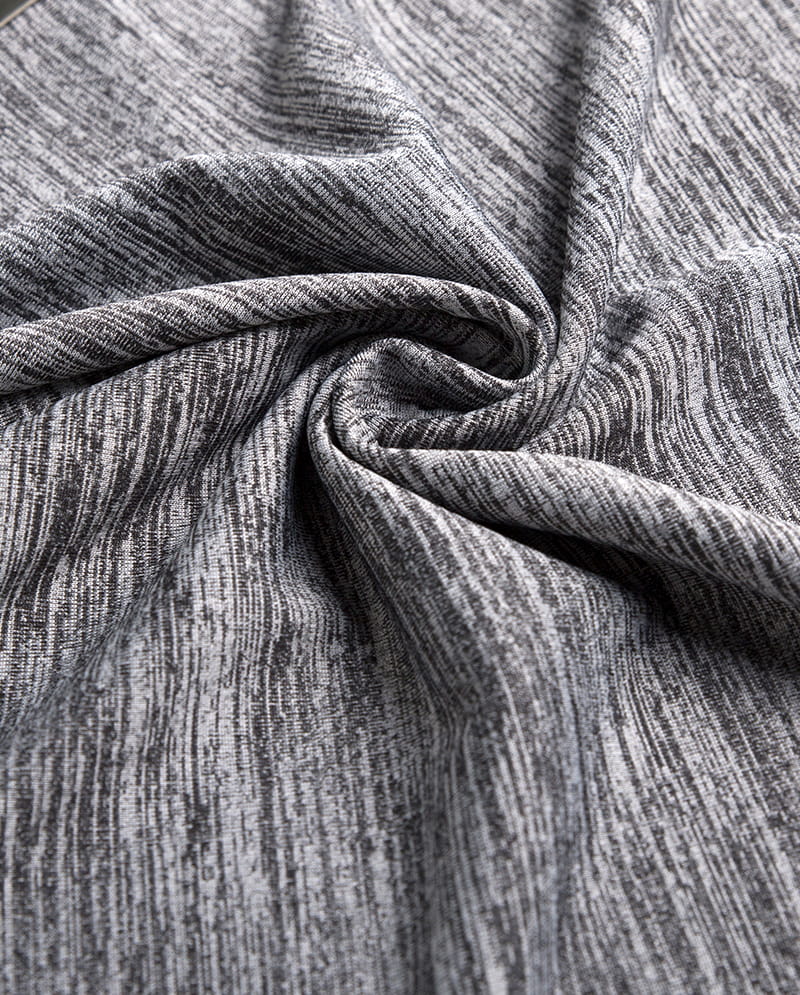
Anti-static Cationic Knitted Rib Fabric
-
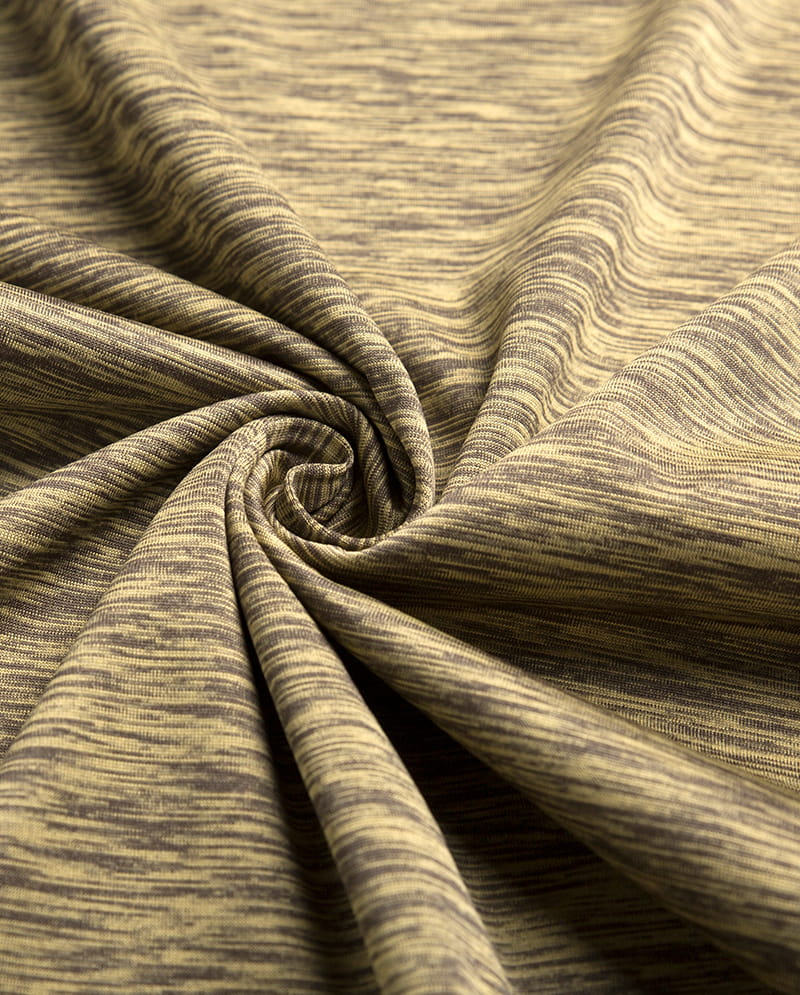
High-Stretch Cationic Jersey Fabric
-
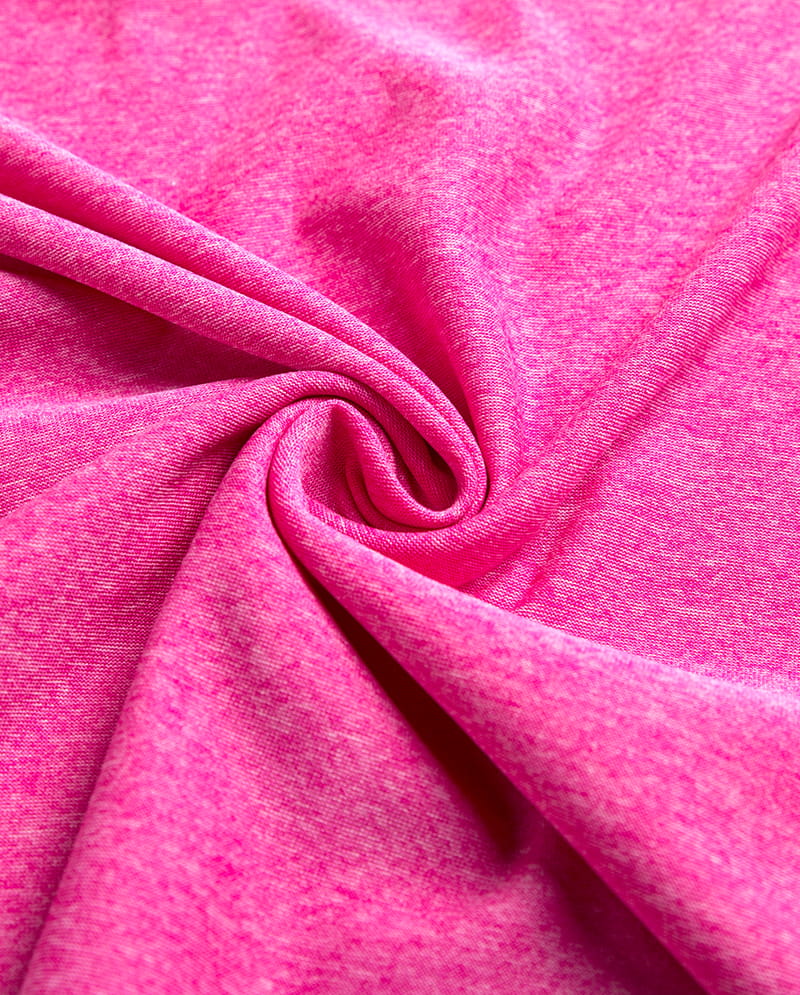
High Quality Cationic DTY Spandex Two Sides Brush Dralon Knit Fabric for Garment Thermal Underwear
-
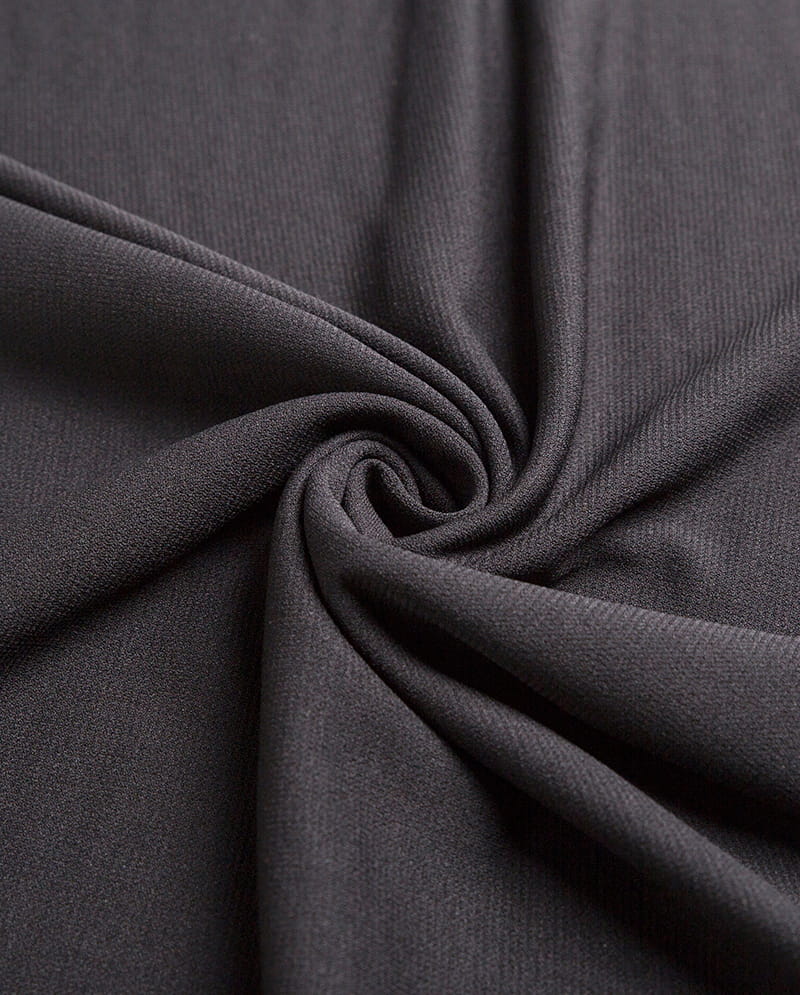
Durable Anti-Pilling Knitted Fabric for Home Textiles
-
Wash-Resistant Cationic Elastic Knitted Fabric for Garment Industry
-
Breathable Double-Faced Elastic Composite Fabric
-
-
-
- whatsapp:
- 0086-13962559622
-
- skype:
- skype.aliceshenghong
-
- Wechat:

COPYRIGHT © 2016 Suzhou Junhui Textile Co., Ltd.
