

 EN
EN English
 中文简体
中文简体Breathable Lightweight Tricot Mesh Fabric for Durable Airflow Performance
Content
- 1 Product Overview
- 2 Why Tricot Mesh Matters in Modern Product Design
- 3 Key Performance Advantages
- 4 Competitive Advantages Over Common Alternatives
- 5 Applications Across Industries
- 6 Material and Yarn Foundation
- 7 Representative Customization Options
- 8 Advanced Manufacturing Process
- 9 Manufacturing Strengths and Company Capabilities
- 10 Quality Control and Reliability
- 11 Durability in Use and Washing
- 12 Comfort and Moisture Management
- 13 Sustainability Considerations
- 14 Design Flexibility
- 15 Purchasing Considerations for Buyers
- 16 Why This Fabric Is a Strong Choice
- 17 Frequently Asked Questions
- 17.1 What is Breathable Lightweight Tricot Mesh Fabric?
- 17.2 What applications is this fabric suitable for?
- 17.3 How does it improve comfort?
- 17.4 Is tricot mesh better than ordinary mesh?
- 17.5 Can the fabric be dyed?
- 17.6 Can functional finishes be added?
- 17.7 Can recycled yarn be used?
- 17.8 Why is yarn selection important?
- 17.9 Is this fabric suitable for repeated washing?
- 17.10 How should buyers choose the right specification?
- 18 Conclusion
- 19 References
- 20 Product: Breathable Lightweight Tricot Mesh Fabric
Breathable Lightweight Tricot Mesh Fabric is a high-performance knitted textile engineered for products that require reliable ventilation, low weight, stable structure, and adaptable finishing. In modern apparel, protective equipment, transportation interiors, bags, footwear, home textiles, and industrial laminated components, manufacturers increasingly need materials that can reduce heat accumulation without sacrificing durability. This tricot mesh fabric addresses that requirement by combining a fine micro-porous knitted structure with balanced strength, soft hand feel, and excellent process compatibility.
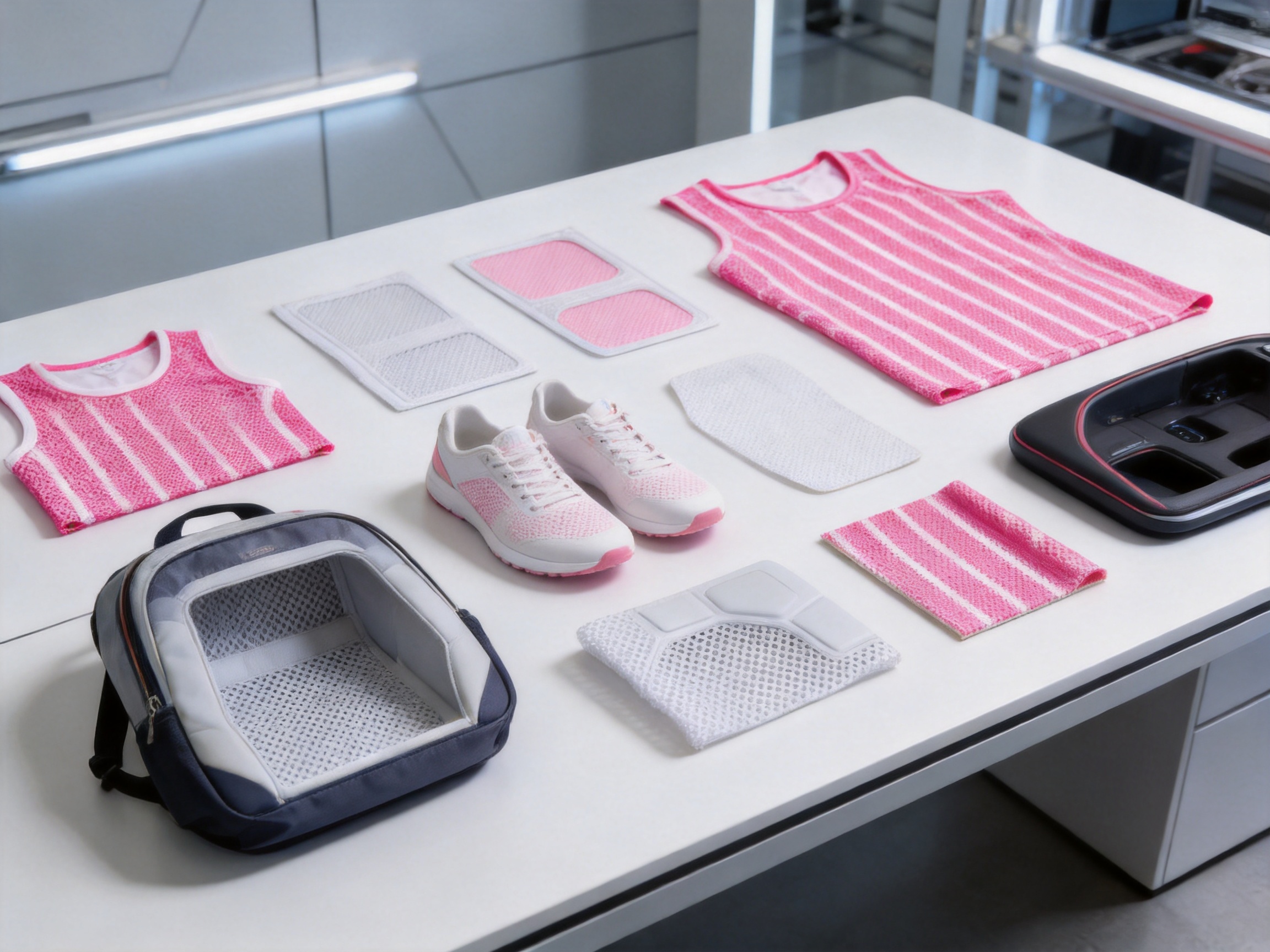
The fabric is especially suitable for sportswear linings, activewear panels, industrial protective gear inner layers, automotive interior trim components, footwear linings, helmet padding covers, breathable luggage structures, and other applications where airflow and comfort influence end-user satisfaction. Its lightweight nature helps reduce the burden of finished products, while its engineered mesh openings allow heat and moisture vapor to move away from the body or contact surface. Compared with many conventional mesh fabrics, this tricot mesh offers a more uniform surface, better dimensional consistency, and improved resistance to deformation during washing, sewing, laminating, coating, and repeated use.
Breathable Lightweight Tricot Mesh Fabric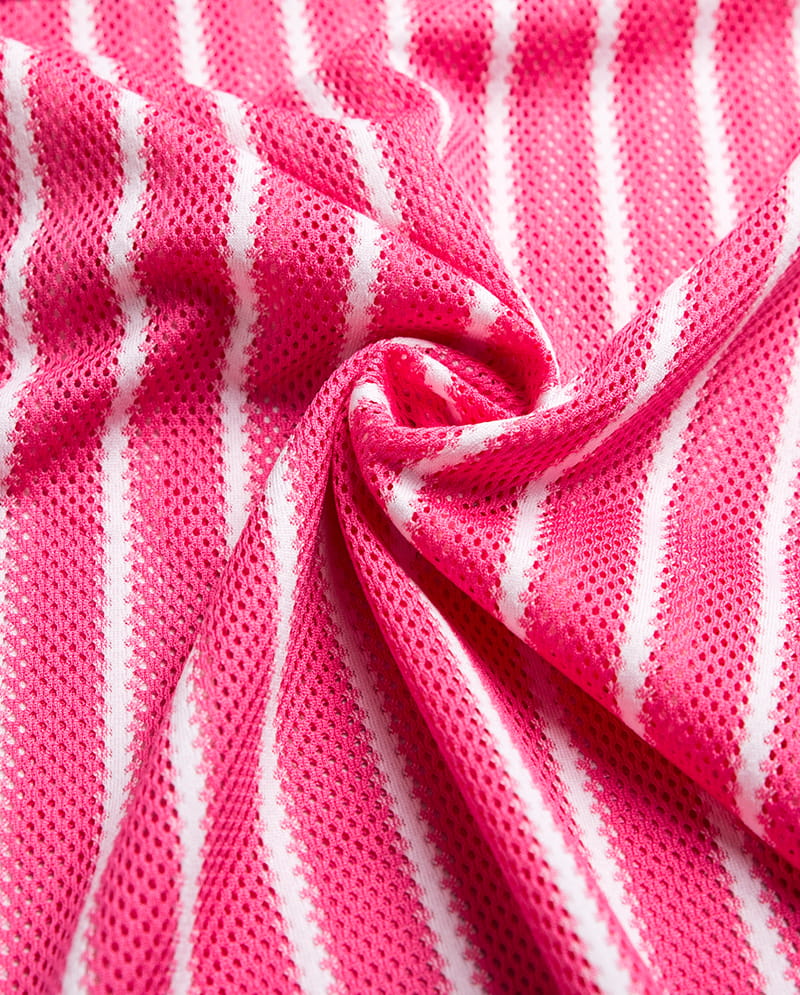
Product Overview
Breathable Lightweight Tricot Mesh Fabric is made with a tricot knitting method, a warp-knitted structure known for stability, smoothness, and efficient production consistency. Unlike loosely constructed meshes that may stretch unevenly or lose shape after processing, tricot mesh is designed to hold a regular geometry. This makes it useful for manufacturers who require predictable cutting, sewing, bonding, and finishing behavior. The fine mesh structure provides micro-porous air channels that promote air circulation while maintaining adequate surface coverage and fabric integrity.
The fabric is lightweight, making it suitable for end products that demand comfort and mobility. In sportswear, weight reduction improves wearability during activity. In protective gear, breathable inner layers reduce discomfort caused by heat and humidity. In automotive and industrial interiors, lightweight mesh contributes to efficient component design while maintaining a clean, technical appearance. The material can also be dyed or coated, allowing manufacturers to customize color, texture, and basic functional performance according to market needs.
The product belongs to the knitted fabric category and is supported by a broader textile capability that includes textile fabric, DTY yarn, FDY yarn, POY yarn, and polyester chips. This integrated material background is important because the performance of a knitted fabric begins with the quality and selection of yarn. A tricot mesh fabric can be adjusted through yarn count, filament number, luster, elastic behavior, recycled content, cationic dyeability, flame-retardant modification, moisture-wicking properties, antibacterial finishing, and other differentiated yarn features.
Why Tricot Mesh Matters in Modern Product Design
Product designers often face a difficult balance between comfort and durability. A fabric that is highly open may breathe well, but it may also be weak, unstable, or difficult to sew. A dense fabric may be strong, but it can trap heat and moisture. Breathable Lightweight Tricot Mesh Fabric solves this conflict by using a controlled knitted architecture. Its regular micro-openings permit airflow while the warp-knitted formation supports strength in the length and width directions.
In consumer apparel, comfort has become a measurable performance factor rather than a simple marketing term. Wearers expect sportswear, casual outdoor garments, and workwear to remain dry and cool during movement. In protective gear and industrial garments, ventilation can influence user compliance because uncomfortable equipment is less likely to be worn correctly. In automotive interiors, breathable textile layers can improve touch comfort, reduce trapped humidity, and support laminated structures. Tricot mesh fabric is therefore valuable not only as a visible outer textile but also as a technical internal component.
Compared with ordinary weft-knitted mesh, tricot mesh generally offers better dimensional stability and a smoother surface. Compared with woven mesh, it can provide a softer touch and more flexible drape. Compared with foam-based breathable layers, it may provide better washability, lower bulk, and easier recycling depending on the material combination. These advantages make it suitable for manufacturers seeking a practical balance between comfort, cost efficiency, processing performance, and reliability.
Key Performance Advantages
High Breathability
The most important advantage of this fabric is air permeability. The tricot structure creates uniform micro-porous gaps that allow air to circulate through the fabric. This helps dissipate heat, reduce moisture accumulation, and keep the contact surface drier. In sportswear lining applications, this can improve comfort during exercise. In protective gear, it can reduce the clammy feeling caused by prolonged wear. In automotive trim, it can support ventilation and prevent the surface from feeling overly dense or stuffy.
Lightweight Construction
The fabric is designed to be lightweight while maintaining useful mechanical stability. Low weight is valuable in many industries. Apparel becomes easier to wear, protective gear becomes less tiring, luggage becomes more efficient, and automotive components can contribute to overall weight control. A lightweight mesh also reduces bulk in multilayer products, which is important when the material is used as a lining, spacer support, bonding layer, or backing fabric.
Stable Tricot Structure
Tricot knitting is known for producing fabrics with controlled loop formation and stable dimensions. This fabric resists tearing and deformation better than many loosely built meshes. It also performs well during frequent use and washing. Stability is especially important for manufacturers because unstable fabric can cause cutting waste, sewing distortion, uneven lamination, or inconsistent finished product dimensions. A stable mesh contributes to higher production efficiency and fewer defects.
Comfortable Surface Feel
Although the fabric is technical, comfort remains central to its value. The fine mesh construction can be made soft enough for lining use while still offering airflow. In applications where the fabric contacts skin or clothing, the smooth tricot surface helps reduce roughness. For sportswear and protective gear, this comfort can make a noticeable difference during prolonged use.
Dyeing and Coating Compatibility
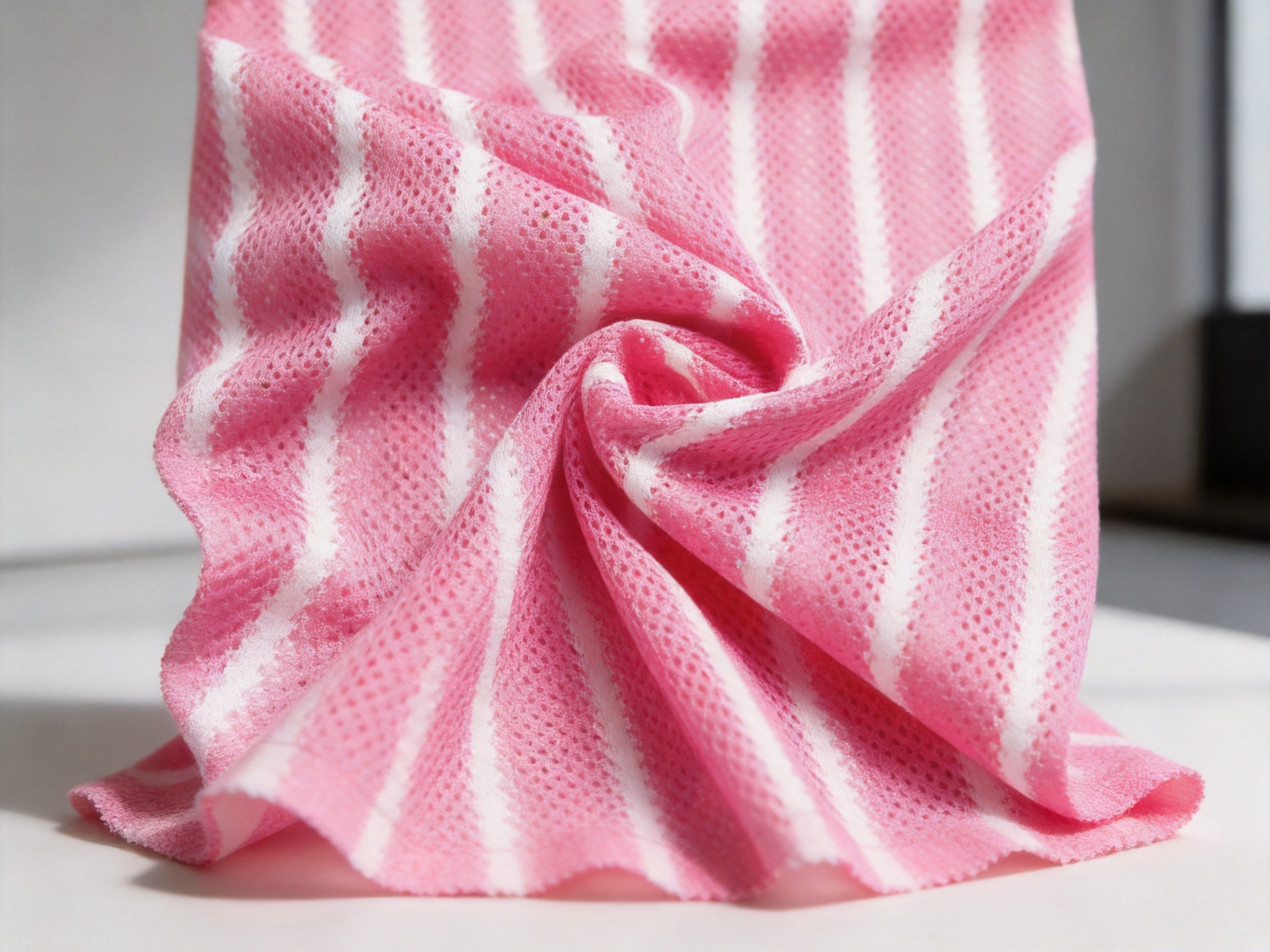
The fabric can be customized through dyeing and coating processes. This allows manufacturers to match brand colors, create visual consistency, or add functional surface layers. Depending on the final application, coating may be used for light reinforcement, bonding compatibility, water resistance, flame-retardant performance, antibacterial function, or moisture-management adjustment. Dyeing compatibility is also important for fashion, sportswear, bags, shoes, and interior trim products where color precision matters.
Cost-Effective Versatility
Breathable Lightweight Tricot Mesh Fabric offers a practical balance of performance and cost. It is not limited to one niche market. The same core structure can be adjusted for many product categories, reducing development complexity for buyers. Manufacturers can select yarn type, fabric weight, mesh density, color, and finishing to create a fabric that meets a particular target price and performance level.
Competitive Advantages Over Common Alternatives
Many mesh fabrics are available in the market, but not all provide a balanced combination of breathability, shape retention, process reliability, and customization. Some low-cost mesh fabrics may breathe well but deform easily. Others may be durable but too heavy or stiff. Breathable Lightweight Tricot Mesh Fabric is positioned as a manufacturing-friendly option for buyers who need dependable quality across repeated orders.
One advantage over basic circular-knitted mesh is structural consistency. Circular-knit mesh can be comfortable, but it may curl, stretch, or distort during cutting and sewing. Tricot mesh tends to lay flatter, making it easier for garment makers and component manufacturers to handle. This reduces labor difficulty and improves production yield.
Another advantage over woven mesh is flexibility and hand feel. Woven mesh can be strong, but it may feel harsh or rigid depending on yarn and construction. Tricot mesh offers a smoother knitted touch, making it better suited for linings and body-contact layers. It can also conform more easily to curved shapes, which is useful in footwear, protective gear, and automotive interiors.
Compared with thick spacer fabrics, lightweight tricot mesh provides breathability without unnecessary bulk. Spacer fabrics are valuable where cushioning is required, but they may be too thick for sleek garments, slim protective layers, or laminated trim. Tricot mesh can function as a breathable support or lining while preserving a thin profile.
Compared with nonwoven breathable layers, tricot mesh offers higher textile-like durability and better resistance to mechanical stress. Nonwovens can be economical, but they may pill, tear, delaminate, or lose integrity under repeated washing or abrasion. A knitted tricot mesh provides loop-based strength and a more premium textile appearance.
Applications Across Industries
Sportswear and Activewear
In sportswear, ventilation is essential. Breathable Lightweight Tricot Mesh Fabric can be used as lining fabric, pocketing fabric, ventilation panels, underarm inserts, back panels, and inner support layers. It helps move heat and moisture away from the body while keeping the garment light. The fabric can be dyed to match outer materials or contrast with design details. Its stable tricot structure also supports repeated washing, which is critical for activewear.
Industrial Protective Gear
Protective garments and equipment often combine several layers, including outer shells, membranes, insulation, padding, and lining. If the inner layer is uncomfortable, users may experience heat stress or discomfort. This tricot mesh can serve as an inner breathable layer that improves air movement and separates the body from less comfortable technical layers. It is suitable for protective vests, workwear linings, equipment padding covers, industrial sleeves, and selected safety accessories.
Automotive Interior Trim
Automotive interiors require materials that are consistent, durable, and process-compatible. Breathable Lightweight Tricot Mesh Fabric can be used in seat backing, headliner support, door panel components, decorative laminates, and other trim systems. Its lightweight character supports efficient vehicle design, while its uniform structure assists lamination and cutting. Color customization and coating compatibility allow it to meet different interior design requirements.
Footwear and Bags
Footwear linings and bag components benefit from breathable and lightweight materials. In shoes, mesh fabric can reduce heat accumulation and improve wearing comfort. In bags, it can be used for pocket linings, breathable compartments, organizer panels, and structural backing. Its stable construction helps it resist deformation during sewing and daily use.
Home and Lifestyle Products
The fabric can also be used in mattress covers, cushion linings, storage products, pet products, chair liners, laundry bags, and breathable household accessories. Its washable nature and customizable appearance make it useful for consumer products that require both function and clean presentation.
Material and Yarn Foundation
The quality of a tricot mesh fabric is closely related to the yarn used to produce it. Suzhou Junhui Textile Co., Ltd. and Suzhou Xiaoran New Material Co., Ltd. are involved in the development and sale of differentiated yarn and knitted fabric products, including recycled yarn, polyester drop-dyed yarn, microfine yarn, flame-retardant yarn, cationic dyeing yarn, functional yarn, and knitting fabrics. This yarn background enables more flexible product engineering.
DTY yarn, or draw textured yarn, is often used when softness, bulk, stretch, and texture are desired. FDY yarn, or fully drawn yarn, is valued for stable strength, smoothness, and uniformity. POY yarn, or partially oriented yarn, can be further processed into textured yarn and other yarn types. Polyester chips are the upstream material foundation for polyester yarn production. By understanding the relationship among chips, POY, FDY, DTY, and final fabric, manufacturers can control the entire performance chain more effectively.
For breathable tricot mesh, the yarn selection can influence hand feel, weight, brightness, elasticity, dye uptake, moisture movement, flame performance, and environmental profile. Recycled polyester yarn can be selected for sustainability-oriented programs. Cationic dyeable yarn can support special dyeing effects. Flame-retardant yarn can support protective applications. Moisture-wicking yarn can improve comfort in activewear. Antibacterial yarn can support hygiene-focused products. This flexibility allows the fabric to be adapted for different markets rather than remaining a single standard item.
Representative Customization Options
Customization Area |
Possible Options |
Buyer Benefit |
Yarn Type |
DTY, FDY, recycled polyester, cationic dyeable yarn, functional yarn |
Adjusts softness, strength, dyeing behavior, sustainability, and function |
Fabric Weight |
Lightweight to medium structures depending on end use |
Balances breathability, coverage, durability, and cost |
Mesh Density |
Fine micro mesh or more open breathable mesh |
Controls airflow, appearance, and support performance |
Color |
Custom dyeing according to buyer requirements |
Supports brand identity and product design consistency |
Finishing |
Moisture-wicking, antibacterial, flame-retardant, coating, bonding preparation |
Adds application-specific technical value |
End-Use Processing |
Cutting, sewing, lamination, coating, washing, heat setting |
Improves manufacturing efficiency and finished product reliability |
Advanced Manufacturing Process
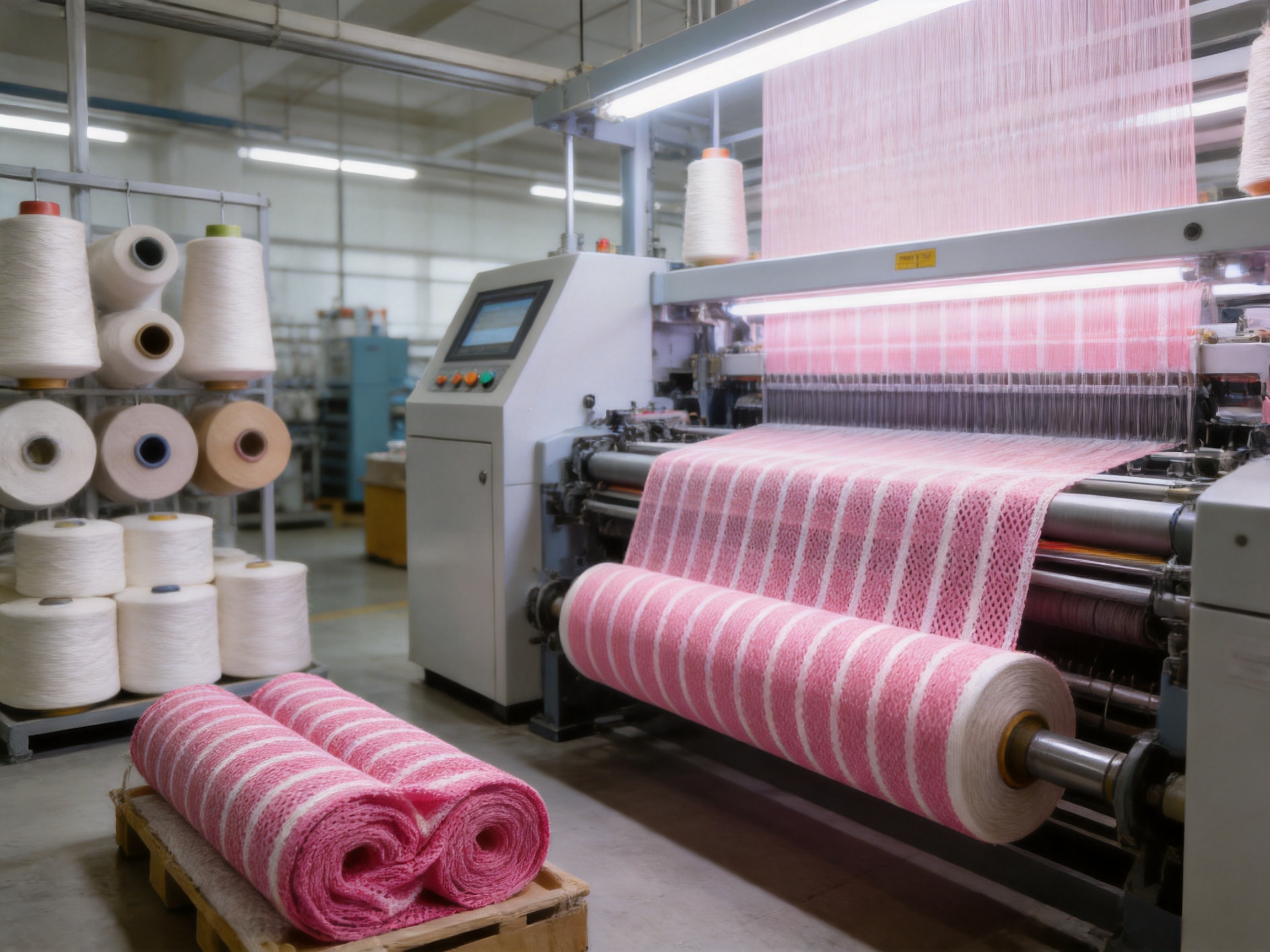
The manufacturing of Breathable Lightweight Tricot Mesh Fabric begins with material selection. Polyester-based yarns are commonly selected for strength, durability, easy-care properties, and process versatility. Depending on the order, the yarn may include recycled polyester, semi-dull yarn, full-dull yarn, cationic dyeable yarn, flame-retardant yarn, or moisture-management yarn. The selection process considers denier, filament count, elongation, shrinkage, luster, dyeing behavior, and final fabric requirements.
After yarn selection, warping prepares yarns in parallel alignment for tricot knitting. Proper warping is essential because warp-knitted fabric relies on many yarn ends feeding into the knitting machine simultaneously. Uneven tension during warping can cause streaks, holes, loops, or irregular mesh size. Advanced preparation helps maintain uniform yarn tension and stable feeding, which directly improves fabric appearance and performance.
The tricot knitting stage forms the fabric structure. The machine creates interlooped yarn formations that produce a stable warp-knitted mesh. Needle selection, guide bar movement, yarn tension, machine speed, and pattern setting all influence the final mesh geometry. By controlling these parameters, the fabric can be engineered for fine airflow, moderate elasticity, smooth surface, and strong dimensional stability.
After knitting, the fabric may undergo inspection, relaxation, heat setting, dyeing, finishing, coating, or other treatments. Heat setting is particularly important for polyester tricot mesh because it stabilizes fabric dimensions and reduces unwanted shrinkage. Dyeing gives the fabric the required color. Functional finishing can add moisture-wicking, antibacterial, flame-retardant, or other properties when required. Coating or lamination preparation may be used for industrial or automotive applications.
Quality inspection is performed at different stages to ensure consistency. Inspection may include checks for fabric width, weight, color difference, mesh uniformity, holes, oil stains, broken yarns, elongation, shrinkage, tearing strength, and overall appearance. For export-oriented textile manufacturing, consistent inspection and documentation help buyers reduce risk when ordering large quantities.
Manufacturing Strengths and Company Capabilities
Suzhou Junhui Textile Co., Ltd. and Suzhou Xiaoran New Material Co., Ltd. were founded with a focus on differentiated yarn and functional textile solutions. Their product scope includes recycled yarn, polyester drop-dyed yarn, SHAWLIENCE, microfine yarn, flame-retardant yarn, cationic dyeing yarn, and knitted fabric products. This combination of yarn and fabric capability gives the company a practical advantage in developing breathable tricot mesh fabric for different industries.
A key strength is the ability to connect yarn development with fabric performance. Many fabric suppliers purchase yarn only according to standard availability. In contrast, a company with differentiated yarn knowledge can recommend yarn solutions according to fabric goals. For example, if a buyer needs lightweight sportswear mesh with fast drying, moisture-wicking yarn or finishing can be considered. If the product is designed for protective gear, flame-retardant yarn or finishing can be explored. If sustainability is important, recycled polyester options can be proposed.
The company’s professional research and development team supports product innovation and application development. Collaboration with internationally known enterprises and customers from different markets helps the team understand real manufacturing requirements. This is important because a good textile product must perform not only in laboratory testing but also during cutting, sewing, packaging, transportation, and final use.
Another strength is export experience. With products exported to many countries and a broad customer base, the company understands the importance of stable quality, clear communication, timely support, and practical problem solving. For international buyers, this matters as much as product performance. A fabric supplier must be able to answer technical questions, adjust specifications, manage production schedules, and support repeated orders.
The company also emphasizes service orientation. Customers often need guidance in product selection, yarn matching, fabric development, and troubleshooting. The ability to respond quickly and provide professional support helps buyers reduce development time and avoid costly mistakes. When a buyer is selecting breathable mesh for a new garment line or industrial component, expert advice can help determine the best weight, mesh density, finishing route, and color process.
Quality Control and Reliability
Reliable tricot mesh fabric requires systematic quality control. Breathability alone is not enough. The fabric must also be consistent in width, weight, color, shrinkage, surface appearance, and mechanical behavior. If a buyer receives inconsistent rolls, cutting loss increases and finished product quality becomes unstable. Therefore, quality control begins before knitting and continues through finishing and packing.
Yarn quality control checks may include denier accuracy, filament condition, strength, elongation, oil content, and package quality. During knitting, operators monitor machine performance, yarn breaks, pattern consistency, and fabric defects. After knitting, fabric inspection identifies holes, stains, streaks, and uneven mesh formation. During dyeing and finishing, color matching, shade consistency, hand feel, shrinkage, and functional performance are controlled.
For buyers in sportswear and automotive markets, reproducibility is especially important. A sportswear brand may require the same lining fabric across multiple seasons and colors. An automotive supplier may require stable performance for component approval and production continuity. Tricot mesh fabric manufactured under controlled processes can support these requirements more effectively than low-grade mesh with inconsistent structure.
Durability in Use and Washing
Breathable Lightweight Tricot Mesh Fabric is designed to resist tearing and deformation during frequent use and washing. This matters because many breathable fabrics fail not at first use but after repeated laundering, abrasion, stretching, or exposure to manufacturing stress. A fabric used in sportswear may be washed dozens of times. A protective gear lining may experience sweat, movement, and friction. An automotive trim backing may undergo heat, pressure, bonding, and long-term use.
The tricot structure improves stability because yarn loops are distributed in a controlled warp-knitted formation. This reduces the risk of excessive laddering and distortion compared with weaker mesh constructions. Heat setting further stabilizes dimensions. Proper yarn choice improves strength and resilience. As a result, the fabric can maintain a neat appearance and functional airflow over time.
Comfort and Moisture Management
Comfort is strongly linked to air movement and moisture transport. When heat and moisture are trapped near the body, users feel discomfort. Breathable tricot mesh helps by creating pathways for air circulation. The micro-porous structure allows warm air and moisture vapor to move away from the contact surface. In activewear, this can help keep the wearer cooler and drier. In protective equipment, it can reduce the feeling of heat buildup. In footwear, it can improve inner climate comfort.
Moisture-management performance can be further enhanced through yarn selection or finishing. Moisture-wicking treatments can help spread sweat across the fabric surface for faster evaporation. Microfine yarns can create a softer hand feel and higher surface area. Hollow warm yarn can be considered when insulation and lightweight comfort are needed. Antibacterial treatments can be selected for hygiene-focused applications. These options demonstrate why a fabric platform supported by differentiated yarn capability is valuable for buyers.
Sustainability Considerations
Sustainability is increasingly important in textile sourcing. Breathable Lightweight Tricot Mesh Fabric can be developed with recycled polyester yarn options, helping brands reduce reliance on virgin materials. Recycled yarn can be especially suitable for sportswear, bags, footwear, and home textile products where customers value environmental responsibility. Because the company has experience with recycled yarn series, buyers can explore more responsible material options without abandoning performance requirements.
Polyester also offers durability and long service life, which are important aspects of sustainability. A fabric that lasts longer and maintains performance through repeated use may reduce replacement frequency. When used in product design, a durable lightweight mesh can contribute to lower material consumption and better product efficiency. Additionally, single-fiber polyester constructions may be easier to consider in recycling strategies than complex multi-fiber blends, depending on finishing and lamination choices.
Design Flexibility
Designers can use this tricot mesh fabric in both visible and hidden roles. When visible, its fine mesh surface can provide a technical and modern appearance. It can be dyed in brand colors or used as contrast detail. When hidden, it can function as an internal breathable layer, lining, backing, or support material. Because it is lightweight and stable, it can be combined with films, foams, woven fabrics, nonwovens, or other knitted textiles.
The fabric can also be customized according to touch requirements. Some applications require a soft lining feel, while others require a firmer backing. Yarn type, filament count, finishing, and heat setting can adjust the final hand. This makes the fabric suitable for both consumer and industrial products.
Purchasing Considerations for Buyers
When selecting Breathable Lightweight Tricot Mesh Fabric, buyers should define the target application clearly. A sportswear lining may prioritize softness, light weight, color, and wash durability. A protective gear inner layer may prioritize flame performance, abrasion resistance, and moisture comfort. An automotive trim component may prioritize dimensional stability, heat resistance, lamination compatibility, and color consistency. A footwear lining may require abrasion resistance, air permeability, and skin comfort.
Buyers should also consider fabric weight, width, mesh openness, yarn composition, color requirements, finishing requirements, testing standards, packing method, and order quantity. If the fabric will be bonded or coated, the supplier should know the downstream process temperature, pressure, adhesive type, and performance expectations. If the fabric will be used in garments, shrinkage and washing conditions should be discussed. Early technical communication helps ensure the final fabric matches the product’s real operating environment.
Why This Fabric Is a Strong Choice
Breathable Lightweight Tricot Mesh Fabric is a strong choice because it combines three qualities that are often difficult to achieve together: airflow, lightness, and stability. Many breathable materials are too weak, too stretchy, or too inconsistent. Many durable materials are too heavy or uncomfortable. This fabric offers a balanced solution supported by professional yarn knowledge and manufacturing experience.
Its competitive advantage is not limited to the fabric structure. The broader supply capability in DTY yarn, FDY yarn, POY yarn, polyester chips, recycled yarn, cationic dyeing yarn, flame-retardant yarn, antibacterial yarn, moisture-wicking yarn, and other differentiated products gives buyers more development freedom. Instead of accepting a generic mesh fabric, customers can work toward a fabric that fits specific comfort, function, sustainability, and cost goals.
For manufacturers who need dependable production, the fabric’s stable tricot structure can improve cutting accuracy, sewing efficiency, lamination reliability, and finished product appearance. For brands that need user comfort, the micro-porous design supports airflow and dryness. For industrial buyers, the fabric offers a reliable balance between technical function and economical processing.
Frequently Asked Questions
What is Breathable Lightweight Tricot Mesh Fabric?
It is a warp-knitted mesh fabric made with a tricot structure. It is designed to provide air permeability, low weight, structural stability, and compatibility with dyeing and finishing processes.
What applications is this fabric suitable for?
It is suitable for sportswear linings, activewear panels, industrial protective gear inner layers, automotive interior trim components, footwear linings, bag parts, home textile accessories, and breathable laminated products.
How does it improve comfort?
The fabric contains uniform micro-porous gaps that allow air to circulate. This helps dissipate heat and moisture, keeping the contact surface drier and more comfortable during use.
Is tricot mesh better than ordinary mesh?
For many applications, tricot mesh offers better dimensional stability, smoother surface quality, and more predictable processing than loosely constructed ordinary mesh. It is especially useful when cutting, sewing, washing, or lamination stability is important.
Can the fabric be dyed?
Yes. The fabric is compatible with dyeing processes, allowing manufacturers to customize color according to product or brand requirements.
Can functional finishes be added?
Yes. Depending on the application, options may include moisture-wicking, antibacterial, flame-retardant, coating, bonding preparation, or other functional treatments.
Can recycled yarn be used?
Yes. Recycled polyester yarn options can be considered for sustainability-oriented programs while maintaining practical textile performance.
Why is yarn selection important?
Yarn selection affects softness, strength, elasticity, weight, dyeability, moisture behavior, durability, and special functions. A strong yarn foundation helps produce a better tricot mesh fabric.
Is this fabric suitable for repeated washing?
Yes. The tricot structure and proper finishing help the fabric resist deformation and tearing during frequent use and washing.
How should buyers choose the right specification?
Buyers should define the end use, target weight, breathability, color, finishing, durability requirements, testing standards, and downstream processing method. Supplier consultation can help match the fabric to the final product.
Conclusion
Breathable Lightweight Tricot Mesh Fabric is a practical and advanced textile solution for manufacturers seeking ventilation, comfort, lightweight performance, and durable stability. Its fine tricot structure creates controlled micro-openings for airflow while maintaining a strong and consistent knitted formation. This makes it suitable for sportswear, protective gear, automotive interiors, footwear, bags, and many other products that require breathable performance without sacrificing reliability.
The fabric stands out from common alternatives because it provides a balanced combination of softness, dimensional stability, processing compatibility, dyeing flexibility, and optional functional finishing. Supported by differentiated yarn capabilities and professional textile development experience, it can be customized for specific market requirements, including recycled content, moisture management, antibacterial performance, flame resistance, and special color effects.
For buyers and manufacturers, the value of this fabric lies not only in its breathable mesh structure but also in the complete development support behind it. From yarn selection to knitting, finishing, inspection, and application guidance, a well-controlled manufacturing process helps ensure consistent quality and dependable performance. As demand grows for comfortable, durable, lightweight, and customizable textiles, Breathable Lightweight Tricot Mesh Fabric offers a strong foundation for next-generation product design.
References
Adanur, S. Handbook of Weaving. Technomic Publishing.
Horrocks, A. R., and Anand, S. C. Handbook of Technical Textiles. Woodhead Publishing.
Spencer, D. J. Knitting Technology: A Comprehensive Handbook and Practical Guide. Woodhead Publishing.
Hearle, J. W. S., Hollick, L., and Wilson, D. K. Yarn Texturing Technology. Woodhead Publishing.
Gulrajani, M. L. Advances in the Dyeing and Finishing of Technical Textiles. Woodhead Publishing.
Textile Institute. Textile Terms and Definitions. The Textile Institute.
Product: Breathable Lightweight Tricot Mesh Fabric

Popular products
-
Premium Cationic Interlock Stretch Comfort Fabric
-
Moisture-Wicking Nylon Woven Fabric
-
Double-faced jacquard elastic fabric
-
Heather Grey Double-faced cationic jersey fabric
-
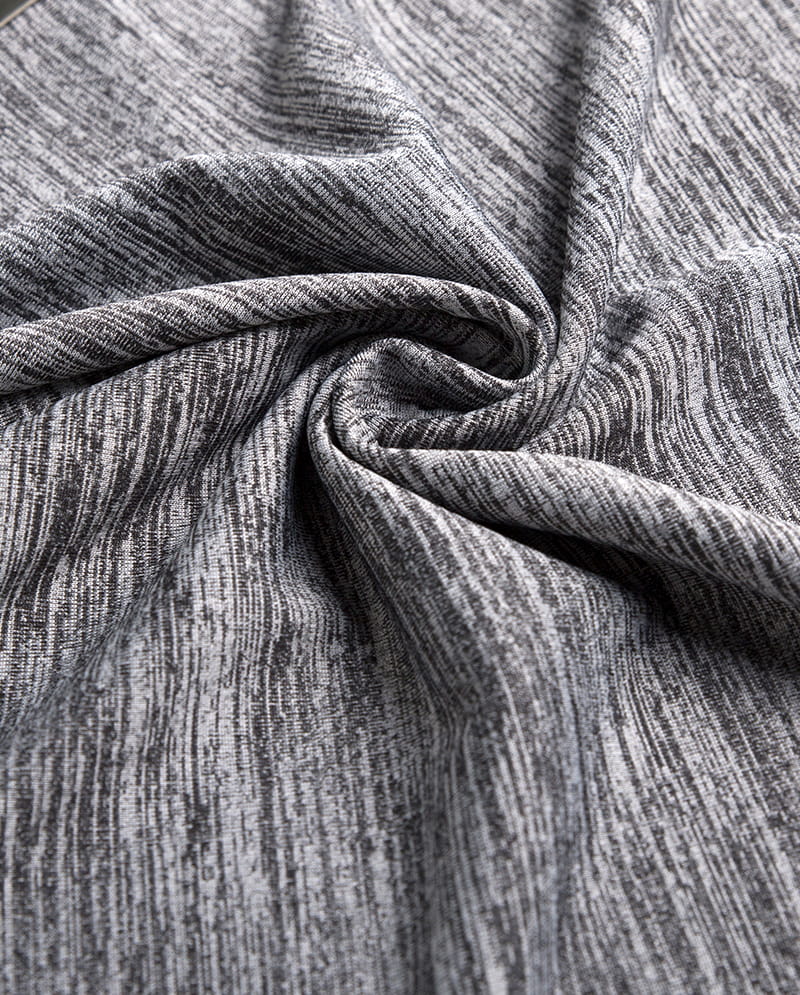
Anti-static Cationic Knitted Rib Fabric
-
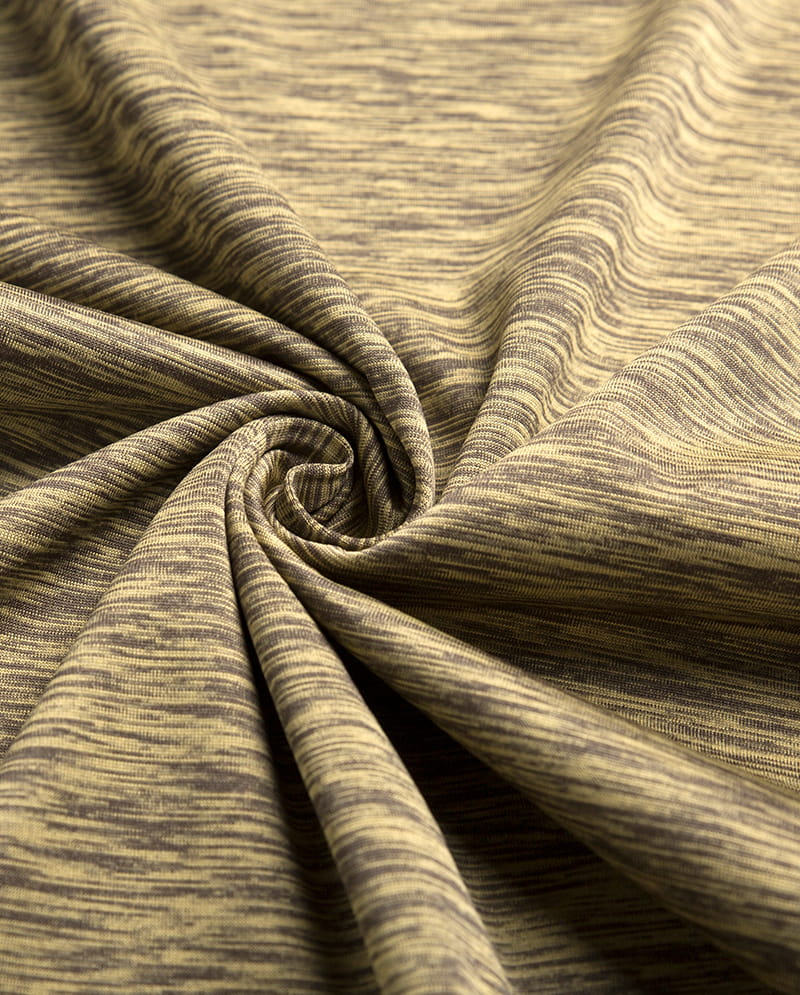
High-Stretch Cationic Jersey Fabric
-
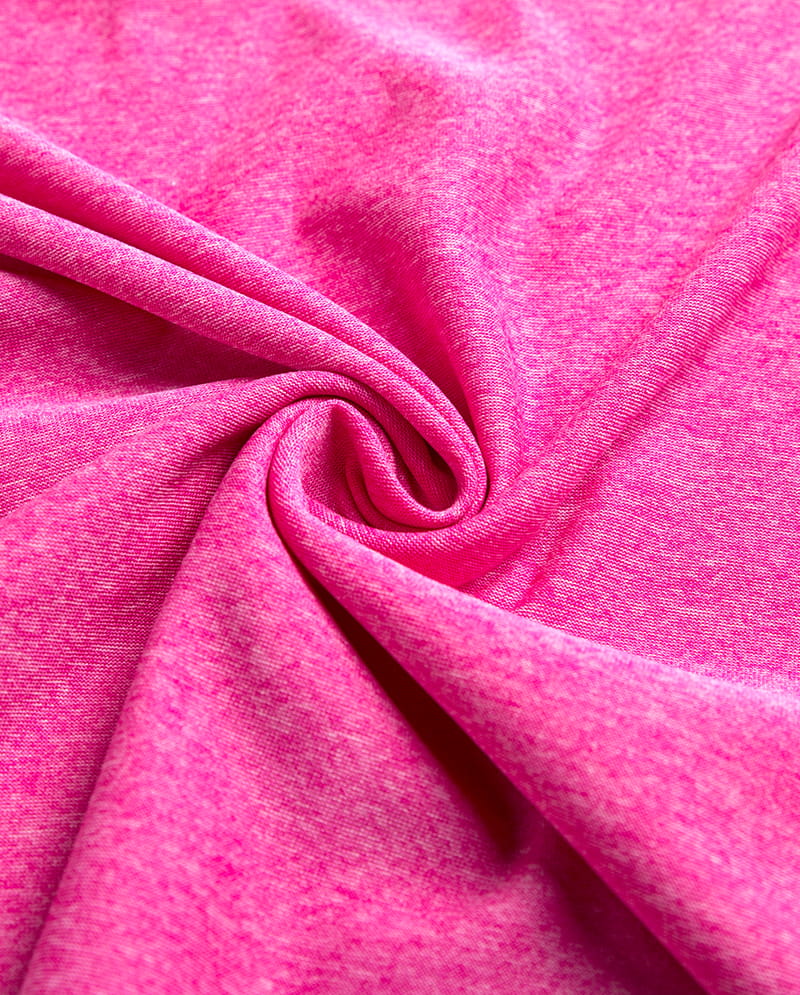
High Quality Cationic DTY Spandex Two Sides Brush Dralon Knit Fabric for Garment Thermal Underwear
-
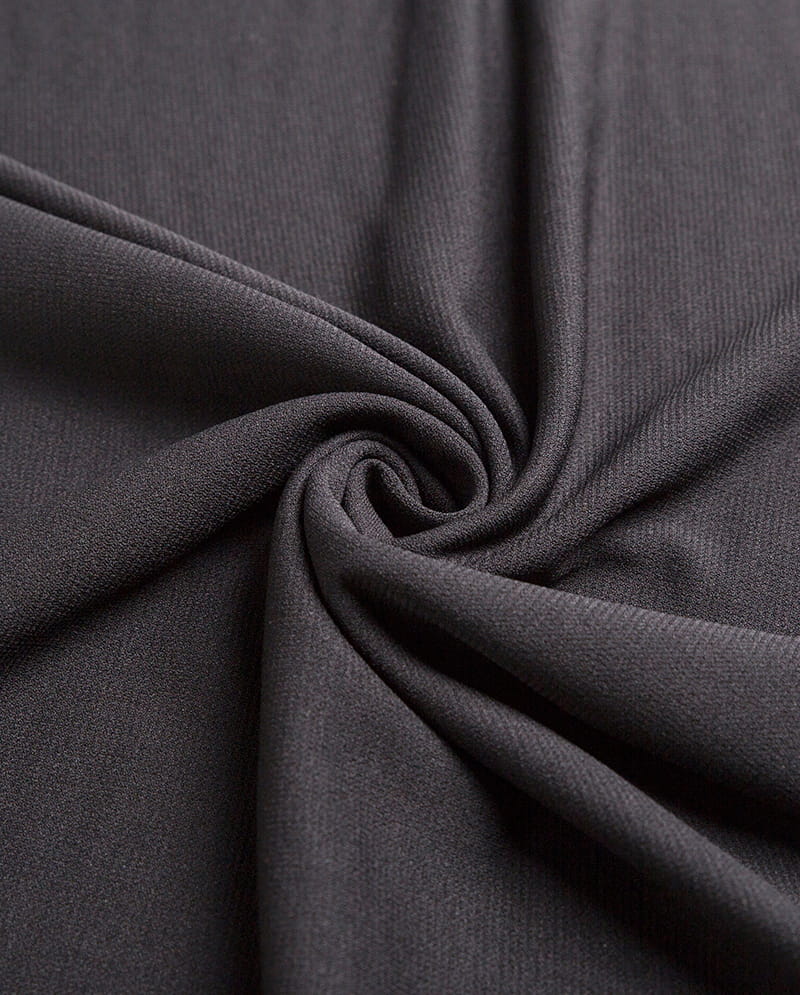
Durable Anti-Pilling Knitted Fabric for Home Textiles
-
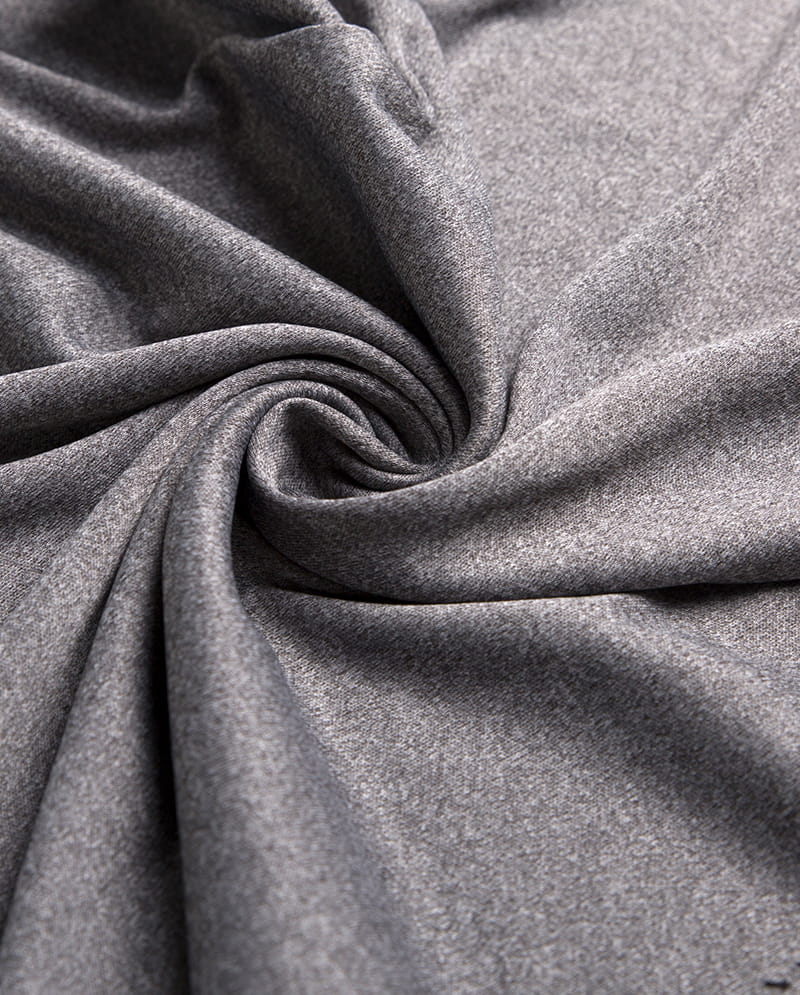
Wash-Resistant Cationic Elastic Knitted Fabric for Garment Industry
-
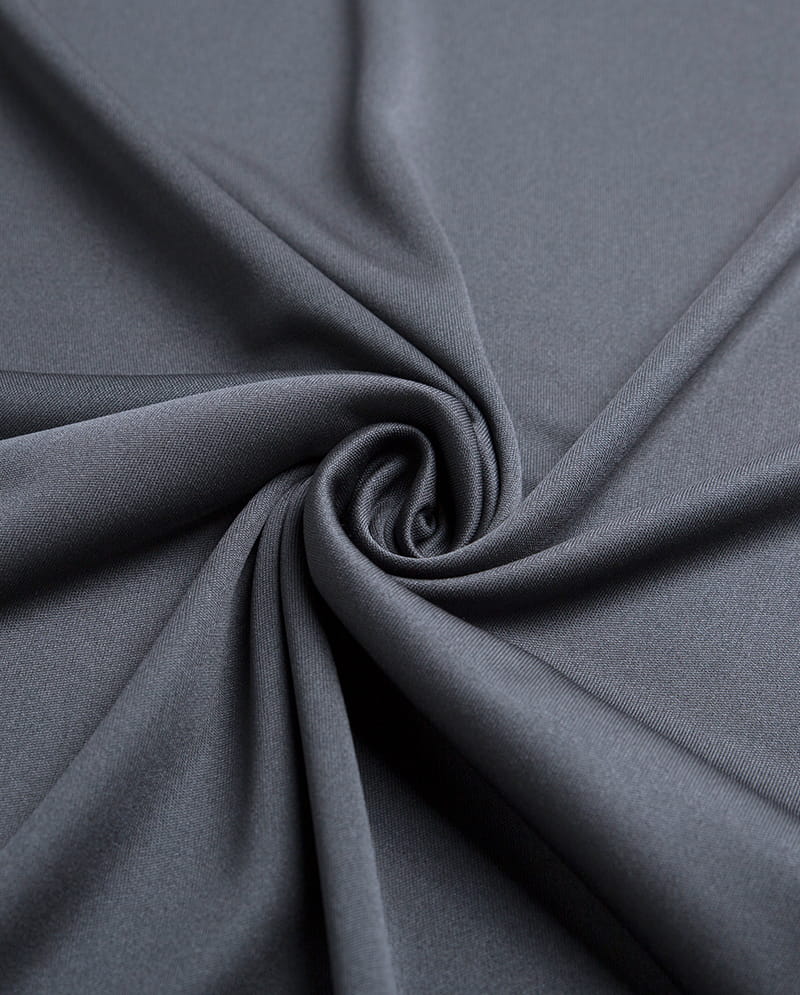
Breathable Double-Faced Elastic Composite Fabric
-
-
-
- whatsapp:
- 0086-13962559622
-
- skype:
- skype.aliceshenghong
-
- Wechat:

COPYRIGHT © 2016 Suzhou Junhui Textile Co., Ltd.
