

 EN
EN English
 中文简体
中文简体Breathable Lightweight Tricot Mesh Fabric for Advanced Textile Applications
Content
- 1 What Is Lightweight Tricot Mesh Fabric?
- 2 Core Performance Advantages
- 3 Applications Across Multiple Industries
- 4 Advanced Manufacturing Approach
- 5 Why This Fabric Can Outperform Conventional Alternatives
- 6 Typical Specification Considerations
- 7 Product Development and Customization Process
- 8 Manufacturing Strengths and Company Capabilities
- 9 Quality and Reliability Considerations
- 10 Practical Benefits for Buyers
- 11 Recommended Selection Guidelines
- 12 Frequently Asked Questions
- 12.1 What is the main advantage of this tricot mesh fabric?
- 12.2 Is tricot mesh a woven or knitted fabric?
- 12.3 Can the fabric be used for sportswear?
- 12.4 Can recycled yarn be used in the fabric?
- 12.5 Can the fabric be dyed in custom colors?
- 12.6 Can the fabric be coated or laminated?
- 12.7 Are functional versions available?
- 12.8 What industries can use this material?
- 12.9 How should buyers request a quotation?
- 12.10 Can the supplier help develop a new specification?
- 12.11 Does breathable mesh replace a certified protective material?
- 12.12 What makes the supplier suitable for international customers?
- 13 Conclusion
- 14 References
- 15 Product: Breathable Lightweight Tricot Mesh Fabric
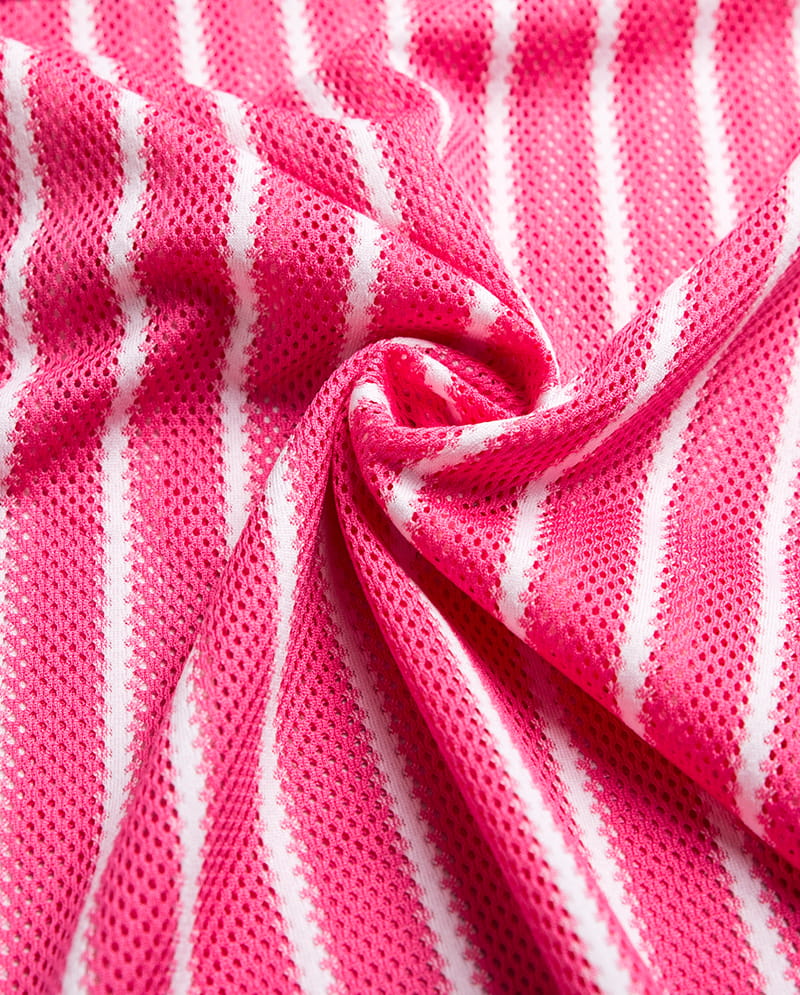
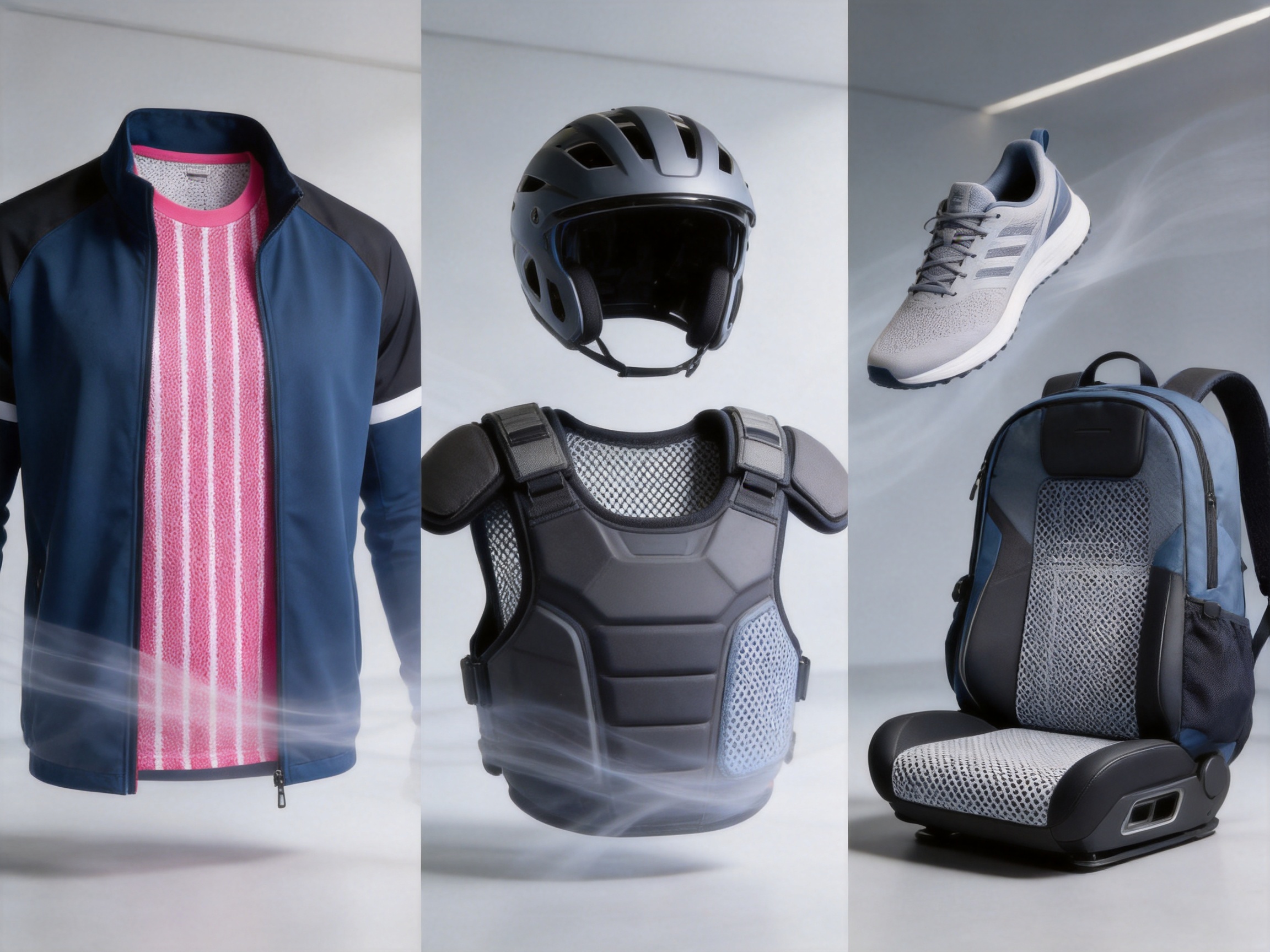
Breathable Lightweight Tricot Mesh Fabric is a warp-knitted textile developed for products that require air permeability, low weight, dimensional stability, and dependable everyday performance. Its fine tricot construction creates a consistent network of micro-openings through the fabric, allowing air to move efficiently while maintaining a stable surface and reliable resistance to tearing, distortion, and repeated handling. This combination makes the material suitable for sportswear linings, protective equipment, footwear components, bags, automotive interior trim, seating structures, ventilation panels, and many other technical textile applications.
In modern textile manufacturing, fabric buyers are no longer evaluating products only by appearance or initial price. They also consider comfort, weight, processing compatibility, durability, sustainability, color consistency, supply reliability, and the ability to customize the material for a specific end use. A lightweight mesh fabric must therefore provide more than an open appearance. It must offer controlled porosity, a uniform knitted structure, good recovery after use, clean edges, stable width, and predictable performance during dyeing, coating, cutting, sewing, laminating, and assembly.
This fabric is manufactured and supplied by Suzhou Junhui Textile Co., Ltd., together with Suzhou Xiaoran New Materials Co., Ltd., an enterprise focused on differentiated yarns and knitted fabric products. The company combines yarn development, functional material selection, knitting expertise, product customization, and export-oriented service. Its wider product portfolio includes recycled yarns, polyester draw textured yarn, fully drawn yarn, cationic dyeing yarn, flame-retardant yarn, moisture-wicking yarn, antibacterial yarn, high-elastic yarn, cotton-like yarn, hollow warm yarn, and other differentiated textile materials.
The result is a supply model that gives fabric manufacturers and product developers access to both the finished mesh fabric and the yarn technologies that can influence its performance. Instead of treating the fabric as an isolated commodity, the manufacturer can evaluate yarn type, filament arrangement, luster, elasticity, color method, recycled content, and functional requirements as part of one coordinated development process.
Breathable Lightweight Tricot Mesh Fabric
What Is Lightweight Tricot Mesh Fabric?
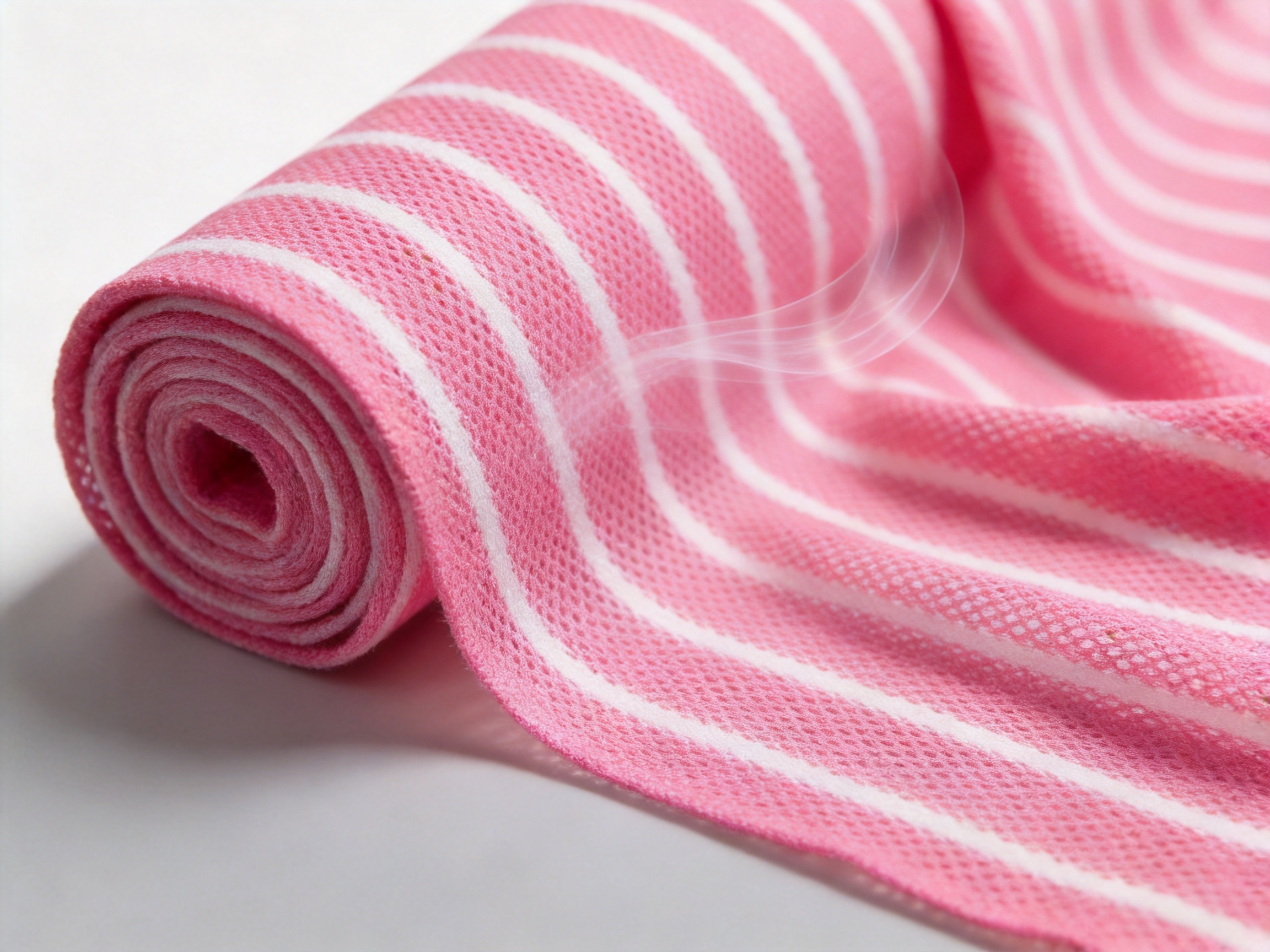
Tricot mesh fabric is a warp-knitted fabric produced through a controlled knitting process in which yarns form interconnected loops along the length of the material. Compared with many weft-knitted structures, warp-knitted tricot fabrics are valued for their smooth surface, relatively stable dimensions, fast production capability, and ability to create fine, regular mesh patterns. The structure can be engineered with different opening sizes, weights, filament specifications, and surface effects to suit a broad range of applications.
The term “lightweight” refers to the fabric’s low mass relative to its useful coverage and functional performance. A lightweight textile can reduce the total weight of a garment, protective product, interior component, or laminated construction. This is especially important in sportswear, portable equipment, transportation interiors, and products that are worn or handled for long periods. Reducing material weight can improve wearer comfort, simplify assembly, and support more efficient logistics without necessarily compromising structural function.
The mesh openings are not random gaps. They are created by the geometry of the knitted loops and the relationship between yarn count, filament number, stitch density, machine settings, and finishing conditions. By controlling these variables, manufacturers can develop a fabric that balances air circulation with coverage, strength, opacity, flexibility, and visual appearance.
Although the fabric has an open structure, it can still provide a stable and attractive surface. The fine tricot construction helps prevent the material from behaving like a loose net. Instead, it forms a more organized textile layer that can be cut, sewn, laminated, coated, and integrated into finished products. The specific balance between openness and stability can be adjusted according to the intended application.
Core Performance Advantages
Efficient Air Permeability
The most important advantage of this fabric is its breathable structure. Its uniform micro-porous gaps allow air to circulate through the material, helping dissipate heat and reduce the accumulation of moisture at the contact surface. In sportswear, this can support a cooler and more comfortable wearing experience. In protective equipment, the fabric can function as an inner layer that reduces the feeling of heat and maintains better ventilation between the user and the outer shell.
Air permeability can also be valuable in automotive and industrial applications. Interior trim components may require a material that allows air movement while contributing to a controlled surface appearance. Ventilation panels, filter-support layers, cushioning covers, and backing fabrics can all benefit from a regular, breathable structure. The final performance depends on the complete product design, but the tricot mesh provides a practical foundation for airflow-oriented constructions.
Low Weight and Material Efficiency
A low-weight fabric can provide broad coverage without adding unnecessary mass. This characteristic is valuable when the fabric is used as a lining, backing, spacer layer, or reinforcement support rather than as the principal outer shell. In garments, reducing lining weight can improve freedom of movement. In bags and accessories, it can make the finished product easier to carry. In automotive interiors, a lighter material can contribute to wider efforts to reduce component weight.
Lightweight construction may also improve production efficiency. Less material mass can reduce handling demands and may support more economical cutting, sewing, bonding, and storage. When combined with stable knitting and controlled finishing, the fabric can deliver a useful performance-to-weight ratio that compares favorably with heavier woven or dense knitted alternatives.
Dimensional Stability
One of the challenges associated with open textiles is the risk of distortion. A poorly controlled mesh may stretch unevenly, lose its shape, curl at the edges, or develop irregular openings after washing and handling. The tricot structure is designed to provide better organization of the loops and greater resistance to deformation than many loosely formed mesh constructions.
Dimensional stability is particularly important for manufacturers that use automated cutting, precision sewing, lamination, or bonding. A fabric with consistent width and controlled elongation can reduce alignment problems and help maintain the intended appearance of the finished item. The fabric can also be developed with different stability levels depending on whether the application requires a firmer support layer or a more flexible lining.
Resistance to Tearing and Frequent Use
The interconnected loop structure distributes stress across a network rather than concentrating all force at a single point. This can help the fabric resist tearing during normal handling, repeated washing, sewing, and use. Polyester-based yarns, including the company’s conventional and recycled series, are widely used in applications where strength, abrasion resistance, and dimensional control are important.
Actual tear strength and abrasion performance depend on yarn specification, fabric construction, finishing, and testing conditions. For that reason, buyers should define the required performance level during product development. The manufacturer can then recommend a suitable yarn type, denier, filament count, and fabric construction instead of offering a single generic specification for every application.
Comfortable Surface and Flexible Handling
Fine tricot mesh can provide a smooth, relatively soft surface appropriate for contact areas, garment linings, and inner layers. Its flexibility allows it to conform to curved surfaces and move with the underlying product. In apparel, this can improve comfort and reduce the rigid feeling associated with some technical materials. In equipment and interior applications, flexibility can simplify installation around corners, seams, cushions, and shaped components.
The surface can also be adjusted through yarn selection and finishing. Semi-dull, full-dull, bright, colored, cationic-dyeable, cotton-like, and functional yarn options can create different visual and tactile effects. These possibilities allow buyers to coordinate appearance with the functional requirements of the finished product.
Compatibility with Dyeing and Coating
The fabric is suitable for customization through dyeing, coating, and other finishing processes. Color selection can be matched to a brand palette, garment collection, interior scheme, or industrial requirement. Coatings may be considered when the customer needs additional properties such as surface protection, bonding assistance, limited moisture resistance, or a specific hand feel.
Because mesh contains open areas, process conditions must be carefully controlled. Excessive coating can block the openings and reduce breathability, while insufficient adhesion may affect durability. A coordinated development approach allows the fabric, coating, and intended performance to be evaluated together. Sampling before mass production is recommended for colorfastness, airflow, adhesion, wash resistance, and appearance.
Applications Across Multiple Industries
Sportswear and Active Apparel
Sportswear is one of the most natural application areas for breathable tricot mesh. The fabric can be used as a lining in jackets, shorts, training tops, jerseys, uniforms, and performance garments. Its open structure helps promote air circulation, while its low weight avoids making the garment feel heavy or bulky.
In high-movement areas, the fabric can support ventilation without restricting mobility. It may be placed under panels that require airflow or used as a backing layer behind a more protective outer fabric. The smooth surface can also help improve garment comfort when positioned close to the body or over another base layer.
For sportswear manufacturers, appearance and consistency are as important as breathability. The fabric can be produced in customized colors and may be combined with different yarn types to achieve a clean surface, subtle luster, or specialized functional effect. Recycled polyester options may support product lines that include recycled-material objectives, subject to the customer’s required documentation and certification conditions.
Protective Equipment and Industrial Workwear
Protective products often need an inner layer that improves comfort without weakening the overall structure. Tricot mesh can be used inside helmets, protective clothing, knee and elbow protection, work gloves, safety accessories, and equipment panels. It helps create separation between the user and a harder outer material, while allowing some air movement through the assembly.
In industrial environments, a breathable inner layer can help reduce heat discomfort during extended use. The fabric’s low weight is also helpful when protective products already contain several layers. Depending on the product design, manufacturers may select standard polyester, recycled polyester, flame-retardant yarn, antibacterial yarn, moisture-wicking yarn, or a combination of materials for further development.
It is essential to distinguish between a fabric that contributes to comfort and a complete certified protective system. The mesh itself should be tested according to the requirements of the final product. When flame resistance, antibacterial performance, or other specialized properties are required, the relevant yarn and finishing choices must be confirmed through appropriate laboratory testing.
Automotive Interior Components
Automotive interiors require materials that can support comfort, appearance, assembly efficiency, and long-term use. Tricot mesh can be considered for seat-related components, door-panel backing, headliner support, ventilation layers, trim substrates, and other interior parts where a lightweight, breathable, and flexible textile is useful.
The fabric’s regular construction can support a neat appearance under laminated or covered surfaces. Its flexibility helps it follow shaped components, while its low weight can be advantageous in a vehicle environment where many parts are optimized for mass. Depending on the construction, the fabric may be laminated with foam, nonwoven material, synthetic leather, or another textile layer.
Automotive buyers typically require detailed technical evaluation, including resistance to abrasion, light, heat, humidity, odor, fogging, and repeated movement. The product can be developed for the relevant test program, but the final specification should always be agreed upon before production.
Footwear and Bags
Breathable mesh is widely used in footwear uppers, tongue linings, heel structures, insoles, backpacks, travel bags, sports bags, and luggage components. In footwear, the material can help improve ventilation and reduce the weight of the upper or lining. In bags, it can provide breathable compartments, flexible pockets, and supportive inner structures.
Its ability to accept color and coating provides flexibility for fashion and performance products. A customer may request a bright color for a sports collection, a subdued shade for industrial equipment, or a coated surface for greater resistance to handling. The manufacturer can also help evaluate whether the selected construction is suitable for sewing, ultrasonic bonding, adhesive lamination, or other assembly methods.
Home, Furniture, and Technical Products
Other possible applications include furniture backing, mattress components, cushion covers, ventilation sections, storage products, air-permeable partitions, and technical support layers. The fabric can be used where the product needs a combination of flexibility, airflow, and a clean textile appearance.
For furniture and bedding products, breathable materials may contribute to a more comfortable microclimate. For technical products, the mesh can serve as a lightweight carrier or support layer. The precise choice depends on the required tensile strength, stretch, opening size, surface feel, and finishing method.
Advanced Manufacturing Approach
Yarn Selection as the Foundation
Fabric performance begins with yarn selection. The manufacturer’s product portfolio covers a broad range of polyester yarn categories, allowing the mesh structure to be matched to the final use instead of relying on one standard input. Options include recycled SD DTY, recycled FDY, recycled FD DTY, recycled SD and cationic combination DTY, recycled DDB DTY, recycled cationic-dyeable DTY, standard SD DTY, FD DTY, SD DDB, cationic DTY, SD and cationic combination DTY, high-elastic yarn, PBT/PET yarn, flame-retardant yarn, antibacterial yarn, moisture-wicking yarn, hollow warm yarn, cotton-like yarn, and other differentiated products.
Denier and filament count are also important. Fine yarns can support a lighter and more delicate mesh, while higher-denier options may provide increased body and strength. Filament arrangements influence coverage, surface smoothness, luster, hand feel, and the final appearance of the openings. The company’s listed range includes multiple specifications, such as 30/24, 50/48, 75/72, 100/72, 150/144, and other combinations, with availability depending on the selected series and development requirements.
The company also indicates that it can accept orders for different types of differentiated yarn. This creates opportunities for customers to request a material that combines several objectives, such as recycled content, a particular dyeing behavior, enhanced moisture management, high elasticity, or a cotton-like tactile effect.
Controlled Warp-Knitting Structure
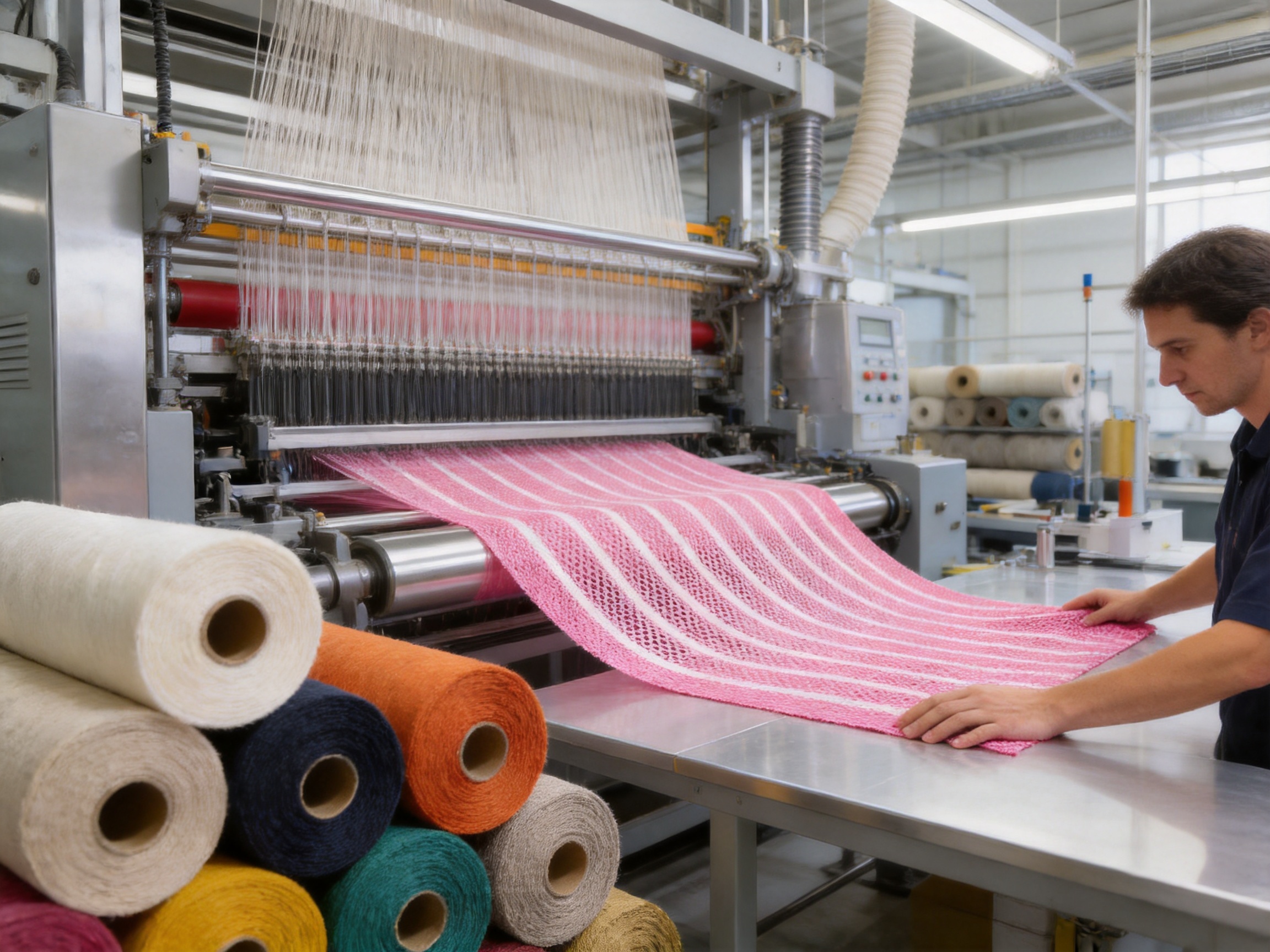
During knitting, machine settings and stitch formation determine the mesh’s opening geometry, thickness, width, and stability. Consistent yarn feeding is necessary to maintain an even appearance across the roll. Tension control helps reduce irregular loops, streaks, and unstable edges. The relationship between guide-bar movement, stitch density, take-down, and machine speed must be carefully managed to produce repeatable results.
A controlled warp-knitting process also makes it possible to offer different levels of openness. A more open structure can maximize air circulation, while a tighter construction can provide greater coverage and support. The appropriate balance depends on whether the fabric will be used as a garment lining, protective layer, automotive backing, or technical component.
Quality control should begin during production rather than only at the final inspection stage. Monitoring yarn condition, knitting tension, fabric width, weight, surface appearance, and roll formation allows potential problems to be identified earlier. This reduces the risk of delivering fabric that cannot be processed efficiently by the customer.
Functional Material Development
The company’s strength extends beyond standard yarn supply. Its functional series includes flame-retardant, antibacterial, and moisture-wicking options. These materials can be considered when the fabric must provide more than air permeability and low weight.
Flame-retardant yarn may be evaluated for workwear, transportation, interior, and protective applications where reduced flammability is important. Antibacterial yarn may be considered for products that need improved odor management or hygiene-related performance. Moisture-wicking yarn can support applications in which sweat or surface moisture must be moved away from the contact area.
Functional yarns should not be treated as automatic substitutes for complete product certification. Their performance can be influenced by fabric construction, dyeing, finishing, washing, and end-use conditions. The manufacturer’s research and development team can assist with initial selection, while the customer should confirm the final claims through the required testing program.
Recycled and Differentiated Product Options
Recycled polyester yarn provides an option for customers seeking to incorporate recycled materials into fabric products. The recycled series includes different yarn types and specifications, enabling development across lightweight and more substantial constructions. This can be useful for sportswear, bags, promotional goods, industrial textiles, and other product categories where material sourcing is part of the purchasing decision.
Material sustainability should be evaluated comprehensively. Recycled content, production efficiency, product service life, dyeing processes, packaging, transport, and end-of-life pathways all influence the overall environmental profile. A durable lightweight fabric that performs for a longer period may provide practical value in addition to the use of recycled inputs.
Differentiated yarns can also help customers create a more distinctive product. Cotton-like yarn can offer a softer visual and tactile effect. Hollow warm yarn can support lightweight insulation concepts. High-elastic yarn and PBT/PET yarn may be considered for products requiring stretch and recovery. Cationic-dyeable materials can help create color contrast or special dyeing effects in blended constructions.
Finishing, Inspection, and Roll Preparation
After knitting, the fabric may undergo processes such as heat setting, washing, dyeing, drying, coating, compacting, or other finishing operations. The selection of finishing conditions affects width, weight, hand feel, color, shrinkage, openness, and surface stability. Because breathable mesh relies on its openings, finishing must be performed with attention to maintaining the desired airflow and visual regularity.
Inspection can include checking for holes outside the intended mesh pattern, stains, broken filaments, streaks, uneven width, edge distortion, color variation, and roll defects. Depending on the order, buyers may also request testing for weight, width, thickness, air permeability, tensile strength, tear strength, elongation, recovery, colorfastness, shrinkage, and coating adhesion.
Careful roll preparation is important for downstream processing. Consistent winding reduces creases and makes the material easier to unwind on cutting and sewing equipment. Clear labeling of lot number, specification, color, width, length, and packing information supports traceability and simplifies inventory management.
Why This Fabric Can Outperform Conventional Alternatives
Compared with dense woven lining fabrics, lightweight tricot mesh can provide significantly better ventilation and lower mass. It may also conform more easily to curved surfaces and feel less restrictive in garments. Compared with loosely knitted netting, its controlled loop structure can offer improved uniformity and better resistance to distortion. Compared with heavier technical textiles, it can deliver a more efficient balance between coverage, breathability, and material consumption.
The competitive advantage is not based on one feature alone. It comes from the interaction of structure, yarn, processing, and customization. A low-cost mesh that varies in width or contains inconsistent openings may create production losses. A fabric with excellent airflow but poor tear resistance may not survive assembly. A strong fabric with excessive weight may reduce comfort or conflict with lightweight design goals. The most effective material is the one that meets the complete performance requirement at a practical total cost.
Another advantage is the ability to develop the fabric from a broad yarn platform. Buyers can discuss standard, recycled, functional, high-elastic, cotton-like, or cationic options with a supplier that understands both yarn behavior and fabric construction. This may shorten the search process and reduce the need to coordinate multiple unrelated suppliers.
Customization is also a competitive strength. Color, width, weight, openness, yarn type, stretch, surface appearance, and finishing can be reviewed during sampling. This gives product developers more control than they would have when purchasing a fixed catalog fabric. Custom development can be particularly valuable for brands and manufacturers that need a material to fit a specific garment pattern, protective component, interior part, or technical assembly.
Typical Specification Considerations
Buyers should define the intended use before selecting a mesh fabric specification. The following parameters are commonly reviewed during development:
Parameter |
Why It Matters |
Typical Development Consideration |
Fiber and yarn type |
Influences strength, luster, hand feel, dyeing, sustainability, and function. |
Standard polyester, recycled polyester, functional, high-elastic, cotton-like, or blended selection. |
Denier and filament count |
Affects weight, coverage, surface texture, and visual fineness. |
Fine yarn for lightweight lining or higher specification for support and durability. |
Mesh opening and stitch density |
Controls airflow, opacity, support, and appearance. |
Open construction for maximum ventilation or tighter construction for increased coverage. |
Fabric width |
Determines cutting efficiency and compatibility with production equipment. |
Width should be confirmed after finishing and relaxation. |
Fabric weight |
Influences product mass, hand feel, cost, and material consumption. |
Selected according to the balance between low weight and required body. |
Stretch and recovery |
Important for body-fitting garments and components that experience movement. |
Standard polyester, high-elastic yarn, or PBT/PET options may be evaluated. |
Color and dyeing behavior |
Determines visual consistency and compatibility with the finished product. |
Standard dyeing, cationic effects, colored yarn, or custom shade development. |
Finishing and coating |
Changes hand feel, surface protection, adhesion, and functional performance. |
Specify whether the fabric will be dyed, coated, laminated, heat set, or otherwise finished. |
Testing requirements |
Confirms suitability for the final application. |
Air permeability, strength, colorfastness, shrinkage, abrasion, and application-specific tests. |
These parameters should be agreed upon through a technical data sheet and approved sample. A visual sample alone may not reveal differences in weight, opening size, dimensional stability, or performance after washing and processing.
Product Development and Customization Process
Step One: Application Review
The process begins with a discussion of the intended product. The customer should explain whether the fabric will be used in clothing, protective equipment, automotive trim, footwear, bags, furniture, or another application. Information about contact with skin, expected washing, heat exposure, chemical exposure, abrasion, stretching, and assembly method helps the manufacturer recommend an appropriate structure.
Step Two: Material and Construction Recommendation
Based on the application, the technical team can consider yarn category, denier, filament count, stretch level, mesh openness, color, and finishing. If sustainability is important, recycled yarn can be evaluated. If the product requires additional functionality, moisture-wicking, antibacterial, flame-retardant, or high-elastic materials may be considered.
Step Three: Sample Preparation
Samples allow the buyer to evaluate hand feel, appearance, airflow, stretch, color, and compatibility with cutting or sewing. Samples should ideally be tested in the same or similar process used for mass production. For example, a material intended for lamination should be laminated before the final evaluation, because bonding can change the effective air permeability, stiffness, and dimensional behavior.
Step Four: Performance Confirmation
After the sample is accepted visually and functionally, technical testing can be arranged according to the final product requirements. Test methods and acceptance levels should be defined in advance. This is particularly important for automotive, protective, medical-adjacent, and industrial applications where buyers may have detailed internal standards.
Step Five: Production and Quality Control
Once the specification is approved, production can proceed with agreed yarn, construction, color, width, weight, and finishing requirements. Lot control and inspection help maintain consistency. If the customer requires a repeat order, retaining approved samples and production records can assist with matching future deliveries.
Step Six: Export Support and Technical Service
Suzhou Junhui Textile Co., Ltd. and Suzhou Xiaoran New Materials Co., Ltd. serve customers in international markets and report that more than 90 percent of their products are exported. Their customer base extends across 36 countries. This export experience supports communication regarding specifications, packaging, documentation, sampling, and delivery coordination.
The company states that its experts are prepared to provide assistance within 12 hours globally. Prompt communication is useful when a buyer needs help selecting yarn, comparing structures, solving a production issue, or confirming a custom order. Responsive technical service can be as important as the material itself when production schedules are tight.
Manufacturing Strengths and Company Capabilities
The company was founded in June 2015 and has focused on the development and sale of differentiated yarns and knitted fabric products. Its business combines product research, material application, manufacturing coordination, and international sales. This integrated orientation is valuable for customers that do not want to choose between a commodity supplier and a research-oriented material partner.
A professional research and development team works with internationally recognized enterprises on research, development, and application related to environmental protection and functional yarns and fabrics. This experience supports the development of materials for changing market requirements, including recycled inputs, functional performance, special dyeing, comfort enhancement, and application-specific construction.
The company’s product list demonstrates breadth across several material families. The recycled series includes recycled semi-dull and full-dull textured yarns, recycled fully drawn yarns, cationic combinations, and other specifications. The normal series covers standard SD DTY, FD DTY, and SD DDB yarns. The cationic series supports special dyeing effects. The high-elastic series includes high-elastic yarn and PBT/PET-related products. The functional series includes flame-retardant, antibacterial, and moisture-wicking yarns, while the cotton-like and hollow warm categories address tactile and thermal comfort objectives.
This range can help customers avoid unnecessary compromises. For example, a buyer developing a lightweight sports lining may compare standard polyester with recycled polyester and moisture-wicking yarn. A protective equipment manufacturer may compare regular yarn with flame-retardant or antibacterial options. An apparel designer may evaluate cotton-like or cationic-dyeable materials to achieve a different surface and color effect.
The supplier’s location in Shengze Town, Wujiang Area, Suzhou City, Jiangsu Province, places it within one of China’s important textile manufacturing regions. The area is known for its textile supply chain, production expertise, material trading, and supporting services. Access to a concentrated textile ecosystem can benefit customers through more efficient sourcing and coordination across yarn, fabric, dyeing, finishing, and logistics.
Quality and Reliability Considerations
Reliable fabric supply requires more than a good first sample. Production lots should remain consistent in width, weight, shade, mesh appearance, stretch, and finishing. The manufacturer and buyer should establish clear standards for acceptable variation. This helps prevent disputes and supports predictable downstream processing.
For breathable mesh, air permeability should be considered together with openness and coverage. A fabric may appear open but perform differently after dyeing, heat setting, coating, or lamination. Testing should therefore be conducted on the final version of the material, not only on an unfinished sample.
Dimensional stability should also be assessed after the relevant care or processing conditions. A garment lining may need washing tests, while an automotive component may require heat and humidity exposure. A protective equipment layer may need repeated flexing and abrasion. Testing should reflect the actual service environment as closely as possible.
Color management is another important factor. Customers should provide a recognized color standard or physical reference whenever possible. Cationic-dyeable yarns and mixed constructions can create special color effects, but they require controlled dyeing procedures. Shade approval should be completed before bulk production.
Packaging and transportation can affect fabric condition. Rolls should be protected from moisture, contamination, crushing, and excessive pressure. Export packaging should be selected according to the destination, shipping method, storage period, and customer handling system.
Practical Benefits for Buyers
From a purchasing perspective, this fabric offers a balance between functional performance and commercial flexibility. The lightweight construction can reduce material consumption and finished-product weight. The breathable structure can add value to garments and equipment without requiring complex mechanical components. The stable tricot construction can improve cutting and sewing behavior compared with less organized mesh alternatives.
Customers can also benefit from the supplier’s ability to discuss both fabric and yarn. This can simplify sourcing when a project requires several related materials. A buyer may request a standard mesh for one product, a recycled version for another, and a functional yarn-based version for a third product while maintaining communication with the same technical team.
Customization can support product differentiation. A unique color, hand feel, opening pattern, functional yarn, or elastic response may help a finished product stand out in a competitive market. The supplier can assess whether the requested change is best achieved through yarn selection, knitting construction, dyeing, coating, or a combination of processes.
Technical support can also reduce development risk. Instead of selecting a fabric solely by catalog description, buyers can explain the problem they need to solve. The supplier may then help compare alternatives and identify a practical starting specification. This is particularly helpful for overseas customers that need quick answers across time zones.
Recommended Selection Guidelines
When selecting Breathable Lightweight Tricot Mesh Fabric, buyers should first identify the performance priority. If maximum airflow is the main objective, a more open structure may be appropriate. If the fabric must provide better coverage or support, a tighter construction may be preferred. If the product must move with the body, elasticity and recovery should be considered. If the material will be laminated, coating compatibility and bonding strength become essential.
Buyers should also decide whether the fabric will remain visible. A visible outer or insert panel may require higher attention to shade, surface regularity, and design appearance. A hidden lining may prioritize comfort, weight, airflow, and processing efficiency. The same yarn and construction should not automatically be used for both roles.
For products exposed to repeated washing, the customer should request wash-resistance and dimensional-stability evaluation. For products exposed to sunlight, heat, or outdoor conditions, light and weathering tests may be appropriate. For equipment and transportation applications, abrasion, tensile, tear, odor, fogging, and temperature-related tests may be required.
Finally, customers should confirm minimum order quantity, sample timing, production lead time, packaging, payment terms, export documents, and repeat-order procedures. Clear commercial and technical communication at the beginning of a project helps ensure that the final material meets both performance and supply expectations.
Frequently Asked Questions
What is the main advantage of this tricot mesh fabric?
Its main advantage is the combination of breathable air permeability, low weight, structural stability, and processing flexibility. It can help keep products ventilated without adding unnecessary mass, while its organized warp-knitted structure supports better resistance to tearing and deformation than many loosely formed mesh materials.
Is tricot mesh a woven or knitted fabric?
Tricot is generally a warp-knitted construction rather than a woven construction. The product is categorized as knitted fabric because it is formed through interlocking loops created by warp-knitting technology. The term “tricot” describes the type of knitted structure and its characteristic fine, stable surface.
Can the fabric be used for sportswear?
Yes. It can be used for sportswear linings, ventilation panels, training garments, uniforms, and other active apparel components. The open structure supports air circulation, while the lightweight construction helps maintain comfort and freedom of movement.
Can recycled yarn be used in the fabric?
Recycled polyester yarn options are available within the manufacturer’s recycled series. The final recycled content, documentation, specification, and applicable claims should be confirmed for each order. The appropriate recycled yarn can be selected according to denier, filament count, appearance, strength, and fabric construction.
Can the fabric be dyed in custom colors?
Yes. The fabric is compatible with dyeing and can be developed in customized colors. Cationic-dyeable yarns may also be considered when the customer wants special contrast or differentiated color effects. Color standards and approval procedures should be agreed upon before bulk production.
Can the fabric be coated or laminated?
Yes. It can be evaluated for coating and lamination applications. The correct adhesive, coating amount, temperature, pressure, and processing speed must be selected so that the bond is reliable without unnecessarily blocking the mesh openings or reducing the intended breathability.
Are functional versions available?
The company offers functional yarn categories including flame-retardant, antibacterial, and moisture-wicking yarn. High-elastic, PBT/PET, cotton-like, hollow warm, and cationic-dyeable options are also included in its broader product range. The final fabric performance should be verified through testing for the intended application.
What industries can use this material?
Potential industries include sportswear, active apparel, protective equipment, industrial workwear, footwear, bags, automotive interiors, furniture, bedding, technical textiles, and ventilation-related products. The material should be customized according to the specific requirements of each application.
How should buyers request a quotation?
Buyers should provide the intended application, desired color, approximate width, target weight, mesh appearance, quantity, yarn preference, functional requirements, finishing method, packaging expectations, and delivery destination. Providing a physical reference or technical drawing can make the quotation and sampling process more accurate.
Can the supplier help develop a new specification?
Yes. The company provides differentiated yarn and textile development support. Customers can discuss performance targets and receive assistance with material selection, yarn type, construction, color, functional options, and problem solving. A sample and technical approval process is recommended before mass production.
Does breathable mesh replace a certified protective material?
No. Breathable mesh may serve as an inner layer or comfort-support component, but it does not automatically provide complete protection. If the finished product requires flame resistance, chemical resistance, impact protection, or another regulated performance, the entire product must be designed and tested according to the relevant standards.
What makes the supplier suitable for international customers?
The company has substantial export experience, with more than 90 percent of its products reportedly shipped overseas and customers in 36 countries. It combines a textile manufacturing location, differentiated yarn development, knitted fabric supply, international service, and stated global response support within 12 hours.
Conclusion
Breathable Lightweight Tricot Mesh Fabric provides a practical solution for manufacturers seeking ventilation, low weight, flexibility, and dependable textile stability in one material. Its fine warp-knitted structure creates regular micro-openings for air circulation while supporting resistance to tearing, handling, washing, and deformation. Compatibility with dyeing, coating, lamination, and custom yarn selection makes it adaptable to both consumer and industrial products.
The strongest advantage of this product is its development potential. Standard polyester, recycled polyester, functional yarn, high-elastic yarn, cationic-dyeable yarn, cotton-like yarn, hollow warm yarn, and other differentiated materials can be evaluated according to the application. This gives buyers a wider range of options than a single fixed mesh specification.
Supported by research and development capabilities, a broad yarn portfolio, export experience, and technical service, Suzhou Junhui Textile Co., Ltd. and Suzhou Xiaoran New Materials Co., Ltd. can serve as material partners for customers developing breathable linings, protective inner layers, sportswear components, automotive trim, footwear, bags, and technical textile products.
For the best result, customers should define their application clearly, request samples, verify the technical properties required for the final product, and approve the construction before bulk production. With proper specification and process control, lightweight tricot mesh can deliver a strong balance of comfort, airflow, durability, design flexibility, and cost-effectiveness.
References
Warp Knitting Technology and Tricot Fabric Construction, technical textile manufacturing reference materials.
Polyester Filament Yarn Properties and Applications, synthetic fiber engineering reference materials.
Textile Testing Methods for Air Permeability, Tensile Strength, Tear Strength, Colorfastness, and Dimensional Stability.
Recycled Polyester Fiber and Yarn Development, sustainability and material sourcing reference materials.
Functional Textile Materials for Moisture Management, Antibacterial Performance, Elasticity, and Flame Resistance.
Automotive Interior Textile Performance Requirements, technical material evaluation references.
Sportswear Fabric Design and Comfort Engineering, apparel material development references.
Product: Breathable Lightweight Tricot Mesh Fabric

Popular products
-
Premium Cationic Interlock Stretch Comfort Fabric
-
Moisture-Wicking Nylon Woven Fabric
-
Double-faced jacquard elastic fabric
-
Heather Grey Double-faced cationic jersey fabric
-
Anti-static Cationic Knitted Rib Fabric
-
High-Stretch Cationic Jersey Fabric
-
High Quality Cationic DTY Spandex Two Sides Brush Dralon Knit Fabric for Garment Thermal Underwear
-
Durable Anti-Pilling Knitted Fabric for Home Textiles
-
Wash-Resistant Cationic Elastic Knitted Fabric for Garment Industry
-
Breathable Double-Faced Elastic Composite Fabric
-
-
-
- whatsapp:
- 0086-13962559622
-
- skype:
- skype.aliceshenghong
-
- Wechat:

COPYRIGHT © 2016 Suzhou Junhui Textile Co., Ltd.
