

 EN
EN English
 中文简体
中文简体Black DTY Yarn Buyer's Guide: Properties, Specs & Applications
Content
What Is DTY Yarn — and Why Does the Black Version Behave Differently?
Draw Textured Yarn (DTY) starts its life as POY (Partially Oriented Yarn). That POY is then simultaneously drawn and false-twisted under heat, producing a crimped, bulky filament with built-in stretch. The result is softer than FDY, more elastic than POY, and significantly more forgiving in downstream knitting and weaving processes.
Black DTY yarn follows the same production logic, but with one critical difference: the black pigment is introduced during the spinning stage — a technique called dope dyeing (solution dyeing). The colorant is mixed directly into the polymer melt before extrusion, so the black is locked inside each filament rather than applied to the surface afterward. This matters because conventionally dyed black polyester is prone to fading under UV exposure and repeated washing. Dope-dyed black does not have this problem.
Key Technical Specs: What Buyers Should Know
DTY yarn is defined by two numbers: denier (D) and filament count (F). Denier measures the yarn's weight per unit length — a lower denier means a finer, lighter yarn. Filament count tells you how many individual fibers make up the strand — more filaments generally produce a softer hand feel. A specification like 150D/144F describes a medium-weight yarn with a very fine, silky texture, while 300D/96F is heavier and suited for structural applications.
For black DTY specifically, common specs from standard product lines include:
- 100D B01/B02/B03 — suitable for lightweight knitted fabrics and linings
- 150D B01/B02/B03 — the most widely used weight range for sportswear and outerwear
- 80D/72F and 80D/84F — mid-range options balancing softness and body
The B01/B02/B03 codes typically indicate different luster levels (semi-dull to full-dull), which affects how the finished fabric reflects light. Full-dull black gives a matte, premium appearance; semi-dull produces a subtle sheen that works well in casual apparel.
Intermingling level is another spec that affects how the yarn handles on the machine. NIM (Non-Intermingled) at 0–10 knots/meter is loosely held together and used for applications requiring good dye penetration. SIM (Semi-Intermingled) at 40–50 knots/meter and HIM (High-Intermingled) at 100–120 knots/meter offer progressively better yarn cohesion and are preferred for high-speed weaving.
Why Black DTY Has Practical Advantages Over Post-Dyed Alternatives
Manufacturers who use dope-dyed black DTY avoid an entire dyeing step. The yarn arrives at the mill ready to knit or weave — no additional printing or dyeing required. This reduces production time, lowers wastewater output, and cuts per-meter cost significantly. For factories operating under tightening environmental regulations (particularly in China's Jiangsu and Zhejiang provinces), skipping the dyeing bath is not just economical — it's increasingly a compliance advantage.
The color performance is also more consistent. Because the pigment is distributed uniformly within the fiber rather than sitting on the surface, black DTY yarn products show better resistance to ring dyeing — the uneven color depth that occurs when dye penetrates a cross-section inconsistently. The finished fabric displays uniform color from edge to core.
Main Applications
Black DTY yarn's combination of stretch, opacity, and colorfastness makes it particularly effective in the following categories:
- Sportswear and activewear — leggings, running tights, sports bras, and compression garments. The elasticity of DTY supports full range of motion; the stable black color withstands chlorine, sweat, and repeated high-temperature washing.
- Outerwear linings and shell fabrics — black lining fabrics benefit from the matte finish of full-dull DTY. Normal DTY in heavier deniers is commonly used for jacket shells and padding layers.
- Home textiles — curtains, sofa covers, and automotive seat fabrics often specify black DTY for its anti-fouling properties. Black yarn does not visibly show dust accumulation or minor staining, and the textured surface adds a tactile dimension to upholstery fabrics.
- Socks and hosiery — fine-denier black DTY (50D–75D range) is a standard input for circular knitting machines producing dress socks and fashion hosiery.
For buyers who need environmental credentials, recycled DTY yarn made from post-consumer PET bottles is available in black as well, with GRS (Global Recycled Standard) certification supporting sustainability claims in the supply chain.
Sourcing Checklist: Five Questions to Ask Before You Order
When evaluating a black DTY yarn supplier, these five specifications will determine whether the product matches your application:
- Dope-dyed or package-dyed? Dope-dyed offers better colorfastness; package-dyed may allow more color flexibility but carries higher fade risk.
- Denier and filament count? Match the D/F combination to your machine gauge and the hand-feel target of your finished fabric.
- Luster grade? Semi-dull, full-dull, or bright — each changes the visual result significantly.
- Intermingling level? NIM for knitting applications with slower machines; SIM or HIM for high-speed weaving.
- Single-heater or double-heater process? Single-heater DTY (high-elastic) offers greater stretch; double-heater (low-elastic) is dimensionally more stable. Choose based on whether your end product needs stretch recovery or shape retention.
The global draw textured yarn market is expanding steadily as apparel designers push for synthetic fabrics that combine performance with aesthetics. Black remains one of the highest-volume colorways — and with dope-dyeing now widely available at competitive prices, there is little reason to accept the colorfastness tradeoffs of conventional dyeing for black fabric production.
Popular products
-
Premium Cationic Interlock Stretch Comfort Fabric
-
Moisture-Wicking Nylon Woven Fabric
-
Double-faced jacquard elastic fabric
-
Heather Grey Double-faced cationic jersey fabric
-
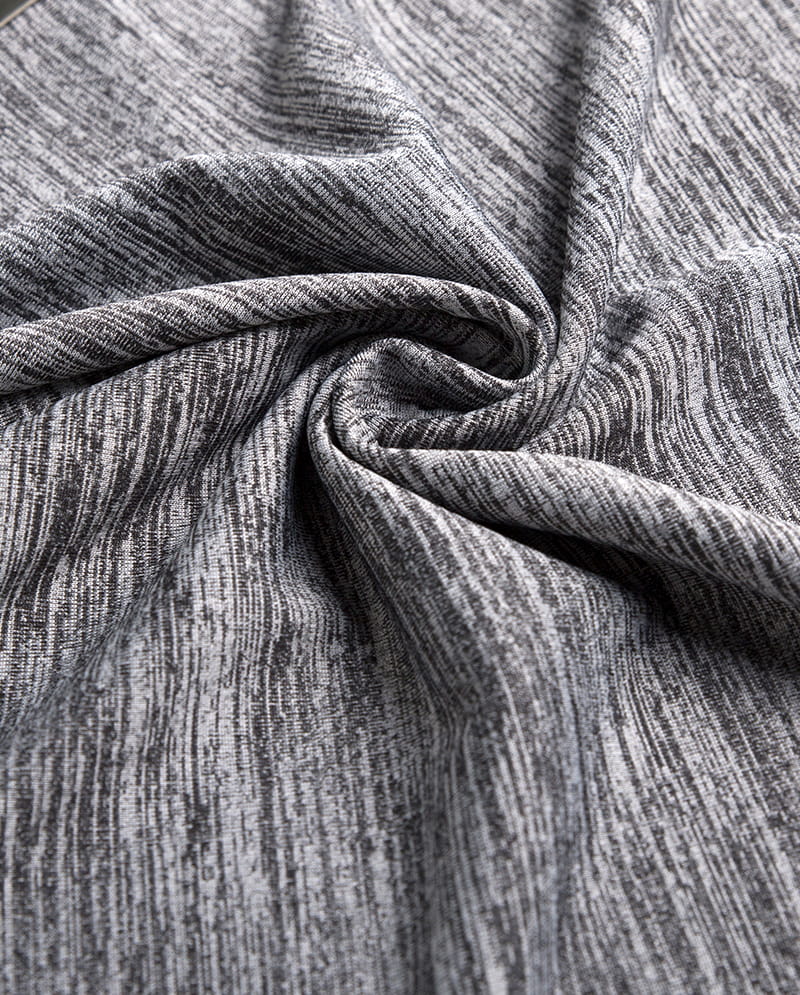
Anti-static Cationic Knitted Rib Fabric
-
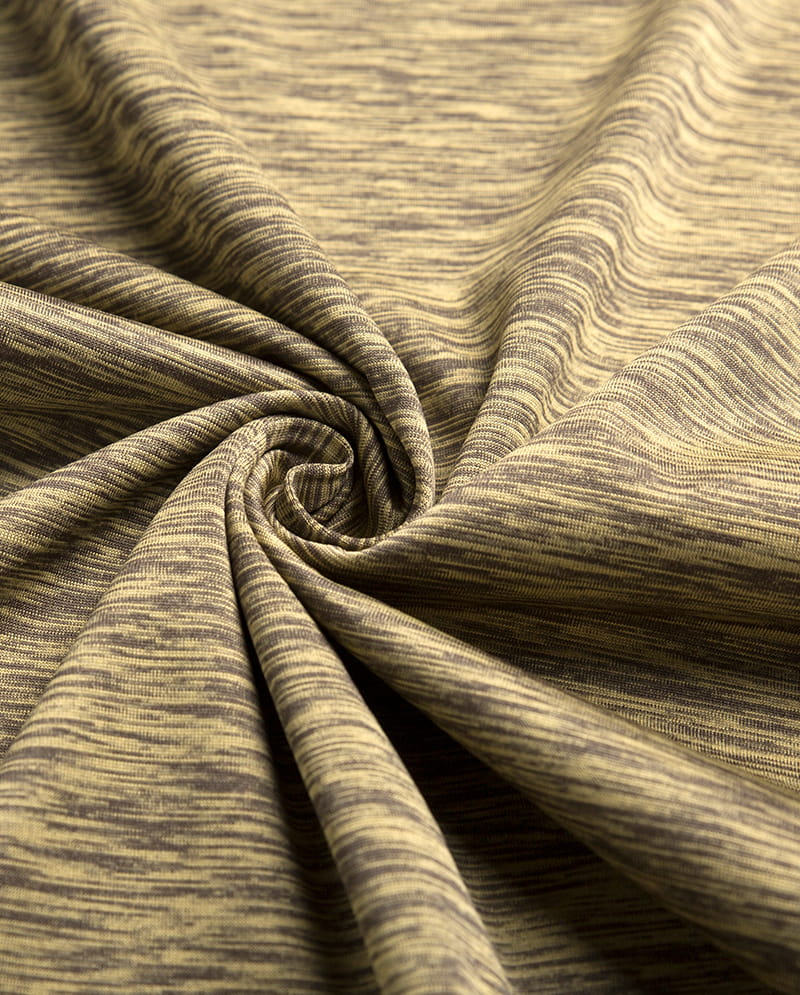
High-Stretch Cationic Jersey Fabric
-
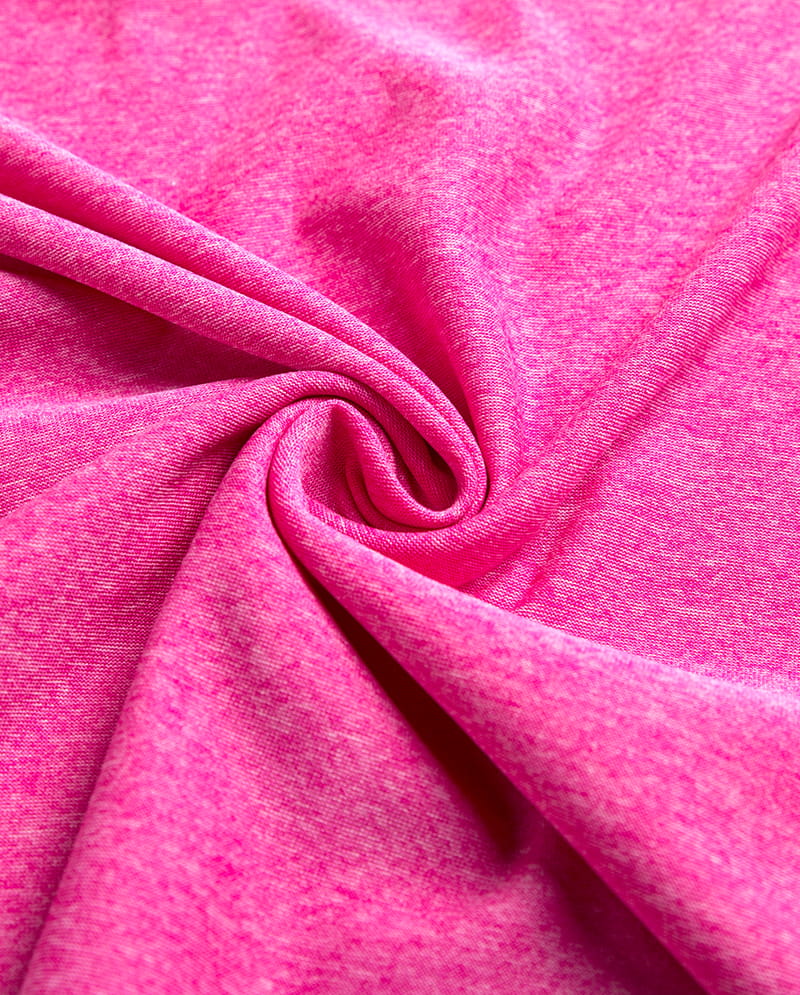
High Quality Cationic DTY Spandex Two Sides Brush Dralon Knit Fabric for Garment Thermal Underwear
-
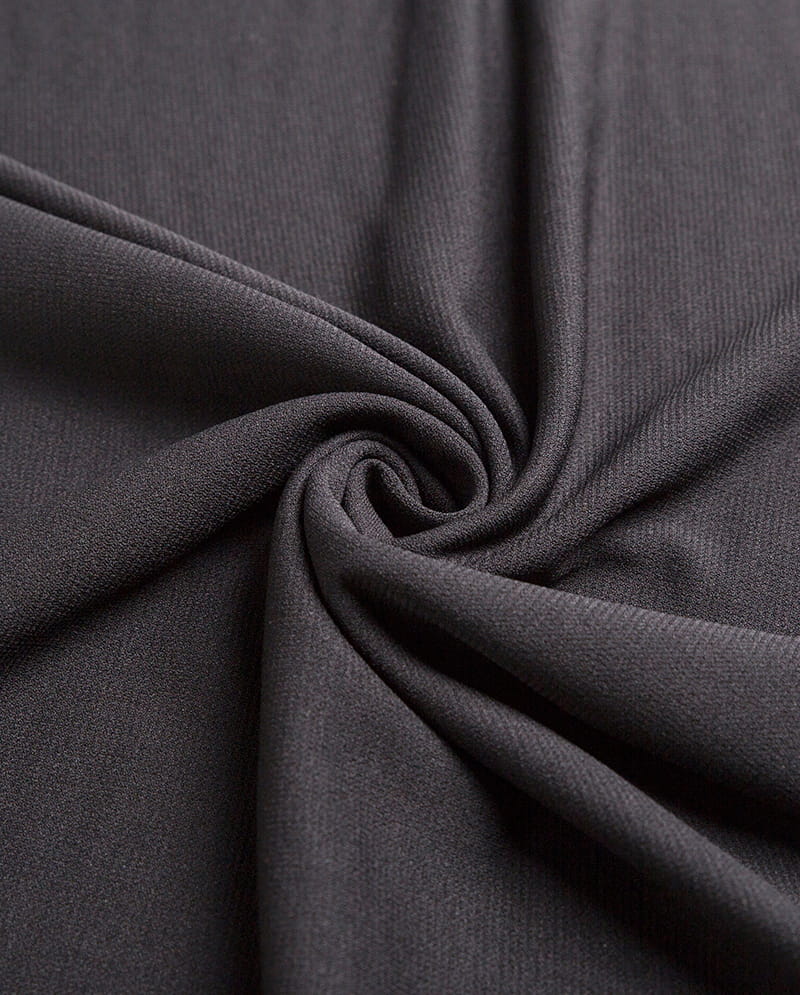
Durable Anti-Pilling Knitted Fabric for Home Textiles
-
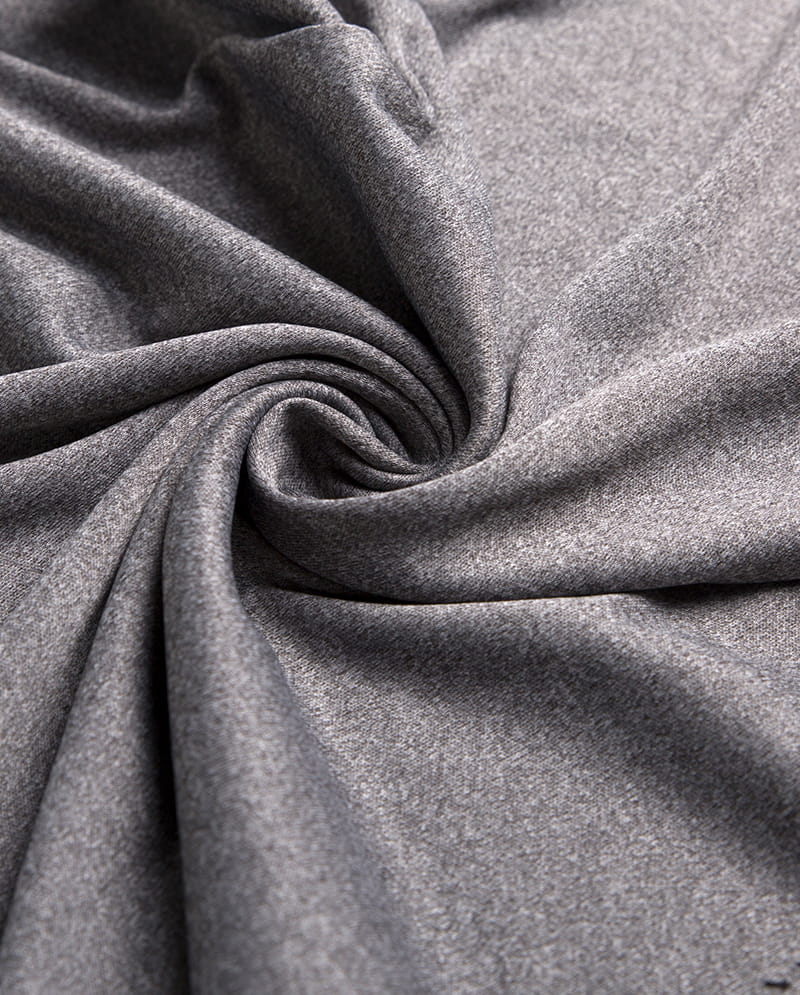
Wash-Resistant Cationic Elastic Knitted Fabric for Garment Industry
-
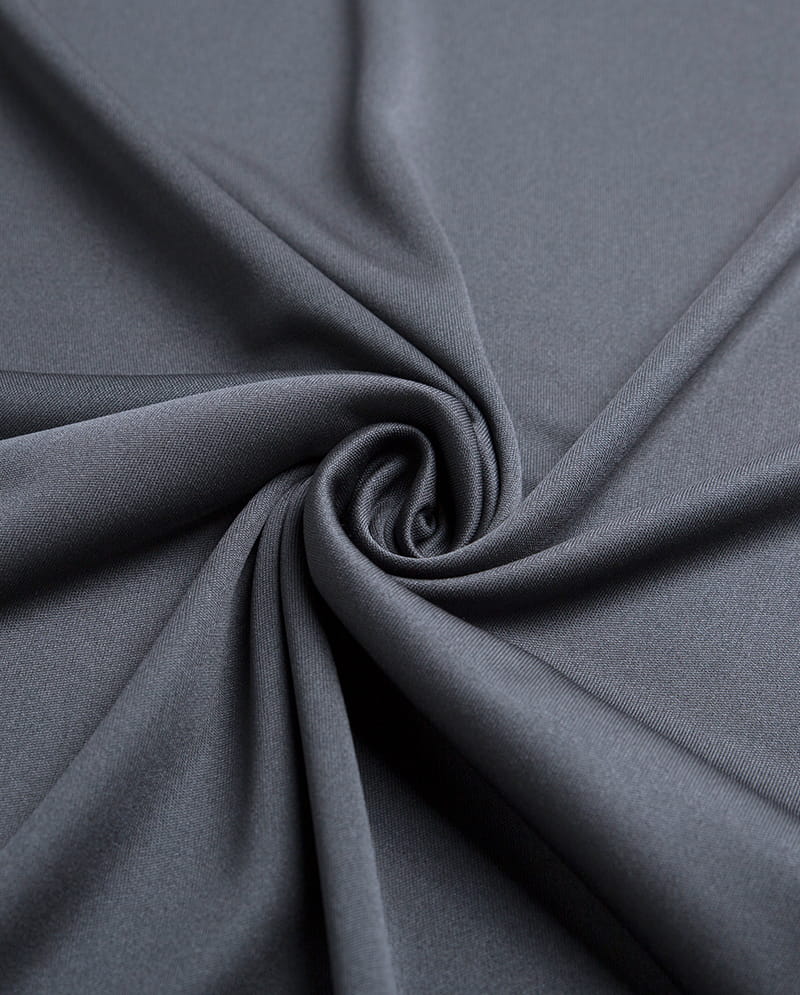
Breathable Double-Faced Elastic Composite Fabric
-
-
-
- whatsapp:
- 0086-13962559622
-
- skype:
- skype.aliceshenghong
-
- Wechat:

COPYRIGHT © 2016 Suzhou Junhui Textile Co., Ltd.
