

 EN
EN English
 中文简体
中文简体Black DDB DTY Recycled Functional Yarn: Sustainable Performance for Modern Textiles
Content
- 1 Understanding Black DDB DTY Recycled Functional Yarn
- 2 Why Recycled Polyester Yarn Matters
- 3 Advantages of Dope-Dyed Black Color
- 4 DTY Structure and Textile Performance
- 5 Functional Possibilities Beyond Standard Polyester
- 6 Product Specifications and Available Yarn Families
- 7 Applications Across Textile Markets
- 8 Advantages Compared with Conventional Black Polyester Yarn
- 9 Manufacturing Process and Quality Considerations
- 10 How the Product Supports Efficient Textile Production
- 11 Recommended Buyer Evaluation Procedure
- 12 Customization and Product Development Support
- 13 Environmental Positioning and Responsible Claims
- 14 Care, Processing, and End-Use Guidance
- 15 Supplier Capabilities and International Service
- 16 Frequently Asked Questions
- 16.1 What is black DDB DTY recycled functional yarn?
- 16.2 What does DDB mean?
- 16.3 What does DTY mean?
- 16.4 How much recycled material does the yarn contain?
- 16.5 Is the black color resistant to fading?
- 16.6 Can this yarn be used for sportswear?
- 16.7 Can it be used for bags and luggage?
- 16.8 Can the yarn be customized?
- 16.9 What specifications are available for recycled DDB DTY?
- 16.10 Is the yarn suitable for weaving and knitting?
- 16.11 Does dope-dyeing eliminate all environmental impacts?
- 16.12 What documentation should a buyer request?
- 16.13 How should the yarn be tested before bulk production?
- 17 Conclusion
- 18 References
- 19 Product: Black DDB DTY(D/F) Recycled Functional Yarn
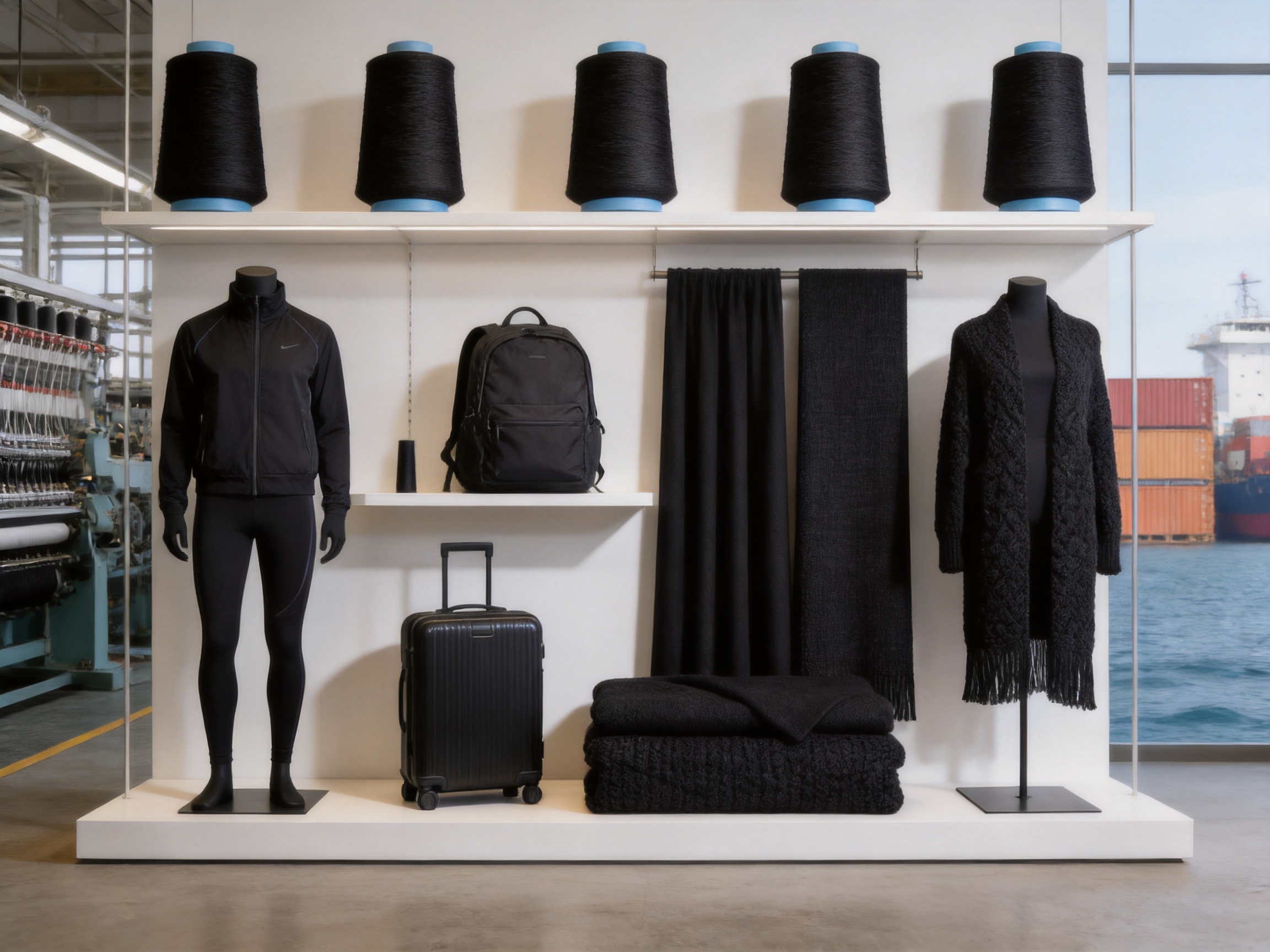
Black DDB DTY recycled functional yarn is a specialized polyester yarn designed for textile manufacturers seeking a practical balance between sustainability, appearance, processing efficiency, and end-use performance. It combines recycled raw materials, dope-dyeing technology, draw-texturing, and functional-yarn development in one versatile material platform. The result is a black yarn suitable for knitting, weaving, non-woven products, apparel, home textiles, bags, outdoor equipment, and other applications where consistent color and dependable physical performance are essential.
Unlike conventional polyester yarns made entirely from virgin petroleum-based feedstock, this recycled yarn is produced with approximately 98% post-consumer recycled material, including material recovered from used PET bottles. Converting discarded bottles into textile yarn supports a more circular approach to manufacturing. It can reduce dependence on virgin polyester resources, divert plastic waste from disposal, and give manufacturers a traceable sustainability story for environmentally conscious markets.
The yarn also benefits from black dope-dyeing, identified by the DDB designation. In dope-dyeing, color is incorporated into the polymer before the filaments are formed rather than being applied only after the yarn or fabric has been produced. This manufacturing route can reduce the need for later wet dyeing and may lower water, chemical, and energy consumption in the overall textile process. It also contributes to stable black coloration, strong colorfastness, and reduced risk of uneven shade development when the yarn is processed correctly.
As a draw textured yarn, the product provides a soft, bulky, and flexible hand feel that is useful for fabrics requiring comfort and visual fullness. Its texture can help create attractive surface effects while supporting stretch recovery and fabric coverage. The combination of recycled polyester, black dope-dyeing, and DTY construction gives buyers an alternative to ordinary black polyester yarns that may require additional dyeing, provide a less distinctive sustainability profile, or lack the desired tactile performance.
Understanding Black DDB DTY Recycled Functional Yarn
Each part of the product name describes an important technical characteristic. “Black” indicates the finished color, which is especially valuable for products that require a deep, stable, and commercially versatile shade. Black yarn is widely used in fashion garments, sportswear, uniforms, bags, luggage, upholstery, accessories, and household products because it coordinates easily with other colors and can help conceal ordinary signs of use.
“DDB” refers to a dope-dyed black yarn construction. During production, pigment or colorant is added to the polymer melt before spinning. The pigment becomes integrated throughout the filament rather than remaining primarily on the outside surface. This construction can provide better resistance to fading and abrasion-related color loss than a surface-dyed structure. It may also help reduce the variation that can occur when separate dye lots are processed through different wet-dyeing conditions.
“DTY” means draw textured yarn. The yarn is drawn and textured to introduce crimp, softness, bulk, and a more fabric-friendly character. Compared with a completely flat filament yarn, DTY can offer a warmer hand, improved cover, and a more natural appearance. These properties make it appropriate for knitted fabrics, woven materials, stretch-sensitive constructions, decorative textiles, and products requiring a comfortable touch.
“Recycled” identifies the principal environmental value of the material. The supplied product information states that the yarn is made from approximately 98% post-consumer recycled materials such as PET plastic bottles. This allows the yarn to participate in recycled-textile programs and supports brands that are working to reduce the use of virgin polyester. Buyers should confirm the exact recycled content, documentation, and applicable chain-of-custody requirements for each order.
“Functional” indicates that the yarn platform can be adapted for specialized performance needs. The product range includes options associated with moisture wicking, antibacterial performance, ultraviolet resistance, flame retardancy, high elasticity, hollow warmth, cationic dyeing, and other differentiation requirements. The black DDB DTY product can therefore serve as a foundation for customized solutions rather than functioning only as a standard commodity yarn.
Why Recycled Polyester Yarn Matters
Polyester remains one of the most widely used fibers in the textile industry because it combines strength, dimensional stability, chemical resistance, quick drying, and cost efficiency. However, conventional polyester is produced from fossil-based raw materials. As textile brands, retailers, and consumers place greater emphasis on resource efficiency, recycled polyester has become an important route for reducing the environmental burden associated with new material production.
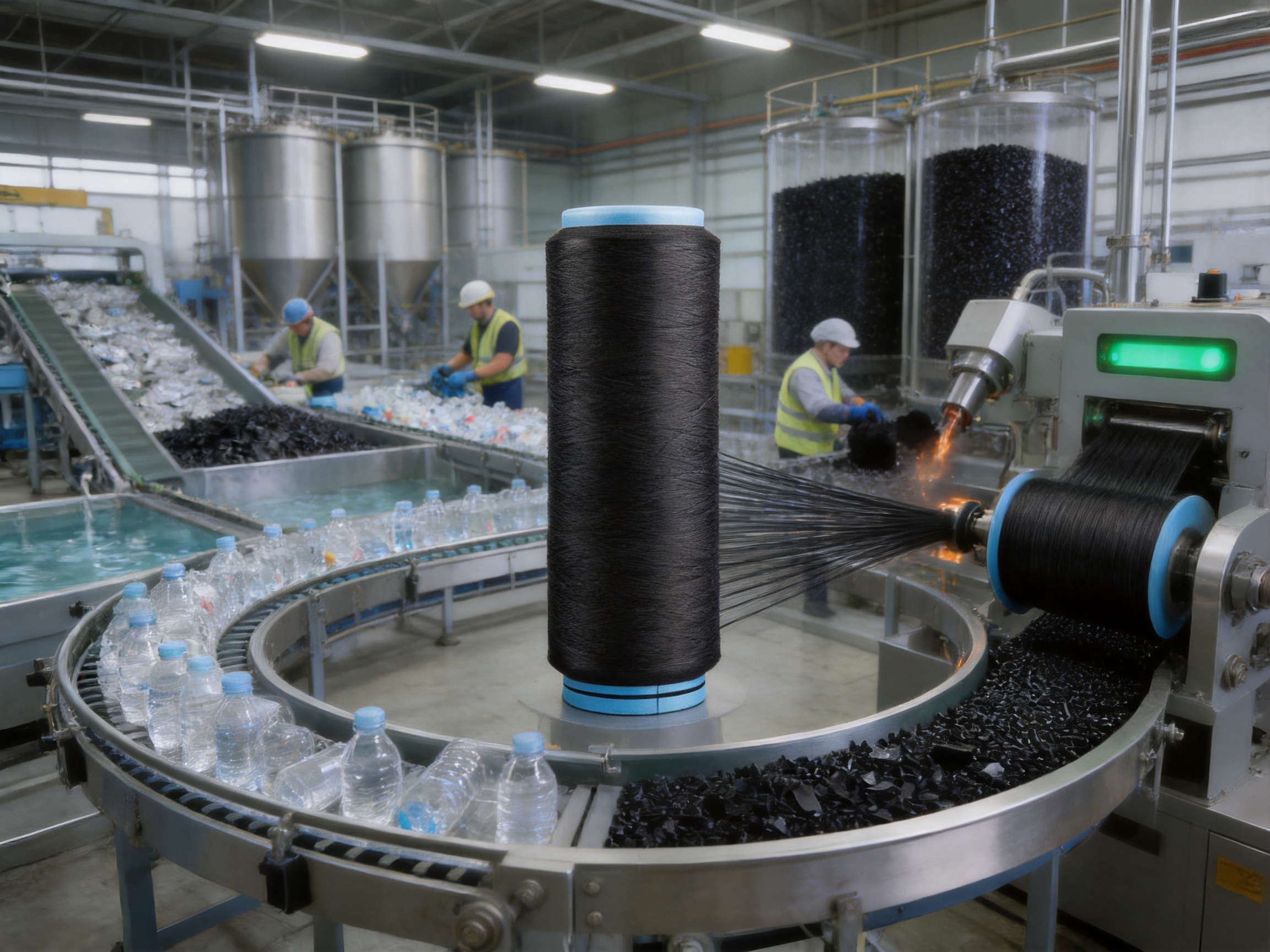
Post-consumer PET bottles are a valuable source of polyester feedstock. After collection, sorting, cleaning, processing, and conversion, the recovered material can be transformed into chips or other suitable polymer inputs for fiber production. Using this material in yarn production helps extend the useful life of existing plastic resources. Instead of treating used bottles only as waste, manufacturers can redirect them into durable textile products.
Recycled yarn can support several sustainability objectives at once. It can reduce the need for virgin petroleum-derived polymer, help lower the amount of plastic sent to landfill or incineration, and provide brands with a material that can be incorporated into sustainability reporting. It can also help textile companies respond to customer requests for recycled content without abandoning the performance characteristics expected from polyester.
Nevertheless, recycled content should not be viewed as a substitute for responsible product design. The environmental value of a yarn depends on collection systems, processing efficiency, energy sources, transportation, product lifetime, and end-of-life management. A high-quality recycled yarn is most effective when it is used in durable products that are designed for long service. Black DDB DTY yarn supports this goal through its strength, color stability, and processing versatility.
The approximately 98% post-consumer recycled content described for this product is a notable feature for buyers comparing different yarn suppliers. Many ordinary polyester yarns contain no recycled content, while some blended products contain only a limited percentage. A high recycled proportion can help simplify product communication and improve the overall recycled-material ratio of a finished textile. Documentation should be requested when certification, labeling, or formal sustainability claims are required.
Advantages of Dope-Dyed Black Color
Traditional textile dyeing generally takes place after yarn formation or after fabric construction. The process can require substantial quantities of water, dyes, auxiliaries, heating, washing, and wastewater treatment. Dope-dyeing approaches color the polymer before spinning, potentially reducing the need for a separate wet-dyeing stage. For manufacturers operating under water-use restrictions or seeking more efficient production routes, this is a meaningful advantage.
The color is distributed through the polymer mass rather than being concentrated only at the filament surface. This can contribute to enhanced color durability when the yarn is exposed to washing, friction, light, and normal use. For black textile products, this characteristic is especially important because customers expect a rich shade that remains visually stable instead of quickly becoming dull or gray.
Dope-dyed black yarn may also provide better consistency between production batches when the pigment concentration and spinning conditions are carefully controlled. A stable formulation helps reduce shade variation during knitting and weaving. Consistency is valuable for large-volume apparel programs, luggage collections, workwear series, and home-textile orders in which multiple lots need to match.
Another advantage is the potential reduction in downstream processing. A buyer using pre-colored black yarn may be able to move more directly from yarn purchasing to knitting or weaving. Eliminating or reducing a dyeing step can shorten production schedules and reduce handling. It may also help reduce the risk of defects such as streaks, uneven dye uptake, crease marks, and shade differences caused by wet processing.
Dope-dyeing does not mean that every environmental impact disappears. Polymer preparation, pigment production, spinning, electricity use, packaging, and transportation still contribute to the product footprint. Even so, integrating color into the polymer can offer a more efficient route than relying on a separate conventional dyeing stage, especially when stable black coloration is required at scale.
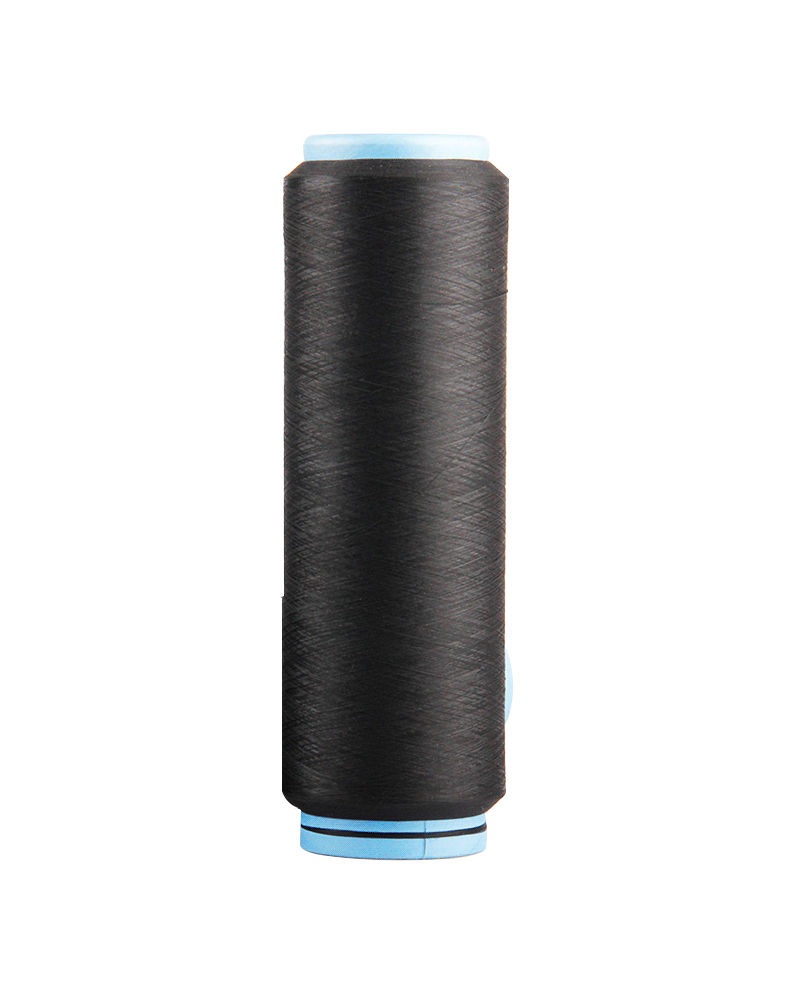
Black DDB DTY(D/F) Recycled Functional Yarn
DTY Structure and Textile Performance
Draw textured yarn is produced by combining controlled drawing with texturing. Drawing improves molecular orientation and helps establish the desired linear density and strength. Texturing introduces crimp or bulk into the filament bundle, giving the yarn a softer and more flexible character. The balance between drawing, heating, twisting, and texturing determines the final yarn appearance, bulk, elasticity, and process behavior.
For fabric manufacturers, DTY is attractive because it can create fabrics with improved cover and a more comfortable touch than flat filament yarn. The textured structure can help a fabric appear fuller without requiring an excessive material weight. It can also support a smooth drape, a soft surface, and a pleasant hand suitable for clothing, bedding, sportswear, and interior textiles.
The black DDB DTY recycled yarn is identified as D/F in the product title and product list. In the supplied range, D/F is used as part of the yarn specification and is presented alongside different denier and filament combinations. Buyers should confirm the exact meaning of the D/F notation, filament count, denier, elongation, strength, shrinkage, and texturing parameters for a particular order because textile mills may use different internal abbreviations.
DTY can be selected in different sizes to meet the requirements of fine, medium, or heavier constructions. The listed recycled DDB DTY options include 75/36-72, 150/48, and 300/96. These specifications generally communicate denier and filament information, although the exact interpretation should be verified with the supplier’s technical data sheet. The availability of multiple sizes allows manufacturers to select a yarn according to fabric weight, cover, softness, machine settings, and final application.
A finer yarn may be suitable for lightweight garments, smooth knitted surfaces, linings, and delicate constructions. Medium sizes can support general apparel, activewear, accessories, and home textiles. Heavier yarns may be useful for bags, upholstery, outdoor fabrics, and products requiring greater visual body. The correct selection depends on knitting gauge, loom configuration, fabric density, finishing process, and performance targets.
Functional Possibilities Beyond Standard Polyester
Modern textile buyers increasingly want materials that perform a specific function in addition to providing color and basic strength. The product range supplied by Suzhou Junhui Textile Co., Ltd. and Suzhou Xiaoran New Materials Co., Ltd. includes several differentiated yarn categories. These include recycled yarn, normal polyester yarn, cationic yarn, high-elastic yarn, PBT/PET yarn, fire-retardant yarn, antibacterial yarn, moisture-wicking yarn, cotton-like yarn, hollow warm yarn, and other customized constructions.
Moisture-wicking versions are designed to help move perspiration away from the skin and spread moisture across a larger surface area for quicker evaporation. They can be considered for sportswear, uniforms, underwear, socks, base layers, and warm-weather garments. The supplied functional range includes moisture-wicking specifications such as 30/24, 50/48-72, 75/48-72, and 150/48-72, subject to confirmation of the final construction and performance data.
Antibacterial yarns may be developed for products where odor control and hygiene are priorities. Potential applications include sports clothing, socks, underwear, medical-related textiles, bedding, and hospitality products. Antibacterial performance should always be assessed through appropriate laboratory testing because the result depends on the additive, concentration, fabric construction, finishing method, and washing conditions.
Flame-retardant yarn is intended for applications in which reduced flammability is required. It can be considered for protective apparel, curtains, transportation interiors, public-space textiles, and specialized industrial fabrics. Fire performance is application-specific and must be verified against the relevant national or international standard. A yarn description alone cannot replace testing of the final fabric or finished product.
High-elastic yarn and PBT/PET yarn can provide useful stretch and recovery characteristics. These materials may be used in fitted garments, sportswear, socks, waistbands, swimwear, and other constructions requiring controlled elasticity. Combining elastic behavior with recycled content can help brands develop more sustainable performance products without depending exclusively on conventional elastane-based solutions.
Cotton-like yarns are designed to create a softer, more natural hand while retaining many of the processing advantages of polyester. Hollow warm yarns can provide a lighter construction with increased loft and insulation potential. Cationic-dyeing yarns can support special color effects and contrast designs. These options demonstrate the manufacturer’s ability to develop differentiated yarns for specific product concepts instead of offering only standard denier ranges.
Product Specifications and Available Yarn Families
The product list indicates a broad portfolio across recycled, normal, CD, high-elastic, and functional series. This breadth is important for buyers who want to consolidate sourcing with one experienced supplier. A wider product family can simplify communication, reduce the need to qualify multiple factories, and make it easier to coordinate matching or complementary yarns for a collection.
| Product Family | Representative Options | Potential Textile Uses |
|---|---|---|
| Recycle DDB DTY | 75/36-72, 150/48, 300/96 | Black apparel, bags, outdoor goods, home textiles, and accessories |
| Recycle SD DTY | 15/6, 20/12-24, 30/12-24-36, 50/36-48-72 | General recycled knitted and woven fabrics |
| Recycle FD DTY | 50/72, 75/36, 75/72, 150/144 | Fine and medium recycled polyester constructions |
| Recycle SD+CD DTY | 50/48-72, 75/48-72, 80/72 | Contrast, mixed-effect, and differentiated fabrics |
| CD DTY | 25/24, 30/24-36, 50/36-72, 300/96 | Cationic-effect textiles and special color designs |
| High-elastic and PBT/PET | 30/12, 50/36-72, 75/36, 150/48-144 | Stretch garments, sportswear, socks, and fitted products |
| Functional yarns | Fire-retardant, antibacterial, moisture-wicking, and hollow warm | Performance apparel, protective textiles, bedding, and technical fabrics |
The listed specifications are representative rather than a complete technical approval sheet. Denier, filament count, strength, elongation, boiling-water shrinkage, crimp, oil content, intermingling, package weight, and winding characteristics can affect processing. Before placing a bulk order, buyers should request current specification sheets and sample packages for testing on their own equipment.
Applications Across Textile Markets
Black DDB DTY recycled functional yarn is appropriate for a broad range of end uses because black color is commercially versatile and DTY provides a soft, textile-friendly structure. The product may be knitted into shirts, trousers, jackets, skirts, leggings, uniforms, sportswear, casualwear, and fashion accessories. It can also be woven into garments, linings, pocketing, bags, luggage, and home furnishings.
In sportswear, the yarn can contribute to a smooth hand, controlled stretch, quick-drying behavior, and durable color. If the yarn is combined with a moisture-wicking or antibacterial function, it may be suitable for active garments that require comfort during prolonged wear. The final performance depends on fabric engineering, garment design, finishing, and the selected functional additive.
For outdoor products, black recycled DTY can be used in backpacks, mountaineering bags, handbags, school bags, luggage, briefcases, fashion bags, shopping bags, and storage cases. These products benefit from polyester’s general resistance to abrasion and dimensional change. Strong black color can also support a practical appearance for products exposed to handling, travel, and outdoor conditions.
In home textiles, the yarn may be used for curtains, cushions, blankets, decorative fabrics, upholstery components, bed products, and other interior applications. A textured structure can improve softness and visual fullness, while dope-dyed coloration can help maintain a consistent appearance across larger production runs.
The yarn can also be considered for non-woven products and industrial textile constructions. Depending on the selected grade, processing conditions, and required standard, recycled polyester may be incorporated into protective covers, organizers, packaging-related textiles, filtration supports, and other products. Technical suitability should be determined through trials because non-woven processes place different demands on fiber orientation and bonding.
Advantages Compared with Conventional Black Polyester Yarn
The first major advantage is the recycled feedstock. Conventional black polyester yarn is commonly based on virgin polymer, while this product is described as containing approximately 98% post-consumer recycled material. That difference can be meaningful for companies setting recycled-content targets or developing products for markets where environmental attributes influence purchasing decisions.
The second advantage is the dope-dyed color route. Conventional polyester yarn may require a later dyeing process to achieve black. The dope-dyed alternative can reduce dependence on wet dyeing and may lower water consumption, chemical use, and production time. It can also provide color throughout the filament, supporting resistance to fading and improved appearance after repeated use.
The third advantage is the DTY texture. Some basic filament yarns provide a smooth but flat surface, whereas DTY contributes softness, crimp, bulk, and fabric coverage. This can help manufacturers create comfortable textiles without relying entirely on additional finishing treatments. A more textile-like hand is especially valuable in apparel and home products.
The fourth advantage is product customization. The manufacturer’s portfolio includes a range of yarn types and functions, so buyers can explore related solutions such as recycled SD DTY, FD DTY, SD+CD DTY, cationic yarn, high-elastic yarn, PBT/PET yarn, flame-retardant yarn, antibacterial yarn, and moisture-wicking yarn. A supplier that can provide multiple variations may be better positioned to support product development and future collection expansion.
The fifth advantage is supply-chain convenience. Suzhou Junhui Textile Co., Ltd. and Suzhou Xiaoran New Materials Co., Ltd. state that they serve customers in 36 countries and export more than 90% of their products. International experience can help a supplier understand export packaging, communication requirements, sampling procedures, and the practical needs of overseas textile mills. Buyers should still evaluate lead time, documentation, quality control, and logistics for each project.
Manufacturing Process and Quality Considerations
The quality of recycled functional yarn begins with raw-material management. Post-consumer PET must be collected, sorted, cleaned, and processed to remove contaminants and unsuitable materials. Consistent feedstock is important because contamination or uncontrolled variation can affect polymer viscosity, spinning stability, yarn strength, shade, and downstream processing performance.
After preparation, the recycled material is converted into a suitable polyester polymer input. The polymer must meet the requirements of melt spinning and texturing. Intrinsic viscosity, moisture, thermal stability, filtration behavior, and melt cleanliness are among the factors that influence yarn quality. Proper drying is particularly important because excessive moisture can cause hydrolytic degradation during high-temperature processing.
For dope-dyed black yarn, pigment selection and dispersion are critical. The pigment must be compatible with the polymer system and dispersed evenly throughout the melt. Poor dispersion can lead to streaks, specks, filter pressure changes, weak points, or inconsistent shade. Controlled dosing, effective mixing, melt filtration, and stable extrusion conditions help establish uniform color and reliable filament formation.
Melt spinning converts the polymer into continuous filaments through spinnerets. The spinning temperature, throughput, quenching air, winding speed, and cooling conditions influence filament uniformity and physical properties. Stable spinning is essential for avoiding broken filaments, uneven denier, excessive fuzz, and package defects.
The next stage is drawing and texturing. Drawing aligns polymer chains and establishes the desired balance of strength and elongation. Texturing introduces controlled crimp and bulk through heat, friction, twisting, air processing, or other suitable techniques. The exact process must be matched to the target denier, filament count, elasticity, hand feel, and end-use requirements.
Intermingling and winding are also important. Intermingling can improve filament cohesion and help the yarn run more smoothly through knitting or weaving equipment. Winding must produce stable packages with suitable hardness, shape, and unwinding behavior. Poor package formation can create tension fluctuations, yarn breaks, and production stoppages even when the underlying polymer is satisfactory.
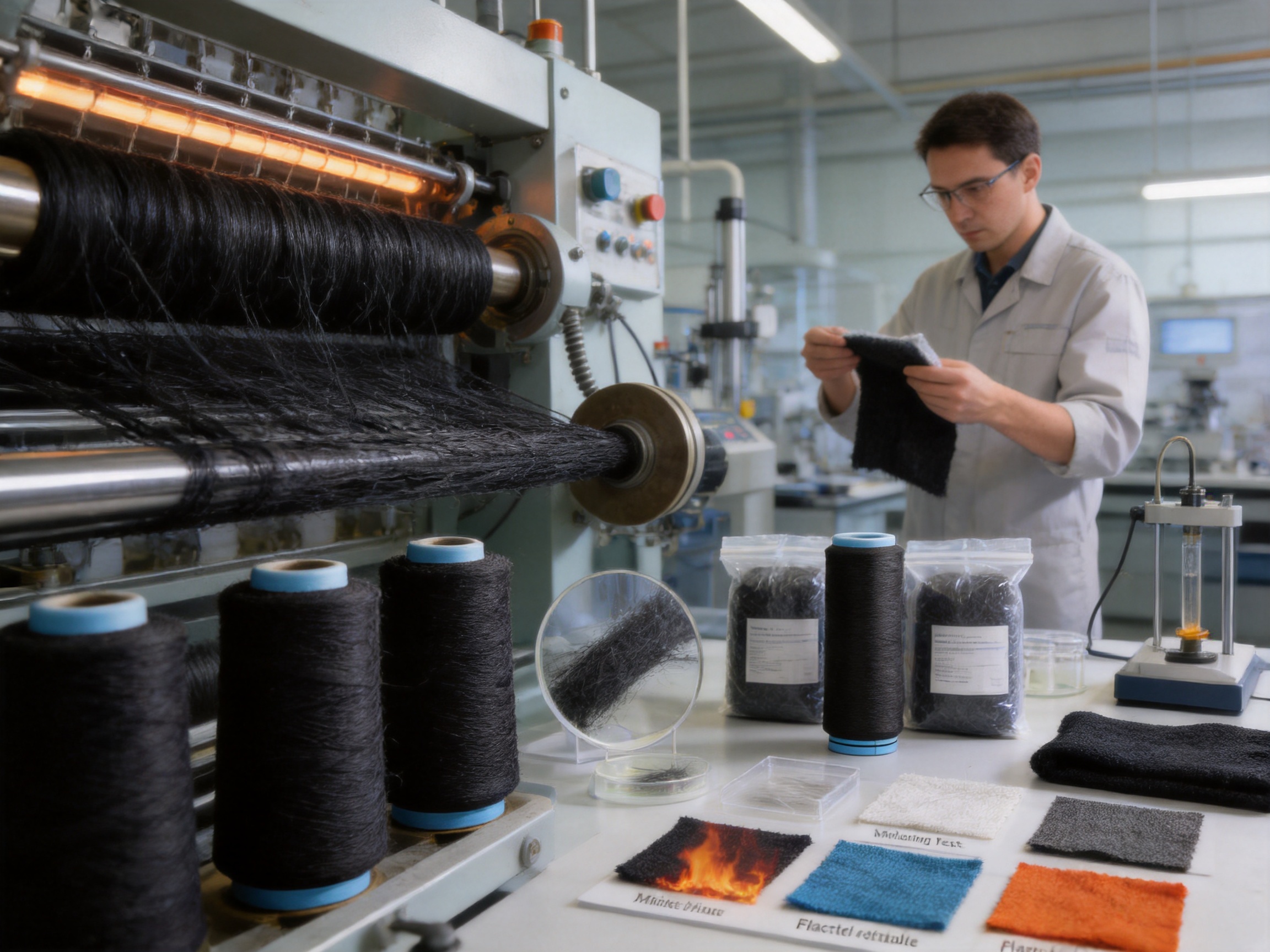
Quality inspection should cover both physical and visual characteristics. Typical checks may include linear density, tensile strength, elongation, shrinkage, crimp properties, oil content, intermingling, color uniformity, package appearance, and yarn defect levels. For functional grades, testing should also address the specific claimed property under defined laboratory conditions.
A professional supplier should be able to provide samples, technical specifications, inspection records, and guidance on processing conditions. Suzhou Junhui Textile Co., Ltd. describes its organization as having a professional research and development team working with international enterprises on environmental and functional yarn and fabric applications. This R&D orientation is useful when a buyer requires more than a standard catalog item.
How the Product Supports Efficient Textile Production
Yarn selection affects every stage of textile manufacturing. A stable yarn reduces machine interruptions, improves fabric uniformity, and helps maintain predictable production costs. Black DDB DTY recycled yarn can support efficiency by arriving pre-colored, reducing the need for separate black dyeing in some production routes, and providing a textured construction designed for direct use in knitting or weaving.
Pre-colored yarn can simplify production planning. Instead of scheduling yarn dyeing after purchasing undyed polyester, a manufacturer can move more directly to fabric formation. This may reduce inventory complexity and shorten the time between yarn receipt and fabric production. It can also reduce the number of variables that influence final shade, although machine settings and fabric construction still need to be controlled carefully.
Color consistency is particularly important when black garments or accessories are produced in large quantities. A stable dope-dyed yarn can help reduce visible differences between panels, batches, or production dates. This is useful for brands that maintain permanent core products, repeat seasonal styles, or supply uniforms and corporate apparel.
DTY’s bulk and softness can also reduce the need for heavy mechanical or chemical finishing. Depending on the fabric design, the yarn may provide sufficient cover and hand feel at a moderate fabric weight. Lower material weight can benefit comfort, packing efficiency, and transportation, though the final result must be evaluated through fabric trials.
The product is suitable for weaving, knitting, and selected non-woven applications. Each process requires different settings. Knitting mills should evaluate yarn tension, positive feeding, friction, needle compatibility, and fabric take-down. Weaving mills should assess sizing needs, warp preparation, loom tension, abrasion during insertion, and breakage rates. Non-woven manufacturers should test bonding, opening, web formation, and final strength.
Recommended Buyer Evaluation Procedure
A responsible purchasing decision should begin with a clear product brief. The buyer should define the intended application, fabric construction, target weight, required hand feel, color standard, recycled-content target, functional requirements, and expected production volume. It is also useful to specify whether the yarn will be knitted, woven, twisted, covered, or processed in another way.
The next step is sample evaluation. Request a representative package rather than relying only on a small loose-yarn sample. Package performance can reveal information about winding, unwinding tension, cohesion, and handling. The sample should be tested on the intended machine whenever possible. Small-scale trials can identify compatibility issues before a large purchase is made.
Laboratory testing should include linear density, tensile strength, elongation, shrinkage, crimp, colorfastness, and appearance. If the product will be exposed to sunlight, repeated washing, perspiration, chlorine, or abrasion, the relevant fastness tests should be included. Functional claims such as antibacterial or moisture wicking should be tested using recognized methods and evaluated on the finished fabric, not only on the yarn.
Recycled-content verification is another important step. Buyers should ask for information about the source of recycled material, the percentage of post-consumer content, production records, and any available certification or transaction documentation. The exact requirements depend on the destination market and the brand’s claims policy. A supplier’s willingness to provide clear documentation is a useful indicator of supply-chain maturity.
Color approval should be managed with a physical standard. Digital images and screen displays cannot accurately represent black shade, luster, depth, or surface appearance. The buyer should approve a lab sample or fabric swatch under defined lighting conditions. If the product will be matched with other black materials, the complete garment or fabric combination should be reviewed before bulk production.
Commercial terms should be discussed at the same time as technical specifications. Minimum order quantity, lead time, packaging, payment terms, sample charges, shipment method, and production capacity all influence the total purchasing value. A low unit price may not be advantageous if the yarn produces high breakage or requires substantial downstream correction.
Customization and Product Development Support
One of the strengths identified in the supplied company information is the ability to accept orders for different types of differentiated yarn. This is important because many textile projects require a specific combination of properties rather than a standard yarn. A buyer may need recycled content, black color, controlled elasticity, moisture management, antibacterial performance, or a special denier-filament arrangement in the same development program.
Customization may involve polymer selection, pigment concentration, yarn size, filament count, texturing level, luster, cross-sectional design, functional additive, package format, or finishing compatibility. Not every combination is technically or commercially practical, so development should proceed through a structured sampling process. The supplier’s R&D team can help determine whether the requested construction is suitable for the desired machine and end use.
For brands, customization can create differentiation. A recycled black yarn with a distinctive hand, controlled sheen, or functional benefit may support a recognizable fabric concept. For mills, it can open opportunities in performance apparel, environmentally focused collections, and specialized home textiles. For converters, a customized yarn may reduce the need to combine several materials in later processing.
Clear communication is essential. Buyers should provide fabric references, performance targets, test methods, color requirements, and estimated annual demand. The supplier should respond with a proposed construction, sample schedule, expected tolerances, and validation plan. This approach reduces misunderstandings and supports a more efficient transition from concept to bulk production.
Environmental Positioning and Responsible Claims
Black DDB DTY recycled functional yarn can help companies develop more responsible products, but environmental claims should be accurate and specific. A buyer may state that the product contains recycled polyester if the content has been verified. It may also describe the use of dope-dyeing and the potential reduction in water-intensive downstream dyeing, provided the wording accurately reflects the actual production route.
Claims such as “zero impact,” “completely sustainable,” or “fully recyclable” should be avoided unless they are supported by rigorous evidence and apply to the complete product system. The environmental performance of a finished textile depends on fiber production, fabric formation, dyeing or finishing, transportation, consumer care, durability, and disposal. Transparent language is more credible than exaggerated promises.
Durability is part of sustainability. A garment or bag that retains its color, structure, and appearance for a long time may reduce replacement demand. The product’s resistance to fading and its general polyester durability can support longer service life when the fabric is correctly designed. Brands should evaluate abrasion, pilling, seam performance, washing, and actual use conditions before making durability statements.
Recycled yarn can also support design strategies such as mono-material construction. Using polyester yarn throughout more parts of a product may simplify future recycling compared with complex blends, although actual recyclability depends on product construction, trims, coatings, finishes, and available collection systems. Product designers should consider these factors early in development.
Care, Processing, and End-Use Guidance
Processing conditions should be adapted to the yarn specification. Excessive heat, uncontrolled tension, or unsuitable machine speeds can affect crimp, shrinkage, luster, and fabric appearance. Knitting and weaving trials should establish practical settings rather than relying only on general polyester recommendations.
For knitted fabrics, the yarn feeder, tension, needle selection, stitch density, and take-down must be balanced. DTY can provide a soft and bulky structure, but excessive tension may reduce the intended texture or create uneven fabric. A trial should check loop formation, fabric width, spirality, surface uniformity, and recovery after washing.
For woven fabrics, warp and weft behavior should be assessed separately. Yarn tension, reed density, loom speed, and finishing can influence the final hand and appearance. If the yarn is used as warp, abrasion resistance and sizing compatibility may require particular attention. If it is used as weft, filling insertion and package unwinding should be examined.
Finishing processes should be selected carefully. Heat setting can stabilize dimensions and control fabric width, but excessive temperature or dwell time may alter texture and color appearance. Softening, raising, brushing, calendaring, coating, and lamination may produce different results depending on the fabric construction. Laboratory and pilot trials are recommended before commercial finishing.
Care labeling should be based on finished-product testing. Polyester fabrics commonly offer convenient care characteristics, but the final garment may contain coatings, trims, prints, or blends that change washing and drying instructions. The black color and functional performance should be evaluated after repeated care cycles to ensure that the product meets the brand’s expectations.
Supplier Capabilities and International Service
Suzhou Junhui Textile Co., Ltd. and Suzhou Xiaoran New Materials Co., Ltd. were established in June 2015 according to the supplied information. Their business focuses on the development and sale of differentiated yarns, including recycled yarn, polyester dope-dyed yarn, SHAWLIENCE, microfine yarn, flame-retardant yarn, cationic-dyeing yarn, and knitted fabric products.
The companies state that more than 90% of their products are exported and that they have established cooperation with customers in 36 countries. Such export experience can be valuable for international buyers who require organized sampling, stable communication, export packaging, and documentation support. Global customers often need rapid responses to technical questions, and the company states that its experts are prepared to provide assistance within 12 hours worldwide.
The company’s location in Shengze Town, Wujiang Area, Suzhou City, Jiangsu Province, places it within a major Chinese textile manufacturing region. Access to a broad textile supply chain can support collaboration with spinners, texturizers, knitting mills, weaving factories, dyeing facilities, and fabric developers. This regional ecosystem can be advantageous when a project requires coordinated yarn and fabric development.
For buyers comparing suppliers, company capability should be assessed through evidence. Useful indicators include sample consistency, technical response quality, production transparency, quality-control procedures, capacity planning, complaint handling, and the ability to provide repeat orders with stable specifications. The supplied product portfolio and R&D focus provide a strong basis for evaluation, while customer-specific verification remains essential.
Frequently Asked Questions
What is black DDB DTY recycled functional yarn?
It is a draw textured polyester yarn made primarily from post-consumer recycled material and colored black through dope-dyeing technology. The yarn is designed to provide a soft, textured structure, stable color, and the possibility of additional functional properties for apparel, home textiles, bags, outdoor goods, and other products.
What does DDB mean?
DDB refers to a dope-dyed black construction. The colorant is introduced into the polymer before the filaments are spun. This can improve color integration and reduce the need for conventional downstream dyeing, while supporting colorfastness and production efficiency.
What does DTY mean?
DTY means draw textured yarn. The yarn is drawn to improve orientation and then textured to introduce crimp, softness, bulk, and flexibility. It is commonly used in knitted and woven fabrics requiring a comfortable hand and attractive surface appearance.
How much recycled material does the yarn contain?
The supplied product information describes the yarn as containing approximately 98% post-consumer recycled material, including material recovered from PET bottles. Buyers requiring formal recycled-content claims should request current documentation and confirm the percentage for the specific production order.
Is the black color resistant to fading?
Dope-dyed color is integrated throughout the polymer, which can support strong resistance to fading and color loss caused by washing, friction, and sunlight. Actual results depend on pigment selection, production controls, fabric construction, finishing, and use conditions. The finished fabric should be tested against the buyer’s required standards.
Can this yarn be used for sportswear?
Yes. DTY recycled polyester can be considered for sportswear because it provides a soft hand, durability, and quick-drying potential. For enhanced moisture management or odor-control requirements, buyers can discuss moisture-wicking or antibacterial versions within the functional yarn range.
Can it be used for bags and luggage?
Yes. The yarn is suitable for exploring woven or knitted materials used in mountaineering bags, handbags, school bags, luggage, briefcases, shopping bags, storage products, and other accessories. The final material should be engineered for the required abrasion, tear, seam, coating, and load-bearing performance.
Can the yarn be customized?
The supplied information states that orders for different types of differentiated yarn can be accepted. Possible development areas include denier, filament count, recycled content, luster, elasticity, moisture wicking, antibacterial properties, flame retardancy, cationic effects, and other functional requirements. A technical consultation and sample trial are recommended.
What specifications are available for recycled DDB DTY?
The listed recycled DDB DTY options include 75/36-72, 150/48, and 300/96. The notation should be confirmed with the supplier because the meaning of each number can depend on the company’s specification system. Buyers should request the complete technical data sheet before approval.
Is the yarn suitable for weaving and knitting?
It is designed for textile processing and can be evaluated for both knitting and weaving. Machine settings, yarn tension, package type, fabric density, and finishing conditions must be adjusted according to the selected specification. A production trial is the best way to confirm performance.
Does dope-dyeing eliminate all environmental impacts?
No. Dope-dyeing can reduce the need for a separate wet-dyeing stage, but polymer preparation, pigment production, spinning, texturing, energy use, packaging, and transportation still have environmental impacts. The product should be presented as a lower-impact or recycled-material option based on verified information, not as an impact-free material.
What documentation should a buyer request?
Buyers may request a technical data sheet, recycled-content information, color specifications, quality inspection records, sample approval documents, packaging details, and applicable functional-performance test results. If a certification is needed for a particular market, the required certificate and transaction documentation should be confirmed before purchase.
How should the yarn be tested before bulk production?
The buyer should test a representative package on the intended knitting, weaving, or processing equipment. Laboratory evaluation should include denier, strength, elongation, shrinkage, crimp, appearance, colorfastness, and any specialized functional property. The resulting fabric should be evaluated after finishing and repeated care cycles.
Conclusion
Black DDB DTY recycled functional yarn provides a strong combination of environmental positioning, stable black color, soft texture, and adaptable textile performance. Its approximately 98% post-consumer recycled content helps reduce reliance on virgin polyester, while dope-dyeing can reduce downstream wet processing and support durable coloration. The DTY structure contributes softness, bulk, flexibility, and processing versatility for a wide range of textile products.
The product is particularly attractive for brands and manufacturers developing sustainable apparel, activewear, bags, luggage, outdoor goods, home textiles, and accessories. Its value is further increased by the broader range of recycled and functional yarns offered by Suzhou Junhui Textile Co., Ltd. and Suzhou Xiaoran New Materials Co., Ltd. Buyers can investigate related options for moisture wicking, antibacterial performance, flame retardancy, high elasticity, hollow warmth, cationic effects, and other differentiated requirements.
Manufacturing quality remains central to the product’s success. Recycled raw-material preparation, pigment dispersion, melt filtration, spinning stability, drawing, texturing, intermingling, winding, and inspection must all be controlled carefully. A capable supplier with R&D experience, international export knowledge, and a broad product portfolio can help reduce development risk and support consistent commercial production.
For the best result, buyers should confirm specifications, test samples on their own equipment, verify recycled-content documentation, approve physical color standards, and evaluate the final fabric under realistic use and care conditions. When these steps are followed, black DDB DTY recycled functional yarn can become a dependable material choice for textile businesses seeking sustainability without sacrificing appearance, processing efficiency, or everyday performance.
References
1. Product information and technical range supplied for Black DDB DTY Recycled Functional Yarn.
2. Company profile information supplied for Suzhou Junhui Textile Co., Ltd. and Suzhou Xiaoran New Materials Co., Ltd.
3. General textile-industry principles concerning recycled PET, dope-dyed polyester, draw textured yarn, and functional fiber development.
4. General laboratory and quality-control practices for polyester yarn, knitted fabrics, woven fabrics, colorfastness, and functional textile performance.
5. General sustainability principles concerning recycled content, circular material use, product durability, and responsible environmental communication.
Product: Black DDB DTY(D/F) Recycled Functional Yarn

Popular products
-
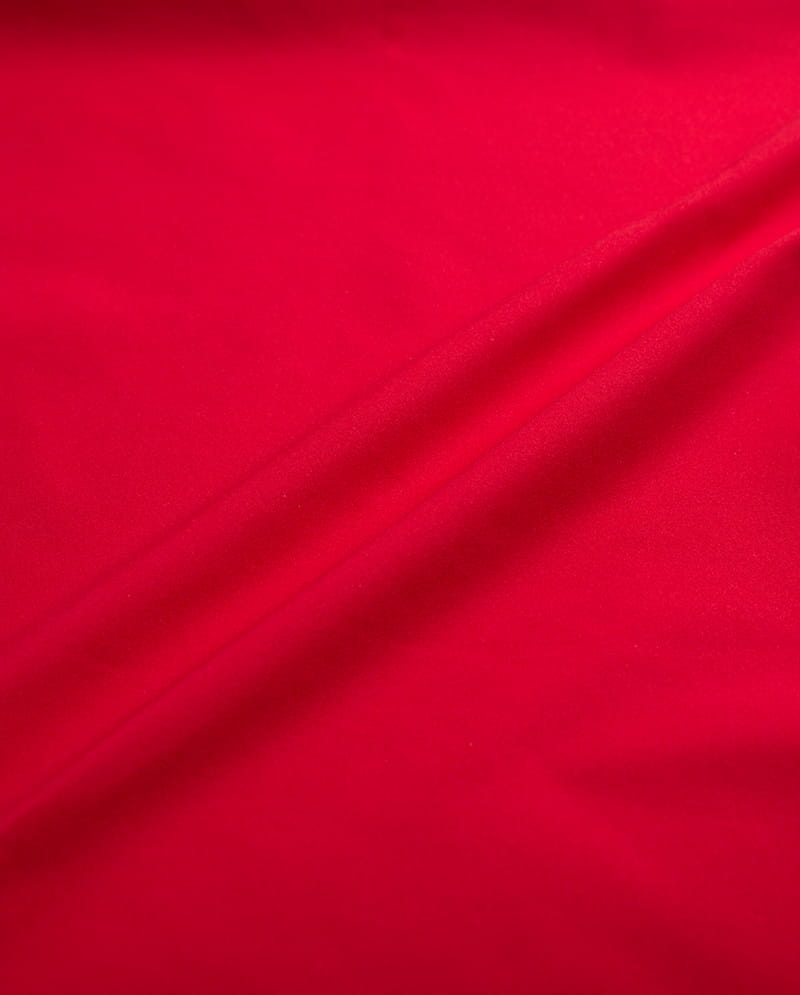
Premium Cationic Interlock Stretch Comfort Fabric
-
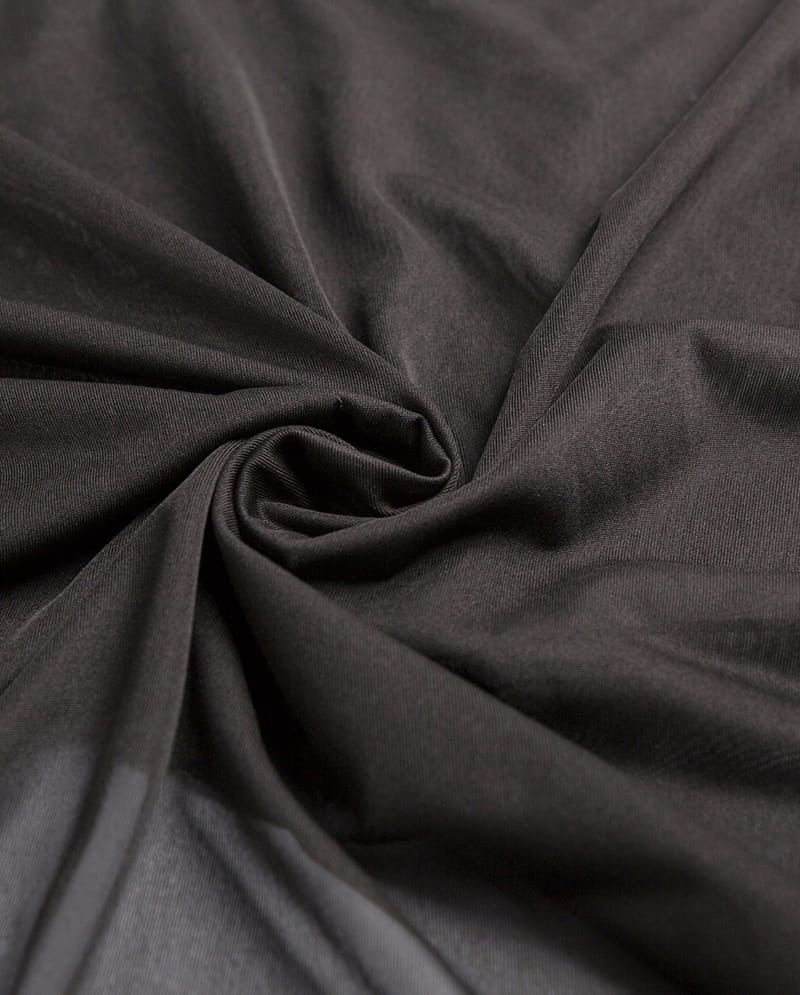
Moisture-Wicking Nylon Woven Fabric
-
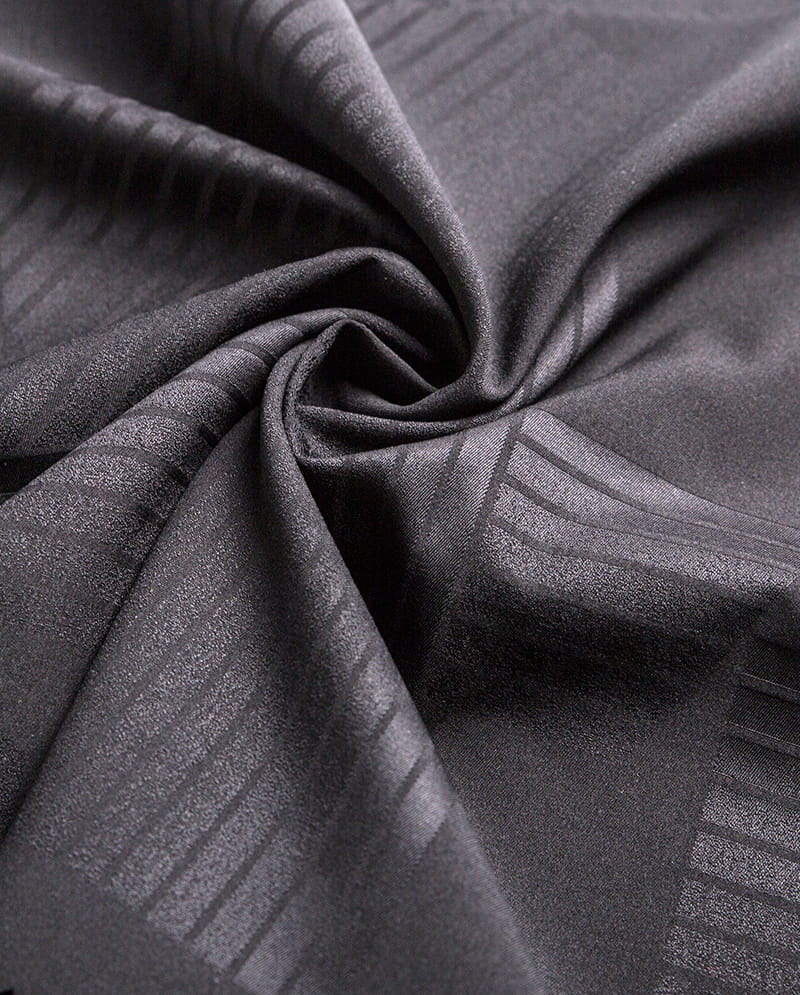
Double-faced jacquard elastic fabric
-
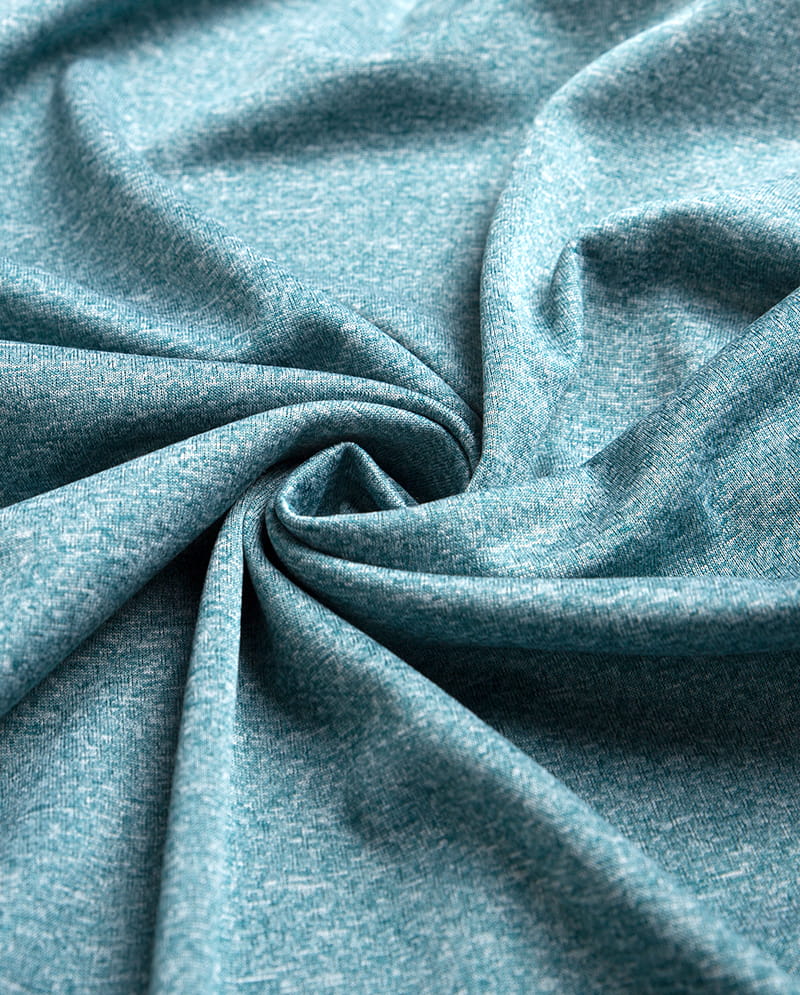
Heather Grey Double-faced cationic jersey fabric
-
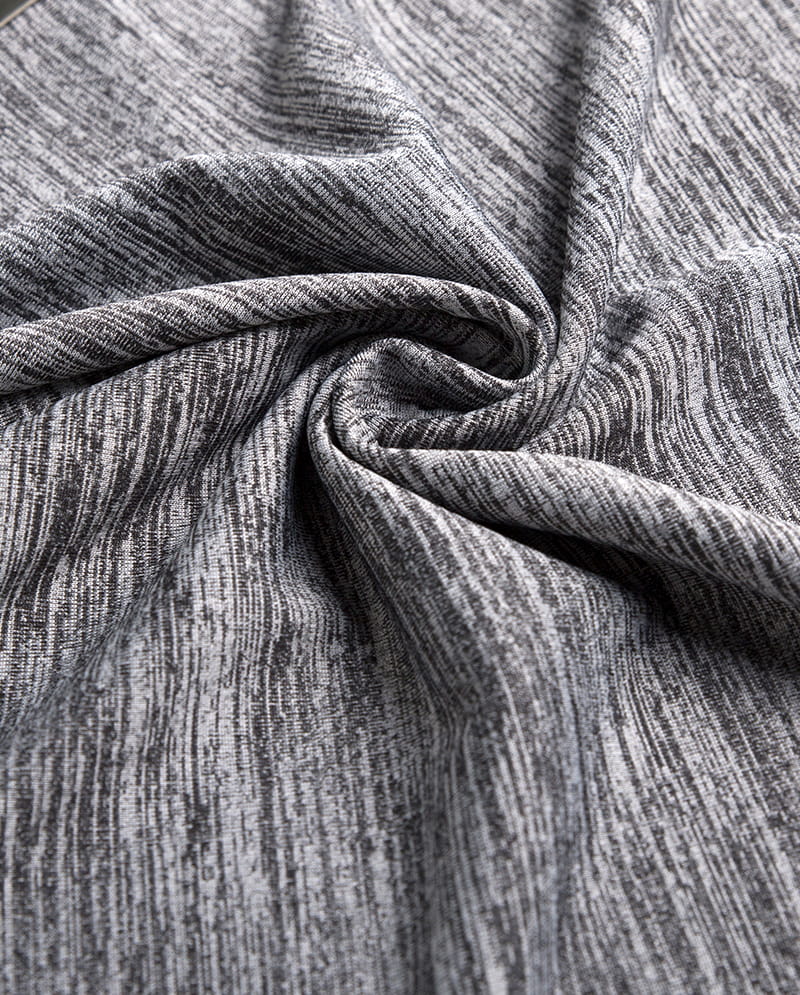
Anti-static Cationic Knitted Rib Fabric
-
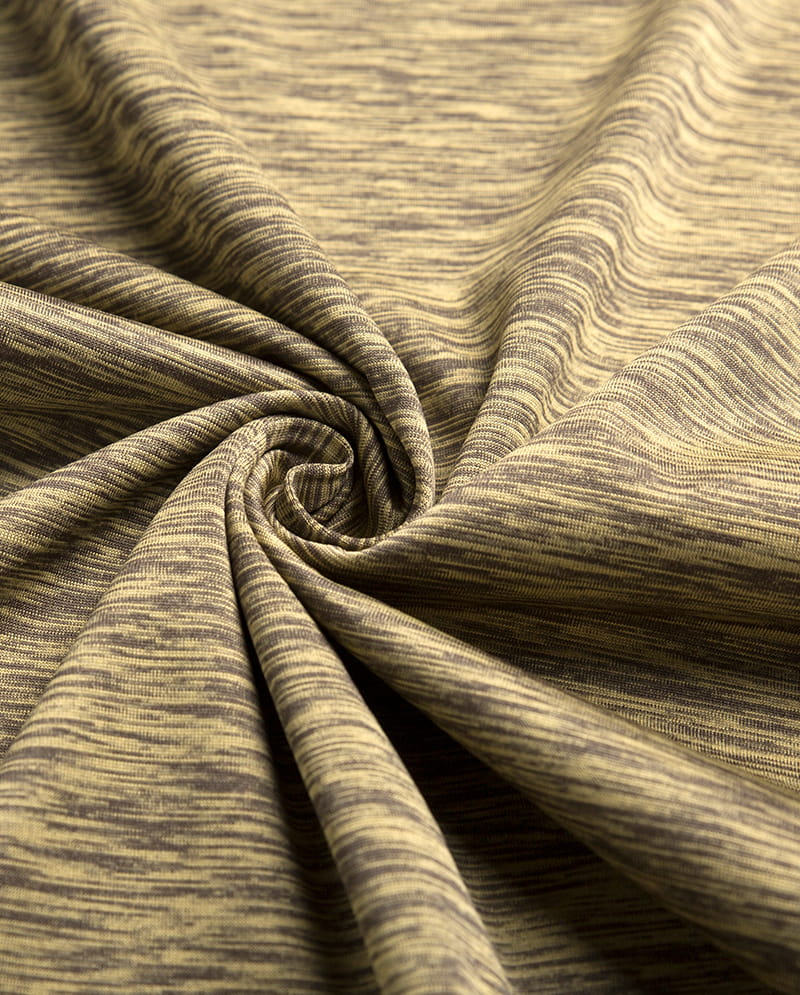
High-Stretch Cationic Jersey Fabric
-
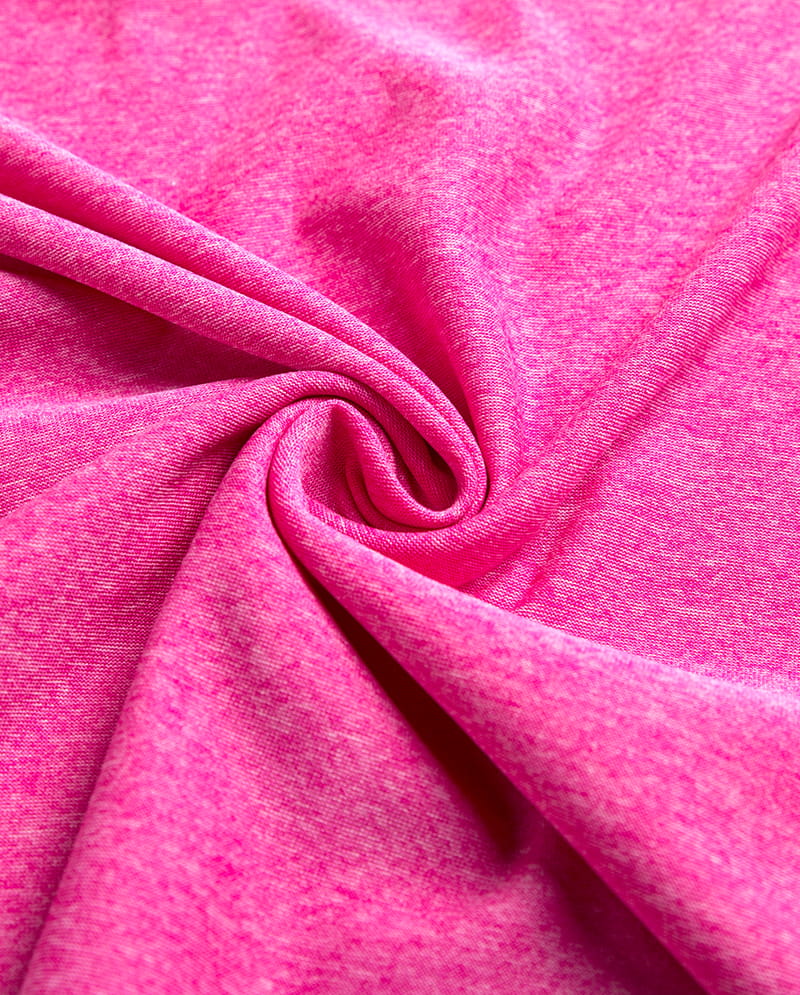
High Quality Cationic DTY Spandex Two Sides Brush Dralon Knit Fabric for Garment Thermal Underwear
-
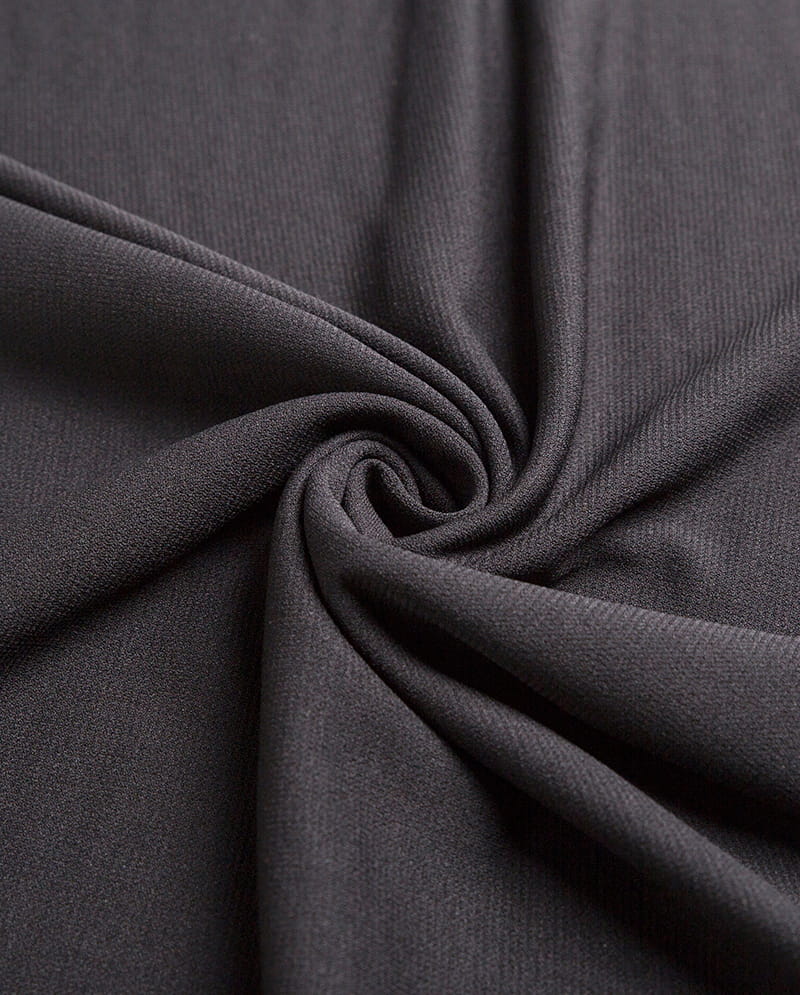
Durable Anti-Pilling Knitted Fabric for Home Textiles
-
Wash-Resistant Cationic Elastic Knitted Fabric for Garment Industry
-
Breathable Double-Faced Elastic Composite Fabric
-
-
-
- whatsapp:
- 0086-13962559622
-
- skype:
- skype.aliceshenghong
-
- Wechat:

COPYRIGHT © 2016 Suzhou Junhui Textile Co., Ltd.
