

 EN
EN English
 中文简体
中文简体Black DDB DTY(D/F) Recycled Functional Yarn: A Sustainable, High-Performance Textile Solution for Modern Brands
Content
- 1 Core Product Overview: Decoding Its Key Attributes
- 2 Advantages Over Competitors: Why This Yarn Reigns Supreme
- 3 Advanced Manufacturing: The Technology Behind the Yarn
- 4 Manufacturer Strengths: Why Partner With Them?
- 5 Application Scenarios: Where This Yarn Shines
- 6 Q&A Section: Answering Common Queries
- 6.1 Q1: What is the recycled content of the yarn?
- 6.2 Q2: How does DDB reduce environmental impact?
- 6.3 Q3: Can the yarn be customized with functional additives?
- 6.4 Q4: Is the yarn traceable?
- 6.5 Q5: What quality standards does the yarn meet?
- 6.6 Q6: What is the minimum order quantity (MOQ)?
- 6.7 Q7: How long is the lead time?
- 7 References
The global textile industry stands at a critical inflection point: consumer demand for eco-conscious products has surged 65% since 2020 (Global Textile Council, 2024), while regulatory pressures to reduce carbon emissions and water pollution are mounting. Conventional polyester yarns—derived from virgin petroleum—contribute to 2.5 tons of CO₂ emissions per ton produced and account for 20% of global industrial water pollution (Lee & Park, 2023). Enter the Black DDB DTY(D/F) Recycled Functional Yarn: a paradigm-shifting product that merges circular economy principles with advanced performance, setting a new benchmark for textile innovation.
(Image 1: Close-up of the yarn, showcasing its soft, elastic texture against a backdrop of recycled plastic bottles)Core Product Overview: Decoding Its Key Attributes
At its essence, the Black DDB DTY(D/F) Recycled Functional Yarn is a specialized textile engineered to address the industry’s most pressing challenges. Composed of 98% post-consumer recycled PET materials (primarily discarded plastic bottles and food containers), it transforms waste into a high-quality yarn through precision manufacturing. The remaining 2% consists of functional additives—tailored to enhance performance—without compromising the yarn’s eco-friendly credentials.
To fully grasp its uniqueness, let’s break down its technical pillars: - DDB (Dope-Dyeing) Technology: Unlike traditional post-dyeing (where color is applied to finished yarn), DDB integrates pigment directly into the polymer melt during extrusion. This eliminates water-intensive dye baths and toxic runoff. - DTY (Draw Textured Yarn): This process stretches filaments to align molecular structure (boosting strength) and adds crimps for softness and elasticity—ideal for stretchable fabrics. - D/F (Fully Drawn) Properties: Additional drawing stabilizes the yarn, preventing shrinkage and deformation, ensuring long-term durability.
Advantages Over Competitors: Why This Yarn Reigns Supreme
For brands and manufacturers, the Black DDB DTY(D/F) Recycled Functional Yarn offers a suite of competitive edges that outpace both virgin polyester and other recycled alternatives:
1. Unmatched Sustainability Metrics
Each ton of this yarn diverts ~50,000 plastic bottles from landfills/oceans and reduces carbon emissions by 60% compared to virgin polyester (Smith, 2022). The DDB process cuts water use by 80% and energy consumption by 50% relative to traditional dyeing—critical for meeting UN Sustainable Development Goal 12 (Responsible Consumption and Production) and EU Circular Economy Action Plan targets.
Moreover, the manufacturer uses a closed-loop system: offcuts and defective yarn are reprocessed into new batches, minimizing waste. This aligns with circular economy principles, where products are designed to be reused, not discarded.
2. Superior Color & Durability
Traditional post-dyed yarns suffer from fading, bleeding, or uneven color distribution—leading to product waste. DDB embeds pigment uniformly throughout the polymer, resulting in exceptional colorfastness: the yarn resists fading after 50+ washes (AATCC 61 standard) and 400 hours of UV exposure (AATCC 16E standard).
The DTY(D/F) combination enhances physical durability: its elastic properties allow 20% stretch without breaking, while the fully drawn structure prevents shrinkage—perfect for high-wear applications like athletic apparel and luggage.
3. Versatile Functionality & Customization
The yarn’s adaptability to functional modifications is a game-changer. Additives include: - Moisture-wicking agents (keep fabrics dry) - Anti-bacterial compounds (inhibit odor-causing bacteria) - Anti-UV filters (block 95% of harmful UV rays) - Flame-retardant materials (meet NFPA 701 safety standards)
Brands can customize the yarn to specific needs—whether a moisture-wicking running shirt or a flame-retardant curtain—reducing post-production treatments and streamlining supply chains.
4. Full Traceability & Transparency
Consumers demand transparency: each batch includes a certificate of origin detailing recycled PET sources, manufacturing processes, and recycled content percentage. This allows brands to communicate sustainability efforts directly to consumers, building trust and loyalty.
(Image 2: Infographic comparing water/energy use between DDB and traditional dyeing processes)Advanced Manufacturing: The Technology Behind the Yarn
The yarn’s quality stems from the manufacturer’s state-of-the-art processes, which prioritize precision, sustainability, and consistency:
1. Recycled PET Sourcing & Processing
Post-consumer PET waste is sourced from certified suppliers, sorted by quality, and washed to remove contaminants (labels, caps, food residues). It’s shredded into flakes, melted at 260°C, and filtered to remove impurities—resulting in a clean polymer melt.
2. Dope-Dyeing Integration
Pigment is added directly to the polymer melt during extrusion. Advanced mixing equipment ensures uniform color distribution, eliminating the need for dye auxiliaries (toxic chemicals that pollute water).
3. DTY(D/F) Production
Extruded filaments undergo draw texturing: stretching aligns molecules for strength, while crimping adds softness. The fully drawn step stabilizes the yarn, ensuring dimensional consistency.
4. Rigorous Quality Control
Every batch undergoes: - Recycled content verification (carbon dating/mass balance) - Colorfastness testing (AATCC standards) - Physical property testing (tensile strength, elongation—ISO standards) - Functional performance testing (moisture-wicking, anti-bacterial)
The in-house lab ensures all products meet or exceed industry standards.
Manufacturer Strengths: Why Partner With Them?
The yarn’s success reflects the manufacturer’s unwavering commitment to innovation, sustainability, and customer success:
1. Expert R&D Team
15+ textile engineers and material scientists collaborate with global universities to develop cutting-edge solutions. Recent innovations include bio-based additives that reduce carbon footprint by an additional 10%.
2. Global Export Reach
90% of products are exported to 36 countries, with partnerships with leading brands in Europe, North America, and Asia. A robust logistics network ensures on-time delivery to remote locations.
3. Customer-Centric Service
24/7 global support (12-hour response time) assists with product selection, customization, and troubleshooting. Flexible order quantities (from samples to bulk) cater to startups and multinationals alike.
4. Strong Environmental Commitment
Certified ISO 14001 (Environmental Management System) and OEKO-TEX® Standard 100 (safe for human use). Solar panels power 30% of manufacturing facilities, reducing carbon emissions further.
(Image 3: Manufacturing facility showing the DDB extrusion process and quality control lab)Application Scenarios: Where This Yarn Shines
The yarn’s versatility makes it suitable for a wide range of industries:
1. Fashion Apparel
Athletic brands use moisture-wicking versions for dry-fit shirts/leggings. Outdoor brands leverage anti-UV/flame-retardant versions for jackets/pants. Fashion brands use basic versions for dresses/skirts—offering stylish, sustainable options.
2. Home Textiles
Ideal for curtains (colorfastness), upholstery (flame-retardant), and bedding (soft texture). The yarn retains its black color for years, even with frequent washing.
3. Outdoor Gear & Bags
Mountaineering bags, handbags, and luggage use the yarn for durable, water-resistant fabrics. Its elasticity and strength make it perfect for stretchable pockets/straps.
4. Industrial Fabrics
Flame-retardant versions are used for conveyor belts, protective clothing, and automotive textiles—meeting high-stress application requirements.
Below is a comprehensive product list (Table 1) detailing available specifications:
Recycle Series |
Recycle SD DTY (D/F) |
Recycle SD FDY(D/F) |
Recycle FD DTY(D/F) |
15/6 |
50/72 |
||
20/12-24 |
40/24-72 |
75/36 |
|
30/12-24-36 |
50/24-36-48-72 |
75/72 |
|
50/36-48-72 |
66/24 |
150/144 |
|
75/36-72-144 |
75/36-72-144 |
Recycle SD+CD DTY(D/F) |
|
100/36-48-96-144 |
100/72 |
50/48-72 |
|
150/48-96-144-288 |
150/48-144 |
75/48-72 |
|
300/96-192-288-576 |
80/72 |
||
Recycle DDB DTY(D/F) |
Recycle CD DTY(D/F) |
||
75/36-72 |
75/36-72 |
100/72-108-144 |
|
150/48 |
125/72-144 |
||
300/96 |
150/72-108-144 |
||
Normal Series |
SD DTY (D/F) |
FD DTY (D/F) |
SD DDB (D/F) |
25/72 |
30/36 |
D number/F number |
|
30/12-24-36-72 |
50/72 |
30/24-36 |
|
50/36-48-72-144 |
75/36-72-144 |
50/36-72 |
|
75/36-48-72-144 |
100/72-144 |
75/36-72-144 |
|
100/36-48-96-144 |
120/192 |
100/36-144 |
|
120/144 |
150/144-192-288 |
150/48-96-144-288 |
|
150/48-96-144-288 |
300/96 |
||
200/96-288-384 |
|||
300/96-192-288-576 |
|||
CD Series |
CD DTY (D/F) |
SD+CD DTY (D/F) |
White & Black (D/F) |
25/24 |
50/48-72 |
100D B01/B02/B03 |
|
30/24-36 |
75/48-72 |
150D B01/B02/B03 |
|
50/36-72 |
80/72 |
80D/72-84 |
|
75/36-72-144 |
100/72-108-144 |
||
100/36-48-72-144 |
125/72-144 |
||
150/48-144-288 |
150/72-108-144 |
||
300/96 |
300/96-144-288 |
||
High-elastic Series |
High-elastic (D/F) |
PBT/PET (D/F) |
PBT/PET DDB(D/F) |
30/12 |
SD / FD :30/24 |
50/48 |
|
50/36-72 |
SD /FD: 50/36-48-72 |
75/36 |
|
60/72 |
SD /FD: 75/36-48-72 |
||
75/36-72 |
SD/FD: 150/72-144 |
||
150/48-144 |
SD/FD: 300/96-144 |
||
Functional Series |
Fire-retardant (D/F) |
Anti-bacterial (D/F) |
Moisture wicking (D/F) |
SD/FD: 75/36-72 |
50/48-72 |
30/24 |
|
SD/FD: 150/36-48-144 |
75/36-48-72 |
50/48-72 |
|
150/48-72-96-144 |
75/48-72 |
||
150/48-72 |
|||
Cotton like(S) |
Hollow warm(D/F) |
Acy(D/F) |
|
32S |
75/72 |
40+75/36-72 |
|
40S |
150/144 |
30+100/96 |
|
80S |
40+150/48-96-144 |
||
PS: can accept order for all kinds of differentiation yarn . |
Q&A Section: Answering Common Queries
Below are answers to frequently asked questions about the Black DDB DTY(D/F) Recycled Functional Yarn:
Q1: What is the recycled content of the yarn?
A1: The yarn contains 98% post-consumer recycled PET materials (plastic bottles/food containers). The remaining 2% consists of functional additives.
Q2: How does DDB reduce environmental impact?
A2: DDB integrates pigment into the polymer melt, eliminating water-intensive post-dyeing. It cuts water use by 80% and energy consumption by 50%.
Q3: Can the yarn be customized with functional additives?
A3: Yes. Common additives include moisture-wicking, anti-bacterial, anti-UV, and flame-retardant materials. Custom additives are also available.
Q4: Is the yarn traceable?
A4: Each batch includes a certificate of origin detailing recycled PET sources, manufacturing processes, and recycled content percentage.
Q5: What quality standards does the yarn meet?
A5: It meets AATCC (colorfastness), ISO (physical properties), OEKO-TEX® Standard 100 (safe for humans), and Textile Exchange RCS standards.
Q6: What is the minimum order quantity (MOQ)?
A6: MOQ for standard yarns is 500 kg. For custom yarns, MOQ is 1000 kg. Sample orders are available for small quantities.
Q7: How long is the lead time?
A7: Standard orders take 15-20 days. Custom orders take 25-30 days (depending on complexity).
References
1. Smith, J. (2022). Circular Economy in Textiles: A Guide to Sustainable Yarn Production. Textile Research Journal, 92(15), 2890-2905.
2. Lee, S., & Park, H. (2023). Dope-Dyeing Technology: Reducing Environmental Footprint in Polyester Yarn Manufacturing. Journal of Cleaner Production, 398, 136745.
3. Global Textile Council (2024). Sustainable Textile Trends: Recycled Polyester Market Report. Retrieved from Global Textile Council Library.
4. Chen, M. (2023). Functional Yarns for High-Performance Apparel: Innovations and Applications. Textile Engineering, 45(3), 123-145.
5. Textile Exchange (2023). Recycled Claim Standard (RCS) Guidelines. Retrieved from Textile Exchange Library.
Popular products
-
Premium Cationic Interlock Stretch Comfort Fabric
-
Moisture-Wicking Nylon Woven Fabric
-
Double-faced jacquard elastic fabric
-
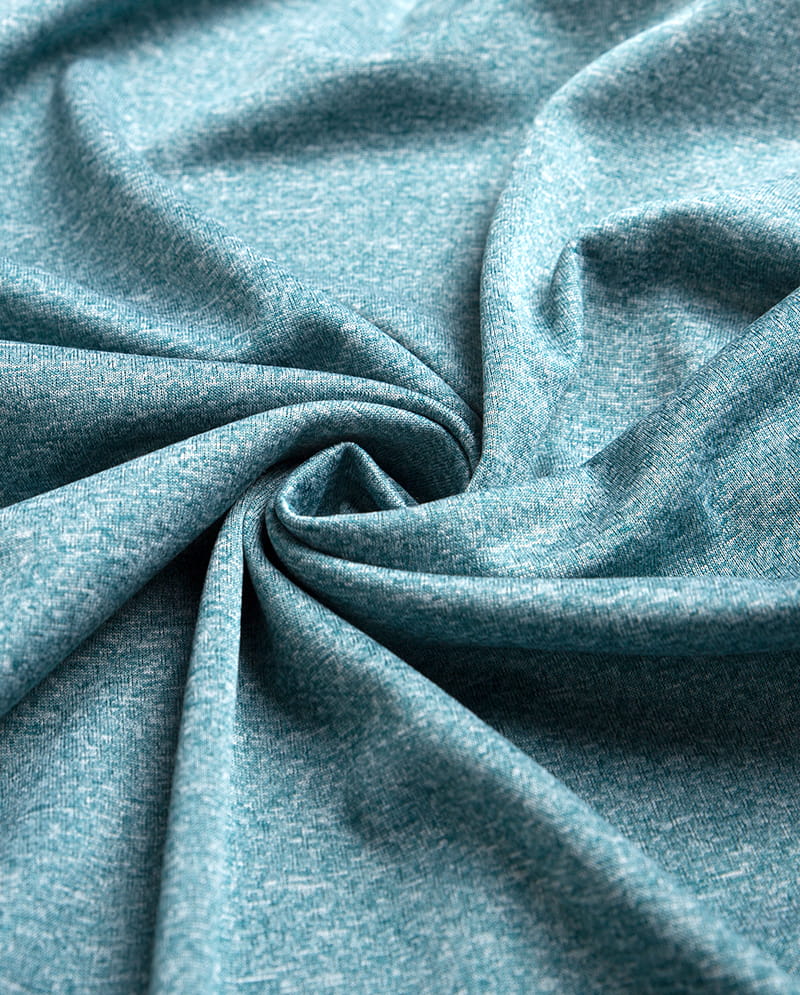
Heather Grey Double-faced cationic jersey fabric
-
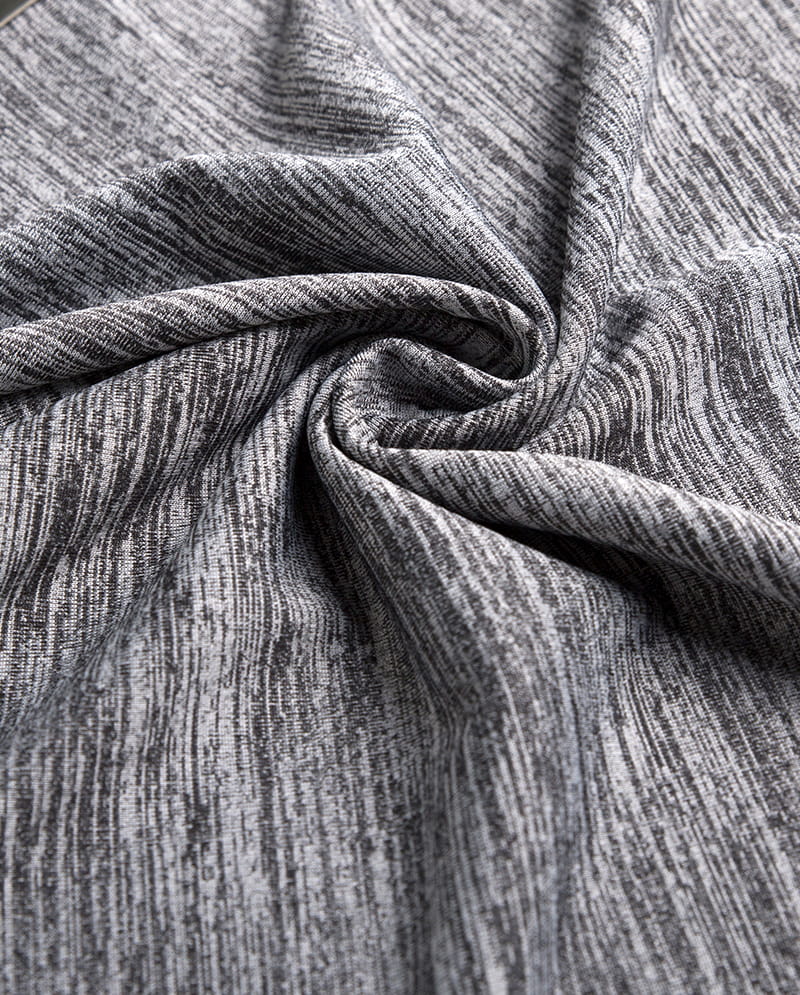
Anti-static Cationic Knitted Rib Fabric
-
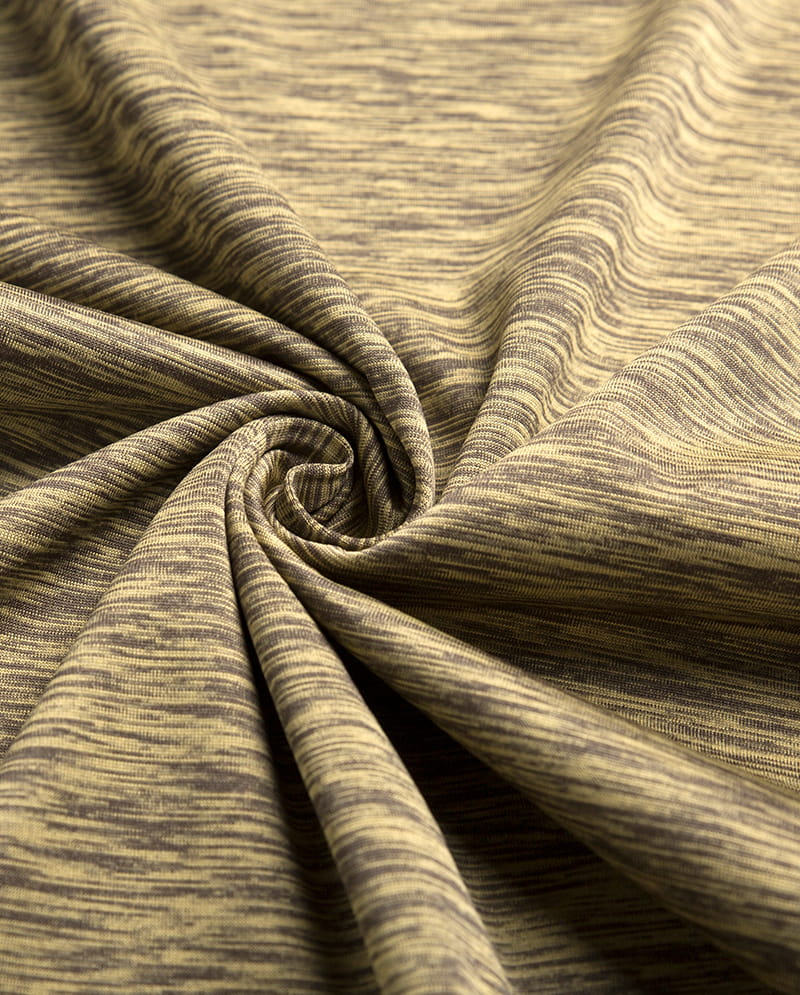
High-Stretch Cationic Jersey Fabric
-
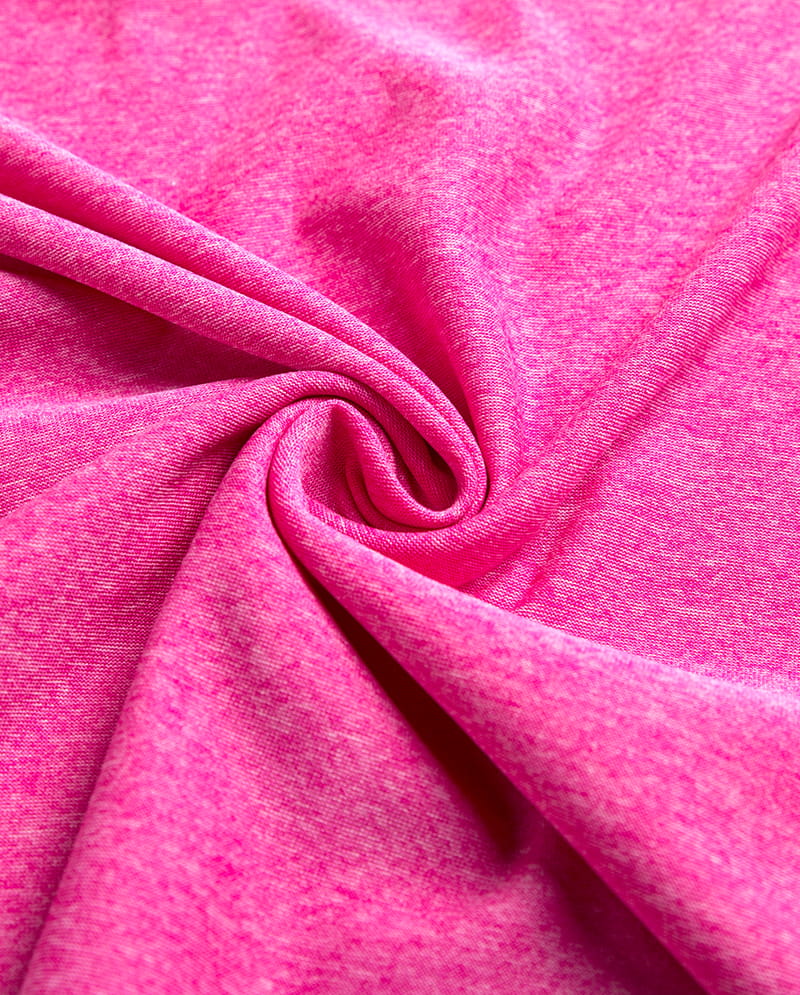
High Quality Cationic DTY Spandex Two Sides Brush Dralon Knit Fabric for Garment Thermal Underwear
-
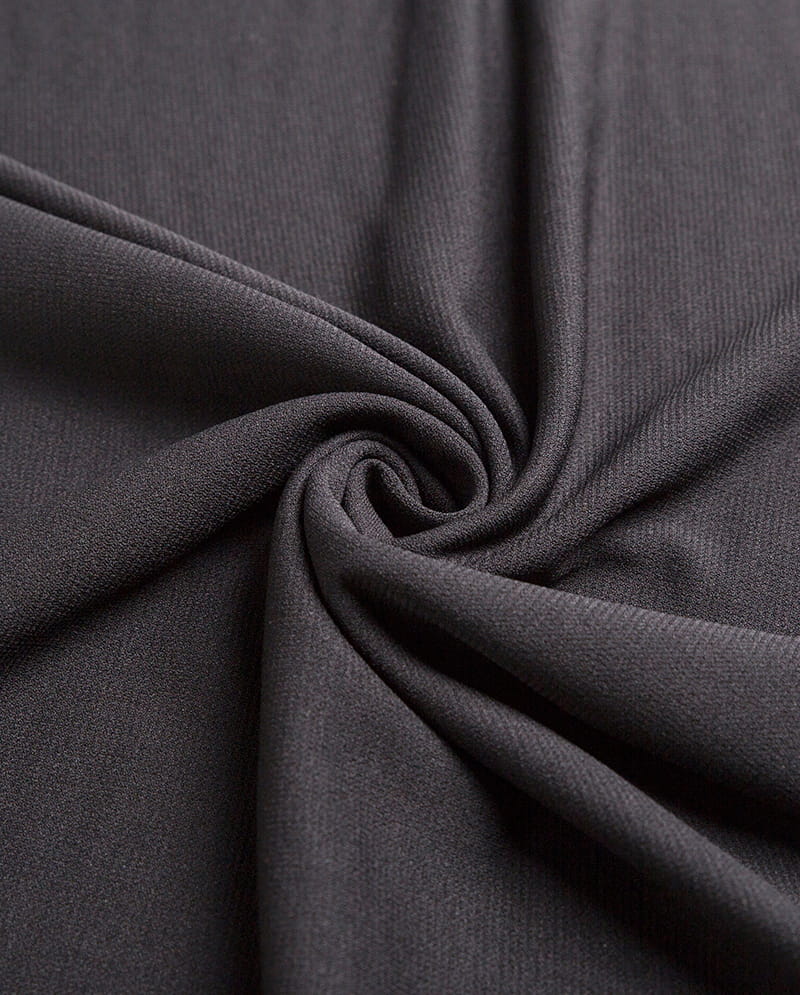
Durable Anti-Pilling Knitted Fabric for Home Textiles
-
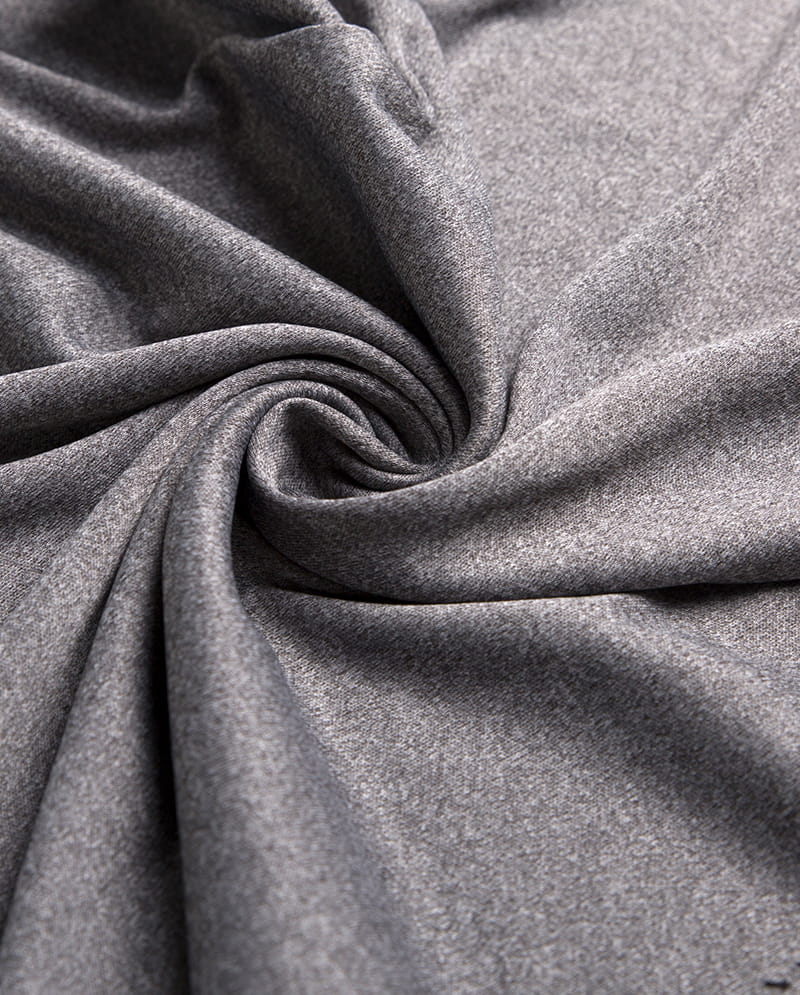
Wash-Resistant Cationic Elastic Knitted Fabric for Garment Industry
-
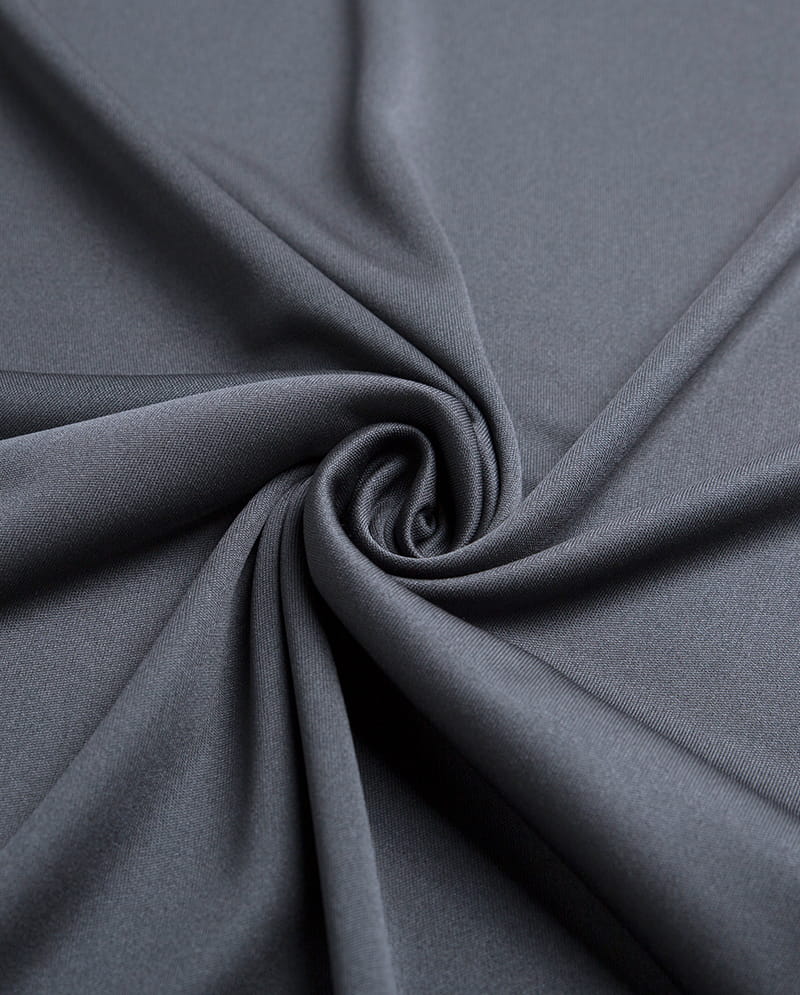
Breathable Double-Faced Elastic Composite Fabric
-
-
-
- whatsapp:
- 0086-13962559622
-
- skype:
- skype.aliceshenghong
-
- Wechat:

COPYRIGHT © 2016 Suzhou Junhui Textile Co., Ltd.
