

 EN
EN English
 中文简体
中文简体Anti-static Cationic Knitted Rib Fabric for Reliable Static Control and Everyday Comfort
Content
- 1 Product Overview: A Functional Rib Fabric Built for Static-Sensitive Use
- 2 Core Performance Advantages
- 3 Why Cationic Technology Matters
- 4 Rib-Knitted Structure: Elasticity, Fit, and Shape Recovery
- 5 Material System and Functional Construction
- 6 Manufacturing Strength: From Yarn Innovation to Finished Fabric
- 7 Advanced Process Control and Quality Assurance
- 8 Performance Comparison
- 9 Advantages Over Competitors
- 10 Applications in Cleanroom Apparel
- 11 Applications in ESD Workwear and Electronics Manufacturing
- 12 Applications in Undergarments, Base Layers, and Daily Wear
- 13 Moisture Management, Breathability, and Skin Comfort
- 14 Durability, Easy Care, and Long-Term Shape Stability
- 15 Sustainability and Differentiated Yarn Possibilities
- 16 Recommended Specification Considerations for Buyers
- 17 Company Strengths Supporting Product Reliability
- 18 How the Fabric Supports Cost-Effective Value
- 19 Care and Handling Recommendations
- 20 Q&A Section
- 20.1 What is Anti-static Cationic Knitted Rib Fabric?
- 20.2 How does the fabric control static electricity?
- 20.3 Is the anti-static effect permanent?
- 20.4 Why is cationic dyeing useful for this fabric?
- 20.5 What makes rib knitting suitable for anti-static garments?
- 20.6 Can this fabric be used in cleanrooms?
- 20.7 Is it suitable for electronics manufacturing workwear?
- 20.8 Can the fabric be used for underwear or daily clothing?
- 20.9 What are the main advantages over ordinary polyester rib fabric?
- 20.10 Can the fabric be customized?
- 20.11 What information should buyers provide before ordering?
- 20.12 Why choose this supplier for anti-static cationic rib fabric?
- 21 Conclusion
- 22 References
- 23 Product: Anti-static Cationic Knitted Rib Fabric
Anti-static Cationic Knitted Rib Fabric is a functional textile developed for environments where comfort, color performance, elasticity, and electrostatic control must work together. Unlike ordinary knitted fabric that focuses mainly on softness or stretch, this product is engineered to reduce static accumulation while maintaining the familiar feel and flexibility expected from rib-knitted materials. It combines polyester filament, cationic dyeing technology, high-performance conductive components, and a specialized anti-static structure to create a fabric suitable for cleanroom apparel, ESD workwear, undergarments, daily clothing, uniforms, and other static-sensitive applications.
The value of this fabric lies in its balanced design. Many anti-static textiles can feel stiff, heavy, or industrial, while many comfortable knitted fabrics lack reliable static-control properties. Anti-static Cationic Knitted Rib Fabric bridges that gap by delivering low-cling comfort, stable elasticity, durable color, breathability, moisture management, and functional protection in one material. Its rib-knitted construction provides natural recovery and a snug fit, while its anti-static performance helps reduce dust attraction, fabric cling, and electrostatic discharge risks in daily use and professional settings.
For buyers seeking a fabric that can serve both technical and apparel markets, this product offers a practical solution. It supports garment manufacturers that need materials for ESD uniforms, electronic workshop garments, cleanroom innerwear, protective base layers, sports-casual clothing, and comfortable workwear. It also supports brands that want functional textiles with a softer hand feel and more vivid color expression than conventional anti-static fabrics. Backed by advanced yarn development, differentiated polyester technology, cationic dyeing expertise, and mature export experience, the fabric offers a competitive combination of performance, customization, and production reliability.
Anti-static Cationic Knitted Rib Fabric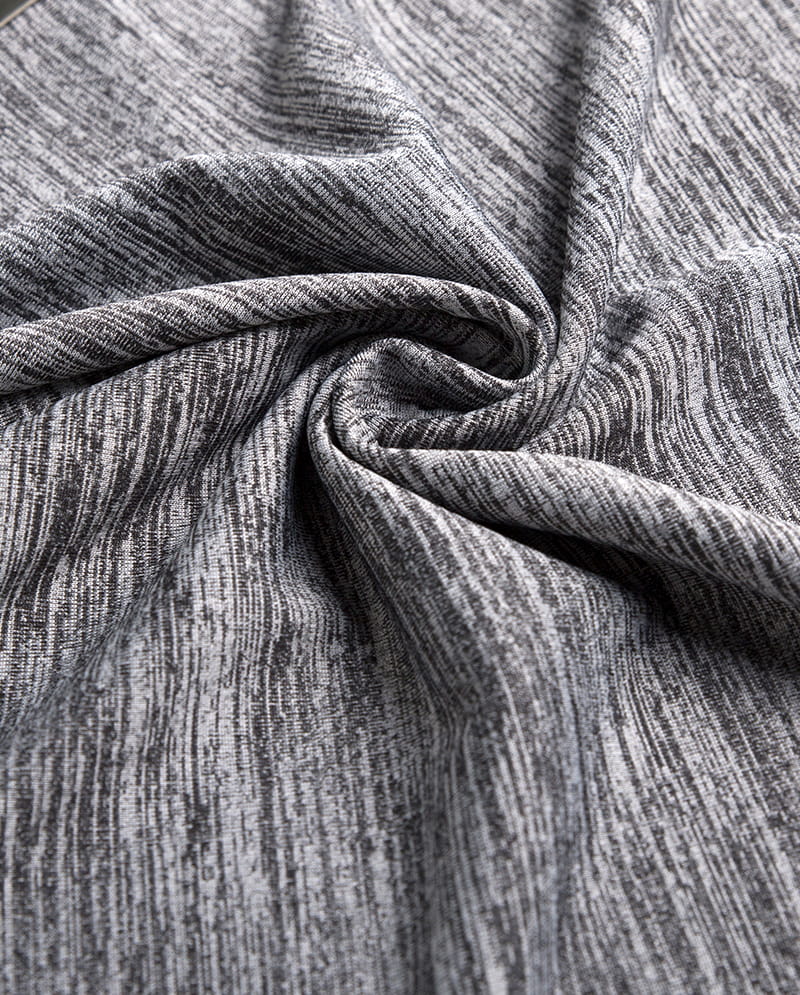
Product Overview: A Functional Rib Fabric Built for Static-Sensitive Use
Anti-static Cationic Knitted Rib Fabric is a knitted fabric made with a functional fiber system designed to dissipate static electricity. It typically uses polyester filament as the main structural component, selected for strength, durability, wrinkle resistance, dimensional stability, and easy care. Conductive fibers or conductive components are incorporated to create an electrostatic dissipation pathway, helping reduce the accumulation of static charges on the fabric surface. In addition, a functional anti-static layer or finishing structure is applied to enhance the speed and consistency of charge dissipation.
The cationic element gives the fabric another important advantage: rich and stable color performance. Cationic dyeable fibers allow the textile to receive vivid shades with strong colorfastness, making the fabric suitable not only for technical garments but also for visually attractive apparel. This is especially important for uniforms and commercial clothing, where appearance must remain professional after repeated washing and use. Compared with ordinary polyester fabric, cationic fabric can deliver more distinctive color effects, including heathered, two-tone, or high-depth shades depending on yarn composition and dyeing process.
The rib-knitted structure is central to the product’s comfort. Rib fabric has alternating raised and recessed vertical ribs, giving it greater extensibility and recovery than many plain knitted fabrics. This makes it ideal for cuffs, collars, waistbands, base layers, fitted garments, and body-hugging apparel. The structure allows the fabric to stretch comfortably with body movement while helping garments retain shape. In anti-static apparel, this is especially valuable because the clothing must remain close-fitting and functional without restricting the wearer.
In daily wear, static problems often appear as fabric cling, crackling sounds, dust adsorption, or discomfort in dry conditions. In industrial settings, electrostatic charge can create greater risks, especially around sensitive electronic parts, precision manufacturing equipment, cleanroom operations, and dust-controlled environments. This fabric is designed to address both ordinary comfort problems and professional static-control needs. Its low-linting nature and smooth filament foundation make it suitable for applications where cleanliness and controlled fiber shedding are important.
Core Performance Advantages
The first major advantage of this fabric is static-control functionality. By integrating conductive fibers and anti-static technology into the fabric structure, the textile helps dissipate charge more efficiently than conventional knitted polyester. This reduces surface static, helps prevent unwanted fabric cling, and supports use in environments where electrostatic discharge may affect production safety or product quality. Compared with fabrics that rely only on temporary softeners or simple topical anti-static treatments, a design that includes conductive components can provide more dependable performance during repeated use.
The second advantage is wearing comfort. The fabric is soft to the touch, breathable, and suitable for close contact with skin. Many technical fabrics sacrifice comfort for performance, but knitted rib construction improves flexibility, skin feel, and fit. The rib structure expands and recovers naturally, allowing garments to move with the body. This is important for workers who wear uniforms for long shifts, as well as consumers who expect all-day comfort from underwear, base layers, or casual garments.
The third advantage is color performance. Cationic dyeing technology supports vivid and colorfast shades. In uniform programs, color consistency matters because garments may be reordered over time and must maintain a professional appearance. In apparel collections, color depth and wash resistance are essential to product value. The cationic component helps the fabric resist fading and maintain brightness through repeated laundering when dyeing and finishing are properly specified.
The fourth advantage is durability. Polyester filament contributes strength, abrasion resistance, wrinkle resistance, and shape retention. For industrial apparel, repeated washing, movement, and friction can quickly expose weaknesses in low-quality fabrics. This fabric is designed to hold its rib structure, functional performance, and visual appearance over time. The combination of filament durability and elastic rib construction helps reduce deformation and improves garment life.
The fifth advantage is broad usability. The fabric can be used in cleanroom clothing, ESD workwear, undergarments, protective inner layers, cuffs, collars, conductive trims, and everyday apparel. It is lightweight enough for comfort but functional enough for static-prone environments. Buyers can also request variations in weight, width, color, hand feel, yarn specification, and performance level depending on final garment requirements.
Why Cationic Technology Matters
Cationic dyeable polyester is widely valued because it expands the design possibilities of polyester textiles. Standard polyester usually requires disperse dyeing at high temperature and pressure. Cationic dyeable polyester, depending on polymer modification and fiber structure, can accept cationic dyes and produce brilliant shades with distinctive dyeing effects. In blended or mixed-yarn structures, this enables two-tone effects, melange appearances, and visual depth that ordinary polyester may not achieve as easily.
For Anti-static Cationic Knitted Rib Fabric, cationic technology contributes both appearance and product positioning. Workwear no longer needs to look purely industrial. Many companies want uniforms that are safe, comfortable, and visually consistent with brand identity. Cationic color performance allows garment makers to create richer colors, clearer shade differentiation, and more stable visual results. This gives the fabric a competitive edge in markets where function and aesthetics must be combined.
Cationic dyeing can also support more efficient dyeing strategies in certain textile systems. When properly managed, it may help obtain strong shade depth and colorfastness while enabling differentiated dye uptake between yarn components. For rib-knitted fabric, where texture and surface appearance are visible, the ability to enhance color contrast or maintain clean solid shades is a meaningful advantage. It allows the fabric to serve both fashion-oriented and technical markets.
In addition, cationic yarn technology reflects deeper material control. It requires knowledge of polymer modification, spinning quality, dyeing compatibility, and finishing stability. A supplier capable of producing and applying cationic yarns can offer more consistent fabric quality than a supplier that only purchases standard yarn and applies simple finishing. This is one of the reasons integrated yarn and fabric expertise is important for this product category.
Rib-Knitted Structure: Elasticity, Fit, and Shape Recovery
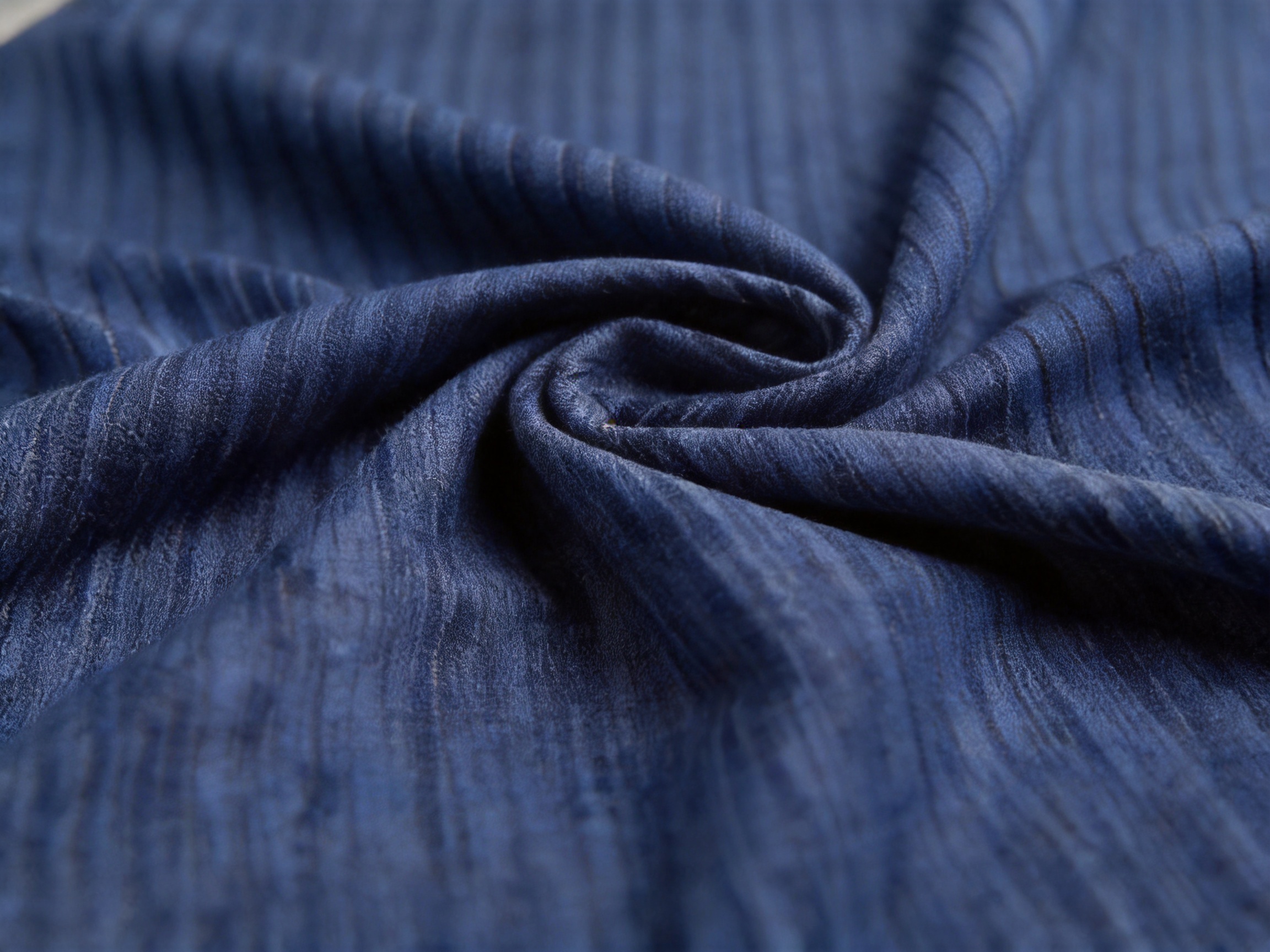
The rib-knitted structure is one of the most practical reasons this fabric is suitable for apparel. Rib fabric is known for its vertical lines and excellent crosswise stretch. It has a spring-like structure that can expand and recover, making it comfortable for fitted garments and garment parts requiring elasticity. In anti-static clothing, this helps maintain close body contact without tightness, improving both comfort and garment stability.
For cuffs, collars, waistbands, and garment openings, rib fabric provides a secure fit that helps reduce gaps and movement. In cleanroom or controlled environments, this can help limit particle movement and improve garment coverage. In workwear, it improves the wearer’s freedom of movement and reduces the loose, bulky feeling that some protective garments create. In undergarments and base layers, it offers a soft, flexible fit suitable for long wearing periods.
The rib texture also improves visual and tactile quality. A flat technical fabric may appear plain or feel less comfortable, while rib construction gives surface depth, flexibility, and a more apparel-friendly appearance. This helps the product move beyond basic industrial use and into broader clothing categories, including casualwear, sportswear, and functional lifestyle apparel.
Because rib fabrics can be prone to deformation if produced with unstable yarn or poor knitting control, manufacturing expertise is critical. Proper yarn selection, stitch density, tension control, finishing temperature, and dimensional stabilization all influence the final fabric. A reliable producer must control each stage so the fabric does not twist, shrink excessively, lose recovery, or show uneven ribs. This product benefits from a manufacturing background that includes polyester DTY, FDY, POY, differentiated yarns, and knitted fabric development.
Material System and Functional Construction
The fabric is built around a core blend of polyester filament and conductive fibers. Polyester filament provides the base strength and smoothness. Conductive fibers create pathways for charge dissipation. The specialized anti-static layer further enhances static control and helps stabilize performance. This layered and blended approach is more dependable than relying on a single treatment, because it combines structural and surface-level anti-static mechanisms.
Polyester is selected because it is durable, relatively lightweight, easy to care for, and resistant to wrinkles. It is also compatible with various functional yarn systems, including cationic dyeable yarn, recycled yarn, flame-retardant yarn, microfine yarn, and moisture-wicking yarn. This compatibility allows different performance features to be combined according to market needs. For example, an anti-static rib fabric can be designed with enhanced moisture management for comfort, or with recycled polyester content for sustainability-oriented programs.
Conductive components are essential in static-control fabrics. Their role is to reduce electrical resistance and help dissipate charges before they accumulate to problematic levels. The distribution, fineness, spacing, and stability of conductive fibers influence final performance. If conductive fibers are unevenly distributed, static-control performance may be inconsistent. If they are too stiff or too visible, the fabric may lose comfort or appearance quality. Therefore, the challenge is to integrate conductive fibers effectively while keeping the rib fabric soft, wearable, and visually acceptable.
The anti-static finishing layer helps improve surface performance by reducing frictional charging and assisting charge movement. A well-designed finish should not make the fabric harsh, sticky, or uncomfortable. It should also be compatible with dyeing, washing, heat setting, and garment production. In high-quality anti-static fabric, the finish supports the conductive yarn system instead of acting as the only source of static control. This gives the product better durability than fabrics that lose performance quickly after laundering.
Manufacturing Strength: From Yarn Innovation to Finished Fabric
The production strength behind this fabric begins with yarn capability. Suzhou Junhui Textile Co., Ltd. and Suzhou Xiaoran New Materials Co., Ltd. have experience in differentiated yarn development, including recycled yarn, polyester drop-dyed yarn, microfine yarn, flame-retardant yarn, cationic dyeing yarn, and knitting fabric products. This background is important because Anti-static Cationic Knitted Rib Fabric depends on more than ordinary knitting. Its performance is shaped by yarn selection, fiber structure, dyeing compatibility, conductive integration, and finishing control.
The companies’ product range includes DTY yarn, FDY yarn, POY yarn, polyester chips, textile fabric, and colored yarns. This broad textile foundation supports flexible development. DTY, or draw textured yarn, is valued for softness, bulk, and stretch. FDY, or fully drawn yarn, offers strength, smoothness, and dimensional stability. POY, or partially oriented yarn, is often used as an intermediate yarn for further texturing. Polyester chips are upstream raw materials in polyester production. Understanding these material categories allows the manufacturer to tune fabric performance from the fiber stage rather than relying only on post-treatment.
In manufacturing this fabric, the process can include raw material selection, yarn preparation, conductive fiber integration, knitting, dyeing, anti-static finishing, heat setting, inspection, and testing. Each stage must be controlled carefully. Raw materials must be consistent in denier, filament count, strength, elongation, and dyeability. Knitting tension must be balanced to produce regular ribs. Dyeing must achieve shade uniformity without damaging conductive components. Finishing must improve hand feel and anti-static performance without reducing breathability or elasticity. Final inspection must confirm appearance, width, weight, shade, texture, and performance indicators.
Advanced manufacturing also means customization. Customers may need different denier and filament combinations, such as fine yarns for lightweight garments or heavier yarns for more substantial workwear. They may require semi-dull, full-dull, cationic, recycled, or functional yarn combinations. They may also request specific colors, elasticity levels, fabric weights, or anti-static performance targets. A supplier with broad yarn and fabric expertise can respond more efficiently than a factory with limited material options.
The companies have built experience in serving export markets, with products reaching customers in many countries. This export orientation encourages stricter attention to quality consistency, documentation, communication, lead time control, and customer support. For international buyers, the ability to provide guidance in product selection and problem solving is as important as production capacity. A functional fabric must be matched to final application, washing conditions, garment pattern, certification requirements, and target market expectations.
Advanced Process Control and Quality Assurance
Quality control for Anti-static Cationic Knitted Rib Fabric must cover both visible and invisible performance. Visible quality includes even rib formation, clean surface, consistent color, stable width, good hand feel, absence of stains, and minimal defects. Invisible performance includes anti-static behavior, fabric resistance, durability after washing, dimensional stability, moisture management, low-linting behavior, and comfort characteristics.
Yarn inspection is the first quality barrier. The manufacturer must check yarn evenness, filament integrity, package quality, oil content, color or dyeability characteristics, and compatibility with knitting machines. Conductive yarns or fibers require additional care because improper tension or friction can damage them or cause uneven distribution. If the conductive component is not stable, the final fabric may show inconsistent anti-static performance.
Knitting control is the second quality barrier. Rib fabric requires stable loop formation and balanced tension. Machine gauge, yarn feed, stitch length, take-down tension, and environmental humidity can all influence results. Poor control can create barre marks, uneven ribs, skewing, excessive shrinkage, or weak recovery. A mature knitting process helps create a fabric that is comfortable, regular, and suitable for garment production.
Dyeing and finishing control is the third quality barrier. Cationic dyeing requires careful management of dye selection, temperature, pH, time, and washing-off. The goal is to achieve bright, colorfast shades without damaging fiber performance. Anti-static finishing must be compatible with the dyed fabric and should not cause shade change, harshness, or excessive weight gain. Heat setting must stabilize dimensions while preserving elasticity and hand feel.
Final testing is the fourth quality barrier. Depending on customer requirements, the fabric may be evaluated for surface resistance, charge decay, static voltage, washing durability, colorfastness to washing, colorfastness to rubbing, dimensional change, pilling resistance, bursting strength, air permeability, moisture management, and linting tendency. For ESD or cleanroom applications, buyers may request testing aligned with relevant industry standards. The fabric can be produced to support specific compliance goals when the required test method and performance level are confirmed before production.
Performance Comparison
The table below summarizes how Anti-static Cationic Knitted Rib Fabric compares with several common alternatives. Actual performance depends on specification, yarn type, finishing method, and test conditions, but the comparison shows the product’s general advantages.
| Feature | Anti-static Cationic Knitted Rib Fabric | Ordinary Polyester Rib Fabric | Topical Anti-static Finished Fabric | Conventional Stiff ESD Fabric |
|---|---|---|---|---|
| Static control | Conductive fiber system plus anti-static layer for more reliable dissipation | Limited static control; may cling or attract dust | Initial anti-static effect may decline after repeated washing | Usually strong, but may prioritize function over comfort |
| Comfort | Soft, breathable, flexible, and suitable for close wear | Comfortable but lacks functional protection | Comfort varies depending on finish quality | May feel stiff, heavy, or less skin-friendly |
| Color performance | Cationic dyeing supports vivid and colorfast shades | Standard polyester color options, sometimes less distinctive | Finish may affect shade or hand feel | Often limited in color and appearance flexibility |
| Elasticity and fit | Rib structure provides stretch and recovery | Good rib elasticity but less functional value | Depends on base fabric | Often less elastic unless specially engineered |
| Application range | Cleanroom apparel, ESD workwear, undergarments, base layers, uniforms, daily wear | General apparel only | Light-duty anti-static apparel | Technical uniforms and industrial garments |
| Long-term value | Balanced durability, comfort, appearance, and function | Lower functional value | May require replacement if anti-static effect fades | Durable but less versatile for comfort apparel |
Advantages Over Competitors
Compared with ordinary knitted fabric suppliers, this product stands out because it is not merely a soft rib material. It is a functional fabric engineered for static control, color quality, and garment comfort. Many suppliers can knit rib fabric, but fewer can integrate conductive fibers, cationic dyeing technology, anti-static finishing, and consistent quality management into one product. This multi-functional integration is a major competitive advantage.
Compared with suppliers that depend only on topical anti-static treatments, this fabric offers a stronger functional foundation. Topical finishes can reduce static temporarily, but performance may decline after washing, abrasion, or long-term use. By incorporating conductive components into the fabric system, the anti-static mechanism becomes more structural. The specialized finishing layer then supports and enhances the base function. This dual approach helps improve performance stability.
Compared with traditional ESD fabrics that feel rigid or industrial, this rib fabric provides better wearing comfort. It is flexible, soft, breathable, and suitable for close wear. This makes it more attractive for workers who wear garments for long hours and for brands that want anti-static apparel without sacrificing fashion or comfort. The product can be used not only as an outer uniform material but also as innerwear, trim, cuffs, collars, and flexible garment zones.
Compared with basic polyester fabrics, the cationic dyeing performance offers superior color possibilities. Buyers can create brighter shades, more stable color effects, and differentiated appearances. The fabric can support both technical uniform colors and consumer-friendly clothing palettes. For brands that need consistent identity across workwear or retail garments, colorfast cationic performance is a practical benefit.
Compared with narrow-specialty suppliers, the manufacturer’s broad yarn platform adds customization strength. The product can be developed with DTY, FDY, cationic yarn, recycled yarn, high-elastic yarn, moisture-wicking yarn, flame-retardant yarn, anti-bacterial yarn, hollow warm yarn, or other differentiated yarn options according to project needs. This is valuable for buyers seeking one partner to develop multiple fabric versions rather than managing many small suppliers.

Applications in Cleanroom Apparel
Cleanroom garments require careful control of particles, lint, static, and comfort. While outer cleanroom garments often use woven fabrics, knitted components are important for areas requiring elasticity and fit, such as cuffs, collars, waistbands, masks, hoods, and inner layers. Anti-static Cationic Knitted Rib Fabric is well suited to these roles because it combines flexibility with static-control functionality.
Static electricity can attract particles and interfere with cleanliness management. In a cleanroom or controlled environment, reducing static buildup helps reduce dust attraction and supports cleaner working conditions. The low-linting polyester filament base is also useful because excessive fiber shedding can compromise cleanroom performance. When specified properly, the fabric can support garment systems designed for electronics, precision assembly, laboratories, and other controlled environments.
Comfort is another important factor in cleanroom apparel. Workers may wear protective garments for long periods, sometimes in controlled temperature or humidity conditions. A breathable, soft, stretchable rib fabric can reduce discomfort around the neck, wrists, waist, or body. Better comfort can improve compliance, because workers are more likely to wear garments correctly when the fabric does not irritate or restrict movement.
Applications in ESD Workwear and Electronics Manufacturing
Electronics manufacturing is one of the most important application areas for anti-static textiles. Electrostatic discharge can damage sensitive components, reduce product reliability, or create hidden defects that are difficult to detect immediately. Garments used in ESD-protected areas must help control static generation and dissipation as part of a broader ESD control system that may include flooring, footwear, wrist straps, grounding, packaging, humidity control, and workplace procedures.
Anti-static Cationic Knitted Rib Fabric can be used in ESD garments where flexibility and comfort are required. It is particularly useful for cuffs, collars, waistbands, innerwear, fitted shirts, and flexible garment panels. Its rib structure supports close fit, helping reduce loose fabric movement that can generate friction. Its conductive fiber system helps dissipate charges. Its breathable hand feel supports wearer comfort during long shifts.
For electronics factories, the fabric’s durability is also important. Workwear is washed repeatedly and used daily. A low-quality anti-static fabric may lose performance, shrink, fade, pill, or deform. This product is designed for repeated use, with polyester strength, cationic colorfastness, and stable rib recovery. For buyers, longer garment life can reduce replacement frequency and total cost.
Applications in Undergarments, Base Layers, and Daily Wear
Static control is not only an industrial issue. In dry climates or air-conditioned environments, ordinary clothing can cling to the body, attract dust, or create discomfort. Anti-static Cationic Knitted Rib Fabric offers a comfortable solution for undergarments, base layers, leggings, fitted tops, and casual apparel. Its soft touch and breathability make it suitable for close-to-skin use, while anti-static performance improves daily wearing comfort.
The rib structure is especially suitable for base layers because it stretches with the body and helps maintain fit. The fabric can be designed for lightweight comfort or more substantial warmth depending on yarn choice and fabric weight. Moisture-wicking properties help move perspiration away from the skin, supporting dry comfort in active or long-wear conditions.
For apparel brands, the fabric provides a way to add functional value without making garments look overly technical. Cationic dyeing allows attractive colors, while rib texture provides a familiar fashion surface. This makes the fabric suitable for functional lifestyle clothing, travel apparel, winter inner layers, sports-casual garments, and everyday basics with upgraded performance.
Moisture Management, Breathability, and Skin Comfort
Comfort depends on more than softness. A fabric worn close to skin must manage heat, moisture, friction, and movement. Anti-static Cationic Knitted Rib Fabric is designed with breathability and moisture-wicking properties, helping maintain a more comfortable microclimate around the body. Moisture-wicking helps move sweat from the skin surface toward the outer fabric surface where it can evaporate more easily.
Polyester filament can be engineered with different cross sections, filament counts, and texturing levels to improve moisture transport and touch. DTY yarn can add bulk and softness, while finer filament yarns can create a smoother, more delicate hand. The rib structure creates surface channels that may support air movement and moisture distribution. When combined with proper finishing, the fabric can provide comfort during long wearing periods.
Skin comfort also requires low irritation. Harsh conductive fibers or rough finishes can make some anti-static fabrics uncomfortable. This product is designed to maintain a soft touch and avoid skin irritation. For undergarments and close-fitting workwear, this is a major advantage. Workers and consumers are more likely to accept functional garments when they feel like quality apparel rather than protective equipment.
Durability, Easy Care, and Long-Term Shape Stability
Durability is essential for both industrial and everyday use. Polyester filament gives the fabric good resistance to wrinkles, abrasion, and deformation. Rib knitting gives elasticity, but elasticity must be stabilized through proper yarn selection and finishing. The fabric is designed to maintain shape and performance through frequent use and easy care.
In laundering, fabrics face mechanical agitation, detergent chemistry, temperature changes, and drying stress. Poor-quality anti-static fabrics may lose finishing agents, fade, shrink, or lose recovery. This fabric’s cationic color performance and structural anti-static design help maintain value over repeated washing. Buyers should still specify washing conditions and performance requirements clearly, especially for industrial laundering programs.
Easy care is important for large uniform programs. Garments must be simple to wash, quick to dry, wrinkle-resistant, and stable in size. Polyester-rich rib fabric supports these requirements. For consumer garments, easy care improves user satisfaction because the garment can be worn often without special maintenance.
Sustainability and Differentiated Yarn Possibilities
Modern textile buyers increasingly consider sustainability alongside performance. The companies behind this product have experience with recycled yarn series, including recycled DTY and FDY options. This creates opportunities to develop anti-static cationic rib fabrics with recycled polyester content when required by customer programs. Recycled polyester can help reduce dependence on virgin raw materials and support environmental marketing claims when certified supply chains are used.
Differentiated yarn capability also allows performance combinations. For example, a customer may request anti-static plus moisture-wicking performance for active workwear, anti-static plus anti-bacterial properties for hygiene-focused garments, anti-static plus flame-retardant yarn for specific protective applications, or anti-static plus high-elastic yarn for close-fitting garments. The ability to integrate multiple yarn technologies helps the fabric evolve with market demands.
Customization should be guided by final application. A cleanroom garment may prioritize low lint, surface resistance, and wash durability. An undergarment may prioritize softness, stretch, and moisture comfort. An ESD uniform may prioritize static control, color consistency, and industrial laundering resistance. A fashion garment may prioritize color, rib texture, and hand feel. Advanced yarn and fabric development makes it possible to balance these priorities.
Recommended Specification Considerations for Buyers
When sourcing Anti-static Cationic Knitted Rib Fabric, buyers should define the final use clearly. The intended application influences fabric weight, yarn type, conductive fiber content, color, width, shrinkage tolerance, washing method, and anti-static performance target. For example, cleanroom apparel may require stricter linting and resistance testing than daily clothing. ESD workwear may require compatibility with a facility’s electrostatic control program. Underwear may require special attention to hand feel and skin comfort.
Buyers should also confirm the test standards they need. Anti-static performance can be measured in different ways, including surface resistance, charge decay, static voltage, and other electrostatic properties. Results can vary depending on humidity, washing history, and test method. Clear agreement on test standards before production helps avoid misunderstanding and ensures the fabric is developed to the correct target.
Color requirements should be communicated with reference standards or approved lab dips. Cationic dyeing can produce vivid colors, but shade matching must account for yarn composition, fabric structure, finishing, and lighting conditions. For uniform programs, batch-to-batch shade consistency is especially important. A reliable manufacturer can help manage lab dips, sample approvals, bulk shade control, and production records.
Garment makers should consider pattern and sewing requirements. Rib fabrics stretch, so cutting and sewing must control tension to prevent distortion. Conductive components should not be damaged during sewing, and garment design should maintain the intended static-control pathway. For ESD garments, trims, threads, labels, and accessories may also need to be compatible with static-control requirements.
Company Strengths Supporting Product Reliability
Suzhou Junhui Textile Co., Ltd. and Suzhou Xiaoran New Materials Co., Ltd. have developed around differentiated yarns and functional textile products since their establishment in 2015. Their business focuses on research, development, and sales of recycled yarn, polyester drop-dyed yarn, microfine yarn, flame-retardant yarn, cationic dyeing yarn, knitting fabric, and related textile materials. This specialized focus supports the development of fabric products that require more technical knowledge than standard commodity textiles.
The companies maintain professional research and development capability and cooperate with customers and industry partners in environmental protection and functional textile applications. This R&D orientation is important because anti-static cationic rib fabric must meet changing market demands. Buyers may need improved wash durability, softer hand feel, recycled content, lower linting, special colors, or combined functions. A strong R&D team can adjust yarn selection, knitting structure, finishing formulas, and test methods to meet these needs.
The export record is another strength. With a large share of products sold to international markets and cooperative relationships with customers in many countries, the companies understand diverse buyer expectations. International buyers often need quick response, clear communication, stable quality, flexible sampling, and reliable problem-solving. The company’s service commitment and global support orientation help reduce sourcing risk for customers.
In addition, the company’s product list shows extensive denier and filament options across recycled, normal, cationic, high-elastic, and functional yarn series. This broad product platform gives buyers many choices for fabric development. A customer can start with an anti-static cationic rib fabric and later develop related fabrics using moisture-wicking yarn, anti-bacterial yarn, hollow warm yarn, PBT/PET elastic yarn, or other differentiated combinations. This makes the supplier more than a single-product vendor; it becomes a development partner.
How the Fabric Supports Cost-Effective Value
Cost-effectiveness should not be measured only by price per meter. For functional fabrics, the true cost includes garment life, performance durability, comfort acceptance, defect rate, color consistency, and supplier reliability. A cheaper fabric that loses anti-static performance after washing, shrinks beyond tolerance, fades quickly, or feels uncomfortable can become more expensive over time.
Anti-static Cationic Knitted Rib Fabric offers value by combining multiple benefits in one material. It reduces the need to choose separately between comfort, color, elasticity, and static control. Its durability supports longer garment use. Its cationic color performance improves appearance retention. Its rib structure improves fit. Its anti-static system supports functional requirements. For uniform buyers, this can reduce complaints and replacement frequency. For apparel brands, it can increase product differentiation and consumer satisfaction.
Production reliability also affects cost. Inconsistent fabric leads to cutting waste, sewing problems, shade sorting, claims, and delivery delays. A manufacturer with strong process control and yarn expertise can reduce these hidden costs. For international buyers, stable communication and responsive technical support also save time and reduce sourcing uncertainty.

Care and Handling Recommendations
Care instructions should always be confirmed according to the final fabric specification and garment construction. In general, polyester-rich rib fabrics are easy to care for, but anti-static performance must be protected by avoiding harsh processes that may damage functional components. Mild washing conditions, suitable detergent, controlled drying temperature, and avoidance of aggressive bleaching are usually recommended unless the fabric has been specifically tested for stronger conditions.
Industrial laundering programs should be validated before large-scale use. Testing after repeated washing can confirm dimensional stability, colorfastness, hand feel, and anti-static performance. If the garments will be used in ESD or cleanroom applications, post-wash performance should be checked under the required test conditions. This ensures the fabric remains suitable throughout its service life.
During garment manufacturing, cutting and sewing tension should be controlled because rib fabric is stretchable. Needles, thread, stitch type, and seam construction should be selected to preserve elasticity and avoid damaging conductive fibers. Garment makers should also avoid unnecessary high heat that may affect fabric hand feel or dimensional stability.
Q&A Section
What is Anti-static Cationic Knitted Rib Fabric?
It is a functional knitted rib fabric made with polyester filament, cationic dyeable components, conductive fibers, and anti-static technology. It is designed to reduce static buildup while providing softness, elasticity, breathability, moisture comfort, durable color, and shape stability.
How does the fabric control static electricity?
The fabric uses conductive fibers or conductive components to create pathways for charge dissipation. A specialized anti-static structure or finishing layer supports this function by helping reduce frictional charging and improving surface dissipation. This combination makes the fabric more reliable than ordinary polyester rib fabric.
Is the anti-static effect permanent?
The anti-static performance is designed to be durable because it is supported by conductive components in the fabric system, not only by a simple temporary surface treatment. However, exact durability depends on the specification, washing conditions, finishing method, and required test standard. Buyers should request wash-durability testing for their intended application.
Why is cationic dyeing useful for this fabric?
Cationic dyeing helps create vivid, colorfast shades and can support differentiated visual effects. It gives the fabric better appearance flexibility than many conventional anti-static fabrics, making it suitable for uniforms, daily apparel, and functional fashion products.
What makes rib knitting suitable for anti-static garments?
Rib knitting provides natural stretch and recovery. It helps garments fit closely and comfortably without restricting movement. This is useful for cuffs, collars, waistbands, base layers, undergarments, and fitted workwear where flexibility and comfort are important.
Can this fabric be used in cleanrooms?
Yes, it can be used for cleanroom-related garments or components when specified properly. Its anti-static performance, low-linting polyester base, and flexible rib structure make it useful for cuffs, collars, inner layers, and other garment parts. Required cleanroom standards should be confirmed before production.
Is it suitable for electronics manufacturing workwear?
Yes. The fabric is suitable for ESD workwear applications such as cuffs, collars, waistbands, fitted shirts, and innerwear. It should be evaluated as part of the buyer’s complete ESD control system, including footwear, flooring, grounding, humidity, and garment design.
Can the fabric be used for underwear or daily clothing?
Yes. The soft touch, breathability, moisture-wicking comfort, and stretch recovery make it suitable for close-to-skin garments, undergarments, base layers, casualwear, and functional daily apparel.
What are the main advantages over ordinary polyester rib fabric?
Ordinary polyester rib fabric may be comfortable and elastic, but it usually lacks static-control function and cationic color advantages. Anti-static Cationic Knitted Rib Fabric adds electrostatic dissipation, better dust-control support, vivid color options, and functional value while retaining rib-knit comfort.
Can the fabric be customized?
Yes. Customization can include yarn type, denier, filament count, fabric weight, width, color, hand feel, anti-static performance target, moisture-wicking properties, recycled content, and other functional combinations depending on the application.
What information should buyers provide before ordering?
Buyers should provide the intended application, required test standards, target fabric weight and width, color requirements, washing conditions, garment type, performance expectations, and any special requirements such as recycled content, low linting, flame retardancy, or antibacterial properties.
Why choose this supplier for anti-static cationic rib fabric?
The supplier has broad experience in differentiated yarns, cationic dyeing yarn, recycled yarn, functional yarn, DTY, FDY, POY, and knitted fabrics. Its R&D capability, export experience, customization flexibility, and process control support stable product development and reliable bulk production.
Conclusion
Anti-static Cationic Knitted Rib Fabric is a high-value functional textile that combines static control, cationic color performance, rib-knit elasticity, softness, breathability, moisture comfort, durability, and easy care. It is designed for buyers who need more than ordinary knitted fabric and more comfort than traditional stiff ESD materials. Its conductive fiber system and anti-static layer help dissipate static buildup, while its cationic dyeing technology supports vivid, colorfast hues. Its rib structure provides flexibility and fit, making it suitable for both industrial and everyday apparel applications.
The fabric’s strongest competitive advantage is balance. It does not focus on one function at the expense of all others. Instead, it brings together practical electrostatic protection, comfortable wearability, attractive appearance, and reliable durability. This makes it suitable for cleanroom apparel, ESD workwear, undergarments, base layers, cuffs, collars, uniforms, and functional lifestyle clothing.
The manufacturing strength behind the product further increases its value. With expertise in textile fabric, DTY yarn, FDY yarn, POY yarn, polyester chips, colored yarns, cationic yarn, recycled yarn, flame-retardant yarn, microfine yarn, and other differentiated materials, the company can support customized product development from yarn selection to finished fabric. Its R&D capability, international customer experience, and process-oriented quality management help buyers reduce sourcing risk and develop fabrics aligned with market needs.
For brands, garment factories, uniform suppliers, and industrial textile buyers seeking a dependable functional rib fabric, Anti-static Cationic Knitted Rib Fabric offers a modern solution. It improves comfort in static-prone environments, supports professional appearance, helps protect sensitive workplaces, and creates opportunities for customized performance development. As demand grows for textiles that combine safety, comfort, sustainability, and design flexibility, this fabric provides a strong foundation for next-generation anti-static apparel.
References
1. Horrocks, A. R., and Anand, S. C. Handbook of Technical Textiles. Woodhead Publishing.
2. Morton, W. E., and Hearle, J. W. S. Physical Properties of Textile Fibres. Woodhead Publishing.
3. Saville, B. P. Physical Testing of Textiles. Woodhead Publishing.
4. Gupta, V. B., and Kothari, V. K. Manufactured Fibre Technology. Springer.
5. AATCC Technical Manual. Test Methods for Colorfastness, Moisture Management, and Textile Performance Evaluation.
6. IEC 61340 Series. Electrostatics and Electrostatic Discharge Control Standards.
7. ASTM Standards for Textile Testing, Including Fabric Resistance, Dimensional Stability, and Performance Assessment.
8. Kadolph, S. J. Textiles. Pearson Education.
Product: Anti-static Cationic Knitted Rib Fabric

Popular products
-
Premium Cationic Interlock Stretch Comfort Fabric
-
Moisture-Wicking Nylon Woven Fabric
-
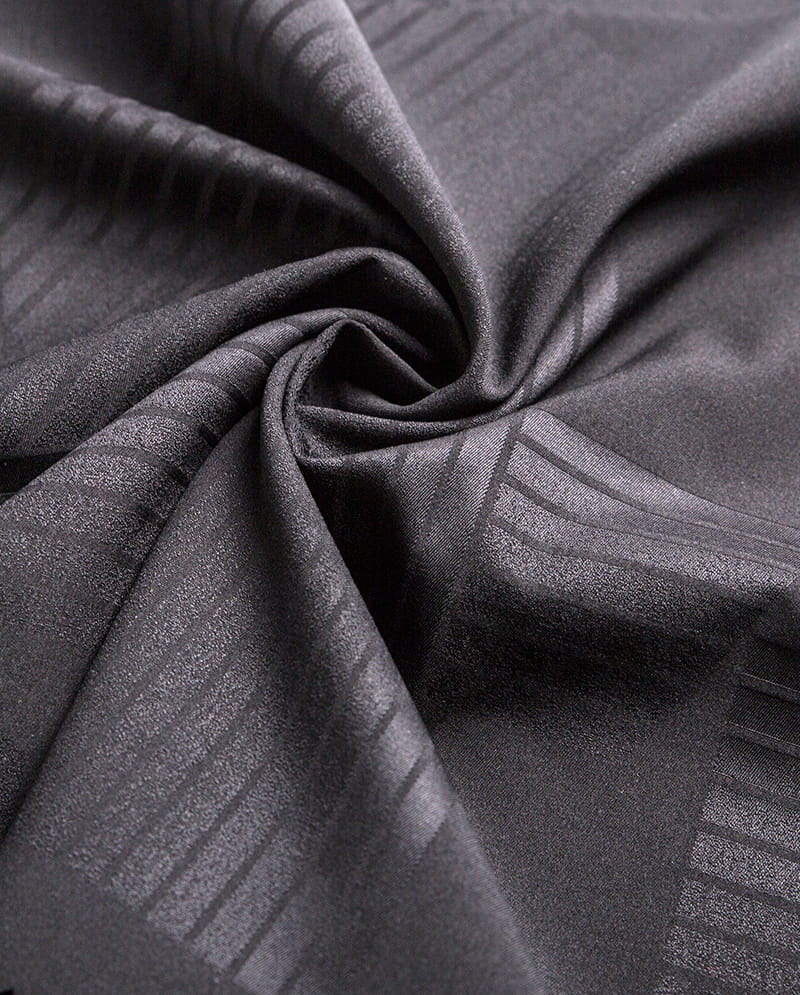
Double-faced jacquard elastic fabric
-
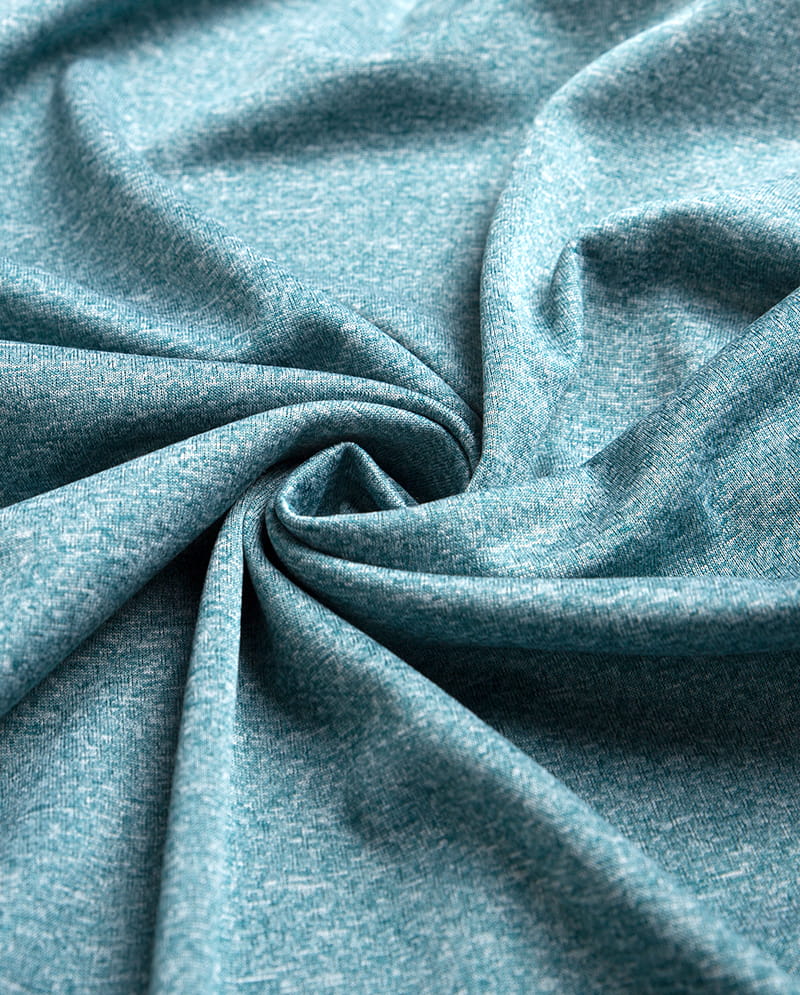
Heather Grey Double-faced cationic jersey fabric
-
Anti-static Cationic Knitted Rib Fabric
-
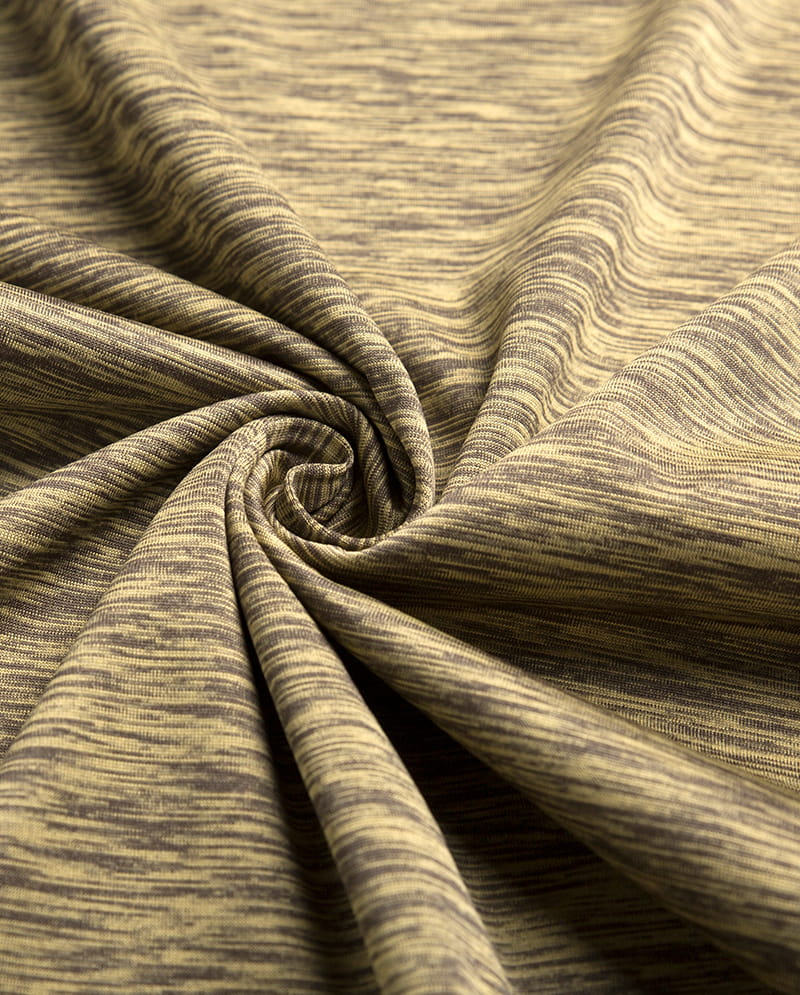
High-Stretch Cationic Jersey Fabric
-
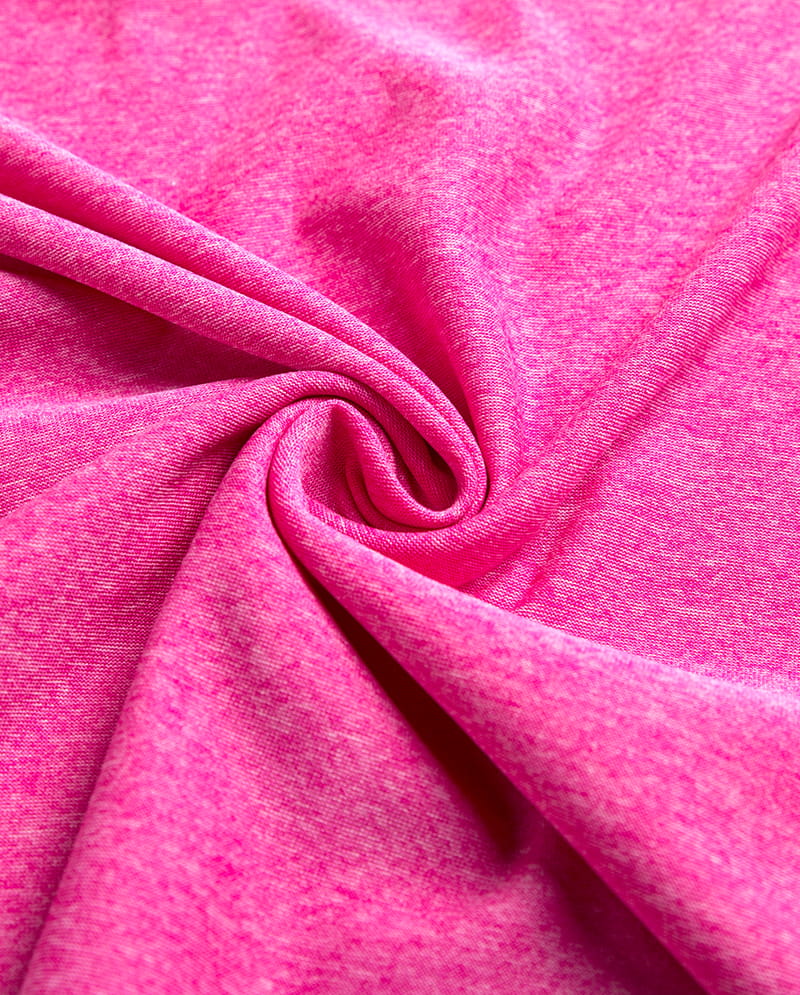
High Quality Cationic DTY Spandex Two Sides Brush Dralon Knit Fabric for Garment Thermal Underwear
-
Durable Anti-Pilling Knitted Fabric for Home Textiles
-
Wash-Resistant Cationic Elastic Knitted Fabric for Garment Industry
-
Breathable Double-Faced Elastic Composite Fabric
-
-
-
- whatsapp:
- 0086-13962559622
-
- skype:
- skype.aliceshenghong
-
- Wechat:

COPYRIGHT © 2016 Suzhou Junhui Textile Co., Ltd.
