

 EN
EN English
 中文简体
中文简体Anti-Static Cationic Knitted Rib Fabric for Reliable Comfort, Color, and Static Control
Content
- 1 1. A Functional Fabric Built for Static-Prone Environments
- 2 2. Cationic Technology: Color Depth, Colorfastness, and Design Flexibility
- 3 3. Rib-Knitted Construction: Elasticity, Fit, and Comfort
- 4 4. Key Performance Advantages Over Conventional Competitor Fabrics
- 5 5. Manufacturing Strength Rooted in Yarn Engineering
- 6 6. Advanced Process Control from Filament to Finished Fabric
- 7 7. Comfort That Supports Long-Term Wear
- 8 8. Durability, Wrinkle Resistance, and Easy Care
- 9 9. Applications in Cleanroom Apparel
- 10 10. Applications in ESD Workwear and Electronics Manufacturing
- 11 11. Applications in Undergarments and Close-Fitting Apparel
- 12 12. Applications in Industrial and Daily Clothing
- 13 13. Sustainability and Recycled Yarn Possibilities
- 14 14. Customization for Different Buyer Requirements
- 15 15. Quality Control and Testing Considerations
- 16 16. Company Strength in Global Textile Supply
- 17 17. Why Integrated Yarn and Fabric Capability Matters
- 18 18. Product Development Path for Buyers
- 19 19. Cost Value Beyond the Purchase Price
- 20 20. Future Potential of Anti-Static Cationic Rib Fabric
- 21 Q&A Section
- 21.1 Q1: What is anti-static cationic knitted rib fabric?
- 21.2 Q2: What makes this fabric different from ordinary polyester rib fabric?
- 21.3 Q3: Is the anti-static function only a surface coating?
- 21.4 Q4: Can the fabric be used for cleanroom clothing?
- 21.5 Q5: Is the fabric comfortable for close-to-skin wear?
- 21.6 Q6: Can colors be customized?
- 21.7 Q7: Can recycled yarn be used in this fabric?
- 21.8 Q8: What industries commonly use this fabric?
- 21.9 Q9: What should buyers confirm before ordering?
- 21.10 Q10: Why choose this manufacturer for anti-static cationic knitted rib fabric?
- 22 Conclusion
- 23 References
Anti-static cationic knitted rib fabric is designed for environments where comfort, appearance, durability, and electrostatic control must work together rather than compete with one another. In modern apparel, cleanroom clothing, electronics workwear, precision manufacturing uniforms, and functional daily garments, fabric is no longer judged only by softness or color. It must also manage static buildup, resist dust attraction, maintain fit, support breathability, and remain stable after repeated use and washing. This fabric addresses those demands through a practical combination of conductive fiber technology, cationic dyeing performance, and rib-knitted elasticity.
The product is based on a core blend of polyester filament and high-performance conductive fibers, supported by a specialized anti-static structure that helps dissipate static charge quickly. Instead of relying only on temporary surface treatment, the fabric is engineered as a functional textile system. Its conductive components help reduce fabric cling, minimize dust adsorption, and lower the risk of electrostatic discharge in sensitive workplaces. At the same time, cationic technology enables bright and stable coloration, while the rib knit construction gives the material a flexible, close-fitting hand that is suitable for cuffs, collars, base layers, undergarments, ESD workwear components, and full garments.
Suzhou Junhui Textile Co., Ltd. and Suzhou Xiaoran New Material Co., Ltd. support this fabric through a strong foundation in differential yarn development, recycled yarn, polyester dyeing yarn, microfine yarn, flame-retardant yarn, cationic dyeing yarn, and knitting fabric products. Their manufacturing and development approach connects yarn engineering with fabric performance, allowing the company to customize material characteristics from filament selection to knitting, finishing, inspection, and delivery. This integrated capability is a major advantage in a market where many suppliers can provide fabric, but fewer can control the yarn source, dyeing behavior, functional finishing, and final performance consistency at the same time.

1. A Functional Fabric Built for Static-Prone Environments
Static electricity is a common but often underestimated problem in textile applications. When clothing rubs against the body, against other garments, or against equipment, electrical charges can accumulate on the fabric surface. In ordinary clothing, the result may be cling, discomfort, or dust attraction. In professional settings, however, static can create more serious risks. Electronics assembly, semiconductor handling, precision instrument production, cleanroom operations, packaging, and testing areas often require clothing that helps prevent uncontrolled electrostatic discharge. In these contexts, fabric selection is directly connected to product safety, workplace reliability, and process quality.
Anti-static cationic knitted rib fabric is intended to provide a balanced answer to this challenge. Its anti-static performance helps guide accumulated charges away from the fabric surface, reducing the possibility of sudden discharge. The conductive fibers are blended into the textile structure so that the static control function is more stable than a simple topical coating that may decline quickly after friction or laundering. This makes the fabric suitable for repeated use in workwear and apparel components where long-term reliability is important.
The fabric is also designed to reduce dust adsorption. Static-charged fabrics can attract airborne particles, lint, hair, and industrial dust. In a cleanroom or electronics workshop, this can compromise production cleanliness. In daily wear, it creates an untidy appearance and an uncomfortable wearing experience. By controlling electrostatic accumulation, the fabric helps maintain a cleaner surface and supports low-linting garment construction.
Another key benefit is the reduction of fabric cling. Static cling is especially common in dry climates, air-conditioned indoor environments, and synthetic garments. A fabric that clings to the body may feel uncomfortable and may distort garment shape. The rib-knitted construction already provides natural elasticity and recovery, and the anti-static feature further supports a smoother and more comfortable wearing experience.
2. Cationic Technology: Color Depth, Colorfastness, and Design Flexibility
Cationic fabric technology is valued because it supports vivid color expression and stable dyeing behavior. In this product, cationic finishing helps produce bright, attractive, and colorfast shades that can resist fading after repeated washing. This is important because functional fabrics are often expected to look professional over a long service life. A garment may have excellent anti-static properties, but if its color fades rapidly, its perceived quality and uniform consistency decline.
Cationic dyeing also offers design flexibility. It can create heather effects, two-tone looks, contrast effects, and rich solid colors depending on yarn combination and fabric structure. In rib fabric, where raised and recessed lines naturally create visual texture, cationic dyeing can add depth and dimension. This allows the fabric to serve both industrial and consumer markets. For cleanroom or ESD workwear, it can support uniform color systems. For everyday apparel, sports-inspired garments, and innerwear, it can provide fashionable shades with functional performance.
Compared with conventional polyester knitted rib fabric, the cationic version offers a more refined balance between appearance and function. Conventional synthetic rib fabrics may be durable and elastic but can suffer from static buildup and flat color expression. This product improves the value proposition by combining anti-static comfort with enhanced color brilliance. That makes it especially suitable for brands and garment manufacturers seeking differentiation in competitive markets.
Colorfastness also reduces replacement frequency. In industrial clothing programs, uniforms must maintain a consistent appearance across teams and over time. Stable color performance helps companies reduce complaints, improve professional presentation, and extend garment use cycles. For consumers, it means garments remain attractive after many washes, which supports customer satisfaction and repeat purchase.
3. Rib-Knitted Construction: Elasticity, Fit, and Comfort
The rib-knitted structure is one of the most practical features of this fabric. Rib fabric is formed with alternating knit and purl wales, creating vertical ridges that allow the fabric to stretch and recover naturally. This structure is widely used in collars, cuffs, waistbands, base layers, close-fitting tops, leggings, undergarments, and performance apparel because it provides a snug but flexible fit.
In anti-static cationic knitted rib fabric, the rib construction does more than improve fit. It also supports breathability and mobility. The flexible structure allows the fabric to move with the body during bending, reaching, sitting, walking, or repetitive work. In workplaces where employees wear uniforms for long shifts, comfort is not a minor feature. Poorly fitting or stiff workwear can cause distraction and fatigue. A rib fabric that is soft, elastic, and breathable helps improve the daily wearing experience.
The rib structure also contributes to shape retention. Quality rib fabric should stretch when needed and recover after use. When combined with durable polyester filament and controlled knitting conditions, this fabric can maintain its structure through frequent wearing and washing. This makes it suitable for garment parts that undergo repeated stress, such as sleeve cuffs, neck openings, waist areas, and close-contact apparel panels.
The fabric is soft to the touch and designed for close wear without skin irritation. This is especially important for undergarments, inner layers, and cleanroom clothing worn for extended periods. Some functional textiles achieve technical performance but feel rough or rigid. This fabric is engineered to avoid that tradeoff by combining conductive performance with a comfortable knitted hand.
Moisture-wicking behavior further enhances comfort. Polyester-based yarns can be engineered to move moisture away from the skin, helping reduce dampness and discomfort. In industrial settings, this supports wearer comfort during long shifts. In everyday clothing, it gives the fabric broader application potential for active, casual, and travel garments.

4. Key Performance Advantages Over Conventional Competitor Fabrics
Many fabrics on the market claim functional performance, but the long-term value depends on how the function is achieved and how consistently it performs. Anti-static cationic knitted rib fabric has several advantages over ordinary polyester rib fabric, standard cotton rib fabric, and simple coated anti-static fabric.
First, it offers integrated static control rather than relying only on temporary surface behavior. Some low-cost anti-static fabrics are treated with topical chemical agents that may gradually weaken after laundering, abrasion, or repeated handling. By using conductive fibers within the fabric system, this product supports more reliable charge dissipation. The anti-static layer and conductive yarn components work together to improve functional stability.
Second, it offers better color performance than many standard anti-static fabrics. Conductive textiles are sometimes limited to dull colors or industrial appearances. Cationic technology allows the fabric to maintain strong visual appeal, helping garment manufacturers produce functional clothing that does not look outdated or overly technical. This is valuable for companies that want professional uniforms, brand-colored workwear, or consumer apparel with both function and style.
Third, it delivers comfort advantages over stiff woven ESD materials. Woven anti-static fabrics are useful in many applications, but they may lack the body-hugging elasticity needed for cuffs, innerwear, or flexible garment sections. The rib-knitted construction makes this fabric more adaptable to body movement and more comfortable for close-fitting clothing.
Fourth, it provides wrinkle resistance and easy-care performance. Polyester filament gives the fabric durability, dimensional stability, and resistance to creasing. Compared with cotton rib fabrics, it can dry faster and maintain a neater appearance with less ironing. For uniform programs and daily wear, this reduces maintenance effort.
Fifth, it can be customized through yarn selection, denier, filament count, dyeing method, and finishing process. Because the company has deep experience in DTY, FDY, recycled yarn, cationic dyeing yarn, flame-retardant yarn, high-elastic yarn, and other differential yarns, the fabric can be adjusted for different requirements. This customization ability is a major advantage over suppliers that offer only standard fabric constructions.
Performance Area |
Anti-Static Cationic Knitted Rib Fabric |
Typical Conventional Rib Fabric |
Practical Buyer Benefit |
Static Control |
Uses conductive fibers and anti-static structure to help dissipate charge |
Often has little or no static management |
Reduces cling, dust attraction, and ESD-related concerns |
Color Performance |
Cationic technology supports vibrant and colorfast shades |
May fade faster or offer limited visual depth |
Improves garment appearance and brand consistency |
Comfort |
Soft rib structure with elasticity, breathability, and moisture-wicking potential |
Comfort varies depending on fiber and finishing |
Suitable for close wear and long working hours |
Durability |
Polyester filament base supports wrinkle resistance and shape retention |
May deform, shrink, or wrinkle more easily |
Extends useful garment life |
Customization |
Can be developed with different yarns, functions, weights, and finishes |
Usually available only in standard qualities |
Supports tailored solutions for industrial and apparel brands |
5. Manufacturing Strength Rooted in Yarn Engineering
A fabric’s final performance begins with yarn. The company’s product background includes a broad range of polyester filament and differential yarn categories, including DTY yarn, FDY yarn, POY yarn, cationic dyeing yarn, recycled yarn, microfine yarn, high-elastic yarn, flame-retardant yarn, moisture-wicking yarn, anti-bacterial yarn, hollow warm yarn, cotton-like yarn, and functional composite yarns. This broad yarn platform allows the manufacturer to build fabric from the material level instead of treating fabric production as a single isolated process.
DTY, or draw textured yarn, is especially important in knitted fabrics because it provides bulk, softness, elasticity, and a comfortable hand. FDY, or fully drawn yarn, offers smoothness, strength, and dimensional stability. POY, or partially oriented yarn, can be used as an intermediate material for texturing and further processing. By understanding how these yarn types behave in knitting, dyeing, and finishing, the manufacturer can select the right combination for the desired anti-static cationic rib fabric.
The product list also shows strength in recycled series, normal series, CD series, high-elastic series, and functional series. This indicates the ability to supply yarns with different denier and filament counts, such as 30D, 50D, 75D, 100D, 150D, 300D, and various filament combinations. For fabric buyers, this matters because denier and filament count influence hand feel, coverage, weight, elasticity, moisture behavior, opacity, and durability. A supplier with diverse yarn capability can respond more accurately to application needs.
For anti-static cationic knitted rib fabric, yarn engineering can be adjusted according to final use. Cleanroom apparel may require low-linting behavior, controlled surface resistance, and stable laundering performance. Innerwear may prioritize softness and stretch recovery. ESD cuffs may need strong elasticity and durable static control. Fashion-oriented rib garments may require richer colors and a smooth hand. The company’s yarn background allows these different targets to be addressed through material selection and process design.
6. Advanced Process Control from Filament to Finished Fabric
Reliable fabric performance depends on process control. The production of anti-static cationic knitted rib fabric requires careful management at each stage: fiber selection, yarn preparation, conductive component integration, knitting, dyeing, finishing, heat setting, inspection, packing, and shipment. Each stage affects the next. If yarn tension is unstable, knitting quality may suffer. If dyeing parameters are not properly controlled, shade variation may occur. If finishing temperature is excessive, elasticity and hand feel may be affected. If inspection is weak, defects may reach the customer.
The manufacturing approach begins with material selection. Polyester filament is selected for strength, durability, easy care, and compatibility with functional finishing. Conductive fibers are incorporated to support anti-static performance. Cationic dyeable components are selected to achieve the desired color response. The correct balance is important because excessive functional components can influence hand feel, while insufficient conductive content may reduce anti-static performance. Experienced technical control helps maintain this balance.
During yarn preparation and knitting, tension consistency is essential. Rib fabric requires stable loop formation to achieve uniform vertical ridges, balanced stretch, and good recovery. Uneven yarn feeding can cause streaks, barre marks, width instability, or irregular elasticity. Advanced knitting management helps produce a consistent fabric surface and dependable dimensional behavior.
Dyeing and finishing are equally important. Cationic dyeing requires controlled temperature, time, pH, and dye compatibility. Proper dyeing brings out vivid shades and supports colorfastness. Finishing can enhance softness, moisture management, anti-static stability, and hand feel. Heat setting helps stabilize width and shrinkage. For functional textiles, finishing must not only create a pleasant touch but also preserve technical performance.
Inspection completes the process. The company’s export-oriented background and experience with customers in many countries require attention to quality consistency. Fabric is typically checked for surface defects, shade variation, width, weight, elasticity, hand feel, and packaging condition. For functional orders, anti-static performance, washing stability, and other test requirements can be evaluated according to buyer specifications.

7. Comfort That Supports Long-Term Wear
Comfort is one of the strongest selling points of this fabric. In many workplaces, people wear uniforms for eight hours or more. In daily apparel, consumers expect garments to feel soft immediately and remain comfortable after repeated washing. A functional fabric that feels unpleasant will not be accepted, no matter how technical it is. This product addresses that reality by combining rib elasticity, softness, breathability, and moisture-wicking behavior.
The rib structure provides close contact without excessive pressure. It can stretch around body curves and return after movement. This makes it suitable for garments that need a snug fit, such as base layers, cuffs, collars, underwear, and fitted tops. When used in workwear components, it helps keep sleeves and openings in place while reducing gaps that might allow dust entry.
The polyester filament base supports smoothness and low moisture absorption, while engineered moisture-wicking behavior can help move perspiration away from the skin. This is especially useful in indoor production facilities where workers may shift between climate-controlled and warmer areas. Moisture management can reduce clamminess and improve wearer satisfaction.
The fabric is also designed to avoid skin irritation. Conductive and functional textiles sometimes feel harsh if the conductive element is poorly integrated. In this fabric, the performance components are balanced with a soft knitted surface. This helps make the fabric suitable for close-to-skin use, not only outer uniforms.
8. Durability, Wrinkle Resistance, and Easy Care
Durability is essential for both industrial buyers and apparel brands. A fabric may look good at first delivery but fail in use if it pills excessively, loses shape, fades, wrinkles, or loses functionality. Anti-static cationic knitted rib fabric is designed for frequent use and easy maintenance. The polyester filament foundation gives it good resistance to wrinkling and deformation, while the rib structure supports recovery after stretching.
Wrinkle resistance is especially valuable for uniforms and daily garments. Clothing that maintains a neat appearance with less ironing saves time and improves professional presentation. For industrial workwear programs, this contributes to consistent team image. For consumer apparel, it increases convenience.
Shape retention is another important feature. Rib cuffs and collars are often stretched repeatedly during dressing and movement. Low-quality rib fabric may become loose, wavy, or distorted. A well-engineered rib fabric with stable yarn and controlled heat setting can maintain fit and structure much longer.
Wash durability is also significant. The cationic color system helps resist fading, and the anti-static structure is designed for repeated use. Buyers can specify testing requirements depending on final market, including washing cycles, colorfastness, dimensional change, pilling resistance, and surface resistance. This makes the fabric suitable for professional garment programs where consistent performance is required.
9. Applications in Cleanroom Apparel
Cleanroom apparel requires careful textile selection. Garments must help control contamination, reduce particle generation, and support wearer comfort. While woven cleanroom fabrics are common, knitted rib fabric can play an important role in garment components such as cuffs, collars, waistbands, inner layers, and fitted areas. Anti-static cationic knitted rib fabric is well suited to these uses because it combines low-linting potential, static control, elasticity, and softness.
In cleanroom clothing, sleeve and leg openings are critical areas. A cuff that fits securely helps reduce particle escape and improves garment closure. Rib fabric provides the necessary stretch and recovery. When anti-static performance is added, the cuff becomes more suitable for sensitive environments where static charge and dust attraction must be minimized.
Color consistency can also matter in cleanroom programs. Different departments, process zones, or visitor categories may use different garment colors. Cationic dyeing allows stable and vivid shades, helping organizations manage visual identification while maintaining functional requirements.
10. Applications in ESD Workwear and Electronics Manufacturing
Electronics manufacturing is one of the most important markets for anti-static textiles. Components such as circuit boards, sensors, chips, and precision electronic devices can be sensitive to electrostatic discharge. Clothing worn by workers should help reduce static accumulation and avoid sudden discharge events. Anti-static cationic knitted rib fabric can be used in ESD workwear systems as panels, cuffs, collars, base layers, or full knitted garments depending on the design requirements.
The fabric’s conductive fibers help dissipate static charge, while the rib structure improves comfort and mobility. Workers in electronics factories may perform repetitive tasks requiring hand and arm movement. Elastic rib cuffs can stay in place without restricting movement. Comfortable fabric can improve compliance because workers are more likely to wear garments properly when they feel good.
Compared with ordinary synthetic workwear materials, this fabric reduces the common issue of static cling and particle attraction. Compared with rigid anti-static materials, it offers a softer and more flexible wearing experience. This balance is important for companies seeking both protection and productivity.
11. Applications in Undergarments and Close-Fitting Apparel
Anti-static comfort is not limited to industrial use. In daily life, many people experience static cling in synthetic clothing, especially in dry seasons or indoor heating conditions. Undergarments and base layers can generate static through friction with outer clothing. Anti-static cationic knitted rib fabric offers a solution by reducing cling while maintaining softness and stretch.
For undergarments, softness and skin comfort are critical. The fabric’s rib construction allows it to fit closely without feeling restrictive. Moisture-wicking behavior helps maintain a dry feel. Cationic color performance supports attractive product design. These characteristics make the fabric suitable for thermal underwear, fitted tops, camisoles, leggings, socks, waistbands, and other close-contact clothing.
The fabric can also be used in casual and sports-inspired apparel. Consumers increasingly expect everyday garments to include functional benefits. A rib top that resists static, keeps its color, stretches comfortably, and requires easy care offers clear value in retail markets.
12. Applications in Industrial and Daily Clothing
Beyond electronics and cleanroom use, anti-static rib fabric can be useful in logistics, packaging, laboratories, workshops, office uniforms, and general industrial clothing. Static control can improve comfort and reduce dust attraction even where strict ESD requirements are not mandatory. For example, warehouse uniforms, maintenance garments, and service clothing can benefit from reduced cling and a cleaner appearance.
Daily clothing also benefits from the fabric’s combined performance. People want garments that are easy to wash, resistant to wrinkles, comfortable through the day, and attractive after many uses. This product meets those expectations while adding static control as a differentiating feature. In competitive apparel markets, such added functionality can help brands stand out.
13. Sustainability and Recycled Yarn Possibilities
Sustainability is increasingly important in textile sourcing. The company’s product background includes recycled yarn series, such as recycled semi-dull DTY, recycled semi-dull FDY, recycled full-dull DTY, recycled cationic DTY, and recycled functional yarn combinations. This experience creates opportunities to develop anti-static cationic knitted rib fabric with recycled polyester components when required by customers.
Using recycled yarn can help reduce reliance on virgin resources and support sustainability goals. For buyers serving international apparel brands or environmentally conscious markets, recycled content can add value. The company’s R&D and yarn development capability allows functional performance and recycled material options to be considered together.
Sustainability is not only about fiber origin. Durability also matters. A fabric that keeps its color, shape, and function over a longer service life can reduce replacement frequency. Easy-care properties may reduce ironing needs and drying time. These practical benefits contribute to a more responsible textile solution.
14. Customization for Different Buyer Requirements
One of the key strengths behind this product is customization. Different customers need different fabric weights, colors, stretch levels, anti-static performance targets, hand feel, and finishing effects. A supplier with only one standard fabric may not meet these varied requirements. Suzhou Junhui Textile Co., Ltd. and Suzhou Xiaoran New Material Co., Ltd. have broad experience in differential yarn and fabric development, allowing them to adjust products for specific applications.
Customization can begin with yarn selection. Buyers may request a lighter rib for underwear, a heavier rib for cuffs, a softer microfine hand for premium apparel, or a more durable specification for uniforms. Conductive fiber content can be adjusted according to performance requirements. Cationic dyeing can be used for bright shades, uniform colors, or special visual effects.
Finishing can also be customized. Depending on the application, the fabric can be developed with moisture-wicking, anti-bacterial, flame-retardant, hollow warm, or high-elastic characteristics. The company’s product list shows experience across these functional categories, creating opportunities for multi-functional fabric development. For example, an ESD workwear buyer may need anti-static plus moisture management. A cold-weather base layer buyer may need anti-static plus warmth retention. A medical or hygiene-related garment may require anti-static plus anti-bacterial finishing.
Customization also includes practical order support. The company’s export experience and global customer base support communication, sample development, and technical guidance. Its service approach emphasizes helping customers choose suitable products and solve material problems quickly.
15. Quality Control and Testing Considerations
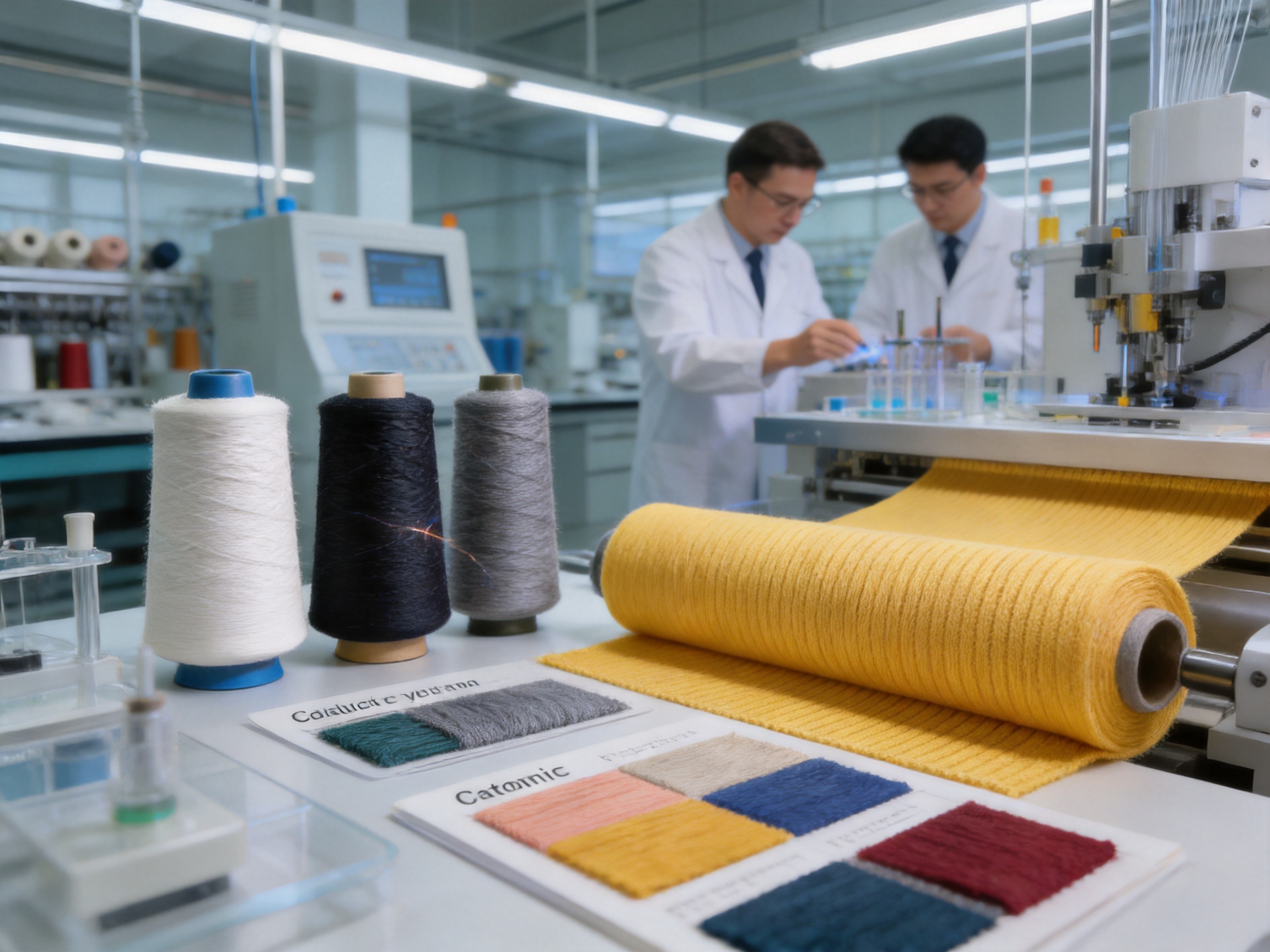
Quality control for anti-static cationic knitted rib fabric should cover both physical and functional properties. Physical testing may include fabric weight, width, thickness, stretch and recovery, bursting strength, dimensional stability, pilling resistance, colorfastness to washing, colorfastness to rubbing, and appearance after laundering. Functional testing may include surface resistance, charge decay, dust attraction behavior, and anti-static performance after repeated washing.
For cleanroom and ESD applications, buyers may specify relevant industry standards or internal test methods. The fabric can be developed and tested according to the intended use. It is important to define requirements clearly before bulk production because anti-static thresholds, laundering conditions, and garment design can all influence final performance.
Shade control is another major quality area. Cationic dyeing can produce vibrant colors, but production consistency requires careful management of dye formulas, machine conditions, batch records, and color matching. Export customers often require consistent shades across repeat orders. A manufacturer with strong process control can reduce variation and improve long-term supply reliability.
Inspection also includes surface quality. Rib fabric should have clear, uniform ribs without severe streaks, holes, dropped stitches, oil stains, contamination, or uneven tension marks. Packing should protect the fabric during storage and transportation. For international shipments, accurate labeling and documentation are also important.
16. Company Strength in Global Textile Supply
Suzhou Junhui Textile Co., Ltd. and Suzhou Xiaoran New Material Co., Ltd. were founded with a commitment to developing and selling differential yarn and knitting fabric products. Their product range includes recycled yarn, polyester drop-dyed yarn, microfine yarn, flame-retardant yarn, cationic dyeing yarn, and knitting fabrics. This diverse foundation supports the development of advanced fabrics such as anti-static cationic knitted rib fabric.
The company has a professional R&D team and works with well-known enterprises in research, development, and application of environmentally friendly and functional yarn and fabric. This R&D orientation matters because functional textiles evolve quickly. Buyers increasingly ask for combined properties such as recycled content, anti-static control, moisture management, colorfastness, softness, stretch, and low lint. Meeting these requirements requires technical collaboration, not simply catalog selling.
More than 90 percent of the products are exported, and the company has established cooperative relationships with customers in 36 countries. Export experience demonstrates the ability to handle international quality expectations, communication, documentation, packaging, and delivery requirements. For buyers, this reduces sourcing risk.
The company’s customer service philosophy also strengthens its value. It emphasizes professional guidance, product selection support, problem solving, and global response within 12 hours. In textile sourcing, fast technical communication can prevent delays and reduce costly mistakes. When a buyer is choosing fabric for ESD workwear or cleanroom clothing, timely support on yarn, testing, color, and finishing can be as important as price.
17. Why Integrated Yarn and Fabric Capability Matters
In the textile supply chain, some suppliers specialize only in yarn, while others buy yarn externally and only knit or finish fabric. Integrated capability provides important advantages. When the fabric supplier understands yarn production and has access to various yarn types, product development becomes more precise. Problems can be solved at the source rather than only at the finishing stage.
For example, if a customer wants a softer anti-static rib fabric, the solution may involve selecting a finer filament DTY or modifying the yarn blend. If a customer needs stronger shape retention, yarn denier, knitting density, and heat setting may all need adjustment. If a customer wants richer color, cationic dyeable components and dyeing parameters must be optimized. If anti-static performance is insufficient, conductive fiber placement and fabric structure may need review.
This systems-based approach is more advanced than simply applying a finish to a standard fabric. It allows the manufacturer to develop a fabric that performs consistently in real use. It also helps buyers avoid the common problem of trial-and-error sourcing from multiple suppliers.
18. Product Development Path for Buyers
Buyers interested in anti-static cationic knitted rib fabric can follow a structured development path. First, define the application. A cleanroom cuff, an ESD base layer, a casual rib top, and an undergarment may all need different specifications. Second, define performance targets, including anti-static requirements, laundering expectations, stretch recovery, fabric weight, color, hand feel, and finishing. Third, request suitable samples or develop a custom trial. Fourth, test the sample in the intended garment design and washing conditions. Fifth, confirm bulk standards before production.
This process helps ensure that the fabric matches the final product. Anti-static performance depends not only on fabric but also on garment construction, seams, trims, laundering, and use environment. For example, a fabric used in cuffs may perform differently from a fabric used in a full garment panel. Clear communication between buyer and supplier improves final results.
The company’s technical team can support this process by recommending yarn combinations, knitting structures, finishing approaches, and testing options. This consultative support is valuable for brands, uniform manufacturers, cleanroom garment producers, and distributors seeking reliable functional textile solutions.
19. Cost Value Beyond the Purchase Price
When comparing fabric suppliers, purchase price is important, but it should not be the only factor. A low-cost fabric that fades, loses shape, attracts dust, or fails anti-static testing can create higher total cost through rejects, complaints, replacements, and production delays. Anti-static cationic knitted rib fabric offers value through durability, stable color, static control, comfort, and customization.
For industrial buyers, reliable performance can reduce operational risk. For garment manufacturers, consistent fabric quality can reduce cutting waste and sewing problems. For brands, better comfort and appearance can improve customer satisfaction. For distributors, a differentiated product can support stronger market positioning.
Because the company can develop both yarn and fabric solutions, it can help buyers optimize cost and performance together. Not every application requires the highest specification, and not every market accepts the same price point. Technical consultation can identify the most suitable balance.
20. Future Potential of Anti-Static Cationic Rib Fabric
The future of functional textiles will continue to move toward multi-functional, comfortable, and sustainable materials. Anti-static cationic knitted rib fabric fits this direction well. It combines protective function with everyday comfort and attractive appearance. As electronics manufacturing, cleanroom industries, smart wearables, and performance apparel continue to expand, demand for fabrics that manage static while remaining wearable will increase.
There is also potential for further development with recycled yarn, bio-based additives, enhanced moisture management, antibacterial finishing, flame-retardant functions, and high-elastic composite yarns. The company’s broad product platform positions it to support these developments. Buyers can work with the manufacturer to create fabrics that meet new market demands and regulatory expectations.
Q&A Section
Q1: What is anti-static cationic knitted rib fabric?
It is a functional knitted fabric that combines conductive fibers, cationic dyeing technology, and rib-knit construction. The conductive elements help dissipate static charge, the cationic technology supports vivid and colorfast color, and the rib structure provides elasticity, comfort, and close fit.
Q2: What makes this fabric different from ordinary polyester rib fabric?
Ordinary polyester rib fabric may be durable and elastic, but it often generates static and attracts dust. This fabric adds anti-static performance, improved colorfastness, moisture-wicking comfort, and stronger functional value for cleanroom apparel, ESD workwear, undergarments, and daily clothing.
Q3: Is the anti-static function only a surface coating?
The fabric is designed with high-performance conductive fibers and an anti-static structure, making it more reliable than fabrics that depend only on temporary surface treatment. Specific durability depends on the final specification and washing conditions, so buyers should confirm testing requirements before bulk production.
Q4: Can the fabric be used for cleanroom clothing?
Yes. It is suitable for cleanroom apparel components such as cuffs, collars, waistbands, and fitted areas, and it can also be developed for broader garment use depending on required standards. Its low-linting potential, static control, and elastic fit make it useful in controlled environments.
Q5: Is the fabric comfortable for close-to-skin wear?
Yes. The rib-knitted construction provides natural elasticity, while the polyester filament base and finishing process support softness, breathability, and moisture management. It is suitable for undergarments, base layers, and other close-fitting apparel when specified appropriately.
Q6: Can colors be customized?
Yes. Cationic dyeing technology supports vibrant, colorfast shades and can be used for different color effects. Buyers can request custom colors based on application, branding, or garment collection requirements.
Q7: Can recycled yarn be used in this fabric?
Recycled yarn options can be considered because the manufacturer has experience with recycled DTY, FDY, cationic yarn, and other recycled polyester yarn series. Final feasibility depends on performance targets, color requirements, hand feel, and order specifications.
Q8: What industries commonly use this fabric?
Common applications include electronics manufacturing, cleanroom garment production, ESD workwear, precision manufacturing uniforms, laboratory clothing, undergarments, base layers, cuffs, collars, waistbands, casual apparel, and functional daily wear.
Q9: What should buyers confirm before ordering?
Buyers should confirm fabric weight, width, color, stretch and recovery, anti-static testing method, washing requirements, colorfastness standards, end-use application, finishing needs, packaging, and delivery expectations. Clear specifications help ensure stable bulk quality.
Q10: Why choose this manufacturer for anti-static cationic knitted rib fabric?
The manufacturer offers strong experience in differential yarn, cationic dyeing yarn, recycled yarn, functional yarn, and knitting fabrics. Its R&D capability, export experience, customization support, and process control allow buyers to develop fabric solutions that balance performance, comfort, color, and cost.
Conclusion
Anti-static cationic knitted rib fabric is a high-value textile solution for buyers who need more than basic fabric. It solves practical problems such as static buildup, cling, dust attraction, color fading, discomfort, and poor shape retention. Through conductive fiber integration, cationic color technology, polyester filament durability, and rib-knitted elasticity, it offers a rare balance of function and comfort.
Its advantages are clear in comparison with conventional rib fabrics and simple coated anti-static materials. It provides more reliable static management, better color expression, comfortable stretch, wrinkle resistance, and broad customization potential. These benefits make it suitable for cleanroom apparel, ESD workwear, undergarments, industrial uniforms, and daily clothing.
Behind the fabric is a company with strong yarn and fabric development capability. Suzhou Junhui Textile Co., Ltd. and Suzhou Xiaoran New Material Co., Ltd. bring experience in DTY, FDY, recycled yarn, cationic yarn, flame-retardant yarn, microfine yarn, moisture-wicking yarn, high-elastic yarn, and knitted fabric products. Their R&D focus, export experience, and customer support help buyers develop reliable and differentiated textile solutions.
For manufacturers and brands seeking functional fabric that performs in real use while remaining attractive and comfortable, anti-static cationic knitted rib fabric represents a practical and forward-looking choice. It combines static control, color durability, softness, elasticity, easy care, and customization in one material platform, making it a strong option for both specialized industrial markets and advanced everyday apparel.
References
1. Horrocks, A. R., and Anand, S. C. Handbook of Technical Textiles. Woodhead Publishing.
2. Morton, W. E., and Hearle, J. W. S. Physical Properties of Textile Fibres. Woodhead Publishing.
3. Saville, B. P. Physical Testing of Textiles. Woodhead Publishing.
4. Kan, C. W. A Novel Green Treatment for Textiles: Plasma Treatment as a Sustainable Technology. CRC Press.
5. Fung, W. Coated and Laminated Textiles. Woodhead Publishing.
6. Das, A., and Alagirusamy, R. Science in Clothing Comfort. Woodhead Publishing India.
7. Textile Institute. Textile Terms and Definitions. The Textile Institute.
8. Industry guidance on electrostatic discharge control garments and functional textile testing practices.

Popular products
-
Premium Cationic Interlock Stretch Comfort Fabric
-
Moisture-Wicking Nylon Woven Fabric
-
Double-faced jacquard elastic fabric
-
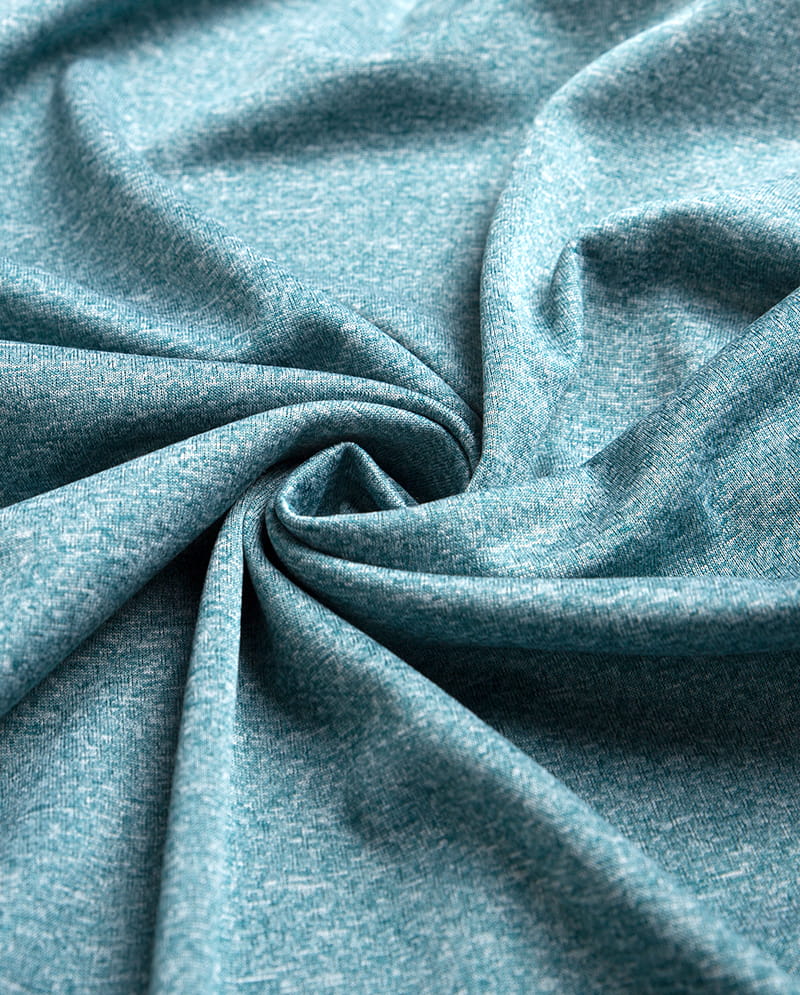
Heather Grey Double-faced cationic jersey fabric
-
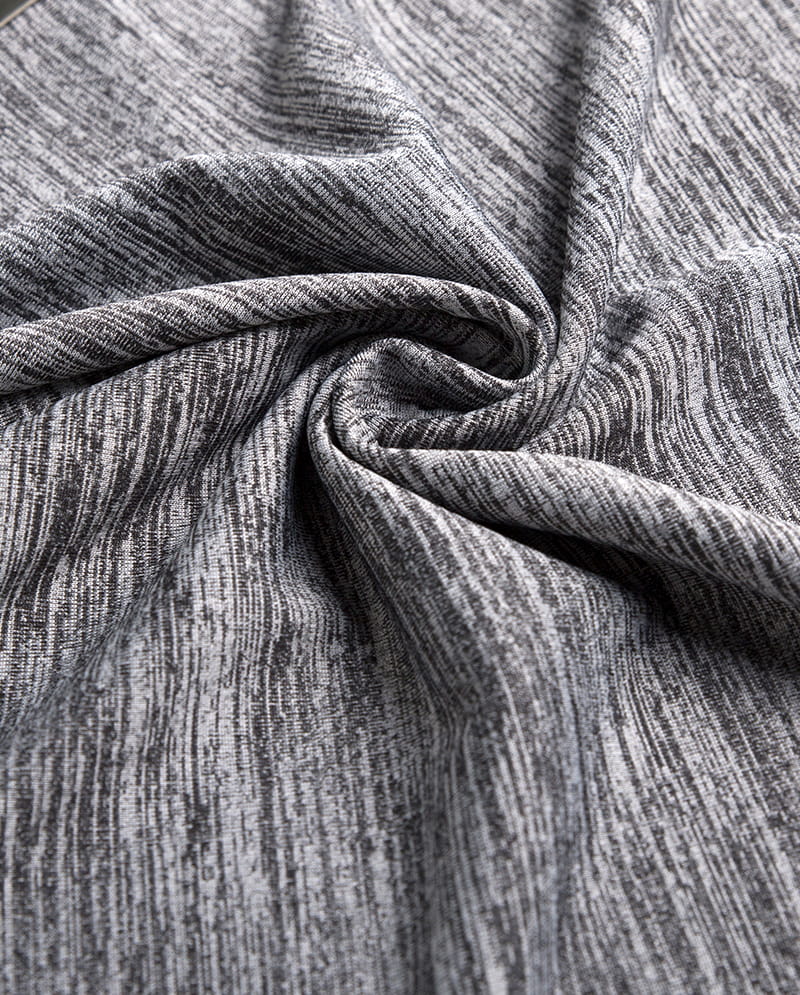
Anti-static Cationic Knitted Rib Fabric
-
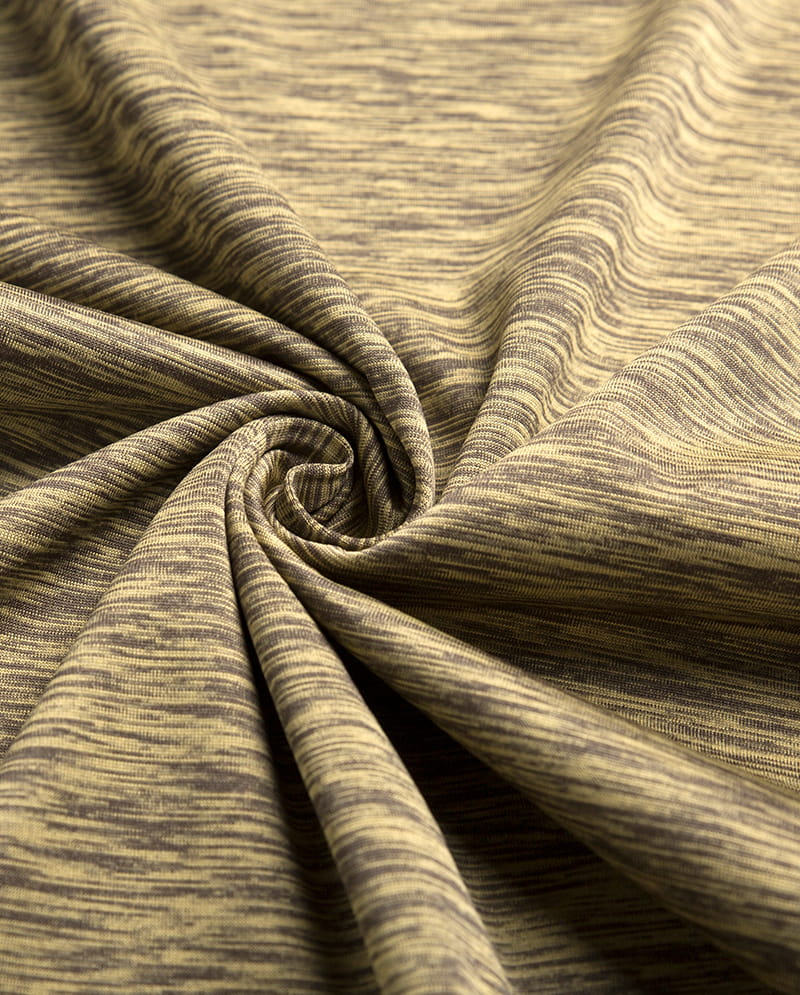
High-Stretch Cationic Jersey Fabric
-
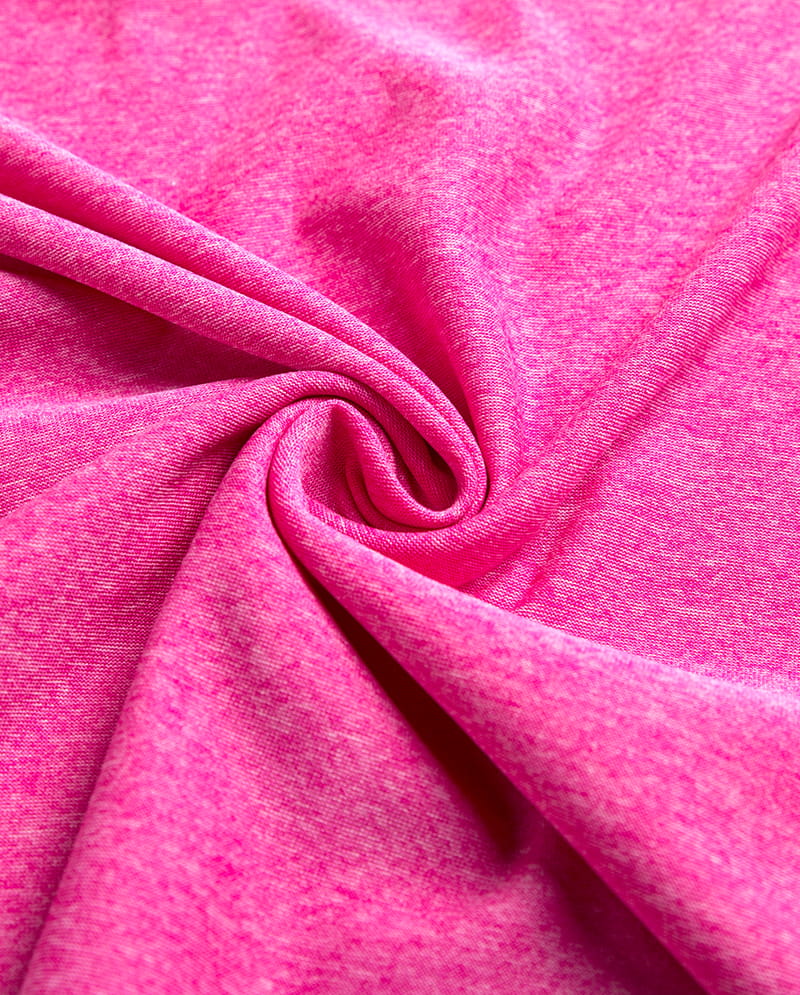
High Quality Cationic DTY Spandex Two Sides Brush Dralon Knit Fabric for Garment Thermal Underwear
-
Durable Anti-Pilling Knitted Fabric for Home Textiles
-
Wash-Resistant Cationic Elastic Knitted Fabric for Garment Industry
-
Breathable Double-Faced Elastic Composite Fabric
-
-
-
- whatsapp:
- 0086-13962559622
-
- skype:
- skype.aliceshenghong
-
- Wechat:

COPYRIGHT © 2016 Suzhou Junhui Textile Co., Ltd.
