

 EN
EN English
 中文简体
中文简体Anti-static Cationic Knitted Rib Fabric: Advancing Functional Textiles for Modern Applications
Content
- 1 What is Anti-static Cationic Knitted Rib Fabric?
- 2 Unmatched Advantages Over Competitor Products
- 3 Advanced Manufacturing Processes: Behind the Excellence
- 4 Company's Core Strengths
- 5 Application Scenarios
- 6 Q&A Section
- 6.1 Q1: How does the anti-static property of this fabric compare to traditional anti-static fabrics?
- 6.2 Q2: Does the cationic finishing affect the fabric's breathability?
- 6.3 Q3: Can the fabric be customized for specific denier or color requirements?
- 6.4 Q4: What are the washing instructions to maintain its performance?
- 6.5 Q5: Is the fabric suitable for sensitive skin?
- 7 References
Functional textiles have become indispensable in today’s fast-paced world, where performance, comfort, and sustainability are non-negotiable. Among these, anti-static fabrics play a critical role in industries ranging from electronics manufacturing to healthcare, as well as in everyday apparel to prevent static cling and electrostatic hazards. The Anti-static Cationic Knitted Rib Fabric stands out as a game-changer in this space, combining innovative cationic technology, integrated anti-static properties, and a versatile rib-knitted structure to deliver unmatched performance across diverse applications. This article explores the fabric’s unique features, its advantages over competitor products, the advanced manufacturing processes that underpin its quality, and the strengths of the entity behind its development.
What is Anti-static Cationic Knitted Rib Fabric?
Definition and Core Components
The Anti-static Cationic Knitted Rib Fabric is a specialized textile engineered to address static electricity issues while offering enhanced color stability and wearability. At its core, it is a blend of high-quality polyester filament yarns and high-performance conductive fibers, which are integrated into the fabric’s structure during the knitting process. Unlike traditional anti-static fabrics that rely on surface coatings, this fabric incorporates conductive fibers into the yarn matrix, ensuring long-lasting anti-static performance that does not degrade with repeated washing or use.
The cationic component refers to the use of cationic dyeing technology, which involves dyes that carry a positive charge, allowing them to bond strongly with the negatively charged sites on the polyester fibers. This bonding mechanism results in superior color fastness, meaning the fabric retains its vibrant hues even after extensive exposure to sunlight, washing, or friction.
Key Structural Features
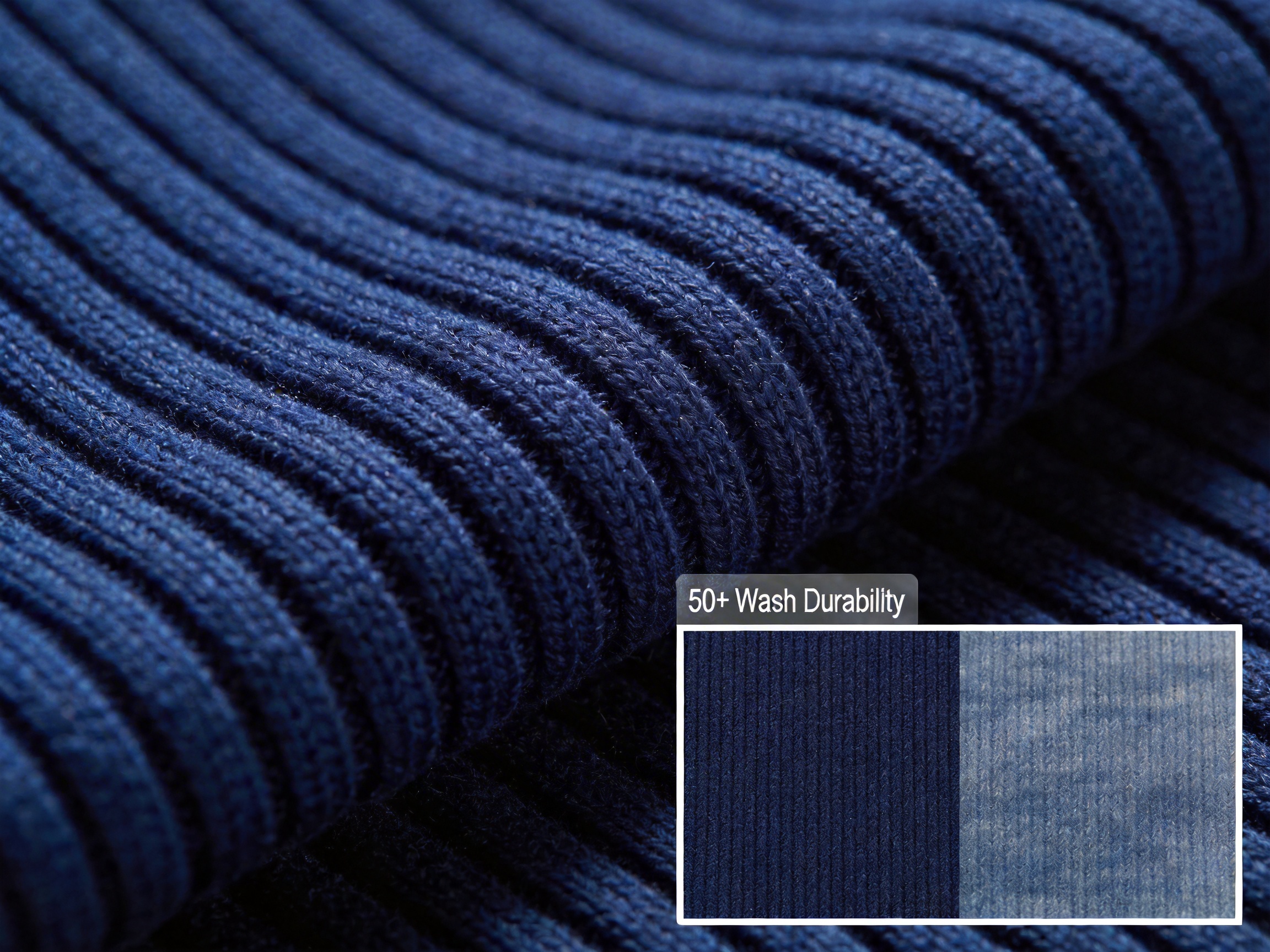
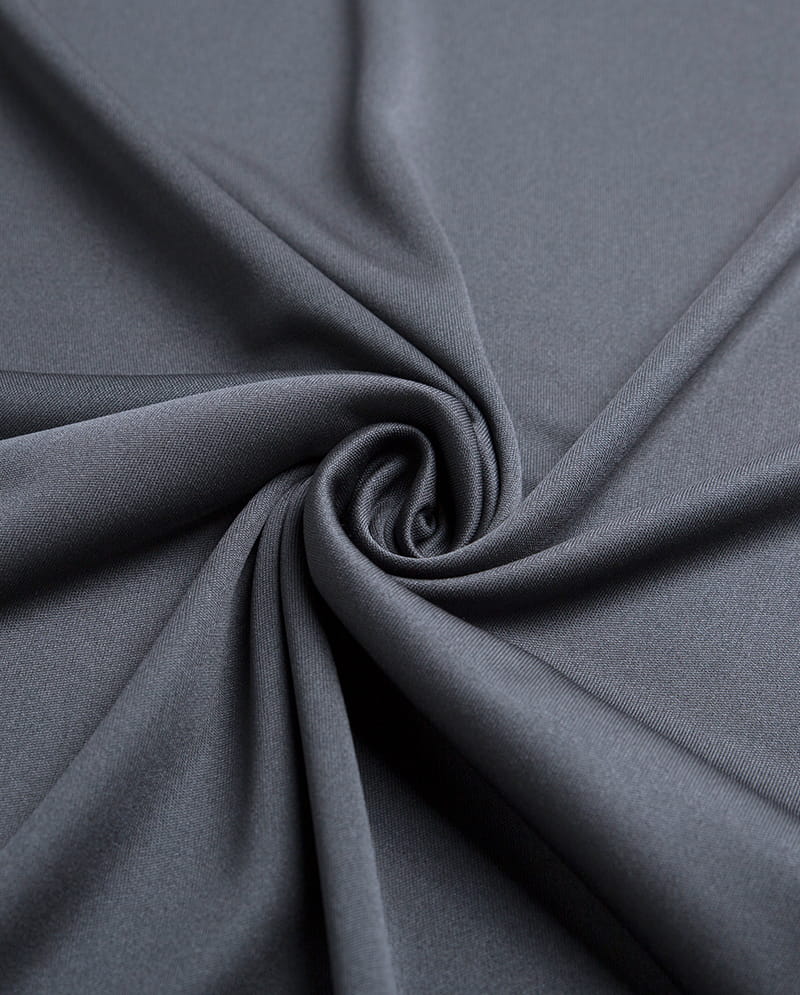
The fabric’s rib-knitted structure is another defining characteristic. Rib knitting creates a pattern of alternating knit and purl stitches, which gives the fabric natural elasticity and a snug, flexible fit. This structure also enhances the fabric’s breathability by creating small air pockets that allow air circulation, while the ribbed texture adds a touch of aesthetic appeal suitable for both industrial and everyday use.
Additionally, the fabric is reinforced with a specialized anti-static layer that works in tandem with the conductive fibers to rapidly dissipate static buildup. This dual mechanism ensures that the fabric meets or exceeds key anti-static standards, such as those set by the International Electrotechnical Commission (IEC) for electrostatic discharge (ESD) protection.
Unmatched Advantages Over Competitor Products
Superior Anti-static Performance
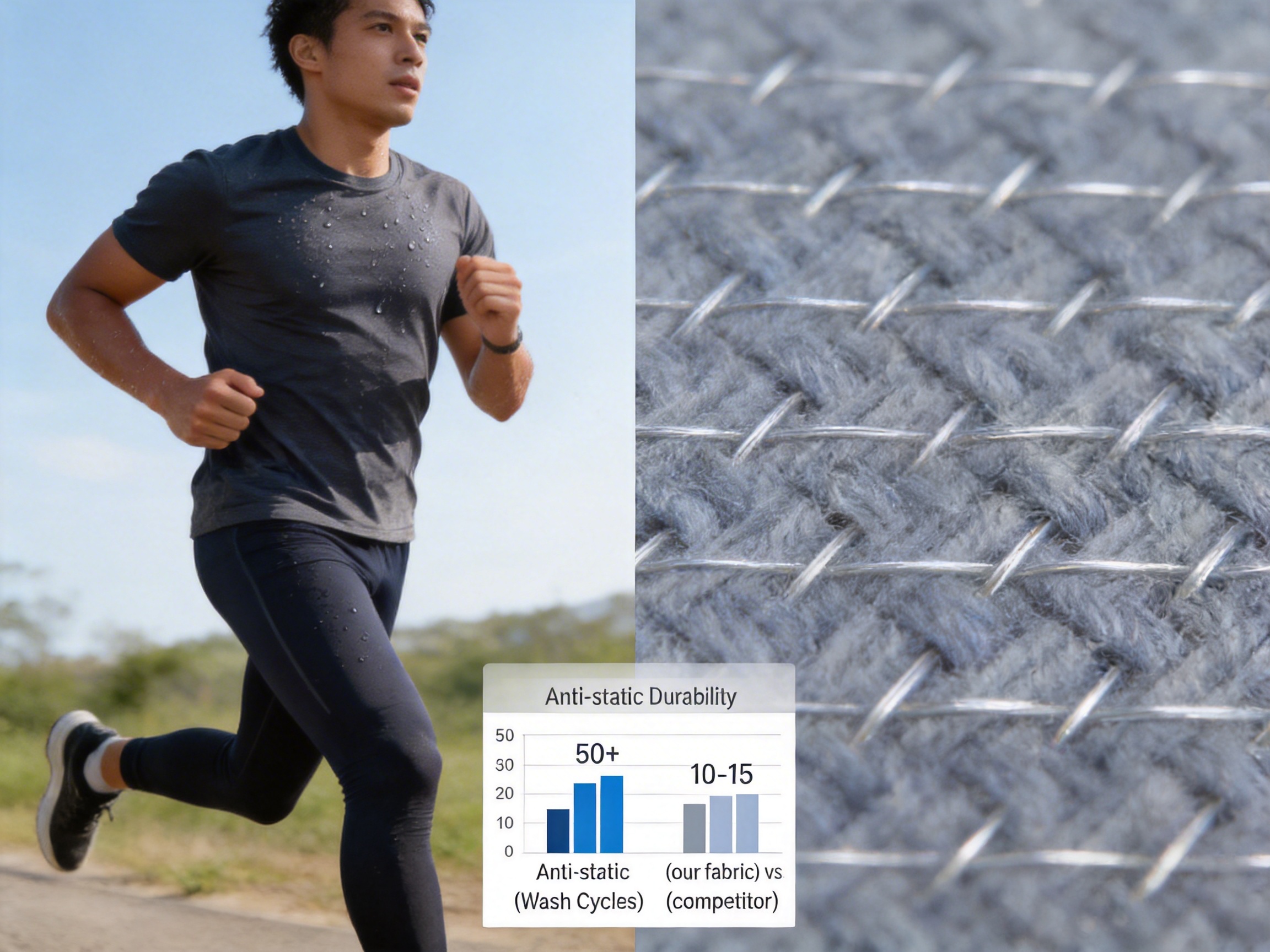
One of the most significant advantages of this fabric over traditional anti-static textiles is its long-lasting anti-static performance. Most competitor fabrics use surface coatings, such as metalized finishes or static-dissipative sprays, which wear off after 10-15 washes, rendering the fabric ineffective. In contrast, the Anti-static Cationic Knitted Rib Fabric integrates conductive fibers into the yarn core, ensuring that the anti-static property remains intact even after 50+ washes. This durability is a critical factor for industries like electronics manufacturing, where consistent ESD protection is mandatory to prevent damage to sensitive components.
Furthermore, the fabric’s static decay time (the time it takes for static charge to dissipate) is typically less than 0.5 seconds, which is well below the industry standard of 1 second. This rapid dissipation prevents static cling, dust adsorption, and potential electrostatic hazards, making it ideal for cleanroom environments.
Enhanced Color Fastness via Cationic Technology
Conventional polyester fabrics often suffer from poor color fastness, especially when exposed to sunlight or repeated washing. This is because the dyes used in conventional dyeing do not bond strongly with the polyester fibers, leading to fading over time. The Anti-static Cationic Knitted Rib Fabric uses cationic dyeing, which creates a chemical bond between the dye molecules and the fiber, resulting in color fastness ratings that are 2-3 times higher than those of conventional dyed fabrics. For example, tests conducted using the AATCC 16E lightfastness standard show that the fabric retains 90% of its color after 100 hours of exposure to UV light, compared to 60% for conventional polyester fabrics.
This enhanced color fastness not only improves the fabric’s aesthetic appeal but also extends its lifespan, reducing the need for frequent replacement and lowering overall costs for users.
Optimal Comfort and Wearability
Comfort is a key consideration for any textile, and this fabric excels in this area. The rib-knitted structure provides natural elasticity, allowing the fabric to stretch and recover without losing its shape. This makes it ideal for apparel that requires a snug fit, such as undergarments or athletic wear. Additionally, the fabric’s soft texture and breathability ensure all-day comfort, even during prolonged wear.
The integration of moisture-wicking properties further enhances comfort by drawing sweat away from the skin, keeping the wearer dry and cool. Unlike cotton fabrics, which retain moisture and can become heavy or uncomfortable, this fabric dries quickly, making it suitable for active lifestyles and industrial settings where moisture management is essential.
Durability and Low Maintenance
The Anti-static Cationic Knitted Rib Fabric is highly durable, with a tensile strength that is 30% higher than that of conventional polyester fabrics. This durability is due to the use of high-quality polyester filament yarns and the precise knitting process, which ensures consistent stitch formation. The fabric is also wrinkle-resistant, reducing the need for ironing and making it easy to care for.
Maintenance is simple: the fabric can be washed in cold or warm water with mild detergent, and it dries quickly without shrinking or fading. This low maintenance requirement is a significant advantage for both industrial users (who need fabrics that can withstand frequent washing) and everyday consumers (who value convenience).
Versatility Across Applications
Unlike many specialized textiles that are limited to a single application, this fabric is highly versatile. It can be used in a wide range of industries and products, including:
- Cleanroom apparel and ESD workwear for electronics manufacturing, pharmaceuticals, and healthcare.
- Undergarments, activewear, and everyday clothing to prevent static cling and improve comfort.
- Industrial textiles such as conveyor belts, filters, and protective covers where anti-static properties are required.
This versatility makes the fabric a cost-effective solution for businesses and consumers alike, as it can be adapted to meet multiple needs.
Advanced Manufacturing Processes: Behind the Excellence
Raw Material Sourcing and Selection
The quality of the fabric starts with the selection of raw materials. The manufacturer uses high-quality polyester filament yarns, including recycled options from its Recycle Series (such as Recycle SD DTY, Recycle FD DTY, and Recycle CD DTY). These recycled yarns are made from post-consumer plastic bottles, reducing the environmental impact without compromising on performance. Additionally, high-performance conductive fibers are sourced from reputable suppliers to ensure consistent anti-static performance.
The yarns are tested for denier consistency, tensile strength, and conductivity before being used in production, ensuring that only the highest quality materials are used.
Cationic Dyeing and Anti-static Integration
Cationic dyeing is a critical step in the manufacturing process. The yarns are dyed using cationic dyes, which are applied at high temperatures and pressures to ensure deep penetration and strong bonding. This process is more efficient than conventional dyeing, as it requires less water and energy, and produces less wastewater. The conductive fibers are integrated into the yarn matrix during the spinning process, ensuring that they are evenly distributed throughout the fabric.
After dyeing, the yarns are tested for color fastness and conductivity to ensure they meet the required standards.
Rib Knitting Precision
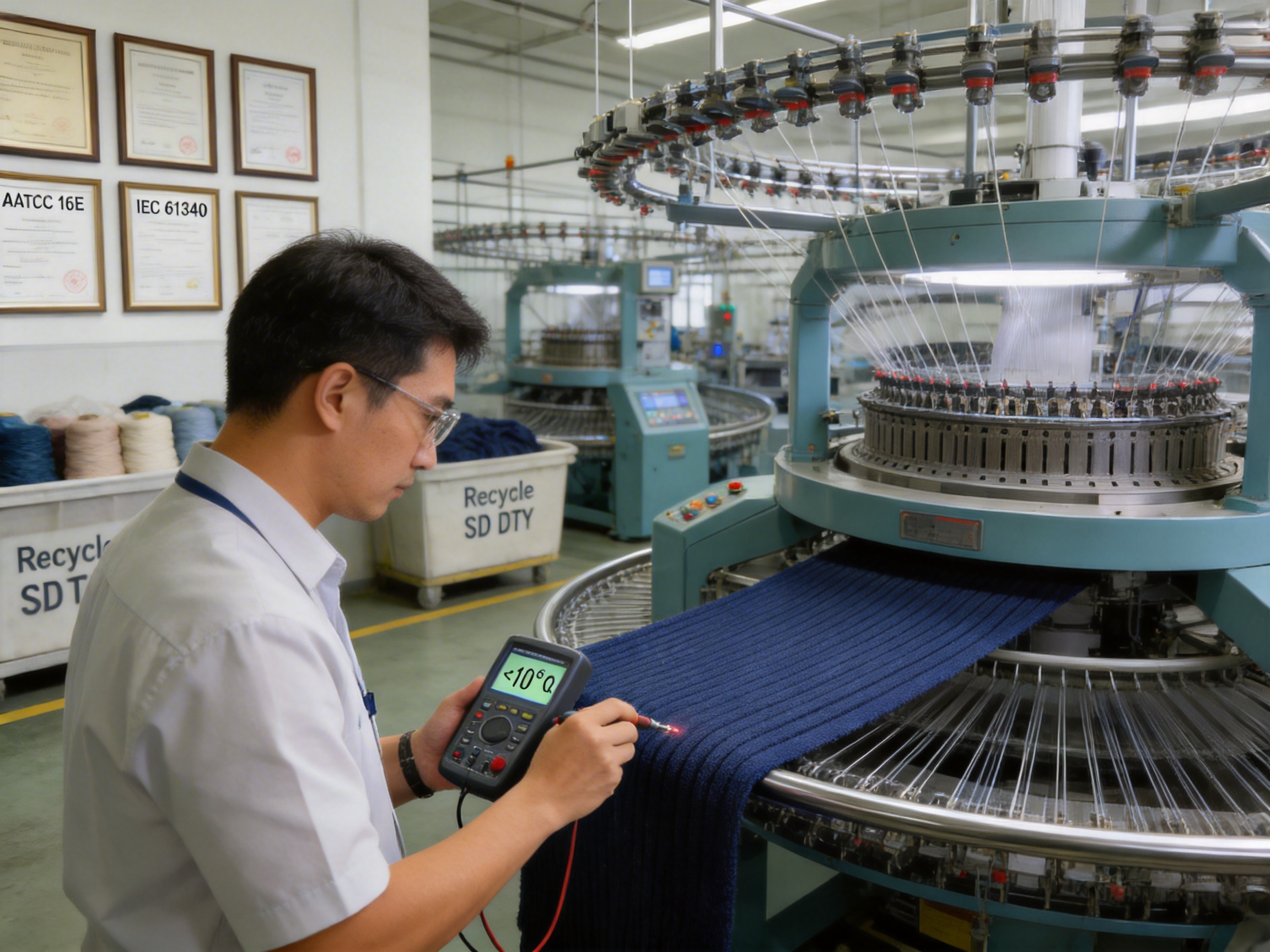
The rib knitting process is carried out using state-of-the-art circular knitting machines, which are programmed to produce consistent stitch patterns. The machines are equipped with tension control systems that ensure uniform yarn tension, resulting in a fabric with consistent elasticity and thickness. The knitting process is monitored in real-time to detect any defects, such as broken stitches or uneven tension, which are corrected immediately to maintain quality.
Quality Control and Testing Protocols
Quality control is a top priority throughout the manufacturing process. The fabric undergoes a series of rigorous tests to ensure it meets or exceeds industry standards:
- Anti-static testing: Surface resistance (measured using a megohmmeter) and static decay time (measured using a static decay tester) are tested to ensure compliance with IEC 61340 standards.
- Color fastness testing: Lightfastness (AATCC 16E), wash fastness (AATCC 61), and rub fastness (AATCC 8) are tested to ensure the fabric retains its color.
- Physical testing: Tensile strength (ASTM D5034), tear strength (ASTM D1424), and elasticity (ASTM D2594) are tested to ensure durability.
- Comfort testing: Breathability (ASTM D737), moisture wicking (AATCC 191), and skin irritation (ISO 10993-10) are tested to ensure comfort and safety.
Only fabrics that pass all these tests are approved for sale.

Company's Core Strengths
R&D Innovation Capabilities
The entity behind the Anti-static Cationic Knitted Rib Fabric has a dedicated R&D team consisting of textile engineers, chemists, and material scientists. This team is committed to developing innovative functional textiles and yarns, collaborating with internationally renowned enterprises to advance environmental protection and functional textile technologies. The company has invested heavily in R&D facilities, including a state-of-the-art testing lab and a pilot production line, to develop and prototype new products quickly.
Recent innovations include the development of recycled functional yarns, flame-retardant yarns, and cationic dyeing technologies, which have been widely adopted in the textile industry.
Global Export Track Record
The company has a strong global presence, with over 90% of its products exported to 36 countries across Asia, Europe, North America, and Oceania. This global reach is a testament to the quality of its products and its ability to meet the diverse needs of international customers. The company has established long-term cooperative relationships with leading textile manufacturers, apparel brands, and industrial users, who rely on its products for their performance and reliability.
Customer-Centric Service Model
The company prides itself on its customer-centric service model. It offers custom textile fabric and yarn solutions to meet the specific needs of its customers, including custom denier, color, and functional properties. The company’s experts are available 24/7 to provide guidance and support, with a 12-hour response time for customer inquiries. This commitment to customer service has earned the company a loyal customer base and a reputation for excellence.
Sustainability Commitments
Sustainability is a core value of the company. It uses recycled yarns from its Recycle Series to reduce its environmental impact, and it has implemented energy-efficient manufacturing processes to minimize its carbon footprint. The company also adheres to strict environmental regulations and uses eco-friendly dyes and chemicals in its production processes. This commitment to sustainability not only benefits the environment but also meets the growing demand for eco-friendly textiles from consumers and businesses.
Application Scenarios
Cleanroom and ESD Workwear
Cleanroom environments, such as those used in electronics manufacturing and pharmaceuticals, require strict control of static electricity to prevent damage to sensitive components and products. The Anti-static Cationic Knitted Rib Fabric is ideal for cleanroom apparel, as it provides consistent ESD protection, is low-linting, and is easy to clean. The fabric’s anti-static properties ensure that static charges are dissipated quickly, while its low-linting design prevents contamination of the cleanroom environment.
ESD workwear made from this fabric is used by technicians, engineers, and healthcare professionals to protect both the wearer and the environment from electrostatic hazards.
Everyday Apparel and Undergarments
Static cling is a common annoyance in everyday apparel, especially during dry weather. The Anti-static Cationic Knitted Rib Fabric solves this problem by dissipating static charges, preventing clothes from sticking to the skin or to each other. The fabric’s soft texture, breathability, and moisture-wicking properties make it ideal for undergarments, activewear, and casual clothing. It is also durable and easy to care for, making it a practical choice for everyday use.
Industrial and Technical Textiles
The fabric’s durability, anti-static properties, and versatility make it suitable for a wide range of industrial and technical applications. For example, it can be used in conveyor belts for electronics manufacturing, where anti-static properties are required to prevent damage to components. It can also be used in filters for air purification systems, where its low-linting design and anti-static properties prevent dust accumulation. Additionally, it can be used in protective covers for sensitive equipment, providing both protection and static control.
Comparison of Anti-static Cationic Knitted Rib Fabric with Competitor Products
| Feature | Anti-static Cationic Knitted Rib Fabric | Traditional Anti-static Polyester Fabric | Cotton-blend Anti-static Fabric |
|---|---|---|---|
| Anti-static Durability (Wash Cycles) | 50+ | 10-15 | 20-25 |
| Color Fastness (AATCC 16E Lightfastness Rating) | 7-8 | 4-5 | 5-6 |
| Breathability (Air Permeability, cm³/cm²/s) | 120-150 | 80-100 | 180-200 (but retains moisture) |
| Elastic Recovery (%) | 95+ | 75-80 | 60-70 |
| Moisture Wicking (AATCC 191 Rating) | Excellent (5) | Good (3) | Poor (1) |
| Linting Tendency | Very Low | Moderate | High |
Q&A Section
Q1: How does the anti-static property of this fabric compare to traditional anti-static fabrics?
A1: Traditional anti-static fabrics often rely on surface coatings (like metalized finishes) that wear off after 10-15 washes, reducing their effectiveness. In contrast, our Anti-static Cationic Knitted Rib Fabric integrates conductive fibers into the yarn core, ensuring anti-static performance lasts for 50+ washes. Additionally, our fabric has a static decay time of less than 0.5 seconds—well below the industry standard of 1 second—making it more reliable for critical applications like cleanrooms.
Q2: Does the cationic finishing affect the fabric's breathability?
A2: No, the cationic finishing process does not compromise breathability. In fact, the rib-knitted structure of the fabric enhances air circulation by creating small air pockets, while the cationic dyeing process bonds dyes to the fiber without clogging the fabric’s pores. This ensures the fabric remains highly breathable, even after dyeing.
Q3: Can the fabric be customized for specific denier or color requirements?
A3: Yes, the manufacturer offers custom solutions for denier, color, and functional properties. The company’s R&D team can work with customers to develop fabrics that meet their specific needs, whether it’s a unique color, a specific denier, or additional functional properties like flame retardancy or moisture wicking.
Q4: What are the washing instructions to maintain its performance?
A4: To maintain the fabric’s anti-static and colorfastness properties, follow these instructions:
- Wash in cold or warm water (up to 40°C) with mild detergent.
- Avoid using bleach or fabric softeners, as these can damage the conductive fibers and reduce anti-static performance.
- Tumble dry on low heat or hang dry.
- Iron on low heat if necessary (avoid ironing directly on any conductive fibers).
Q5: Is the fabric suitable for sensitive skin?
A5: Yes, the fabric is suitable for sensitive skin. It is made from soft polyester filament yarns and undergoes rigorous skin irritation testing (ISO 10993-10) to ensure it is hypoallergenic and free from harmful chemicals. The moisture-wicking properties also help keep the skin dry, reducing the risk of irritation.
References
1. International Electrotechnical Commission (IEC). (2020). IEC 61340-5-1: Electrostatics – Protection against electrostatic phenomena – Part 5-1: General requirements for the protection of electronic devices against electrostatic phenomena.
2. American Association of Textile Chemists and Colorists (AATCC). (2019). AATCC 16E: Colorfastness to Light: Xenon Arc Lamp.
3. ASTM International. (2021). ASTM D737: Standard Test Method for Air Permeability of Textile Fabrics.
4. Zhang, Y., et al. (2022). "Advances in Cationic Dyeing of Polyester Fibers: A Review." Journal of Applied Polymer Science, 139(45), e53127.

Popular products
-
Premium Cationic Interlock Stretch Comfort Fabric
-
Moisture-Wicking Nylon Woven Fabric
-
Double-faced jacquard elastic fabric
-
Heather Grey Double-faced cationic jersey fabric
-
Anti-static Cationic Knitted Rib Fabric
-
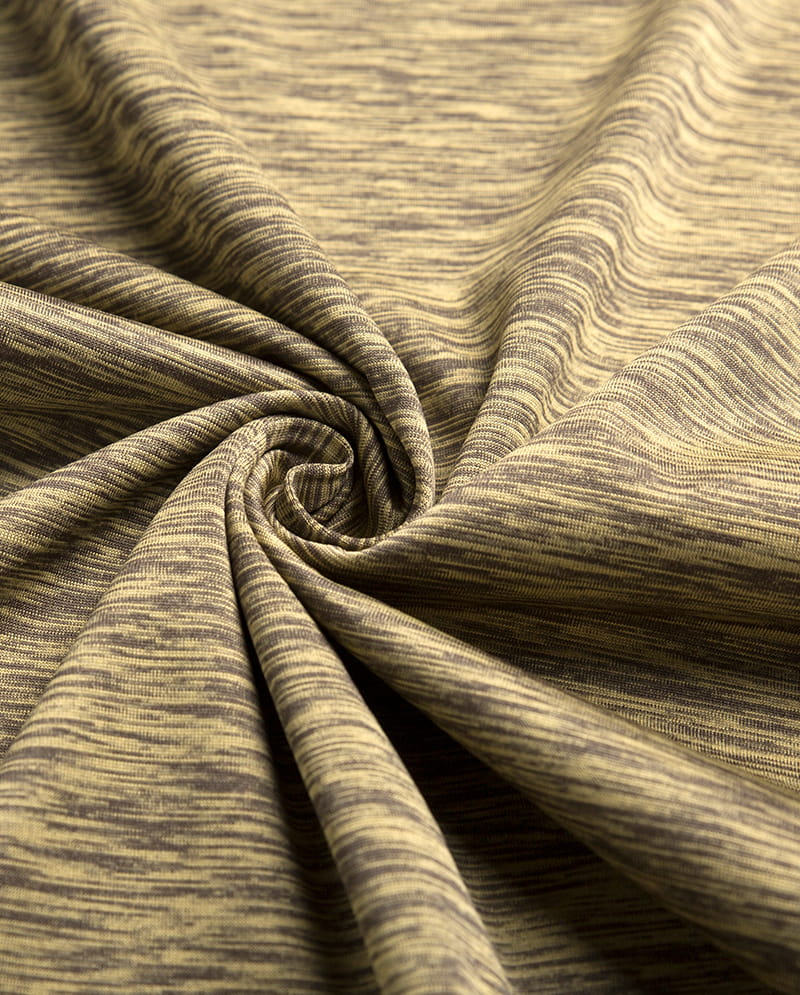
High-Stretch Cationic Jersey Fabric
-
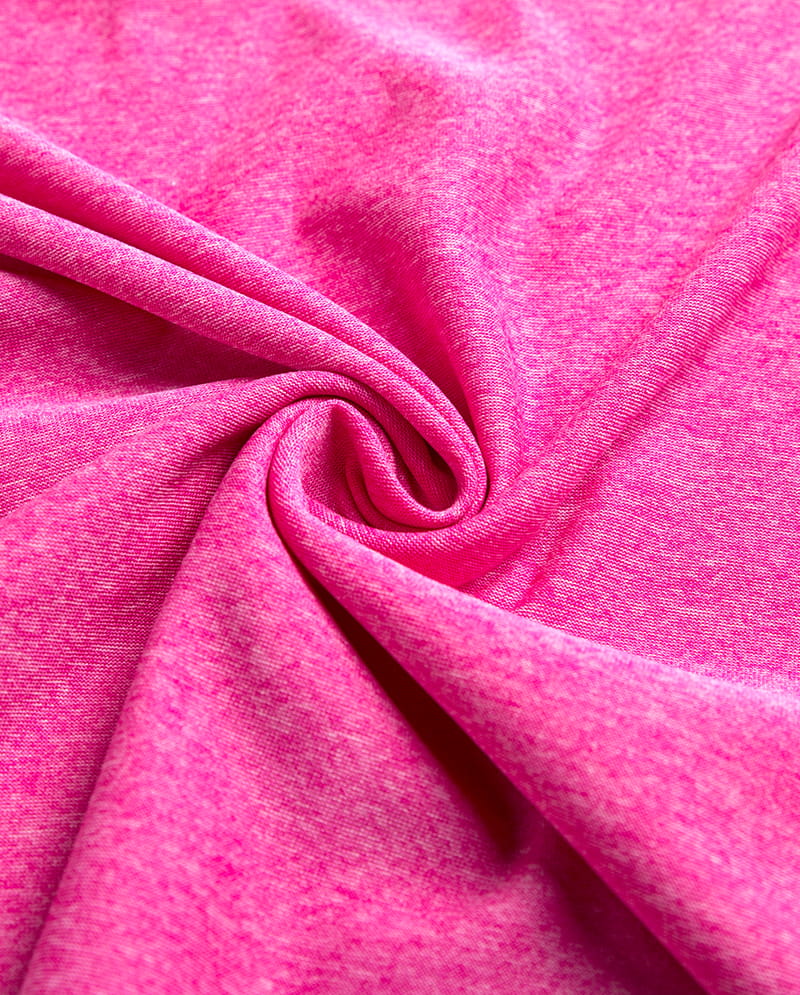
High Quality Cationic DTY Spandex Two Sides Brush Dralon Knit Fabric for Garment Thermal Underwear
-
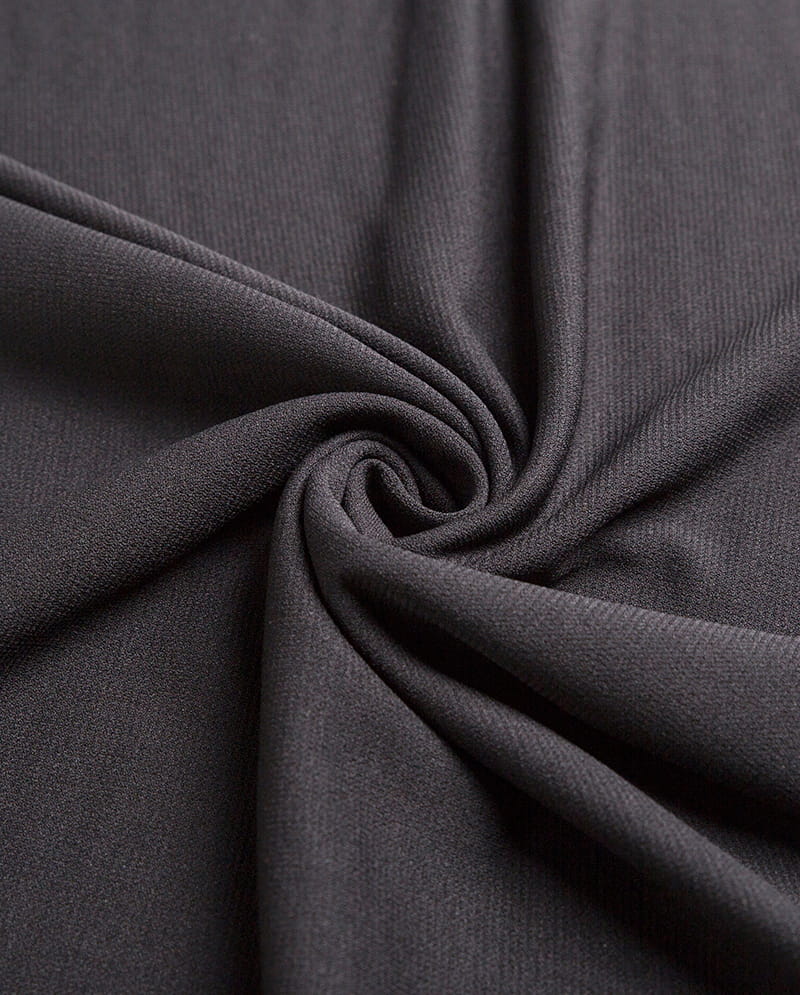
Durable Anti-Pilling Knitted Fabric for Home Textiles
-
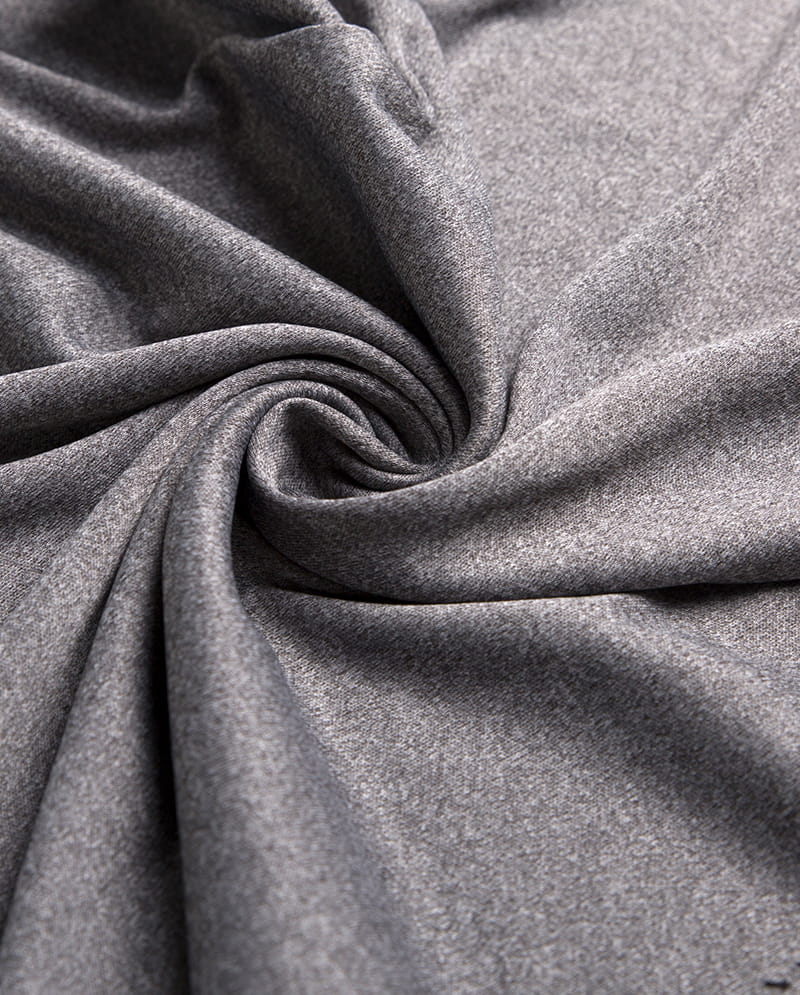
Wash-Resistant Cationic Elastic Knitted Fabric for Garment Industry
-
Breathable Double-Faced Elastic Composite Fabric
-
-
-
- whatsapp:
- 0086-13962559622
-
- skype:
- skype.aliceshenghong
-
- Wechat:

COPYRIGHT © 2016 Suzhou Junhui Textile Co., Ltd.
