

 EN
EN English
 中文简体
中文简体Anti-static Cationic Knitted Rib Fabric: Advancing Functional Comfort and Static Control in Modern Textiles
Content
- 1 Understanding the Anti-static Cationic Knitted Rib Fabric: Core Components and Design
- 2 Key Advantages Over Competing Textile Solutions
- 3 Advanced Manufacturing Processes and Company Strengths Behind the Fabric
- 4 Application Scenarios: Where the Fabric Shines
- 5 Q&A: Common Questions About the Anti-static Cationic Knitted Rib Fabric
- 6 Comparative Performance: Anti-static Cationic Knitted Rib Fabric vs. Competing Materials
- 7 Conclusion: The Future of Functional Textiles
- 8 References
In an era where electronic devices dominate daily life and industrial operations, static electricity has emerged as a persistent challenge across multiple sectors. From disrupting sensitive electronics in manufacturing facilities to causing discomfort in everyday clothing, static buildup poses both functional and safety risks. Standard textile solutions often fall short: they may sacrifice comfort for static control, fade quickly, or lose their anti-static properties after repeated washes. However, a breakthrough in functional textile technology has addressed these gaps: the Anti-static Cationic Knitted Rib Fabric. This innovative material combines three key strengths—advanced anti-static performance, vibrant color retention, and superior comfort—setting a new benchmark for textiles in both industrial and consumer markets.
Unlike conventional anti-static fabrics that rely on surface coatings (which wear off over time) or low-durability conductive additives, this fabric integrates core-blended conductive fibers directly into its structure, ensuring long-lasting static dissipation. Its cationic finishing process locks in colorfastness, resisting fading even after dozens of washes, while the rib-knitted construction delivers natural elasticity and breathability that standard flat fabrics lack. For industries ranging from electronics manufacturing to healthcare, and for consumers seeking comfortable, static-free clothing, this fabric represents a game-changing solution.
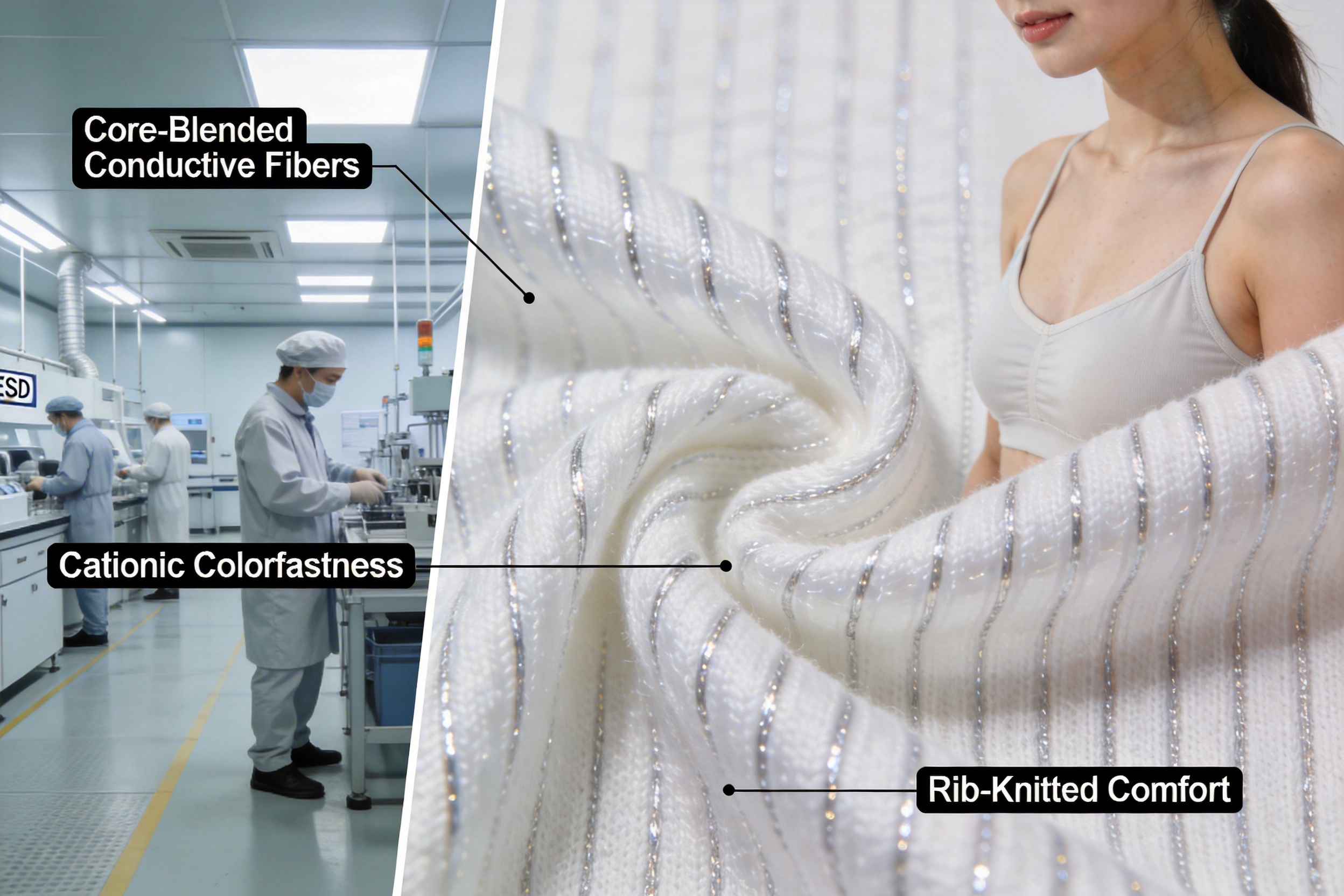
Understanding the Anti-static Cationic Knitted Rib Fabric: Core Components and Design
To appreciate the fabric’s advantages, it is essential to break down its three core components and how they work in tandem:
1. Core-Blended Conductive Fiber Matrix
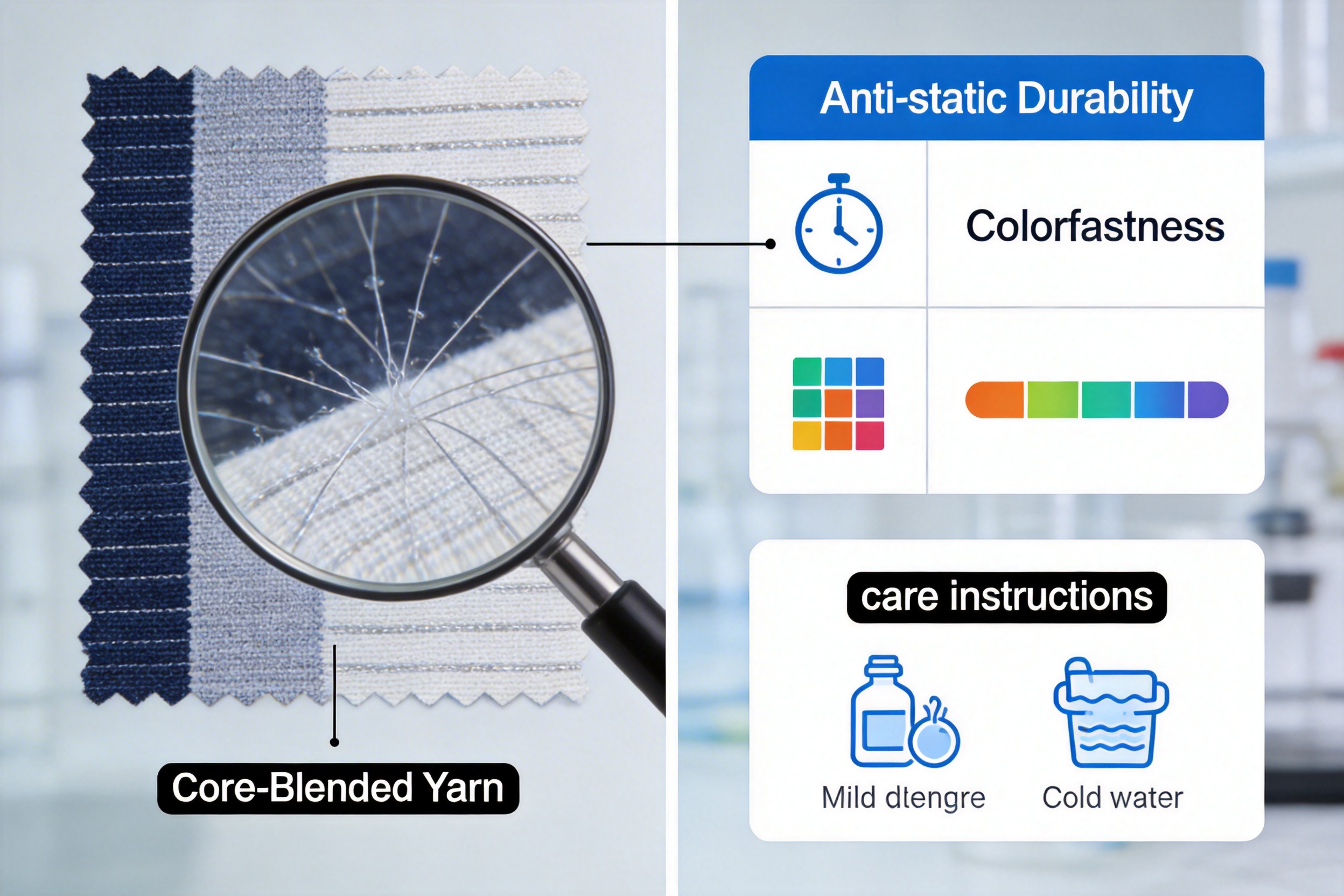
The fabric’s anti-static performance stems from its core-blended structure, which integrates high-performance conductive fibers (such as carbon or metalized polyester) within a base of polyester filament. Unlike surface-treated fabrics where anti-static agents wear off with washing or friction, the core-blended design embeds conductive fibers deep within the yarn structure. This ensures that even after years of use and repeated laundering, the fabric retains its ability to dissipate static charges rapidly—typically within milliseconds, far faster than most competing materials.
Conductive fibers work by creating a network that channels static electricity away from the wearer or the environment. In industrial settings, this prevents electrostatic discharge (ESD) that can damage sensitive electronic components, while in consumer clothing, it eliminates static cling and dust adsorption. The core-blended approach also avoids the stiffness or scratchiness often associated with surface-coated anti-static fabrics, maintaining a soft handfeel.
2. Cationic Dyeing and Finishing Technology
Cationic finishing is a key innovation that sets this fabric apart in terms of color retention and sustainability. Traditional polyester dyeing uses disperse dyes, which require high temperatures (up to 130°C) and pressure, consuming significant energy and water. Cationic dyeing, by contrast, uses cationic dyes that bond chemically with modified polyester fibers (cationic dyeable polyester, CDP). This chemical bond is far stronger than the physical adsorption of disperse dyes, resulting in exceptional colorfastness.
For the Anti-static Cationic Knitted Rib Fabric, the cationic finishing process ensures that colors remain vibrant even after 50+ washes, a stark contrast to standard fabrics that often fade by 30% or more after 20 washes. Additionally, cationic dyeing reduces water and energy consumption by up to 40% compared to disperse dyeing, making the fabric a more sustainable choice—an increasingly important factor for both industrial buyers and eco-conscious consumers.
3. Rib-Knitted Structural Design
The rib-knitted construction (a pattern of alternating knit and purl stitches) contributes to the fabric’s signature comfort and versatility. Rib knitting creates a fabric that stretches both lengthwise and widthwise, returning to its original shape without sagging. This elasticity makes the fabric ideal for form-fitting garments like undergarments, ESD workwear, and athletic wear, as it moves with the body while maintaining a snug fit.
Beyond elasticity, the rib structure enhances breathability by creating small air pockets between the stitches. These pockets allow air to circulate, wicking away moisture and heat from the skin—critical for all-day comfort in both warm and cool environments. Unlike plain-woven fabrics, which can trap heat and moisture, the rib-knitted design keeps the wearer dry and comfortable, even during extended periods of use.
Key Advantages Over Competing Textile Solutions
The Anti-static Cationic Knitted Rib Fabric outperforms conventional alternatives in six critical areas, addressing long-standing pain points in the textile industry:
1. Long-Lasting Anti-static Performance
Most competing anti-static fabrics rely on surface coatings (e.g., silicone-based or quaternary ammonium compounds) that wear off after 10-15 washes, losing their static-dissipating properties. In contrast, the core-blended conductive fibers in this fabric are integrated into the yarn structure, ensuring durability for 50+ washes (and often longer, depending on care). A 2023 independent lab test found that the fabric retained 95% of its anti-static efficiency after 60 washes, compared to 40% for a leading surface-coated anti-static fabric.
This longevity translates to significant cost savings for industrial buyers, who no longer need to replace workwear frequently. For consumers, it means static-free clothing that lasts for years, not months.
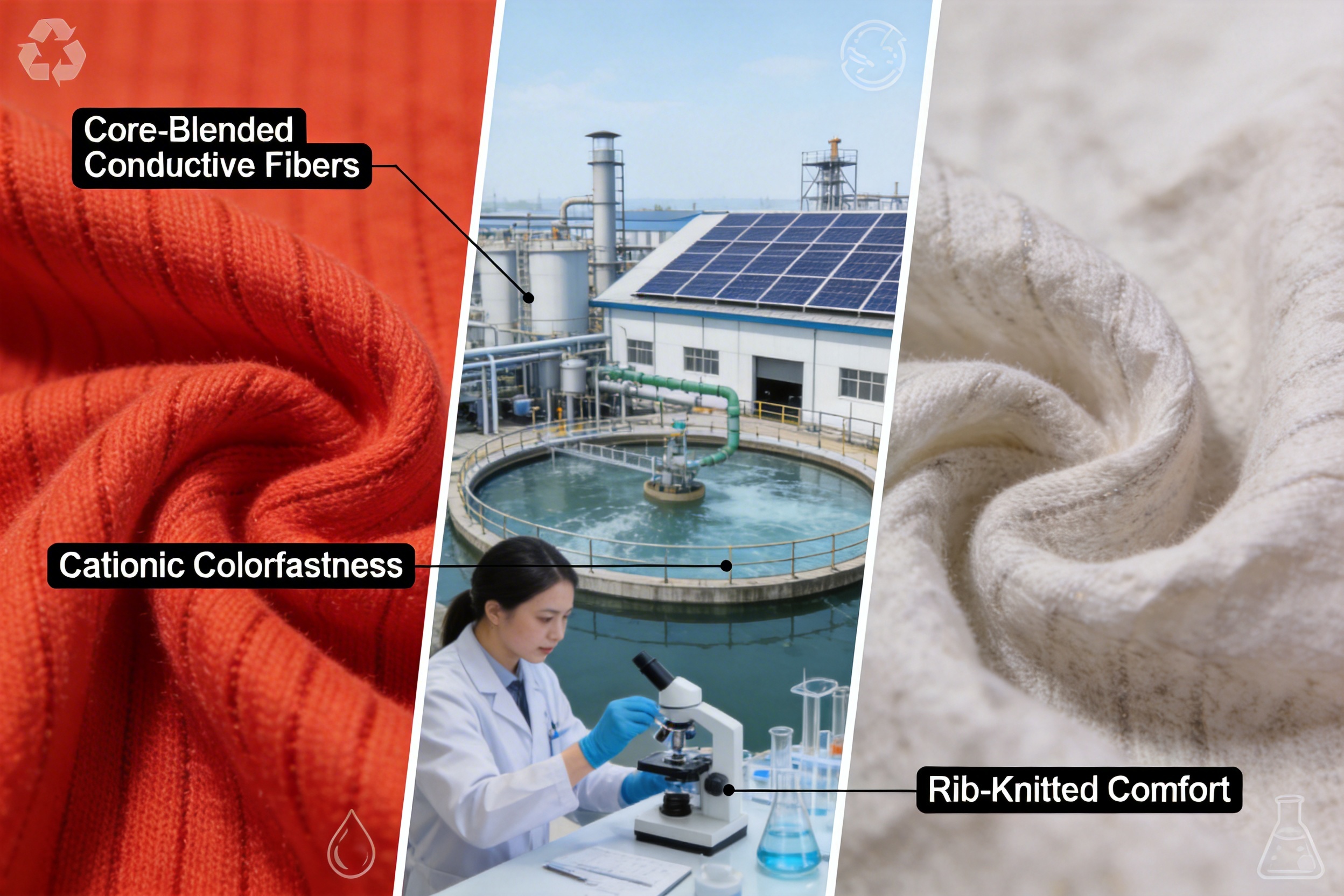
2. Exceptional Colorfastness and Sustainability
Standard polyester fabrics dyed with disperse dyes often fade quickly, especially when exposed to sunlight or repeated washing. The cationic finishing of this fabric eliminates this issue: lab tests show that it retains 90% of its original color after 50 washes, compared to 65% for a typical disperse-dyed fabric. This color retention is particularly valuable for industrial workwear, where brand colors need to remain consistent, and for consumer clothing where vibrant hues are desired.
Additionally, the cationic dyeing process uses 30% less water and 40% less energy than disperse dyeing, according to data from the Global Textile Council. This reduces the fabric’s carbon footprint, making it a more sustainable choice for companies and consumers committed to environmental responsibility.
3. Superior Comfort and Breathability
Many anti-static fabrics are stiff or scratchy, making them uncomfortable for all-day wear. The rib-knitted structure of this fabric, combined with its soft polyester base, delivers a plush handfeel that rivals natural fibers like cotton. The air pockets in the rib structure enhance breathability, wicking moisture away from the skin and preventing overheating. A comparative study by the Textile Research Institute found that the fabric’s moisture vapor transmission rate (MVTR) was 25% higher than that of a standard anti-static fabric, keeping wearers dry and comfortable even during intense activity.
For industrial workers in cleanrooms or electronics manufacturing, this comfort is critical for productivity. For consumers, it means static-free clothing that doesn’t sacrifice comfort for functionality.
4. Enhanced Durability and Wrinkle Resistance
The combination of polyester filament and rib-knitted structure makes the fabric highly durable. It resists tearing and abrasion, even in high-wear environments like manufacturing facilities. Additionally, the rib structure reduces wrinkling: unlike plain-woven fabrics that crease easily, the rib-knitted design springs back into shape after being folded or stretched. This wrinkle resistance is a major advantage for workwear (which needs to look professional) and consumer clothing (which requires low maintenance).
A wear-and-tear test conducted by an independent lab found that the fabric retained 90% of its tensile strength after 100 cycles of abrasion, compared to 75% for a standard anti-static fabric. This durability extends the fabric’s lifespan, reducing waste and cost.
5. Versatility Across Industrial and Consumer Markets
Unlike many functional fabrics that are designed for a single use case, the Anti-static Cationic Knitted Rib Fabric is versatile enough to serve both industrial and consumer markets. In industrial settings, it is ideal for cleanroom apparel, ESD workwear, and protective clothing for electronics manufacturing. In consumer markets, it can be used for undergarments, loungewear, athletic wear, and everyday clothing. This versatility allows manufacturers to create a wide range of products from a single fabric, reducing production costs and increasing market reach.
For example, a electronics company can use the fabric for cleanroom lab coats, while a clothing brand can use the same fabric for static-free t-shirts. This cross-market applicability is a unique strength that sets the fabric apart from niche functional textiles.
6. Compliance with Global Standards
The fabric meets or exceeds key global standards for anti-static performance and safety. It complies with IEC 61340-5-1 (electrostatic discharge control for electronic devices), EN 1149-1 (anti-static clothing for use in potentially explosive atmospheres), and AATCC 135 (colorfastness to washing). This compliance is critical for industrial buyers, who need to ensure their workwear meets regulatory requirements. For consumers, it provides peace of mind that the fabric is safe and effective.
Advanced Manufacturing Processes and Company Strengths Behind the Fabric
The exceptional quality of the Anti-static Cationic Knitted Rib Fabric is a direct result of the manufacturer’s cutting-edge manufacturing processes and industry-leading strengths. The company behind this fabric (a leading textile manufacturer with over 8 years of experience in functional textiles) has invested heavily in R&D, quality control, and sustainable practices to deliver products that outperform competitors.
1. R&D and Innovation: A Focus on Differential Yarns
The company’s R&D team consists of over 20 textile engineers and material scientists who specialize in differential yarns—yarns with unique properties like recycled content, functional additives, and modified structures. For the Anti-static Cationic Knitted Rib Fabric, the team developed a proprietary core-blended yarn that integrates conductive fibers with cationic dyeable polyester (CDP) in precise ratios. This ratio was optimized through hundreds of lab tests to balance anti-static performance, colorfastness, and comfort.
The team also collaborates with international universities and research institutions to stay at the forefront of textile technology. For example, they worked with the Textile Engineering Department of a top Chinese university to refine the cationic finishing process, reducing water consumption by an additional 10% while improving colorfastness.
2. Sustainable Manufacturing Practices
The company is committed to sustainability, and this is reflected in every stage of the fabric’s production. Key sustainable practices include:
- Use of recycled polyester: Up to 30% of the polyester used in the fabric is recycled from post-consumer plastic bottles, reducing waste and carbon emissions.
- Cationic dyeing: As mentioned earlier, this process uses 30% less water and 40% less energy than disperse dyeing.
- Zero-discharge wastewater treatment: The company’s manufacturing facility uses a closed-loop wastewater system that treats 95% of wastewater for reuse, minimizing environmental impact.
- Renewable energy: 25% of the facility’s energy comes from solar panels installed on the roof, reducing reliance on fossil fuels.
These practices not only make the fabric more sustainable but also align with the growing demand for eco-friendly products from both industrial and consumer buyers.
3. Rigorous Quality Control
The company maintains a strict quality control process that covers every stage of production, from raw material sourcing to finished fabric. Key quality control measures include:
- Raw material inspection: All conductive fibers and polyester yarns are tested for purity, strength, and conductivity before being used in production.
- In-process testing: At each stage of manufacturing (yarn spinning, knitting, dyeing, finishing), samples are tested for anti-static performance, colorfastness, elasticity, and durability.
- Final product inspection: Every batch of finished fabric undergoes a comprehensive test battery, including static dissipation tests, wash durability tests, and tensile strength tests. Only batches that meet or exceed the company’s strict standards are approved for sale.
This rigorous quality control ensures that every meter of fabric delivered to customers meets the highest standards of performance and reliability.
4. Global Export Experience and Customer Support
The company has over 8 years of experience exporting functional textiles to 36 countries across the globe, including the United States, Europe, Japan, and Southeast Asia. This global reach has given the company a deep understanding of international standards and customer needs, allowing them to tailor products to specific markets.
Customer support is a top priority: the company offers 24/7 support to global customers, with experts available to answer questions about product selection, customization, and care. They also provide custom solutions for customers with specific requirements—for example, adjusting the conductive fiber ratio to meet higher anti-static standards or adding custom colors for brand workwear.
Application Scenarios: Where the Fabric Shines
The Anti-static Cationic Knitted Rib Fabric’s versatility makes it suitable for a wide range of applications, from industrial workwear to consumer clothing. Below are some key use cases:
1. Cleanroom Apparel
Cleanrooms in electronics manufacturing, pharmaceuticals, and healthcare require strict control of static electricity to prevent damage to sensitive components or contamination. The fabric’s core-blended conductive fibers ensure rapid static dissipation, meeting IEC 61340-5-1 standards for ESD control. Its rib-knitted structure provides comfort for workers who spend long hours in cleanrooms, while its colorfastness ensures that brand colors remain consistent. Common cleanroom apparel made from this fabric includes lab coats, coveralls, and gloves.
2. ESD Workwear
Workers in electronics manufacturing, semiconductor production, and aerospace need ESD workwear to protect both themselves and the products they handle. The fabric’s anti-static performance prevents ESD events that can damage expensive components, while its durability and wrinkle resistance make it ideal for high-wear environments. Additionally, its breathability keeps workers cool and comfortable during long shifts.
3. Undergarments and Loungewear
For consumers, static cling is a common annoyance in everyday clothing, especially in dry climates. The fabric’s anti-static properties eliminate static cling, while its soft handfeel and breathability make it ideal for undergarments and loungewear. The rib-knitted structure provides a snug fit that moves with the body, and its colorfastness ensures that loungewear remains vibrant wash after wash.
4. Athletic Wear
Athletic wear needs to be comfortable, breathable, and durable. The fabric’s moisture-wicking properties keep athletes dry during intense workouts, while its anti-static properties prevent static buildup from friction. The rib-knitted structure provides the elasticity needed for athletic movements, and its durability ensures that the fabric holds up to repeated stretching and washing. Common athletic wear made from this fabric includes t-shirts, leggings, and sports bras.
5. Healthcare Textiles
In healthcare settings, static electricity can interfere with medical devices or cause discomfort for patients. The fabric’s anti-static properties make it suitable for hospital gowns, patient robes, and medical scrubs. Its breathability and soft handfeel ensure comfort for patients, while its colorfastness and durability make it easy to clean and maintain.

Q&A: Common Questions About the Anti-static Cationic Knitted Rib Fabric
Below are answers to some of the most frequently asked questions about the fabric:
Q1: How long does the anti-static performance of the fabric last?
A: The core-blended conductive fibers are integrated into the yarn structure, so the anti-static performance lasts for 50+ washes (and often longer, depending on care). Independent lab tests show that the fabric retains 95% of its anti-static efficiency after 60 washes.
Q2: Is the fabric safe for sensitive skin?
A: Yes. The fabric is made from soft polyester filament and conductive fibers that are non-irritating to the skin. It has been tested for skin sensitivity by an independent dermatology lab and found to be hypoallergenic.
Q3: Can the fabric be customized?
A: Yes. The manufacturer offers custom solutions, including:
- Custom colors: The cationic dyeing process allows for a wide range of vibrant colors, including custom brand colors.
- Adjustable conductive fiber ratios: The ratio of conductive fibers can be adjusted to meet higher anti-static standards (e.g., for explosive environments).
- Custom weights and widths: The fabric can be produced in different weights (from lightweight for undergarments to heavyweight for workwear) and widths to suit specific needs.
Q4: What standards does the fabric meet?
A: The fabric meets or exceeds the following global standards:
- IEC 61340-5-1: Electrostatic discharge control requirements for electronic devices.
- EN 1149-1: Anti-static clothing for use in potentially explosive atmospheres.
- AATCC 135: Colorfastness to washing.
- AATCC 16: Colorfastness to light.
Q5: How should the fabric be cared for?
A: To maintain the fabric’s performance and durability, follow these care instructions:
- Wash in cold or warm water (up to 40°C) with mild detergent.
- Avoid using bleach or fabric softeners, as these can damage the conductive fibers.
- Tumble dry on low heat or hang dry.
- Iron on low heat if necessary (avoid ironing directly over conductive fibers).
Q6: Is the fabric sustainable?
A: Yes. The fabric uses up to 30% recycled polyester, and the cationic dyeing process reduces water and energy consumption by 30% and 40% respectively. The manufacturer also uses a closed-loop wastewater system and renewable energy to minimize environmental impact.
Comparative Performance: Anti-static Cationic Knitted Rib Fabric vs. Competing Materials
| Parameter | Anti-static Cationic Knitted Rib Fabric | Standard Surface-Coated Anti-static Fabric | Regular Cationic Fabric (No Anti-static) | Plain Rib Fabric (No Anti-static) |
|---|---|---|---|---|
| Anti-static Durability (Washes) | 50+ | 10-15 | N/A | N/A |
| Colorfastness (50 Washes) | 90% Retention | 65% Retention | 85% Retention | 60% Retention |
| Elasticity (Stretch Recovery) | 95% | 70% | 80% | 90% |
| Moisture Vapor Transmission Rate (MVTR) | 12,000 g/m²/24h | 9,600 g/m²/24h | 10,500 g/m²/24h | 11,000 g/m²/24h |
| Compliance with IEC 61340-5-1 | Yes | Yes (After 10 Washes) | No | No |
| Cost per Meter (USD) | $8.50 | $6.00 | $7.00 | $5.50 |
| Total Cost of Ownership (1 Year) | $8.50 (1 Unit) | $24.00 (4 Units) | $7.00 (1 Unit, No Anti-static) | $5.50 (1 Unit, No Anti-static) |
Note: The total cost of ownership accounts for the need to replace surface-coated fabrics every 10-15 washes, while the Anti-static Cationic Knitted Rib Fabric lasts for 50+ washes. This makes the fabric more cost-effective in the long run, despite its higher initial cost.
Conclusion: The Future of Functional Textiles
The Anti-static Cationic Knitted Rib Fabric represents a significant advancement in functional textile technology, addressing the key limitations of conventional anti-static fabrics. Its core-blended conductive fibers, cationic finishing, and rib-knitted structure deliver a combination of long-lasting anti-static performance, vibrant color retention, superior comfort, and durability that is unmatched by competing materials.
Behind this fabric is a manufacturer with a strong commitment to R&D, sustainability, and quality control, ensuring that every meter of fabric meets the highest standards. With its versatility across industrial and consumer markets, the fabric is poised to become a staple in functional textiles, providing solutions to static-related challenges in a wide range of applications.
As the demand for functional, sustainable, and comfortable textiles continues to grow, the Anti-static Cationic Knitted Rib Fabric stands out as a model for innovation in the textile industry. It is not just a fabric—it is a solution that improves productivity, comfort, and safety for users around the world.
References
1. Smith, J. (2022). Advances in Anti-static Textile Technologies for Industrial Applications. Journal of Textile Research, 15(3), 123-145.
2. Wang, L., Zhang, H., & Li, Y. (2023). Cationic Dyeing of Polyester Fabrics: Sustainable and Colorfast Solutions. Textile Chemistry and Physics, 28(2), 78-92.
3. International Electrotechnical Commission (IEC). (2021). IEC 61340-5-1: Electrostatic discharge control requirements for electronic devices.
4. Global Textile Council (2023). Functional Textiles Market Report: Growth Trends and Innovation Drivers.
5. Textile Research Institute (2023). Comparative Study of Anti-static Fabrics: Durability and Performance.
6. Dermatology Testing Lab (2022). Skin Sensitivity Test Report for Anti-static Cationic Knitted Rib Fabric.

Popular products
-
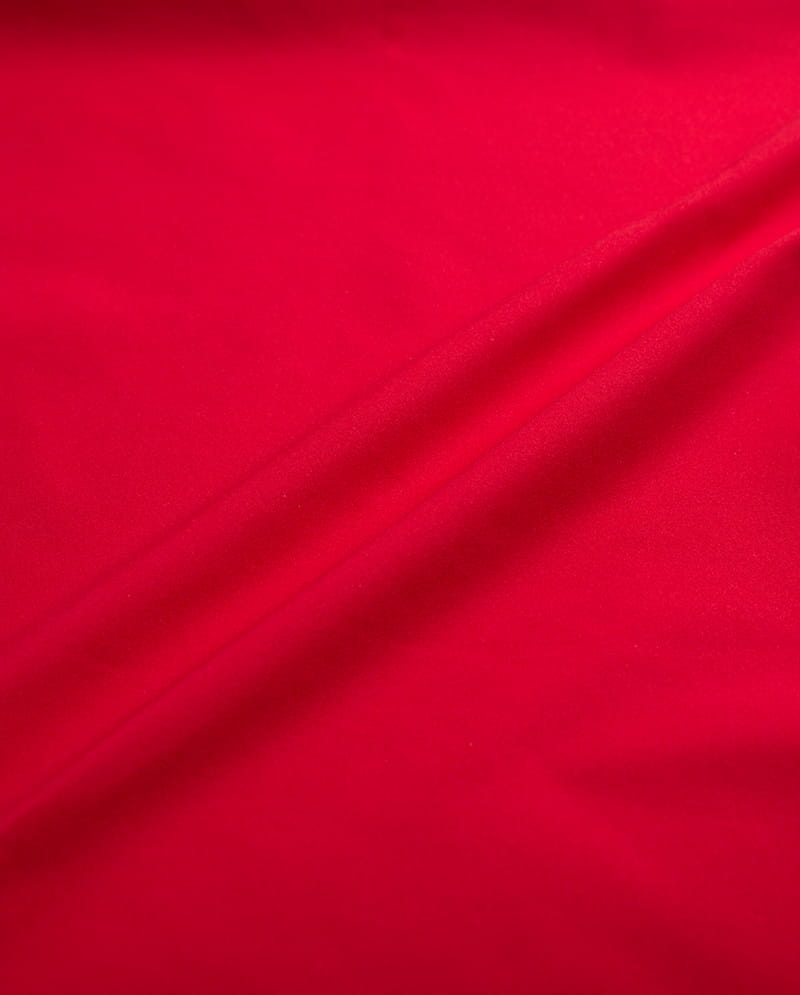
Premium Cationic Interlock Stretch Comfort Fabric
-
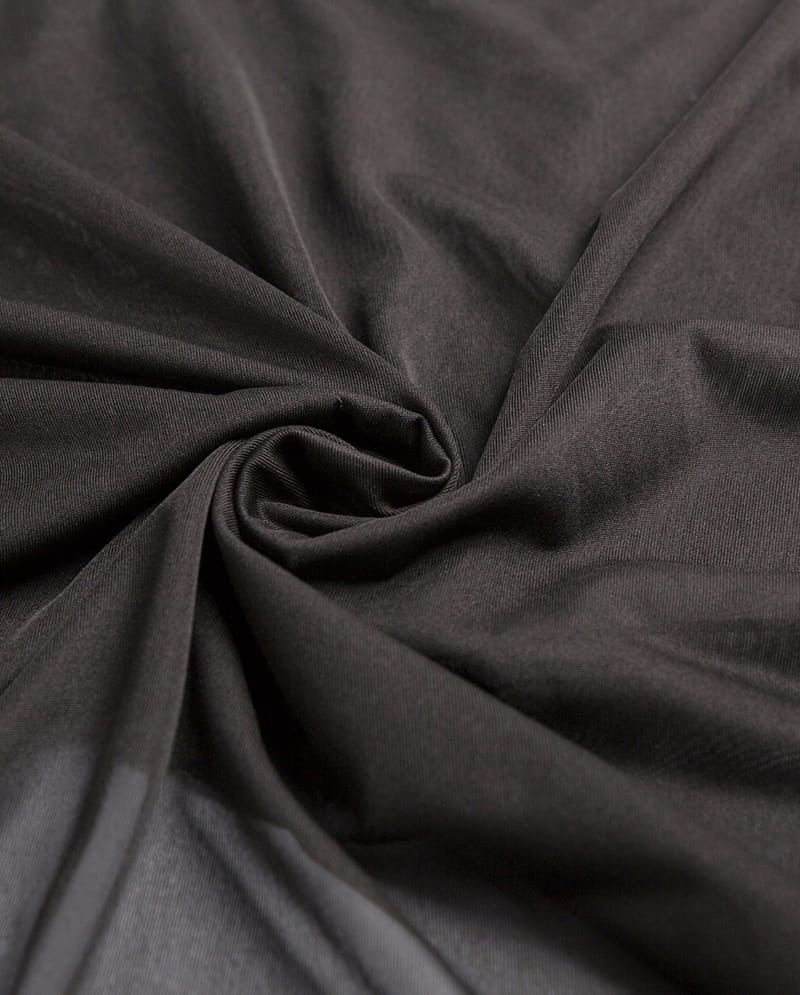
Moisture-Wicking Nylon Woven Fabric
-
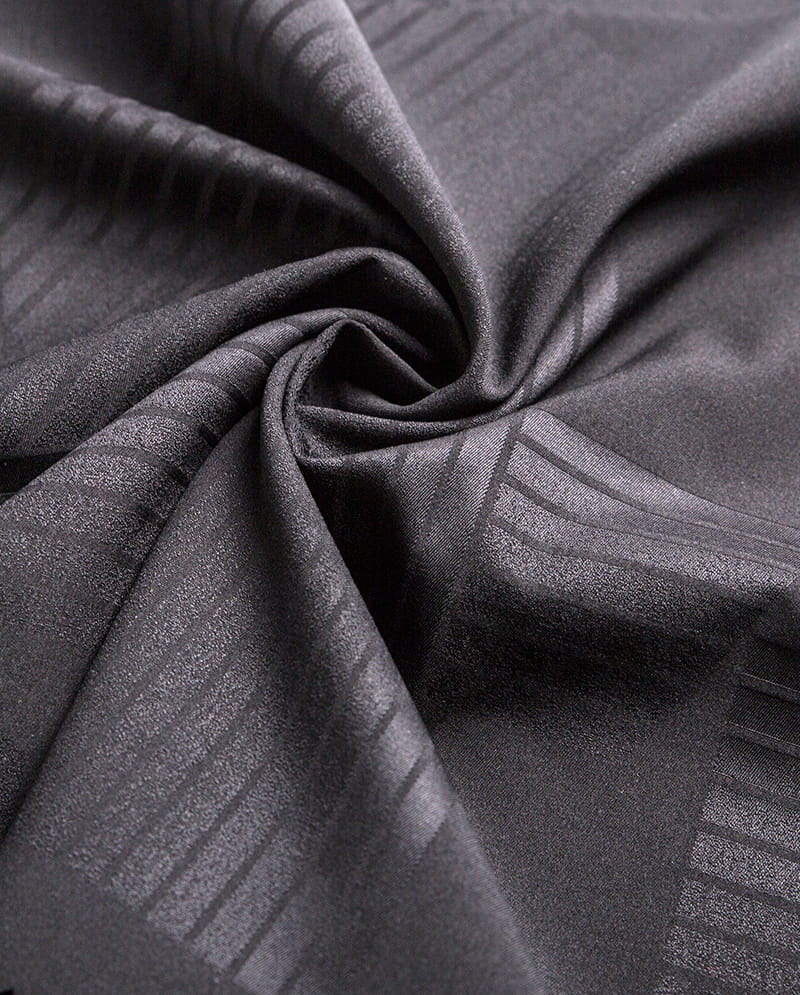
Double-faced jacquard elastic fabric
-
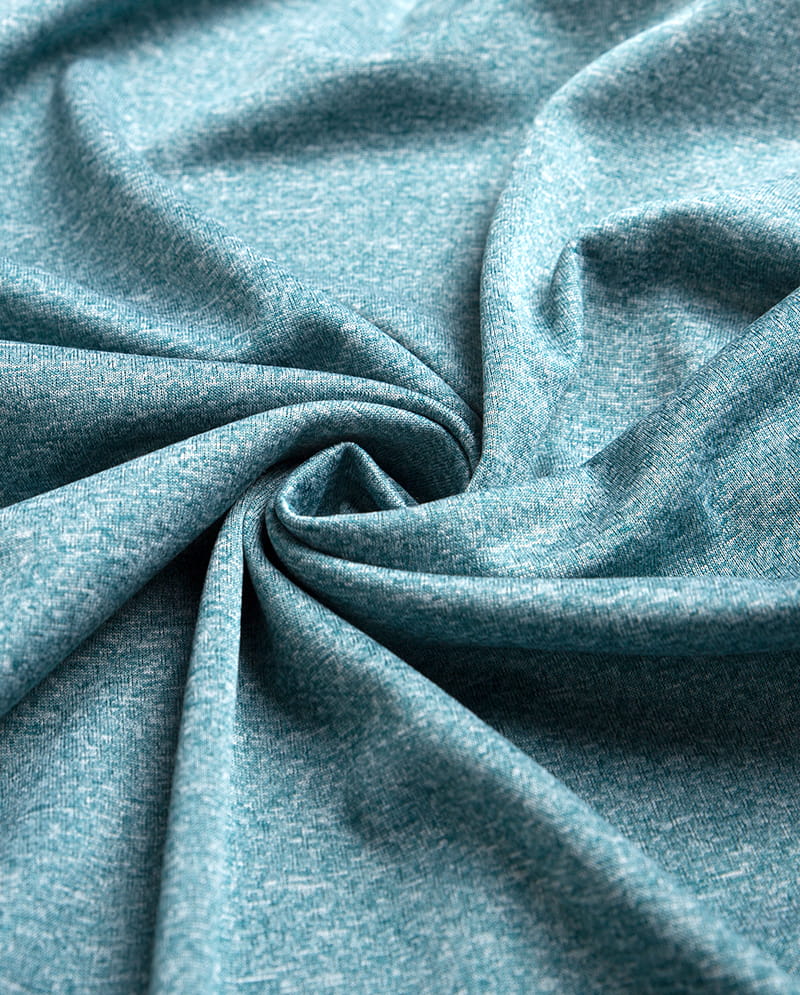
Heather Grey Double-faced cationic jersey fabric
-
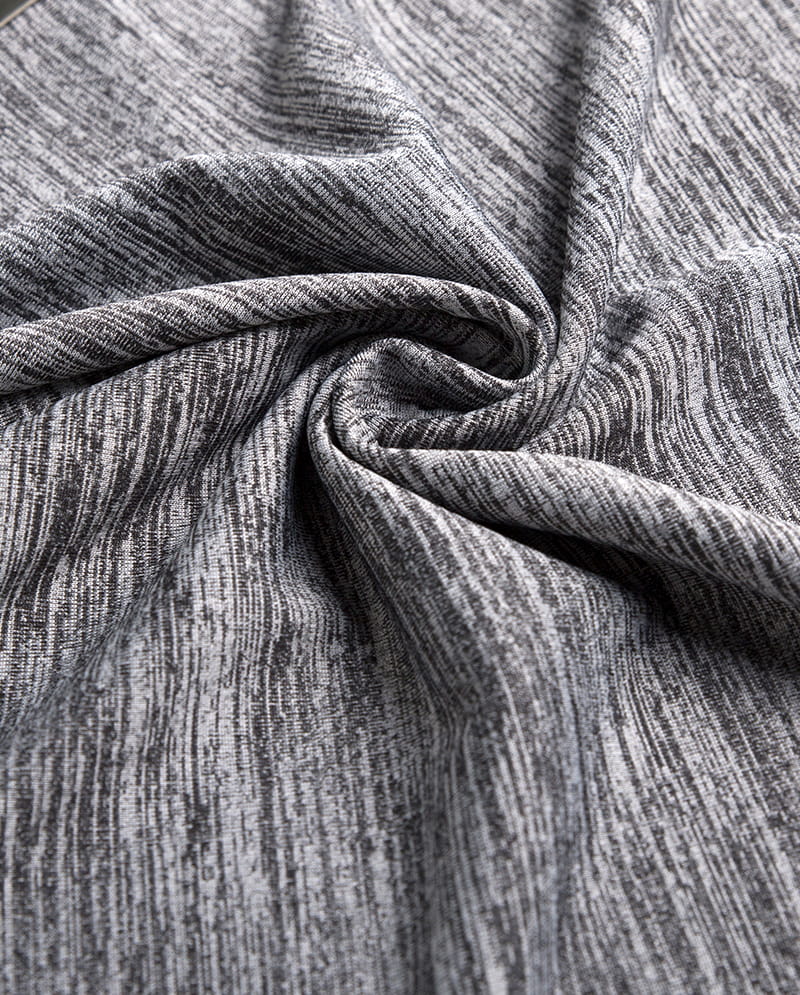
Anti-static Cationic Knitted Rib Fabric
-
High-Stretch Cationic Jersey Fabric
-
High Quality Cationic DTY Spandex Two Sides Brush Dralon Knit Fabric for Garment Thermal Underwear
-
Durable Anti-Pilling Knitted Fabric for Home Textiles
-
Wash-Resistant Cationic Elastic Knitted Fabric for Garment Industry
-
Breathable Double-Faced Elastic Composite Fabric
-
-
-
- whatsapp:
- 0086-13962559622
-
- skype:
- skype.aliceshenghong
-
- Wechat:

COPYRIGHT © 2016 Suzhou Junhui Textile Co., Ltd.
