

 EN
 English
 中文简体
Anti-Static Cationic Knitted Rib Fabric: Advanced Performance, Comfort, and Custom Textile Manufacturing
Content
- 1 Introduction
- 2 What Is Anti-Static Cationic Knitted Rib Fabric?
- 3 Key Product Advantages
- 4 Comparison with Conventional Textile Options
- 5 Advanced Yarn and Material Engineering
- 6 Manufacturing Process and Quality Control
- 7 Broad Product Portfolio Supporting Custom Development
- 8 Applications of the Fabric
- 9 Advantages of the Manufacturing Partner
- 10 Customization Possibilities
- 11 Testing and Purchasing Considerations
- 12 Sustainability and Responsible Textile Development
- 13 How the Product Stands Apart
- 14 Recommended End-Use Selection Guide
- 15 Q&A
- 15.1 What is the main function of this fabric?
- 15.2 Is the fabric suitable for cleanrooms?
- 15.3 Can the fabric be used for ESD garments?
- 15.4 Does the fabric contain conductive fiber?
- 15.5 What does cationic mean in this product?
- 15.6 Does rib knitting make the fabric stretchy?
- 15.7 Can recycled yarn be used?
- 15.8 What yarn counts are available?
- 15.9 Can the fabric be customized in color?
- 15.10 Is the fabric suitable for clothing worn next to the skin?
- 15.11 Is the fabric wrinkle-resistant?
- 15.12 Can other functions be added?
- 15.13 What information should a buyer provide when requesting a quotation?
- 15.14 Does the manufacturer support international orders?
- 16 Conclusion
- 17 References
- 18 Product: Anti-static Cationic Knitted Rib Fabric
Introduction
Anti-static Cationic Knitted Rib Fabric is a functional textile developed for applications that require comfort, elasticity, color stability, and reliable static control in one material. By combining cationic dyeing technology with a rib-knitted construction and carefully selected polyester filament components, this fabric offers a practical solution for cleanroom garments, ESD workwear, close-fitting apparel, underwear, cuffs, collars, base layers, and everyday clothing.
Static electricity is a frequent concern in modern manufacturing, electronics assembly, precision equipment production, laboratories, medical environments, packaging operations, and dry indoor workplaces. Conventional fabrics can accumulate electrical charges through friction between fibers, garments, skin, and surrounding surfaces. The resulting static may cause uncomfortable cling, attract dust and lint, interfere with sensitive electronic components, or create an electrostatic discharge risk in controlled working areas.
This rib fabric is designed to dissipate static buildup more effectively than ordinary polyester knitted materials. Its functional construction combines polyester filament yarn with high-performance conductive components and a specialized anti-static structure. As a result, the material can help reduce surface charge accumulation while preserving the softness, flexibility, durability, and visual appeal expected from a modern knitted textile.
The fabric is also supported by a broad differential-yarn manufacturing capability. The production system includes recycled yarn, semi-dull and full-dull DTY, FDY, POY-related yarn solutions, cationic dyeing yarn, high-elastic yarn, PBT/PET yarn, flame-retardant yarn, anti-bacterial yarn, moisture-wicking yarn, hollow warm yarn, cotton-like yarn, and other customized constructions. This vertical product knowledge enables the manufacturer to select suitable yarn combinations instead of treating anti-static fabric as an isolated product.
Through research, yarn development, knitting, finishing, inspection, and customization, Suzhou Junhui Textile Co., Ltd. and Suzhou Xiaoran New Materials Co., Ltd. provide customers with an integrated source for functional yarn and fabric products. Their experience in supplying export markets and serving customers in numerous countries further supports stable communication, application guidance, and product selection.
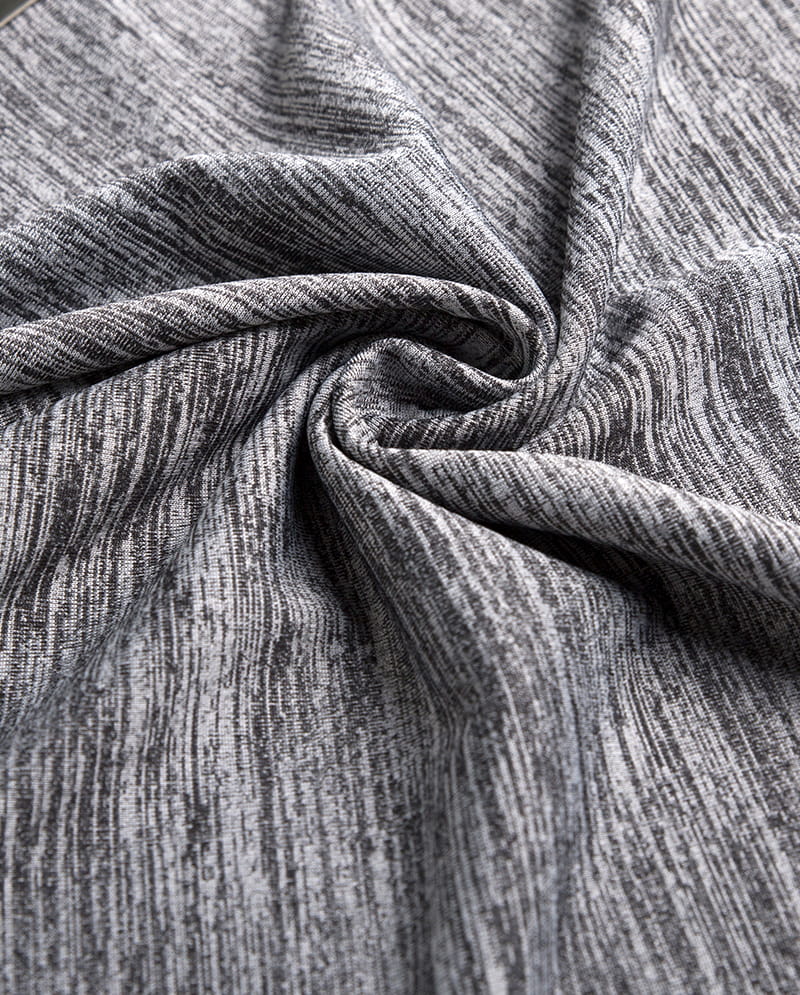
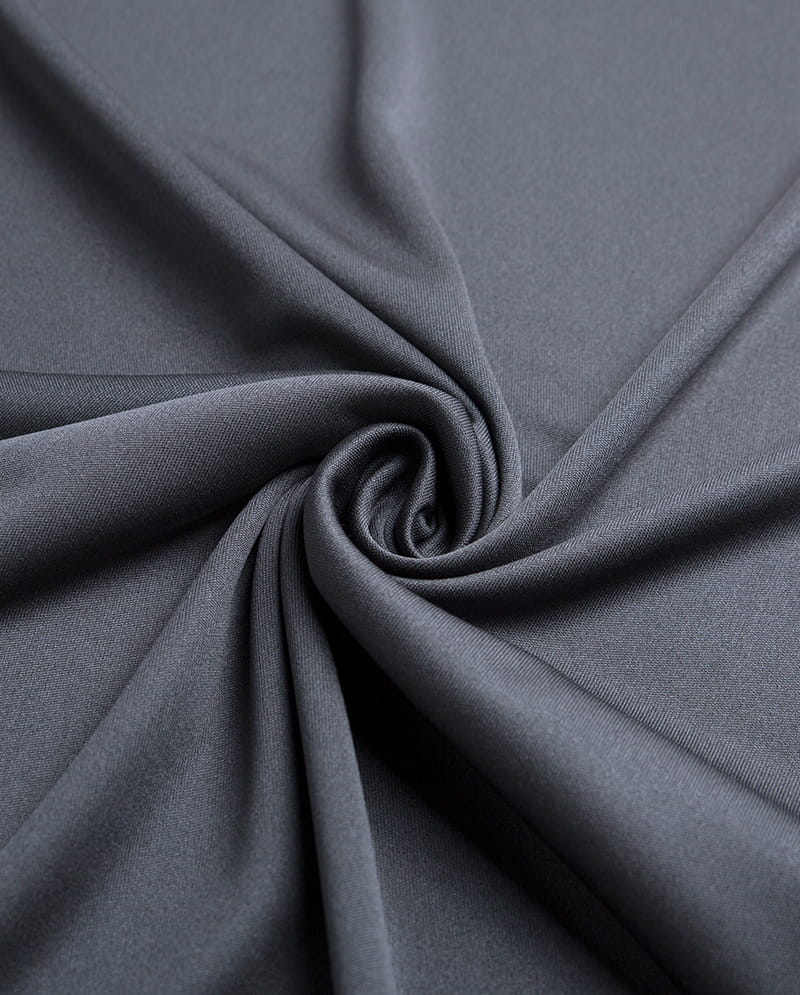
Anti-static Cationic Knitted Rib Fabric
What Is Anti-Static Cationic Knitted Rib Fabric?
Anti-Static Cationic Knitted Rib Fabric is a knitted textile engineered around three principal performance concepts: anti-static behavior, cationic coloration, and ribbed elasticity. Each element contributes a different benefit, while the combination creates a balanced material for both industrial and apparel applications.
Anti-static functionality
The anti-static function is intended to reduce the accumulation and retention of electrical charges on the fabric surface. The construction uses polyester filament and conductive fiber components that help provide a controlled pathway for static dissipation. This can reduce garment cling, minimize the attraction of airborne dust, and support safer handling in environments where uncontrolled electrostatic discharge is undesirable.
Unlike a basic polyester fabric that may become highly charged under dry conditions, an anti-static construction is developed to manage the electrical behavior of the textile. Performance can depend on yarn selection, conductive fiber distribution, fabric density, finishing, humidity, garment design, and laundering conditions. For this reason, the final specification should be confirmed according to the intended end use and applicable customer testing requirements.
Cationic dyeing performance
Cationic polyester is designed to accept cationic dyes, allowing it to be combined with conventional polyester components to create distinctive color effects, contrast, melange appearances, or deep and vibrant shades. Cationic dyeing technology is especially useful when a customer needs a visually differentiated fabric rather than a standard solid polyester appearance.
The cationic component supports color richness and can help create stable, attractive color results when the fabric is processed correctly. It is suitable for brands and garment manufacturers that require color flexibility, repeatable shade development, and a more refined visual identity. The material can be developed in a wide range of colors depending on the customer's sample, shade standard, production quantity, and end-use requirements.
Rib-knitted structure
Rib knitting is characterized by alternating knit and purl columns that produce a textured surface and natural crosswise stretch. Compared with many flat woven structures, rib fabric offers greater extensibility and recovery, making it suitable for garments that need to follow body movement or fit closely around the wrist, neck, waist, ankle, or torso.
The rib construction also provides a soft hand feel and a comfortable surface against the skin. It can be used as a complete garment fabric or as a component in collars, cuffs, waistbands, fitted panels, underwear, sportswear, and functional base layers. Depending on yarn size, knitting parameters, density, finishing, and weight, the fabric can be adjusted toward a lightweight, medium-weight, compact, soft, or highly elastic result.
Key Product Advantages
Reliable static control for demanding environments
The main advantage of this fabric is its ability to combine textile comfort with static-control functionality. Conductive fiber integration helps the fabric dissipate charge more efficiently than ordinary non-functional polyester rib fabric. This makes it appropriate for garments used around electronic components, precision instruments, clean manufacturing areas, laboratories, and other static-sensitive workplaces.
Reducing static also helps limit fabric cling. Cling can be uncomfortable for the wearer and may interfere with garment movement, layering, or cleanroom procedures. In addition, lower static attraction can help reduce the accumulation of dust and loose particles on the clothing surface. This is valuable where cleanliness, low-lint performance, or controlled contamination levels are important.
The fabric does not rely solely on a temporary surface coating to provide its functional identity. Its performance is supported by the selection and combination of specialized yarn components. This approach can provide a more stable foundation for repeated use than a textile that depends only on a finish that may gradually reduce after laundering. Final durability should always be verified through customer-specific washing and performance tests.
Comfortable stretch and close-fitting performance
The rib structure gives the fabric a naturally flexible character. It can expand across the body and recover toward its original dimensions, helping garments maintain a close yet comfortable fit. This is particularly useful for underwear, base layers, cuffs, collars, workwear inserts, and garments worn beneath protective clothing.
In close-contact applications, comfort is just as important as functionality. A textile that controls static but feels harsh, stiff, or excessively warm may not be suitable for long shifts or daily wear. The soft surface and breathable knitted construction help create a more wearable material for extended use.
Rib knitting also supports freedom of movement. The fabric can accommodate bending, stretching, reaching, and repeated mechanical activity without feeling as restrictive as a low-stretch material. When paired with suitable yarn specifications, it can provide an effective balance between dimensional recovery and wearing ease.
Vibrant and differentiated coloration
Cationic dyeing provides additional design flexibility. The fabric can be produced in colors with strong visual depth and can support contrasting or two-tone effects when cationic and regular polyester yarns are combined. This makes it useful not only for industrial uniforms but also for fashion-oriented workwear, sportswear, casual clothing, and branded garment programs.
Colorfastness and resistance to fading are important for garments that are washed frequently or exposed to regular friction. The cationic finishing and dyeing process are intended to support long-lasting color performance. Actual results depend on dye selection, processing conditions, washing chemistry, temperature, abrasion, and customer care instructions, so laboratory testing remains an important part of final approval.
Breathability and moisture management
The knitted structure allows air movement through the fabric and can be engineered for a balance of coverage and breathability. Moisture-wicking yarn options are also available within the broader product range, allowing customers to develop fabric systems that better manage perspiration during active work or daily wear.
For cleanroom and ESD garments, breathability can improve wearer acceptance. Workers may need to wear protective clothing for many hours, and excessive heat or poor moisture management can lead to discomfort and reduced productivity. For underwear, base layers, and sports-related applications, moisture management helps maintain a more comfortable microclimate next to the skin.
Low-linting and clean-use suitability
Functional working environments often require garments that produce limited loose fiber. The use of continuous filament polyester yarn can support a smoother and lower-linting surface compared with many short-staple fiber constructions. This characteristic makes the fabric suitable for consideration in cleanroom apparel and controlled manufacturing garments, subject to the customer's lint, particle, and cleanliness testing requirements.
Low-linting performance is influenced by yarn quality, knitting quality, finishing, cutting, sewing, garment washing, packaging, and handling. A complete cleanroom garment program therefore requires process controls beyond the fabric itself. The manufacturer's knowledge of filament yarn and functional fabric development provides a strong foundation for customers that need to evaluate the full textile supply chain.
Durability and easy-care properties
Polyester filament is widely recognized for its strength, abrasion resistance, dimensional stability, and easy-care behavior. These characteristics make it suitable for garments that are used repeatedly, washed frequently, or exposed to routine mechanical stress.
The rib fabric is designed to maintain its shape and functional value during normal use. It is also wrinkle-resistant compared with many natural-fiber materials, reducing the need for intensive ironing and simplifying garment maintenance. For uniforms and workwear, this can reduce care requirements and help garments maintain a professional appearance throughout their service life.
Comparison with Conventional Textile Options
When selecting a functional fabric, buyers often compare anti-static rib fabric with standard polyester rib, cotton rib, woven ESD fabric, or elastane-blended fabric. Each alternative has strengths, but the anti-static cationic rib construction offers a distinct combination of performance features.
| Textile option | Typical strengths | Common limitations | Advantages of the anti-static cationic rib solution |
|---|---|---|---|
| Standard polyester rib | Durability, easy care, color availability, cost efficiency | May accumulate static and attract dust in dry conditions | Adds conductive and anti-static functionality while retaining polyester durability |
| Cotton rib | Natural hand feel, moisture absorption, familiar comfort | Greater shrinkage, slower drying, wrinkling, and possible lint generation | Provides a smooth filament-based alternative with better dimensional stability and lower-lint potential |
| Woven ESD fabric | Firm structure, stable appearance, strong workwear support | Less stretch and potentially lower comfort for close-fitting garments | Offers rib elasticity, body movement, and soft next-to-skin comfort |
| Elastane-blended rib | High stretch and body conformability | Elastane can complicate heat, chemical, or recycling considerations | Provides natural rib stretch and can be developed with specialized polyester and high-elastic yarn options |
| Surface-treated anti-static fabric | Initial static-control performance and simple processing | Surface performance may change after repeated washing or abrasion | Builds functional performance around yarn and fabric engineering, supporting a more integrated construction |
| Basic cationic fabric | Color effects and visual differentiation | May not provide dedicated static-control performance | Combines cationic color flexibility with anti-static functionality and rib comfort |
The principal competitive advantage is therefore not a single property but the integration of multiple properties. Buyers do not need to choose between visual quality, comfort, elasticity, and static management as separate objectives. The product is designed to address these requirements within one coordinated textile platform.
Advanced Yarn and Material Engineering
The performance of a knitted fabric begins with the yarn. A manufacturer that understands only knitting may have limited ability to optimize conductive components, cationic effects, recycled content, luster, elasticity, moisture management, or heat retention. The broader yarn portfolio behind this product provides more options for developing a balanced fabric specification.
Specialized polyester filament selection
Polyester filament yarn can be engineered through differences in denier, filament count, luster, cross-section, draw texture, and functional additives. The product range includes SD DTY, FD DTY, FDY, cationic DTY, recycled yarn, high-elastic yarn, and other differentiated yarn categories.
Semi-dull yarn can create a softer and less reflective visual appearance, while full-dull yarn can provide a more subdued surface suitable for uniforms, functional apparel, and contemporary fashion fabrics. Textured DTY can add bulk, softness, stretch response, and improved cover. FDY can provide a smoother, cleaner filament appearance for specific constructions.
The available counts include many combinations, such as 30D, 50D, 75D, 100D, 150D, and 300D configurations with different filament numbers. These choices allow the knitting specification to be adapted to requirements for weight, opacity, surface texture, strength, stretch, and breathability.
Conductive and anti-static components
Conductive fibers must be selected and distributed carefully. Their effectiveness depends on the type of conductive material, the ratio used, the yarn structure, the knitting design, and the electrical pathway created within the fabric. Too little conductive content may not deliver the desired performance, while excessive use may affect hand feel, color, cost, or appearance.
A controlled yarn development approach helps the manufacturer seek the appropriate balance. The objective is to provide static dissipation without making the fabric unnecessarily heavy, stiff, visually uneven, or uncomfortable. For customers with specific surface-resistance or charge-decay requirements, customized development and testing can be arranged according to the intended garment and working environment.
Cationic and regular polyester combinations
Cationic polyester can be combined with regular polyester to create color contrast, mélange effects, or differentiated visual surfaces. These combinations can be used to make uniforms more recognizable, add visual depth to apparel, or support brand-specific color concepts.
The ability to work with both cationic and conventional yarns also improves development flexibility. A customer may request a solid shade, heathered appearance, two-tone rib, or a specific contrast between the face and reverse side. The final result depends on knitting structure and dyeing conditions, but the availability of multiple yarn types expands the practical design space.
Recycled and environmentally oriented yarn options
The company product portfolio includes recycled SD DTY, recycled SD FDY, recycled FD DTY, recycled DDB DTY, recycled CD DTY, and recycled SD plus CD DTY categories. These options enable buyers to explore recycled content within selected fabric programs.
Recycled yarn selection should be based on the buyer's sustainability objectives, certification requirements, mechanical needs, color expectations, and cost target. Recycled content may be incorporated into appropriate fabric constructions while preserving the desired tactile and functional properties. The precise percentage and certification pathway should be confirmed for each order.
Functional yarn integration
Beyond anti-static and cationic materials, the product range includes flame-retardant, anti-bacterial, moisture-wicking, hollow warm, cotton-like, high-elastic, PBT/PET, and Acy yarn options. These materials can support further product development for customers seeking multiple functions.
For example, an anti-static base fabric may be combined with moisture-wicking yarn for warm working environments, high-elastic yarn for movement-intensive garments, or recycled yarn for sustainability-oriented programs. Multi-functional development should be handled carefully because each added feature can influence dyeing, knitting, finishing, comfort, testing, and price.
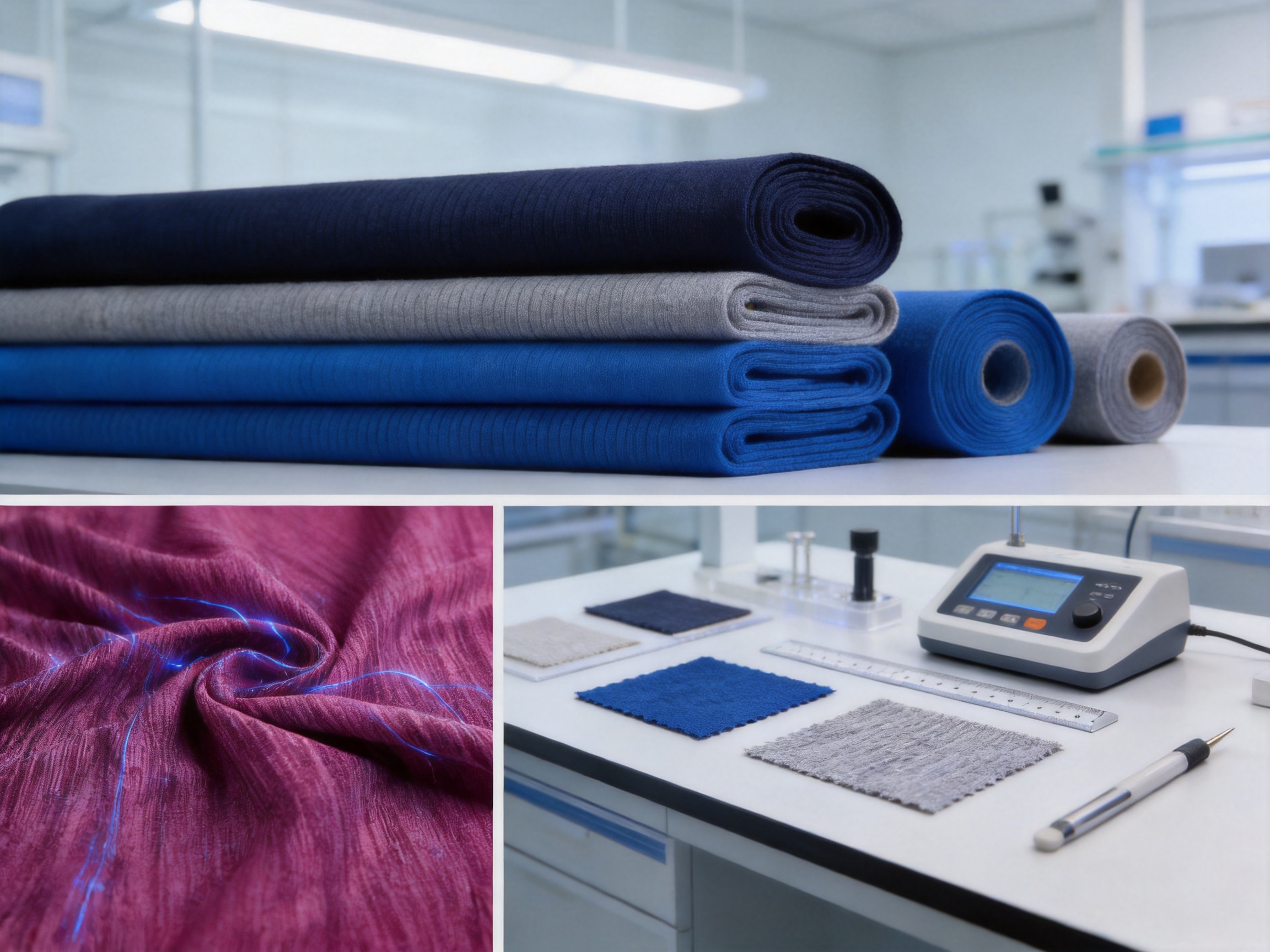
Manufacturing Process and Quality Control
The production of functional rib fabric requires more than simply knitting yarn into a tubular structure. It involves coordinated controls from raw material selection through shipment. The manufacturing strengths of the supplier are based on product specialization, differential-yarn development, functional material knowledge, and experience supporting export customers.
1. Requirement analysis and specification confirmation
Production begins with a review of the customer's application. Important questions include whether the fabric will be used for cleanroom clothing, ESD workwear, underwear, sportswear, cuffs, collars, or general apparel. The end use influences the required width, weight, stretch, surface appearance, color, anti-static target, moisture performance, and finishing method.
Customer references may include a physical sample, Pantone standard, color card, technical drawing, fabric weight, stretch percentage, recovery requirement, or garment pattern. The development team can then recommend a suitable yarn combination and rib structure rather than offering a one-size-fits-all specification.
2. Yarn preparation and inspection
Yarn preparation includes verification of count, filament number, package condition, winding quality, appearance, moisture, and consistency between lots. Functional yarns require additional attention because conductive, cationic, recycled, or elastic components may respond differently during processing.
Good package formation helps ensure stable unwinding on knitting equipment. Inconsistent tension can lead to bars, streaks, uneven loops, or irregular fabric density. The use of appropriate yarn preparation procedures supports better knitting efficiency and more uniform finished goods.
3. Knitting structure development
Rib knitting parameters can be adjusted to influence stretch, recovery, thickness, texture, cover, and hand feel. Machine gauge, needle arrangement, loop length, yarn tension, take-down tension, and production speed all contribute to the final result.
For anti-static fabric, the distribution of functional yarn is especially important. The knitting design must place the conductive component in a manner that supports effective charge dissipation while maintaining an even appearance and comfortable surface. Trial knitting may be necessary before final bulk production.
4. Pretreatment and dyeing
Pretreatment removes processing oils and prepares the knitted fabric for consistent dye uptake. Cationic polyester and regular polyester may require carefully coordinated dyeing conditions to produce the desired color contrast or shade depth. Temperature, time, dye concentration, pH, liquor ratio, and machine movement must be controlled to reduce color variation.
When the fabric is intended for repeated washing, colorfastness should be evaluated through appropriate laboratory methods. Tests may include washing fastness, rubbing fastness, perspiration fastness, light fastness, and water fastness depending on the customer's application.
5. Functional finishing
Finishing can influence softness, width, weight, shrinkage, surface smoothness, moisture behavior, and dimensional stability. The finishing recipe must be selected carefully to avoid compromising anti-static performance or creating excessive surface buildup.
Possible finishing objectives include improving hand feel, controlling residual shrinkage, enhancing smoothness, stabilizing width, reducing wrinkles, and optimizing the balance between stretch and recovery. For close-fitting garments, finishing consistency is important because even small changes in width or recovery can affect the garment pattern.
6. Drying, setting, and dimensional stabilization
Drying and heat-setting conditions affect the final fabric dimensions and performance. Excessive heat may influence elastic recovery, color, conductive components, or surface appearance. Insufficient stabilization may result in unwanted shrinkage during garment production or consumer laundering.
Controlled setting helps the manufacturer deliver more predictable width, weight, shrinkage, and stretch. The appropriate process depends on the yarn combination and the final use. Technical parameters are therefore confirmed during sample development and monitored during production.
7. Inspection and shipment preparation
Finished fabric can be checked for appearance, width, weight, color, holes, stains, oil marks, knitting defects, uneven texture, stretch, recovery, and dimensional stability. Functional testing may include surface resistance or other anti-static evaluations agreed upon with the customer.
Roll inspection, clear labeling, batch identification, and suitable packaging help protect the material during storage and transportation. Export-oriented procedures are particularly important when fabric is shipped over long distances and handled through multiple logistics stages.
Broad Product Portfolio Supporting Custom Development
The supplier's product list demonstrates extensive experience in differential polyester yarn. This is an important advantage for customers buying anti-static rib fabric because yarn availability and material knowledge directly affect product consistency and development speed.
Recycled series
The recycled range includes recycled semi-dull DTY, recycled semi-dull FDY, recycled full-dull DTY, recycled DDB DTY, recycled cationic DTY, and recycled combinations of semi-dull and cationic yarn. The listed specifications cover fine to heavier counts, including options around 15D, 20D, 30D, 50D, 75D, 100D, 150D, and 300D.
These yarns can be evaluated for sustainable rib fabric programs where recycled content, softness, coverage, and durability need to be balanced. Different filament configurations help manufacturers adjust the appearance and handle of the finished knitted fabric.
Normal series
The normal series includes semi-dull DTY, full-dull DTY, and semi-dull DDB yarn options. Available specifications range from fine counts such as 25D and 30D to heavier 200D and 300D constructions. This breadth supports lightweight, medium-weight, opaque, textured, and structured knitted fabrics.
Cationic series
The cationic series includes cationic DTY, semi-dull plus cationic DTY, and white-and-black yarn choices. Examples include 25D, 30D, 50D, 75D, 100D, 150D, and 300D configurations. These materials support color differentiation and visual effects that can be incorporated into rib fabric development.
High-elastic series
High-elastic yarns and PBT/PET options are available for applications requiring additional stretch, recovery, or resilient performance. High-elastic choices include several 30D, 50D, 60D, 75D, 150D, and 300D constructions. PBT/PET and PBT/PET DDB yarns provide further alternatives for garments that require elastic response without relying exclusively on conventional elastane.
Functional series
The functional series includes flame-retardant, anti-bacterial, and moisture-wicking yarns. These materials can be assessed for specialized workwear, protective clothing, active garments, hospitality uniforms, and other products where additional performance is needed.
Comfort and seasonal series
Cotton-like yarns in 32S, 40S, and 80S counts can provide a softer, more natural-looking hand feel. Hollow warm yarns in selected filament specifications support lightweight insulation and warmth. Acy yarn combinations can be used for differentiated effects and special appearance requirements.
The company also states that it can accept orders for various differentiated yarns. This flexibility is valuable for buyers who need a custom yarn rather than a standard catalog product. It also helps reduce the need to coordinate multiple suppliers for yarn development and fabric production.
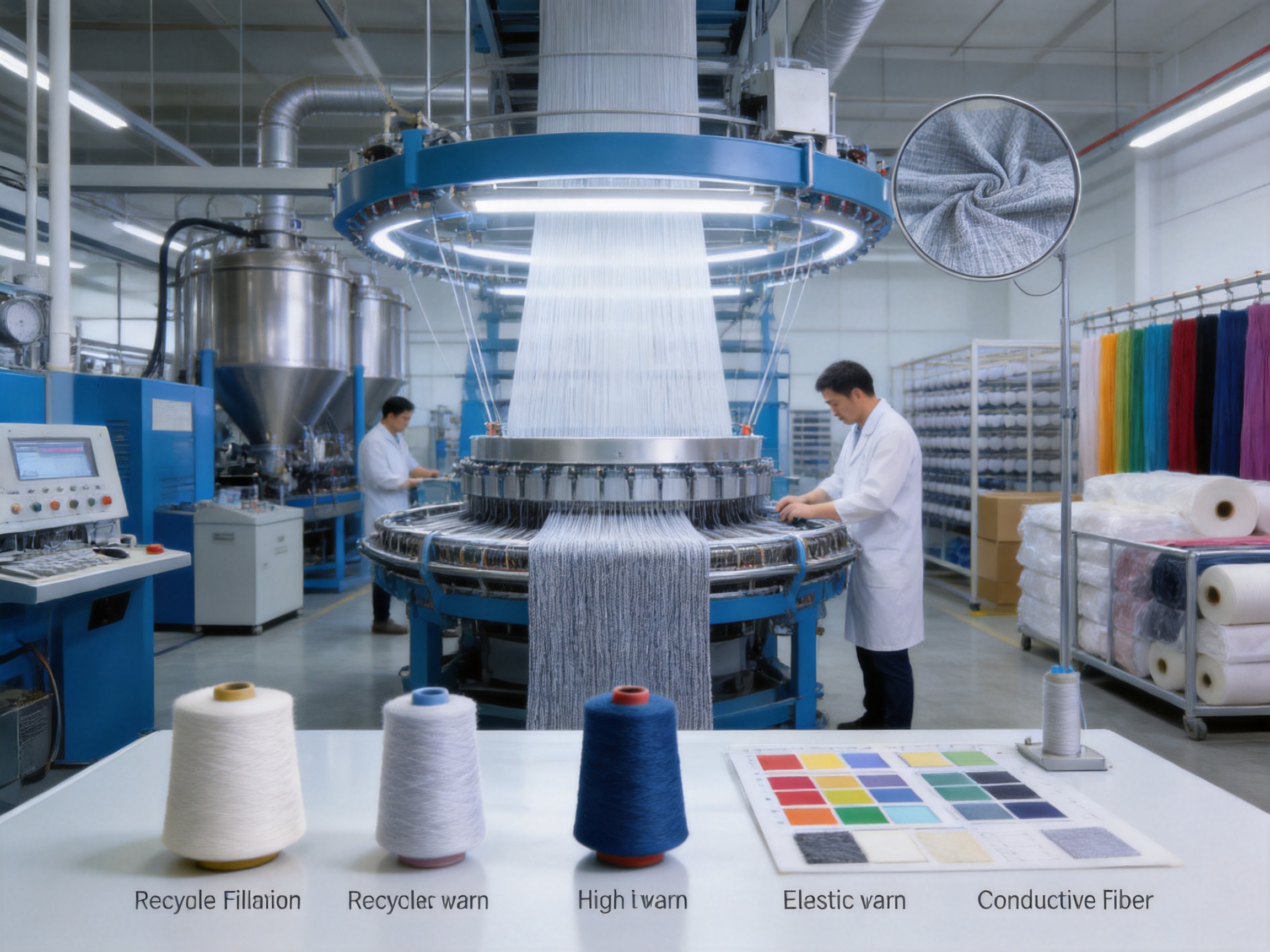
Applications of the Fabric
Cleanroom apparel
Cleanroom garments must control particle shedding, provide comfort, and reduce electrostatic concerns. Anti-static rib fabric can be used in cuffs, collars, wrist sections, neck sections, and close-fitting garment panels. Its stretch helps create a secure interface between the garment and the wearer while its filament-based construction supports low-linting objectives.
Cleanroom suitability should be confirmed through the complete garment system. Fabric testing, sewing-thread selection, garment washing, packaging, and worker-use protocols all influence final cleanroom performance.
ESD workwear
Electronic assembly, semiconductor manufacturing, precision instrumentation, and electrical component production often require garments that help control static. This fabric can be used in ESD jackets, shirts, coveralls, undershirts, cuffs, collars, and accessories.
The rib structure is particularly useful in garments that need close contact with the wrist or neck. A well-designed cuff can help prevent exposed skin or underlayers from interfering with protective garment coverage. The exact ESD system should be designed according to the workplace's technical requirements and validated through recognized testing procedures.
Underwear and base layers
Softness, flexibility, breathability, and moisture management are essential for underwear and base layers. The fabric's close-fitting stretch and smooth hand feel can support comfortable next-to-skin garments. Anti-static performance may also reduce cling between the base layer and outer clothing.
Sportswear and active clothing
Active garments require freedom of movement, moisture control, shape recovery, and durability. The rib construction can be used for fitted panels, sports tops, leggings, cuffs, waist sections, and layering garments. Moisture-wicking yarn options may be evaluated when perspiration management is a priority.
Everyday apparel
The combination of cationic color effects and comfortable rib stretch makes the fabric suitable for casual clothing and lifestyle garments. It can be used in tops, fitted dresses, fashion panels, sweaters, loungewear, and children's apparel. The color range and visual effects can be adjusted to meet seasonal collections or customer brand concepts.
Industrial and technical clothing
Industrial garments benefit from easy care, abrasion resistance, dimensional stability, and practical comfort. The fabric can be incorporated into work shirts, protective underlayers, uniform trims, and garments used in controlled production zones. Additional yarn functions may be considered for heat, odor, moisture, or biological-control requirements, subject to technical validation.
Advantages of the Manufacturing Partner
Specialization in differential yarn
The company specializes in the development and sale of differentiated yarns rather than focusing exclusively on commodity polyester. Its portfolio reflects experience with recycled yarn, polyester drop-dyed yarn, microfine yarn, flame-retardant yarn, cationic dyeing yarn, anti-bacterial yarn, moisture-wicking yarn, high-elastic yarn, and knitting fabric.
This specialization enables customers to discuss the relationship between yarn composition and fabric performance at an early stage. It also improves the possibility of creating a material that is optimized for the customer's application rather than simply selecting a standard fabric from an unrelated product category.
Research and development capability
The companies maintain a professional research and development team focused on environmental protection, functional yarn, and fabric application. Collaboration with internationally recognized enterprises supports practical development experience and a better understanding of industrial textile requirements.
R&D capability is important because anti-static materials must balance several potentially conflicting properties. Conductive components, dyeing behavior, softness, stretch, weight, color, recycling goals, and cost all need to be considered together. Development support can help customers identify a suitable compromise and avoid costly trial-and-error at the garment stage.
Export experience
More than 90 percent of the products are reported to be exported, with customers in 36 countries. Export experience requires attention to documentation, communication, packaging, production scheduling, shipment coordination, and quality expectations across different markets.
International customers also benefit from experience with different product standards, sample approval procedures, purchase quantities, and labeling requirements. While technical requirements remain customer-specific, a supplier accustomed to export business is better positioned to organize cross-border orders efficiently.
Customer-oriented technical support
The company's stated service philosophy emphasizes customer success, product selection assistance, and problem-solving support. The technical team is available to respond to customer needs globally within a short communication timeframe.
For a functional product such as anti-static rib fabric, responsive communication can reduce delays during sampling. Questions about yarn count, color, fabric width, weight, stretch, shrinkage, conductive performance, and finishing can be discussed before production. This helps customers establish realistic specifications and coordinate their fabric purchase with garment manufacturing.
One-source development convenience
Customers can explore yarn and fabric solutions through one manufacturing group. This may simplify communication compared with purchasing conductive yarn from one supplier, cationic yarn from another, and knitted fabric from a third party. A more integrated process can improve traceability and help the manufacturer respond quickly when an adjustment is needed.
Customization Possibilities
Anti-static Cationic Knitted Rib Fabric can be customized in several ways. The final options depend on the customer's order quantity, equipment availability, application, and technical target.
| Customization area | Possible options | Application purpose |
|---|---|---|
| Yarn composition | Regular polyester, cationic polyester, recycled polyester, conductive components, high-elastic yarn, PBT/PET | Balance static control, color, sustainability, stretch, and durability |
| Yarn specification | Fine, medium, or heavier denier and different filament counts | Adjust weight, cover, softness, texture, and strength |
| Rib structure | Different rib widths, densities, loop settings, and surface textures | Control stretch, recovery, appearance, and garment fit |
| Color | Solid colors, cationic effects, contrast colors, mélange or two-tone appearances | Meet functional uniform, fashion, or brand requirements |
| Finish | Soft hand, dimensional stabilization, moisture management, easy-care treatment | Improve comfort, appearance, handling, and use performance |
| Weight and width | Lightweight, medium-weight, compact, or heavier constructions | Match seasonal, garment, and production requirements |
| Packaging | Roll packaging, batch identification, customer-specific labels | Support export handling, warehouse control, and production traceability |
Customers should provide as much information as possible during the inquiry stage. A physical reference, intended garment, target weight, color requirement, anti-static test method, laundering condition, and expected order volume can make development more efficient.
Testing and Purchasing Considerations
Before placing a large order, buyers should establish a clear technical specification. Anti-static performance can be measured through different test methods, and results may vary depending on humidity, electrode configuration, fabric conditioning, and sample preparation. The buyer and supplier should agree on the test method and acceptance level before approval.
Other recommended evaluations include fabric weight, width, stretch, recovery, dimensional change after washing, colorfastness, pilling, abrasion resistance, bursting strength, seam performance, and appearance after laundering. If the fabric is intended for cleanroom or ESD clothing, testing should also consider lint generation, surface resistance, charge decay, and complete garment performance.
It is also important to distinguish fabric-level performance from garment-level performance. Sewing thread, labels, zippers, snaps, elastic components, footwear, grounding systems, and laundering practices can all affect static behavior. A successful workplace program should evaluate the garment as a complete system.
Buyers should request laboratory reports, sample yardage, shade standards, and production approval samples where appropriate. A written specification can help prevent disputes over color, weight, width, stretch, packaging, and functional performance. For repeat orders, maintaining a retained sample and approved standard can further improve consistency.
Sustainability and Responsible Textile Development
Sustainability is increasingly connected to yarn selection, product life, durability, and manufacturing efficiency. Recycled polyester options allow customers to explore materials that make use of recovered polymer resources. Longer service life can also support sustainability by reducing the frequency of garment replacement.
Functional performance should not be separated from environmental objectives. A fabric that provides static control, comfort, and durability may deliver greater practical value when it remains in use for a longer period. At the same time, recycled yarn selection should be matched with appropriate testing so that sustainability goals do not compromise fabric reliability.
The company's focus on environmental protection and functional materials reflects the changing needs of textile buyers. Customers can discuss recycled content, product durability, color requirements, and functional performance together rather than treating them as independent purchasing decisions.
How the Product Stands Apart
Many textile suppliers can provide polyester rib fabric, and some can provide anti-static fabric. Fewer suppliers can coordinate anti-static functionality, cationic dyeing, rib elasticity, specialized filament yarn, recycled alternatives, and custom development within one manufacturing network.
The product's strongest distinction is its integrated performance profile. It is not designed only to manage static, nor only to provide an attractive color effect. It also addresses the practical needs of wearability, flexibility, breathability, durability, shape retention, and easy care.
The manufacturing partner's broad yarn portfolio is another competitive advantage. Customers can select from normal, recycled, cationic, high-elastic, functional, cotton-like, hollow warm, and other differentiated yarn categories. This gives product developers more freedom to create fabrics for specific end uses and market positions.
In addition, the supplier's export experience and R&D orientation support customers that require more than a basic fabric transaction. Product selection, sample development, technical communication, and order coordination can be handled with an understanding of both raw-material behavior and finished-fabric requirements.
Recommended End-Use Selection Guide
For cleanroom apparel, buyers should prioritize low-linting performance, stable static control, comfortable cuffs and collars, suitable weight, and complete garment testing.
For ESD workwear, buyers should define the required electrical performance, garment construction, grounding method, laundering conditions, and workplace standards before selecting the final fabric.
For underwear and base layers, softness, moisture management, breathability, stretch recovery, skin comfort, and colorfastness should receive the highest attention.
For sportswear, flexibility, drying speed, moisture transport, abrasion resistance, and shape retention are important considerations.
For everyday clothing, color range, cationic visual effects, hand feel, drape, dimensional stability, and care performance may be more important than the highest level of industrial static control.
For cuffs, collars, and waistbands, the purchaser should focus on recovery, compactness, edge stability, resistance to deformation, and compatibility with the main garment fabric.
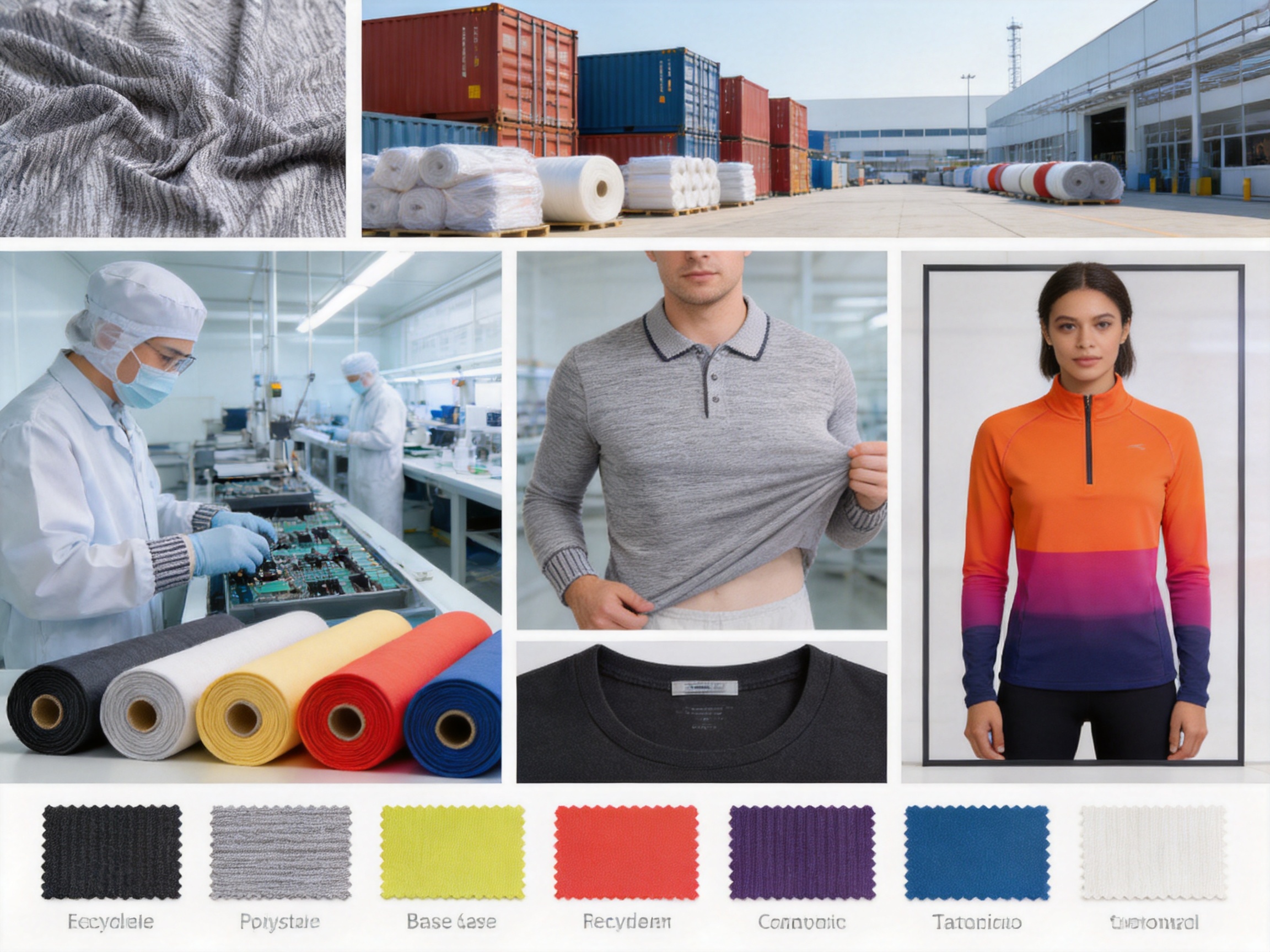
Q&A
What is the main function of this fabric?
The main function is to help dissipate static electricity while providing the comfort and flexibility of a rib-knitted fabric. Its cationic component also supports attractive and differentiated coloration.
Is the fabric suitable for cleanrooms?
It is suitable for consideration in cleanroom apparel, especially cuffs, collars, base layers, and close-fitting panels. However, final cleanroom suitability must be verified through fabric and garment testing for lint, particle generation, surface resistance, charge decay, and other customer-defined requirements.
Can the fabric be used for ESD garments?
Yes. It is designed for static-sensitive environments and can be used in ESD shirts, jackets, coveralls, cuffs, collars, and undergarments. The complete garment and workplace system should be tested against the applicable ESD requirements.
Does the fabric contain conductive fiber?
The product information describes a construction using polyester filament and high-performance conductive fibers with an anti-static layer. The exact conductive composition, ratio, placement, and performance target should be confirmed during technical development.
What does cationic mean in this product?
Cationic refers to a type of polyester designed to accept cationic dyes. It can create vibrant colors, contrast effects, mélange appearances, or other visual differences when used with regular polyester components.
Does rib knitting make the fabric stretchy?
Yes. Rib knitting naturally provides crosswise elasticity and a close-fitting character. Stretch and recovery can be influenced by yarn selection, rib structure, density, and finishing.
Can recycled yarn be used?
Yes. The product portfolio includes multiple recycled DTY and FDY options. Recycled yarn can be evaluated according to the customer's sustainability goals, performance requirements, certification needs, and order specifications.
What yarn counts are available?
The listed yarn portfolio includes fine, medium, and heavier specifications, including approximately 15D, 20D, 25D, 30D, 50D, 75D, 100D, 125D, 150D, 200D, and 300D options, with different filament counts. The suitable choice depends on fabric weight, texture, coverage, strength, and end use.
Can the fabric be customized in color?
Yes. Customers can request solid colors, cationic effects, contrast shades, two-tone appearances, or other color concepts. A color standard or physical sample is recommended for accurate development.
Is the fabric suitable for clothing worn next to the skin?
The soft hand feel, rib elasticity, breathability, and moisture-wicking possibilities make it suitable for consideration in underwear and base-layer applications. Skin comfort and chemical safety should be confirmed through the customer's required testing program.
Is the fabric wrinkle-resistant?
Polyester filament generally provides good wrinkle resistance and easy-care performance. Final wrinkle behavior depends on the fabric structure, finishing process, garment construction, and laundering method.
Can other functions be added?
The wider yarn range includes moisture-wicking, anti-bacterial, flame-retardant, high-elastic, hollow warm, cotton-like, and other differentiated yarns. Additional functions can be discussed during development, but each combination requires technical evaluation.
What information should a buyer provide when requesting a quotation?
The buyer should provide the intended application, fabric structure, target weight, width, color, yarn preference, anti-static requirement, stretch requirement, order quantity, delivery schedule, packaging expectations, and any required test standards or certifications.
Does the manufacturer support international orders?
Yes. The company reports that more than 90 percent of its products are exported and that it serves customers in 36 countries. It provides textile and yarn development support for international buyers and can discuss product selection and technical requirements.
Conclusion
Anti-Static Cationic Knitted Rib Fabric provides a versatile solution for buyers seeking static control, color flexibility, rib elasticity, comfort, and durable polyester performance in one textile. Its conductive and anti-static construction helps reduce charge accumulation, cling, and dust attraction, while its cationic component supports vibrant and differentiated coloration.
The rib-knitted structure adds natural stretch, body conformity, breathability, and next-to-skin comfort. These qualities make the fabric suitable for cleanroom apparel, ESD workwear, underwear, base layers, sportswear, cuffs, collars, industrial uniforms, and daily clothing.
Its advantages are strengthened by a broad differential-yarn portfolio that includes recycled, cationic, high-elastic, functional, moisture-wicking, anti-bacterial, flame-retardant, hollow warm, cotton-like, and PBT/PET yarn options. This material diversity gives customers more opportunities to adjust the final textile to their technical, commercial, environmental, and design objectives.
With experience in R&D, specialized yarn development, knitting fabric products, export supply, and customer-oriented technical support, Suzhou Junhui Textile Co., Ltd. and Suzhou Xiaoran New Materials Co., Ltd. are positioned to support both standard purchasing and customized textile programs. Through proper specification, sampling, laboratory testing, and production control, this fabric can become a dependable component of modern static-sensitive and comfort-focused clothing.
References
1. Textile Exchange, Preferred Fiber and Materials Market Report, sections concerning recycled polyester and responsible fiber sourcing.
2. International Organization for Standardization, ISO 6330, Textiles—Domestic Washing and Dry-Cleaning Procedures for Textile Testing.
3. International Organization for Standardization, ISO 105 series, Textiles—Tests for Colour Fastness.
4. International Electrotechnical Commission, IEC 61340 series, Electrostatics—Protection of Electronic Devices from Electrostatic Phenomena.
5. American Association of Textile Chemists and Colorists, AATCC textile testing methods for colorfastness, dimensional change, and moisture management.
6. ASTM International, textile test methods for fabric weight, abrasion resistance, pilling, bursting strength, and electrical resistance.
7. Technical product information supplied for Anti-Static Cationic Knitted Rib Fabric and differentiated polyester yarn products.
Product: Anti-static Cationic Knitted Rib Fabric

Popular products
-
Premium Cationic Interlock Stretch Comfort Fabric
-
Moisture-Wicking Nylon Woven Fabric
-
Double-faced jacquard elastic fabric
-
Heather Grey Double-faced cationic jersey fabric
-
Anti-static Cationic Knitted Rib Fabric
-
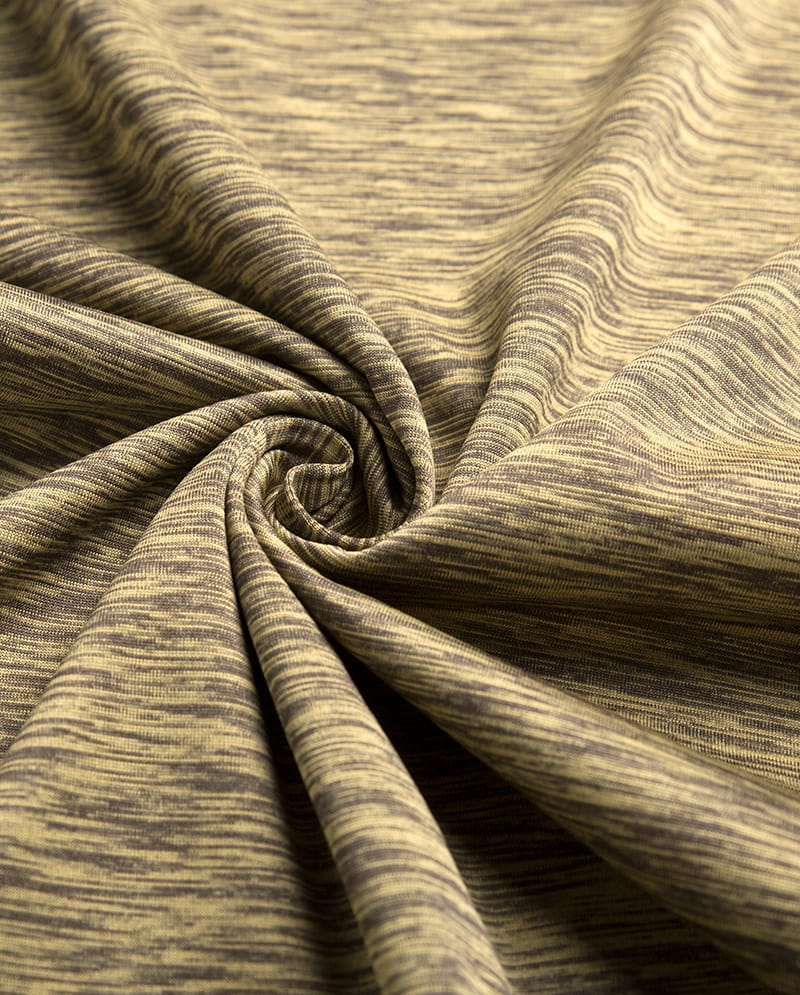
High-Stretch Cationic Jersey Fabric
-
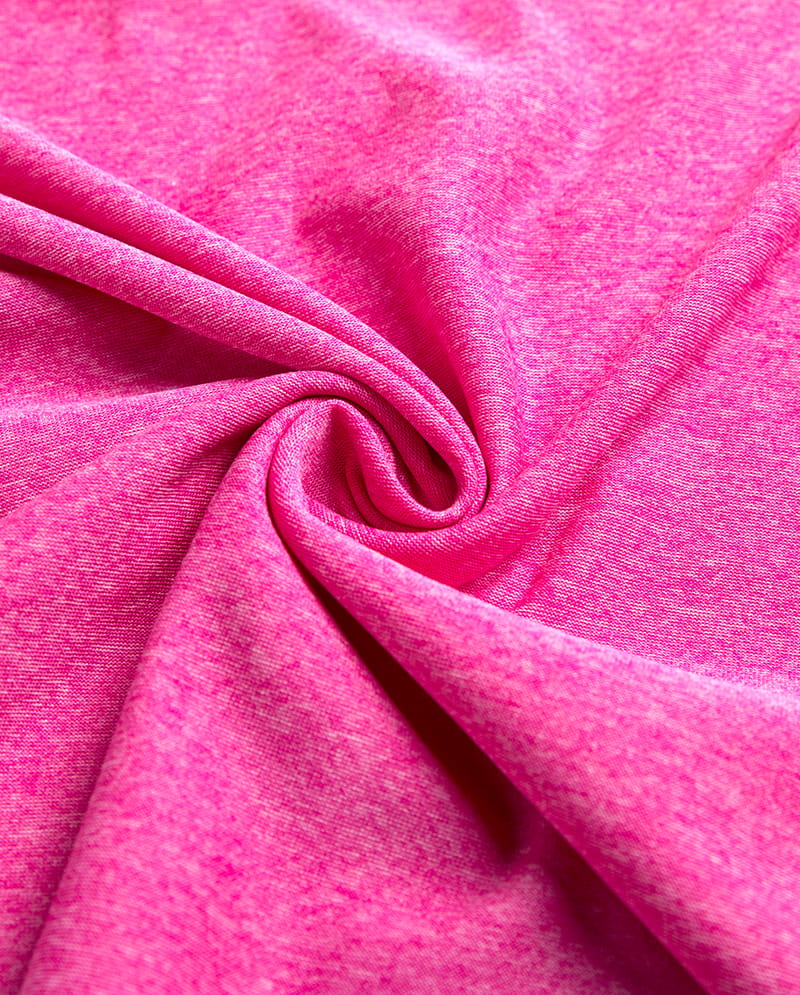
High Quality Cationic DTY Spandex Two Sides Brush Dralon Knit Fabric for Garment Thermal Underwear
-
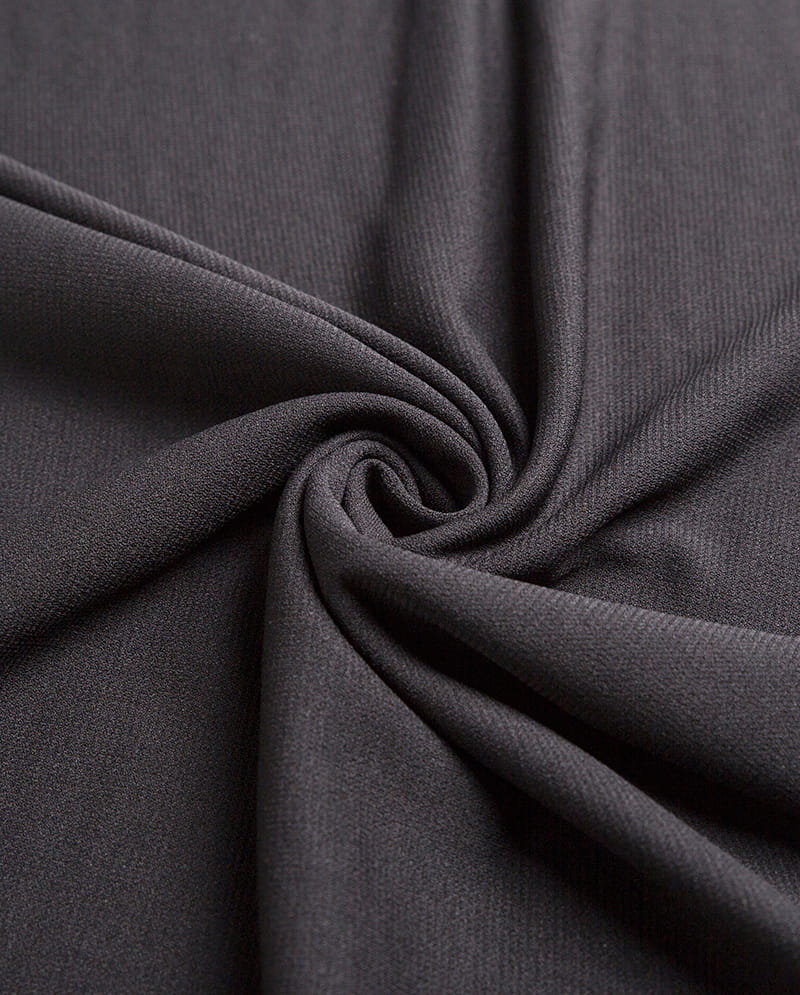
Durable Anti-Pilling Knitted Fabric for Home Textiles
-
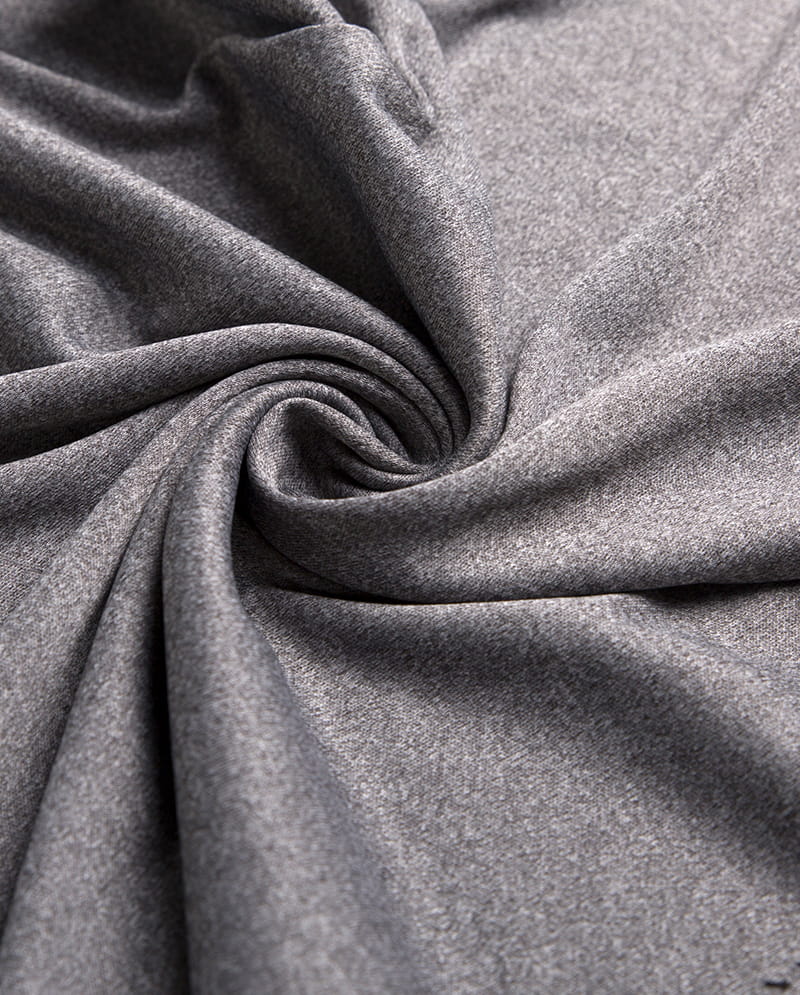
Wash-Resistant Cationic Elastic Knitted Fabric for Garment Industry
-
Breathable Double-Faced Elastic Composite Fabric
-
-
-
- whatsapp:
- 0086-13962559622
-
- skype:
- skype.aliceshenghong
-
- Wechat:

COPYRIGHT © 2016 Suzhou Junhui Textile Co., Ltd.
