

 EN
EN English
 中文简体
中文简体Anti-Pilling Cationic Knitted Fabric: Advanced Yarn Engineering, Reliable Quality, and Flexible Textile Solutions
Content
- 1 Understanding Anti-Pilling Cationic Knitted Fabric
- 2 Key Performance Advantages
- 3 Advanced Manufacturing Approach
- 4 Product Portfolio Supporting Fabric Development
- 5 Advantages Compared with Conventional Competitor Products
- 6 Quality Control Priorities
- 7 Customization and Development Process
- 8 Environmental and Functional Options
- 9 Applications and Market Opportunities
- 10 Why International Buyers Work with the Supplier
- 11 How to Choose the Right Specification
- 12 Purchasing Checklist for Bulk Orders
- 13 Q&A
- 13.1 What is cationic knitted fabric?
- 13.2 What does anti-pilling mean?
- 13.3 Is anti-pilling cationic knitted fabric suitable for clothing?
- 13.4 Can the fabric be made from recycled polyester?
- 13.5 Can customers request different colors?
- 13.6 Can the fabric be made with stretch?
- 13.7 What yarn types are available for development?
- 13.8 Can the fabric include functional properties?
- 13.9 How should pilling performance be checked?
- 13.10 What information should be provided when requesting a quotation?
- 13.11 Does the supplier support international customers?
- 13.12 How can buyers reduce quality risks?
- 14 Conclusion
- 15 References
- 16 Product: Anti-Pilling Cationic Knitted Fabric
Anti-pilling cationic knitted fabric is designed for buyers who need a soft, attractive, durable, and color-responsive textile for apparel and other applications. It combines the comfort and stretch potential of knitted construction with the visual depth of cationic dyeing and the improved surface performance associated with anti-pilling treatment. For manufacturers, brands, wholesalers, and garment factories, this type of fabric offers an effective way to create differentiated products while maintaining practical production efficiency.
The performance of a knitted fabric begins long before knitting and finishing. Fiber selection, polymer quality, spinning precision, yarn structure, filament uniformity, texturing, dye compatibility, knitting parameters, and finishing control all influence the final result. A fabric may look attractive at the sampling stage but fail during bulk production if the yarn has inconsistent denier, unstable shrinkage, excessive hairiness, or poor dye receptivity. For this reason, the supply chain behind anti-pilling cationic knitted fabric is just as important as the fabric itself.
Suzhou Junhui Textile Co., Ltd. and Suzhou Xiaoran New Materials Co., Ltd. focus on differentiated yarn and knitted fabric products. Their product portfolio includes recycled yarn, polyester drop-dyed yarn, microfine yarn, flame-retardant yarn, cationic dyeing yarn, functional yarn, and knitting fabric products. This broad product base supports the development of cationic knitted fabric with different appearances, handle characteristics, colors, weights, and end uses.
The companies’ product list also demonstrates experience across recycled and conventional polyester yarns, semi-dull and full-dull yarns, draw textured yarns, fully drawn yarns, cationic yarns, high-elastic products, PBT/PET combinations, functional yarns, cotton-like yarns, hollow warm yarns, and other differentiated constructions. Such a portfolio is valuable because an anti-pilling cationic fabric cannot be optimized through one material choice alone. It requires the coordinated selection of yarn type and fabric construction according to the customer’s intended use.
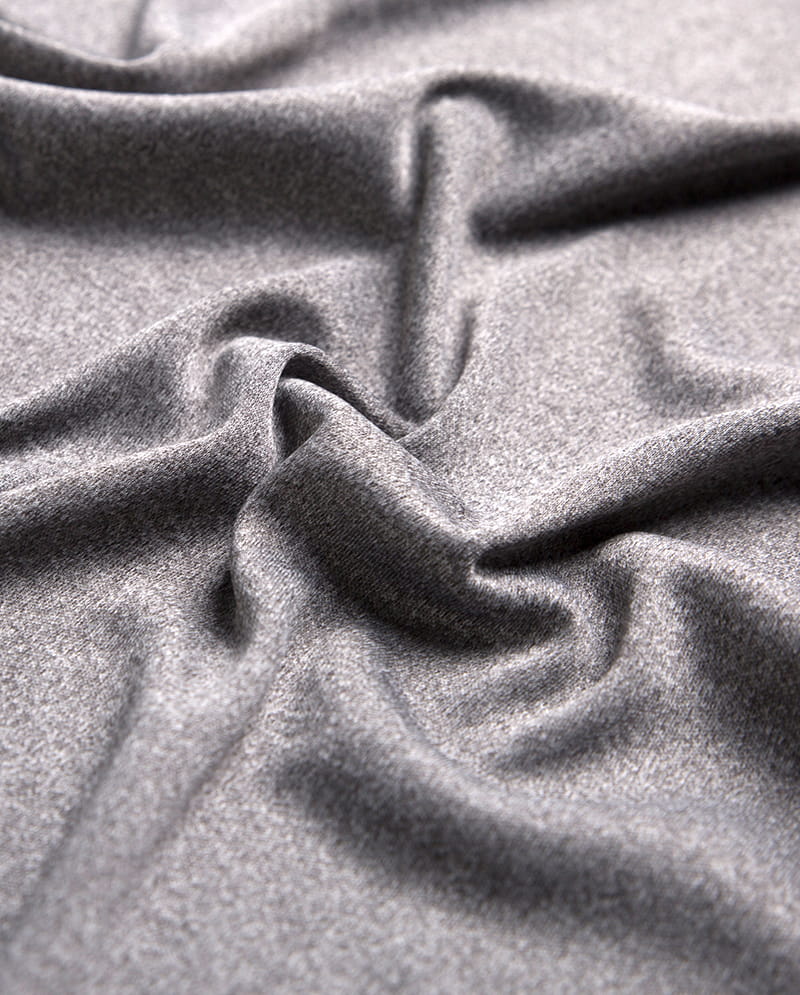
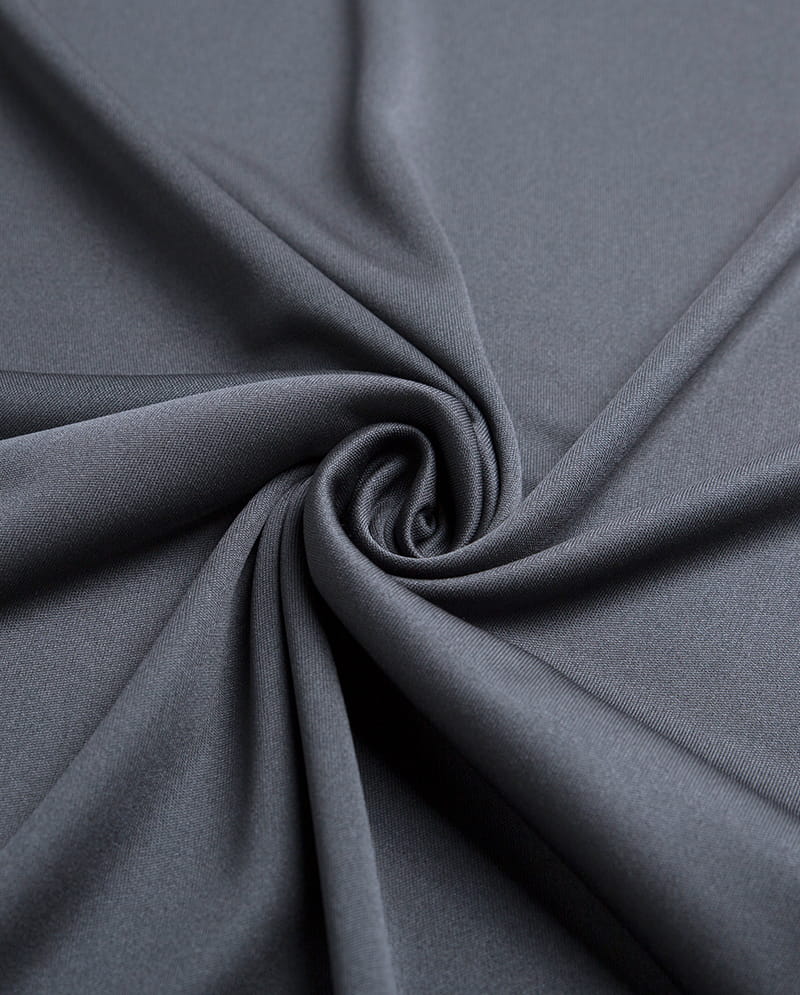
Anti-Pilling Cationic Knitted Fabric
Understanding Anti-Pilling Cationic Knitted Fabric
Anti-pilling cationic knitted fabric is a textile material made from knitted yarns that are compatible with cationic dyeing and engineered or finished to resist the formation of pills. Pills are small fiber balls that form when loose fibers migrate to the fabric surface and become entangled through abrasion. They are especially common in garments that receive repeated rubbing during wearing, washing, storage, or transportation.
Cationic dyeing refers to the use of specially modified polyester fibers or yarns that can accept cationic dyes. Conventional polyester is generally dyed with disperse dyes, while cationic-dyeable polyester contains chemical groups that provide affinity for cationic dyes. When cationic and regular polyester components are used together, the different dye affinities can create a two-tone, heathered, mélange, or cross-dyed appearance. This effect provides more visual depth than a flat single-color surface.
The knitted construction contributes softness, flexibility, and comfort. Unlike woven fabric, which is formed by interlacing warp and weft yarns, knitted fabric is formed by loops. These loops allow the material to stretch and recover according to the yarn and structure used. The final elasticity can be increased through construction design, textured yarn, elastomeric components, high-elastic yarn, or PBT/PET combinations.
Anti-pilling performance may be supported by several coordinated measures. These include the use of suitable polyester polymers, optimized spinning, controlled filament quality, lower surface hairiness, stable draw texturing, appropriate knitting tension, heat setting, singeing where applicable, and carefully selected finishing processes. No single stage is sufficient for every fabric. A reliable result depends on the interaction of the entire manufacturing chain.
Why the Product Is Attractive to Buyers
The main advantage of anti-pilling cationic knitted fabric is the balance between appearance and everyday practicality. The cationic effect can create sophisticated color variation, while anti-pilling performance helps the surface remain cleaner and more presentable during regular use. The knitted structure adds comfort, drape, and movement, making the fabric appropriate for many clothing categories.
It is particularly useful when a buyer wants a fabric that looks more distinctive than ordinary solid-dyed polyester. Cationic coloration can produce subtle contrasts between fibers, giving garments a refined visual texture without requiring complex printing. This can support product lines that are positioned around modern casualwear, sports-inspired clothing, uniforms, travel garments, knit jackets, dresses, tops, skirts, and lightweight outer layers.
The product can also support efficient design development. A fabric supplier with access to different deniers, filament counts, luster levels, and functional yarns can help a customer adjust the hand feel and appearance without changing the entire sourcing structure. Fine-denier yarn may be selected for a smoother and softer surface, while a heavier yarn may provide greater body and coverage. Semi-dull and full-dull options can be considered when a muted appearance is preferred.
Key Performance Advantages
Improved Resistance to Surface Pilling
Pilling is one of the most visible forms of textile wear. Consumers may judge a garment negatively when its surface develops fuzzy balls after only a few uses or washes. Anti-pilling cationic knitted fabric is developed to reduce this risk through yarn engineering, fabric design, and finishing control.
The actual pilling result depends on fiber length, filament configuration, yarn cohesion, surface friction, fabric density, finishing, laundering conditions, and the presence of other fibers. Polyester filament yarn has an inherent advantage over many staple-fiber constructions because continuous filaments can reduce the number of loose fiber ends. However, filament damage, excessive texturing, poor processing, or unsuitable knitting conditions can still affect surface performance. Quality control therefore remains essential.
For customers comparing suppliers, it is important to evaluate pilling with an agreed test method and agreed rating standard rather than relying only on visual inspection. Bulk fabric should be tested after representative dyeing and finishing, because the final result may differ from an unfinished laboratory sample. Suzhou Junhui Textile’s broad yarn portfolio allows product selection to be matched with the required surface and end-use expectations.
Distinctive Cationic Color Effects
Cationic dyeing is valued for its ability to generate visual contrast and depth. Depending on the selected yarn combination and dyeing process, the fabric can show a mélange effect, a shadow effect, a two-color appearance, or a refined tonal variation. This allows apparel designers to create products that appear more premium and less uniform than basic polyester fabric.
The color effect is influenced by the ratio of cationic-dyeable and conventional polyester components, the yarn construction, dye selection, dyeing temperature, dye concentration, bath conditions, and finishing. A skilled supplier can help customers identify a suitable combination for the intended color direction. The same base fabric may appear very different when produced with semi-dull, full-dull, bright, or microfine yarn.
For brands, this visual flexibility can shorten the path from concept to collection. Instead of relying on complicated surface decoration, a cationic structure can provide texture and color interest within the fiber and yarn system itself. This may also help maintain a clean surface suitable for minimalist garment designs.
Soft Hand Feel and Comfortable Wear
Knitted fabrics are widely used for clothing because of their softness and ability to follow body movement. The hand feel of anti-pilling cationic knitted fabric can be adjusted through yarn fineness, filament count, texturing level, knitting structure, fabric weight, brushing, compacting, and softening treatment.
Microfine yarns can create a smooth and delicate touch, while textured yarns can add bulk, resilience, and a more developed surface. Full-dull yarns generally support a softer visual appearance, and semi-dull yarns offer a balanced combination of luster and subdued aesthetics. These choices are important for customers developing garments where comfort and appearance must be considered together.
Because the supplier offers yarns in multiple specifications, customers can discuss the desired hand feel rather than selecting from a single fixed material. The appropriate construction may differ for a lightweight top, a structured knit jacket, a sports garment, a children’s garment, or a warm layering product.
Stretch, Recovery, and Movement
Knitted structures naturally provide a degree of mechanical stretch. Additional elasticity can be achieved through textured polyester yarns or high-elastic series products. The listed portfolio includes high-elastic yarn, PBT/PET yarn, and PBT/PET DDB yarn, which can be considered for fabrics requiring greater movement comfort and recovery.
Elasticity must be designed according to the garment’s purpose. Excessive stretch may create dimensional instability, while insufficient recovery can lead to bagging at elbows, knees, waistbands, or other high-movement areas. The choice of yarn, stitch construction, fabric density, heat setting, and finishing treatment should therefore be coordinated.
For apparel manufacturers, a controlled stretch profile can improve sewing efficiency and garment fit. For consumers, it can make the garment easier to put on and more comfortable during movement. A textile supplier with high-elastic and conventional yarn options can help customers balance comfort, shape retention, and cost.
Versatility Across Applications
Anti-pilling cationic knitted fabric can serve a wide variety of product categories. Potential uses include casual tops, fashion dresses, skirts, knit trousers, lightweight jackets, sportswear, athleisure garments, school and work uniforms, travel clothing, scarves, and selected home-textile products.
The fabric can be developed in different weights and appearances depending on the yarn and knitting structure. Fine constructions may be suitable for breathable tops and inner layers. Medium-weight constructions can be used for dresses, sweatshirts, and casual outerwear. More compact structures may be considered for jackets, uniforms, and garments requiring greater coverage.
Because the source company supplies both fabric and a substantial range of differentiated yarns, the customer can potentially coordinate raw-material selection and fabric development through one experienced textile partner. This may reduce communication gaps between yarn selection, knitting, dyeing, and finishing.
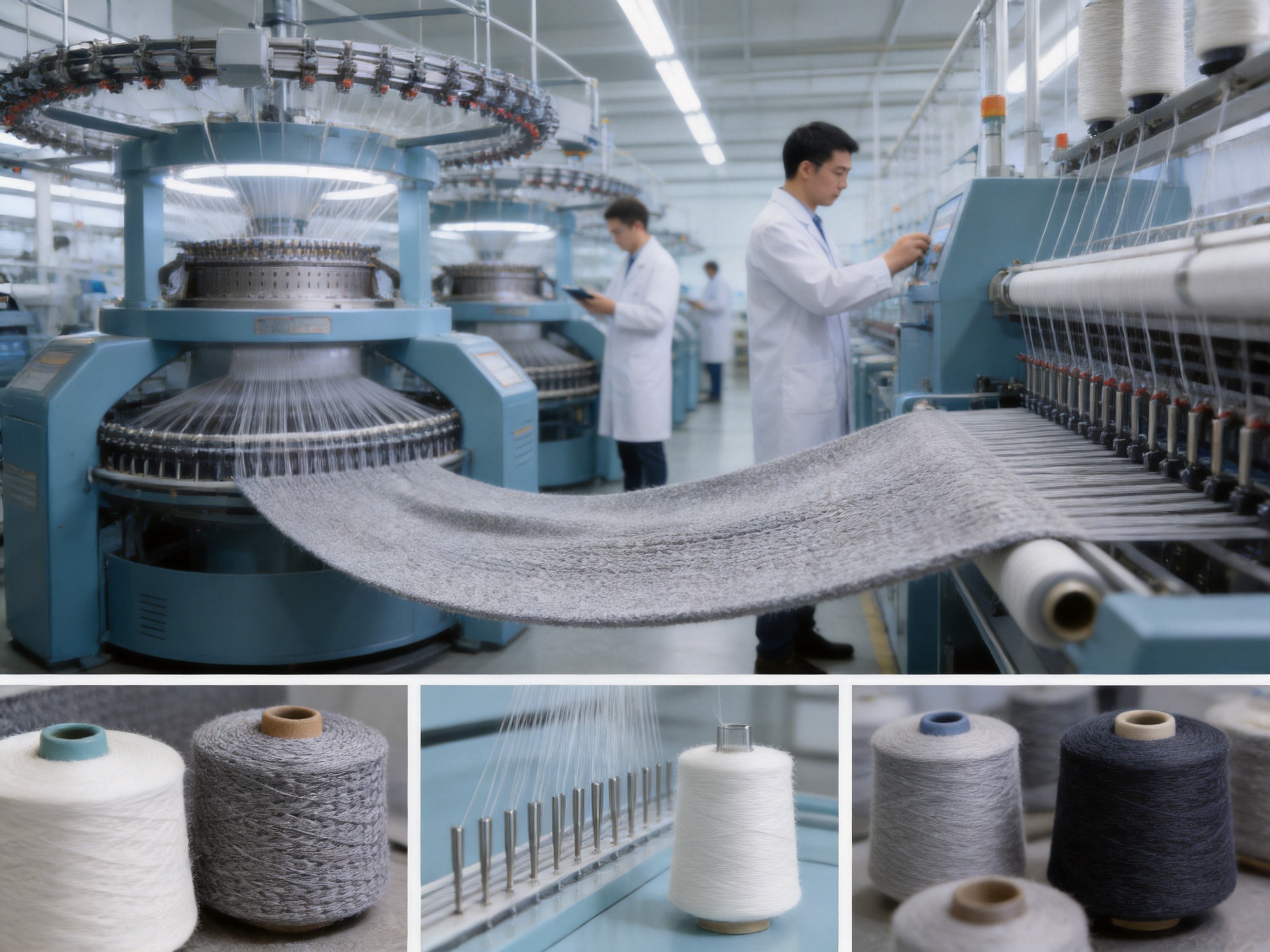
Advanced Manufacturing Approach
The quality of anti-pilling cationic knitted fabric is closely connected to process discipline. Manufacturing begins with the selection of polymer and yarn materials that are compatible with the target performance. Recycled polyester, conventional polyester, cationic-dyeable polyester, high-elastic yarn, and functional yarn each have different processing characteristics. Their use must be considered in relation to dyeing behavior, shrinkage, surface appearance, and end-use requirements.
Material and Polymer Selection
Material selection is the foundation of product consistency. A supplier must consider whether the customer requires conventional polyester, recycled polyester, cationic-dyeable yarn, a semi-dull effect, a full-dull effect, or a special functional property. The product list includes recycled SD DTY, recycled SD FDY, recycled FD DTY, recycled cationic-related combinations, normal-series yarns, CD-series yarns, high-elastic yarns, and functional yarns.
Recycled yarn can support customers who have sustainability targets or prefer materials connected with circular production. However, recycled content should be evaluated together with color consistency, tensile performance, dyeing behavior, and certification requirements. A responsible supplier should communicate clearly about the material source and the relevant documentation rather than treating recycled content as a substitute for quality control.
Cationic-dyeable materials require careful compatibility planning. When different polyester components are combined, their dye uptake must be understood before bulk production. The objective is to achieve the intended contrast without creating unwanted streaks, shade variation, or uneven coloration. Laboratory development and sample approval are therefore important stages.
Spinning Precision and Filament Control
Spinning determines the basic uniformity of the yarn. Denier variation, filament breakage, uneven tension, oil application, and winding quality can influence knitting performance and fabric appearance. Stable spinning helps maintain a consistent yarn package and reduces defects during downstream processing.
Filament yarns are particularly sensitive to tension differences. If the yarn is not uniform, the knitted fabric may show vertical streaks, uneven loops, or irregular dye uptake. Consistent filament formation also contributes to a smoother fabric surface and supports the anti-pilling objective.
The extensive specification list indicates that the supplier works with a wide range of denier and filament combinations, including examples such as 30/24, 50/72, 75/36, 100/72, 150/144, 300/96, and many other constructions. These specifications are not interchangeable. A professional development process should determine which denier and filament count provide the correct balance of coverage, softness, strength, luster, and cost.
Draw Textured Yarn and Fully Drawn Yarn
Draw textured yarn, commonly known as DTY, is processed to add crimp, bulk, stretch, and a softer hand to the filament. The level and stability of texturing affect the final fabric’s appearance, resilience, and knitting behavior. DTY can be offered in semi-dull, full-dull, cationic, recycled, high-elastic, and functional versions.
Fully drawn yarn, or FDY, is produced with a higher level of orientation and is often used when a smoother and more stable filament surface is required. FDY can contribute to a cleaner appearance and different drape characteristics compared with DTY. The choice between DTY and FDY depends on the desired fabric construction and performance profile.
The supplier’s portfolio includes both DTY and FDY products, giving buyers more flexibility during development. A fabric may use one yarn type alone or combine yarns to create a particular surface, texture, or color effect. This ability to compare different yarn systems is an advantage over suppliers whose offerings are limited to one standard polyester yarn.
Knitting Control
Knitting converts the selected yarn into the fabric structure. The machine gauge, stitch length, loop density, yarn feeding tension, fabric width, and take-down conditions all affect the final result. Poor control at this stage can lead to barre, needle lines, holes, uneven weight, spirality, and width instability.
For cationic knitted fabric, knitting consistency is especially important because irregular loop formation can become more visible after dyeing. The fabric should be developed with enough density to provide coverage while preserving the desired softness and stretch. Overly loose construction may increase snagging or dimensional instability, while overly tight construction may reduce comfort and drape.
Different yarn specifications may require different knitting parameters. Fine-denier yarn generally needs careful tension management, while heavier or highly textured yarn may require appropriate feeding and needle settings. The development team must match the yarn characteristics with the machine and construction rather than treating all polyester yarn as identical.
Dyeing and Color Development
Cationic dyeing requires controlled preparation and dyeing conditions. The dye bath temperature, pH, time, liquor ratio, leveling agent, and reduction clearing process can influence shade, fastness, and surface appearance. When cationic-dyeable and conventional polyester yarns are used together, the process must create the intended contrast while maintaining evenness.
Color development should begin with laboratory dips and small fabric trials. Buyers should approve a standard that includes the target shade, color difference tolerance, fabric handle, width, weight, shrinkage, and appearance. Because cationic effects can vary with yarn composition and construction, approval based only on a color card may not be sufficient.
Experienced color technicians also consider batch-to-batch reproducibility. Consistent dyeing is essential for garment factories that need to cut fabric across multiple production lots. Clear lab-dip approval and retained standards help reduce disputes and support stable bulk production.
Finishing and Anti-Pilling Treatment
Finishing determines how the fabric feels, looks, and performs after dyeing. Processes may include heat setting, softening, compacting, raising, brushing, wicking treatment, anti-static treatment, or other customer-specific treatments. The selection must be appropriate for the cationic fabric and the intended end use.
Heat setting can help stabilize width and shape, but excessive heat may alter the handle, luster, or stretch recovery. Softener can improve touch, but an unsuitable formulation may reduce moisture management or affect color appearance. Compacting may improve dimensional stability, while brushing can create warmth and softness but may also increase surface fiber exposure if not properly controlled.
Anti-pilling performance should be evaluated after the complete finishing route. A fabric that performs well before finishing may respond differently after softening, raising, or mechanical treatment. This is why process integration is a key manufacturing strength. The goal is not simply to add an anti-pilling chemical at the end, but to control the entire route from yarn to finished fabric.
Product Portfolio Supporting Fabric Development
The product list supplied by the manufacturer covers several yarn families that can support different versions of knitted fabric. This range provides a practical foundation for customized development and helps buyers select a yarn system that matches their design and performance goals.
Product family |
Examples of available directions |
Potential value for knitted fabric |
Recycled series |
Recycled SD DTY, recycled SD FDY, recycled FD DTY, recycled CD and combination yarns |
Supports sustainability-oriented collections and differentiated polyester development |
Normal series |
SD DTY, FD DTY, SD DDB, and multiple denier and filament options |
Provides broad choices for standard hand feel, texture, coverage, and cost control |
CD series |
CD DTY, SD plus CD DTY, white and black yarn options |
Supports cationic color effects, contrast, mélange appearances, and special visual designs |
High-elastic series |
High-elastic yarn, PBT/PET, and PBT/PET DDB yarn |
Supports stretch comfort, flexibility, and improved garment movement |
Functional series |
Flame-retardant, anti-bacterial, and moisture-wicking yarn |
Allows the fabric to be adapted to selected performance and protective applications |
Special-effect series |
Cotton-like, hollow warm, and Acy yarn |
Supports natural-touch effects, warmth, bulk, and differentiated surface character |
The listed specifications include numerous combinations of denier and filament count. This matters because product development often requires small but important adjustments. For example, a buyer may want the same color direction in two fabric weights, or the same knitted structure with a softer hand for one market and a firmer hand for another. Access to multiple yarn specifications makes these adjustments more practical.
The company also states that it can accept orders for various differentiated yarns. This suggests a development-oriented approach rather than a purely catalog-based business model. Buyers can discuss new combinations, functional requirements, and product applications with the technical team before finalizing a bulk order.
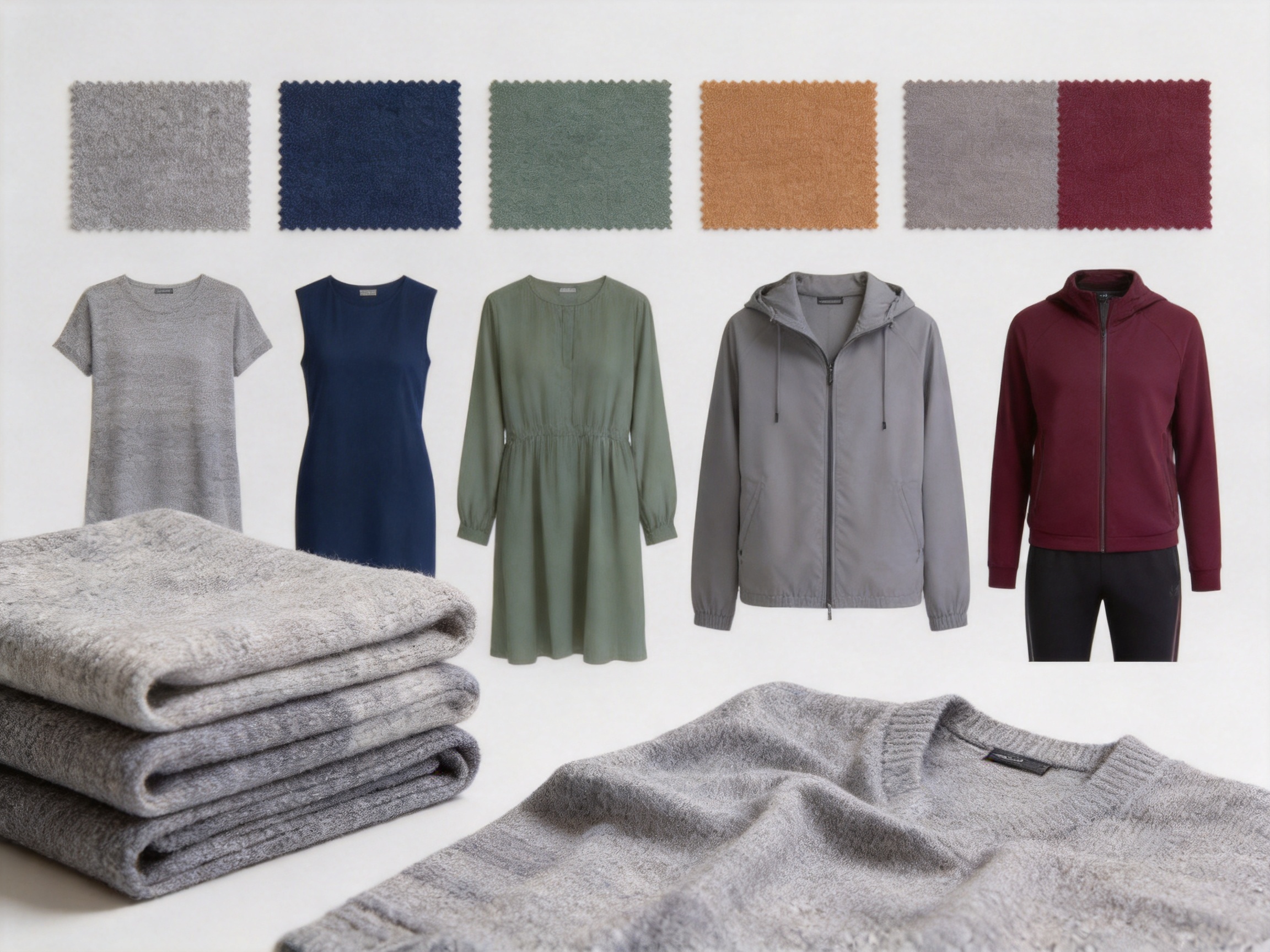
Advantages Compared with Conventional Competitor Products
Many polyester knitted fabrics compete primarily on price and basic availability. While cost remains important, buyers increasingly need a more complete value proposition: reliable quality, attractive coloration, comfort, functional options, sustainability choices, and responsive technical support. Anti-pilling cationic knitted fabric can offer advantages in each of these areas when it is manufactured with appropriate process control.
Compared with Ordinary Solid-Dyed Polyester
Ordinary solid-dyed polyester can provide a uniform color, but it may appear visually flat when used in fashion garments. Cationic knitted fabric can create depth and subtle contrast through differential dye uptake. This can help designers achieve a more refined appearance without adding a print or complicated surface effect.
The cationic effect also provides a broader design language. A buyer may request a soft gray mélange, a shadowed blue, a tonal black, or another color direction with visible fiber-level variation. The exact result depends on the selected yarn and dyeing process, but the construction gives designers more options than a simple single-component fabric.
Compared with Low-Quality Knitted Polyester
Low-cost knitted polyester may suffer from inconsistent width, poor recovery, uneven dyeing, excessive shine, surface fuzz, and early pilling. Such defects can increase garment rejection, rework, customer complaints, and long-term brand risk.
A differentiated-yarn supplier can address these concerns by controlling raw materials, yarn construction, knitting parameters, and finishing conditions. The anti-pilling objective is supported from the beginning of production instead of being treated as a purely cosmetic afterthought. The result can be a more stable product with better suitability for repeated wear.
Compared with Narrow-Range Suppliers
A narrow-range supplier may offer only a few standard polyester yarns. When a customer needs recycled content, a cationic effect, moisture management, high elasticity, cotton-like touch, or a special warmth effect, the buyer may need to coordinate several suppliers. This increases lead-time risk and makes technical communication more difficult.
Suzhou Junhui Textile and Suzhou Xiaoran New Materials offer multiple yarn families under a related textile development platform. The combination of recycled, functional, elastic, cationic, and conventional options can simplify the sourcing process. It also allows customers to compare material alternatives through a more unified technical channel.
Compared with Suppliers Focused Only on Finished Fabric
Some fabric suppliers purchase all yarn externally and have limited influence over yarn specifications. When a problem occurs, it may be difficult to identify whether the source is yarn quality, knitting, dyeing, or finishing. A supplier involved in differentiated yarn development can potentially trace more of the production route and make more informed adjustments.
Vertical coordination does not automatically guarantee perfect quality, but it creates a stronger foundation for problem solving. The supplier can evaluate the interaction between yarn and fabric construction, recommend an alternative denier or filament count, and adjust the development plan according to the customer’s technical requirements.
Quality Control Priorities
Buyers should evaluate anti-pilling cationic knitted fabric using a complete set of quality indicators. Appearance alone is not enough. The fabric should be checked for width, weight, shade, pilling, shrinkage, spirality, color fastness, tensile behavior, tear performance where relevant, stretch and recovery where relevant, and surface uniformity.
Appearance Inspection
Appearance inspection should identify barre, streaks, holes, needle lines, uneven dyeing, oil marks, foreign fibers, color spots, creases, and finishing defects. Cationic effects should be judged against an approved standard because some visual variation is intentional while other variation may indicate a process problem.
Fabric inspection under consistent lighting is important. Shade can appear different under daylight, store lighting, and warm indoor lighting. For commercial production, a buyer should define the approved light source, standard swatch, roll presentation, and acceptable shade range.
Dimensional Stability
Knitted fabric can change in length and width after washing, steaming, or garment processing. Dimensional stability depends on yarn characteristics, loop structure, heat setting, finishing, and relaxation time. Samples should be tested using the intended care method and garment production route.
Dimensional stability is especially important for fitted garments, uniforms, and products with matching panels. Excessive shrinkage or spirality may create sewing and fit problems even when the fabric looks acceptable on the inspection table.
Pilling and Abrasion Testing
Pilling tests simulate the rubbing that occurs during use. Different standards and instruments may produce different results, so the buyer and supplier should agree on the method before approval. The test should represent the actual fabric composition, dyeing, finishing, and intended care conditions.
Abrasion resistance is related to but not identical to pilling resistance. A fabric may resist visible pills but still lose mass or change appearance under severe rubbing. For applications such as uniforms, sportswear, travel clothing, and frequently washed garments, both properties may deserve attention.
Color Fastness
Cationic coloration should be evaluated for washing, rubbing, perspiration, light, and other relevant fastness properties. The required level depends on the end use, market, and garment care instructions. Dark shades often require especially careful testing because loose dye or poor clearing can affect rubbing and washing results.
Color fastness is influenced by dye selection, dye concentration, bath control, reduction clearing, drying, and finishing. A professional laboratory approval process should therefore assess the finished fabric rather than relying on theoretical dye compatibility alone.
Customization and Development Process
A successful fabric project begins with a clear product brief. The buyer should provide the intended use, target weight, width, color direction, stretch requirement, hand feel, pilling expectation, sustainability preference, care method, and target price range. The more precise the brief, the more efficiently the supplier can select an appropriate yarn and knitting route.
Step One: Requirement Analysis
The supplier reviews the customer’s requirements and identifies the main performance priorities. A fashion fabric may prioritize appearance and hand feel, while a uniform fabric may prioritize durability, color fastness, and dimensional stability. A sports garment may require moisture management, stretch, recovery, and low surface friction.
At this stage, the customer can consider whether to use recycled polyester, conventional polyester, cationic and regular polyester combinations, high-elastic yarn, PBT/PET, or a functional yarn. The product list provides several possible directions rather than forcing every project into one standard specification.
Step Two: Yarn Selection
The yarn is selected according to denier, filament count, luster, texturing, dyeability, elasticity, and functional requirements. DTY may be considered for softness, bulk, and texture, while FDY may be selected for a cleaner and more stable appearance. Semi-dull and full-dull yarns can be compared according to the desired visual effect.
For a cationic effect, the supplier evaluates the appropriate cationic-dyeable component and its relationship with other yarns in the fabric. For improved warmth or natural touch, hollow warm yarn or cotton-like yarn may be considered. For performance garments, moisture-wicking, anti-bacterial, or flame-retardant yarn may be evaluated, subject to the required testing and certification.
Step Three: Sample Knitting
Sample knitting allows the customer and supplier to evaluate the actual loop structure, weight, width, stretch, handle, and surface appearance. It also reveals whether the selected yarn performs consistently on the knitting machine. Adjustments can be made before dyeing if the structure is too open, too compact, too soft, too firm, or insufficiently elastic.
Step Four: Laboratory Dyeing and Finishing
Laboratory dyeing is used to establish color and cationic contrast. Small samples can be produced in several color directions, allowing the customer to compare brightness, depth, mélange effect, and shade consistency. Finishing trials can then be used to adjust softness, compactness, surface smoothness, and dimensional stability.
Step Five: Testing and Approval
Before bulk production, the sample should be evaluated against the agreed technical standard. This may include pilling, color fastness, shrinkage, width, weight, stretch recovery, moisture management, and appearance. A signed or retained standard sample helps both parties maintain consistency in later production.
Step Six: Bulk Production and Shipment
Once the standard is approved, bulk production should follow the same yarn, knitting, dyeing, and finishing route as closely as possible. Production records, inspection reports, shade grouping, roll identification, and packing controls support traceability. International buyers also benefit from clear communication regarding production progress, documentation, and shipment preparation.
Environmental and Functional Options
Textile buyers increasingly seek materials that combine commercial performance with environmental responsibility. Recycled polyester yarn can be considered for collections that include recycled content goals. The supplier’s recycled series includes several SD, FD, DTY, FDY, CD, and combination yarn directions.
Recycled content should be supported by appropriate documentation when the customer requires certified claims. The exact environmental benefit depends on the source of the recycled material, the production process, transportation, dyeing, finishing, garment manufacturing, and product life. Responsible product communication should therefore be accurate and traceable.
Functional yarns can expand the product’s market potential. The listed functional series includes flame-retardant yarn, anti-bacterial yarn, and moisture-wicking yarn. These options may be considered for workwear, sportswear, uniforms, protective clothing, and other applications where additional performance is required.
Functional claims must be supported by relevant laboratory testing. For example, moisture-wicking performance depends on yarn structure, fabric construction, finishing, and test conditions. Anti-bacterial performance requires a defined test method and should not be assumed simply because a yarn is described as functional. Buyers should request technical data and confirm whether the property remains after laundering.
Hollow warm yarn can add bulk and insulation potential, while cotton-like yarn can provide a more natural hand feel. Acy yarn and other differentiated options may offer additional visual or tactile effects. These choices allow designers to develop fabric collections with a broader sensory range instead of relying only on standard polyester.

Applications and Market Opportunities
Fashion Apparel
Fashion brands can use anti-pilling cationic knitted fabric for garments that require a contemporary appearance and comfortable drape. The cationic color effect can provide a subtle premium quality, especially in neutral, dark, or tonal color palettes. The anti-pilling objective is valuable for garments intended to remain presentable through repeated use.
The fabric may be suitable for tops, dresses, skirts, knit trousers, cardigans, lightweight jackets, and fashion co-ordinates. Final suitability depends on the fabric weight, construction, stretch, color fastness, and finishing route selected for the project.
Sportswear and Athleisure
Sportswear requires more than elasticity. It may also need moisture management, recovery, abrasion resistance, low snagging risk, and comfortable surface contact. The supplier’s high-elastic and moisture-wicking yarn directions can support the development of fabrics for selected sports and athleisure products.
A cationic visual effect can help sportswear brands differentiate training tops, leggings, jackets, and leisure garments from basic solid-color products. When combined with suitable construction, the fabric can offer a balance between visual character, movement, and everyday comfort.
Uniforms and Workwear
Uniforms are often washed frequently and expected to maintain a professional appearance. Anti-pilling performance, color fastness, dimensional stability, and durable construction are therefore important. Cationic fabric can create recognizable color effects for corporate or institutional collections, while functional yarns may support selected workwear requirements.
Where flame resistance or anti-bacterial performance is required, buyers should define the relevant safety and performance standards before development. The appropriate yarn and finishing route must be verified through testing, and the finished garment should be evaluated when garment-level performance is important.
Travel and Everyday Clothing
Travel garments benefit from comfort, easy care, attractive appearance, and resistance to surface deterioration. Knitted construction provides movement comfort, while anti-pilling characteristics can help garments look better after repeated packing and wearing. Cationic color effects can also make everyday garments appear more sophisticated without demanding complex maintenance.
Why International Buyers Work with the Supplier
Suzhou Junhui Textile Co., Ltd. and Suzhou Xiaoran New Materials Co., Ltd. were founded in June 2015 and focus on the development and sale of differentiated yarn and knitting fabric products. The companies report that more than 90 percent of their products are exported and that they have established cooperative relationships with customers in 36 countries.
International experience can help a supplier understand the practical needs of overseas customers, including communication across time zones, sample confirmation, packaging expectations, documentation, production scheduling, and export coordination. The company states that its experts are prepared to provide guidance within 12 hours globally, which can be useful when buyers need fast clarification during product development or order execution.
The company’s R&D orientation is another important strength. It reports cooperation and discussion with internationally recognized enterprises regarding the research, development, and application of environmental protection and functional yarn and fabric. This approach is consistent with the changing needs of the textile market, where customers increasingly request recycled materials, differentiated appearances, improved comfort, and verified functional properties.
A technical textile partner should be evaluated not only by its machinery or product catalog, but also by its ability to listen, test, adjust, and communicate. The combination of yarn options, knitted fabric development, functional directions, export experience, and customer support provides a useful foundation for customized anti-pilling cationic knitted fabric projects.
How to Choose the Right Specification
There is no single specification that is ideal for every application. Buyers should first define the fabric’s intended purpose and then choose the yarn and construction accordingly. Important variables include yarn denier, filament count, luster, DTY or FDY structure, cationic component, knitting gauge, fabric weight, width, stretch, recovery, and finishing.
For a soft and lightweight garment, a finer yarn and suitable fine-gauge construction may be preferred. For a heavier garment with more body, a larger denier or denser structure may be more appropriate. For a sports or fitted garment, textured or high-elastic yarn may improve movement, but recovery and dimensional stability must be tested.
For a premium visual effect, the buyer may compare cationic yarn with semi-dull or full-dull conventional polyester. For a sustainability-oriented program, recycled yarn can be evaluated alongside the required performance standards. For a functional garment, the customer should identify whether the main priority is moisture management, anti-bacterial performance, warmth, flame resistance, or a combination.
The product list includes a wide range of yarn numbers, but these numbers should not be selected solely because they are available. The correct choice should be based on the complete fabric design. A technical discussion with the supplier can help determine which yarn combinations are likely to produce the desired handle, weight, appearance, and performance.
Purchasing Checklist for Bulk Orders
Before placing a bulk order, buyers should confirm the following information in writing:
1. Exact yarn composition and whether the product is conventional, recycled, cationic-dyeable, functional, or a combination.
2. Yarn specification, including denier, filament count, luster, texturing type, and any special construction.
3. Knitted fabric composition, structure, finished width, weight, and tolerance.
4. Color standard, approved laboratory dip, shade tolerance, and color grouping procedure.
5. Pilling test method, required rating, and whether the test applies before or after laundering.
6. Dimensional stability requirements, including washing temperature, drying method, and acceptable shrinkage.
7. Stretch and recovery requirements if the fabric includes high-elastic yarn or a stretch construction.
8. Functional requirements and the test standards required for moisture management, anti-bacterial performance, flame resistance, or warmth.
9. Inspection procedure, defect classification, roll length, roll labeling, packing, and shipment documentation.
10. Sample approval procedure and the method for handling any variation between the approved sample and bulk goods.
A clear technical agreement protects both the buyer and the supplier. It also helps the production team understand which properties are essential and which variations are acceptable for the intended market.
Q&A
What is cationic knitted fabric?
Cationic knitted fabric is a knitted textile made with cationic-dyeable polyester yarn, often combined with conventional polyester or other compatible yarns. Because the cationic component has a different affinity for dye, the fabric can develop contrast, mélange, tonal, or two-color effects during dyeing.
What does anti-pilling mean?
Anti-pilling means that the fabric has been engineered and processed to reduce the formation of small fiber balls on the surface during wear and laundering. The result depends on yarn quality, fabric construction, finishing, and test conditions. Buyers should confirm performance through an agreed laboratory test.
Is anti-pilling cationic knitted fabric suitable for clothing?
Yes. It can be developed for tops, dresses, skirts, knit trousers, jackets, sportswear, athleisure, uniforms, travel garments, and other apparel. The most suitable specification depends on the required weight, stretch, drape, hand feel, color effect, and performance standard.
Can the fabric be made from recycled polyester?
Recycled polyester can be considered when the selected yarn and fabric construction meet the required quality standards. The supplier’s recycled series includes several DTY and FDY directions. Buyers requiring certified recycled-content claims should confirm the available documentation before placing an order.
Can customers request different colors?
Yes. Cationic knitted fabric can be developed in a broad range of color directions. The final appearance depends on the cationic yarn, conventional polyester component, dye formulation, concentration, and finishing route. A laboratory dip and approved standard should be used before bulk production.
Can the fabric be made with stretch?
Yes. Knitted construction naturally provides some mechanical stretch, and additional elasticity may be obtained through textured yarn, high-elastic yarn, PBT/PET yarn, or PBT/PET DDB yarn. Stretch and recovery should be tested according to the garment’s intended use.
What yarn types are available for development?
The listed portfolio includes recycled SD DTY, recycled SD FDY, recycled FD DTY, normal SD DTY, FD DTY, SD DDB, CD DTY, SD plus CD DTY, high-elastic yarn, PBT/PET, PBT/PET DDB, flame-retardant yarn, anti-bacterial yarn, moisture-wicking yarn, cotton-like yarn, hollow warm yarn, and Acy yarn.
Can the fabric include functional properties?
Functional options may include moisture management, anti-bacterial performance, flame-retardant properties, warmth, high elasticity, and special hand-feel effects. Each claim must be confirmed by appropriate testing because the final result depends on the yarn, construction, finishing, and laundering conditions.
How should pilling performance be checked?
The buyer and supplier should agree on a recognized pilling test method, specimen preparation, evaluation scale, and required rating. Testing should be performed on fabric produced with the final yarn, dyeing, and finishing route. Additional laundering and abrasion tests may be appropriate for frequently used garments.
What information should be provided when requesting a quotation?
A quotation request should include the intended application, composition, yarn preference, fabric structure, target weight, finished width, color, quantity, performance requirements, packaging needs, and delivery destination. Providing this information helps the supplier recommend a realistic specification and production route.
Does the supplier support international customers?
The companies report that over 90 percent of their products are exported and that they cooperate with customers in 36 countries. They also state that their experts provide professional guidance and support globally. Buyers should discuss communication, sampling, documentation, quality inspection, and shipment arrangements at the beginning of the project.
How can buyers reduce quality risks?
Buyers can reduce risk by approving a detailed technical specification, testing laboratory samples, confirming the shade standard, checking pilling and shrinkage, inspecting bulk goods, retaining reference samples, and communicating the intended garment-care method. It is also helpful to confirm whether any functional or recycled claim requires certification.
Conclusion
Anti-pilling cationic knitted fabric offers a strong combination of visual differentiation, comfort, flexibility, and practical surface performance. Its cationic color effect can create depth and character, while knitted construction supports softness and movement. When the yarn and finishing route are carefully selected, the fabric can serve fashion, sportswear, uniforms, travel clothing, and other apparel markets.
The product’s most important advantage is not based on one isolated feature. It comes from the coordination of yarn engineering, cationic dye compatibility, knitting control, anti-pilling development, finishing, and testing. A supplier with access to recycled, conventional, elastic, functional, cotton-like, hollow warm, and other differentiated yarns can provide more options than a supplier limited to basic polyester.
Suzhou Junhui Textile Co., Ltd. and Suzhou Xiaoran New Materials Co., Ltd. present themselves as development-focused textile companies with a broad portfolio, an R&D orientation, export experience, and support for customized differentiated yarn orders. Their product range creates a useful platform for buyers seeking anti-pilling cationic knitted fabric with a specific weight, handle, color effect, functional property, or sustainability direction.
For the best commercial result, buyers should treat the project as a complete textile development program. Clear requirements, suitable yarn selection, laboratory knitting, controlled dyeing, appropriate finishing, recognized testing, and careful bulk inspection will help ensure that the finished fabric meets both design expectations and practical garment requirements.
References
1. Supplier product portfolio and technical material for recycled, normal, cationic, high-elastic, functional, and special-effect polyester yarns.
2. Supplier company information regarding differentiated yarn, knitting fabric development, export experience, research activities, and customer support.
3. Textile dyeing principles relating to cationic-dyeable polyester and differential dye uptake.
4. General textile engineering references concerning knitted fabric construction, yarn texturing, filament uniformity, and dimensional stability.
5. Standard textile testing references concerning pilling, abrasion resistance, color fastness, fabric weight, width, shrinkage, and stretch recovery.
6. General sustainability guidance concerning recycled polyester sourcing, traceability, documentation, and responsible product claims.
Product: Anti-Pilling Cationic Knitted Fabric

Popular products
-
Premium Cationic Interlock Stretch Comfort Fabric
-
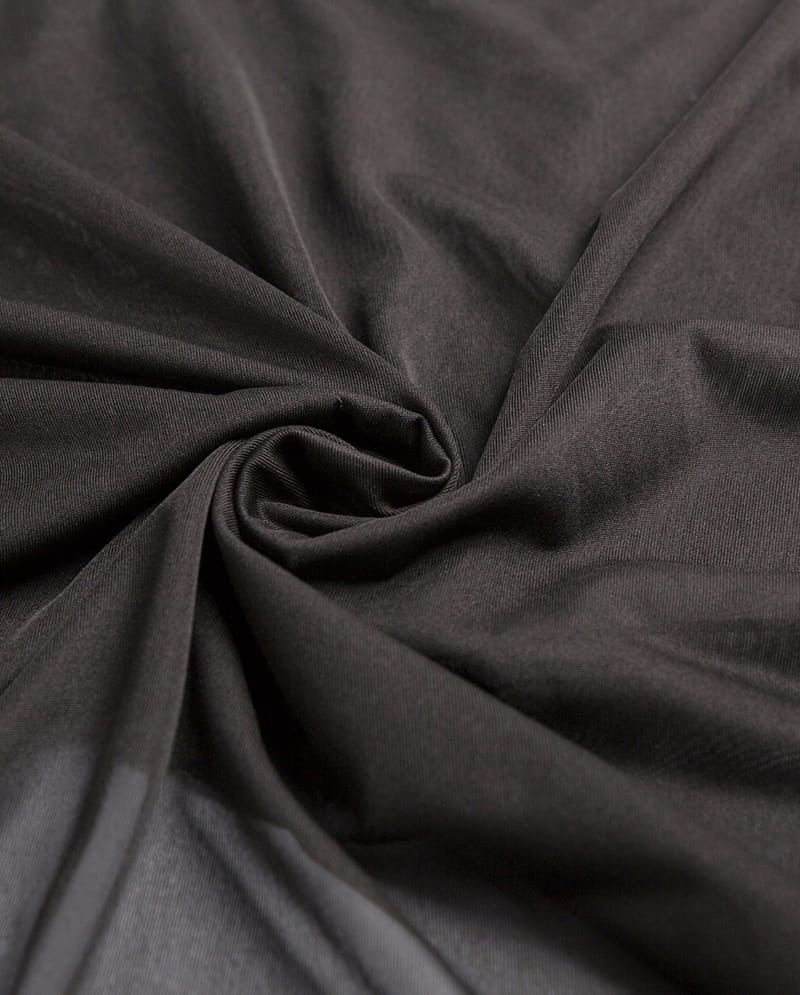
Moisture-Wicking Nylon Woven Fabric
-
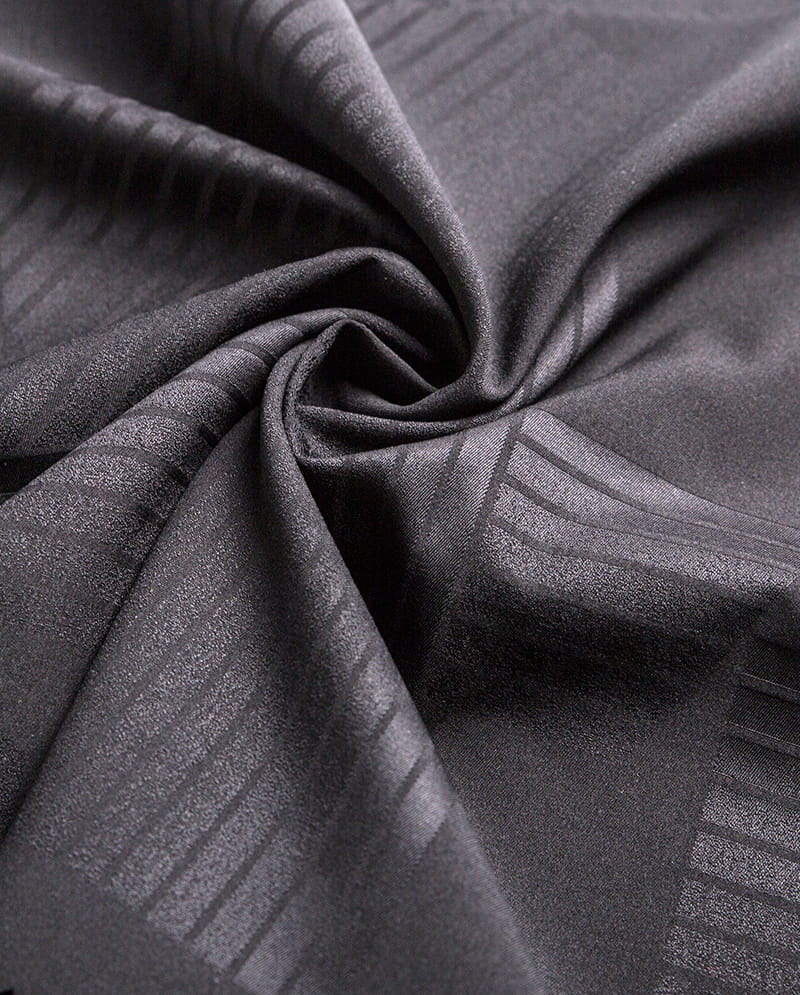
Double-faced jacquard elastic fabric
-
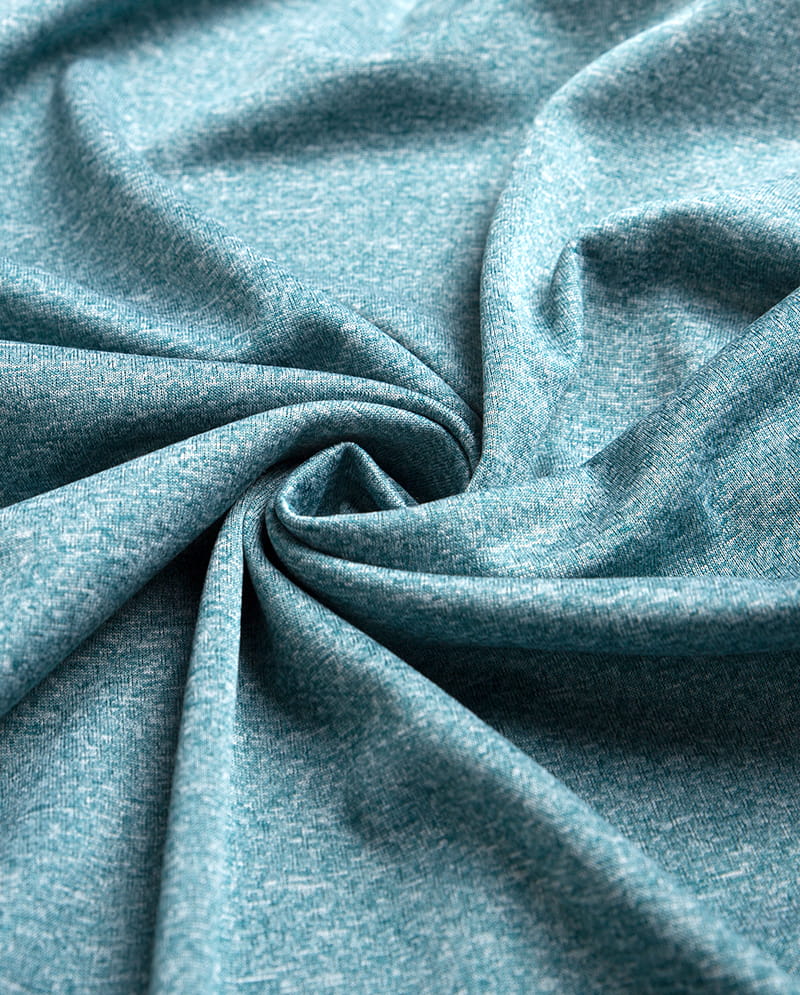
Heather Grey Double-faced cationic jersey fabric
-
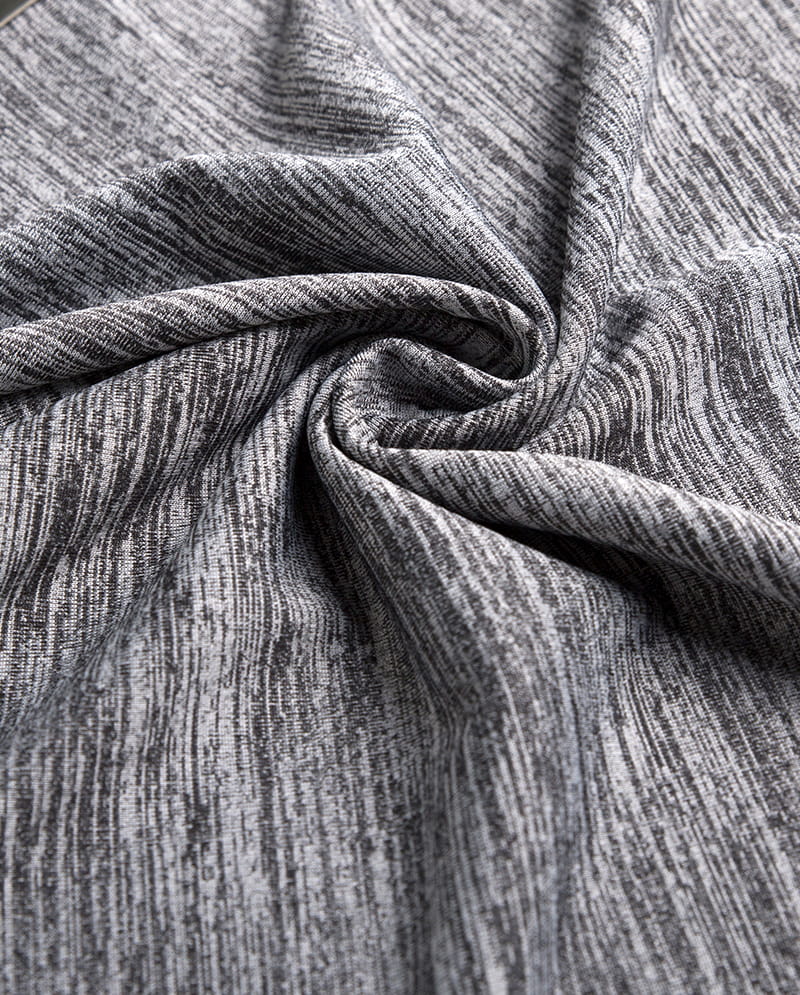
Anti-static Cationic Knitted Rib Fabric
-
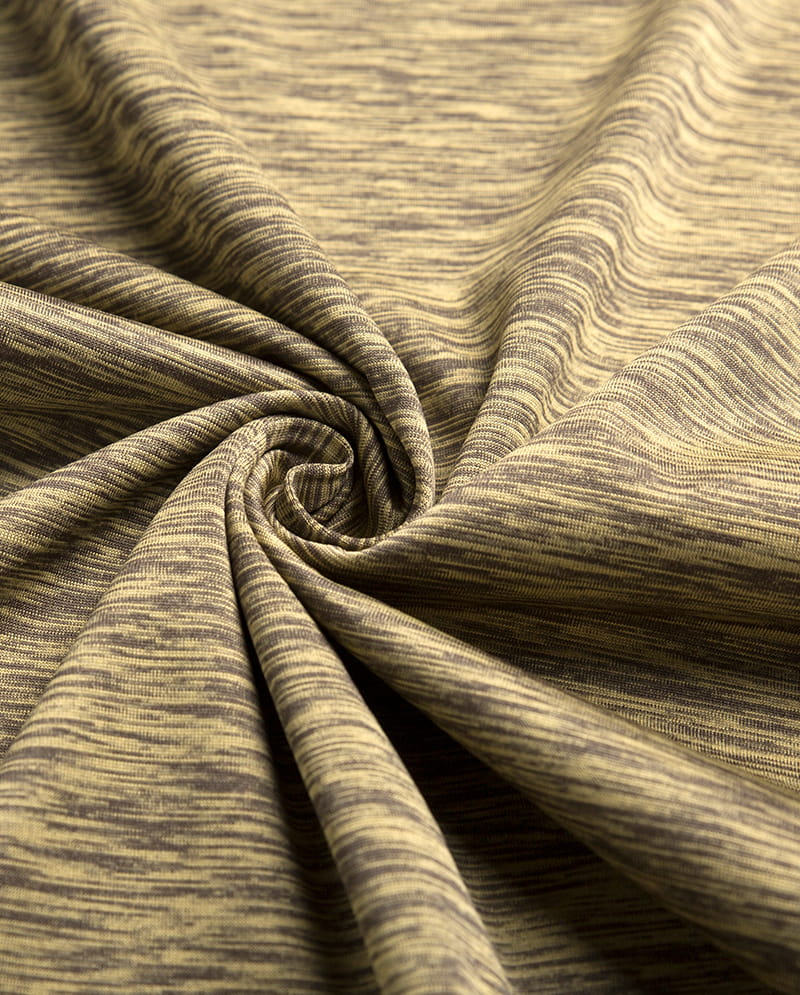
High-Stretch Cationic Jersey Fabric
-
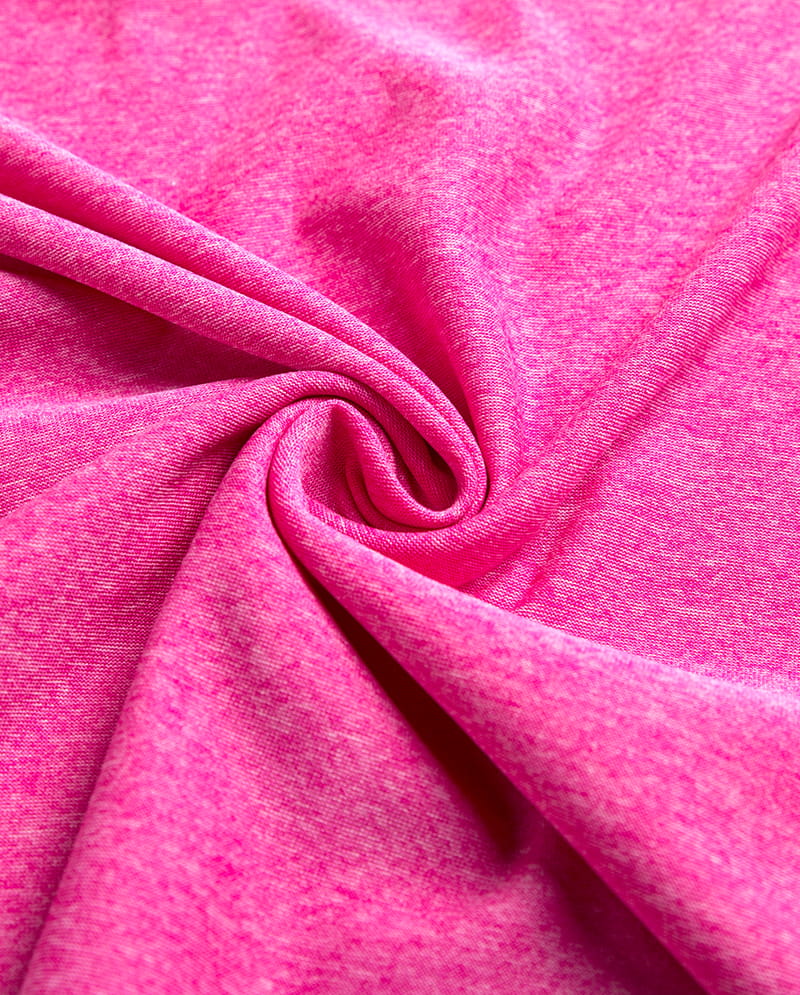
High Quality Cationic DTY Spandex Two Sides Brush Dralon Knit Fabric for Garment Thermal Underwear
-
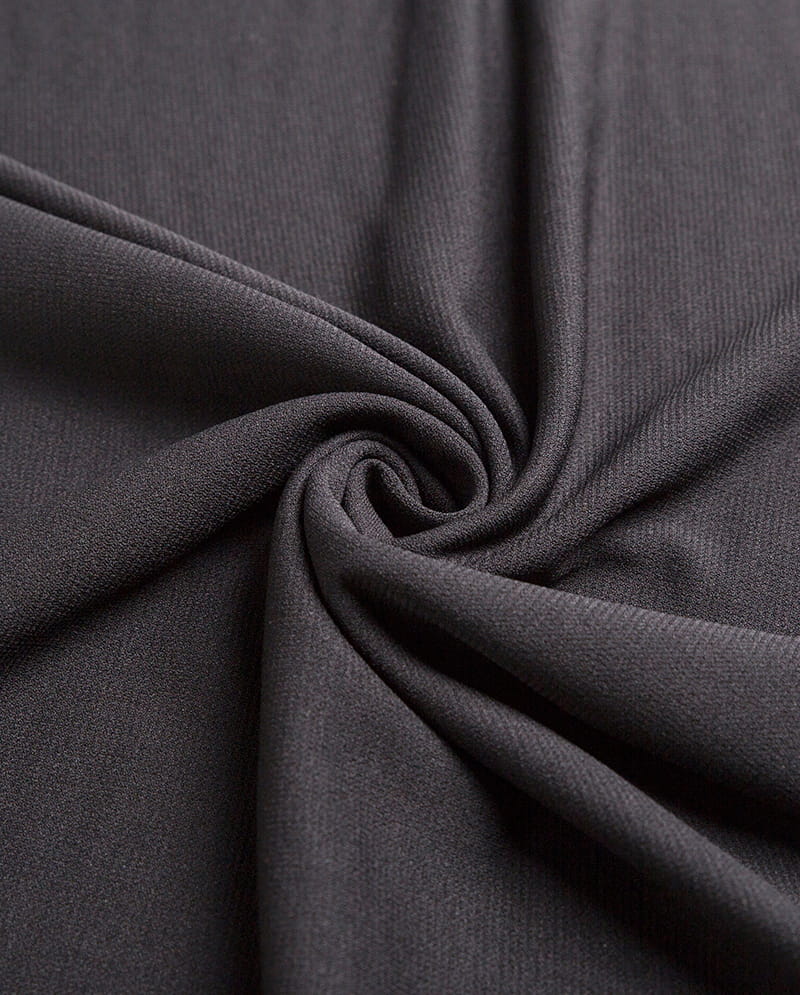
Durable Anti-Pilling Knitted Fabric for Home Textiles
-
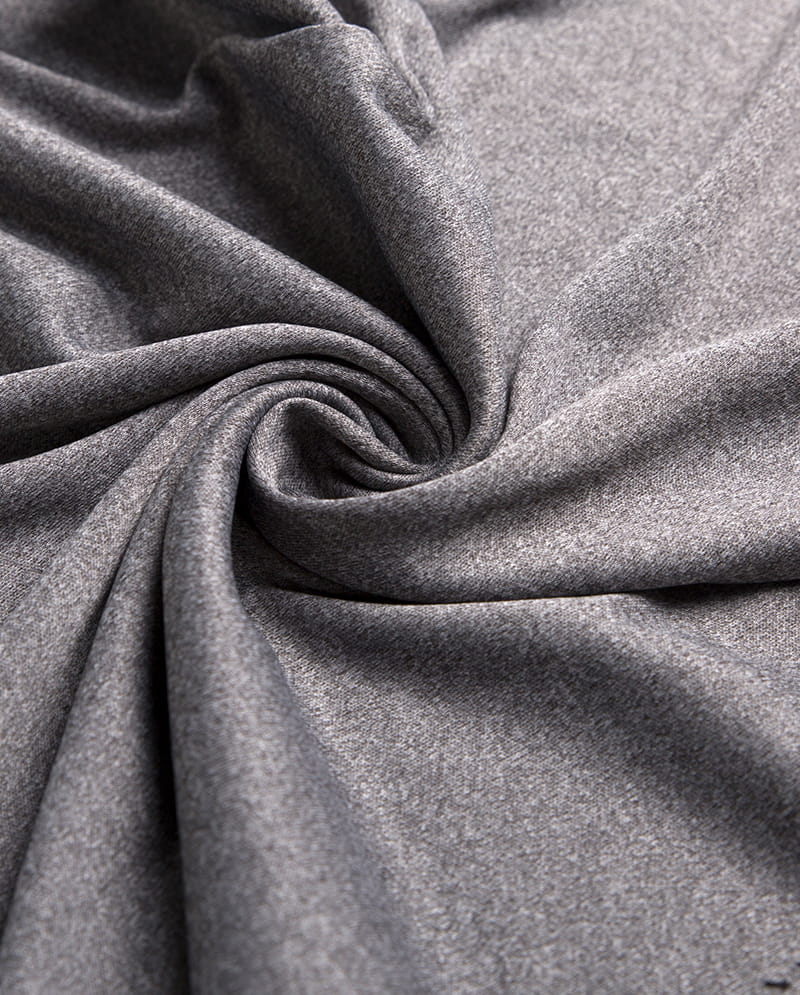
Wash-Resistant Cationic Elastic Knitted Fabric for Garment Industry
-
Breathable Double-Faced Elastic Composite Fabric
-
-
-
- whatsapp:
- 0086-13962559622
-
- skype:
- skype.aliceshenghong
-
- Wechat:

COPYRIGHT © 2016 Suzhou Junhui Textile Co., Ltd.
