

 EN
 English
 中文简体
Anti-Bacterial Odor-Resistant Cotton-Like Functional Yarn for Comfortable, Durable Textiles
Content
- 1 Introduction
- 2 Product Concept and Functional Positioning
- 3 Key Performance Advantages
- 4 Comparison with Conventional Textile Options
- 5 Advanced Manufacturing and Fiber Modification
- 6 Available Specifications and Portfolio Support
- 7 Applications in Modern Apparel
- 8 Advantages for Textile Manufacturers and Brands
- 9 Sustainability and Responsible Product Development
- 10 Recommended Development and Purchasing Process
- 11 Care and Processing Considerations
- 12 Why This Functional Yarn Is a Competitive Choice
- 13 Q&A
- 13.1 What is Anti-Bacterial Odor-Resistant Cotton-Like Functional Yarn?
- 13.2 How does the yarn provide antibacterial performance?
- 13.3 Does the yarn feel like real cotton?
- 13.4 Can it help control unpleasant odor?
- 13.5 Is the yarn suitable for sportswear?
- 13.6 Can it be used in underwear and base layers?
- 13.7 What specifications are available?
- 13.8 Can the yarn be customized?
- 13.9 How durable is the antibacterial function?
- 13.10 Is this yarn a replacement for cotton?
- 13.11 What information should buyers provide when requesting a quotation?
- 14 Conclusion
- 15 References
- 16 Product: Anti-Bacterial Odor-Resistant Cotton like(S) Functional Yarn
Introduction
Modern textile consumers expect more from yarn than attractive appearance and basic durability. Clothing must feel comfortable against the skin, manage moisture, remain fresh during extended wear, and maintain its performance after repeated laundering. These requirements are especially important in sportswear, casual clothing, shirts, underwear, uniforms, and other products used close to the body. Cotton remains highly valued for its softness and familiar hand feel, yet traditional cotton products may dry slowly, retain moisture, and provide limited protection against odor-causing microorganisms. Synthetic yarns can deliver strength and fast drying, but some conventional options may feel less natural or lack the comfort associated with cotton.
Anti-Bacterial Odor-Resistant Cotton-Like Functional Yarn has been developed to bridge this performance gap. It combines a soft, cotton-like touch with functional properties designed to inhibit bacterial growth, reduce odor, transport moisture, and support long-term wearing comfort. Through advanced fiber modification technology, the yarn incorporates functional groups into the fiber structure rather than depending only on a surface treatment. This approach helps create a more stable performance profile and allows the yarn to serve as a practical alternative to conventional cotton and imported functional yarns.
The product is supplied by Suzhou Junhui Textile Co., Ltd., together with the technical and manufacturing support of Suzhou Xiaoran New Materials Co., Ltd. The companies focus on differentiated yarn development, including recycled yarn, polyester dope-dyed yarn, microfine yarn, flame-retardant yarn, cationic-dyeing yarn, functional yarn, and knitting fabric. Their experience in customized textile materials enables buyers to select suitable counts, filament specifications, cross-sections, colors, and functional combinations for different applications.
This article examines the construction, performance, applications, manufacturing advantages, available specifications, quality considerations, and purchasing value of Anti-Bacterial Odor-Resistant Cotton-Like Functional Yarn. It also explains why the product is suitable for manufacturers seeking a balance between natural comfort, hygienic performance, production reliability, and commercial flexibility.

Anti-Bacterial Odor-Resistant Cotton like(S) Functional Yarn
Product Concept and Functional Positioning
Anti-Bacterial Odor-Resistant Cotton-Like Functional Yarn is a differentiated polyester-based yarn designed to imitate important comfort characteristics of cotton while offering additional performance benefits. The “cotton-like” feature refers primarily to the yarn’s soft, skin-friendly touch and textile appearance. The material is intended to reduce the rigid or overly slick sensation that can sometimes be associated with ordinary synthetic fibers.
The antibacterial function is achieved through embedded functional groups that help inhibit the growth of common microorganisms, including Staphylococcus aureus and Escherichia coli. These microorganisms are frequently associated with textile hygiene and unpleasant odor. The supplied product information states that the bacterial inhibition performance meets the requirements of the international ISO 20743 testing standard. Actual results may vary according to yarn specification, fabric construction, dyeing process, finishing conditions, and testing method, so buyers should request a current technical data sheet and batch-specific test report before commercial production.
The odor-resistant function works in combination with the antibacterial performance. Human perspiration itself is not always strongly odorous, but odor can develop when microorganisms metabolize compounds present in sweat and on the skin. A yarn that helps limit microbial activity can support a fresher fabric environment. In addition, the material is described as absorbing and decomposing odor molecules at the source, helping garments remain fresher during extended use and physical activity.
Moisture management is another important part of the product concept. The yarn is designed to support moisture absorption, diffusion, and drying. A related cool-dry yarn technology uses a special fiber section with a high surface area and grooves. These structural features accelerate the movement of moisture away from the skin and help distribute it across the fabric surface, where it can evaporate more efficiently. This contributes to a dry, soft, and breathable wearing experience.
The result is a multifunctional yarn that addresses several common limitations at the same time. Compared with untreated cotton, it can offer improved drying and functional hygiene. Compared with ordinary polyester, it provides a more natural hand feel and additional antibacterial and odor-control benefits. Compared with temporary topical finishes, an embedded functional structure may offer greater resistance to performance loss caused by washing, although performance verification should always be carried out on the final fabric and garment.
Key Performance Advantages
Cotton-Like Softness and Skin Comfort
Softness is one of the principal reasons consumers choose cotton-rich garments. A textile may have excellent strength and technical performance, but if it feels harsh, clammy, or excessively synthetic, it may not be accepted for everyday wear. Anti-Bacterial Odor-Resistant Cotton-Like Functional Yarn is engineered to provide a softer and more familiar touch for garments worn next to the skin.
The cotton-like effect is especially valuable in shirts, underwear, casual clothing, sportswear, and lightweight knitted products. It allows manufacturers to develop fabrics with a comfortable tactile character while retaining many advantages associated with polyester, including dimensional stability, strength, color versatility, and resistance to rapid deformation.
Softness is influenced by more than the chemical composition of the polymer. Filament fineness, cross-sectional design, crimp, yarn structure, fabric density, knitting pattern, dyeing, and finishing all affect final hand feel. For this reason, the yarn can be matched with an appropriate fabric construction to emphasize smoothness, bulk, drape, or a dry touch. Buyers should evaluate both the yarn and the finished fabric when selecting a commercial specification.
Antibacterial Performance
Textiles used for sports, work, travel, and daily commuting can remain in contact with perspiration and skin oils for many hours. Warm and humid conditions may encourage bacterial growth, which can contribute to unpleasant odor and reduced garment freshness. The antibacterial function of this yarn is intended to inhibit the growth of common bacteria and support more hygienic textile performance.
The stated reference to ISO 20743 is important because antibacterial claims should be linked to a recognized testing method. The standard is commonly used to assess antibacterial activity on textile products. A responsible procurement process should confirm the test organism, inoculation method, contact time, washing cycles, test sample construction, and reported antibacterial value. These details help ensure that comparisons between suppliers are technically meaningful.
Because the functional groups are incorporated through fiber modification rather than applied solely as a temporary external coating, the yarn is positioned as a more durable solution than a basic surface finish. The product information indicates stable performance after repeated washing. Nevertheless, durability depends on the exact formulation and downstream processing. High-temperature treatment, aggressive chemicals, strong alkaline conditions, and repeated abrasion may affect any functional textile, so pilot testing is recommended.
Odor Resistance for Extended Wear
Odor control is particularly valuable in sportswear, travel garments, uniforms, underwear, and casual clothing designed for repeated use. The yarn’s odor-resistant function is intended to reduce the formation and persistence of unpleasant smells by combining microbial inhibition with odor-molecule management.
This performance can provide practical benefits for consumers. Garments may feel fresher between washes, which can be useful during travel or outdoor activities. Reduced odor retention can also support longer product use and may help consumers avoid excessive washing. However, odor performance is influenced by garment design, body chemistry, fabric mass, washing habits, environmental humidity, and the presence of other fibers. The yarn should therefore be viewed as part of a complete odor-management system rather than as an independent guarantee of odor elimination under every condition.
Moisture Wicking and Drying Comfort
Moisture management affects both perceived comfort and fabric performance. When sweat remains next to the skin, the wearer may feel clammy, cold, or overheated. A yarn with a suitable cross-section and surface structure can encourage moisture to move along the fiber and through the fabric. Greater surface area and longitudinal grooves can improve capillary transport, allowing moisture to spread and evaporate more effectively.
The supplied information describes the cool-dry technology as having a special section with high surface area and grooves. This structural approach supports rapid moisture absorption and diffusion without relying exclusively on chemical finishing. In sportswear and active casualwear, the benefit can be particularly noticeable during exercise, walking, commuting, and outdoor use.
Moisture-wicking performance should be evaluated using the intended fabric construction. A tightly knitted or densely woven fabric may transport moisture differently from a lightweight mesh or open jersey. The yarn can provide the functional foundation, but fabric engineers must optimize stitch length, density, weight, finishing, and garment pattern to achieve the desired result.
Wash Stability and Long-Term Value
Functional apparel is expected to perform throughout its useful life, not only when it is new. The product is described as retaining stable performance through repeated washing and exceeding national standards while offering an alternative to overseas functional yarns. This durability can help manufacturers produce garments with more consistent quality and lower risk of rapid performance decline.
Long-term value also includes production consistency, available specifications, reliable communication, and the ability to solve technical issues. A yarn that performs well in a laboratory but is difficult to source or reproduce may not be suitable for large-scale production. The company’s broad experience with differentiated yarns and its export-oriented customer service structure are therefore relevant advantages for international buyers.
Comparison with Conventional Textile Options
| Evaluation Factor | Traditional Cotton | Ordinary Polyester Yarn | Surface-Treated Functional Yarn | Anti-Bacterial Odor-Resistant Cotton-Like Functional Yarn |
|---|---|---|---|---|
| Hand feel | Natural and soft | May feel smooth or synthetic | Depends on base yarn and finish | Designed to provide a soft cotton-like touch |
| Moisture behavior | Absorbs moisture but may dry slowly | Can dry quickly but may feel less absorbent | Depends on finish durability | Designed for moisture absorption, diffusion, and drying comfort |
| Antibacterial function | Usually limited unless specially finished | Usually limited unless modified | May decline after washing | Functional groups are embedded through fiber modification |
| Odor management | May retain perspiration odor when damp | May retain odor without special treatment | Depends on treatment chemistry and durability | Designed to inhibit bacteria and manage odor molecules |
| Dimensional stability | May shrink or crease depending on construction | Generally strong and stable | Depends on the base fiber | Combines polyester stability with a cotton-like comfort effect |
| Application flexibility | Strong in natural-fiber apparel | Broad, but comfort varies | Broad if treatment remains stable | Suitable for sportswear, casualwear, shirts, and underwear |
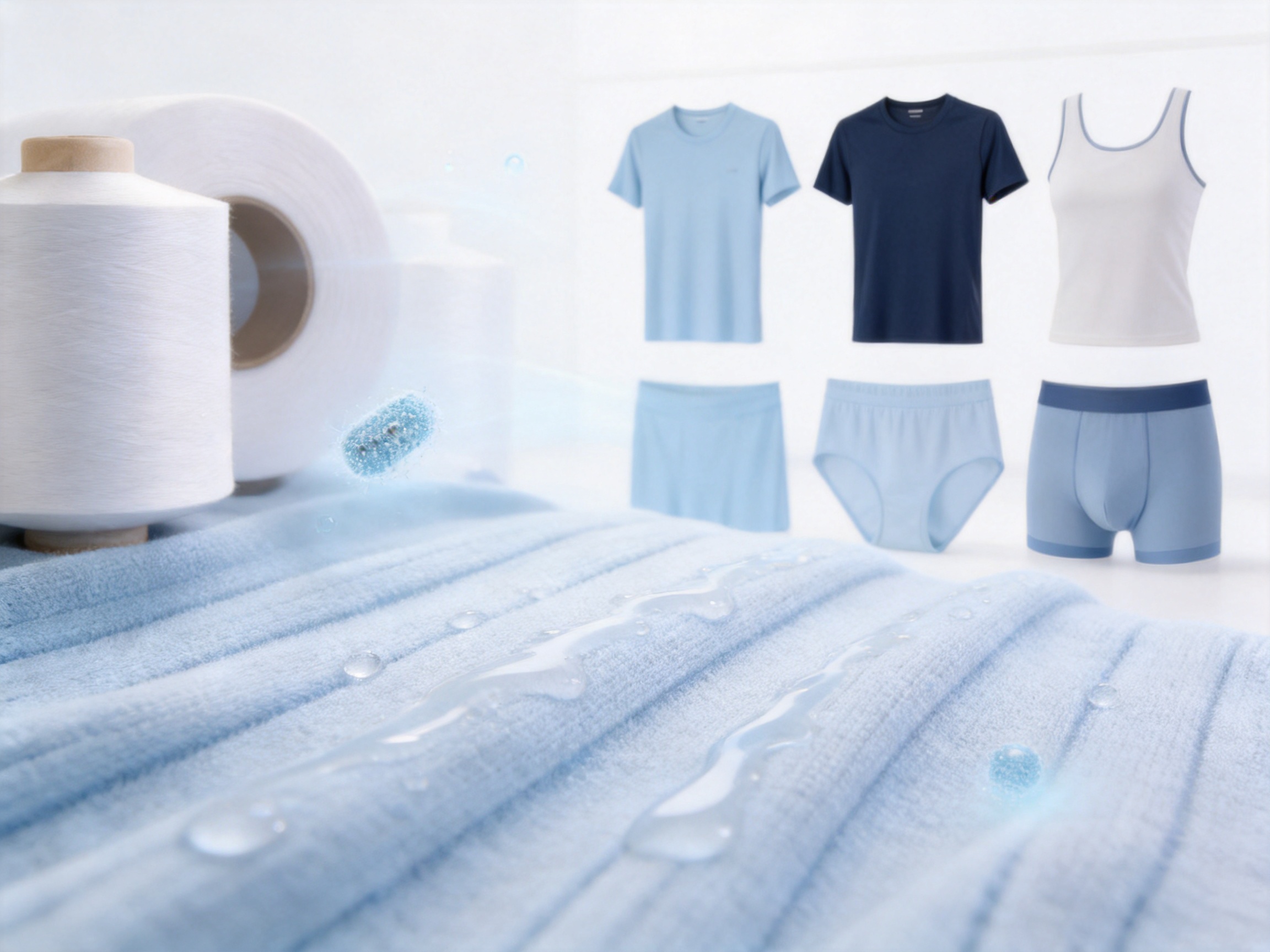
The comparison shows why cotton-like functional yarn occupies an important position between natural and conventional synthetic materials. Cotton offers excellent familiarity and comfort, but its moisture retention and drying behavior may be less suitable for high-activity garments. Ordinary polyester provides strength and quick drying, yet its hand feel and odor behavior may not satisfy every consumer. Surface-treated yarns can provide useful functionality, but their performance may depend heavily on the durability of the applied finish.
The cotton-like functional yarn is designed to combine these advantages in one material platform. Its commercial value is not based on a single feature. Instead, it comes from the coordinated combination of comfort, hygiene, odor resistance, moisture management, polyester-based stability, and flexible specification options.
Advanced Manufacturing and Fiber Modification
Functional Groups Integrated into the Fiber
The product is made through advanced fiber modification technology. Rather than treating the finished fabric only after spinning or dyeing, functional groups are integrated into the fiber-forming system. This allows the antibacterial and odor-resistant features to become part of the yarn’s material design.
Fiber-level modification can offer several advantages. It may distribute the functional components more consistently through the filament structure, reduce dependence on a surface coating, and improve resistance to normal handling and washing. It also allows functional performance to be considered together with cross-sectional design, fineness, strength, elongation, and dyeing behavior.
Successful functional yarn production requires precise control over polymer preparation, additive dispersion, spinning conditions, cooling, drawing, texturing, winding, and package formation. Small variations at any stage can influence yarn evenness, strength, crimp, dye uptake, and the final fabric hand. The company’s focus on differential yarns and functional materials supports the technical knowledge needed to coordinate these factors.
Cross-Section and Surface Design
The cross-section of a filament determines how the yarn interacts with moisture, air, light, and neighboring fibers. A grooved or specially shaped cross-section can increase surface area and create capillary pathways. This is useful for moisture transport and can also influence the visual appearance and tactile character of the fabric.
Cross-sectional engineering is especially valuable when a manufacturer wants to improve moisture management without creating an excessively heavy or chemically finished fabric. By designing the geometry of the filament, the yarn can support wicking as part of its basic structure. The final result depends on the combination of fiber geometry, yarn twist or interlacing, knitting or weaving, and finishing conditions.
Spinning, Drawing, and Texturing Control
High-quality polyester yarn requires control from melt spinning through final winding. During spinning, polymer melt temperature, metering accuracy, spinneret condition, cooling airflow, and spinning speed influence filament uniformity. During drawing, the orientation and strength of the filaments are adjusted. For textured yarn, controlled false-twist or related texturing processes can add bulk, stretch, softness, and a more cotton-like appearance.
The company’s product list includes multiple DTY and FDY constructions, suggesting experience with both textured and flat yarn forms. Draw textured yarn can provide bulk, elasticity, and a softer surface, while fully drawn yarn can deliver smoothness, dimensional stability, and suitability for various woven or knitted structures. Selecting the correct yarn type is essential because a cotton-like functional product may need a different structure for a lightweight shirt than for a stretch sports garment.
Quality Control and Batch Consistency
Functional yarn is only commercially useful when each lot meets predictable standards. Quality control typically includes checks for linear density, filament count, breaking strength, elongation, crimp, oil content, evenness, appearance, package weight, color consistency, and winding quality. Functional testing may include antibacterial performance, odor-control behavior, moisture transport, and washing durability.
For international customers, documentation is equally important. A supplier should be able to provide product specifications, technical data, test methods, packaging information, production lead time, and recommended downstream processing conditions. The company’s export experience, with products supplied to customers in numerous countries, supports communication across different purchasing and quality systems.
Buyers should request a pre-production sample, approve the fabric construction, conduct performance testing on the finished product, and confirm the acceptable tolerance range before placing a large order. This procedure protects both the buyer and the supplier and helps ensure that the selected yarn matches the intended application.
Available Specifications and Portfolio Support
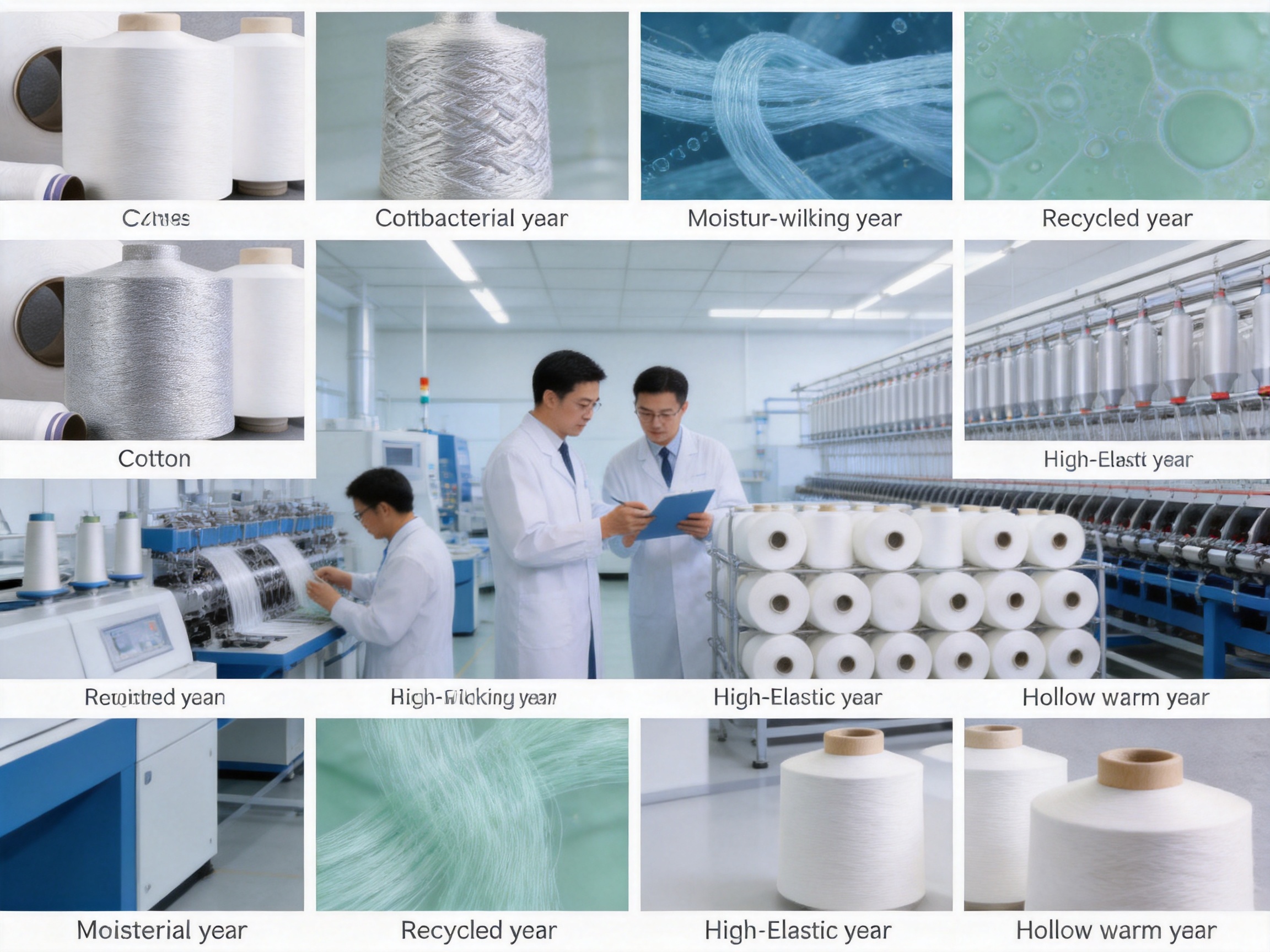
The supplied product list shows that the manufacturer works with a broad range of differentiated yarn categories. The cotton-like series includes 32S, 40S, and 80S options. These count-based choices provide a starting point for different fabric weights, textures, and end uses. Finer counts may be selected for lightweight and delicate fabrics, while heavier counts may be appropriate for fuller constructions and stronger visual coverage.
The functional series includes antibacterial yarn options such as 50/48-72, 75/36-48-72, and 150/48-72-96-144. These designations generally indicate combinations of denier and filament count, although the exact interpretation should be confirmed in the supplier’s technical documentation. The listed moisture-wicking yarn options include 30/24, 50/48-72, 75/48-72, and 150/48-72. Fire-retardant and other functional specifications are also included in the portfolio.
The wider product range includes recycled SD DTY, recycled SD FDY, recycled FD DTY, recycled CD DTY, recycled DDB DTY, normal SD DTY, FD DTY, cationic-dyeing yarn, high-elastic yarn, PBT/PET yarn, hollow warm yarn, and mixed or combined yarn structures. This breadth allows buyers to develop coordinated collections instead of sourcing every component from a different supplier.
| Product Family | Representative Options | Potential Textile Direction |
|---|---|---|
| Cotton-like yarn | 32S, 40S, 80S | Soft shirts, underwear, casualwear, comfortable knitted fabrics |
| Antibacterial yarn | 50/48-72, 75/36-48-72, 150/48-72-96-144 | Sportswear, uniforms, active casualwear, close-to-skin products |
| Moisture-wicking yarn | 30/24, 50/48-72, 75/48-72, 150/48-72 | Cool-dry fabrics, training wear, breathable shirts |
| Fire-retardant yarn | 75/36-72, 150/36-48-144 | Protective and industrial textile development |
| High-elastic yarn | 30/12, 50/36-72, 75/36-72, 150/48-144 | Stretch garments and flexible knitted constructions |
| Recycled yarn | Recycled SD DTY, FDY, FD DTY, CD DTY, DDB DTY | Lower-impact textile programs and recycled collections |
| Hollow warm yarn | 75/72, 150/144 | Lightweight warmth and insulating fabric designs |
The company also states that it can accept orders for different kinds of differentiated yarn. This flexibility is valuable for brands and fabric mills that require a customized denier, filament number, luster, color, elasticity level, cross-section, or functional combination. A customized program should begin with a clear application brief, including target fabric weight, knitting or weaving process, color requirements, performance claims, washing expectations, and annual volume.
Applications in Modern Apparel
Sportswear and Activewear
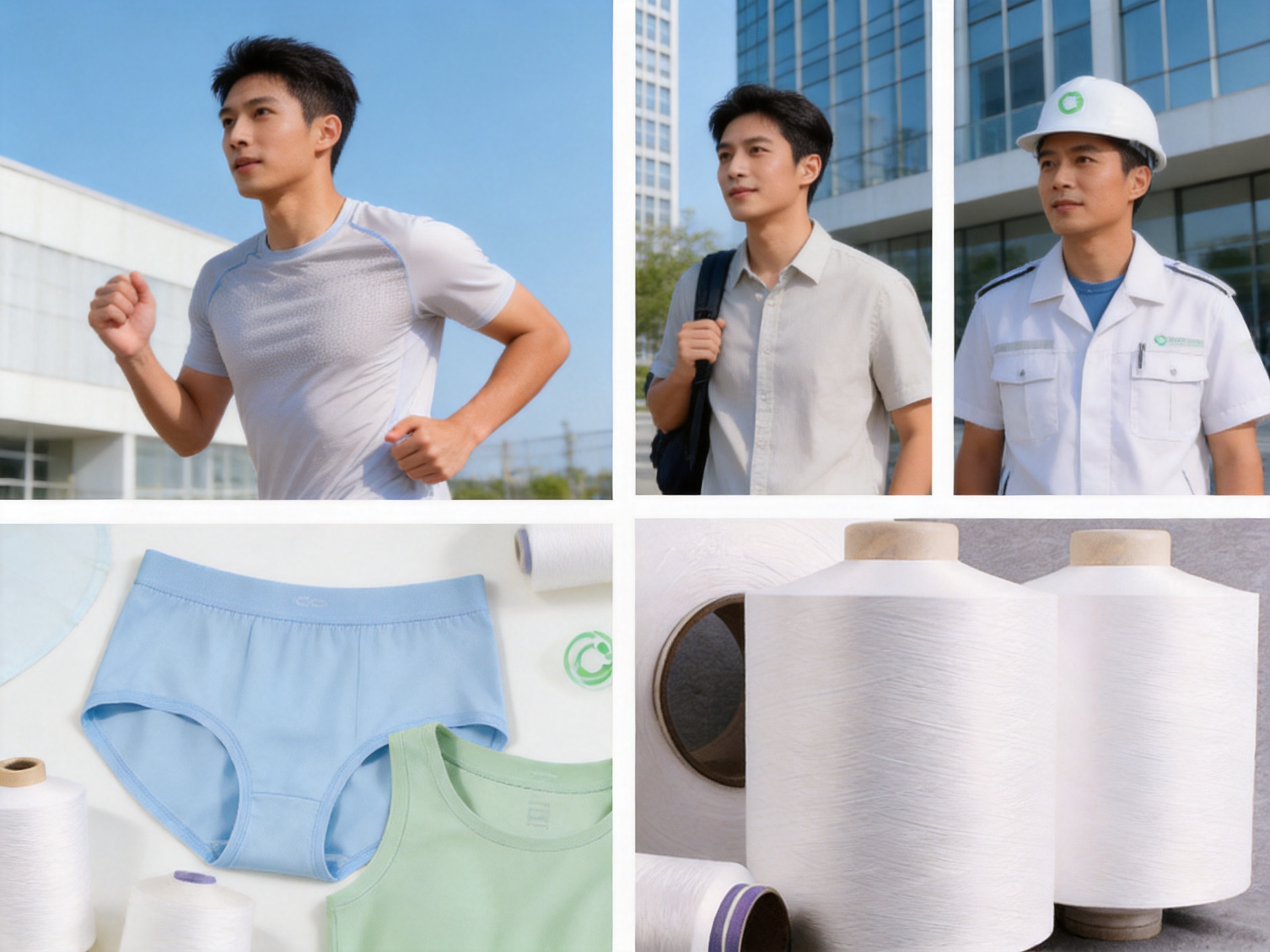
Sportswear is one of the most suitable applications for this yarn because athletes and active consumers need moisture management, freshness, softness, and freedom of movement. During exercise, the body produces heat and perspiration. A fabric that moves moisture away from the skin and dries efficiently can improve comfort during training, running, cycling, gym sessions, and outdoor recreation.
Antibacterial and odor-resistant functions are also valuable when sports garments are worn for extended periods or packed in a travel bag after use. The cotton-like hand feel adds everyday comfort, making the same garment suitable for warm-ups, commuting, casual activities, and post-exercise wear.
Casualwear
Casual clothing is often worn for long hours and across changing environments. Consumers may expect a T-shirt, polo shirt, sweatshirt, or lightweight knitted top to feel soft, remain fresh, and withstand repeated washing. The functional yarn supports these expectations while allowing brands to maintain a familiar natural-touch design language.
For casualwear collections, manufacturers may combine cotton-like yarn with recycled polyester, cationic-dyeing yarn, or high-elastic components. Such combinations can create visual texture, color contrast, stretch, and improved environmental positioning while preserving comfort and functional performance.
Shirts and Work-Ready Garments
Shirts used in offices, schools, hospitality, transportation, and service industries may be worn for an entire working day. Moisture control and odor resistance can help maintain a cleaner and more comfortable wearing experience. The yarn’s dimensional stability can also help shirts preserve their appearance through repeated care.
For woven shirts, buyers should confirm whether the selected specification is intended for warp, weft, or specific blended constructions. For knitted shirts, yarn fineness, fabric gauge, and finishing conditions should be optimized to achieve the desired drape and surface appearance.
Underwear and Base Layers
Underwear and base layers require particularly careful material selection because they remain in close contact with the skin. Softness, low irritation potential, moisture transport, breathability, and odor management are all important. The cotton-like functional yarn is designed for this close-to-skin environment and may be used in lightweight jersey, rib, interlock, seamless, and other intimate apparel constructions.
For these products, manufacturers should conduct skin-contact evaluations, colorfastness testing, pH testing, and relevant chemical compliance checks in addition to antibacterial and moisture testing. A comfortable hand feel should be maintained after dyeing, heat setting, and garment finishing.
Advantages for Textile Manufacturers and Brands
One Yarn Platform for Multiple Consumer Benefits
Product development can become complicated when softness, moisture management, antibacterial protection, and odor control must be achieved through separate treatments or different material systems. A multifunctional yarn simplifies the development pathway by incorporating several desired characteristics into one platform.
This can reduce the need for heavy post-finishing and may help create a more consistent product story. Brands can communicate a clear value proposition centered on comfort, freshness, and performance, while fabric mills can work from a yarn designed for functional apparel.
Reduced Dependence on Imported Functional Materials
The product is presented as a reliable alternative to overseas functional yarns. Localized supply can offer advantages in communication, sampling, order adjustment, lead-time coordination, and technical problem-solving. The manufacturer’s export experience also means that international buyers can work with a supplier familiar with overseas quality expectations and documentation requirements.
Customization and Differentiated Development
Textile markets are increasingly segmented. A sportswear brand may need a lightweight, quick-drying yarn, while an underwear producer may prioritize softness and skin comfort. A uniform manufacturer may require durability, color consistency, and odor management. The ability to customize yarn specifications allows each buyer to create a more precise product rather than choosing a generic material.
The company’s R&D team works with internationally recognized enterprises on environmental protection, functional yarn, and fabric development. This collaborative orientation can support product testing, process adjustment, and application-specific solutions. Buyers benefit when a supplier is prepared to discuss the entire material pathway instead of simply selling a standard package.
Broad Export and Customer-Service Capability
More than 90 percent of the company’s products are reported to be exported, with cooperative relationships in 36 countries. This international focus suggests experience in export packaging, production coordination, communication across time zones, and adapting product documentation for different markets.
The company states that its experts are available to provide guidance on product selection and problem-solving within 12 hours globally. Responsive technical communication can be particularly important during sampling, when a small adjustment to yarn count, filament number, luster, elasticity, or finishing may determine whether a fabric passes approval.
Sustainability and Responsible Product Development
Functional performance and sustainability are increasingly connected. A garment that remains fresh, dries efficiently, and maintains performance over many washes may support longer use. Durability can reduce premature replacement and help brands create products with greater practical value.
The company’s portfolio includes recycled yarn series, including recycled SD DTY, recycled SD FDY, recycled FD DTY, recycled CD DTY, and recycled DDB DTY. This demonstrates manufacturing capability in recycled differentiated yarns and provides potential opportunities for buyers seeking lower-impact material programs.
Buyers should distinguish between general recycled content claims and formally certified recycled content. When a product is marketed with a recycled claim, procurement teams should request the relevant chain-of-custody documents, certification information, recycled content percentage, and testing records. Similar care should be applied to antibacterial and odor-resistant claims so that marketing language corresponds with verified technical performance.
A responsible product-development process should also consider dyeing efficiency, process temperature, packaging, production waste, fabric durability, repairability, and end-of-life options. Functional yarn is most valuable when it contributes to a complete product strategy rather than serving as an isolated marketing feature.
Recommended Development and Purchasing Process
Step One: Define the End Use
Start by identifying the garment category, expected wearing conditions, target consumer, fabric construction, and performance priorities. A high-intensity sports garment may require maximum moisture transport, while underwear may place greater emphasis on softness and skin comfort. A uniform may require a combination of odor management, color stability, and repeated-wash durability.
Step Two: Select the Yarn Structure
Choose among cotton-like counts, antibacterial specifications, moisture-wicking options, DTY, FDY, high-elastic yarn, or blended structures. Discuss the target fabric weight, gauge, stitch density, desired stretch, luster, and drape with the supplier. If the product will be woven, confirm warp and weft suitability. If it will be knitted, confirm the recommended machine gauge and processing conditions.
Step Three: Test the Fabric, Not Only the Yarn
Yarn-level test results are useful, but the final fabric determines the consumer experience. Conduct tests on the actual knitted or woven construction, including antibacterial activity, odor reduction, moisture management, air permeability, softness, pilling, colorfastness, tensile strength, dimensional stability, and washing durability.
Step Four: Confirm Chemical and Market Compliance
Different markets may impose different chemical restrictions, labeling requirements, and product safety expectations. Buyers should confirm compliance with the regulations that apply to the destination market. Documentation should identify the fiber composition, functional technology, testing method, washing conditions, and any limitations on performance claims.
Step Five: Approve a Production Standard
Before bulk production, establish an approved sample, color standard, yarn specification, package format, tolerance range, inspection method, and packing requirement. A written production standard helps prevent misunderstandings and makes repeat orders easier to manage.
Care and Processing Considerations
Although the yarn is designed for stable functional performance, downstream processing should be controlled carefully. Excessively harsh scouring, strong bleaching, high-temperature treatment, or aggressive finishing may affect hand feel, color, moisture transport, or antibacterial performance. The recommended dyeing and finishing process should be confirmed during sampling.
Fabric manufacturers should also avoid assuming that every finishing agent will be compatible with the functional yarn. Silicone softeners, hydrophilic finishes, resins, antimicrobial agents, and water-repellent treatments may interact with the yarn surface or modify the final performance. Small-scale trials are recommended before introducing a new chemical system.
Garment-care labels should reflect the tested performance range. If the product is intended to retain antibacterial and odor-resistant performance after a defined number of washes, that number should be supported by laboratory testing. Clear and accurate labeling builds consumer confidence and reduces the risk of exaggerated claims.
Why This Functional Yarn Is a Competitive Choice
The main competitive advantage of Anti-Bacterial Odor-Resistant Cotton-Like Functional Yarn is its balanced performance profile. Many materials specialize in one feature, such as softness, strength, drying, or antibacterial activity. This yarn is designed to combine several features in a single textile solution.
Its cotton-like touch supports everyday comfort. Its antibacterial function addresses hygiene concerns. Its odor-resistant behavior helps garments remain fresher. Its moisture-wicking structure promotes a drier feel. Its polyester-based foundation supports strength and dimensional stability. Its available counts and filament options allow manufacturers to adapt the material to different fabric constructions.
The product also benefits from the manufacturer’s broad technical portfolio. Suzhou Junhui Textile Co., Ltd. and Suzhou Xiaoran New Materials Co., Ltd. are not limited to one standard yarn type. Their product categories cover recycled yarn, polyester dope-dyed yarn, microfine yarn, flame-retardant yarn, cationic-dyeing yarn, high-elastic yarn, hollow warm yarn, and other differentiated materials. This breadth creates opportunities for coordinated development and one-stop sourcing.
The companies’ R&D orientation, export experience, customized production capability, and customer-support commitment further strengthen the offer. For buyers, this means the supplier can participate in the process from initial concept and specification selection to sampling, testing, bulk production, and technical troubleshooting.
Q&A
What is Anti-Bacterial Odor-Resistant Cotton-Like Functional Yarn?
It is a differentiated functional yarn designed to combine a soft cotton-like hand feel with antibacterial, odor-resistant, and moisture-wicking properties. The yarn is developed through fiber modification technology and is intended for apparel and textile products that require comfort and hygiene performance.
How does the yarn provide antibacterial performance?
The product information states that functional groups are embedded through fiber modification to inhibit the growth of common bacteria, including Staphylococcus aureus and Escherichia coli. The stated performance references ISO 20743. Buyers should request current test reports for the exact specification and confirm results on the final fabric.
Does the yarn feel like real cotton?
The yarn is designed to provide a cotton-like soft and skin-friendly touch. The final hand feel also depends on filament count, yarn structure, fabric construction, dyeing, and finishing. Sampling the finished fabric is the best way to evaluate the result.
Can it help control unpleasant odor?
Yes. The yarn is designed to inhibit bacteria associated with odor formation and to absorb and decompose odor molecules. Odor performance will also depend on wear conditions, fabric structure, washing habits, and individual body chemistry.
Is the yarn suitable for sportswear?
Yes. Its moisture-wicking, odor-resistant, antibacterial, and soft-touch characteristics make it suitable for sportswear, training garments, casual activewear, and outdoor clothing.
Can it be used in underwear and base layers?
Yes. The cotton-like hand feel and close-to-skin comfort make it suitable for underwear, base layers, lightweight jerseys, and other intimate apparel. Skin-contact safety and chemical compliance should be verified for the intended market.
What specifications are available?
The listed cotton-like options include 32S, 40S, and 80S. The functional portfolio also includes antibacterial, moisture-wicking, fire-retardant, high-elastic, recycled, hollow warm, DTY, FDY, and combined yarn options. Exact availability should be confirmed according to the required denier, filament number, luster, color, and order quantity.
Can the yarn be customized?
The supplier states that it accepts orders for different kinds of differentiated yarn. Customization may include count, denier, filament number, color, luster, elasticity, cross-section, recycled content, and functional combination, subject to technical feasibility and minimum order requirements.
How durable is the antibacterial function?
The product is described as having stable performance after repeated washing. Durability depends on the specific formulation and processing conditions. Buyers should request wash-cycle test data and conduct validation on the intended fabric and garment.
Is this yarn a replacement for cotton?
It is better described as an alternative for selected applications rather than a universal replacement. It offers cotton-like softness with polyester-related stability and functional advantages. The best choice depends on the desired fiber content, appearance, sustainability requirements, cost, and performance profile.
What information should buyers provide when requesting a quotation?
Buyers should provide the intended application, yarn type, count or denier, filament number, color, luster, knitting or weaving process, estimated quantity, delivery destination, performance requirements, testing standards, and packaging preferences. A fabric sample or technical brief can make product selection more accurate.
Conclusion
Anti-Bacterial Odor-Resistant Cotton-Like Functional Yarn responds to the growing demand for apparel that feels natural, stays fresh, manages moisture, and provides reliable performance during repeated use. By combining cotton-like softness with antibacterial, odor-resistant, and moisture-wicking functions, it offers a practical bridge between traditional comfort materials and advanced synthetic fibers.
The product’s strongest advantages come from its integrated approach. Functional groups are incorporated through fiber modification, special cross-sections support moisture movement, and a broad range of counts and yarn structures allows manufacturers to adapt the material to different fabric designs. The yarn is suitable for sportswear, casualwear, shirts, underwear, base layers, and other close-to-skin applications.
Its commercial value is further supported by the manufacturer’s differentiated yarn portfolio, recycled-material capabilities, R&D cooperation, export experience, customization options, and technical service. For brands and textile mills seeking to develop comfortable functional fabrics, the yarn provides a flexible starting point for product innovation.
As with all advanced textile materials, final performance should be confirmed through application-specific testing. When the yarn specification, fabric construction, dyeing process, and finishing system are properly coordinated, Anti-Bacterial Odor-Resistant Cotton-Like Functional Yarn can help manufacturers create garments that deliver comfort, freshness, hygiene support, moisture control, and long-term value.
References
ISO 20743, Textiles — Determination of Antibacterial Activity of Textile Products.
Product information and technical specifications supplied for Anti-Bacterial Odor-Resistant Cotton-Like Functional Yarn.
Product portfolio information supplied by Suzhou Junhui Textile Co., Ltd. and Suzhou Xiaoran New Materials Co., Ltd.
General textile engineering principles concerning polyester fiber modification, moisture-wicking cross-sections, draw textured yarn, fully drawn yarn, and functional apparel fabrics.
General apparel testing practices for antibacterial activity, odor control, moisture management, washing durability, colorfastness, and skin-contact textile performance.
Product: Anti-Bacterial Odor-Resistant Cotton like(S) Functional Yarn

Popular products
-
Premium Cationic Interlock Stretch Comfort Fabric
-
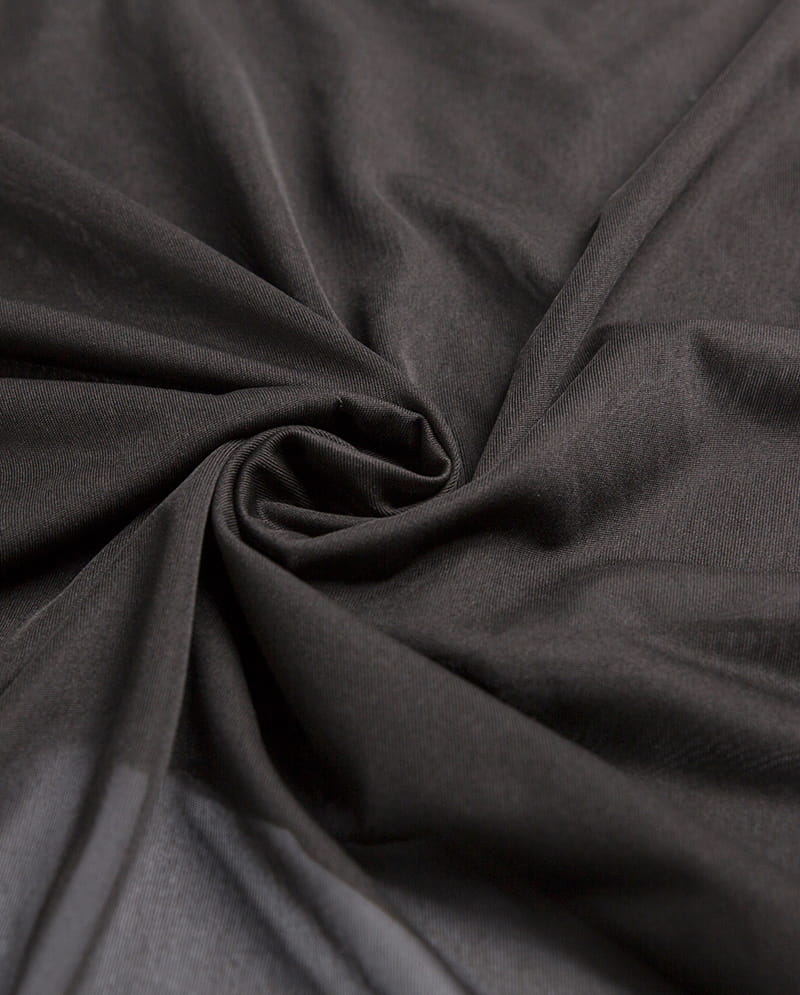
Moisture-Wicking Nylon Woven Fabric
-
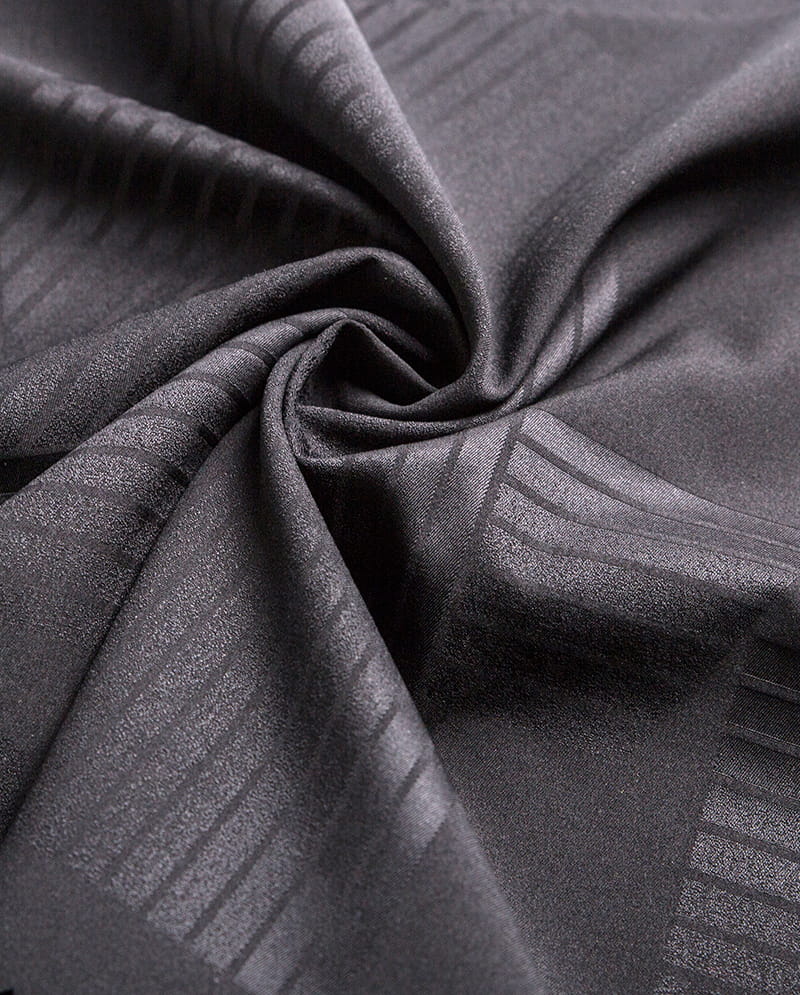
Double-faced jacquard elastic fabric
-
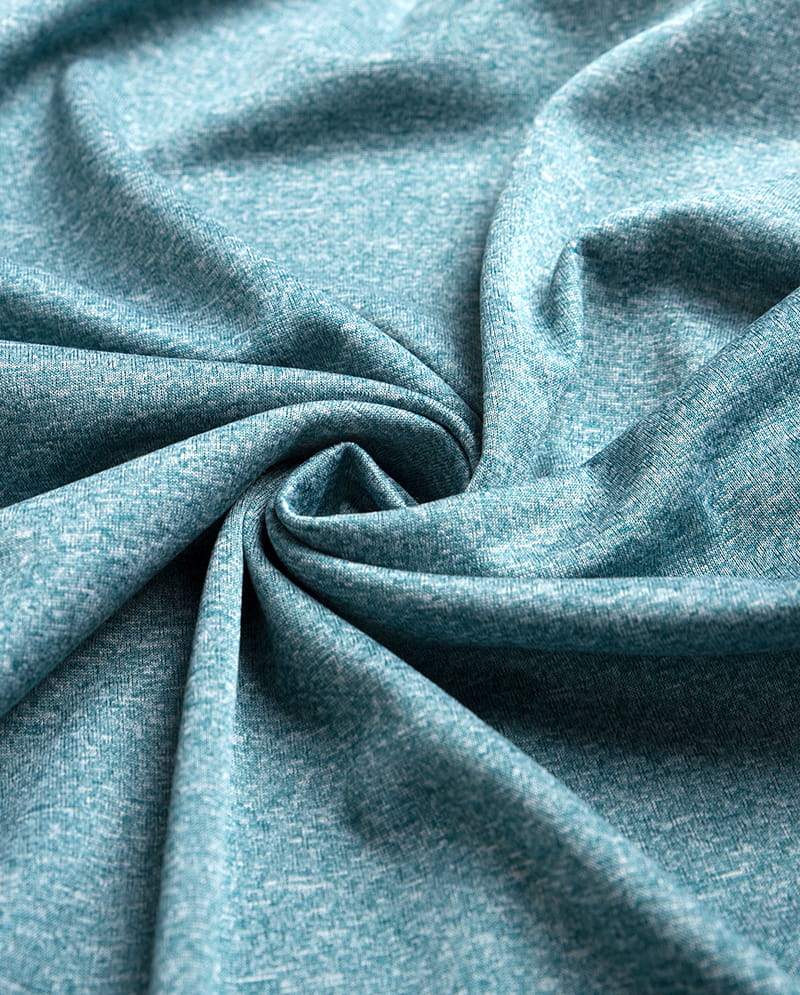
Heather Grey Double-faced cationic jersey fabric
-
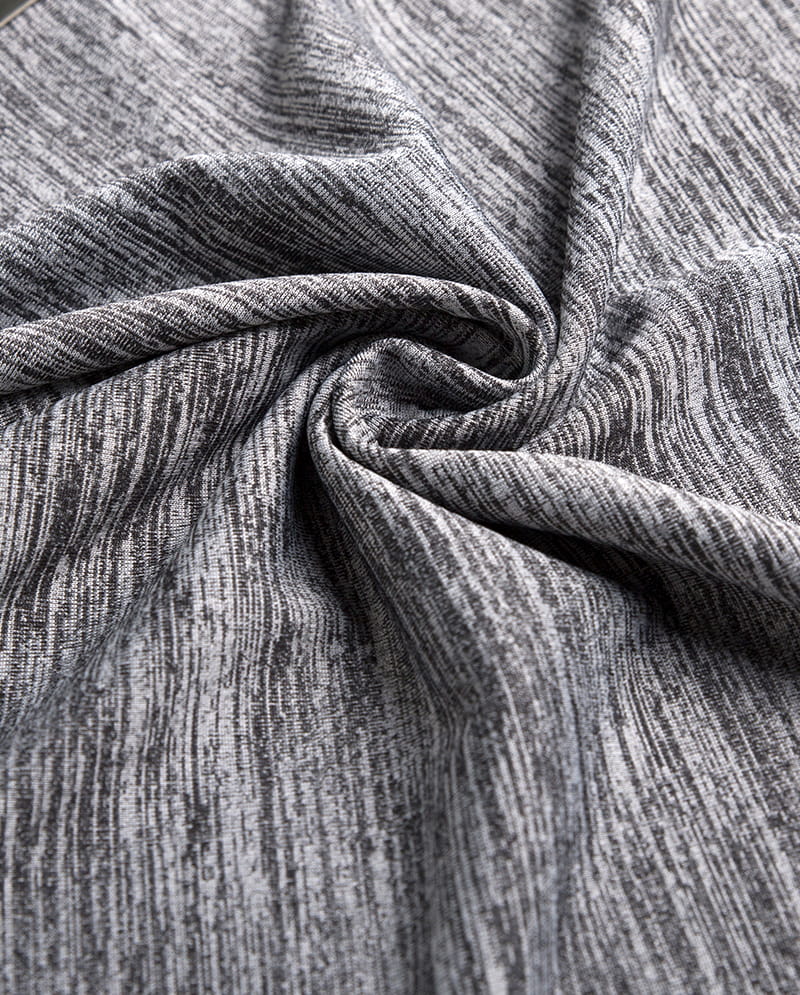
Anti-static Cationic Knitted Rib Fabric
-
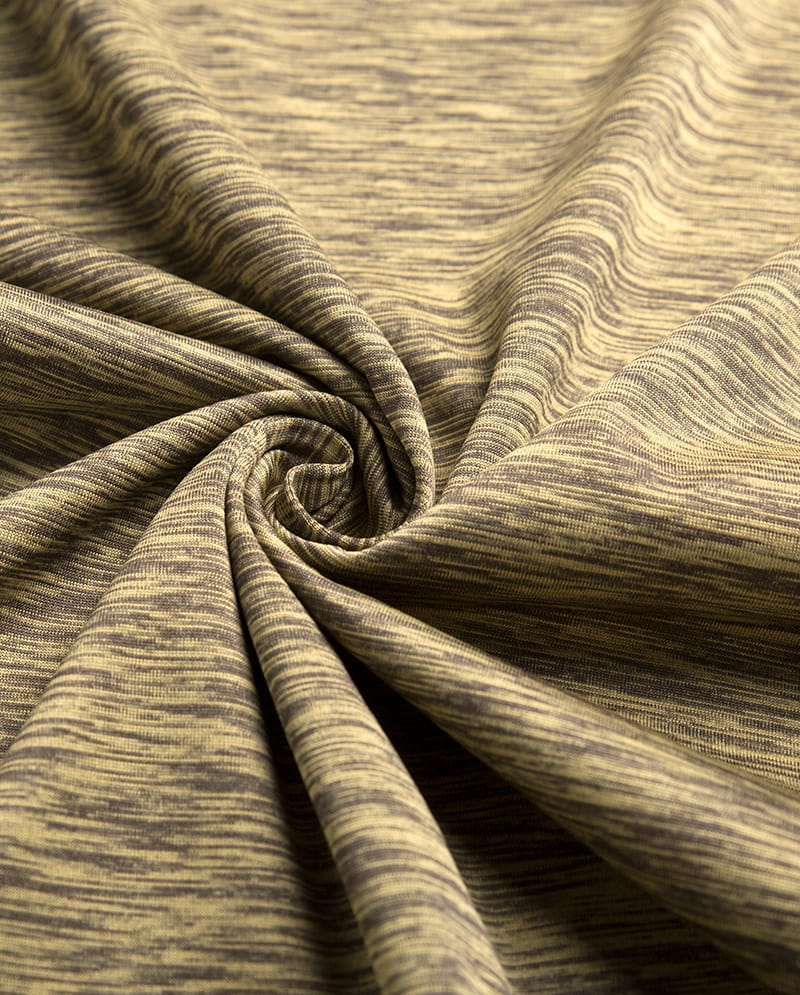
High-Stretch Cationic Jersey Fabric
-
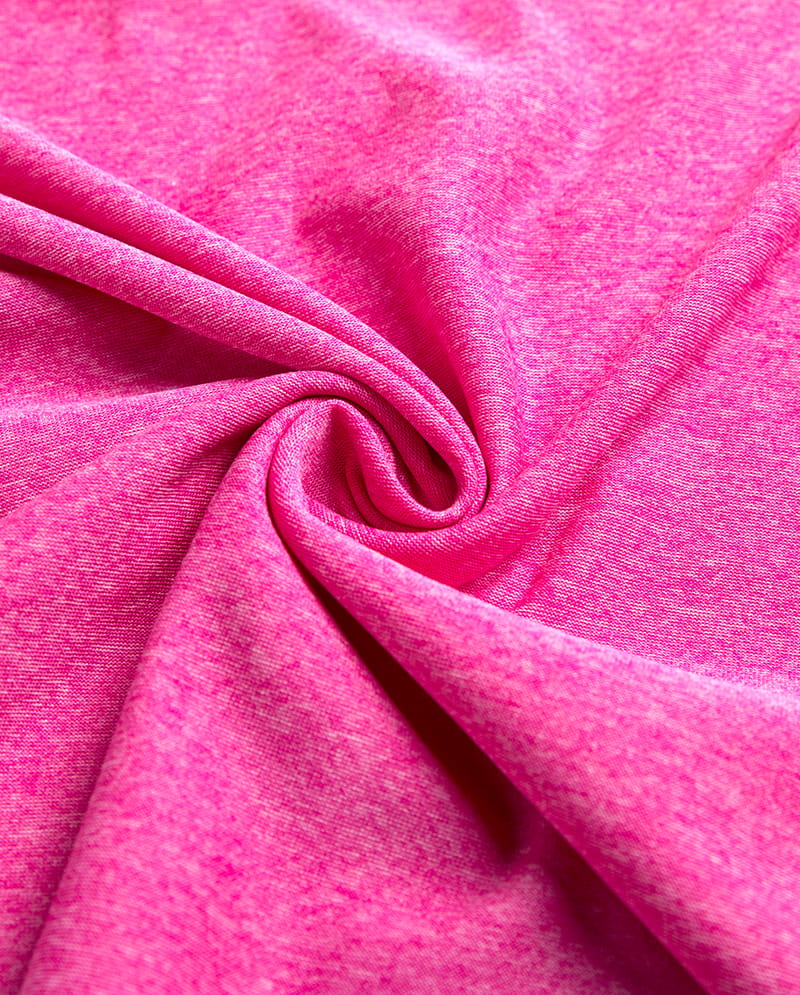
High Quality Cationic DTY Spandex Two Sides Brush Dralon Knit Fabric for Garment Thermal Underwear
-
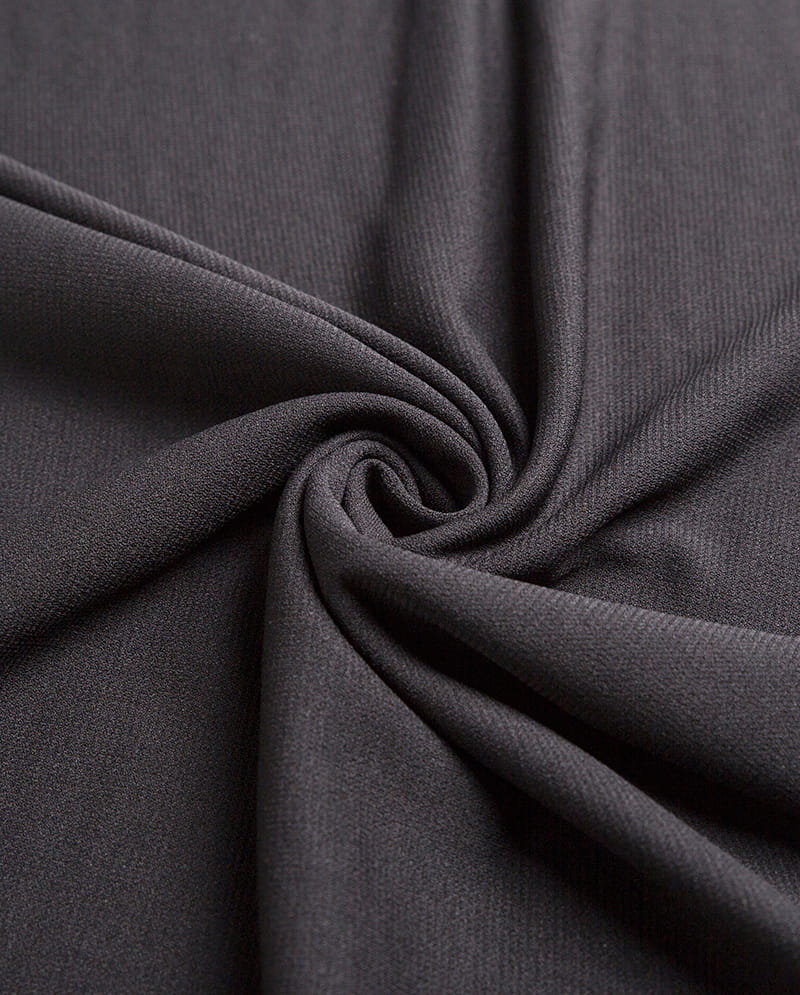
Durable Anti-Pilling Knitted Fabric for Home Textiles
-
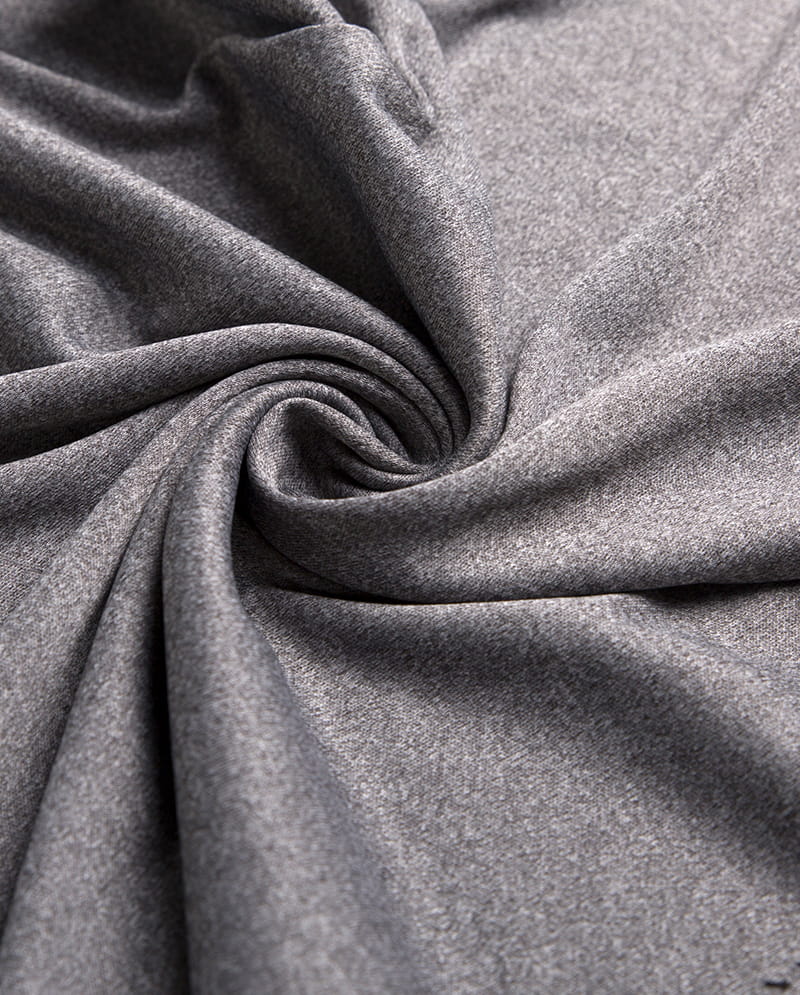
Wash-Resistant Cationic Elastic Knitted Fabric for Garment Industry
-
Breathable Double-Faced Elastic Composite Fabric
-
-
-
- whatsapp:
- 0086-13962559622
-
- skype:
- skype.aliceshenghong
-
- Wechat:

COPYRIGHT © 2016 Suzhou Junhui Textile Co., Ltd.
