

 EN
 English
 中文简体
Anti-Bacterial Functional Yarn for High-Performance Textile Applications
Content
- 1 1. Understanding Anti-Bacterial Functional Yarn
- 2 2. How Air-Texturing Technology Creates Product Value
- 3 3. Anti-Bacterial Performance as a Textile Function
- 4 4. Competitive Advantages Compared with Ordinary Yarn
- 5 5. Available Specifications and Product Selection
- 6 6. Manufacturing Strengths and Process Control
- 7 7. Sustainability and Product Portfolio Advantages
- 8 8. Applications in Carpets, Sofa Fabrics, and Tapestries
- 9 9. Quality, Testing, and Buyer Considerations
- 10 10. Why Choose an Experienced Differential-Yarn Manufacturer
- 11 11. Product Development Opportunities
- 12 12. Practical Advantages for Textile Manufacturers
- 13 13. Frequently Asked Questions
- 13.1 Q1: What is anti-bacterial functional yarn?
- 13.2 Q2: What technology is used to create the yarn structure?
- 13.3 Q3: What are the main advantages of the air-textured structure?
- 13.4 Q4: Can the yarn be used for both weaving and knitting?
- 13.5 Q5: Which anti-bacterial yarn specifications are available?
- 13.6 Q6: Is the yarn suitable for carpets?
- 13.7 Q7: Can it be used in sofa or upholstery fabrics?
- 13.8 Q8: Does the anti-bacterial function eliminate the need for cleaning?
- 13.9 Q9: How should anti-bacterial performance be verified?
- 13.10 Q10: Is customized yarn available?
- 13.11 Q11: What other yarn products are available?
- 13.12 Q12: What information should buyers provide when requesting a quotation?
- 14 14. Conclusion
- 15 References
- 16 Product: Anti-bacterial (D/F) Functional Yarn
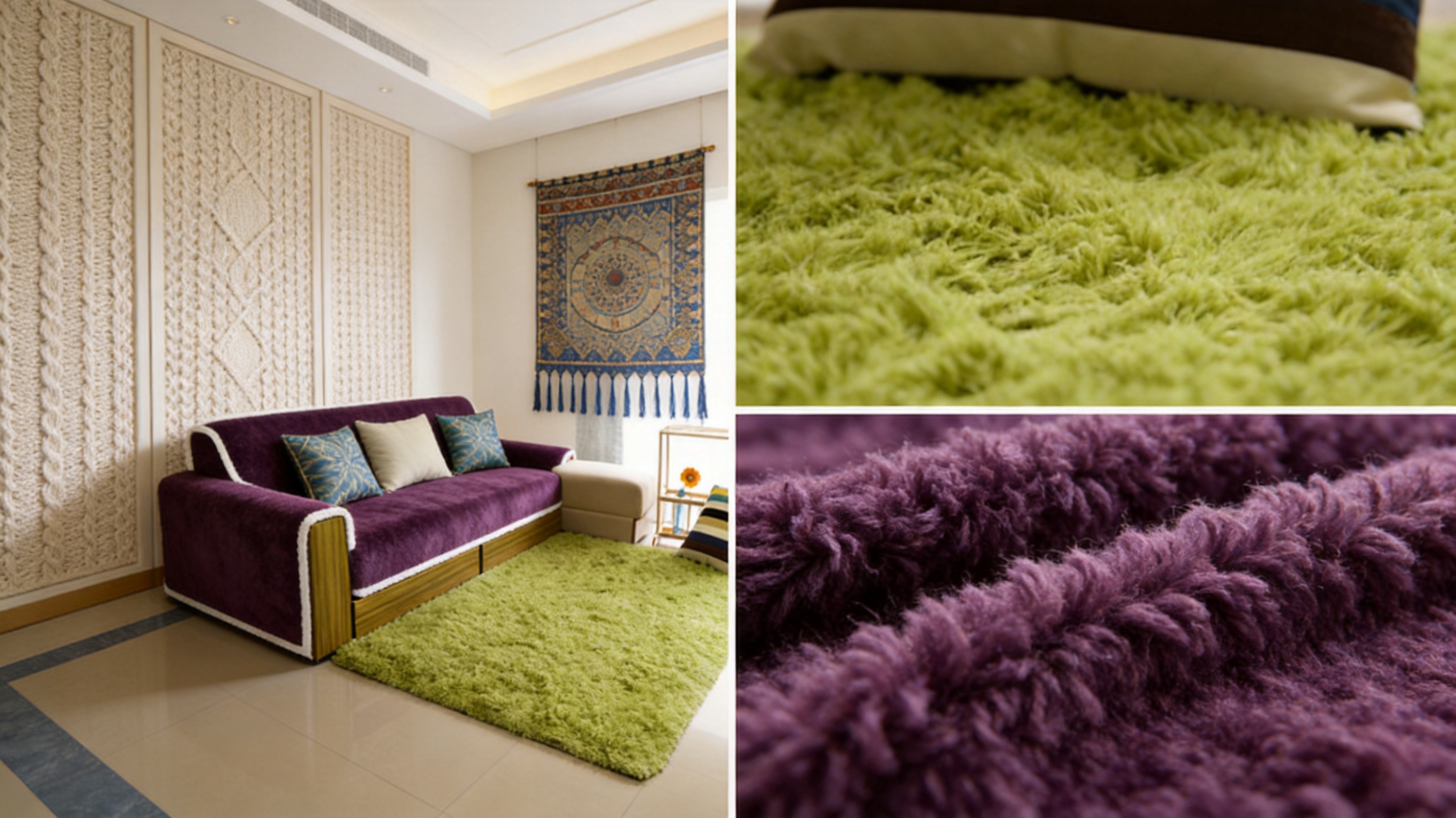
In modern textile manufacturing, performance is no longer judged only by color, softness, strength, or price. End users increasingly expect fabrics to provide additional functional value, including improved hygiene, moisture management, thermal comfort, durability, and distinctive surface appearance. This shift has created strong demand for functional yarns that can be integrated into woven and knitted fabrics without sacrificing production efficiency or textile aesthetics.
Anti-bacterial functional yarn is designed to meet this demand by combining textile versatility with an active hygiene-oriented function. It is suitable for manufacturers producing carpets, sofa fabrics, tapestries, furnishing materials, decorative textiles, and other products that benefit from a clean surface and a comfortable hand feel. At the same time, the yarn structure supports good coverage, making it particularly valuable for coarse-denier applications where visual fullness and surface consistency are important.
Manufactured through advanced air-texturing technology and supported by a broad differential-yarn production portfolio, this product offers a practical alternative to ordinary yarns. It provides a combination of irregular looped structure, uniform hand feeling, coverage, processing adaptability, and anti-bacterial functionality. These characteristics help textile producers develop products with stronger market differentiation while maintaining compatibility with established weaving and knitting processes.
1. Understanding Anti-Bacterial Functional Yarn
Anti-bacterial functional yarn is a specialty textile material developed to help inhibit the growth of common bacteria on the surface of fabrics made from the yarn. Unlike ordinary polyester yarn, which is primarily selected for its physical properties, this type of yarn is engineered to contribute an additional hygiene-related function to the finished textile.
The product is available in different specifications and configurations, including denier and filament combinations suited to different textile constructions. The product portfolio includes anti-bacterial yarn specifications such as 50/48-72, 75/36-48-72, and 150/48-72-96-144. These designations allow buyers to select a yarn according to fabric weight, surface effect, coverage requirements, machine conditions, and end-use expectations.
The yarn is associated with air-texturing technology, commonly referred to as the air-jet or jet method. During this process, high-pressure air is used to separate, entangle, and rearrange the filaments. The result is a yarn with irregular kinked loops and a fluffy, textured structure. Compared with a smooth, straight filament yarn, the air-textured form can provide greater bulk, improved coverage, a distinctive appearance, and a more substantial hand feel.
The anti-bacterial function is achieved through material modification during yarn development. This approach allows the functional component to become part of the yarn system rather than relying solely on a surface treatment applied after fabric formation. Depending on the final product design and testing requirements, buyers should confirm the applicable anti-bacterial test standard, performance level, washing durability, and certification documentation before commercial adoption.
For textile manufacturers, the most important advantage is flexibility. The yarn can be incorporated into woven or knitted structures and can be considered for products where cleanliness, surface coverage, softness, and decorative value are all relevant. This combination makes it suitable for home textiles, furnishing materials, contract interiors, hospitality products, and selected consumer textile applications.
2. How Air-Texturing Technology Creates Product Value
The air-texturing process is central to the product’s appearance and performance. In a conventional smooth filament yarn, the filaments remain relatively parallel and compact. While this structure can provide a clean and regular appearance, it may offer less bulk and less surface coverage than a textured yarn. Air texturing changes the filament arrangement by using controlled airflow to create entanglement and loops.
During production, the filament bundle passes through a specialized air-jet zone. High-pressure air causes individual filaments to move at different speeds and directions. This interaction creates irregular kinked loops around the yarn body. The loops are not formed as a simple mechanical twist; instead, they are produced through fluid-assisted filament rearrangement. As a result, the yarn obtains a soft, open, and somewhat irregular structure.
This structure offers several practical benefits. First, it creates increased bulk without requiring an excessive increase in linear density. Second, the loops help the yarn cover a larger visual area within the fabric. Third, the textured surface can generate a more interesting appearance than a completely smooth yarn. Fourth, the structure can contribute to a fuller hand feel that is useful in furnishing and decorative materials.
Air texturing also helps manufacturers create a distinctive style. In carpets, sofa cloths, and tapestries, the yarn surface is often an important part of the product’s visual identity. A completely flat yarn may produce a uniform but less expressive surface. An air-textured yarn can contribute to a richer, more dimensional effect, particularly when combined with suitable fabric construction, color design, and finishing.
The term “fine-knitting uniform hand feeling” describes another key product feature. Although the yarn has an irregular looped form, the production process is designed to maintain a consistent yarn body and stable textile behavior. Uniformity is important because excessive variation can lead to streaks, uneven cover, fabric defects, or inconsistent dyeing and finishing results. Controlled air pressure, yarn tension, feed rate, and process monitoring are therefore essential to commercial quality.
2.1 Fluffy and Looped Structure
The fluffy structure increases the visual fullness of the yarn. This is especially helpful when manufacturers need a fabric with a soft, substantial, or covered appearance. A bulkier yarn can reduce the impression of exposed base fabric and may help produce a more comfortable surface in furnishings and decorative textiles.
2.2 Good Coverage
Good coverage is one of the product’s principal competitive advantages. Coverage refers to the ability of the yarn and resulting fabric structure to conceal the underlying surface. In coarse-denier applications, this can support a richer appearance while helping designers achieve the desired opacity and fullness.
2.3 Distinctive Surface Style
The irregular looped construction gives the yarn a visual and tactile character that differs from standard smooth filament yarn. This helps manufacturers create fabrics with greater surface interest without relying entirely on complicated weaving patterns or additional surface treatments.
2.4 Adaptability to Woven and Knitted Fabrics
The yarn is suitable for both woven and knitted applications. This broad compatibility enables textile producers to use the product across several manufacturing platforms. The exact machine settings should be optimized according to yarn specification, fabric construction, machine gauge, stitch or weave density, and desired appearance.
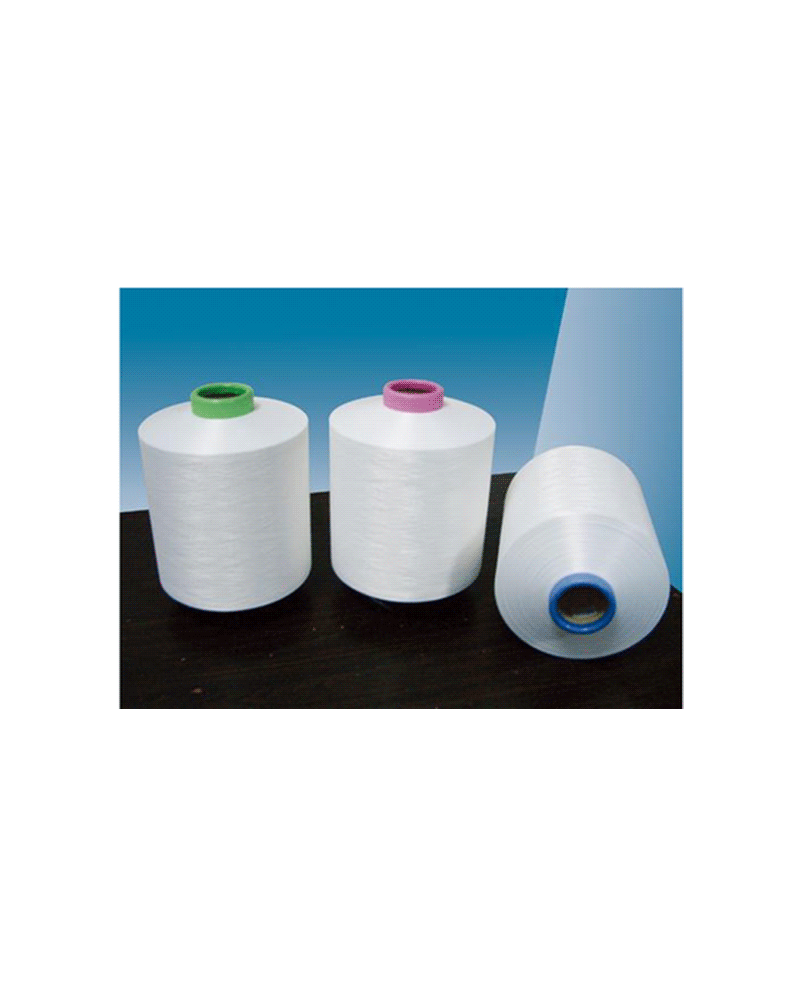
Anti-bacterial (D/F) Functional Yarn
3. Anti-Bacterial Performance as a Textile Function
Hygiene has become an increasingly important consideration in textile selection. Fabrics used in homes, public spaces, hospitality environments, transportation interiors, and frequently touched furnishings may be exposed to sweat, dust, skin contact, and environmental contaminants. In these applications, a yarn with anti-bacterial functionality can provide an additional value proposition beyond ordinary decoration and comfort.
The purpose of anti-bacterial yarn is to help inhibit the growth of common bacteria on the fabric surface. This does not mean that the textile replaces cleaning, washing, disinfection, or responsible hygiene practices. Instead, it is a functional material solution that can support a cleaner-feeling and more hygienic textile environment when used as part of an appropriate product system.
Material-based functionality can offer advantages over temporary topical treatments. When the functional component is incorporated during yarn development, it is positioned as part of the material structure rather than being applied only to the outermost fabric surface. This may provide more stable performance throughout textile processing, although actual durability depends on the formulation, fabric construction, dyeing and finishing conditions, laundering method, and applicable test standard.
For buyers, anti-bacterial performance should be evaluated through documented laboratory testing. Important considerations may include the target organisms, testing method, initial performance, performance after washing, sample preparation, and test conditions. A responsible supplier should be able to clarify the technical basis of the claim and provide relevant quality documentation for the intended market.
The functional feature can be particularly valuable in products where hygiene is an important purchasing factor but where the fabric must still retain a decorative or comfortable appearance. Examples include sofa fabrics, carpets, tapestry materials, decorative wall textiles, interior accessories, and other furnishing applications.
4. Competitive Advantages Compared with Ordinary Yarn
Ordinary yarn remains suitable for many applications, but it may not provide the combined advantages offered by an anti-bacterial, air-textured product. The difference is not limited to one feature. The product creates value through the interaction of function, structure, appearance, and manufacturing flexibility.
4.1 Functional Differentiation
The most obvious advantage is the anti-bacterial function. In a competitive textile market, manufacturers need more than basic fiber content to distinguish their products. A functional yarn can support product positioning around hygiene, cleanliness, and added value. This may help textile manufacturers serve buyers looking for performance-oriented furnishing and interior products.
4.2 Improved Coverage
Compared with a straight and relatively compact filament yarn of similar general category, an air-textured yarn can deliver a fuller visual effect. Its loops expand the yarn profile and help cover the base structure. This can be beneficial where manufacturers want a rich surface without unnecessarily increasing fabric weight.
4.3 Enhanced Hand Feel
The fluffy looped structure contributes to a more substantial and distinctive hand feel. For sofa cloth, carpets, and tapestries, tactile quality is often just as important as visual appearance. A yarn that feels fuller and more uniform can improve the perceived quality of the finished fabric.
4.4 Broad Application Potential
The suitability for woven and knitted fabrics gives buyers more design freedom. The yarn can be evaluated for different fabric constructions, from upholstery materials to decorative knitted surfaces. This versatility can reduce the need to source entirely different specialty materials for each product category.
4.5 Multiple Specification Options
The availability of several denier and filament combinations allows manufacturers to select a specification appropriate to the intended fabric. Lower or medium specifications may be considered for lighter constructions, while larger configurations may be considered for heavier, fuller, or coarser surfaces. This range also supports product development across multiple price and performance levels.
4.6 Integration with a Wider Functional Yarn Portfolio
A supplier that offers anti-bacterial yarn alongside recycled yarn, moisture-wicking yarn, flame-retardant yarn, cationic-dyeing yarn, high-elastic yarn, hollow warm yarn, cotton-like yarn, and other differentiated materials can provide a broader development platform. Buyers may therefore explore combinations of functional performance, sustainability, elasticity, warmth, dyeability, and appearance through one manufacturing relationship.
Product characteristic |
Value for textile manufacturers |
Potential application benefit |
Anti-bacterial functionality |
Supports hygiene-oriented product positioning |
Furnishing, interior, household, and decorative textiles |
Air-textured looped structure |
Creates bulk, texture, and a distinctive surface |
Carpets, sofa fabrics, tapestries, and textured fabrics |
Good coverage |
Helps conceal the base material and improve visual fullness |
Coarse-denier fabric constructions and dense decorative surfaces |
Uniform hand feeling |
Supports consistent quality and product comfort |
Knitted and woven textile products |
Multiple specifications |
Allows selection according to fabric design and machinery |
Different weights, gauges, textures, and end uses |
Woven and knitted compatibility |
Provides manufacturing flexibility |
Interior textiles, home textiles, and decorative products |
5. Available Specifications and Product Selection
Successful yarn selection begins with a clear understanding of the final fabric. Buyers should consider the required fabric weight, cover factor, surface appearance, softness, abrasion expectations, machine type, and finishing route. Anti-bacterial yarn is available in several specifications, and the correct choice depends on the balance between these factors.
The listed anti-bacterial specifications include 50/48-72, 75/36-48-72, and 150/48-72-96-144. In common textile notation, the first number generally indicates denier while the second group indicates filament count or related construction information. However, notation can vary by supplier and product category, so purchasers should confirm the exact technical interpretation, yarn type, cross-section, twist or entanglement characteristics, and package details before placing an order.
A 50-denier configuration may be suitable for products requiring a relatively moderate yarn profile and balanced coverage. A 75-denier option can provide additional body and may be considered for fabrics requiring a more substantial appearance. A 150-denier configuration can be evaluated for heavier, more textured, or more coverage-oriented applications.
The filament count also affects yarn behavior. A yarn with more filaments may offer a different surface softness and distribution of bulk than a yarn with fewer, coarser filaments. The final result depends on the interaction between denier, filament number, air pressure, entanglement level, fabric construction, and finishing conditions.
For buyers developing a new fabric, sampling is essential. Small-scale trials can evaluate knitting or weaving behavior, fabric appearance, edge stability, dye response, pilling tendency, abrasion performance, hand feel, and anti-bacterial results. Sampling also allows the manufacturer to determine the most suitable machine settings before moving to bulk production.
5.1 Recommended Selection Questions
Before selecting a specification, buyers should identify the target end use. Is the yarn intended for a decorative upholstery fabric, a carpet surface, a wall tapestry, a knitted furnishing, or another textile? Each application may require a different balance of bulk, coverage, softness, strength, and durability.
Buyers should also identify the desired fabric construction. Woven fabrics may require different tension and sizing considerations from knitted fabrics. Knitted fabrics may require attention to loop formation, yarn friction, machine gauge, and stitch density. The supplier can provide more useful guidance when the buyer shares the machine type, fabric design, target weight, and performance requirements.
Finally, purchasers should confirm packaging, cone weight, lot consistency, moisture control, storage recommendations, delivery schedule, minimum order quantity, and quality inspection procedures. These logistical details can have a significant influence on production efficiency.
6. Manufacturing Strengths and Process Control
The quality of functional yarn depends not only on the selected polymer and additive system but also on the control of every manufacturing stage. Advanced equipment alone is not sufficient. Consistent results require technical knowledge, process discipline, experienced personnel, inspection procedures, and continuous product development.
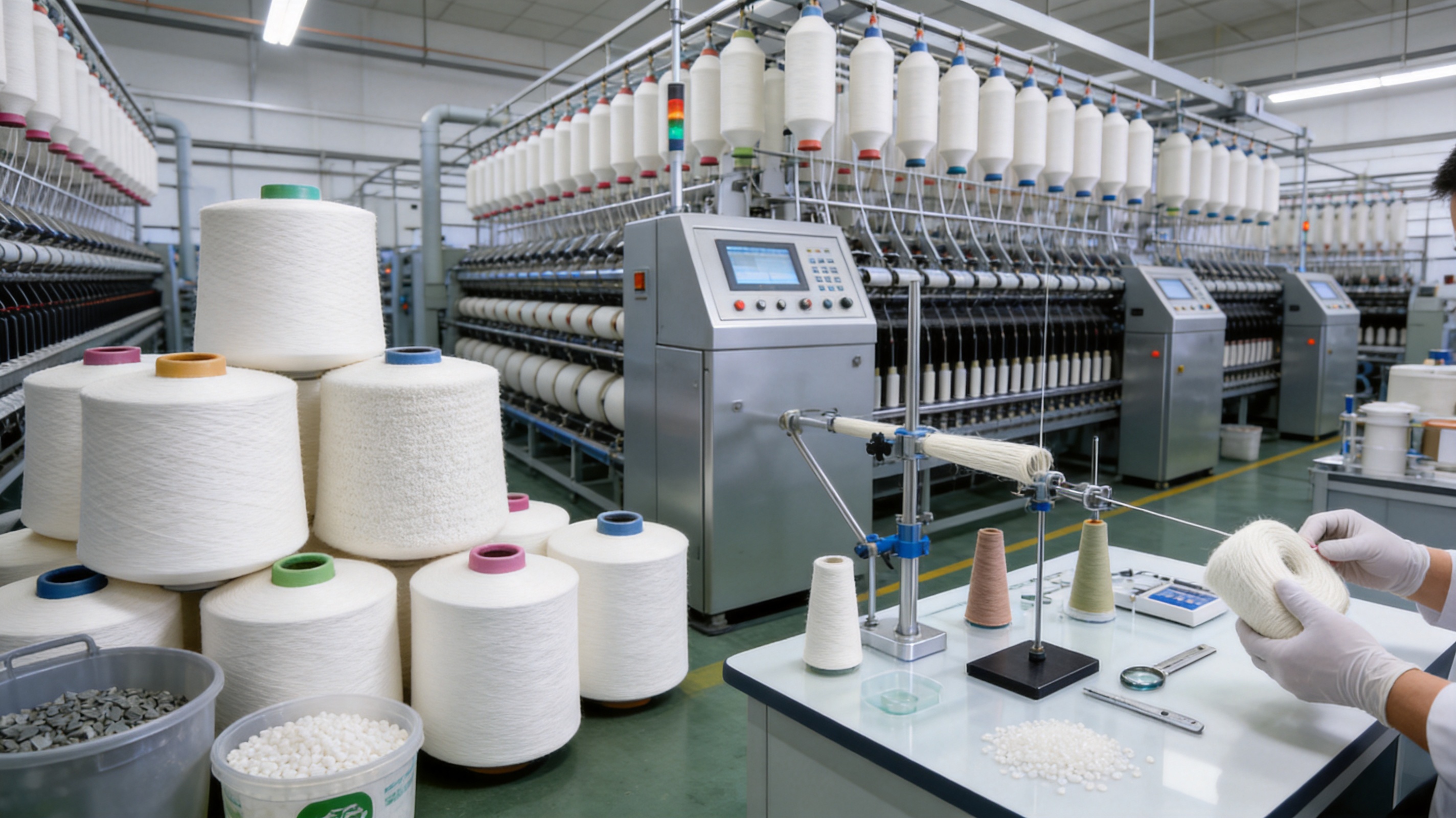
The manufacturer behind this product has developed a broad differential-yarn portfolio since its establishment in 2015. Its work covers recycled yarn, polyester dope-dyed yarn, microfine yarn, flame-retardant yarn, cationic-dyeing yarn, high-elastic materials, and knitting-fabric products. This range indicates experience in adapting polyester-based textile materials to different performance and appearance requirements.
A professional research and development team supports product development and application work. Cooperation with internationally recognized enterprises has contributed to research in environmental protection, functional yarn, and functional fabric. Such cooperation can help connect laboratory development with practical production requirements and market expectations.
6.1 Raw Material and Formulation Management
Functional yarn begins with controlled raw materials. Polymer quality, additive dispersion, moisture content, melt stability, and compatibility with spinning conditions all influence the final yarn. Anti-bacterial materials must be selected and incorporated carefully to avoid excessive impact on spinnability, color, strength, elongation, or surface quality.
Consistent formulation is important because uneven functional additive distribution may produce variation in performance or appearance. Proper storage and preparation of raw materials can help reduce moisture-related processing problems and support stable melt behavior.
6.2 Spinning and Filament Formation
During melt spinning, the polymer is melted and extruded through spinnerets to form continuous filaments. The temperature profile, extrusion pressure, throughput, cooling conditions, and drawing behavior must be carefully controlled. Variations at this stage can influence denier uniformity, filament strength, elongation, shrinkage, and dyeing behavior.
For functional yarn, the spinning process must also preserve the intended distribution of the anti-bacterial component. Stable conditions help ensure that the functional material is integrated consistently through the yarn rather than concentrated unevenly in isolated sections.
6.3 Air-Jet Texturing
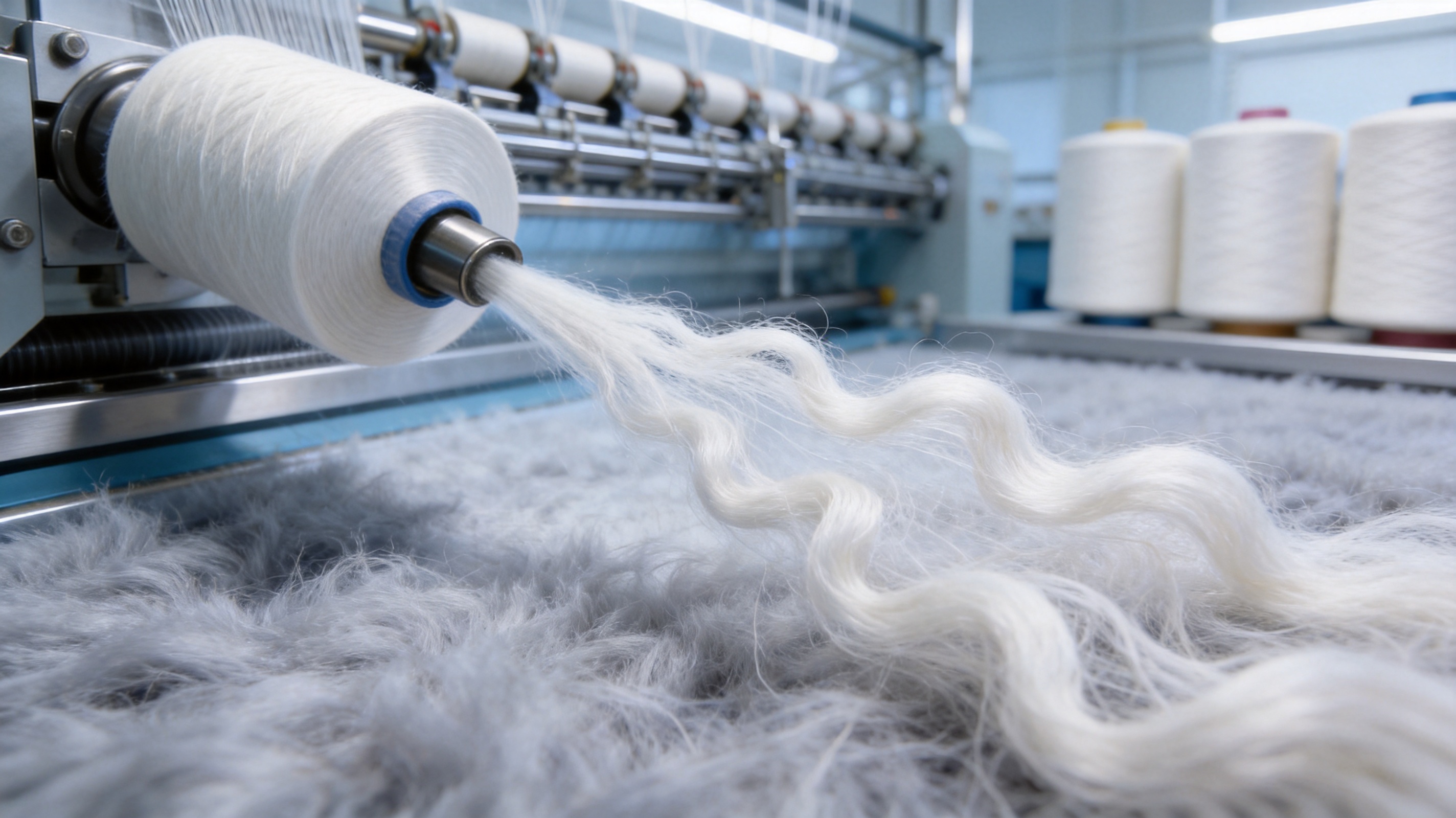
The air-texturing stage creates the product’s irregular kinked loops and fluffy appearance. Air pressure, nozzle design, feed ratio, yarn tension, overfeed, and line speed must be coordinated. If the process is too weak, the yarn may not develop sufficient bulk or coverage. If it is too aggressive, excessive entanglement or instability may affect downstream processing.
Process control at this stage helps maintain a uniform hand feel from package to package. It also supports consistency in surface appearance, bulk, and fabric formation. Experienced operators and technical personnel are important because different denier and filament combinations may require different settings.
6.4 Winding and Package Quality
After texturing, the yarn is wound into packages suitable for transportation and downstream textile production. Winding tension, package density, edge formation, and yarn presentation can affect unwinding performance. Poor package quality may cause tension fluctuations, yarn breaks, or machine stoppages during weaving and knitting.
Stable packages help customers achieve more efficient production and reduce material waste. For this reason, package inspection should be considered an important part of functional yarn manufacturing rather than a simple final packing step.
6.5 Inspection and Application Support
Quality evaluation may include linear density, strength, elongation, evenness, entanglement, appearance, package hardness, moisture, and functional testing. The specific tests should be selected according to the product specification and intended market.
Application support is equally important. A yarn may meet laboratory specifications but still require optimization on a customer’s particular machine. Technical guidance on tension, speed, stitch density, weave structure, and finishing can help buyers obtain the expected fabric appearance and performance.
7. Sustainability and Product Portfolio Advantages
Textile sustainability is increasingly connected to material selection, product durability, production efficiency, and responsible resource management. Anti-bacterial functionality alone does not define a sustainable product, but it can contribute to a broader product strategy when combined with appropriate use, long service life, and responsible manufacturing.
The manufacturer’s portfolio includes recycled series products such as recycled SD DTY, recycled SD FDY, recycled FD DTY, recycled SD plus CD DTY, recycled DDB DTY, and recycled CD DTY. This range demonstrates the ability to work with recycled polyester-related yarn categories alongside functional and conventional yarns.
The company also offers normal series products, cationic-dyeing series products, high-elastic products, PBT and PET combinations, flame-retardant yarn, moisture-wicking yarn, cotton-like yarn, hollow warm yarn, and other differentiated materials. This product diversity is useful for buyers who want to develop several textile collections with different technical and aesthetic goals.
From a development perspective, a broad portfolio can reduce the need for multiple disconnected suppliers. A buyer may source a recycled yarn for one fabric, an anti-bacterial yarn for another, and a moisture-wicking or flame-retardant material for a third product while maintaining communication with one experienced technical partner.
Environmental claims must always be supported by product-specific evidence. Buyers should request information about recycled content, chain-of-custody documentation, applicable certifications, manufacturing conditions, and end-of-life considerations. Similarly, anti-bacterial claims should be evaluated independently through appropriate test data. Clear documentation allows manufacturers to communicate product benefits accurately and responsibly.
8. Applications in Carpets, Sofa Fabrics, and Tapestries
8.1 Carpet Applications
Carpets require a balance of coverage, appearance, resilience, comfort, and production stability. Anti-bacterial air-textured yarn can be considered for carpet surfaces where a fuller yarn profile and hygiene-related function are desired. The looped structure may help create a more substantial surface and contribute to a richer visual effect.
Carpet manufacturers should evaluate abrasion resistance, pilling, shedding, colorfastness, dimensional stability, and cleaning performance. The final results depend on carpet construction, pile height, density, backing material, finishing, and maintenance conditions. Yarn selection should therefore be made in cooperation with the carpet designer and production engineer.
8.2 Sofa and Upholstery Fabrics
Sofa fabrics benefit from tactile comfort and visual richness. The fluffy, looped structure of air-textured yarn can provide a soft and full hand feel while supporting good coverage. The anti-bacterial feature can strengthen the product’s appeal for household and hospitality furniture, where fabrics may experience frequent contact.
Upholstery products must also meet demanding requirements for abrasion, seam performance, colorfastness, pilling, snagging, and dimensional stability. The yarn should be tested within the intended fabric construction rather than judged only in isolation. Weave density, backing, finishing, and fabric weight all influence the final performance.
8.3 Tapestry and Decorative Wall Textiles
Tapestries and decorative wall textiles rely heavily on surface expression. A yarn with irregular loops can create visual depth and tactile variation that enhances the decorative character of the finished article. Good coverage can also help produce a dense and visually complete surface.
For decorative applications, color design and yarn texture can be combined to create contemporary, rustic, artistic, or premium styles. The anti-bacterial function may be an additional selling point for textiles used in public interiors, hospitality settings, or residential spaces.
8.4 Knitted Furnishing Materials
Although the product is particularly suitable for coarse-denier applications, it can also be evaluated in selected knitted structures. The uniform hand feeling and air-textured body may support dimensional surface effects in furnishing knits, decorative panels, cushion covers, and other interior products.
Knitting trials should consider yarn friction, loop formation, needle compatibility, machine speed, stitch density, and fabric recovery. The ideal setting may vary according to whether the buyer wants a dense, compact surface or a more open and textured structure.
9. Quality, Testing, and Buyer Considerations
Professional purchasing decisions should be based on both product claims and verified technical data. Before approving anti-bacterial yarn for mass production, buyers should request a technical data sheet, representative samples, test reports, packaging information, and recommendations for processing.
Important physical tests may include denier or linear density, filament count, tenacity, elongation, yarn evenness, interlace or entanglement level, moisture content, and thermal behavior. The exact testing program should reflect the yarn type and customer’s fabric application.
Functional testing should identify the relevant anti-bacterial method and target organisms. Buyers should confirm whether testing measures bacterial reduction, bacterial inhibition, or another performance indicator. They should also determine whether the test is performed on the yarn or on a finished fabric, since fabric construction and finishing can influence the result.
Durability testing is especially important. Washing, dry cleaning, abrasion, heat, chemicals, ultraviolet exposure, and finishing processes may affect functional performance. A claim that is suitable for an untreated laboratory sample may not represent the result after industrial textile processing. Product approval should therefore be based on testing that reflects actual use conditions.
Color and finishing compatibility should also be evaluated. Anti-bacterial additives may influence color, whiteness, dye uptake, or finishing response in some formulations. Trial production can identify potential issues before bulk manufacturing.
9.1 Storage and Handling
Yarn packages should be stored in clean, dry conditions and protected from excessive heat, moisture, dust, and direct sunlight. Proper storage helps preserve package quality and reduces the risk of contamination before use. Buyers should follow the supplier’s recommendations for acclimatization and handling before loading the yarn onto machines.
9.2 Production Trial Procedure
A practical trial may begin with a small quantity of yarn on the intended weaving or knitting equipment. The manufacturer should record machine speed, yarn tension, fabric density, stitch or weave settings, breakage rate, and fabric appearance. The fabric can then be evaluated for hand feel, coverage, color, surface regularity, and functional performance.
Trial results should be compared with the buyer’s target specifications. If adjustment is required, changes may be made to machine settings, fabric construction, yarn specification, or finishing conditions. Close communication between supplier and buyer can shorten the development cycle and reduce unnecessary sampling.
10. Why Choose an Experienced Differential-Yarn Manufacturer
Differential yarn development requires more than the ability to produce one standard filament. It involves understanding how polymer formulation, spinning, texturing, functional modification, and fabric application influence one another. An experienced supplier can help buyers move from a general product idea to a workable yarn specification.
The manufacturer has served customers in many international markets, with more than 90 percent of products exported and cooperative relationships established in 36 countries. This export experience indicates familiarity with different customer expectations, quality requirements, documentation procedures, packaging standards, and delivery arrangements.
International supply also requires reliable communication. The company emphasizes customer-oriented service and aims to respond to technical guidance or product-selection requests within a short period. For buyers developing differentiated textiles, responsive communication can be as important as the yarn itself.
The company’s research and development capabilities are strengthened by work in environmental protection, functional yarn, and fabric applications. This is particularly relevant when customers require a customized specification. According to the product information, the manufacturer can accept orders for various types of differentiated yarn, allowing buyers to discuss special denier combinations, functionality, color, structure, or application requirements.
Customization should be evaluated according to minimum order quantity, development time, testing requirements, raw material availability, and production feasibility. A clear technical brief will help the supplier determine whether the requested specification can be produced consistently and economically.
11. Product Development Opportunities
Anti-bacterial functional yarn can be used as a foundation for several product-development directions. One approach is to combine hygiene functionality with recycled content. Another is to combine anti-bacterial performance with moisture management for fabrics intended to feel fresher and more comfortable. Buyers may also explore anti-bacterial yarn in conjunction with special color effects, cationic dyeing, microfine structures, or high-elastic components.
For home textiles, manufacturers can develop coordinated product families that include sofa fabrics, cushion covers, carpets, curtains, decorative throws, and wall textiles. Using a common functional concept across several products can strengthen branding and simplify marketing communication.
For hospitality and contract interiors, anti-bacterial yarn may support products designed for hotels, restaurants, offices, healthcare-adjacent environments, and public areas. These applications require careful compliance with project specifications, fire-safety requirements, abrasion standards, cleaning protocols, and documentation. Anti-bacterial performance should be presented as one component of a complete product solution.
For decorative textiles, the yarn’s looped structure can be used to create surface effects without compromising the functional message. Designers may combine the yarn with other filament types, colors, or fabric structures to achieve contrast and visual depth.
12. Practical Advantages for Textile Manufacturers
From a production and commercial perspective, the product provides several advantages. It enables manufacturers to offer a functional feature without changing the overall concept of their woven or knitted product. It also provides a route to higher-value textile positioning through the combination of hygiene, texture, coverage, and comfort.
The yarn’s compatibility with coarse-denier applications can help manufacturers create fabrics that appear fuller and more substantial. Its suitability for carpets, sofa cloths, and tapestries aligns with product categories where surface appearance and hand feel significantly influence buying decisions.
The broad specification range supports product segmentation. A manufacturer can evaluate lighter, medium, or heavier yarn constructions according to the required fabric style. This allows a single textile producer to develop different collections for mass-market, mid-range, and premium applications.
Another advantage is the possibility of technical cooperation. Rather than purchasing a generic yarn and independently solving every processing issue, the buyer can communicate with a supplier familiar with air texturing, functional modification, differential yarn, and downstream applications.
When combined with reliable quality control and consistent delivery, these features can help textile manufacturers reduce development risk, improve product differentiation, and respond more quickly to changing market requirements.
13. Frequently Asked Questions
Q1: What is anti-bacterial functional yarn?
Anti-bacterial functional yarn is a specialty yarn developed to help inhibit the growth of common bacteria on the surface of textiles made from it. It combines a functional material design with a textile yarn structure suitable for weaving and knitting.
Q2: What technology is used to create the yarn structure?
The product uses air-jet texturing technology. High-pressure airflow rearranges and entangles the filaments to create irregular kinked loops, producing a fluffy and textured yarn structure.
Q3: What are the main advantages of the air-textured structure?
The structure can provide good coverage, a fuller appearance, a distinctive surface style, and a uniform hand feeling. These characteristics are useful for carpets, sofa fabrics, tapestries, and other decorative or furnishing textiles.
Q4: Can the yarn be used for both weaving and knitting?
Yes. The product is suitable for woven and knitted fabrics. Processing settings should be adjusted according to the yarn specification, machine type, fabric structure, and desired appearance.
Q5: Which anti-bacterial yarn specifications are available?
Listed specifications include 50/48-72, 75/36-48-72, and 150/48-72-96-144. Buyers should confirm the detailed meaning of the notation and the technical data for each specification before ordering.
Q6: Is the yarn suitable for carpets?
Yes. It is suitable for coarse-denier applications such as carpets, especially when the manufacturer requires good coverage, a fuller surface, and an added hygiene-oriented function. Final carpet performance should be verified through product-specific testing.
Q7: Can it be used in sofa or upholstery fabrics?
Yes. The fluffy structure and uniform hand feeling can support comfortable and visually rich sofa fabrics. Buyers should test abrasion, pilling, snagging, colorfastness, and cleaning performance in the final upholstery construction.
Q8: Does the anti-bacterial function eliminate the need for cleaning?
No. Anti-bacterial yarn is not a replacement for regular cleaning, laundering, or disinfection. It is a material feature intended to help inhibit bacterial growth under appropriate conditions.
Q9: How should anti-bacterial performance be verified?
Performance should be confirmed through laboratory testing using an appropriate standard. Buyers should ask for information about the test method, target organisms, test sample, performance level, and durability after washing or finishing.
Q10: Is customized yarn available?
The manufacturer states that it can accept orders for different types of differentiated yarn. Customers should provide details about denier, filament count, color, function, fabric application, machine type, order quantity, and required certifications.
Q11: What other yarn products are available?
The wider portfolio includes recycled yarn, normal polyester yarn, cationic-dyeing yarn, high-elastic yarn, PBT and PET combinations, flame-retardant yarn, moisture-wicking yarn, cotton-like yarn, hollow warm yarn, and other differentiated yarns.
Q12: What information should buyers provide when requesting a quotation?
Buyers should provide the intended application, yarn specification, fabric construction, estimated quantity, color requirement, delivery destination, testing needs, packaging requirements, and any applicable quality or sustainability standards.
14. Conclusion
Anti-bacterial functional yarn offers textile manufacturers a practical way to combine hygiene-oriented performance with texture, coverage, comfort, and design flexibility. Its air-textured construction creates irregular kinked loops that give the yarn a fluffy appearance, a distinctive style, and a fuller hand feel. These features make it particularly suitable for carpets, sofa fabrics, tapestries, and other woven or knitted products made with coarse-denier yarn.
Its competitive value comes from the combination of several properties rather than from anti-bacterial performance alone. The product supports good coverage, uniform hand feeling, a textured surface, multiple specification options, and compatibility with different textile production methods. The ability to select among several denier and filament configurations helps buyers match the yarn to their fabric design and machinery.
The manufacturing strengths behind the product further enhance its value. Experience in differential yarn, functional material development, air texturing, recycled yarn, specialty polyester, and fabric applications provides a strong foundation for technical cooperation. A broad product portfolio allows buyers to explore complementary solutions, while research and development capabilities support customized product requests.
For the best results, buyers should evaluate the yarn through representative samples and production trials. Anti-bacterial performance, durability, physical properties, fabric appearance, machine behavior, and finishing compatibility should all be verified according to the intended application. With careful product selection and technical cooperation, anti-bacterial functional yarn can help textile manufacturers create more differentiated, comfortable, and value-added products for modern interior and household markets.
References
1. Textile air-jet texturing principles and filament entanglement technology, technical textile engineering references.
2. Standard laboratory methods for evaluating antibacterial activity on textile materials.
3. Polyester filament yarn manufacturing, spinning, drawing, winding, and quality-control practices.
4. Textile testing principles for yarn linear density, strength, elongation, evenness, abrasion, and colorfastness.
5. Technical guidance for woven and knitted upholstery, carpet, tapestry, and furnishing fabrics.
6. Sustainable textile production practices involving recycled polyester and differentiated yarn development.
7. Product and process information supplied for anti-bacterial functional yarn and related specialty yarn series.
Product: Anti-bacterial (D/F) Functional Yarn

Popular products
-
Premium Cationic Interlock Stretch Comfort Fabric
-
Moisture-Wicking Nylon Woven Fabric
-
Double-faced jacquard elastic fabric
-
Heather Grey Double-faced cationic jersey fabric
-
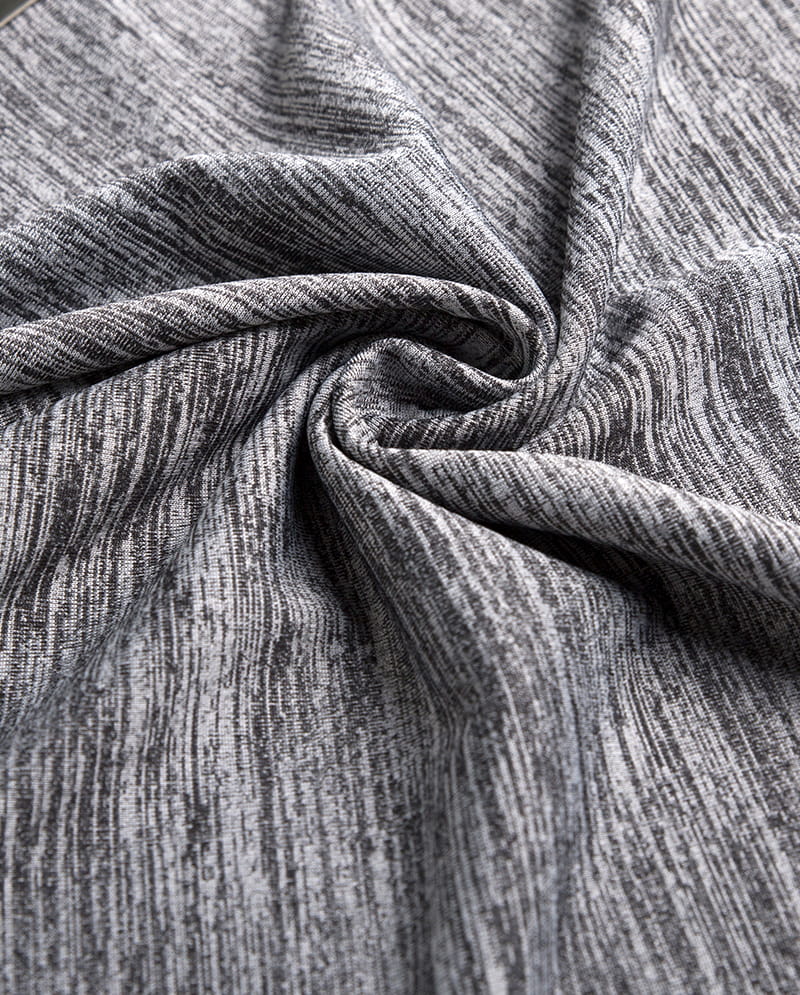
Anti-static Cationic Knitted Rib Fabric
-
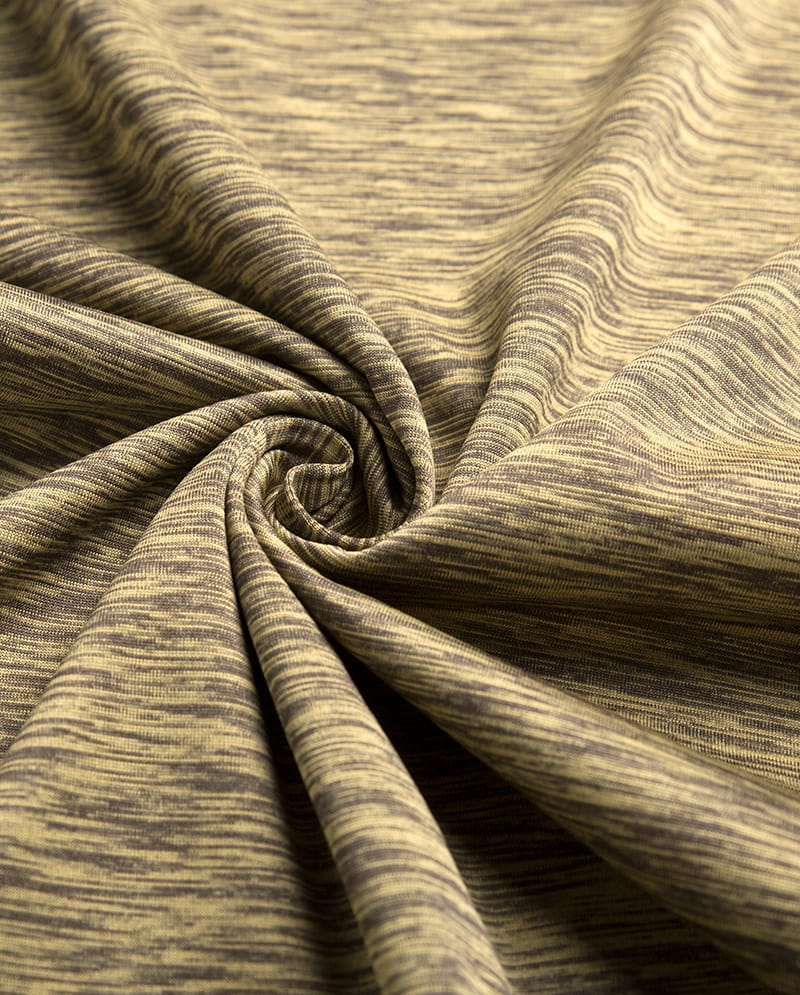
High-Stretch Cationic Jersey Fabric
-
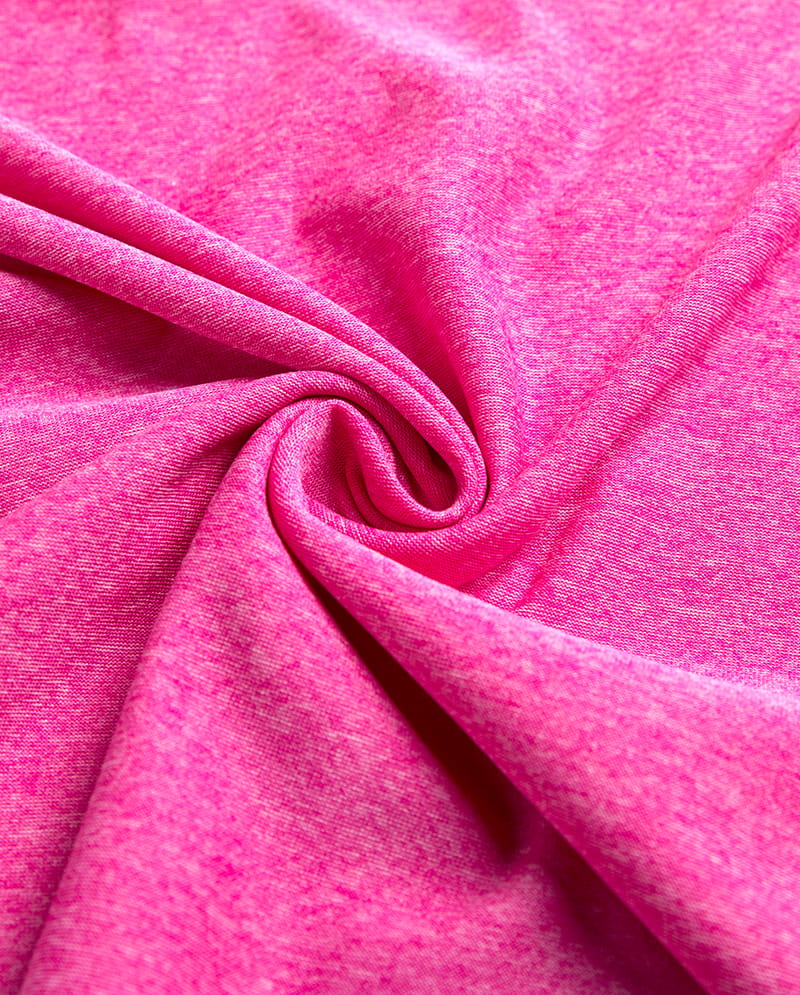
High Quality Cationic DTY Spandex Two Sides Brush Dralon Knit Fabric for Garment Thermal Underwear
-
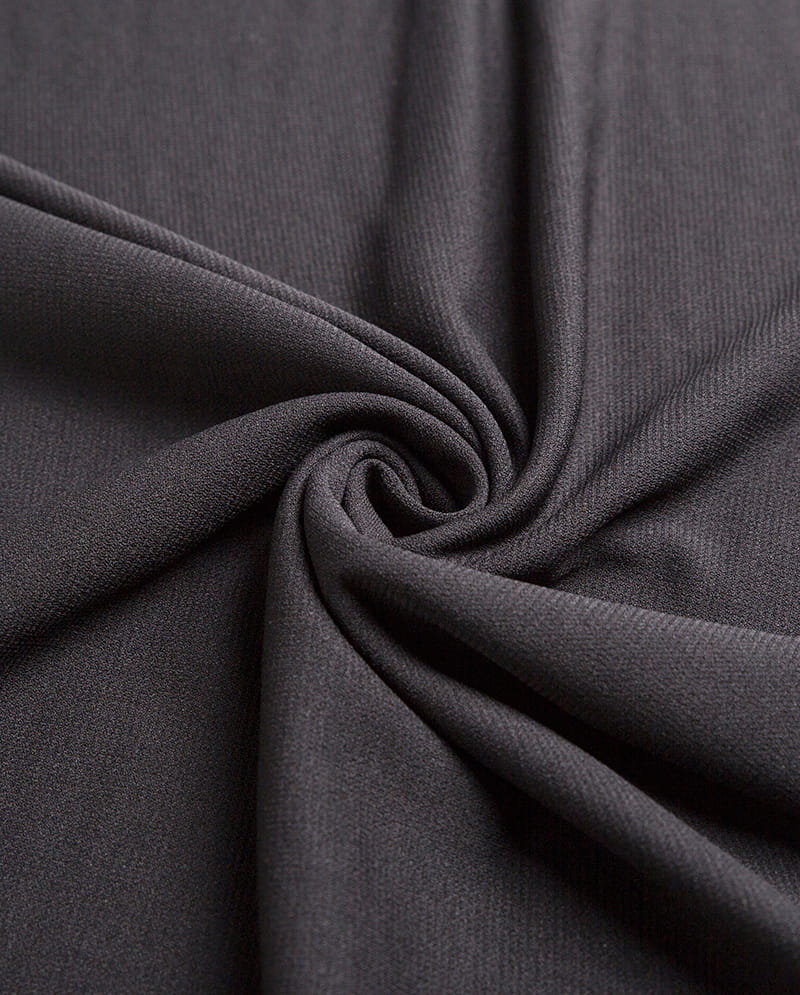
Durable Anti-Pilling Knitted Fabric for Home Textiles
-
Wash-Resistant Cationic Elastic Knitted Fabric for Garment Industry
-
Breathable Double-Faced Elastic Composite Fabric
-
-
-
- whatsapp:
- 0086-13962559622
-
- skype:
- skype.aliceshenghong
-
- Wechat:


COPYRIGHT © 2016 Suzhou Junhui Textile Co., Ltd.
