

 EN
EN English
 中文简体
中文简体Advanced DTY Yarn Solutions for Recycled, Functional, and High-Performance Textiles
Content
- 1 Understanding DTY Yarn and Its Role in Textile Production
- 2 Portfolio Overview
- 3 Recycled DTY Yarn for More Responsible Textile Programs
- 4 Normal Polyester DTY for Reliable Mainstream Production
- 5 Cationic-Dyeable DTY and Two-Tone Fabric Effects
- 6 High-Elastic DTY and PBT/PET Blended Yarn
- 7 Functional DTY Yarn for Performance Textiles
- 8 Specialty Textures and Comfort-Oriented Constructions
- 9 Manufacturing Process and Quality Control Strengths
- 10 Advantages Compared with Narrow-Scope Competitors
- 11 Applications Across the Textile Industry
- 12 How to Select the Correct DTY Specification
- 13 Customer Development and Customization Support
- 14 Sustainability and Responsible Product Development
- 15 Packaging, Logistics, and Export Readiness
- 16 Practical Comparison of Product Advantages
- 17 Recommended Quality-Approval Procedure
- 18 Why Work with an Experienced Differential-Yarn Manufacturer?
- 19 Q&A
- 19.1 What is DTY yarn?
- 19.2 What do the numbers in 75/36 or 150/144 mean?
- 19.3 What is the difference between SD and FD yarn?
- 19.4 What is recycled DTY used for?
- 19.5 Can recycled DTY be used in ordinary knitting machines?
- 19.6 What is cationic-dyeable DTY?
- 19.7 What is SD plus CD DTY used for?
- 19.8 Which DTY is suitable for sportswear?
- 19.9 What is PBT/PET yarn?
- 19.10 What is hollow warm yarn?
- 19.11 Can the supplier develop customized yarn?
- 19.12 Are functional yarn claims automatically valid for every finished fabric?
- 19.13 How should a buyer approve a new DTY product?
- 19.14 What information should be included in an inquiry?
- 20 Conclusion
- 21 References
- 22 Product: General diagram of DTY except colored silk
Draw textured yarn, commonly known as DTY, is one of the most important yarn categories in modern textile manufacturing. It combines the strength and continuity of polyester filament with enhanced bulk, softness, stretch recovery, and visual texture. Because of these properties, DTY yarn is widely used in knitted fabrics, woven fabrics, sportswear, casualwear, home textiles, upholstery, socks, seamless garments, and many other applications.
The product range presented in this article covers a broad selection of DTY specifications, including recycled DTY, normal polyester DTY, cationic-dyeable DTY, semi-dull and full-dull yarn, bright yarn, high-elastic yarn, PBT/PET blended yarn, flame-retardant yarn, antibacterial yarn, moisture-wicking yarn, hollow warm yarn, cotton-like yarn, and composite yarn. This extensive portfolio enables textile manufacturers to select suitable yarns according to fabric construction, dyeing requirements, appearance, performance, sustainability objectives, and end-use demands.
Produced by Suzhou Junhui Textile Co., Ltd. and Suzhou Xiaoran New Materials Co., Ltd., the yarn series is supported by experience in differential yarn development, recycled materials, polyester dope-dyed yarn, functional yarn, and knitting fabric products. The companies serve customers in international markets and emphasize product development, application support, quality consistency, and customer-oriented service.
Unlike a narrow product line designed for only one type of fabric, this DTY portfolio is organized into multiple technical series. The structure allows buyers to compare recycled and conventional yarns, choose between SD and FD appearances, combine different filament counts and denier levels, and request differentiated specifications for specialized applications.
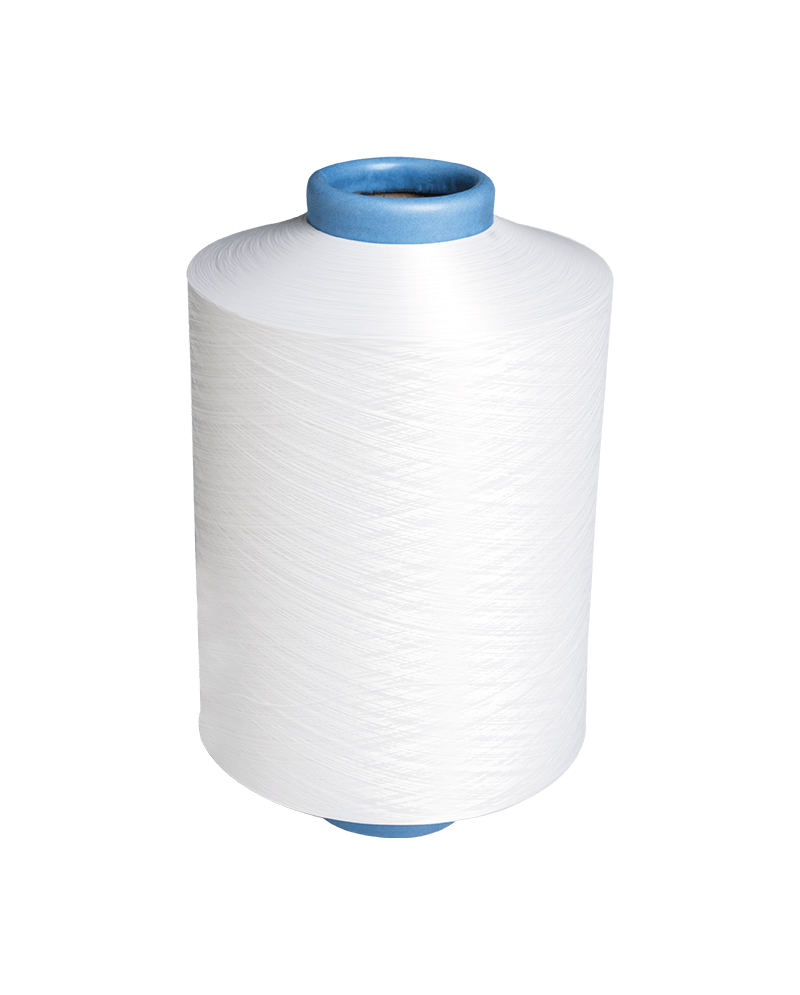
General diagram of DTY except colored silk
Understanding DTY Yarn and Its Role in Textile Production
DTY is manufactured by applying heat, drawing, and false-twist texturing to partially oriented yarn or another suitable polyester filament feedstock. During this process, the originally smooth filament is transformed into a yarn with crimp, bulk, elasticity, and a more natural textile hand. The final yarn can be knitted or woven directly, or it can be used as a component in blended and composite constructions.
The denier and filament notation used in DTY specifications is generally written in a format such as 75/36, 150/144, or 300/96. The first number represents the total denier, while the second number generally represents the number of individual filaments. For example, 75/36 indicates a yarn with a total fineness of 75 denier and 36 filaments. A lower denier per filament can contribute to a softer, finer, and more delicate hand, while a higher total denier can provide greater coverage and fabric weight.
DTY may be produced with different luster levels. Semi-dull, often abbreviated as SD, has a controlled, subdued appearance suitable for many apparel and home textile products. Full-dull, often abbreviated as FD, offers a more matte appearance and can reduce unwanted shine. Bright or specialty constructions may be selected when a more noticeable surface effect is required.
Texturing changes more than the appearance of polyester yarn. It also affects the yarn’s compressibility, bulk, stretch behavior, recovery, softness, covering power, and friction characteristics. These factors influence knitting efficiency, fabric density, dye uptake, finished fabric appearance, and garment comfort.
A reliable DTY supplier must therefore control the entire manufacturing chain rather than focusing only on nominal denier. Feedstock quality, polymer consistency, spinning conditions, winding, texturing temperature, false-twist parameters, overfeed, interlacing, winding tension, and packaging all affect the final result.
Portfolio Overview
The product range includes normal series yarns for mainstream applications, recycled series yarns for lower-impact textile programs, CD series yarns for cationic dyeing effects, high-elastic series yarns for stretch-oriented fabrics, and functional series yarns for performance textiles. Cotton-like, hollow warm, and Acy composite yarns provide additional options for tactile and visual differentiation.
| Product Series | Main Characteristics | Typical Application Direction |
|---|---|---|
| Recycle Series | Recycled polyester DTY, FDY-related combinations, and recycled composite options | Sustainable apparel, sportswear, home textiles, and responsible sourcing programs |
| Normal Series | Conventional SD DTY, FD DTY, and SD DDB yarns | Knitted fabrics, woven fabrics, garments, hosiery, and general textile production |
| CD Series | Cationic-dyeable DTY, SD plus CD DTY, and white-and-black options | Two-tone effects, contrast effects, mélange fabrics, and differentiated dyeing |
| High-Elastic Series | High-elastic yarn and PBT/PET blended yarn | Stretch fabrics, activewear, fitted garments, socks, and comfort textiles |
| Functional Series | Flame-retardant, antibacterial, and moisture-wicking yarn | Protective clothing, hygiene-related textiles, sportswear, and performance apparel |
| Specialty Series | Cotton-like, hollow warm, and Acy yarn | Soft-touch fabrics, thermal products, composite effects, and differentiated fashion textiles |
The availability of multiple yarn families under one supply structure can simplify sourcing. Instead of purchasing standard yarn from one supplier, recycled yarn from another, and functional yarn from a third, a textile producer can discuss several development routes with one experienced technical team. This may improve communication, reduce sampling complexity, and support more consistent product planning.
Recycled DTY Yarn for More Responsible Textile Programs
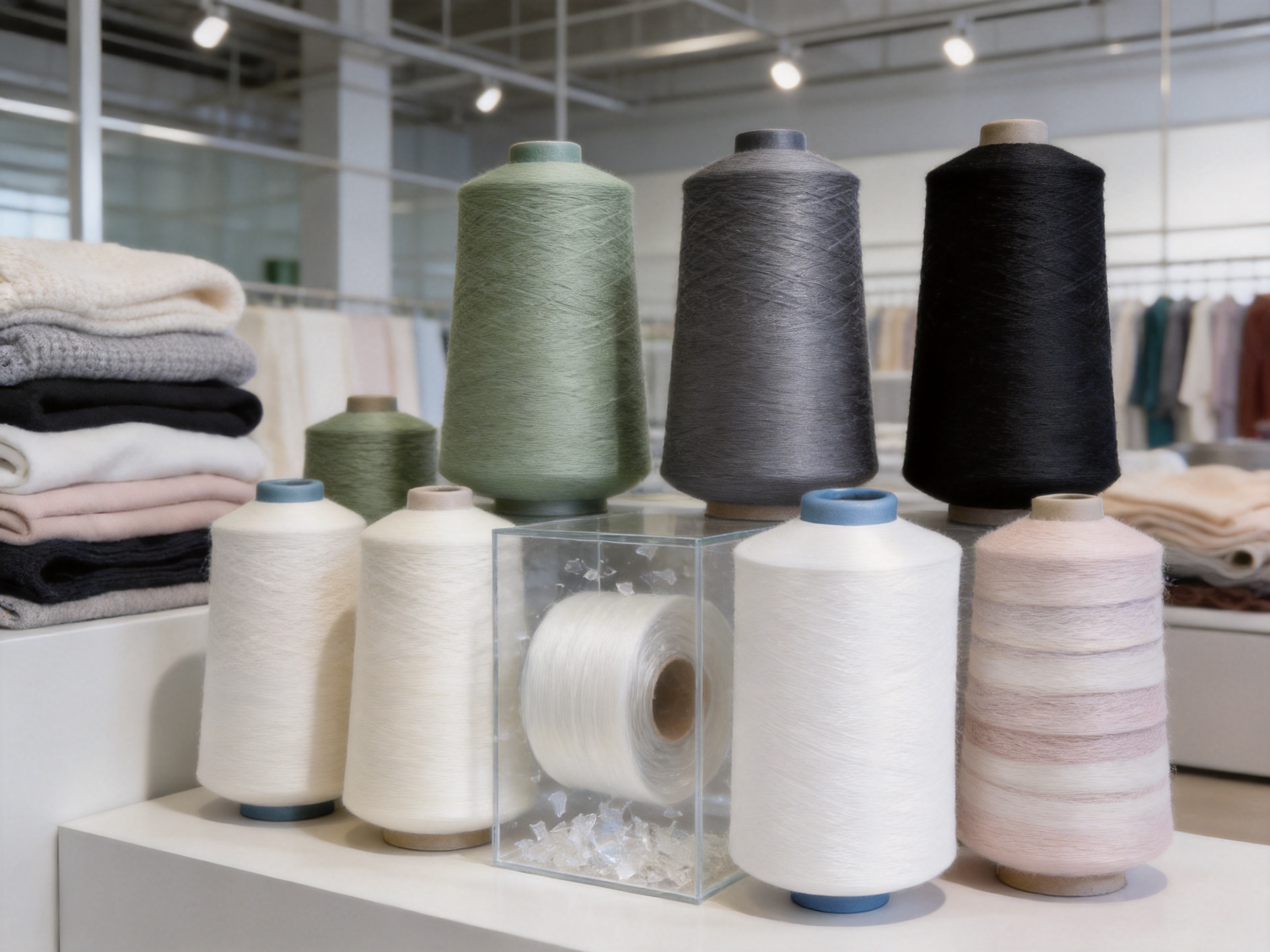
The recycled series is designed for manufacturers seeking polyester yarn options with recycled content. It includes recycled SD DTY, recycled FD DTY, recycled SD plus CD DTY, recycled DDB DTY, and recycled CD DTY. Available specifications include examples such as 15/6, 20/12-24, 30/12-24-36, 50/36-48-72, 75/36-72-144, 100/36-48-96-144, 150/48-96-144-288, and 300/96-192-288-576, together with other combinations.
Recycled polyester yarn can help textile manufacturers respond to brand sustainability targets, recycled-material requirements, and consumer demand for products with improved resource efficiency. It is particularly relevant to sportswear, casualwear, outdoor products, bags, home textiles, and promotional fabrics where polyester is already a primary raw material.
The main technical challenge of recycled yarn is consistency. Recycled feedstock can vary according to source, sorting, processing, polymer history, and contamination control. A high-quality recycled DTY program therefore requires careful raw-material selection, controlled preparation, stable melt processing, and ongoing monitoring of yarn properties.
When recycled yarn is textured correctly, it can provide the bulk, softness, stretch response, and knitting performance expected from conventional polyester DTY. The objective is not simply to label a product as recycled, but to provide a yarn that can run reliably on downstream equipment and produce stable fabric quality.
The recycled portfolio also includes different luster and dyeing options. Recycled SD yarn can provide a balanced, subdued appearance, while recycled FD yarn is suitable for more matte fabrics. Recycled SD plus CD DTY can contribute to contrast and mixed-dye effects. Recycled DDB and CD constructions offer further possibilities for fabric designers seeking special color development or surface character.
Compared with suppliers that only offer one recycled denier, this broader range gives buyers more flexibility in fabric engineering. Fine yarns can be used for lightweight and soft fabrics, medium deniers can support general apparel, and heavier specifications can increase coverage, durability, or fabric body.
Normal Polyester DTY for Reliable Mainstream Production
The normal series provides conventional polyester DTY for high-volume textile manufacturing. It includes SD DTY, FD DTY, and SD DDB yarn. The listed range covers fine, medium, and heavy specifications, including 25/72, 30/12-24-36-72, 50/36-48-72-144, 75/36-48-72-144, 100/36-48-96-144, 120/144, 150/48-96-144-288, 200/96-288-384, and 300/96-192-288-576.
Normal polyester DTY remains popular because it offers a strong balance between cost, performance, availability, and processing convenience. It can be used in a wide range of fabric constructions, from lightweight knitted garments to medium-weight apparel and home textile materials.
SD DTY is appropriate when a soft, controlled luster is desired. It is frequently used in sportswear, casualwear, lingerie, knitted tops, trousers, and fashion fabrics. FD DTY is suitable when the end product requires a less reflective, more subdued surface. Matte appearance is often preferred for activewear, brushed fabrics, fleece-related products, and modern minimalist garments.
SD DDB yarn can be selected for applications requiring a particular texturing or dyeing effect. DDB constructions may be incorporated into fabrics where surface differentiation, color depth, or special hand feel is important. Since fabric results depend on knitting parameters, dyeing conditions, and finishing processes, sampling remains essential before bulk production.
The extensive denier and filament combinations give manufacturers the ability to control fabric weight and touch. A 30-denier yarn can support lighter constructions, while 150-denier and 300-denier yarns can deliver greater coverage and fabric body. Filament count also affects softness, compactness, and the visual character of the finished textile.
Cationic-Dyeable DTY and Two-Tone Fabric Effects
The CD series is developed for textile producers that require cationic-dyeable effects. It includes CD DTY, SD plus CD DTY, and white-and-black yarn options. Listed CD DTY specifications include 25/24, 30/24-36, 50/36-72, 75/36-72-144, 100/36-48-72-144, 150/48-144-288, and 300/96.
Cationic-dyeable polyester can be used together with conventional polyester to create differences in color development. Under suitable dyeing conditions, the two components can produce contrast, mélange, stripe, or two-tone appearances. These effects allow fabric manufacturers to create visual depth without relying exclusively on printing or complicated post-dyeing processes.
SD plus CD DTY combines different dyeing behaviors or luster characteristics within a coordinated product category. This can help designers develop textured fabrics with subtle contrast, especially when the fabric construction allows the different components to remain visually distinguishable after dyeing.
The white-and-black series includes options such as 100D B01/B02/B03 and 150D B01/B02/B03, as well as 80D/72-84. These products can support monochrome, mixed-color, and special visual effects. The exact appearance depends on the yarn structure, fabric construction, dyeing recipe, and finishing method.
Compared with a standard yarn portfolio, cationic-dyeable DTY gives fabric developers more creative freedom. It is useful for fashion fabrics, sportswear, knitted jackets, decorative textiles, and products where color variation and surface complexity are part of the design concept.
High-Elastic DTY and PBT/PET Blended Yarn
The high-elastic series includes high-elastic yarn and PBT/PET yarn. The listed high-elastic specifications include 30/12, 50/36-72, 60/72, 75/36-72, and 150/48-144. High-elastic options are also listed in SD and FD forms, including 30/24, 50/36-48-72, 75/36-48-72, 150/72-144, and 300/96-144.
Elasticity is an important performance requirement in close-fitting garments, sportswear, swimwear-related products, socks, leggings, seamless textiles, and stretchable knitted fabrics. High-elastic polyester yarn can provide useful extension and recovery while maintaining the advantages of filament construction.
PBT/PET yarn uses a combination of polybutylene terephthalate and polyethylene terephthalate characteristics. Depending on the formulation and processing method, this type of yarn can provide a useful balance of elasticity, resilience, dimensional stability, and dyeing compatibility. The product list includes PBT/PET specifications such as 50/48 and 75/36, together with PBT/PET DDB options.
The advantage of a high-elastic series is that it allows fabric manufacturers to target stretch performance without using the same construction for every product. Fine yarns can be selected for lighter garments, while heavier yarns may be considered for fabrics requiring greater coverage and support.
Textile producers should evaluate elongation, recovery, fabric growth, heat-setting behavior, and washing performance during sampling. The final stretch performance is influenced not only by yarn properties but also by knitting density, fabric structure, finishing temperature, and garment construction.
Functional DTY Yarn for Performance Textiles
Functional yarn is increasingly important because many textile products are expected to provide benefits beyond basic covering and decoration. The functional series includes flame-retardant yarn, antibacterial yarn, and moisture-wicking yarn.
Flame-Retardant Yarn
The listed flame-retardant options include SD/FD 75/36-72 and SD/FD 150/36-48-144. Flame-retardant yarn can be considered for products where reduced flammability is a desired or required property, such as certain protective fabrics, interior textiles, workwear, transportation-related textiles, and specialized apparel.
Flame-retardant performance must always be evaluated according to the applicable end-use standard and testing method. A yarn description alone does not guarantee that a finished fabric or garment will meet a specific regulation. Fabric construction, weight, finishing, sewing, washing, and test conditions can all affect performance.
Antibacterial Yarn
Antibacterial DTY options include 50/48-72, 75/36-48-72, and 150/48-72-96-144. These yarns are designed for applications where odor management, hygiene-related performance, or microbial-growth control is part of the product specification.
Potential applications include sportswear, socks, underwear, uniforms, home textiles, and frequently laundered products. Buyers should confirm the target test method, active technology, durability after washing, and regulatory requirements before approving a production order.
Moisture-Wicking Yarn
Moisture-wicking options include 30/24, 50/48-72, 75/48-72, and 150/48-72. These yarns can be used in sportswear, training garments, outdoor clothing, base layers, workwear, and warm-weather textiles.
Moisture management is determined by the interaction between yarn structure, filament configuration, fabric geometry, capillary channels, finishing, and garment design. A suitable moisture-wicking yarn can support faster liquid spreading and drying, but finished-fabric testing is needed to verify the performance of the complete textile.
Specialty Textures and Comfort-Oriented Constructions
In addition to the primary yarn categories, the product range includes cotton-like yarn, hollow warm yarn, and Acy yarn. These products address the growing demand for comfort, tactile differentiation, thermal functions, and blended visual effects.
Cotton-Like Yarn
Cotton-like yarn is listed in 32S, 40S, and 80S specifications. It is intended to offer a hand feel and visual character associated with spun cotton yarn while maintaining the process advantages of filament polyester. Such yarn can be useful in fabrics that require softness, a dry touch, reduced hairiness, or a more natural appearance.
Potential applications include knitted tops, casualwear, home textiles, bedding, children's products, and fashion fabrics. Cotton-like effects can help manufacturers develop polyester-based products that offer alternative performance characteristics, including faster drying and improved dimensional stability.
Hollow Warm Yarn
Hollow warm yarn is listed in 75/72 and 150/144. Hollow structures can create additional air space within or around the yarn, which may contribute to lightweight warmth and a fuller hand. These yarns can be considered for thermal underwear, fleece-related fabrics, sweaters, blankets, scarves, and other products designed for comfort in cooler conditions.
Thermal performance depends on the complete fabric system. Fabric thickness, air retention, brushing, density, garment layering, and finishing all influence the final insulation result. Hollow warm yarn offers a construction option for designers seeking a combination of low weight, bulk, and comfort.
Acy Composite Yarn
Acy yarn specifications include 40+75/36-72, 30+100/96, and 40+150/48-96-144. The composite notation indicates a combination of yarn components with different fineness or structural characteristics. Composite yarns can be used to create special stretch, surface, coverage, or color effects that are difficult to obtain with a single uniform filament.
These products are especially relevant to textile developers who want to differentiate their fabrics through yarn structure rather than relying only on printing, coating, or complicated finishing processes.
Manufacturing Process and Quality Control Strengths
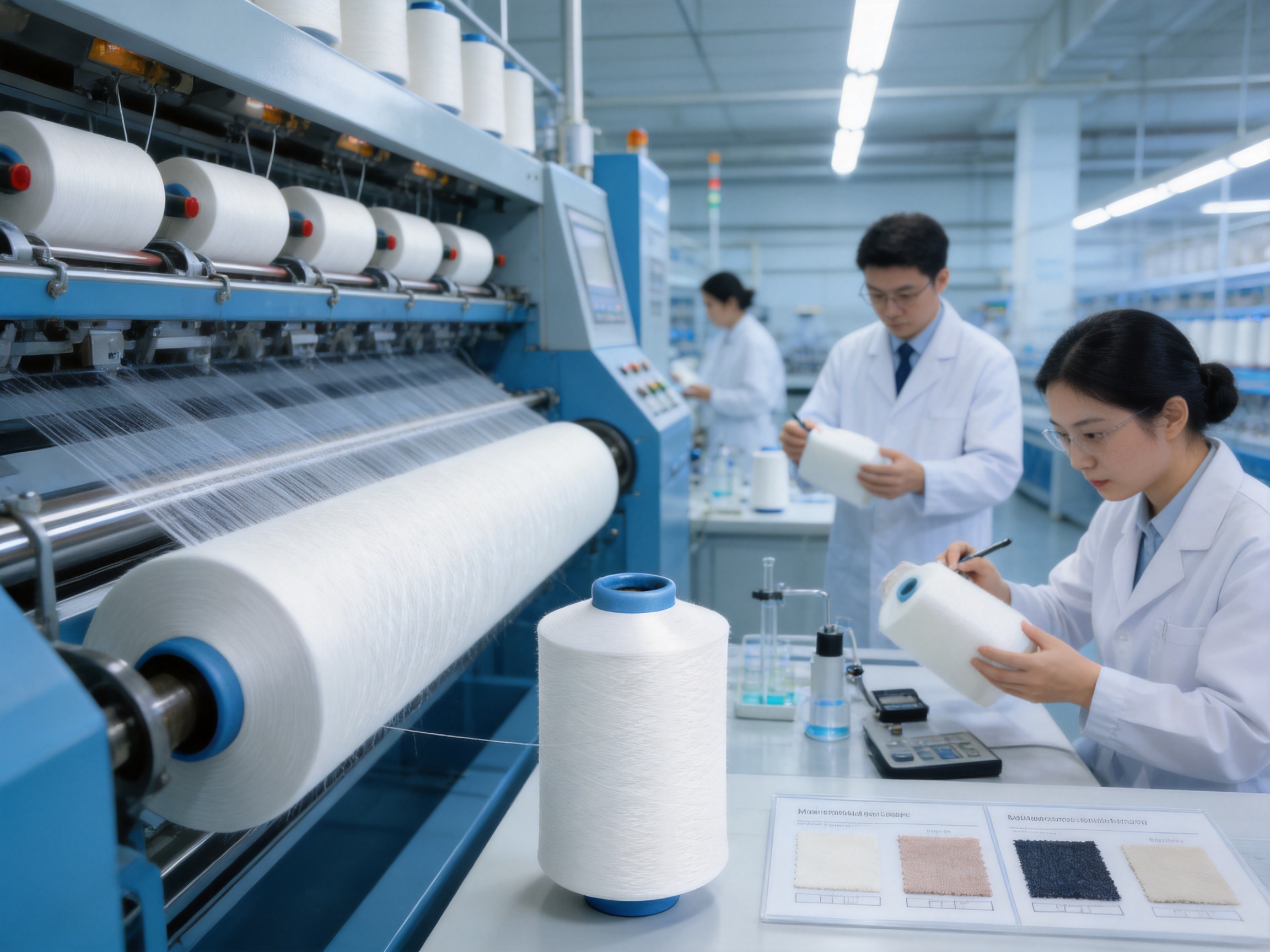
The performance of DTY yarn depends on a sequence of carefully controlled operations. An advanced manufacturer must treat raw materials, spinning, texturing, winding, inspection, packaging, and technical service as connected parts of one quality system.
Raw-Material Selection
Production begins with the selection of suitable polyester polymer, partially oriented yarn, recycled feedstock, or specialty polymer components. The raw material must be compatible with the desired denier, filament count, luster, dyeing behavior, elasticity, and functional target.
For recycled products, raw-material control is particularly important. Feedstock should be managed to reduce variation in color, viscosity, contamination, and melt behavior. Stable preparation supports more consistent spinning and texturing, which in turn improves downstream knitting and dyeing performance.
Polymer and Filament Preparation
Polymer preparation and filament formation require stable temperature, pressure, filtration, and metering conditions. Variations at this stage can create unevenness, broken filaments, weak points, or inconsistent dyeing. Precision in polymer handling supports a more uniform yarn cross-section and more reliable mechanical performance.
Filament count is also carefully considered. Fine individual filaments can improve softness and drape, whereas larger filament dimensions may contribute to strength and fabric body. The combination of total denier and filament count allows manufacturers to develop a wide range of tactile and functional results.
Drawing and False-Twist Texturing
Drawing aligns polymer chains and helps establish the required strength and elongation. False-twist texturing then introduces crimp and bulk into the filament bundle. The texturing machine must maintain consistent yarn speed, heater temperature, draw ratio, twist conditions, overfeed, and contact pressure.
Temperature control is especially important. Insufficient heat may lead to incomplete texturing and poor bulk, while excessive heat can affect strength, color, shrinkage, or surface quality. A stable process window helps produce yarn with consistent crimp and predictable fabric behavior.
Evenness across the package is another key consideration. If texturing varies from the beginning to the end of a package, downstream fabric may show streaks, uneven dyeing, or differences in surface texture. Accurate equipment calibration and process monitoring help reduce this risk.
Interlacing and Winding
Interlacing may be used to improve filament cohesion and package handling. Appropriate interlace levels help the yarn run smoothly during knitting and weaving while maintaining the required appearance and hand feel.
Winding tension must be controlled to form packages that unwind consistently. Excessive tension can affect yarn stretch and cause unwinding problems, while insufficient tension may lead to package instability. A well-formed package supports efficient downstream production and reduces stoppages.
Inspection and Testing
Quality inspection may include linear density, yarn evenness, tensile strength, elongation, crimp, shrinkage, oil content, interlace, appearance, package shape, and winding behavior. Functional products require additional testing according to the specific claimed property.
Inspection should not be limited to laboratory samples. Production monitoring helps identify variation between lots, machines, positions, and packages. Traceability of raw materials, production parameters, and test results gives buyers greater confidence when ordering repeated shipments.
| Quality Area | Why It Matters | Possible Evaluation |
|---|---|---|
| Linear density | Determines fabric weight, coverage, and construction compatibility | Denier or mass-per-length testing |
| Filament evenness | Influences appearance, dyeing uniformity, and knitting stability | Evenness and defect monitoring |
| Strength and elongation | Supports processing efficiency and finished-fabric durability | Tensile testing |
| Crimp and bulk | Affects softness, stretch, cover, and texture | Crimp, shrinkage, and bulk assessment |
| Package quality | Controls unwinding and reduces machine stoppage | Visual inspection and unwinding trials |
| Dyeing behavior | Supports consistent shade and color development | Laboratory dyeing and shade comparison |
| Functional performance | Confirms suitability for specialized applications | Relevant antibacterial, moisture, or flame tests |
Advantages Compared with Narrow-Scope Competitors
One of the strongest advantages of this product range is breadth. Many yarn suppliers specialize in only standard DTY or only recycled polyester. A broader portfolio allows buyers to compare several routes for the same fabric project, including conventional, recycled, high-elastic, cationic-dyeable, and functional alternatives.
The range also covers multiple denier and filament combinations. This is important because fabric designers rarely need one universal yarn. Lightweight apparel, medium-weight jersey, stretch leggings, fleece, socks, upholstery, and decorative fabrics all require different balances of softness, coverage, strength, and bulk.
Another advantage is the ability to combine sustainability with differentiation. Recycled yarn is available not only in basic SD forms but also in FD, CD, SD plus CD, and DDB-related options. This gives brands an opportunity to pursue recycled-material objectives without abandoning special color or surface effects.
Product flexibility is further supported by the statement that orders for various differentiated yarns can be accepted. For buyers, this means that product discussions may move beyond standard catalog items toward custom denier, filament count, luster, composition, or function, subject to technical feasibility and order requirements.
The companies also have experience in several differential yarn categories, including recycled yarn, polyester dope-dyed yarn, microfine yarn, flame-retardant yarn, cationic-dyeing yarn, and knitting fabric products. This background can be valuable when a customer needs assistance linking yarn selection to fabric development.
International service capability is another stated strength. With products exported to many countries and a customer base located across numerous markets, the companies understand that overseas buyers need clear communication, stable documentation, shipment coordination, and responsive technical assistance.
Finally, the company emphasizes customer support and rapid response. For textile manufacturers, prompt communication can reduce delays during sampling, color confirmation, specification review, and problem solving. A technically capable supplier that also communicates efficiently may provide a practical advantage over low-cost suppliers with limited development support.
Applications Across the Textile Industry
DTY yarn is suitable for a broad range of end uses. Standard SD and FD yarns can serve everyday knitted garments, woven fabrics, linings, sportswear, children's clothing, socks, and home textiles. The final application depends on the denier, filament count, texturing level, fabric structure, and finishing recipe.
Apparel
In apparel, DTY is used for T-shirts, polo shirts, sports tops, leggings, dresses, skirts, jackets, trousers, underwear, sleepwear, and fashion knitwear. Soft and fine specifications can create comfortable next-to-skin fabrics, while heavier yarns can provide greater coverage and structure.
Sportswear and Outdoor Clothing
Moisture-wicking, high-elastic, recycled, and antibacterial yarns are especially relevant to sportswear. These products can help manufacturers develop garments that balance comfort, freedom of movement, drying performance, odor management, and sustainability communication.
Home Textiles
DTY can be used in bedding, blankets, curtains, cushions, upholstery, mattress fabrics, and decorative textiles. Hollow warm yarn may support thermal comfort, while FD yarn can provide a subdued appearance for modern interior products.
Hosiery and Seamless Products
Fine and elastic yarns are useful in socks, tights, leggings, seamless garments, and fitted knitted products. Package stability, consistent elongation, and smooth running are important for these applications because small variations can affect fabric appearance and garment fit.
Protective and Functional Textiles
Flame-retardant and antibacterial yarns can be selected for specialized textile projects. The required specifications should be confirmed according to the intended market, applicable standards, and final product testing plan.
How to Select the Correct DTY Specification
Choosing the right yarn begins with the fabric objective. Buyers should first define whether the final textile should be soft, matte, lustrous, elastic, warm, moisture-managing, antibacterial, flame-retardant, cationic-dyeable, recycled, or cotton-like.
The second step is to determine the yarn fineness and filament count. Lower total denier generally supports lighter fabric constructions, while higher denier can increase coverage and body. A higher filament count may create a softer and finer surface, although the final result also depends on polymer type and texturing conditions.
The third step is to determine luster. SD is suitable for a controlled appearance, FD for a matte appearance, and other specialty options for differentiated effects. Luster should be considered together with dyeing and finishing because the final fabric may appear different from the raw yarn.
For sustainability-focused products, buyers should confirm the recycled content, chain-of-custody documentation, testing requirements, and claim language required by the target market. Recycled yarn selection should also consider color, dyeing performance, mechanical properties, and compatibility with the existing production line.
For functional yarn, the buyer should provide a clear performance brief. “Moisture-wicking,” “antibacterial,” and “flame-retardant” can refer to different testing systems and performance levels. The supplier and buyer should agree on the relevant method before sample approval.
Fabric sampling is essential. A yarn that performs well in one knitting structure may behave differently in another. Sampling should include knitting or weaving trials, dyeing, finishing, washing, and, where relevant, garment testing.
| Buyer Requirement | Potential Yarn Direction | Important Confirmation |
|---|---|---|
| Recycled content | Recycle SD DTY, recycle FD DTY, recycle CD or composite options | Recycled percentage, certification, shade, and lot consistency |
| Matte appearance | FD DTY | Target luster and finished-fabric appearance |
| Soft, subdued surface | SD DTY or fine-filament construction | Hand feel, drape, and pilling performance |
| Color contrast | CD DTY or SD plus CD DTY | Dyeing recipe, color separation, and fabric construction |
| Stretch and recovery | High-elastic or PBT/PET yarn | Elongation, recovery, heat setting, and wash durability |
| Thermal comfort | Hollow warm yarn | Fabric weight, loft, warmth, and laundering performance |
| Natural cotton-like touch | Cotton-like yarn | Surface feel, moisture behavior, and pilling resistance |
| Performance function | Flame-retardant, antibacterial, or moisture-wicking yarn | Applicable standard and finished-fabric test results |
Customer Development and Customization Support
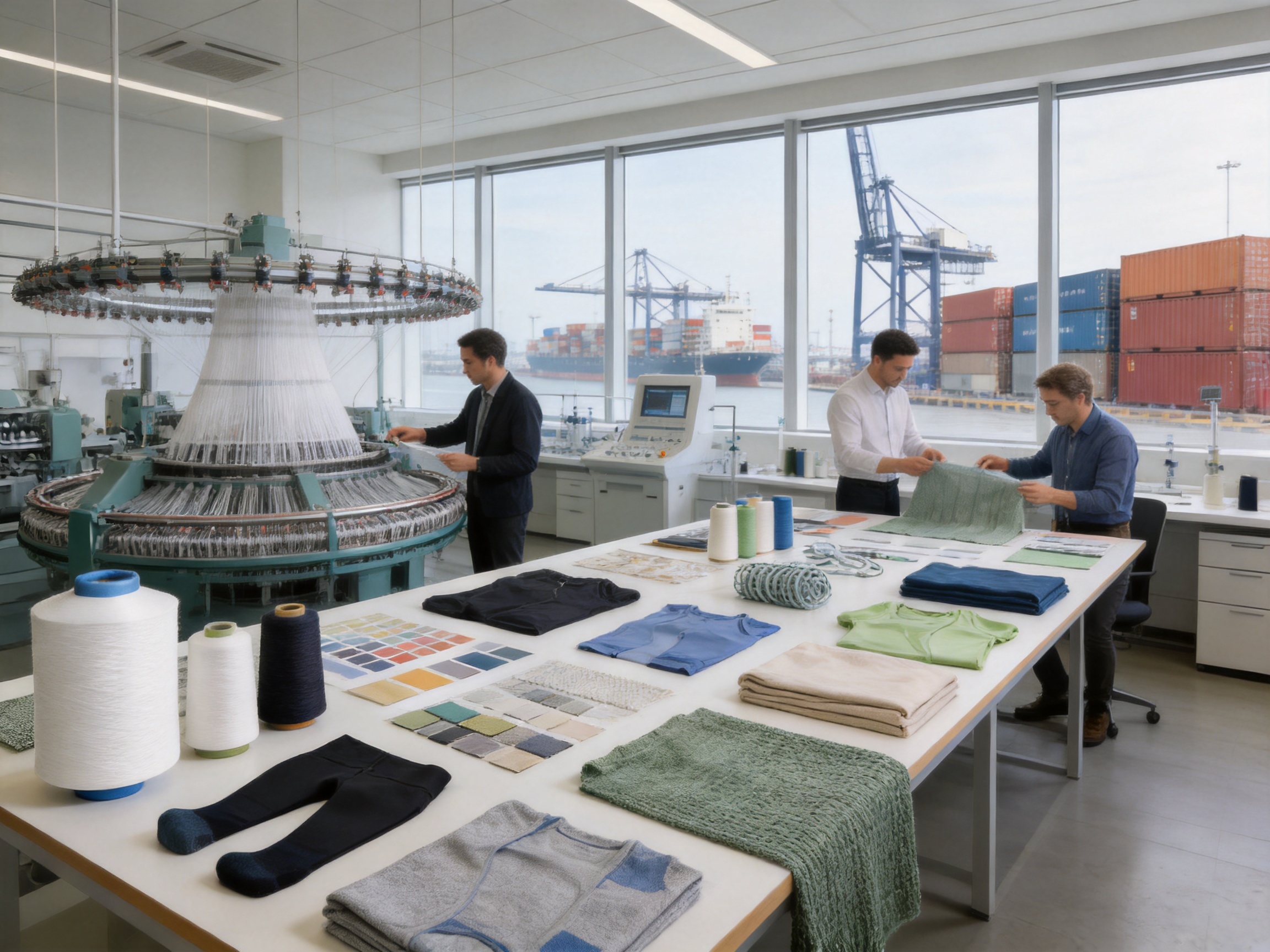
Differentiated yarn development is often more valuable than a simple product transaction. Textile brands and fabric mills may have a specific target involving appearance, fabric weight, stretch, touch, sustainability, or performance. The supplier’s role is to translate that target into a practical yarn specification.
Customization may involve total denier, filament count, luster, recycled content, dyeing behavior, composition, elasticity, functional additive, interlacing, or package format. Not every combination is suitable for every machine, so technical evaluation and sampling are necessary.
A professional development process normally begins with a product brief. The buyer should provide the intended fabric type, machine gauge, fabric weight, construction, dyeing method, finishing process, target performance, estimated order quantity, and delivery requirements.
The supplier can then recommend one or more yarn specifications. Providing alternatives is useful because a single yarn may not satisfy every requirement simultaneously. For example, one option may offer the softest touch, another may provide better coverage, and a third may deliver a stronger sustainability profile.
Samples should be assessed not only by visual inspection but also through actual processing. Knitting or weaving trials can reveal unwinding behavior, breakage, tension stability, and fabric uniformity. Dyeing trials can identify shade variation, color depth, and differences between SD, FD, CD, or composite components.
After approval, bulk production should follow the agreed specification and quality limits. Clear communication about tolerances, packaging, labeling, inspection, and shipment helps reduce misunderstandings between the yarn supplier and the textile mill.
Sustainability and Responsible Product Development
Sustainability in textiles involves more than using recycled material. It also includes product durability, process efficiency, reduced waste, responsible chemical management, energy use, packaging, traceability, and the ability to manufacture products that remain useful for a long time.
Recycled DTY contributes to this broader approach by providing an alternative feedstock for polyester textile production. It can support products designed around recycled-content claims, provided the sourcing and documentation meet the requirements of the relevant market and certification system.
Durability is also important. A yarn that performs consistently during knitting, dyeing, finishing, and use can help reduce waste and product rejection. Stable quality supports efficient manufacturing and may reduce the need for repeated sampling or reprocessing.
Functional yarns can contribute to longer product life when their performance remains effective during normal use and laundering. For example, moisture management may improve comfort, while high elasticity can support fit and movement. These benefits must be validated through suitable testing rather than assumed from the yarn category alone.
Responsible product development should balance environmental objectives with technical requirements. A recycled or functional yarn must still meet the expected standards for strength, appearance, processability, color, and customer satisfaction. The broad product portfolio makes it possible to examine these factors together.
Packaging, Logistics, and Export Readiness
Yarn quality can be affected by poor handling after production. Proper packaging protects packages from moisture, dust, compression, and physical damage. Consistent labeling allows the buyer to identify count, filament number, color or luster, lot, quantity, and other relevant information.
Export customers also require dependable coordination. Order confirmation, production scheduling, sample approval, packing details, shipping documents, and delivery planning should be handled accurately. Experience with international customers helps a supplier understand the importance of these administrative details.
Because textile production is often scheduled around fabric orders and garment programs, delivery delays can affect multiple stages of the supply chain. A responsive supplier should communicate early if a specification, raw material, production quantity, or shipment plan requires adjustment.
For repeat orders, maintaining consistency between lots is essential. Buyers should compare new production with approved samples and retain reference samples for future evaluation. Traceable lot management can help identify the cause of any difference and support corrective action.
Practical Comparison of Product Advantages
The following comparison summarizes how the portfolio can address common sourcing challenges.
| Common Sourcing Challenge | Portfolio Advantage | Benefit to the Buyer |
|---|---|---|
| Limited sustainable yarn choices | Multiple recycled SD, FD, CD, and composite options | More freedom to develop recycled fabrics without sacrificing design variety |
| Difficulty matching fabric weight | Wide denier and filament-count range | More precise control of coverage, softness, and fabric body |
| Need for special color effects | Cationic-dyeable and SD plus CD constructions | Potential for two-tone, contrast, and mélange appearances |
| Insufficient stretch options | High-elastic and PBT/PET series | Support for fitted and movement-oriented fabrics |
| Demand for performance textiles | Flame-retardant, antibacterial, and moisture-wicking products | More routes for developing specialized end uses |
| Need for a natural touch | Cotton-like yarn | Alternative hand feel with polyester processing characteristics |
| Need for warmth at lower weight | Hollow warm yarn | Potential for bulk and thermal comfort in lightweight fabrics |
| Need for technical cooperation | R&D experience and product-selection support | Faster movement from concept to sample and production |
Recommended Quality-Approval Procedure
A disciplined approval procedure helps textile buyers achieve stable results. The first stage is documentation review. The buyer should confirm the yarn category, count, filament number, luster, composition, recycled content if applicable, functional claim, package size, and expected quality limits.
The second stage is sample inspection. The buyer should check package appearance, winding condition, labeling, yarn cleanliness, and visible defects. Laboratory testing can then be used to examine linear density, strength, elongation, evenness, crimp, and other relevant properties.
The third stage is a processing trial. The yarn should be run on the intended knitting or weaving equipment. The trial should monitor breakage, tension, unwinding, machine efficiency, fabric uniformity, and surface appearance.
The fourth stage is dyeing and finishing. The fabric should be processed using the intended production recipe. For CD products, the trial should verify color contrast and separation. For SD and FD yarn, the trial should confirm luster and matte appearance after finishing.
The fifth stage is end-use testing. Depending on the product, this may include washing, pilling, abrasion, dimensional stability, stretch recovery, moisture management, antibacterial performance, flame behavior, or thermal evaluation.
Only after these stages should the buyer approve bulk production. This approach reduces risk and gives both parties a clear technical reference.
Why Work with an Experienced Differential-Yarn Manufacturer?
Experience in differential yarns is important because specialty products require greater control than basic commodity yarns. Recycled yarn, cationic-dyeable yarn, high-elastic yarn, functional yarn, microfine yarn, and composite yarn each involve different raw materials, processing windows, and testing requirements.
A manufacturer familiar with these categories can help identify practical compromises. For example, a buyer may want maximum softness, high strength, strong stretch recovery, deep color, recycled content, and low cost at the same time. In practice, the ideal specification may require balancing these factors. Technical consultation helps define which characteristics are essential and which can be adjusted.
The companies’ R&D focus on environmental protection and functional yarn applications supports this type of development. Cooperation with international enterprises and customers in multiple countries also provides exposure to different fabric requirements, market expectations, and application conditions.
Another advantage is the ability to discuss yarn and fabric together. Since the business also works with knitting fabric products, the technical team can consider how yarn properties may translate into actual fabric performance. This broader perspective can be useful when the buyer is developing a new textile rather than purchasing a standard commodity.
Q&A
What is DTY yarn?
DTY stands for draw textured yarn. It is a textured filament yarn produced through drawing and false-twist texturing. The process gives polyester filament improved bulk, softness, crimp, elasticity, and textile-like texture.
What do the numbers in 75/36 or 150/144 mean?
The first number generally indicates total denier, while the second number indicates the number of filaments. A 75/36 yarn therefore has a total fineness of 75 denier and 36 filaments.
What is the difference between SD and FD yarn?
SD usually means semi-dull, producing a controlled and relatively subdued luster. FD usually means full-dull, producing a more matte appearance. The best option depends on the desired finished-fabric look.
What is recycled DTY used for?
Recycled DTY is used for apparel, sportswear, home textiles, bags, and other polyester products where recycled content is desired. It is available in several denier, luster, dyeing, and composite options.
Can recycled DTY be used in ordinary knitting machines?
Suitable recycled DTY can generally be processed on standard textile machinery, but buyers should conduct a machine trial. Package quality, yarn evenness, tension, and the specific machine setting should be checked before bulk production.
What is cationic-dyeable DTY?
Cationic-dyeable DTY is designed to develop color differently from conventional polyester under suitable dyeing conditions. It can be used to create two-tone, contrast, mélange, or other differentiated color effects.
What is SD plus CD DTY used for?
SD plus CD DTY combines semi-dull and cationic-dyeable characteristics in a product direction intended for special color and surface effects. The final result depends on yarn structure, fabric construction, and dyeing conditions.
Which DTY is suitable for sportswear?
Possible choices include moisture-wicking yarn, antibacterial yarn, high-elastic yarn, recycled DTY, and suitable SD or FD DTY. The correct combination depends on the required stretch, drying, odor-management, appearance, and sustainability targets.
What is PBT/PET yarn?
PBT/PET yarn combines polybutylene terephthalate and polyethylene terephthalate characteristics. It may provide a balance of elasticity, resilience, dimensional stability, and polyester processing compatibility.
What is hollow warm yarn?
Hollow warm yarn is designed with a hollow or air-retaining structure that can contribute to bulk and thermal comfort at a relatively low weight. Its actual warmth depends on the complete fabric construction and finishing process.
Can the supplier develop customized yarn?
The product information states that orders for various differentiated yarns can be accepted. Buyers should provide detailed requirements such as denier, filament count, luster, composition, elasticity, recycled content, function, application, and expected quantity for technical evaluation.
Are functional yarn claims automatically valid for every finished fabric?
No. Flame-retardant, antibacterial, and moisture-wicking performance must be evaluated according to the relevant standard and the finished product. Fabric construction, finishing, washing, and test conditions can affect the result.
How should a buyer approve a new DTY product?
The buyer should review specifications, inspect samples, conduct knitting or weaving trials, dye and finish the fabric, and perform end-use testing. Bulk production should begin only after the sample meets the agreed requirements.
What information should be included in an inquiry?
An inquiry should include the product series, denier, filament number, SD or FD requirement, color or dyeing method, recycled or functional requirement, intended application, processing method, quantity, packaging preference, destination, and target delivery schedule.
Conclusion
This DTY yarn portfolio provides textile manufacturers with a broad technical foundation for standard, sustainable, functional, elastic, and fashion-oriented products. Recycled SD and FD yarns support responsible sourcing programs. Conventional polyester DTY serves mainstream production. CD and SD plus CD yarns expand color-development possibilities. High-elastic and PBT/PET yarns support stretch fabrics, while flame-retardant, antibacterial, and moisture-wicking yarns address performance applications.
The availability of cotton-like, hollow warm, and Acy yarns further strengthens the range by offering alternative hand feels, thermal properties, and composite effects. The combination of multiple denier and filament specifications allows buyers to design fabrics with more precise control over softness, coverage, weight, bulk, appearance, and processability.
Product breadth is supported by experience in differential yarn research, recycled materials, dope-dyed yarn, functional yarn, cationic-dyeing yarn, and knitting fabric products. The companies’ export experience, R&D orientation, and customer-focused technical support provide additional value for international textile producers.
For the best result, buyers should treat yarn selection as a collaborative development process. Clear specifications, laboratory testing, machine trials, dyeing evaluation, and finished-fabric verification are essential. With the right product choice and process control, DTY yarn can help textile manufacturers create fabrics that are comfortable, attractive, durable, functional, and aligned with modern market requirements.
References
1. Textile terminology and general principles relating to denier, filament yarn, and draw textured yarn.
2. Technical literature on polyester filament spinning, drawing, false-twist texturing, interlacing, and package winding.
3. General guidance for recycled polyester fiber and yarn production, traceability, and responsible material claims.
4. Textile testing practices for yarn evenness, tensile strength, elongation, crimp, shrinkage, and package quality.
5. Technical references on cationic-dyeable polyester and two-component color-development effects.
6. Textile engineering literature concerning PBT/PET blended yarn, elasticity, recovery, and dimensional stability.
7. General testing guidance for moisture management, antibacterial textiles, and flame-retardant textile materials.
8. Product specifications and technical information supplied for the recycled, normal, cationic-dyeable, high-elastic, functional, cotton-like, hollow warm, and composite DTY yarn series.
Product: General diagram of DTY except colored silk

Popular products
-
Premium Cationic Interlock Stretch Comfort Fabric
-
Moisture-Wicking Nylon Woven Fabric
-
Double-faced jacquard elastic fabric
-
Heather Grey Double-faced cationic jersey fabric
-
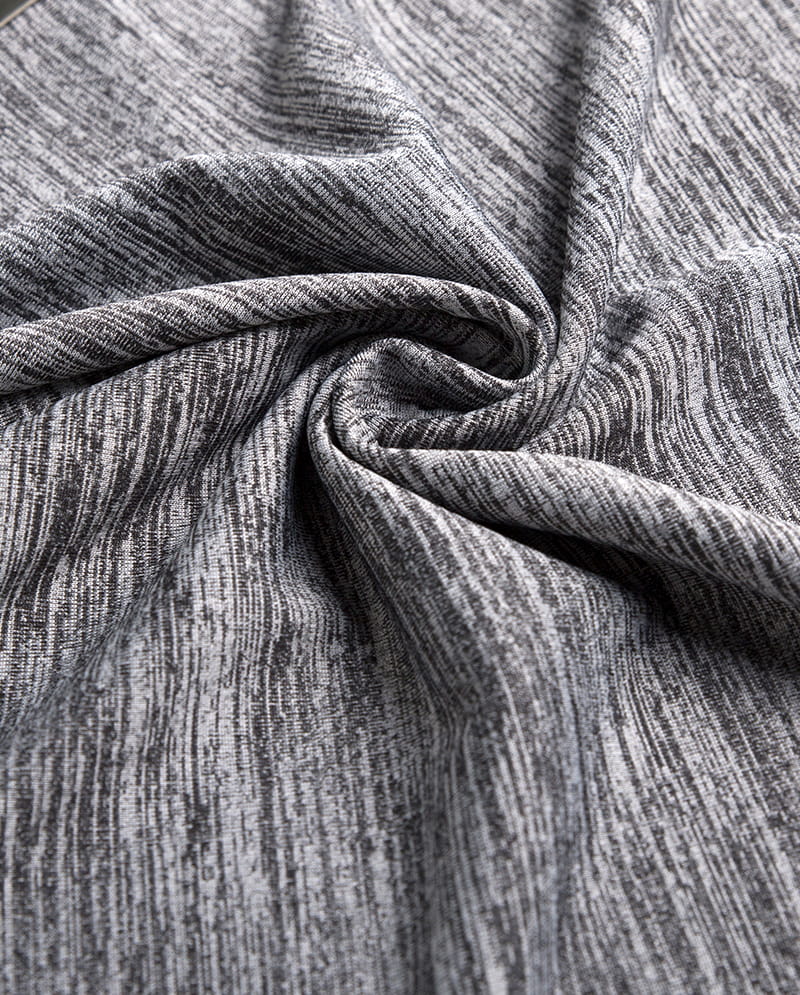
Anti-static Cationic Knitted Rib Fabric
-
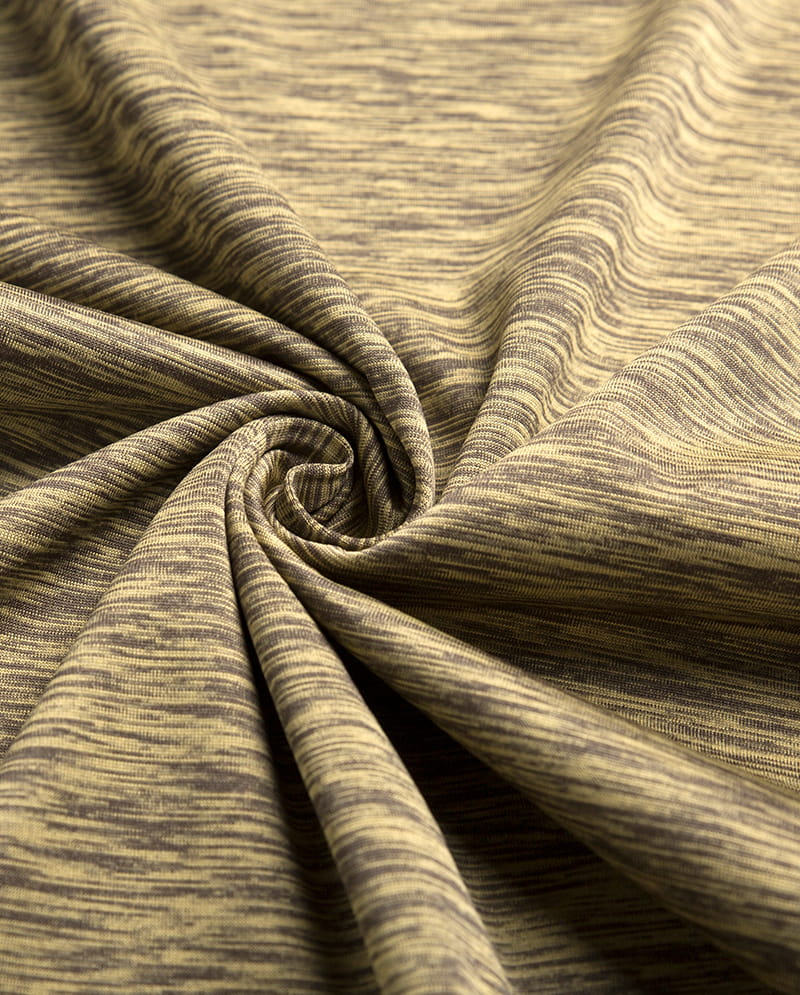
High-Stretch Cationic Jersey Fabric
-
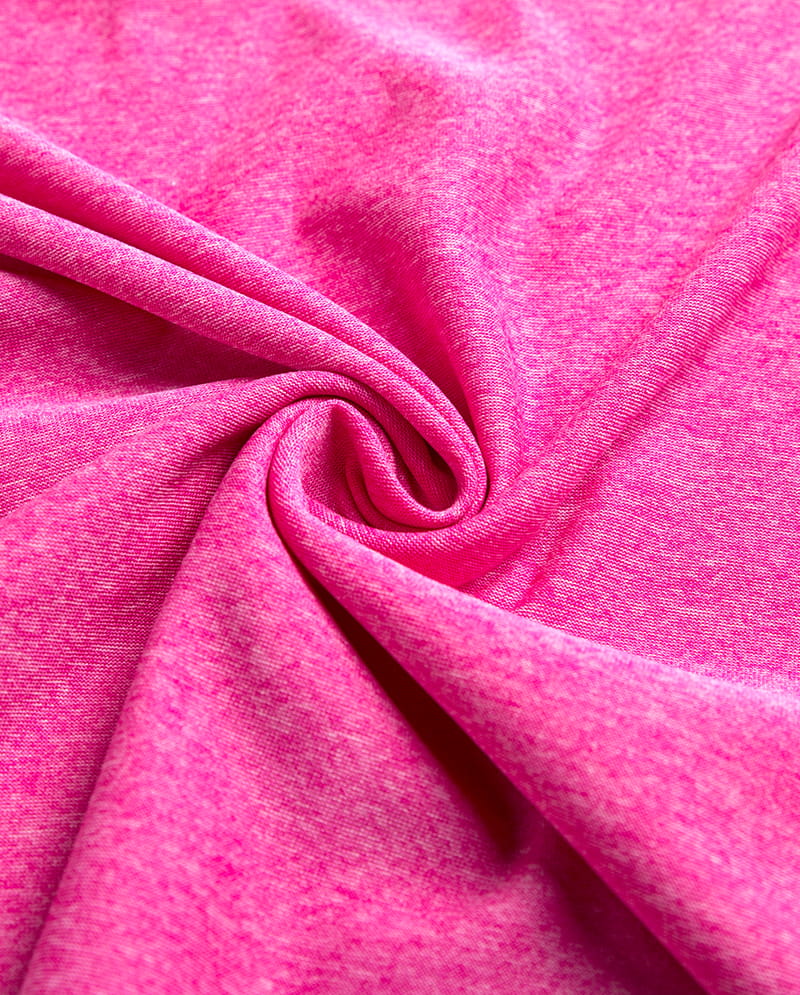
High Quality Cationic DTY Spandex Two Sides Brush Dralon Knit Fabric for Garment Thermal Underwear
-
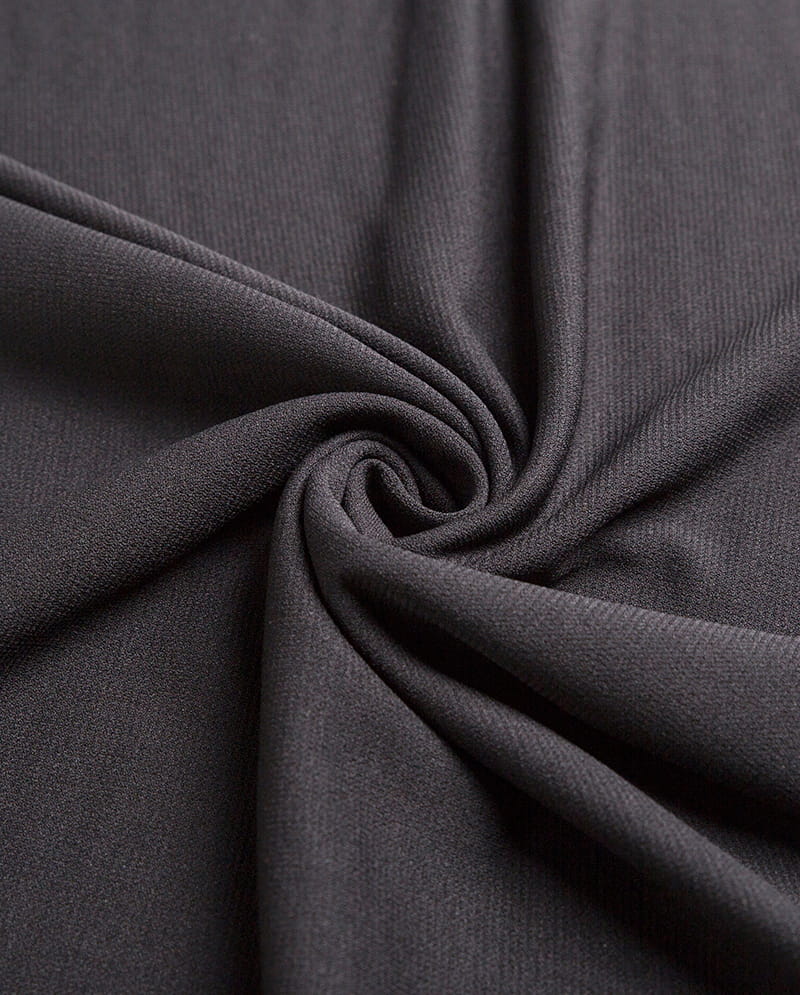
Durable Anti-Pilling Knitted Fabric for Home Textiles
-
Wash-Resistant Cationic Elastic Knitted Fabric for Garment Industry
-
Breathable Double-Faced Elastic Composite Fabric
-
-
-
- whatsapp:
- 0086-13962559622
-
- skype:
- skype.aliceshenghong
-
- Wechat:

COPYRIGHT © 2016 Suzhou Junhui Textile Co., Ltd.
