
 EN
 English
 中文简体
Advanced DTY Yarn Solutions for Modern Textile Manufacturing
Content
- 1 Understanding DTY Yarn
- 2 Core Product Categories
- 3 Product Specification Overview
- 4 Advantages Compared with Limited-Scope Suppliers
- 5 Advanced Manufacturing and Development Process
- 6 Quality Control for DTY Yarn
- 7 Applications Across Textile Markets
- 8 How to Select the Correct DTY Specification
- 9 Customization and Order Support
- 10 Why Manufacturing Experience Matters
- 11 Sustainability Considerations
- 12 Packaging, Logistics, and International Supply
- 13 Recommended Purchasing Workflow
- 14 Q&A About DTY Yarn
- 14.1 What is DTY yarn used for?
- 14.2 What is the difference between SD and FD DTY?
- 14.3 What does the notation 75/72 mean?
- 14.4 What is the advantage of recycled DTY?
- 14.5 When should cationic-dyeable yarn be selected?
- 14.6 Is high-elastic DTY the same as elastane?
- 14.7 What is PBT/PET yarn used for?
- 14.8 How can moisture-wicking yarn improve a fabric?
- 14.9 Are functional yarn properties permanent?
- 14.10 Can customized DTY yarn be developed?
- 14.11 Why are production trials important?
- 14.12 What information should buyers provide when requesting a quotation?
- 15 Conclusion
- 16 References
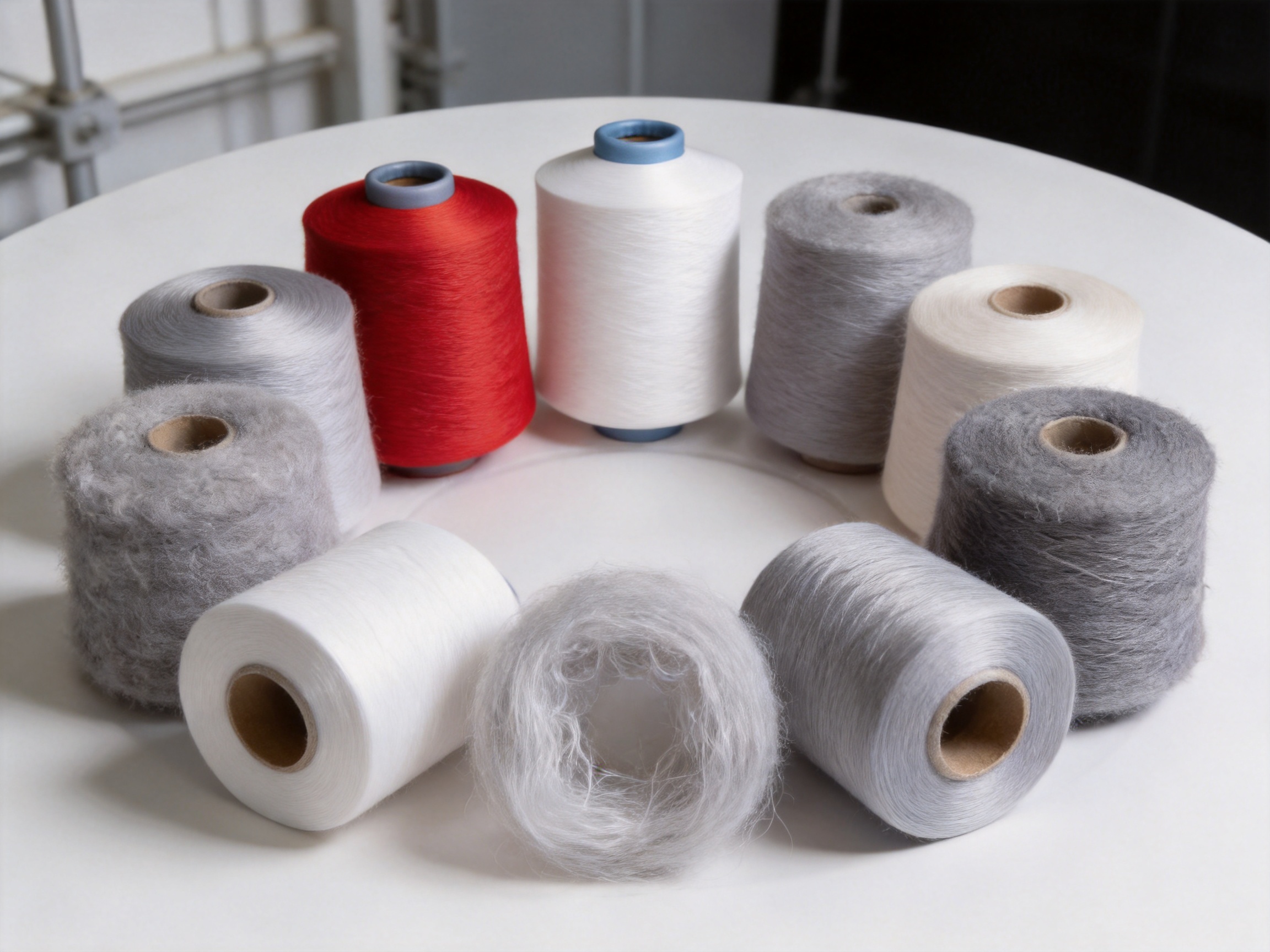
- 17 Product: General diagram of DTY except colored silk
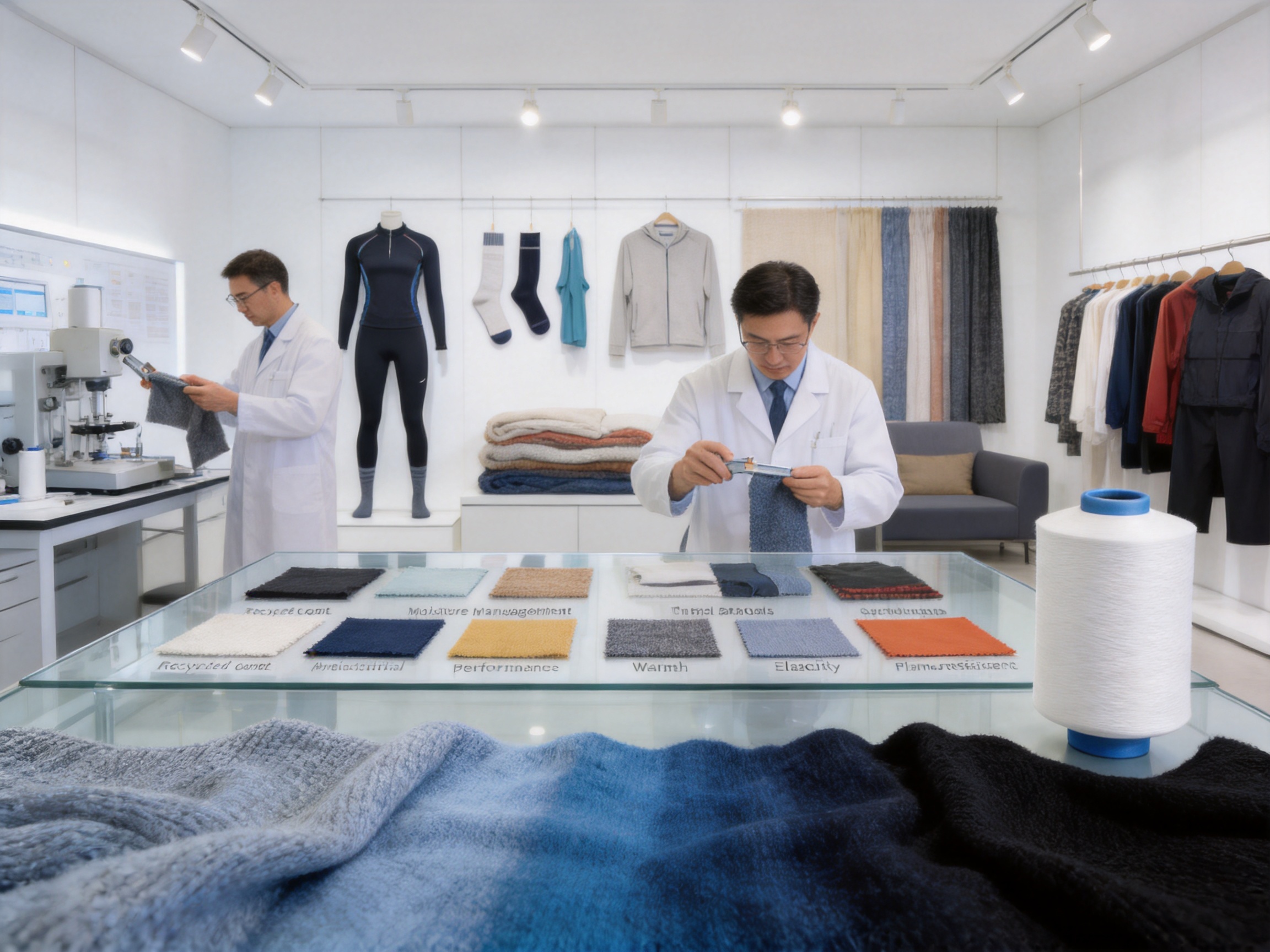
Draw textured yarn, commonly known as DTY, is one of the most versatile products in the polyester yarn sector. It combines the strength and dimensional stability of polyester with a textured structure that provides stretch, softness, bulk, resilience, and a comfortable hand feel. For knitting, weaving, home textiles, sportswear, fashion garments, upholstery, and technical applications, DTY yarn is often selected when manufacturers need dependable processing performance and attractive fabric appearance.
The product range described in this article covers a broad selection of DTY yarn specifications, including recycled DTY, semi-dull DTY, full-dull DTY, cationic-dyeable DTY, dope-dyed combinations, high-elastic yarn, PBT/PET blended yarn, flame-retardant yarn, antibacterial yarn, moisture-wicking yarn, hollow warm yarn, cotton-like yarn, and other differentiated products. The range is designed to support both standard textile production and specialized applications requiring particular functional or visual effects.
Rather than offering only a limited group of conventional yarn counts, the manufacturer provides multiple denier and filament combinations. This enables fabric producers to select yarn according to fabric weight, surface effect, elasticity, dyeing requirement, recovery performance, and end-use purpose. The product list includes yarns such as 30/24, 50/72, 75/36, 100/144, 150/288, and many other combinations. These specifications allow customers to develop lightweight fabrics, medium-weight knitted materials, structured woven fabrics, elastic textiles, and technical products from one coordinated supply source.
Suzhou Junhui Textile Co., Ltd. and Suzhou Xiaoran New Materials Co., Ltd. focus on differentiated yarn development and textile material applications. Their product portfolio includes recycled yarn, polyester dope-dyed yarn, cationic-dyeing yarn, microfine yarn, flame-retardant yarn, functional yarn, and knitting fabrics. With extensive export experience and a professional research and development team, the companies are positioned to support international customers seeking consistent quality, flexible customization, and practical technical guidance.
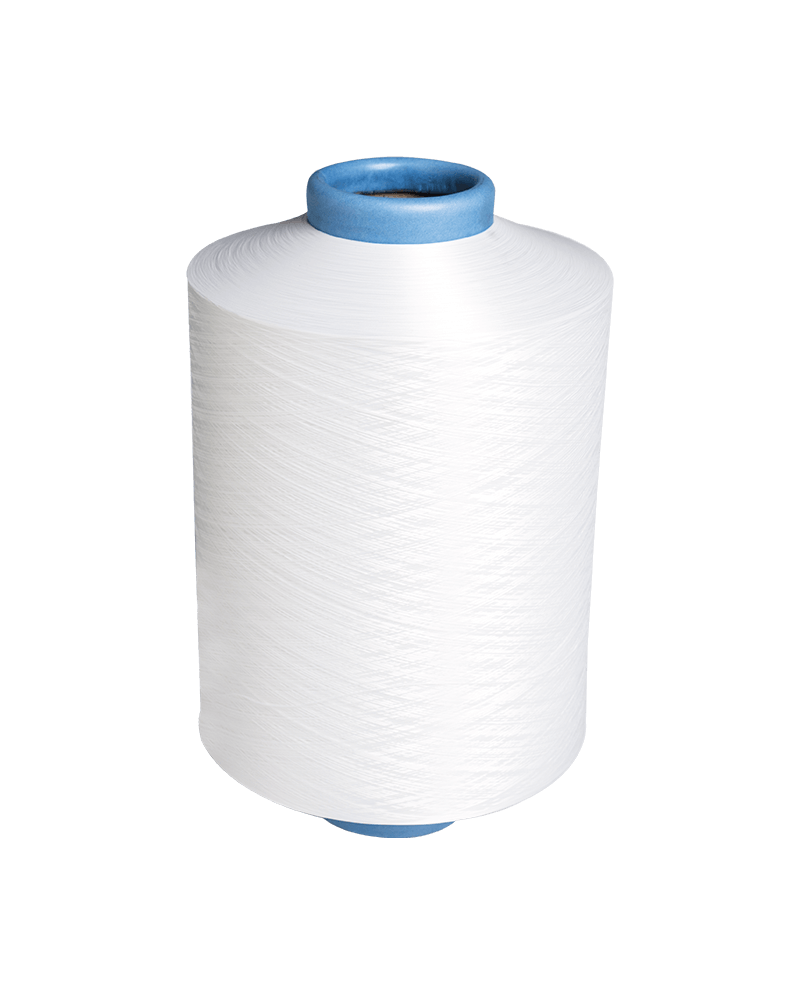
General diagram of DTY except colored silk
Understanding DTY Yarn
DTY is produced by texturing partially oriented yarn through a process that introduces controlled crimp, bulk, and elasticity. The texturing process changes the straight filament structure into a more three-dimensional form. This gives the yarn a softer touch, improved covering power, better resilience, and an appearance that is more suitable for apparel and home textile applications than a completely flat filament yarn.
The first number in a specification usually represents the yarn denier, while the second number generally indicates the number of filaments. For example, 75/72 refers to a yarn with a nominal 75-denier linear density and 72 filaments. The exact interpretation and commercial standard may vary according to the product type, but the designation provides a useful reference for selecting yarn fineness and filament distribution.
A higher filament number at a similar denier generally produces a finer filament structure and can contribute to a softer hand feel and smoother surface. A lower filament number may provide a somewhat more defined filament character and can be useful when a different appearance or processing behavior is required. Denier and filament selection should therefore be matched to the intended fabric construction, knitting gauge, weaving density, finishing process, and performance requirements.
DTY yarn may be supplied in different luster categories. Semi-dull yarn, often abbreviated as SD, has a controlled level of brightness and is widely used for general apparel and home textile applications. Full-dull yarn, commonly abbreviated as FD, contains a higher degree of delustering and provides a softer, less reflective appearance. Cationic-dyeable yarn, or CD yarn, is engineered to accept cationic dyes and can be combined with conventional polyester to create contrast effects, two-tone appearances, or special color designs.
Other product descriptions, such as DDB, SD+CD, white and black, high-elastic, PBT/PET, and functional yarn, indicate specific performance or visual characteristics. These options give textile manufacturers greater freedom to develop fabrics with customized appearance, comfort, stretch, dyeing behavior, thermal properties, or special functionality.
Core Product Categories
Recycled DTY Yarn
Recycled DTY is designed for customers who wish to increase the recycled content of their textile products. The recycled series includes recycled semi-dull DTY, recycled full-dull DTY, recycled semi-dull FDY, recycled DDB DTY, recycled cationic-dyeable DTY, and recycled semi-dull plus cationic-dyeable DTY. The listed specifications cover a broad range, including 15/6, 20/12-24, 30/12-24-36, 50/36-48-72, 75/36-72-144, 100/36-48-96-144, 150/48-96-144-288, and 300/96-192-288-576.
The major advantage of recycled DTY is that it allows fabric producers to address sustainability targets without abandoning the processing benefits associated with textured polyester. Recycled polyester yarn can be used in sportswear, casualwear, fleece, knitted fabrics, bags, furnishings, and a variety of consumer textile products. Depending on the application and certification requirements, buyers may request documentation concerning recycled raw materials, traceability, and production compliance.
Compared with a supplier offering only standard virgin polyester, a diversified recycled yarn program gives customers more options for developing environmentally oriented product lines. It also helps brands respond to market demand for recycled content, resource efficiency, and lower dependence on newly produced polymer feedstock.
Normal Semi-Dull and Full-Dull DTY
The normal series is the foundation of the product range. It includes semi-dull DTY, full-dull DTY, semi-dull DDB yarn, and multiple common specifications. Examples include 25/72, 30/12-24-36-72, 50/36-48-72-144, 75/36-48-72-144, 100/36-48-96-144, 120/144, 150/48-96-144-288, 200/96-288-384, and 300/96-192-288-576.
These yarns are suitable for a wide range of knitting and weaving applications. Fine denier options can be used for lightweight garments, lining materials, soft jersey, underwear, and fine-gauge knitted products. Medium and heavier options are suitable for outerwear, sportswear, upholstery, blankets, curtains, and structured fabrics.
Normal DTY is valued for its balanced combination of processability, strength, recovery, bulk, and cost efficiency. It is an economical choice for large-volume production, particularly when the customer requires stable supply and consistent specifications over repeated orders. The wide selection of filament counts helps textile mills adjust surface softness, fabric coverage, and visual effect without changing to an entirely different fiber family.
Cationic-Dyeable DTY
Cationic-dyeable DTY is designed for applications where differential dyeing is required. It can be dyed with cationic dyes, while conventional polyester components respond differently under suitable dyeing conditions. This makes it possible to produce mélange effects, two-color effects, stripes, checks, textured patterns, and other visual contrasts.
The CD series includes specifications such as 25/24, 30/24-36, 50/36-72, 75/36-72-144, 100/36-48-72-144, 150/48-144-288, and 300/96. The semi-dull plus cationic-dyeable series includes options such as 50/48-72, 75/48-72, 80/72, 100/72-108-144, 125/72-144, 150/72-108-144, and 300/96-144-288.
The primary competitive advantage of cationic-dyeable yarn is design flexibility. A fabric mill can obtain a richer appearance from a relatively simple construction by combining yarns with different dye affinities. This may reduce the need for complex printing or additional surface treatments while giving the finished textile a distinctive visual identity.
Dope-Dyed and White-and-Black Yarn
Dope-dyed yarn is colored during polymer preparation or spinning rather than being dyed only after the yarn has been formed. This approach can provide strong color consistency, efficient production, and reduced dependence on conventional after-dyeing processes. It may also help lower water and chemical consumption in certain downstream applications.
The product information includes SD DDB DTY and white-and-black yarn options. White-and-black specifications include products such as 100D B01/B02/B03 and 150D B01/B02/B03, as well as 80D/72-84. These yarns can be used to create contrast effects, patterned fabrics, sportswear details, decorative textiles, and fashion materials with a distinctive visual structure.
For customers competing in markets where color repeatability and production efficiency are important, dope-dyed yarn can offer an advantage over basic undyed yarn that must undergo extensive downstream dyeing. However, color selection, shade approval, lightfastness, and lot consistency should always be confirmed before bulk production.
High-Elastic Yarn
The high-elastic series is developed for fabrics requiring enhanced stretch and recovery. The listed products include 30/12, 50/36-72, 60/72, 75/36-72, and 150/48-144. Additional high-elastic options are offered in semi-dull and full-dull forms, including 30/24, 50/36-48-72, 75/36-48-72, 150/72-144, and 300/96-144.
High-elastic DTY is suitable for close-fitting clothing, sportswear, yoga garments, leggings, swimwear, socks, active fashion, and knitted fabrics that require comfortable movement. Its value is not limited to stretch alone. A useful elastic yarn must also provide recovery after repeated deformation, stable behavior during knitting, acceptable fabric appearance, and compatibility with finishing processes.
Compared with ordinary DTY, high-elastic yarn may help textile manufacturers create fabrics with better body fit and movement comfort. The appropriate specification depends on the desired stretch direction, fabric construction, blend ratio, and whether the material will be combined with elastane or other elastic fibers.
PBT/PET Blended Yarn
PBT/PET yarn combines polybutylene terephthalate and polyethylene terephthalate characteristics in one textile solution. The product range includes PBT/PET options such as 50/48 and 75/36, together with PBT/PET DDB products. This type of yarn may be selected when a fabric requires a balance of elastic recovery, softness, dimensional stability, and polyester compatibility.
PBT/PET yarn can be useful in stretch fabrics, sportswear, socks, intimate apparel, knitted garments, and products where comfortable movement is important. It may provide an alternative design route for customers who want elastic behavior but do not want to rely exclusively on conventional elastane blends.
As with all specialized yarns, the final performance depends on yarn construction and fabric processing. Knitting tension, heat setting, dyeing temperature, finishing conditions, and fabric density should be evaluated through sampling before commercial production.
Functional DTY Yarn
The functional series includes flame-retardant yarn, antibacterial yarn, and moisture-wicking yarn. These products are intended for applications where standard polyester properties are not sufficient and the fabric must contribute additional performance.
Flame-retardant yarn options include semi-dull and full-dull specifications such as 75/36-72 and 150/36-48-144. These yarns may be considered for workwear, uniforms, transportation textiles, protective products, furnishings, and other applications where resistance to ignition or flame spread is important. The required flame-retardant standard must be defined by the buyer because regulations differ according to country, end use, and product category.
Antibacterial yarn options include 50/48-72, 75/36-48-72, and 150/48-72-96-144. Such yarns may be used in sportswear, socks, underwear, bedding, towels, healthcare-related textiles, and other products where odor control or microbial management is desired. Performance should be assessed using the relevant laboratory method and after the expected number of washing cycles.
Moisture-wicking yarn includes 30/24, 50/48-72, 75/48-72, and 150/48-72. These products are suitable for activewear, outdoor clothing, base layers, casualwear, and fabrics designed to move moisture away from the skin. Moisture management is affected by yarn geometry, fabric construction, surface area, finishing, and garment design, so the yarn should be tested as part of the complete textile system.
Cotton-Like Yarn
Cotton-like yarn is intended to create a natural-looking and comfortable textile appearance while maintaining the processing advantages of polyester. The product list includes 32S, 40S, and 80S cotton-like specifications.
This product category can help manufacturers create fabrics with a softer, more cotton-inspired hand feel, reduced moisture sensitivity, and improved dimensional stability compared with many natural-fiber alternatives. Cotton-like yarn may be used in T-shirts, casualwear, knitted fabrics, home textiles, children’s apparel, and blended textile products.
The main advantage is design versatility. Manufacturers can pursue a natural appearance and comfortable touch while benefiting from polyester’s strength, durability, quick drying, and resistance to shrinkage. This is particularly useful when consumers want cotton comfort but also expect easy care and long service life.
Hollow Warm Yarn
Hollow warm yarn is engineered with a hollow or modified cross-sectional structure that can help improve bulk and thermal insulation. The listed products include 75/72 and 150/144.
The hollow structure may trap additional air within the textile system, supporting a warmer and lighter fabric concept. Potential applications include thermal underwear, sweaters, winter sportswear, blankets, quilts, scarves, and other cold-weather products.
Hollow warm yarn is an example of how cross-sectional engineering can change the performance of a polyester material. Instead of increasing weight to improve warmth, a textile producer may use a specialized yarn structure to seek a better balance between lightness, coverage, softness, and thermal comfort.
Acy Yarn and Differentiated Products
The product list also includes Acy yarn specifications such as 40+75/36-72, 30+100/96, and 40+150/48-96-144. Acy yarn may be used in designs requiring a combined yarn effect, enhanced texture, or a particular elastic and visual character. The exact construction and application should be confirmed with the technical team before ordering.
The company also states that it can accept orders for various types of differentiated yarn. This indicates a willingness to support custom development rather than limiting customers to a fixed standard catalog. For textile mills, this flexibility can be valuable when a fabric requires an unusual combination of denier, filament count, luster, color, elasticity, or functional treatment.
Product Specification Overview
| Product series | Representative specifications | Typical advantages | Potential applications |
|---|---|---|---|
| Recycled DTY | 15/6, 50/36-48-72, 75/36-72-144, 150/48-96-144-288, 300/96-192-288-576 | Recycled-content option, textured performance, broad count selection | Sustainable apparel, sportswear, home textiles, bags, furnishings |
| Normal SD and FD DTY | 30/12-24-36-72, 50/36-48-72-144, 75/36-48-72-144, 150/48-96-144-288 | Balanced cost, softness, bulk, resilience, processing stability | Knitting, weaving, garments, household textiles |
| Cationic-dyeable DTY | 25/24, 50/36-72, 75/36-72-144, 100/36-48-72-144, 300/96 | Differential dyeing and contrast effects | Fashion fabrics, mélange textiles, stripes, checks |
| High-elastic yarn | 30/12, 50/36-72, 75/36-72, 150/48-144 | Stretch, recovery, comfort, close-fit performance | Sportswear, leggings, socks, activewear |
| Functional yarn | Flame-retardant, antibacterial, moisture-wicking | Additional performance for specific end uses | Protective clothing, activewear, bedding, uniforms |
| Cotton-like and hollow warm yarn | 32S, 40S, 80S; 75/72 and 150/144 | Natural hand feel, warmth, softness, lightweight bulk | Casualwear, winter clothing, blankets, thermal products |
Advantages Compared with Limited-Scope Suppliers
Broader Product Selection
One of the strongest advantages of this product program is its breadth. Many yarn suppliers specialize in only one or two categories, such as standard semi-dull DTY or ordinary full-dull yarn. A broader range covering recycled, cationic, high-elastic, dope-dyed, functional, cotton-like, and hollow warm products gives buyers more freedom to coordinate several fabric programs with one experienced supplier.
This can simplify purchasing, technical communication, sampling, and quality management. A customer developing a sportswear collection, for example, may need recycled high-elastic yarn for one fabric, moisture-wicking yarn for another, and standard semi-dull DTY for a third. A diversified supplier can help manage these requirements within a unified development relationship.
Support for Differentiated Textile Development
Price competition in the textile industry is intense. Manufacturers that rely only on standard yarn often compete primarily on cost and volume. Differentiated yarn allows fabric producers to compete through functionality, appearance, comfort, sustainability, and application-specific value.
Cationic-dyeable yarn can create visual contrast. Hollow warm yarn can support thermal performance. Moisture-wicking yarn can improve activewear comfort. Antibacterial yarn can add a hygiene-oriented feature. High-elastic and PBT/PET yarn can improve movement and recovery. Recycled yarn can support sustainability claims when appropriate documentation is available.
These product differences give downstream manufacturers more opportunities to create fabrics that are difficult to replace with basic commodity yarn. The result may be stronger product identity, improved customer value, and greater access to specialized textile markets.
Flexible Denier and Filament Combinations
The extensive denier and filament selection is another important advantage. Textile manufacturers rarely require one universal yarn. A fine-gauge knitted fabric may need a different filament arrangement from a heavy upholstery fabric. A soft next-to-skin textile may require a finer filament structure, while a firm woven fabric may prioritize dimensional stability and coverage.
Offering numerous combinations helps customers optimize their production rather than adapting every fabric to a narrow supplier specification. It also supports the development of fabrics with controlled transparency, drape, bulk, surface smoothness, and mechanical performance.
Combination of Standard and Custom Products
Standard products are important because they provide familiar specifications, predictable processing, and efficient replenishment. Custom products are equally important when a customer needs a special result. The ability to supply both standard and differentiated yarn allows the manufacturer to serve large-volume routine orders while also supporting research and development projects.
Customers can begin with an established specification and later request adjustments to luster, filament count, elasticity, color, recycled content, or functional treatment. This creates a practical path from initial sampling to commercial production.
Export-Oriented Service
More than 90 percent of the products are reported to be exported, and the companies have established customer relationships in 36 countries. International experience can help a supplier understand the importance of packaging, documentation, production scheduling, communication across time zones, and shipment coordination.
For overseas buyers, technical support is often as important as the yarn itself. Clear product specifications, fast responses, sample management, inspection coordination, and problem-solving support can reduce the risk associated with international sourcing. The company states that its experts are prepared to provide assistance within 12 hours globally, which reflects a service model focused on timely communication.
Advanced Manufacturing and Development Process
Raw Material Selection
DTY quality begins with the polymer and the partially oriented yarn used as the feedstock. Raw material selection influences tensile strength, elongation, thermal behavior, dyeing response, luster, and texturing stability. A reliable manufacturing process therefore requires controlled incoming-material inspection and clear specification management.
For recycled products, raw-material traceability becomes particularly important. Recycled feedstock must be managed carefully to achieve stable quality and consistent performance. Variations in polymer history, intrinsic viscosity, contamination, moisture, and color can affect spinning and texturing behavior. A professional production system should identify these variables and establish suitable control procedures.
Precision Texturing
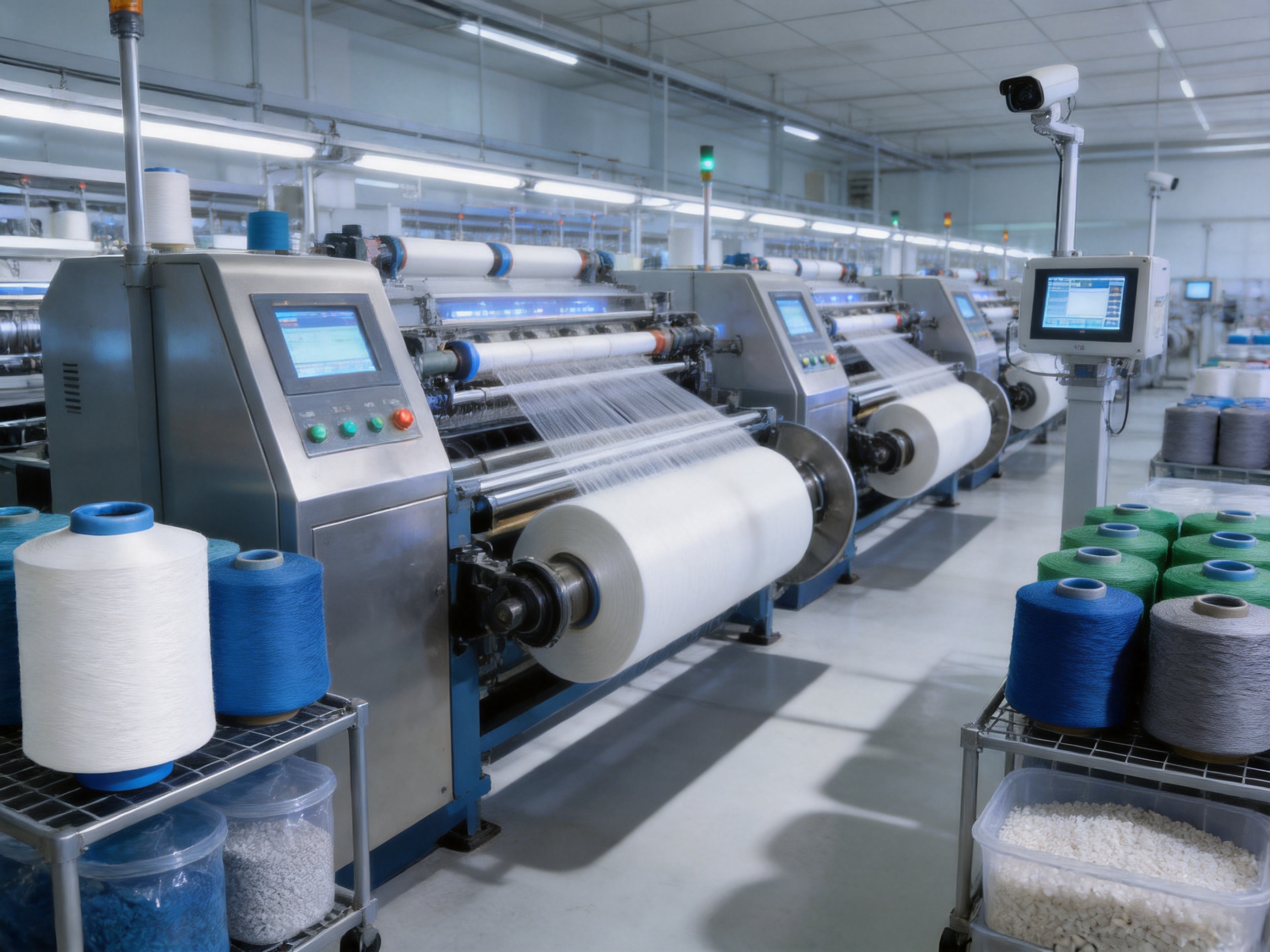
The texturing stage is responsible for creating the crimp and bulk that define DTY. Important process parameters include heater temperature, drawing ratio, false-twist conditions, yarn speed, overfeed, interlacing, and winding tension. These parameters must be matched to the polymer type, denier, filament count, and target performance.
Stable texturing helps produce uniform crimp, consistent elongation, controlled shrinkage, and a regular yarn package. If the process is not properly controlled, problems may include uneven dye uptake, variable bulk, unstable knitting tension, broken filaments, excessive hairiness, or inconsistent fabric appearance.
Advanced manufacturing is not simply a matter of using modern machinery. It also depends on process knowledge, equipment calibration, preventive maintenance, operator training, recipe control, and data-based quality management. These elements work together to ensure that the finished yarn performs consistently from one lot to the next.
Control of Yarn Tension and Package Formation
Uniform tension is essential during texturing and winding. Excessive tension may reduce the desired crimp or create hard packages, while insufficient tension can result in loose winding, poor package stability, and feeding problems during knitting or weaving.
Well-formed packages help downstream customers achieve smooth unwinding and stable machine performance. Package hardness, winding density, tail placement, labeling, and packaging protection all affect transportation and production efficiency. For export orders, packaging must also protect yarn from moisture, contamination, compression, and handling damage.
Functional Modification
Functional yarns require additional development and control beyond standard DTY production. Flame-retardant yarn, antibacterial yarn, moisture-wicking yarn, recycled yarn, hollow warm yarn, and cationic-dyeable yarn each have different material and process requirements.
Functional performance may be introduced through polymer modification, additive incorporation, cross-sectional design, blending, surface engineering, or a combination of methods. The selected approach must be compatible with spinning, texturing, dyeing, finishing, and the expected service conditions of the final product.
For example, moisture-wicking performance is influenced by the yarn’s surface structure and the way the yarn is converted into fabric. Hollow structures may support warmth by increasing air retention. Cationic components must be distributed consistently to produce reliable differential dyeing. Flame-retardant and antibacterial products require careful performance testing to verify that the intended property is maintained during use and laundering.
Research and Development Capability
The companies maintain a professional research and development team and work with internationally recognized enterprises on environmental protection and functional yarn and fabric applications. This collaborative approach is valuable because modern textile development often requires cooperation across the supply chain.
Yarn producers understand polymer and spinning technology. Knitters and weavers understand fabric construction. Dyeing and finishing mills understand coloration and surface treatment. Garment manufacturers understand comfort and end-use requirements. By discussing the product throughout the chain, a supplier can develop yarn solutions that are more practical than products designed only from a laboratory perspective.
R&D capability also supports continuous improvement. Customer feedback may identify a need for better recovery, softer touch, improved dyeing uniformity, lower shrinkage, higher recycled content, or improved machine performance. These requirements can guide new product development and process optimization.
Quality Control for DTY Yarn
Quality control should cover raw materials, production conditions, finished yarn properties, package appearance, and customer application performance. A comprehensive inspection program may include the following characteristics:
- Linear density and denier consistency.
- Filament count and yarn construction.
- Tensile strength and elongation.
- Crimp contraction and crimp stability.
- Boiling water shrinkage or thermal shrinkage.
- Interlace level and cohesion.
- Oil content and finish uniformity.
- Yarn evenness and defect frequency.
- Color consistency for dope-dyed products.
- Dyeing behavior for semi-dull, full-dull, and cationic products.
- Elastic recovery for high-elastic and PBT/PET yarns.
- Functional performance for antibacterial, moisture-wicking, and flame-retardant products.
Testing should be carried out according to the customer’s technical agreement and the applicable industry standards. A yarn may meet a basic specification but still perform poorly in a particular knitting or weaving process if tension, crimp, package density, or finish levels are not appropriate. For this reason, application trials are an important part of quality assurance.
Lot-to-lot consistency is especially important for large textile programs. Small differences in yarn properties may become visible after dyeing, heat setting, brushing, raising, or other finishing operations. Consistent production records and retained samples help identify any variation and support corrective action when necessary.
Applications Across Textile Markets
Apparel
DTY yarn is widely used in T-shirts, polo shirts, dresses, skirts, sportswear, leggings, jackets, underwear, socks, children’s clothing, and fashion fabrics. Semi-dull yarn provides a balanced appearance for everyday garments, while full-dull yarn can create a softer and more subdued visual effect.
High-elastic yarn and PBT/PET yarn are suitable for garments requiring movement and recovery. Moisture-wicking yarn supports activewear and outdoor clothing. Antibacterial yarn may be selected for socks, underwear, sportswear, and garments marketed around freshness or odor management. Cotton-like yarn can be used when a natural hand feel is desired.
Home Textiles
DTY is also used for curtains, blankets, bed coverings, upholstery, cushion fabrics, decorative textiles, and household knitted products. Heavier denier options can provide coverage and durability, while specialized structures can contribute softness, warmth, or visual texture.
Hollow warm yarn may be appropriate for winter bedding and thermal products. Recycled yarn can support home textile collections with sustainability objectives. Dope-dyed yarn can be considered for products where color stability and reduced downstream dyeing are priorities.
Sportswear and Outdoor Products
Sportswear requires a combination of stretch, recovery, moisture management, softness, durability, and color stability. No single yarn property determines final garment performance, but the right DTY selection can provide a strong foundation for fabric engineering.
High-elastic yarn supports body movement and close-fitting designs. Moisture-wicking yarn may assist in transporting perspiration through the fabric. Recycled yarn can help brands incorporate recycled content into sportswear collections. Functional products can also be combined with suitable knitting structures and finishing treatments to achieve a balanced performance profile.
Technical and Protective Textiles
Flame-retardant DTY can be considered for selected protective clothing, workwear, transportation materials, furnishings, and industrial textiles. The required performance must be verified against the relevant regulation or testing protocol. Technical textile customers should define exposure conditions, washing requirements, fabric weight, and certification needs at the beginning of the development process.
Specialized yarn development is particularly important in technical applications because the textile must perform consistently under demanding conditions. A supplier with experience in functional yarns can assist with material selection, sample development, and the interpretation of test results.
How to Select the Correct DTY Specification
Begin with the Fabric End Use
The first step is to identify the final product. A lightweight blouse, a compression garment, a winter blanket, and a curtain require different combinations of denier, filament count, luster, bulk, and recovery. Starting with the end use prevents the buyer from selecting yarn based only on price or nominal denier.
Consider Fabric Construction
Knitting gauge, stitch density, weave structure, fabric weight, and blend ratio all influence the most suitable DTY specification. Fine-gauge knitting may favor fine denier and a higher filament count. A heavy fabric may require a larger denier or a lower filament count. The supplier should be informed of the intended machine and fabric construction whenever possible.
Define Appearance Requirements
Choose semi-dull, full-dull, cationic, dope-dyed, white-and-black, or other options according to the desired visual result. Semi-dull yarn is a common choice for a balanced appearance. Full-dull yarn provides reduced shine. Cationic-dyeable yarn can create contrast. Dope-dyed yarn can deliver color within the polymer structure. A sample should always be evaluated after the intended dyeing and finishing process.
Evaluate Stretch and Recovery
For sportswear, fitted garments, socks, and other elastic fabrics, the buyer should define the required stretch percentage and recovery behavior. High-elastic DTY and PBT/PET yarn may offer different performance characteristics. If the fabric will be blended with elastane, the DTY must be selected to work with the elastic component rather than considered independently.
Confirm Functional Requirements
For functional products, buyers should specify the required test standard, target performance, washing durability, and certification documentation. Terms such as antibacterial, flame-retardant, or moisture-wicking can describe broad product categories, but the commercial requirement must be expressed in measurable terms.
Request Trial Samples
Sampling is essential before bulk ordering. The trial should include knitting or weaving, dyeing, heat setting, finishing, and relevant physical tests. A successful yarn is not only one that meets the laboratory specification; it must also run smoothly on the customer’s equipment and produce the expected fabric appearance.
Customization and Order Support
Customization is an important part of differentiated yarn supply. Customers may request adjustments to denier, filament count, luster, color, elasticity, recycled content, cationic response, or functional properties. Some projects may require a new combination of existing technologies rather than a completely new yarn type.
A practical customization process begins with a technical brief. The brief should include the final application, fabric construction, machine type, target weight, desired hand feel, color requirements, performance standards, order quantity, packaging format, and expected delivery schedule. Providing this information allows the manufacturer to recommend a more appropriate specification.
Samples can then be produced for evaluation. During this stage, customers should assess yarn appearance, unwinding, knitting or weaving performance, dyeing uniformity, fabric hand feel, stretch recovery, shrinkage, and functional test results. Feedback from the trial can be used to adjust the product before bulk production.
The manufacturer’s willingness to accept orders for different types of differentiated yarn is beneficial for customers developing private-label or application-specific textile collections. Instead of selecting from a rigid catalog, buyers can discuss a target performance and work with the supplier to identify a feasible yarn structure.
Why Manufacturing Experience Matters
Textile yarn is a precision material. A specification sheet alone does not guarantee successful production. The supplier must understand how yarn properties interact with machines, fabric structures, dyeing conditions, finishing treatments, and garment design.
Manufacturing experience helps identify potential issues before they become costly. For example, a yarn that appears suitable by denier may create excessive tension on a high-speed knitting machine. A functional additive may affect dyeing behavior. A highly elastic yarn may require modified heat-setting conditions. A recycled yarn may need special process control to maintain evenness and strength.
A supplier with an established R&D and export background can help customers evaluate these factors. This reduces development time and improves the probability that the yarn will move successfully from sample stage to repeat commercial orders.
The company’s focus on environmental protection, functional yarn, recycled products, and differentiated materials reflects the direction of the modern textile industry. Buyers increasingly require products that combine technical performance with sustainability, design flexibility, and responsible manufacturing. A supplier capable of addressing all four areas can offer more value than a source focused only on basic commodity yarn.
Sustainability Considerations
Sustainability in textile production involves more than selecting recycled fiber. It can include raw-material efficiency, reduced water use, energy management, responsible chemical handling, durable products, low-waste production, and transparent supply-chain practices.
Recycled DTY provides one route toward higher recycled content. Dope-dyed yarn may help reduce the need for certain downstream dyeing processes. Durable polyester products can support longer service life when properly designed and maintained. Functional yarns may add value that enables a garment or textile to perform effectively with an optimized material quantity.
Customers should verify the specific sustainability documentation required for their market. This may include recycled-content evidence, chain-of-custody records, restricted-substance compliance, test reports, and factory-related certifications. Sustainability claims should be supported by appropriate documentation and should accurately describe the product and production process.
Packaging, Logistics, and International Supply
DTY yarn is normally supplied in carefully wound packages that must remain stable throughout storage and transportation. Packaging should protect the yarn from dust, moisture, crushing, and abrasion. Labels should identify the product name, specification, lot number, quantity, and other information required by the buyer.
International customers benefit from clear order confirmation and shipment planning. Important details include production lead time, sample approval, packing method, carton or pallet configuration, shipping documents, inspection arrangements, and delivery terms. Early communication is especially important for customized or functional yarn because these products may require additional development and testing.
The manufacturer’s broad export experience provides a foundation for serving customers in different regions. International service also requires responsiveness when customers face issues related to machine settings, dyeing, fabric appearance, or product selection. Technical communication should continue after shipment so that the yarn can be used successfully in the customer’s production environment.
Recommended Purchasing Workflow
Define the final fabric or garment application.
Select the required yarn category, such as recycled, normal, cationic, elastic, functional, cotton-like, or hollow warm.
Confirm denier, filament count, luster, color, and special performance requirements.
Provide details about knitting, weaving, dyeing, finishing, and testing conditions.
Request samples and technical documents.
Conduct a production trial using the intended equipment.
Evaluate physical properties, appearance, dyeing, hand feel, and end-use performance.
Approve the final specification and packaging requirements.
Confirm production schedule, inspection plan, and shipping arrangements.
Maintain a repeat-order record to support consistent future supply.
This workflow helps prevent misunderstandings and makes the development process more efficient. It also gives both parties an opportunity to identify technical risks before the customer commits to a large volume.
Q&A About DTY Yarn
What is DTY yarn used for?
DTY yarn is used for knitted and woven fabrics, apparel, sportswear, socks, underwear, curtains, blankets, upholstery, home textiles, and selected technical products. Its textured structure provides softness, bulk, stretch, resilience, and improved covering power.
What is the difference between SD and FD DTY?
SD means semi-dull, while FD means full-dull. Semi-dull yarn has a moderate level of luster and is suitable for many general textile applications. Full-dull yarn has a more subdued appearance and is often selected when reduced shine is desired.
What does the notation 75/72 mean?
The notation generally refers to approximately 75 denier and 72 filaments. Denier indicates linear density, while the filament number describes how many individual filaments form the yarn. The exact commercial interpretation should be confirmed on the supplier’s specification sheet.
What is the advantage of recycled DTY?
Recycled DTY allows textile manufacturers to incorporate recycled polyester into their products while retaining the general benefits of textured polyester. It can support sustainability programs and recycled-content product lines. Buyers should request the documentation and certification required for their specific market.
When should cationic-dyeable yarn be selected?
Cationic-dyeable yarn is suitable when the fabric requires differential dyeing, contrast, mélange, two-tone, stripe, or special color effects. It can be combined with conventional polyester components to create visual differences after dyeing.
Is high-elastic DTY the same as elastane?
No. High-elastic DTY is a textured polyester yarn designed to provide stretch and recovery, while elastane is a different fiber type with much higher extensibility. High-elastic DTY may be used alone or in combination with elastane, depending on the fabric’s performance requirements.
What is PBT/PET yarn used for?
PBT/PET yarn may be used for stretch fabrics, sportswear, socks, intimate apparel, and knitted products requiring a balance of elasticity, recovery, softness, and polyester compatibility.
How can moisture-wicking yarn improve a fabric?
Moisture-wicking yarn is designed to assist in moving moisture through the textile structure so that it can spread and evaporate more efficiently. Final performance also depends on yarn geometry, fabric construction, finishing, and garment design.
Are functional yarn properties permanent?
Durability depends on the functional technology, yarn construction, finishing process, laundering conditions, and end use. Antibacterial, flame-retardant, and moisture-wicking performance should be verified using appropriate tests, including durability testing when required.
Can customized DTY yarn be developed?
Yes. The manufacturer states that it accepts orders for different types of differentiated yarn. Customers can discuss specific requirements such as denier, filament count, luster, color, elasticity, recycled content, cationic dyeability, or functional performance.
Why are production trials important?
A production trial confirms that the yarn runs properly on the customer’s equipment and produces the desired fabric after dyeing and finishing. It can reveal problems involving tension, crimp, shrinkage, dyeing, stretch recovery, or package unwinding before bulk production begins.
What information should buyers provide when requesting a quotation?
Buyers should provide the yarn category, specification, quantity, color, intended application, required certifications, packaging preference, delivery destination, and target delivery date. Additional information about knitting or weaving conditions can improve the accuracy of the recommendation.
Conclusion
The DTY yarn portfolio presented here is designed to serve both conventional textile production and advanced differentiated applications. It includes recycled yarn, normal semi-dull and full-dull DTY, cationic-dyeable yarn, dope-dyed products, high-elastic yarn, PBT/PET yarn, flame-retardant yarn, antibacterial yarn, moisture-wicking yarn, cotton-like yarn, hollow warm yarn, and other specialized solutions.
The principal advantage over a narrow commodity supplier is the combination of product breadth, flexible specifications, functional development, recycled options, and technical support. Customers can select yarn according to appearance, hand feel, stretch, warmth, moisture management, dyeing effect, sustainability objective, and final application.
Behind the product range is an emphasis on research and development, international cooperation, process control, export service, and customer-oriented problem solving. The companies’ experience with customers in multiple countries and their focus on differentiated yarn provide a useful foundation for global textile manufacturers.
For the best result, buyers should treat yarn selection as a technical development process rather than a simple purchasing decision. By sharing detailed application requirements, conducting production trials, confirming testing standards, and maintaining clear communication, textile manufacturers can achieve more reliable quality and create fabrics with stronger market differentiation.
References
1. Product specification information supplied for recycled, normal, cationic, high-elastic, functional, cotton-like, hollow warm, and PBT/PET yarn series.
2. General principles of polyester filament yarn texturing, yarn denier, filament count, crimp formation, and package winding.
3. Textile testing practices for tensile properties, elongation, shrinkage, yarn evenness, dyeing performance, and elastic recovery.
4. General industry guidance concerning recycled polyester traceability and recycled-content documentation.
5. General technical references on moisture management, antibacterial textile performance, flame-retardant fibers, and differential dyeing.
6. Company information concerning research and development, export markets, differentiated yarn production, and textile application support.
Product: General diagram of DTY except colored silk

Popular products
-
Premium Cationic Interlock Stretch Comfort Fabric
-
Moisture-Wicking Nylon Woven Fabric
-
Double-faced jacquard elastic fabric
-
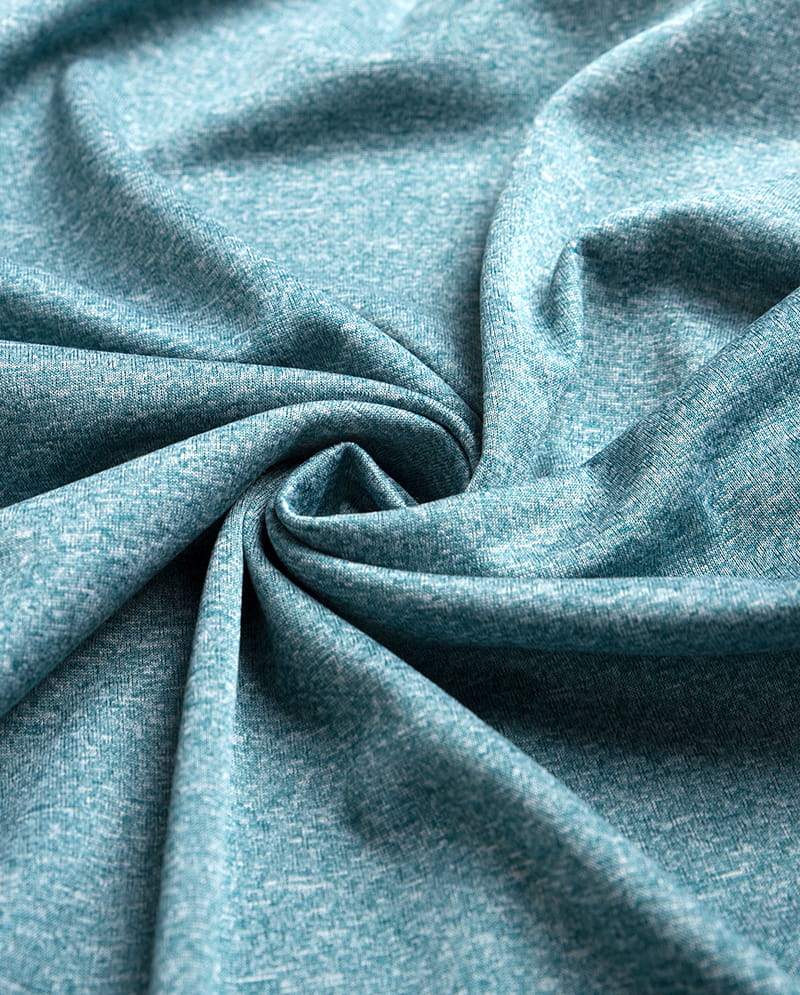
Heather Grey Double-faced cationic jersey fabric
-
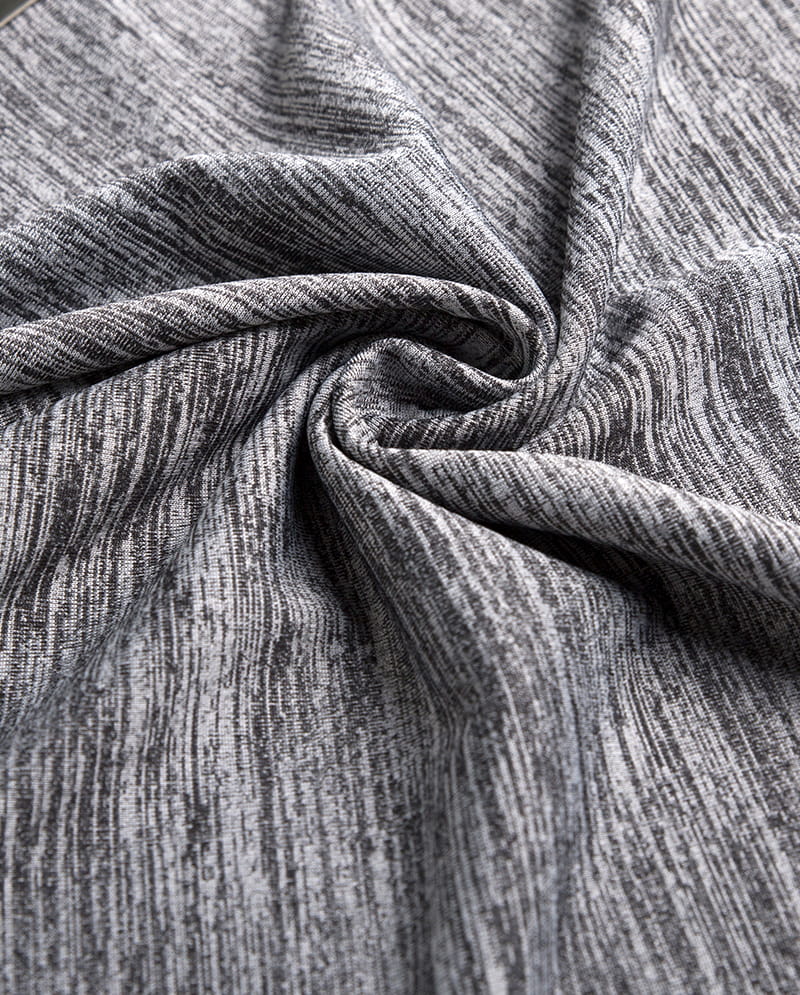
Anti-static Cationic Knitted Rib Fabric
-
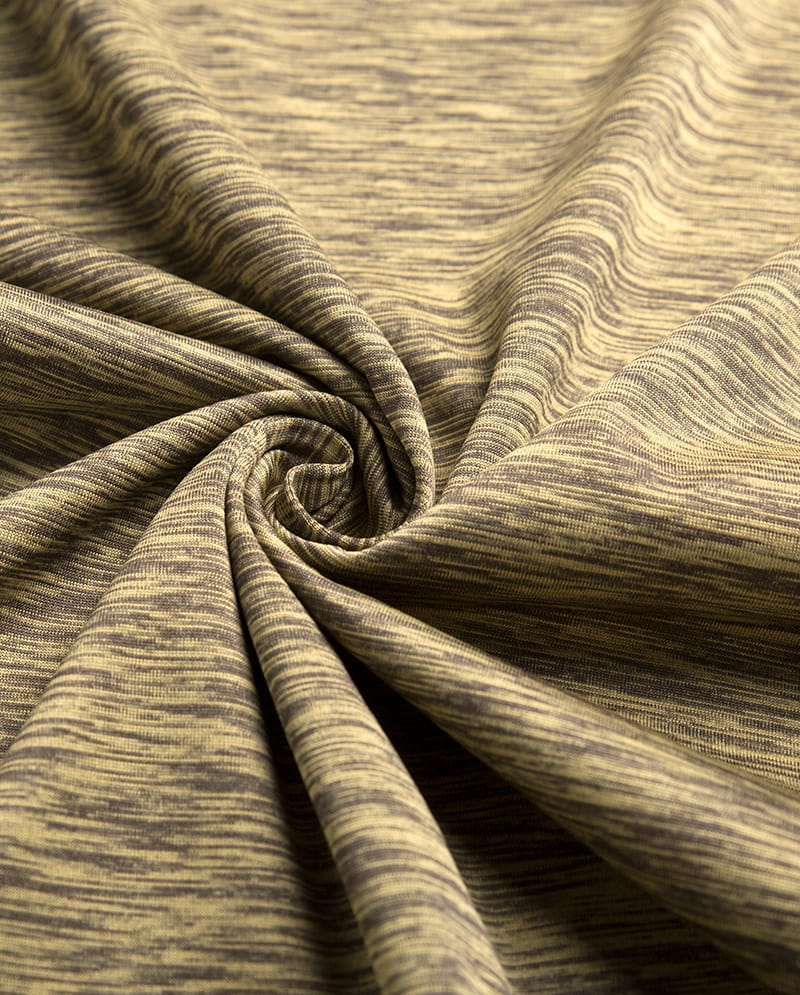
High-Stretch Cationic Jersey Fabric
-
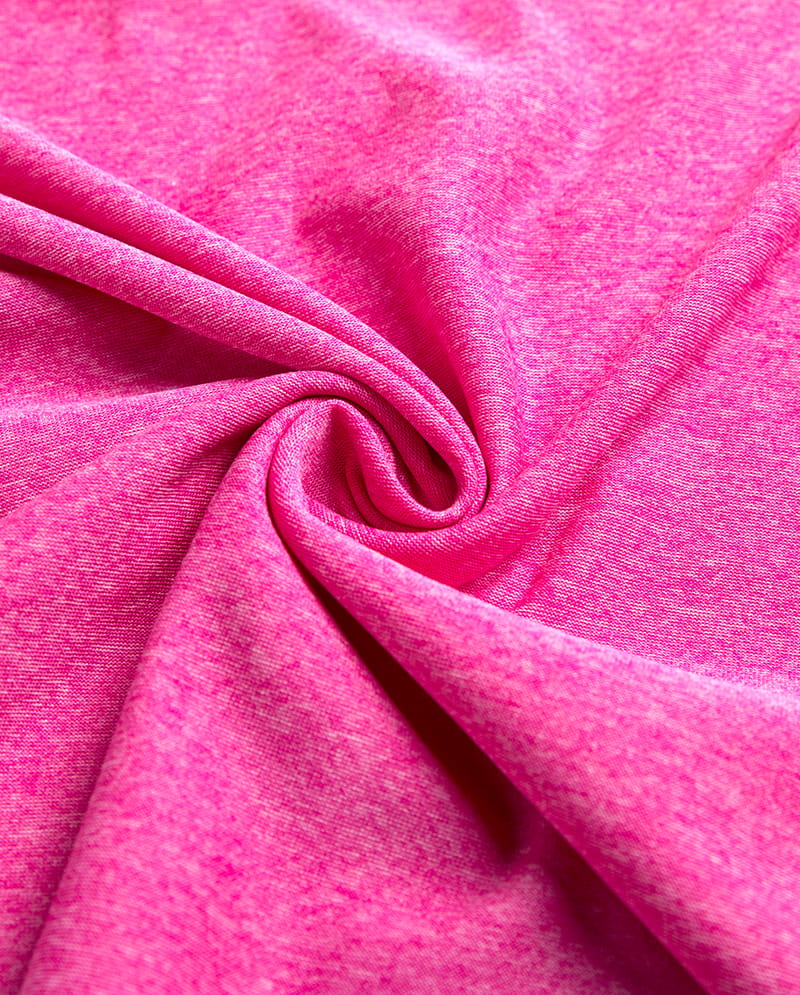
High Quality Cationic DTY Spandex Two Sides Brush Dralon Knit Fabric for Garment Thermal Underwear
-
Durable Anti-Pilling Knitted Fabric for Home Textiles
-
Wash-Resistant Cationic Elastic Knitted Fabric for Garment Industry
-
Breathable Double-Faced Elastic Composite Fabric
-
-
-
- whatsapp:
- 0086-13962559622
-
- skype:
- skype.aliceshenghong
-
- Wechat:

COPYRIGHT © 2016 Suzhou Junhui Textile Co., Ltd.
