

 EN
EN English
 中文简体
中文简体Advanced DTY Yarn Solutions for High-Performance Textile Manufacturing
Content
- 1 Understanding DTY Yarn and Its Role in Textile Production
- 2 Core Product Advantages Over Conventional Competitors
- 3 Product Specification Overview
- 4 Recycled DTY Yarn for Sustainable Textile Programs
- 5 Normal DTY Series for Reliable Everyday Production
- 6 Cationic Dyeable DTY for Fashion and Design Flexibility
- 7 High-Elastic DTY and PBT/PET Yarn for Comfort Stretch
- 8 Functional DTY for Specialized Textile Applications
- 9 Special Texture Options: Cotton-Like, Hollow Warm, and Air-Covered Yarn
- 10 Advanced Manufacturing Process and Technical Control
- 11 Quality Assurance from Yarn to Fabric
- 12 Applications Across Textile Markets
- 13 Why This DTY Range Stands Out in a Competitive Market
- 14 Selection Guidance for Buyers and Fabric Developers
- 15 Commitment to Differentiated Yarn Development
- 16 Q&A: Common Questions About DTY Yarn Selection and Use
- 16.1 What is DTY yarn?
- 16.2 What does a specification such as 75/72 mean?
- 16.3 What is the difference between semi-dull and full-dull DTY?
- 16.4 Why choose recycled DTY?
- 16.5 What is cationic dyeable DTY used for?
- 16.6 Which DTY yarn is suitable for stretch fabrics?
- 16.7 Can functional DTY be used in sportswear?
- 16.8 What should buyers consider before placing an order?
- 16.9 Can differentiated yarn be customized?
- 17 Future Outlook for DTY and Functional Polyester Yarn
- 18 Conclusion
- 19 References
Draw Textured Yarn, commonly known as DTY, is one of the most versatile yarn categories used in modern textile production. It combines strength, elasticity, bulk, softness, and process stability, making it suitable for knitting, weaving, home textiles, sportswear, fashion fabrics, industrial fabrics, upholstery, and functional textile applications. The DTY product range described here focuses on a broad specification system covering recycled DTY, semi-dull DTY, full-dull DTY, cationic dyeable DTY, high-elastic DTY, fire-retardant DTY, anti-bacterial DTY, moisture-wicking DTY, hollow warm yarn, cotton-like yarn, and air-covered yarn combinations.
This product family is designed for fabric manufacturers, garment suppliers, textile traders, dyeing mills, knitting factories, and weaving enterprises that require reliable polyester yarn with stable denier, even texture, good dyeing performance, and strong production adaptability. Compared with ordinary commodity yarn, the DTY range emphasizes differentiated functionality, environmental responsibility, specification completeness, and consistency from batch to batch. These advantages are especially important for customers who need long-term supply stability and yarn performance that can support large-scale fabric manufacturing.
Suzhou Junhui Textile Co., Ltd. and Suzhou Xiaoran New Material Co., Ltd. focus on the development and supply of differential yarn and functional textile materials. The company’s product portfolio includes recycled yarn, polyester drop-dyed yarn, microfine yarn, flame-retardant yarn, cationic dyeing yarn, knitting fabric products, and related textile solutions. With a professional research and development team and extensive export experience, the company serves customers across many international markets and supports clients in product selection, sample development, specification matching, and problem solving.
Understanding DTY Yarn and Its Role in Textile Production
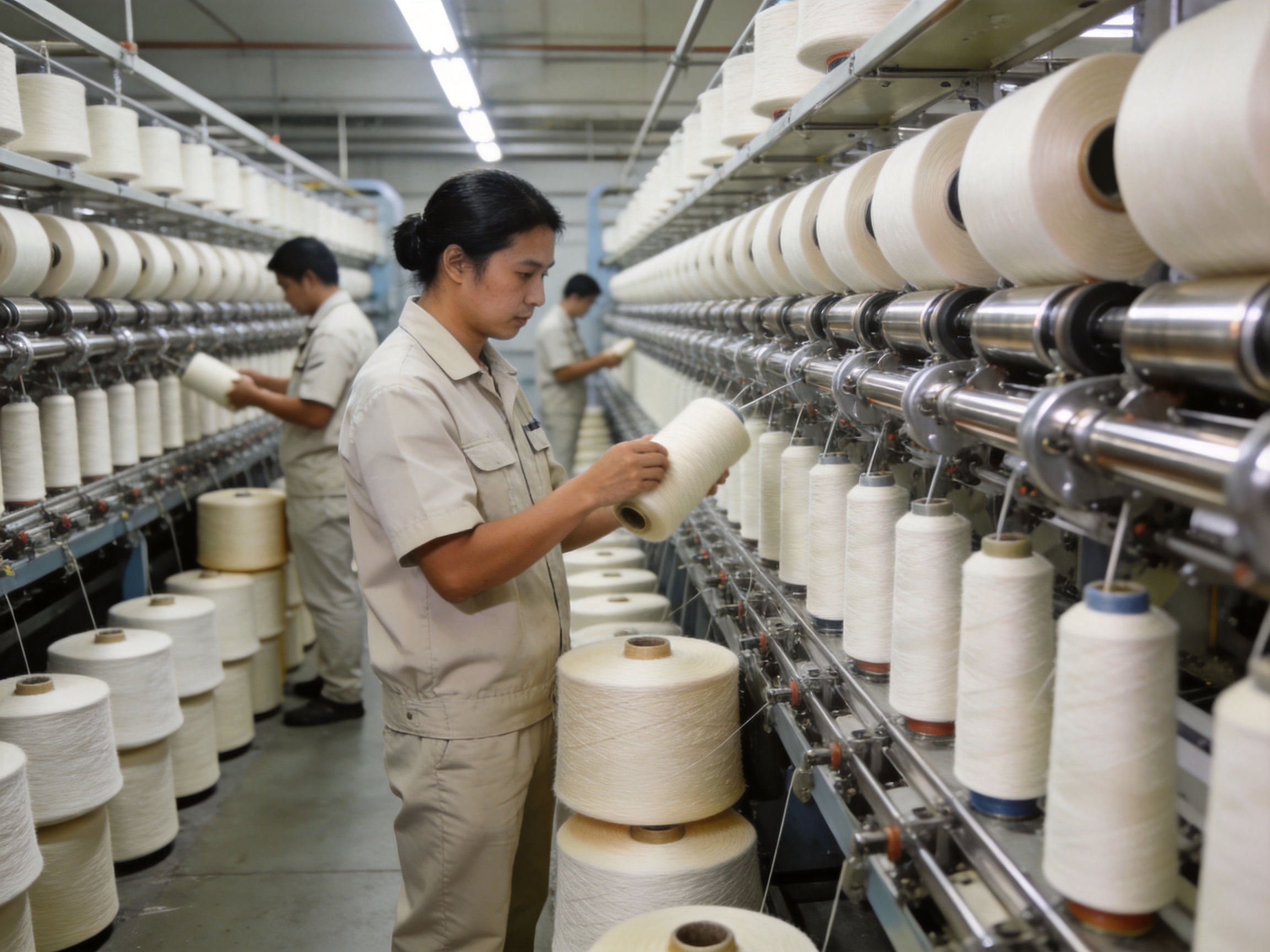
DTY is produced by texturing partially oriented yarn or other suitable feed yarn through a controlled mechanical and thermal process. During texturing, the yarn is twisted, heated, set, untwisted, and wound into a textured structure. This process creates crimp, bulk, stretch, and softness. As a result, DTY can provide fabric comfort and visual fullness while maintaining the durability and easy-care properties associated with polyester.
In fabric production, DTY offers several practical advantages. It improves hand feel, increases covering power, enhances stretch recovery, and supports stable processing on circular knitting machines, warp knitting machines, water-jet looms, air-jet looms, and other textile equipment. The yarn can be used alone or combined with other yarns such as spandex, cotton, nylon, viscose, or special functional fibers. This adaptability gives designers and manufacturers greater freedom when developing fabrics for different market segments.
The product list includes many common denier and filament combinations, such as 30/12, 50/36, 75/36, 75/72, 100/144, 150/48, 150/144, 300/96, and 300/288. In these specifications, the first number usually indicates denier, while the second number indicates filament count. A higher filament count often provides a softer and smoother touch, while lower filament counts can offer a more distinct texture or stronger fabric structure. By offering a wide specification range, the supplier helps customers select the most suitable yarn for each fabric design.
Core Product Advantages Over Conventional Competitors
The most important advantage of this DTY yarn range is specification completeness. Many textile suppliers only offer limited standard specifications, which may restrict fabric development. In contrast, this product system covers normal series, recycled series, cationic dyeable series, high-elastic series, functional series, hollow warm yarn, cotton-like yarn, and air-covered yarn. This breadth allows customers to consolidate procurement, reduce supplier complexity, and develop more fabric styles with one coordinated technical source.
A second advantage is the emphasis on differentiated yarn. Instead of focusing only on ordinary polyester DTY, the company develops yarns with special performance features, including flame retardancy, anti-bacterial function, moisture wicking, cationic dyeability, high elasticity, recycled content, hollow warmth, and cotton-like texture. These features help fabric manufacturers respond to market demand for comfort, sustainability, fashion diversity, and functional performance.
A third advantage is export-oriented quality awareness. Since a high percentage of products are supplied to international customers, the yarn must meet expectations for consistency, packaging, specification accuracy, dyeing reliability, and communication efficiency. Export customers often require repeat orders, strict shade control, stable elongation, predictable shrinkage, and low defect rates. The company’s service structure is designed around these requirements, offering professional guidance and rapid support for global customers.
A fourth advantage is the ability to provide yarn for both mass production and differentiated development. Customers can select conventional specifications for basic fabrics, while also ordering special yarns for premium or technical fabrics. This balance between standard production and customized differentiation makes the product range suitable for fast fashion suppliers, functional apparel manufacturers, home textile producers, and fabric innovators.
Product Specification Overview
The DTY range includes numerous denier and filament options. The following table summarizes representative series and common specifications. Actual specifications may be adjusted according to project requirements, fabric application, and order conditions.
| Product Series | Representative Yarn Types | Common Specifications | Typical Applications |
|---|---|---|---|
| Recycled Series | Recycle SD DTY, Recycle FD DTY, Recycle DDB DTY, Recycle CD DTY, Recycle SD+CD DTY | 15/6, 20/12-24, 30/12-24-36, 50/36-48-72, 75/36-72-144, 150/48-96-144-288, 300/96-192-288-576 | Sustainable apparel, sportswear, lining, knitted fabrics, eco-focused textile programs |
| Normal Series | SD DTY, FD DTY, SD DDB | 25/72, 30/12-24-36-72, 50/36-48-72-144, 75/36-48-72-144, 100/36-48-96-144, 150/48-96-144-288, 300/96-192-288-576 | General knitting and weaving, fashion fabrics, home textiles, lining, upholstery |
| CD Series | CD DTY, SD+CD DTY, White and Black DTY | 25/24, 30/24-36, 50/36-72, 75/36-72-144, 100/36-48-72-144, 150/48-144-288, 300/96 | Two-tone fabrics, differential dyeing, decorative textiles, fashion development |
| High-Elastic Series | High-elastic DTY, PBT/PET DTY, PBT/PET DDB | 30/12, 50/36-72, 60/72, 75/36-72, 150/48-144, PBT/PET 50/48, 75/36 | Stretch fabrics, sportswear, activewear, comfortable garments, elastic woven and knitted fabrics |
| Functional Series | Fire-retardant DTY, Anti-bacterial DTY, Moisture-wicking DTY | SD/FD 75/36-72, SD/FD 150/36-48-144, 50/48-72, 75/36-48-72, 150/48-72-96-144 | Protective textiles, hygiene textiles, outdoor fabrics, performance apparel |
| Special Texture Series | Cotton-like yarn, Hollow warm yarn, Air-covered yarn | 32S, 40S, 80S, 75/72, 150/144, 40+75/36-72, 30+100/96, 40+150/48-96-144 | Comfort fabrics, thermal textiles, stretch blends, soft-touch garments |
Recycled DTY Yarn for Sustainable Textile Programs
Recycled DTY is increasingly important as brands, retailers, and fabric manufacturers seek more responsible material solutions. The recycled series includes semi-dull DTY, full-dull DTY, DDB DTY, cationic dyeable DTY, and semi-dull plus cationic combinations. These options allow manufacturers to incorporate recycled polyester into a wide variety of fabric structures without sacrificing design flexibility.
The recycled series includes fine deniers such as 15/6 and 20/12-24, medium specifications such as 50/36-48-72 and 75/36-72-144, and heavier specifications such as 150/48-96-144-288 and 300/96-192-288-576. This range supports lightweight apparel, smooth linings, brushed fabrics, fleece, interlock, jersey, woven fabrics, bags, home textiles, and decorative materials.
Compared with ordinary recycled yarn suppliers that may offer only a few standard counts, this recycled DTY range provides wider filament choices and more product categories. Semi-dull yarn is suitable for balanced brightness and general fabric use. Full-dull yarn creates a softer matte appearance and is popular for premium apparel and sportswear. Cationic recycled DTY supports differential dyeing effects, while DDB and combined yarns can create special visual and functional properties.
The value of recycled DTY is not only environmental. It also helps textile customers develop products that meet current market expectations. Many apparel and home textile buyers now request recycled content as part of their sourcing criteria. By selecting recycled DTY from a supplier with broad technical capabilities, fabric mills can respond faster to customer inquiries and maintain better continuity in production.
Normal DTY Series for Reliable Everyday Production
The normal DTY series remains the foundation of many textile supply chains. It includes semi-dull DTY, full-dull DTY, and semi-dull DDB yarns in widely used specifications. These yarns are designed for stable performance, good weaving or knitting behavior, and consistent fabric quality. Common specifications include 30/12-24-36-72, 50/36-48-72-144, 75/36-48-72-144, 100/36-48-96-144, 150/48-96-144-288, 200/96-288-384, and 300/96-192-288-576.
For many fabric manufacturers, normal DTY must meet practical production requirements. The yarn should unwind smoothly, maintain stable tension, resist frequent breakage, and show uniform dyeing after fabric processing. Uneven yarn can lead to streaks, barre, shade variation, poor fabric surface, and production losses. Therefore, consistent texturing, accurate winding, and careful inspection are essential.
Compared with low-cost commodity yarn that may vary from batch to batch, the DTY range described here is positioned for dependable repeatability. The company’s professional production and quality management approach helps ensure that customers can continue using the same specifications across repeated orders. This is especially valuable for mills producing fabrics for long-term garment programs or export orders.
Normal DTY can be used in circular knitted fabrics such as single jersey, double jersey, interlock, rib, mesh, fleece, and jacquard fabrics. It is also suitable for woven fabrics, including plain weave, twill, satin, peach skin, imitation silk, and lining materials. By adjusting denier, filament count, twist level, heat setting, and finishing, customers can develop different fabric weights, textures, and surface effects.
Cationic Dyeable DTY for Fashion and Design Flexibility
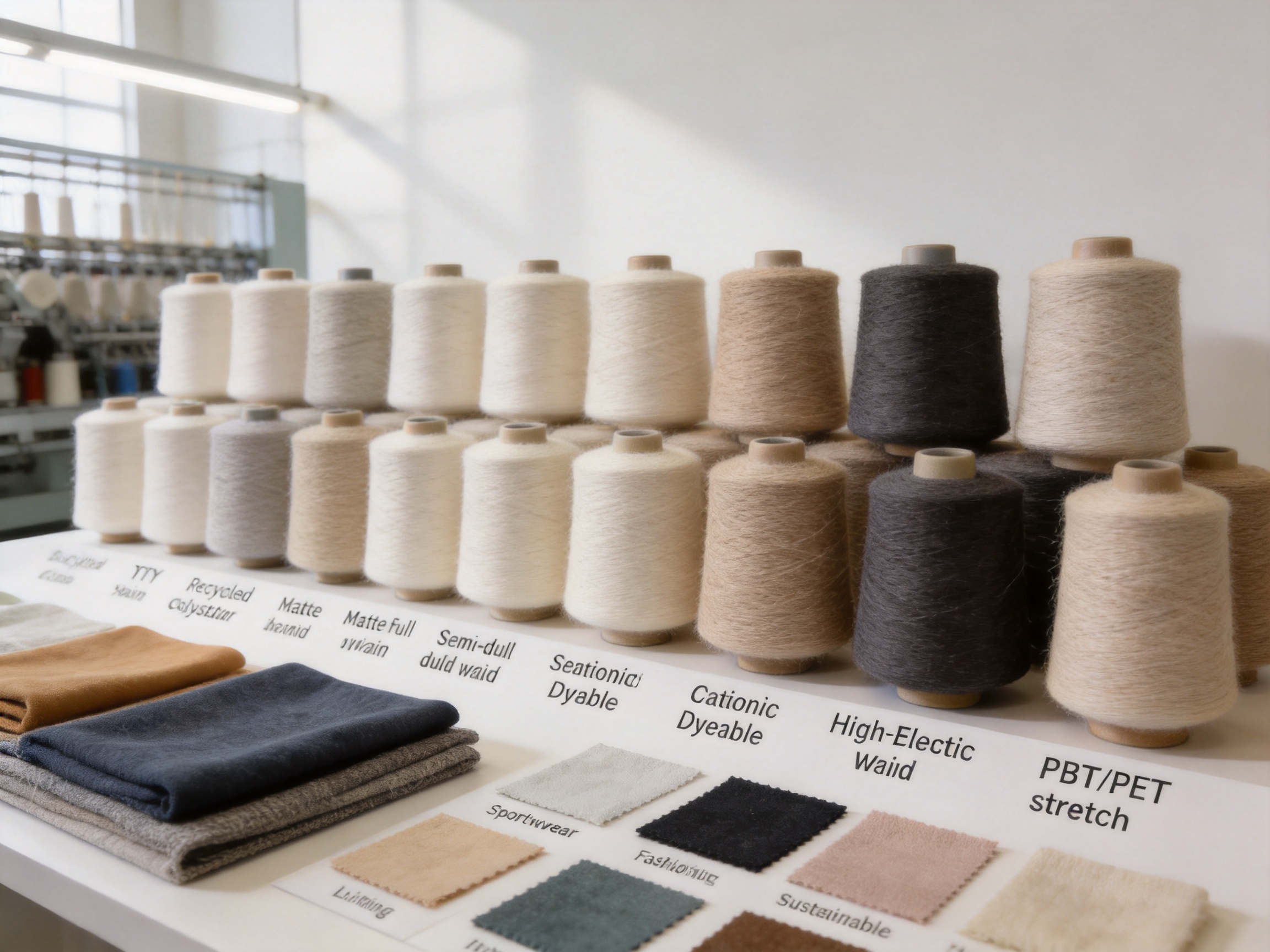
Cationic dyeable DTY, often referred to as CD DTY, is a valuable material for producing fabrics with differential dyeing effects. It can be dyed with cationic dyes and combined with ordinary polyester yarn to produce two-tone or mélange appearances. The CD series includes specifications such as 25/24, 30/24-36, 50/36-72, 75/36-72-144, 100/36-48-72-144, 150/48-144-288, and 300/96.
One of the key advantages of CD DTY is that it allows mills to create rich visual effects without relying only on yarn-dyed processes. When CD yarn is combined with regular polyester yarn, the fabric can show contrast, depth, shadow, or heather effects after dyeing. This expands design possibilities for fashion fabrics, casualwear, sportswear, decorative textiles, and upholstery.
The SD+CD DTY series further improves design flexibility. Specifications such as 50/48-72, 75/48-72, 80/72, 100/72-108-144, 125/72-144, 150/72-108-144, and 300/96-144-288 allow manufacturers to choose different combinations of luster, filament count, and dyeing behavior. Such yarns can help create refined textures and attractive color contrast in knitted and woven fabrics.
Compared with competitors that only supply simple cationic specifications, this range covers fine, medium, and heavy yarn counts. This makes it easier for customers to apply cationic dyeable yarn across multiple fabric categories, from lightweight fashion tops to heavier decorative materials. For designers and mills seeking fast development cycles, having a broad CD DTY range is a meaningful competitive advantage.
High-Elastic DTY and PBT/PET Yarn for Comfort Stretch
Comfort stretch is one of the most important trends in apparel and textile design. Consumers expect garments to move naturally with the body, recover after stretching, and remain comfortable during long wear. The high-elastic DTY series addresses this demand with specifications such as 30/12, 50/36-72, 60/72, 75/36-72, and 150/48-144. The product range also includes PBT/PET yarn options such as 50/48 and 75/36, as well as PBT/PET DDB products.
High-elastic yarn provides stretch and recovery through its textured structure and material characteristics. It can be used in sportswear, leggings, yoga apparel, casual pants, jackets, underwear, socks, seamless garments, and comfort-focused woven fabrics. In many applications, high-elastic DTY can support stretch performance while maintaining the durability and easy-care properties of polyester-based materials.
PBT/PET yarn is particularly useful where soft stretch, resilience, and dimensional stability are required. PBT has different elastic characteristics compared with standard PET, and when combined with PET, it can create fabrics with improved stretch recovery and comfort. This makes PBT/PET yarn suitable for garments that require repeated extension and recovery.
Compared with ordinary polyester DTY, high-elastic and PBT/PET options give manufacturers the ability to upgrade fabric performance. Compared with some spandex-dependent structures, these yarns may also help improve heat resistance, processing stability, or fabric appearance depending on the construction. The availability of both standard and differentiated elastic yarn options helps customers choose the most balanced solution for performance, cost, and fabric style.
Functional DTY for Specialized Textile Applications
The functional series includes fire-retardant yarn, anti-bacterial yarn, and moisture-wicking yarn. These yarns are designed for markets where fabric performance must go beyond basic appearance and comfort. Functional yarn development requires technical understanding of polymer modification, additive integration, spinning stability, texturing behavior, and final fabric performance.
Fire-retardant DTY can be used in curtains, upholstery, transportation textiles, protective apparel, public facility textiles, and other applications where flame resistance is a required or desirable property. Specifications include options such as SD/FD 75/36-72 and SD/FD 150/36-48-144. Fire-retardant performance should be evaluated according to the specific standard required by the end market, but using functional yarn at the material stage can help manufacturers build safer textile solutions.
Anti-bacterial DTY is suitable for hygiene-related fabrics, sportswear, socks, underwear, medical-adjacent textile products, bedding, and travel textiles. By incorporating anti-bacterial functionality into the yarn, fabric manufacturers can create products that respond to consumer demand for freshness and cleanliness. The product list includes specifications such as 50/48-72, 75/36-48-72, and 150/48-72-96-144.
Moisture-wicking DTY is used in activewear, outdoor clothing, quick-dry fabrics, base layers, and summer textiles. It helps move moisture away from the skin and supports faster evaporation when combined with suitable fabric design and finishing. Available specifications include 30/24, 50/48-72, 75/48-72, and 150/48-72. For performance apparel manufacturers, moisture management is a core selling point, and yarn selection plays a major role in achieving the desired result.
The company’s strength in functional yarn lies in its ability to connect material development with practical fabric manufacturing. A functional yarn must not only perform in laboratory testing but also run well in production. Stable winding, manageable tension, uniform dyeing, and compatibility with finishing processes are essential for commercial success.
Special Texture Options: Cotton-Like, Hollow Warm, and Air-Covered Yarn
In addition to standard and functional DTY, the product range includes special texture yarns such as cotton-like yarn, hollow warm yarn, and air-covered yarn. These materials help textile manufacturers create fabrics with distinctive hand feel, warmth, elasticity, or blended performance.
Cotton-like yarn, available in specifications such as 32S, 40S, and 80S, is designed to provide a natural, soft, and comfortable texture. It can help produce fabrics that resemble cotton in touch while retaining advantages associated with polyester, such as durability, wrinkle resistance, and easier maintenance. This category is useful for casualwear, T-shirts, leisure fabrics, bedding, and soft fashion textiles.
Hollow warm yarn, with specifications such as 75/72 and 150/144, is designed to improve thermal comfort. The hollow structure can help trap air, creating a warmer feeling without excessive weight. It is suitable for winter garments, thermal underwear, fleece, blankets, outdoor fabrics, and lightweight warm textiles. Compared with conventional solid yarn, hollow yarn can provide improved warmth-to-weight balance.
Air-covered yarn, listed with combinations such as 40+75/36-72, 30+100/96, and 40+150/48-96-144, is created by combining yarn components through air covering technology. It is commonly used to produce stretch and comfort fabrics. Air-covered yarn can improve fabric elasticity, stability, and softness, especially when combined with elastic fibers or textured polyester. It is widely used in socks, sportswear, leggings, seamless garments, and stretch woven fabrics.
Advanced Manufacturing Process and Technical Control
DTY quality depends heavily on manufacturing control. A high-quality DTY product is not created by specification selection alone; it requires stable raw material, accurate texturing parameters, reliable machinery, trained operators, and strict quality inspection. The company’s manufacturing and supply system emphasizes process consistency from raw material selection to final packaging.
The production process begins with material selection. Polyester chips, partially oriented yarn, recycled feedstock, or functional masterbatch must be chosen according to the target yarn category. For recycled yarn, raw material traceability and consistency are especially important. For functional yarn, additive compatibility and dispersion must be carefully controlled. For cationic dyeable yarn, polymer modification and dyeing behavior are critical. Careful selection at this stage reduces risks in later processing.
During spinning or feed yarn preparation, polymer melt quality, filtration, spinneret precision, cooling conditions, and winding consistency influence the final yarn. Uneven filament formation can create problems during texturing or dyeing. Therefore, stable upstream processing is essential. The company’s attention to material development and technical cooperation supports a more dependable feed yarn base for differentiated DTY production.
Texturing is the core process for DTY. In false-twist texturing, yarn passes through feed rollers, heating zones, twisting units, cooling areas, and take-up systems. Temperature, draw ratio, twist level, speed, overfeed, and winding tension must be precisely controlled. Small deviations can affect crimp, elasticity, bulk, dye uptake, shrinkage, and fabric appearance. Advanced process control helps ensure that each package performs consistently during knitting, weaving, and dyeing.
Heat setting is another critical stage. Proper heat setting stabilizes the textured structure and helps control shrinkage and elasticity. If heat is too low, the yarn may be unstable; if heat is too high, the yarn may lose softness or strength. The correct balance depends on denier, filament count, polymer type, and application. Experienced technicians adjust settings to achieve the required yarn character.
Winding and package formation also matter. A good DTY package should have stable density, clean edges, smooth unwinding, and appropriate tension. Poor package formation can cause yarn breakage, tension variation, or feeding problems in downstream processes. For export customers, packaging strength and transport protection are also important. Stable package quality reduces waste and improves efficiency for fabric mills.
Quality Assurance from Yarn to Fabric
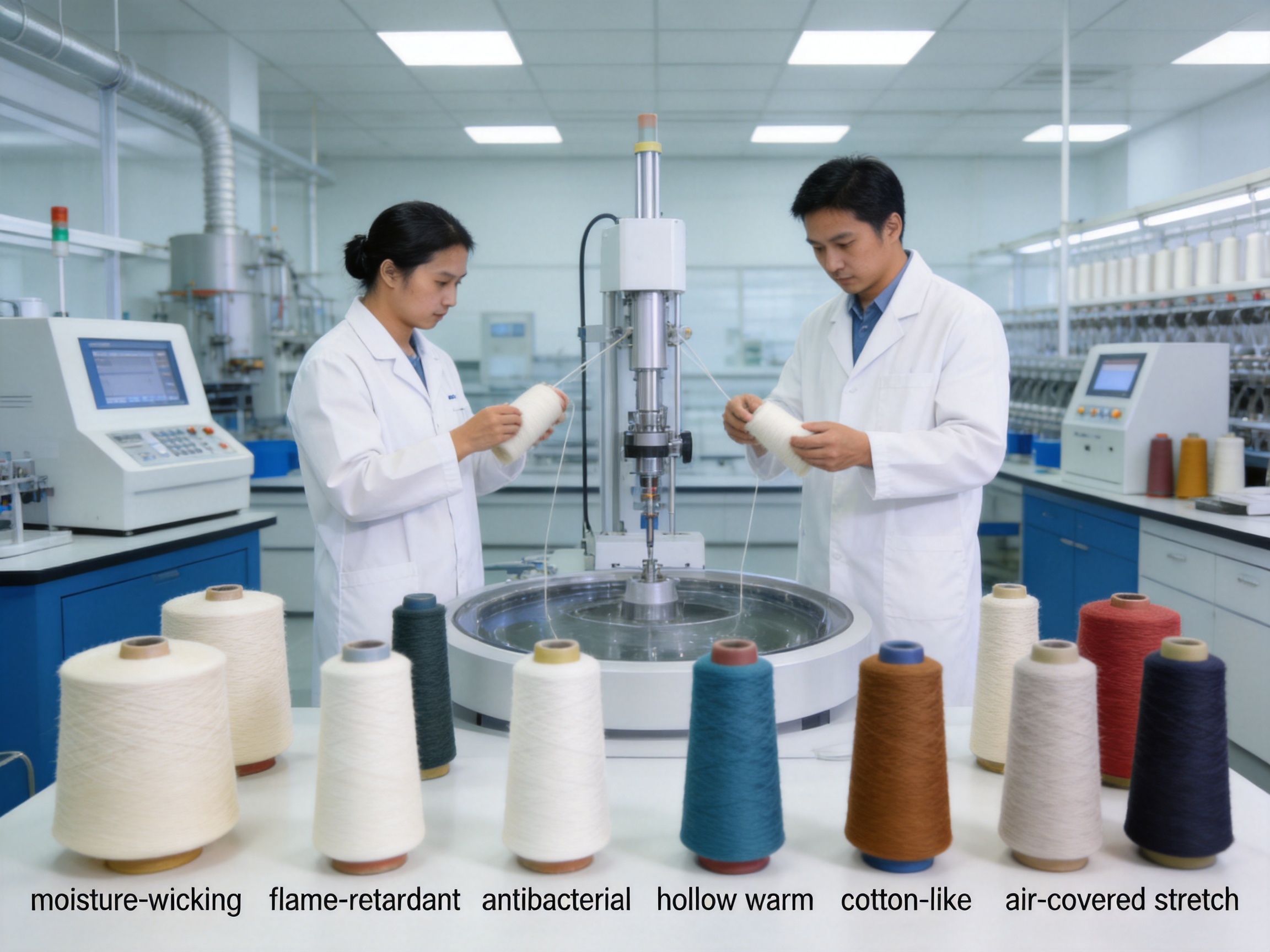
Quality assurance for DTY includes both laboratory testing and production-based evaluation. Common yarn quality indicators include denier accuracy, filament count, tenacity, elongation, crimp contraction, shrinkage, oil content, intermingling level, dyeing uniformity, package weight, and appearance. For functional yarns, additional tests may include flame-retardant performance, anti-bacterial activity, moisture management, or recycled-content documentation depending on customer requirements.
One major advantage of a professional DTY supplier is the ability to understand how yarn parameters affect fabric results. A yarn may pass basic physical tests but still create fabric defects if tension, dyeing behavior, or shrinkage is inconsistent. Therefore, experienced suppliers evaluate yarn not only as a standalone product but also as a component in knitting, weaving, dyeing, and finishing.
Customers often face issues such as barre, streaks, broken filaments, dyeing spots, uneven elasticity, fabric skew, poor recovery, or excessive shrinkage. Many of these problems can be reduced through better yarn selection and technical communication. The company supports customers by helping match yarn specifications to fabric structures and end-use requirements.
For export markets, consistent documentation and communication are essential. Customers need clear specification confirmation, sample approval, production tracking, and responsive after-sales support. The company’s service philosophy emphasizes customer success and timely technical assistance, helping clients reduce trial-and-error costs and shorten development cycles.
Applications Across Textile Markets
The DTY product system can serve a wide range of textile markets. In apparel, it is used for sportswear, casualwear, fashion tops, trousers, dresses, jackets, underwear, socks, uniforms, and thermal garments. Fine denier and high-filament yarns provide softness and drape, while heavier deniers support structure, warmth, or durability. High-elastic and moisture-wicking yarns are especially suitable for activewear and performance clothing.
In home textiles, DTY can be used for curtains, bedding, sofa fabrics, decorative fabrics, blankets, cushion covers, and upholstery. Full-dull and cationic dyeable yarns help create elegant surface effects, while fire-retardant yarn can support safety-oriented applications. Hollow warm yarn can be used for lightweight warm blankets and winter bedding products.
In industrial and semi-technical textiles, DTY can be used in bags, linings, automotive interior materials, filtration support fabrics, protective textiles, and specialized woven structures. Depending on performance requirements, manufacturers may select high-strength, functional, flame-retardant, or recycled yarn types.
In fashion development, cationic dyeable yarn, white and black DTY, and SD+CD combinations allow fabric designers to create two-tone, shadow, jacquard, mélange, and contrast effects. These yarns help mills provide more design value to garment brands without relying entirely on complicated yarn-dyeing procedures.
Why This DTY Range Stands Out in a Competitive Market
The global polyester yarn market is highly competitive, and many suppliers compete mainly on price. However, price alone does not determine production value. Yarn with inconsistent quality can increase costs through machine stoppage, fabric defects, dyeing failure, customer claims, and delayed delivery. A more reliable DTY supplier can help customers reduce hidden costs and improve total manufacturing efficiency.
This DTY range stands out because it combines specification breadth, functional development, recycled options, and technical service. Customers can source normal yarns for routine production and differentiated yarns for innovation from the same supplier. This reduces communication complexity and improves development speed.
The company also emphasizes research and development. Cooperation with internationally recognized enterprises and attention to environmental and functional yarn development allow the supplier to respond to market trends. As consumer demand shifts toward sustainability, comfort, safety, and performance, yarn innovation becomes more important. Suppliers that invest in differentiated materials can help customers remain competitive.
Another advantage is international service capability. With products exported to customers in many countries, the company understands global expectations for quality, delivery, packaging, and communication. The ability to provide support within a short response time is especially valuable for customers working across time zones and tight production schedules.
Selection Guidance for Buyers and Fabric Developers
When selecting DTY, buyers should first define the end-use application. A lightweight sportswear fabric may require moisture-wicking DTY with soft hand feel and good elasticity. A fashion fabric may need cationic dyeable yarn for two-tone effects. A sustainable apparel program may require recycled DTY. A curtain fabric may require full-dull or flame-retardant yarn. Matching yarn to application is the foundation of successful fabric development.
The second consideration is denier and filament count. Lower denier yarns are suitable for lightweight fabrics, while higher denier yarns provide thickness and strength. Higher filament counts generally produce softer and smoother fabrics, while lower filament counts can create a more textured or crisp feel. For example, 75/72 is usually softer than 75/36, while 150/144 can provide a fuller and finer surface than 150/48.
The third consideration is luster. Semi-dull yarn offers moderate brightness and is widely used. Full-dull yarn provides a matte and premium appearance. Bright or special luster yarns may be used for decorative effects. The luster choice affects final fabric appearance and should be coordinated with dyeing and finishing.
The fourth consideration is dyeing behavior. Standard polyester DTY requires disperse dyeing, while cationic dyeable DTY can produce different color effects. When combining yarn types, buyers should consider dye compatibility, shade depth, temperature conditions, and finishing processes.
The fifth consideration is elasticity and recovery. For stretch fabrics, high-elastic DTY, PBT/PET yarn, or air-covered yarn may be appropriate. The correct selection depends on desired stretch percentage, recovery, fabric weight, hand feel, and garment performance.
Commitment to Differentiated Yarn Development
The product list notes that orders for various differentiated yarns can be accepted. This is important because textile markets are constantly changing. Brands often request new functions, new textures, special dyeing effects, recycled content, unusual denier combinations, or customized yarn behavior. A supplier capable of differentiated yarn development can provide more than a standard catalog; it can act as a technical partner.
Differentiated yarn development may involve changes in polymer composition, filament shape, filament count, texturing parameters, functional additive selection, intermingling level, or yarn combination. Each change can influence fabric performance. Professional guidance helps customers avoid costly mistakes and improve development efficiency.
For fabric mills, working with a technically capable yarn supplier can accelerate sampling. Instead of testing many unsuitable yarns, mills can receive targeted recommendations based on application, machine type, fabric structure, dyeing method, and finishing requirements. This is particularly useful for export orders, where sampling deadlines and buyer approvals are often strict.
Q&A: Common Questions About DTY Yarn Selection and Use
What is DTY yarn?
DTY yarn is draw textured yarn, a textured polyester yarn produced through drawing and false-twist texturing. It has bulk, elasticity, softness, and good fabric covering ability, making it suitable for knitting, weaving, apparel, home textiles, and functional fabrics.
What does a specification such as 75/72 mean?
The first number usually refers to denier, while the second number refers to filament count. In 75/72, the yarn is 75 denier with 72 filaments. A higher filament count often gives a softer and smoother fabric surface.
What is the difference between semi-dull and full-dull DTY?
Semi-dull DTY has moderate luster and is widely used in general fabrics. Full-dull DTY has a more matte appearance and is preferred for fabrics requiring a softer, more elegant, or premium visual effect.
Why choose recycled DTY?
Recycled DTY supports sustainability-focused textile programs and helps fabric manufacturers meet market demand for recycled materials. It can be used in apparel, home textiles, sportswear, linings, and decorative fabrics while maintaining broad specification flexibility.
What is cationic dyeable DTY used for?
Cationic dyeable DTY is used for differential dyeing effects. When combined with ordinary polyester yarn, it can create two-tone, mélange, shadow, or contrast effects in fashion and decorative fabrics.
Which DTY yarn is suitable for stretch fabrics?
High-elastic DTY, PBT/PET DTY, and air-covered yarn are suitable for stretch fabrics. The best choice depends on the required stretch level, recovery, softness, fabric construction, and final garment application.
Can functional DTY be used in sportswear?
Yes. Moisture-wicking DTY is especially suitable for sportswear and activewear. Anti-bacterial DTY can also be used for socks, underwear, base layers, and hygiene-focused garments.
What should buyers consider before placing an order?
Buyers should consider end use, denier, filament count, luster, dyeing behavior, elasticity, functional requirements, fabric structure, and production equipment. Sample testing is recommended before bulk production.
Can differentiated yarn be customized?
Yes. The supplier can accept orders for various differentiated yarns, depending on technical feasibility, target application, and order requirements. Custom development may include recycled content, special dyeing behavior, elasticity, functional properties, or special texture.
Future Outlook for DTY and Functional Polyester Yarn
The future of DTY yarn will be shaped by sustainability, comfort, performance, and design innovation. Recycled polyester will continue to grow as brands and consumers demand more responsible materials. Functional yarns will become more common in everyday products as performance expectations rise. Cationic dyeable and special-effect yarns will remain important for fashion differentiation. High-elastic and comfort-oriented yarns will continue to serve sportswear and casualwear markets.
At the same time, textile manufacturers need suppliers that can provide consistent quality and technical support. As fabric structures become more complex, yarn selection becomes more critical. Mills that choose reliable DTY partners can reduce production risk, improve product quality, and respond faster to market changes.
The DTY product range described here offers a strong foundation for both standard production and advanced development. With normal DTY, recycled DTY, cationic dyeable DTY, high-elastic DTY, functional DTY, cotton-like yarn, hollow warm yarn, and air-covered yarn, customers can build a broad fabric portfolio from one integrated source.
Conclusion
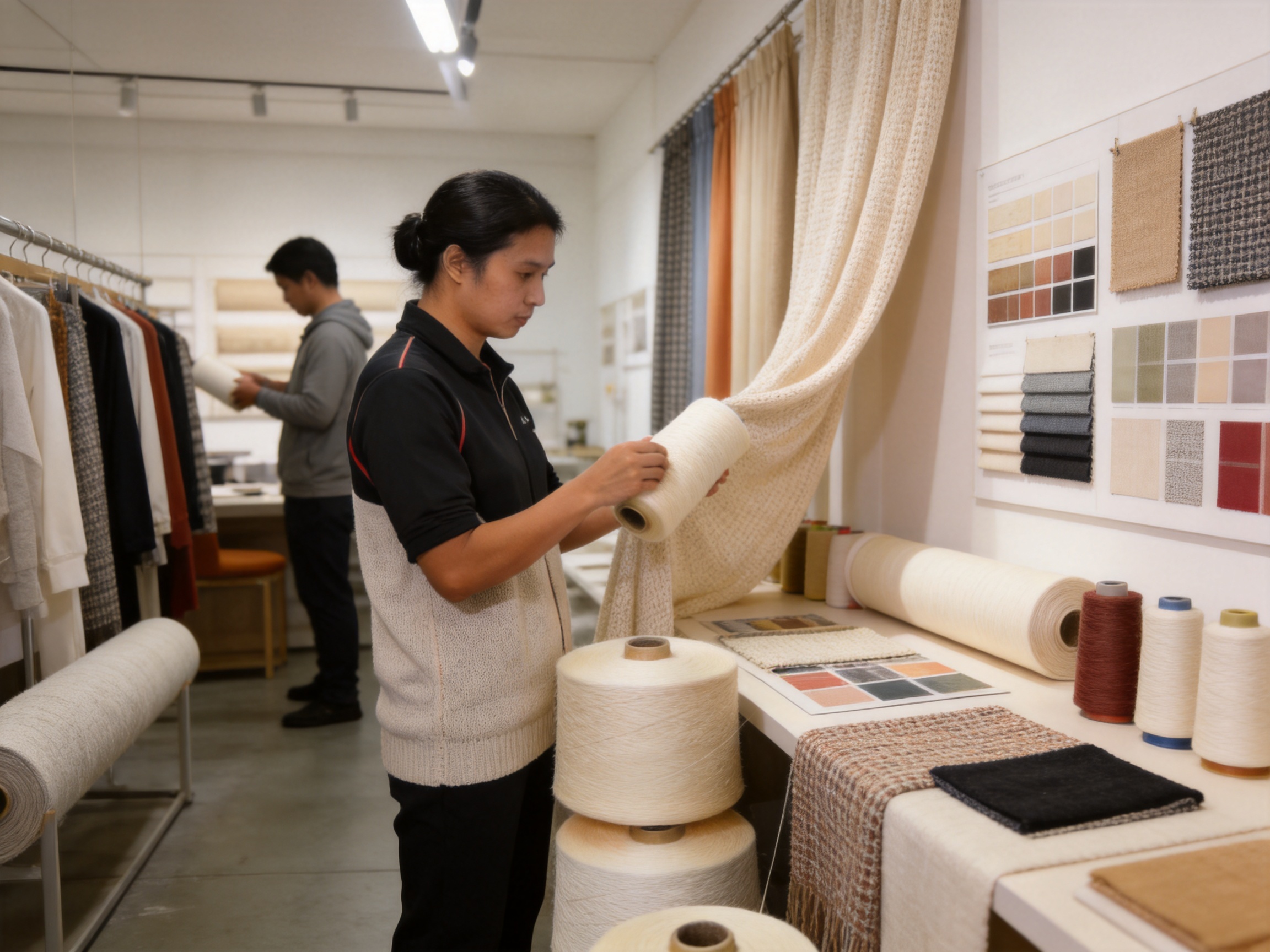
Advanced DTY yarn is more than a basic polyester material. It is a strategic textile component that influences fabric comfort, appearance, elasticity, dyeing performance, sustainability, and functionality. The product range presented here provides extensive options for manufacturers seeking dependable normal yarns, sustainable recycled yarns, creative cationic dyeable yarns, stretch-oriented high-elastic yarns, and specialized functional yarns.
Compared with many conventional suppliers, the key strengths of this DTY range are breadth, differentiation, process control, and customer support. The company’s focus on research and development, export-oriented service, functional yarn innovation, and customized product selection gives textile customers a meaningful advantage in competitive markets.
For fabric manufacturers, choosing the right DTY yarn can improve production stability, reduce defects, enrich product design, and create higher-value textiles. Whether the requirement is a soft matte fashion fabric, a recycled sportswear material, a two-tone cationic textile, a moisture-wicking activewear fabric, or a warm hollow yarn product, this DTY system provides practical solutions for modern textile manufacturing.
References
1. Textile Institute. Textile Terms and Definitions. Manchester: The Textile Institute.
2. Hearle, J. W. S., Hollick, L., and Wilson, D. K. Yarn Texturing Technology. Woodhead Publishing.
3. Fourne, F. Synthetic Fibers: Machines and Equipment, Manufacture, Properties. Hanser Publishers.
4. Horrocks, A. R., and Anand, S. C. Handbook of Technical Textiles. Woodhead Publishing.
5. McIntyre, J. E. Synthetic Fibres: Nylon, Polyester, Acrylic, Polyolefin. Woodhead Publishing.
6. Kadolph, S. J. Textiles. Pearson Education.
Popular products
-
Premium Cationic Interlock Stretch Comfort Fabric
-
Moisture-Wicking Nylon Woven Fabric
-
Double-faced jacquard elastic fabric
-
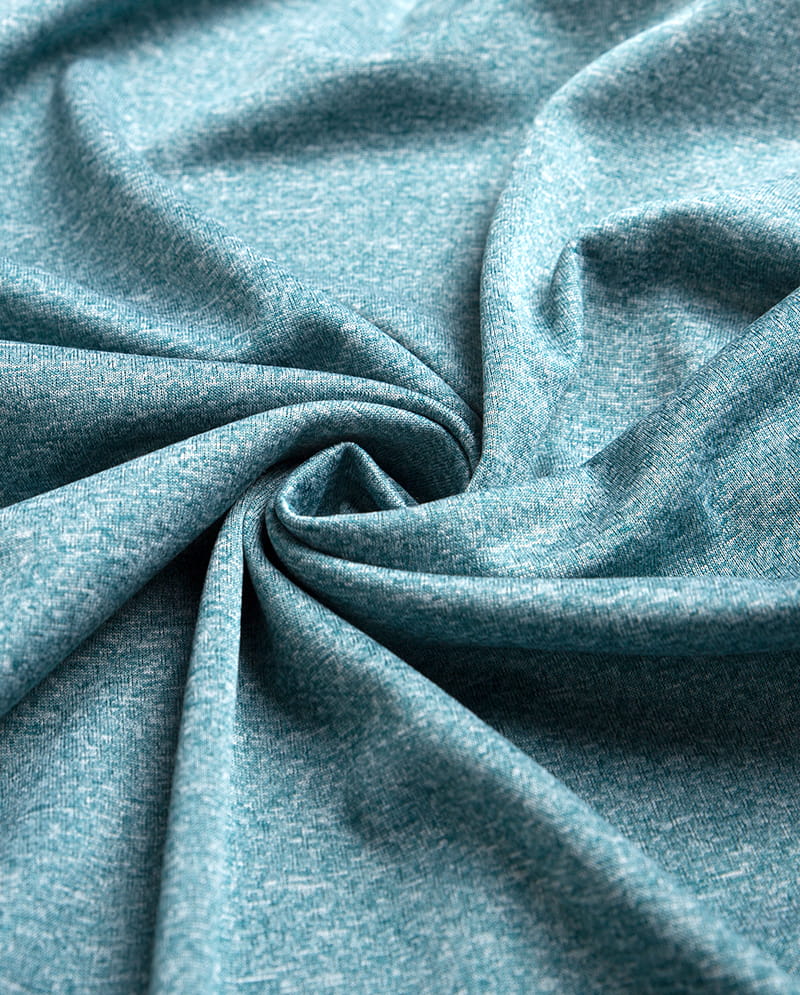
Heather Grey Double-faced cationic jersey fabric
-
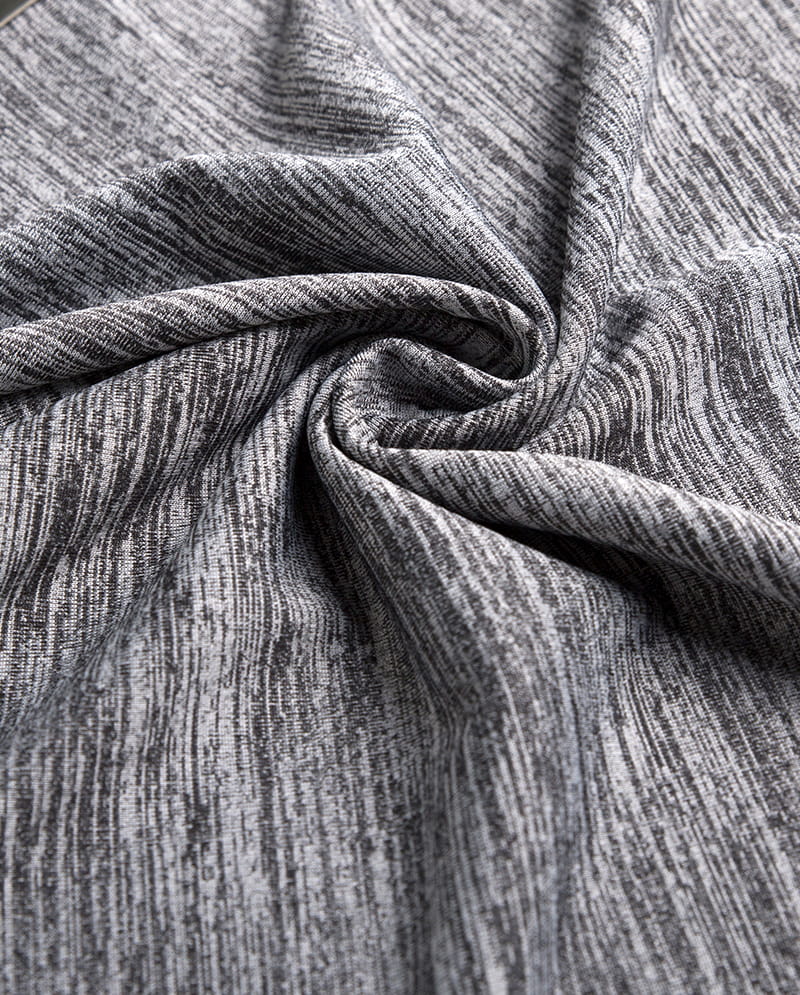
Anti-static Cationic Knitted Rib Fabric
-
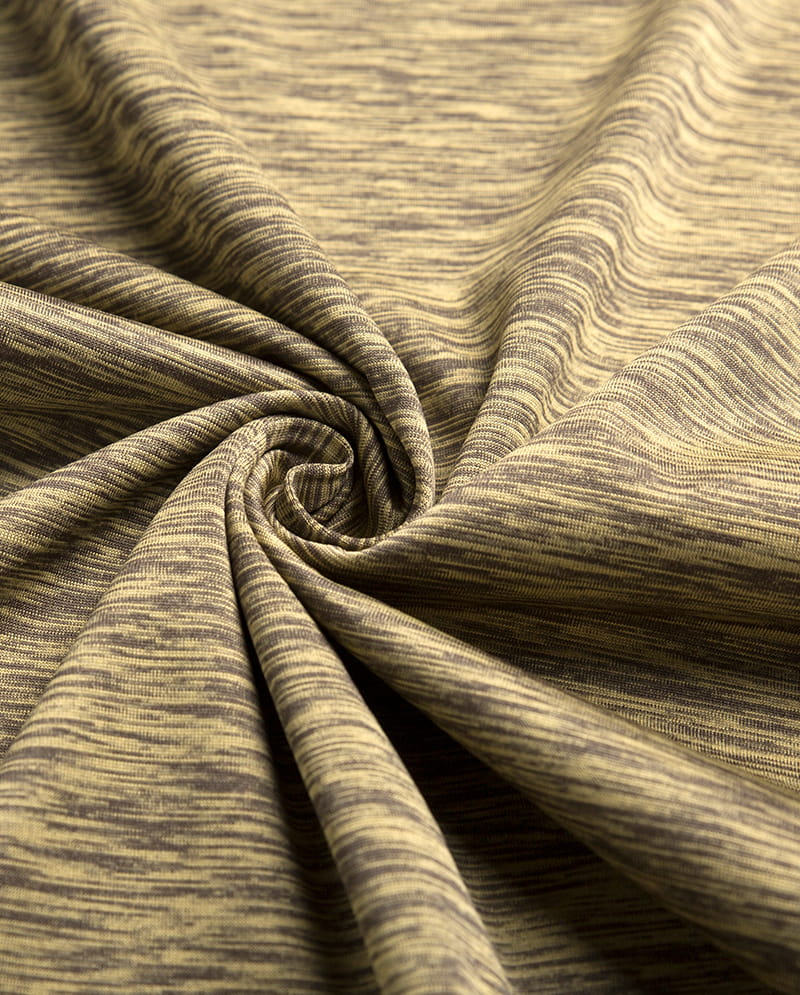
High-Stretch Cationic Jersey Fabric
-
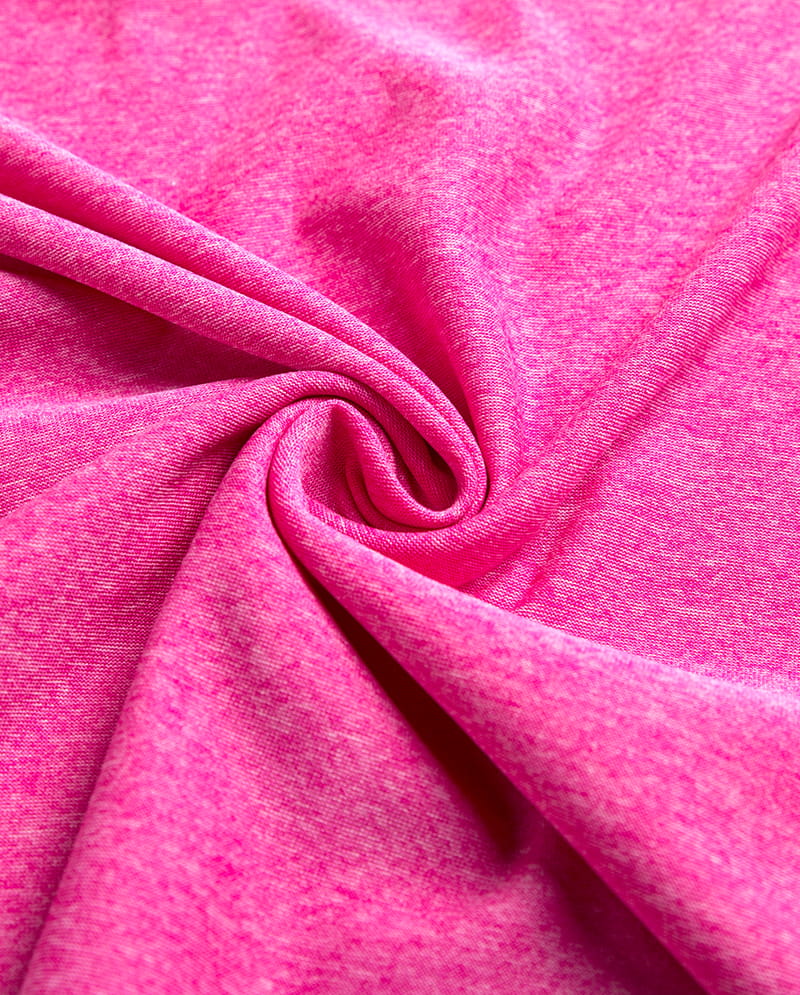
High Quality Cationic DTY Spandex Two Sides Brush Dralon Knit Fabric for Garment Thermal Underwear
-
Durable Anti-Pilling Knitted Fabric for Home Textiles
-
Wash-Resistant Cationic Elastic Knitted Fabric for Garment Industry
-
Breathable Double-Faced Elastic Composite Fabric
-
-
-
- whatsapp:
- 0086-13962559622
-
- skype:
- skype.aliceshenghong
-
- Wechat:

COPYRIGHT © 2016 Suzhou Junhui Textile Co., Ltd.
