

 EN
 English
 中文简体
Advanced Cationic DTY Spandex Two-Sided Brushed Dralon Knit Fabric for Thermal Underwear
Content
- 1 Product Overview and Core Construction
- 2 Why Cationic DTY Polyester Matters
- 3 The Contribution of Spandex to Garment Performance
- 4 How Dralon Enhances Warmth and Softness
- 5 Two-Sided Brushing and Its Functional Advantages
- 6 Moisture Management and Everyday Comfort
- 7 Color Performance and Design Flexibility
- 8 Manufacturing Process and Quality Control
- 9 Advantages Over Conventional Thermal Fabrics
- 10 Applications Across Thermal Apparel
- 11 Production Strengths of the Supplier
- 12 Customization and Buyer Collaboration
- 13 Environmental and Safety Considerations
- 14 Quality Evaluation Before Bulk Purchase
- 15 Care, Storage, and Garment Longevity
- 16 Commercial Value for Garment Brands
- 17 Recommended Product Development Workflow
- 18 Frequently Asked Questions
- 18.1 What is this fabric made from?
- 18.2 What does two-sided brushing mean?
- 18.3 Is the fabric suitable for direct skin contact?
- 18.4 Does the fabric stretch?
- 18.5 Is it suitable for men’s and women’s thermal underwear?
- 18.6 What is the fabric weight?
- 18.7 What is the available width?
- 18.8 Can the color be customized?
- 18.9 Can recycled yarn or other functional yarns be supplied?
- 18.10 How does the fabric compare with cotton thermal underwear?
- 18.11 How does it compare with heavy fleece?
- 18.12 What tests should buyers request?
- 18.13 Can the fabric be used for sports base layers?
- 18.14 What should be considered when cutting brushed fabric?
- 18.15 Can the supplier support customized orders?
- 19 Conclusion
- 20 References
- 21 Product: High Quality Cationic DTY Spandex Two Sides Brush Dralon Knit Fabric for Garment Thermal Underwear
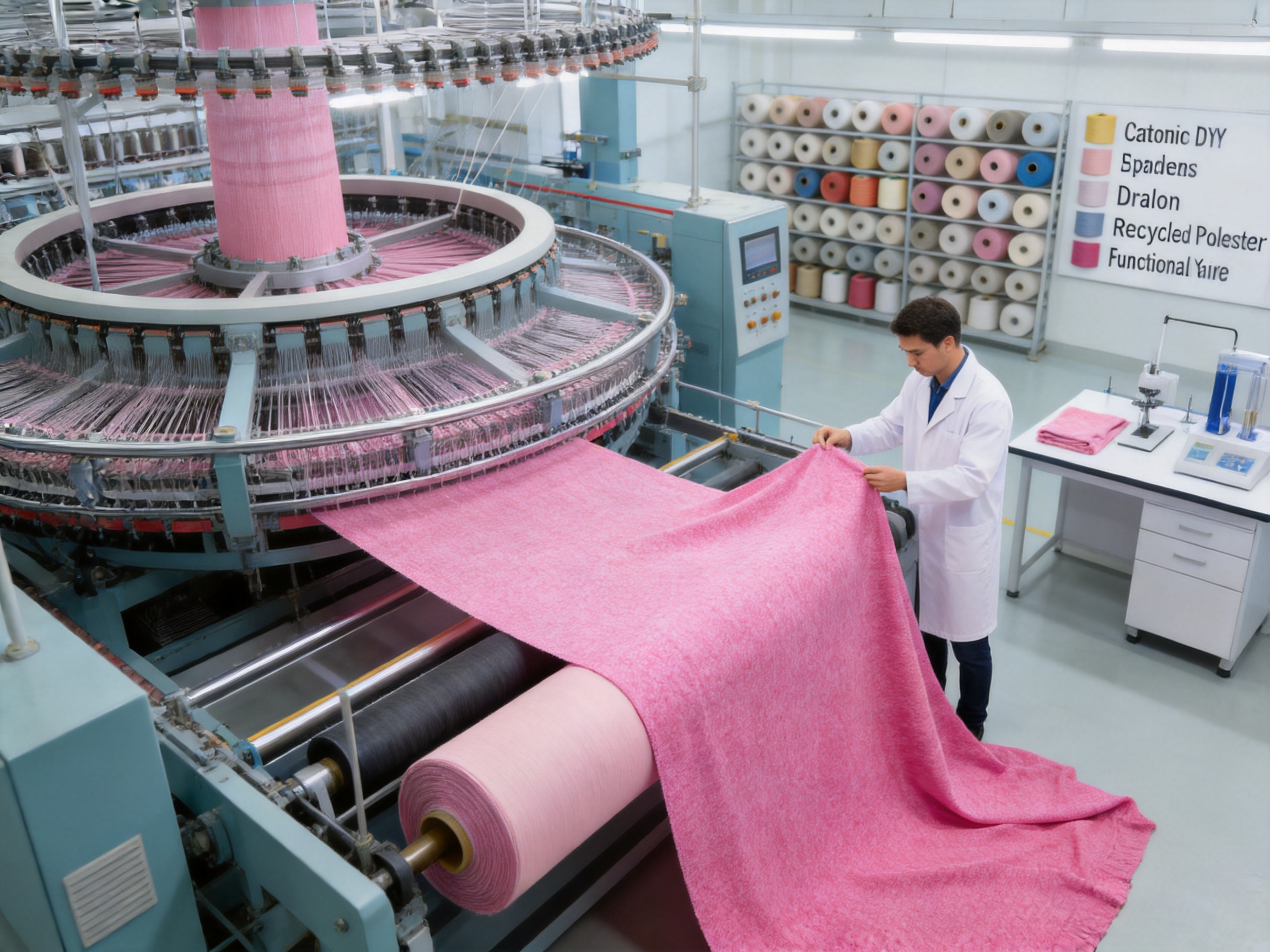
Modern consumers expect thermal underwear to provide more than basic warmth. They want a fabric that feels soft against the skin, stretches naturally with the body, manages moisture, maintains its appearance after repeated washing, and remains comfortable throughout changing temperatures. The High Quality Cationic DTY Spandex Two Sides Brush Dralon Knit Fabric for Garment Thermal Underwear has been developed to answer these demands through a carefully selected fiber blend, a specialized knitted construction, and a two-sided brushing process.
This fabric combines cationic draw textured yarn polyester, spandex, and Dralon, a modified acrylic fiber recognized for its lightweight warmth and soft handle. The result is a medium-weight knitted material designed for thermal underwear, base layers, loungewear, winter garments, and other close-to-skin applications. Its construction balances insulation, elasticity, breathability, durability, and visual appeal without creating the heavy or rigid feeling associated with some traditional cold-weather textiles.
The fabric is produced and supplied by Suzhou Junhui Textile Co., Ltd., together with Suzhou Xiaoran New Materials Co., Ltd., textile enterprises based in Shengze Town, Suzhou, Jiangsu, China. The companies specialize in differential yarns, recycled yarns, polyester dope-dyed yarns, cationic dyeing yarns, functional yarns, and knitted fabrics. Their product development experience supports the creation of materials that are adapted to international garment manufacturing requirements and the changing expectations of textile buyers.
With an approximate weight of 230–235 GSM and a cuttable width of 180–185 centimeters, the fabric provides an effective balance between coverage and manageability. It is substantial enough for autumn and winter underwear while remaining practical for cutting, sewing, finishing, packing, and transportation. Its two-sided brushed surface gives both sides a soft, warm touch, making the fabric suitable for garments where comfort is important on the inside and outside.
Product Overview and Core Construction
The performance of this knitted fabric comes from the interaction of three main fiber components. Cationic DTY polyester contributes color responsiveness, dimensional stability, strength, and a smooth, resilient base. Spandex introduces stretch and recovery, helping garments move with the wearer while reducing the risk of bagging at elbows, knees, waistbands, or other areas exposed to repeated movement. Dralon, a modified acrylic fiber, contributes softness, warmth, lightness, and a pleasant textile hand.
Each component serves a different purpose, allowing the fabric to achieve a more complete performance profile than a single-fiber construction. A fabric made only from ordinary polyester may provide strength and easy care but lack the desired softness or warmth. A fabric made only from acrylic may feel warm but may not provide the same level of strength, stretch recovery, or production flexibility. A fabric made only from cotton may offer natural comfort but can absorb moisture slowly and dry less quickly. The blended design addresses these limitations through a balanced combination of materials.
The fabric is knitted rather than woven, which gives it a naturally flexible structure. Knitted loops enable the material to extend in response to body movement and recover when tension is released. This quality is particularly valuable in thermal underwear, which must fit closely enough to retain warmth but remain comfortable during walking, working, exercising, sleeping, or layering beneath outer garments.
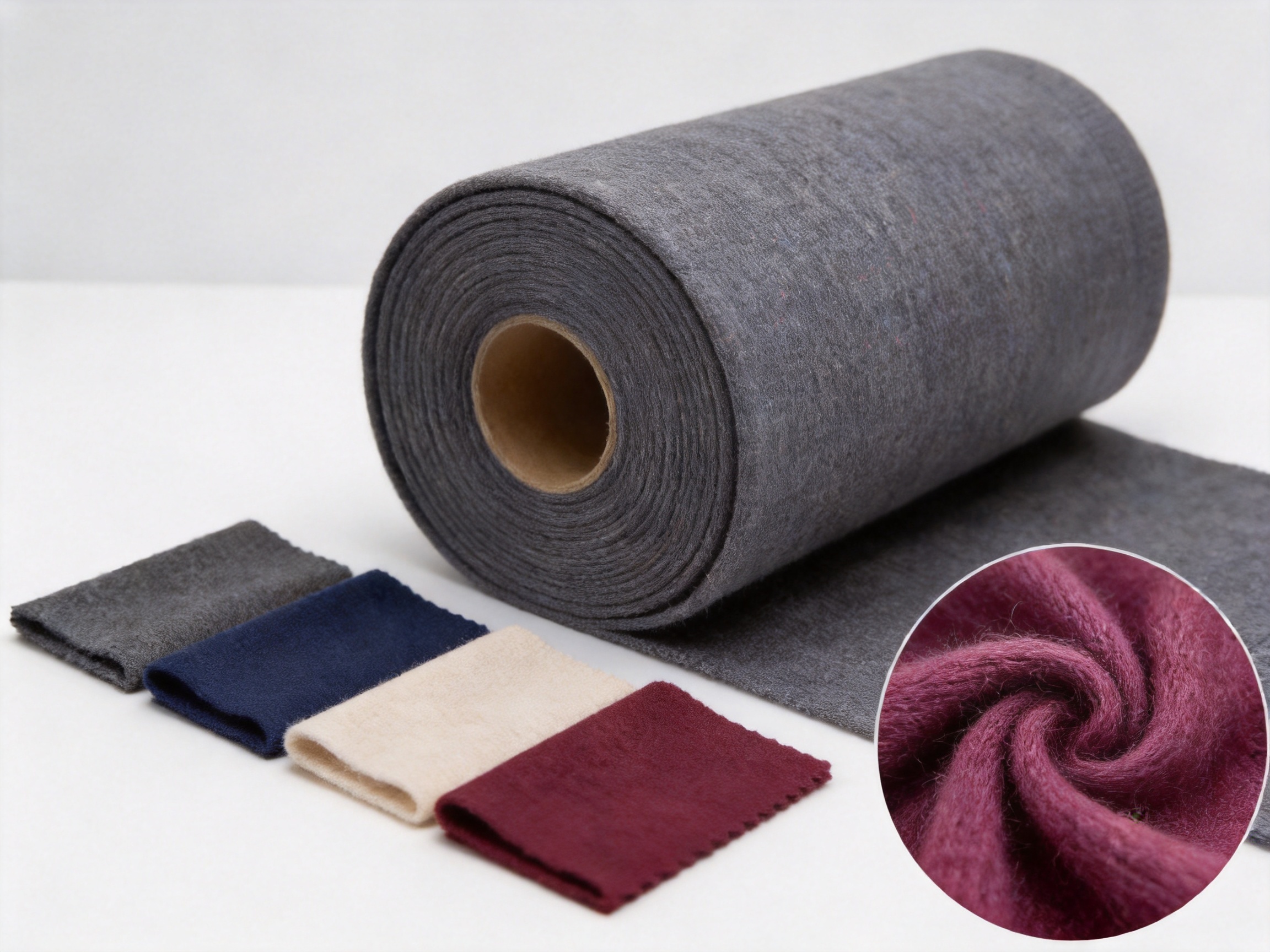
The two-sided brushed finish is another defining feature. Brushing raises and loosens selected surface fibers, forming a fine, soft layer on both sides of the fabric. This surface layer improves tactile comfort and helps create a warm, cushioned sensation. It also contributes to air retention at the surface, supporting the insulating function of the garment without requiring excessive thickness.
| Item | Product Information | Practical Benefit |
|---|---|---|
| Product type | Knitted brushed fabric | Flexible construction for body-fitting garments |
| Main materials | Cationic DTY polyester, spandex, and Dralon | Balanced color, stretch, warmth, softness, and durability |
| Surface finish | Two-sided brushing | Soft touch and improved thermal comfort on both sides |
| Fabric weight | Approximately 230–235 GSM | Medium-weight coverage for thermal underwear |
| Cuttable width | Approximately 180–185 centimeters | Efficient cutting and flexible garment planning |
| Primary use | Men’s and women’s thermal underwear | Suitable for base layers and close-to-skin winter garments |
| Functional characteristics | Warm, elastic, moisture-managing, soft, and durable | Comfortable performance during daily wear |
| Certification information | Oeko-Tex Standard 100 stated by the supplier | Appropriate for products designed for sensitive-skin contact |
Why Cationic DTY Polyester Matters
Cationic polyester is designed to respond differently during dyeing compared with standard polyester. This allows manufacturers to create richer visual effects, improved color contrast, mélange appearances, and distinctive two-tone or cross-dyed effects when the fabric construction is designed for that purpose. In thermal underwear, color is not merely decorative. Strong and stable coloration supports consistent product appearance across production batches and helps garments retain their marketable look after washing and regular use.
DTY, or draw textured yarn, is produced by applying drawing and texturing processes to polyester filament yarn. The texturing process creates bulk, resilience, and a more textile-like surface than a completely flat filament. DTY can help improve the fabric’s hand, coverage, and elasticity while maintaining the inherent strength and easy-care properties of polyester.
The combination of cationic dyeing characteristics and DTY structure makes the yarn suitable for knitted fabric applications requiring both visual quality and functional performance. Compared with basic commodity polyester, cationic DTY can offer greater design flexibility for brands seeking distinctive shades or premium-looking surfaces. It can also support coordinated color programs across different garment styles when production is carefully controlled.
The supplier’s broader product list demonstrates experience with several polyester yarn categories, including recycled SD DTY, recycled FD DTY, recycled SD FDY, recycled CD DTY, recycled SD plus CD DTY, recycled DDB DTY, normal-series SD DTY, FD DTY, SD DDB, high-elastic yarn, PBT/PET yarn, flame-retardant yarn, antibacterial yarn, moisture-wicking yarn, hollow warm yarn, and cotton-like yarn. This range is important because it indicates access to varied raw-material and yarn-development options rather than dependence on only one standard specification.
The Contribution of Spandex to Garment Performance
Thermal underwear must follow body movement closely. When a wearer bends, stretches, sits, climbs stairs, or exercises, the fabric experiences repeated tension. Spandex helps the knitted structure extend in multiple directions and return toward its original dimensions after movement. This improves comfort and can help garments retain their intended fit over time.
The stretch component is especially useful in close-fitting underwear because excessive looseness can create gaps that allow warm air to escape, while excessive tightness can restrict movement and cause discomfort. A properly engineered spandex blend supports a close but flexible fit. It can also reduce seam stress because the fabric absorbs part of the tension generated during movement.
Spandex contributes to the versatility of the product. The same fabric platform can be used for men’s long underwear, women’s thermal tops, leggings, base-layer sets, fitted sleepwear, winter sports undergarments, and lightweight indoor garments. Depending on pattern design and garment finishing, manufacturers can adapt it to different fit preferences without changing the fundamental fabric concept.
Stretch recovery is influenced by many factors, including spandex content, yarn quality, knitting parameters, finishing temperature, dyeing conditions, and garment construction. For this reason, professional production control is essential. A reliable textile supplier must coordinate yarn selection, knitting, dyeing, brushing, setting, and inspection rather than treating each step as an isolated operation.
How Dralon Enhances Warmth and Softness
Dralon is a modified acrylic fiber associated with soft touch, warmth, color appeal, and a lightweight feeling. Its fiber characteristics support the development of fabrics that feel warmer without becoming unnecessarily dense. The hollow or air-retaining nature described for the material allows small air spaces to remain within and around the fiber structure. These spaces can slow the movement of heat away from the body.
Thermal comfort is not created by thickness alone. A heavy fabric may provide warmth but can become restrictive, bulky, or difficult to layer. A lighter fabric with an efficient surface and internal structure may offer a more comfortable balance. The Dralon component supports this balance by contributing insulation while helping the fabric maintain a soft, manageable hand.
Softness is equally important in thermal underwear because the garment is commonly worn directly against the skin for long periods. Rough or abrasive fibers may cause irritation, especially at the neckline, cuffs, waist, seams, and underarm areas. The combination of Dralon and two-sided brushing creates a cloud-like surface that is intended to feel gentle during extended wear.
The use of Dralon also differentiates the fabric from ordinary polyester jersey. While standard polyester can be smooth and durable, it may not always provide the warm, lofty, or brushed sensation consumers associate with premium winter underwear. By combining modified acrylic fiber with cationic DTY polyester and spandex, the material achieves a more specialized hand and performance profile.
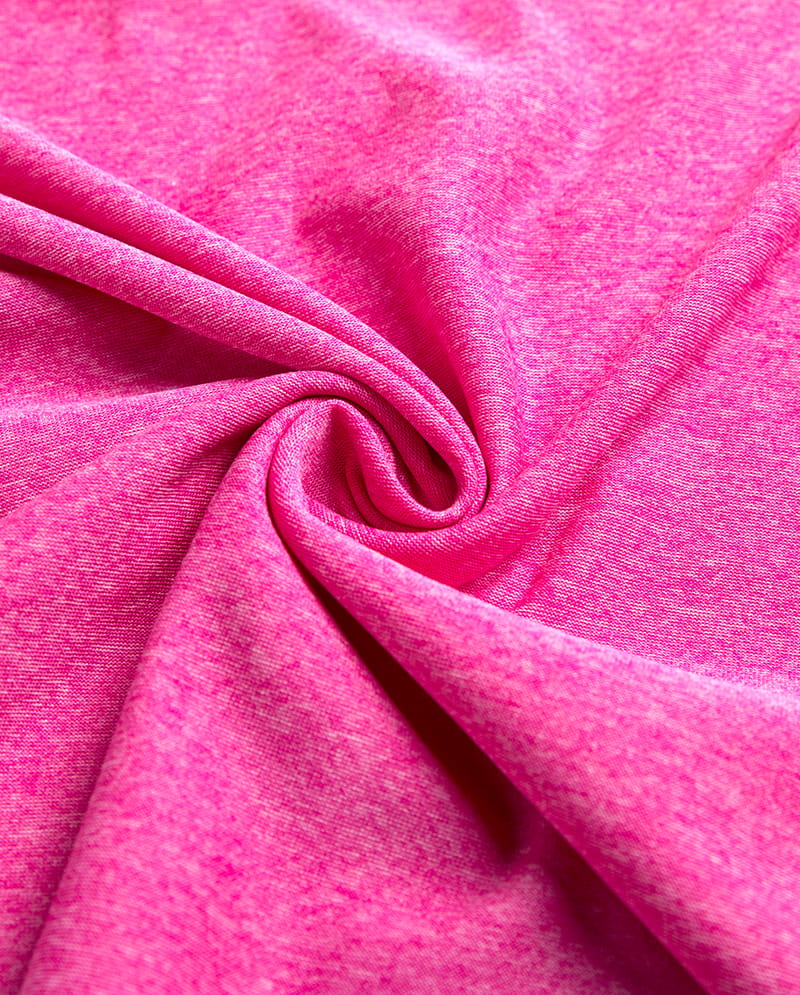
High Quality Cationic DTY Spandex Two Sides Brush Dralon Knit Fabric for Garment Thermal Underwear
Two-Sided Brushing and Its Functional Advantages
Brushing is a finishing method that mechanically raises surface fibers after the fabric has been knitted and processed. The precise result depends on equipment settings, brush configuration, fabric speed, tension, moisture, and the characteristics of the yarns. When carefully controlled, brushing creates a fine nap rather than an uneven or excessively hairy surface.
In this product, both sides are brushed. This differs from fabrics designed with only one brushed face, where the inner side may be soft but the outer side remains comparatively flat. A two-sided brushed fabric offers a more consistent tactile experience. It can be used with either face toward the body or incorporated into garments where both sides may contact the skin during movement.
The raised fibers provide a soft cushion between the skin and the knitted base. They also increase the effective surface area and help retain small quantities of still air. Because still air is a relatively poor conductor of heat, the brushed surface contributes to the perception of warmth. This does not mean the fabric produces heat; rather, it helps reduce the speed at which body warmth is lost.
Brushing must be balanced carefully. Excessive brushing can lead to pilling, fiber shedding, uneven shade, or reduced surface strength. Insufficient brushing may fail to create the desired warmth and softness. The supplier’s manufacturing capability is therefore significant: the finishing process must produce a consistent nap while preserving fabric stability, elasticity, and appearance.
For garment factories, a controlled two-sided brushing process can reduce the need for additional lining in certain applications. This may simplify garment construction, reduce material usage, and help preserve a lightweight feel. The final decision depends on garment design, climate, target price, and performance testing, but the fabric provides a strong foundation for streamlined thermal apparel production.
Moisture Management and Everyday Comfort
Warm clothing can become uncomfortable when moisture remains trapped against the skin. Perspiration may occur during physical activity, indoor heating, commuting, or sudden temperature changes. If a base layer holds moisture for too long, the wearer may experience clamminess, chilling, or a heavy sensation.
The polyester portion of the fabric contributes to relatively low moisture absorption and quick moisture movement away from the fiber surface. The knitted structure creates pathways that can support air circulation and help moisture spread across a broader area. This can encourage evaporation when environmental conditions permit.
The fabric is described as moisture-wicking, but actual performance depends on yarn geometry, knitting density, finishing chemistry, garment fit, ambient humidity, and washing history. Professional buyers should evaluate test data under relevant conditions before making precise performance claims. Even so, the combination of synthetic filament yarn, open knitted structure, stretch, and brushed surface provides a practical basis for comfortable thermal garments.
Moisture management should be considered together with breathability. A fabric that is extremely dense may restrict air exchange even if its fibers do not absorb much moisture. The medium weight of approximately 230–235 GSM provides warmth while avoiding the excessive bulk of very heavy winter textiles. This balance is valuable for consumers who wear thermal underwear beneath shirts, sweaters, uniforms, coats, or sportswear.
Comfort is also affected by fabric recovery and seam construction. A fabric that stretches smoothly can reduce pressure points around the shoulders, waist, hips, and knees. When paired with flat seams, suitable thread, and properly designed patterns, the material can support a comfortable next-to-skin garment system.
Color Performance and Design Flexibility
Cationic yarns offer textile designers additional possibilities for coloration. Depending on the selected yarn combinations and dyeing method, manufacturers can develop vivid shades, sophisticated heather effects, contrast appearances, and fashion-oriented color programs. This is useful for brands that want thermal underwear to move beyond plain black, white, gray, or beige.
Colorfastness is essential for underwear because the garments are washed frequently. A product that fades quickly can lose its visual quality and may transfer color to other garments during laundering. The cationic DTY component is intended to enhance color vibrancy and fastness when the dyeing process is correctly matched to the yarn and carefully controlled.
Color consistency is also important for bulk production. International apparel buyers often require shade approval, lab dips, strike-offs, and batch-to-batch control. A supplier with experience in cationic dyeing and differential yarn development can help buyers select suitable color routes and avoid incompatibility between yarn types.
The material is appropriate for both basic and premium collections. For basic underwear, it can provide dependable comfort and a clean, long-lasting appearance. For premium collections, the soft brushed handle, customized colors, stretch performance, and functional fiber blend can support higher-value positioning.
Manufacturing Process and Quality Control
The quality of a blended brushed knit fabric is determined by the complete production chain. The process begins with raw-material selection. Polyester, spandex, and Dralon must be evaluated for fineness, uniformity, tensile behavior, color compatibility, moisture characteristics, and intended end use. The yarn specifications must be coordinated so that the different fibers work together during knitting and finishing.
Yarn preparation follows. Packages are inspected for winding quality, tension consistency, contamination, and identification. Spandex requires particular attention because its elastic behavior can be affected by storage, tension, heat, and mechanical handling. Proper preparation helps reduce knitting defects such as uneven courses, streaks, needle lines, barre, or irregular stretch.
During knitting, machine gauge, stitch length, yarn feeding, take-down tension, cylinder condition, needle condition, and machine speed all influence the final structure. A stable knitting environment helps create a uniform fabric width and consistent loop formation. For thermal underwear, the fabric must be flexible but not excessively open, and it must have sufficient coverage to prevent transparency and maintain warmth.
Dyeing is a critical stage for cationic blends. The dye recipe, temperature profile, pH, time, liquor ratio, and auxiliary chemicals must be adjusted to the fiber composition. Poor compatibility can result in shade variation, uneven coloration, streaks, reduced fastness, or damage to spandex. A controlled dyeing process helps preserve both appearance and performance.
After dyeing and washing, the fabric is dried and prepared for finishing. Width setting and heat treatment help stabilize dimensions and regulate stretch. These parameters must be managed carefully: excessive heat can damage elastic components, while insufficient setting may lead to excessive shrinkage or unstable width.
Brushing is then performed on both fabric faces. Operators and technicians adjust the brushing intensity according to the target hand, nap height, weight, and surface appearance. The aim is to achieve softness and warmth without creating excessive fiber loss or weakening the fabric.
Final inspection typically includes checking width, weight, shade, appearance, surface evenness, stretch, recovery, defects, hand feel, and packaging condition. Depending on customer requirements, additional testing may include dimensional stability, colorfastness to washing and rubbing, pilling resistance, bursting strength, abrasion resistance, and moisture-related performance.
This integrated manufacturing approach is one of the product’s principal advantages. A fabric cannot be judged only by its fiber content. A poorly knitted or over-brushed blend may fail even when its raw materials are technically suitable. Coordinated control from yarn development through final inspection improves the likelihood of stable bulk quality.
Advantages Over Conventional Thermal Fabrics
Compared with Ordinary Polyester Jersey
Ordinary polyester jersey is widely used because it is economical, strong, easy to process, and relatively quick to dry. However, a standard flat jersey may feel less warm and less luxurious than a brushed construction. It may also provide fewer options for special color effects. The cationic DTY, Dralon, and two-sided brushing combination offers a softer, warmer, and more differentiated alternative.
Compared with Cotton Thermal Fabric
Cotton is valued for natural comfort, but it can absorb significant moisture and may take longer to dry. Wet cotton can feel cold and heavy, particularly in winter. The featured synthetic blend is designed to reduce moisture retention, improve drying behavior, and maintain stretch recovery. It is therefore suitable for consumers who need active comfort or frequent laundering.
Compared with Heavy Fleece
Heavy fleece can deliver strong warmth but may be too bulky for layering. It can also limit styling options in close-fitting underwear. The 230–235 GSM brushed knit provides a medium-weight solution, offering surface softness and air retention without requiring the thickness of heavyweight fleece.
Compared with Single-Sided Brushed Fabric
A single-sided brushed fabric can provide a warm inner face, but the outer face may feel less soft and may limit construction flexibility. Two-sided brushing improves the overall hand and enables more versatile use. It is especially useful for reversible design concepts, lightweight sleepwear, and garments where the fabric may shift during wear.
Compared with Non-Stretch Acrylic Fabric
Acrylic can provide warmth and softness, but a fabric without spandex may not conform well to the body or recover effectively after stretching. The addition of spandex improves mobility and helps the garment maintain a closer fit. This advantage is particularly relevant for leggings, fitted tops, and athletic base layers.
Applications Across Thermal Apparel
The primary application is men’s and women’s thermal underwear. The fabric can be cut into long-sleeved tops, long johns, leggings, camisoles, bodysuits, underwear sets, and fitted winter base layers. Its soft surface makes it suitable for garments worn directly against the skin, while its stretch supports close-fitting patterns.
It can also be used for children’s winter clothing, provided that the final garment complies with applicable safety, chemical, labeling, and flammability requirements. Softness and warmth are especially valuable in children’s garments, but buyers should conduct additional testing for their target market and age group.
Sleepwear is another suitable category. The brushed surface provides a comfortable hand for pajamas, lounge sets, sleep tops, and lightweight robes. The medium weight allows manufacturers to create warm nightwear without excessive heaviness.
For outdoor and sports applications, the fabric can serve as a base layer beneath jackets, uniforms, ski garments, hiking clothing, or cycling apparel. The stretch component supports movement, while the moisture-management characteristics can improve comfort during moderate activity. For high-intensity sports, designers should verify drying speed, breathability, pilling resistance, and thermal regulation under actual use conditions.
The material may also be considered for winter fashion products such as fitted dresses, casual tops, pullovers, slim trousers, and decorative layering pieces. Cationic coloration can support more distinctive fashion effects than basic undyed or conventionally dyed jersey. The brushed surface can add visual depth and tactile value to the finished garment.
Production Strengths of the Supplier
Suzhou Junhui Textile Co., Ltd. and Suzhou Xiaoran New Materials Co., Ltd. were founded in June 2015 and focus on the development and sale of differential yarns and textile fabrics. Their specialization includes recycled yarns, polyester dope-dyed yarns, SHAWLIENCE, microfine yarns, flame-retardant yarns, cationic dyeing yarns, and knitting fabric products.
A major strength is product breadth. The supplied product list includes recycled and conventional yarn series with multiple denier and filament configurations. It also includes SD, FD, CD, DDB, PBT/PET, high-elastic, fire-retardant, antibacterial, moisture-wicking, hollow-warm, and cotton-like options. This allows buyers to discuss alternative constructions when they need to adjust price, hand feel, elasticity, environmental positioning, or functional performance.
The company’s stated R&D capability is another advantage. The business works with internationally recognized enterprises on research, development, and application related to environmental protection and functional yarns and fabrics. Such cooperation can support more disciplined product development, although each project should still be evaluated through samples, laboratory testing, and production trials.
The supplier states that more than 90 percent of its products are exported and that it has established cooperation with customers in 36 countries. International experience can help a textile producer understand different buyer expectations regarding documentation, packaging, shade approval, inspection, lead time, and communication. It may also support smoother coordination for overseas garment factories and fabric distributors.
The company also states that it can accept orders for various differentiated yarns. This flexibility may benefit buyers who require customized yarn combinations, special counts, recycled alternatives, functional additives, or a specific appearance. Instead of selecting only from a fixed commodity catalog, customers can discuss development based on garment purpose and target market.
Customer support is presented as another operating strength. The company states that its experts are prepared to assist globally within 12 hours. Fast communication is valuable when buyers need clarification on specifications, sample development, color approval, production scheduling, technical issues, or replacement options.
Customization and Buyer Collaboration
Textile buyers rarely need exactly the same fabric for every product line. A thermal underwear brand may require different weights for mild and severe climates, different spandex percentages for men’s and women’s garments, different widths for cutting efficiency, and different color families for seasonal collections. A capable supplier should be prepared to discuss these variables.
Potential customization areas include fiber ratio, yarn fineness, color, fabric weight, width, stretch direction, brushing intensity, surface appearance, finishing softness, and functional treatment. Customers may also request recycled polyester, moisture-wicking performance, antibacterial properties, flame retardancy, hollow-warm yarn, or a cotton-like hand, depending on the end application.
Sampling should begin with a clear technical brief. The buyer should provide target GSM, width, composition, color reference, intended garment type, desired stretch, brushing preference, testing requirements, and expected order quantity. The supplier can then recommend a yarn and knitting structure that is realistic for production.
Approval should be based on both physical inspection and garment trials. A fabric may look attractive on a flat table but behave differently after cutting, sewing, laundering, and wearing. Sample garments can reveal whether seams remain comfortable, whether the nap sheds, whether the fabric rolls at the edges, and whether the stretch is appropriate for the pattern.
For bulk production, buyers should establish agreed tolerances. These may include weight, width, shade difference, shrinkage, stretch recovery, pilling, skew, bowing, and defect frequency. A written specification reduces misunderstandings and creates a more reliable basis for inspection.
Environmental and Safety Considerations
The supplier’s product portfolio includes recycled yarn series, reflecting the growing importance of recycled raw materials in the textile industry. Recycled polyester can help brands develop products with a lower dependence on virgin petroleum-based raw materials, although environmental performance should be evaluated across the entire product life cycle.
Recycled content claims should be supported by appropriate documentation and certification when required by the buyer or destination market. Buyers should clarify the percentage of recycled content, the source of the recycled material, chain-of-custody requirements, and whether the final fabric needs a recognized recycled-content standard.
The fabric information states compliance with Oeko-Tex Standard 100. This standard is widely associated with testing textile products for harmful substances and is particularly relevant to materials used close to the skin. Buyers should request current certification documents, confirm the certificate scope, and verify that the supplied fabric matches the certified product category and composition.
Safety also depends on dyeing and finishing chemicals, residual substances, packaging materials, and factory handling. Responsible textile manufacturing should include chemical management, wastewater treatment, worker protection, and appropriate storage. These considerations support not only regulatory compliance but also long-term supplier reliability.
Because thermal underwear is frequently washed, durability is part of sustainability. A garment that retains its color, shape, softness, and surface quality for a longer period may reduce replacement frequency. Stretch recovery, pilling resistance, and dimensional stability should therefore be viewed as both performance and resource-efficiency considerations.

Quality Evaluation Before Bulk Purchase
Before placing a large order, buyers should evaluate a representative fabric sample. The first inspection should cover appearance, color uniformity, width, weight, surface density, brushing consistency, and visible defects. Both fabric faces should be reviewed under suitable lighting because two-sided brushing can reveal differences in nap direction or shade perception.
Hand feel should be assessed directly against the skin or through a controlled garment sample. Buyers should consider whether the softness is uniform, whether the fabric feels excessively warm, and whether the surface creates any irritation. Different people may perceive softness differently, so structured feedback from several evaluators is useful.
Stretch testing should examine extension and recovery in both the lengthwise and crosswise directions. The appropriate level depends on the garment pattern. Thermal leggings may require greater crosswise stretch than a relaxed sleep top. Recovery should be checked after repeated extension rather than only after a single pull.
Washing trials are essential. Samples should be washed according to the intended care label and then inspected for shrinkage, twisting, color change, pilling, nap loss, fuzzing, and recovery. The test should be repeated several times when the garment is expected to receive frequent laundering.
Performance testing may include colorfastness to washing, rubbing, perspiration, and light; bursting strength; abrasion resistance; pilling; dimensional stability; fabric weight; width; and formaldehyde or restricted-substance screening where relevant. The exact test methods should be selected according to the buyer’s market and product category.
Garment trials should assess cutting efficiency and sewing behavior. Brushed knits may shed loose fibers during cutting, and stretchy fabrics can require specialized handling to prevent seam puckering or distortion. The factory should confirm suitable needle size, thread type, stitch density, seam construction, and pressing conditions.
Care, Storage, and Garment Longevity
Care instructions should be confirmed through testing rather than copied from another fabric. In general, blended brushed knitted fabrics benefit from gentle washing, moderate water temperature, suitable detergent, and avoidance of harsh bleaching agents. Excessive heat during drying or ironing may affect spandex recovery and the brushed surface.
Garments should not be stored while damp. Adequate drying helps prevent odor, mildew, and unnecessary stress on the fibers. Folding is usually preferable to hanging for stretch garments that may become elongated under their own weight.
Manufacturers should consider the final care label during fabric development. If the target market expects machine washing and tumble drying, these conditions should be included in the approval program. A fabric that performs well only under delicate care may not be suitable for mass-market thermal underwear.
Proper packaging also matters. Rolls should be protected from dust, moisture, direct sunlight, and excessive compression. The fabric should be clearly labeled by order, color, lot, composition, weight, width, and production date. Organized packaging reduces confusion during cutting and helps maintain traceability.
Commercial Value for Garment Brands
The product gives garment brands a way to combine several consumer-facing benefits in one fabric platform. Warmth, softness, stretch, moisture management, color quality, and medium weight are all relevant to the purchasing decision for thermal underwear. Communicating these benefits clearly can help brands distinguish their products from low-cost basic jersey.
The fabric’s appearance can support both private-label and branded collections. Buyers may choose neutral colors for essentials, bright shades for children’s products, sophisticated cationic effects for fashion underwear, or custom colors for coordinated seasonal ranges.
Its width of approximately 180–185 centimeters may also support efficient marker planning. Actual cutting utilization depends on garment size, pattern shape, nap direction, shrinkage, and design details. Since brushed surfaces may have a directional appearance, factories should decide whether all pattern pieces must be laid in the same direction.
Medium weight offers commercial flexibility. The fabric can be marketed as a warm base layer rather than an extremely heavy winter fabric. This allows use in regions with moderate winters, heated indoor environments, travel garments, transitional seasons, and layering systems.
For wholesalers and distributors, the product can complement a broader textile portfolio. Buyers interested in cationic yarns, recycled yarns, functional DTY, or knitted fabrics may be able to consolidate development discussions with the same supplier. This can simplify communication and create opportunities for coordinated sourcing.
Recommended Product Development Workflow
The first stage is application definition. The buyer should identify whether the intended product is underwear, sleepwear, sportswear, children’s apparel, casual fashion, or another category. The climate, activity level, target consumer, retail price, care expectations, and required certifications should also be recorded.
The second stage is specification development. This includes composition, yarn type, fabric structure, GSM, width, color, brushing level, stretch target, and finishing requirements. The supplier can propose a practical specification based on available yarns and equipment.
The third stage is laboratory sampling. Small samples or trial rolls should be produced for visual, tactile, and technical evaluation. Color approval should be completed before bulk dyeing, and the buyer should retain an approved standard for comparison.
The fourth stage is garment prototyping. The fabric should be cut and sewn into the intended product. This confirms whether the hand, stretch, weight, and surface finish work with the pattern and production equipment.
The fifth stage is performance testing. Washing, pilling, colorfastness, dimensional stability, stretch recovery, and safety tests should be completed according to the destination market.
The final stage is bulk production and inspection. Production lots should be tracked, rolls should be inspected, and nonconforming material should be identified before shipment. Clear communication between the textile supplier and garment factory helps prevent avoidable quality issues.
Frequently Asked Questions
What is this fabric made from?
The fabric combines cationic DTY polyester, spandex, and Dralon, a modified acrylic fiber. The polyester contributes strength, color performance, and easy care; spandex provides stretch and recovery; and Dralon contributes softness and lightweight warmth.
What does two-sided brushing mean?
Two-sided brushing means that both surfaces of the knitted fabric receive a brushing treatment that raises fine fibers and creates a soft, warm nap. This gives the fabric a comfortable hand on both sides rather than only on the inner face.
Is the fabric suitable for direct skin contact?
It is designed for thermal underwear and other close-to-skin garments. The supplier states that the fabric meets Oeko-Tex Standard 100 requirements. Buyers should request current documentation and perform their own approval testing for the intended market.
Does the fabric stretch?
Yes. The spandex component and knitted construction provide stretch and support movement. The exact stretch and recovery performance depends on the final composition, knitting parameters, finishing conditions, and testing method.
Is it suitable for men’s and women’s thermal underwear?
Yes. The stated applications include both men’s and women’s thermal underwear. It can be used for fitted tops, leggings, long underwear, underwear sets, sleepwear, and other flexible winter garments.
What is the fabric weight?
The stated weight is approximately 230–235 GSM. This is a medium-weight range that provides warmth and coverage without the bulk of very heavy fleece or thick thermal textiles.
What is the available width?
The stated cuttable width is approximately 180–185 centimeters. The exact usable width should be confirmed for each order because finishing, edge treatment, shrinkage, and production tolerances can affect the final measurement.
Can the color be customized?
Color customization can be discussed with the supplier. Cationic yarns provide opportunities for vivid, stable, and differentiated coloration. Buyers should provide a color standard and approve laboratory samples before bulk production.
Can recycled yarn or other functional yarns be supplied?
The supplier’s product list includes recycled yarns, moisture-wicking yarns, antibacterial yarns, flame-retardant yarns, hollow-warm yarns, high-elastic yarns, cotton-like yarns, and other differentiated products. Availability, minimum quantities, certification, and lead time should be confirmed for each development.
How does the fabric compare with cotton thermal underwear?
The synthetic blend is designed to dry more readily, retain stretch, and maintain a lightweight warm structure. Cotton may provide a natural hand but can absorb and retain more moisture. The best choice depends on the intended climate, consumer preference, performance requirements, and care system.
How does it compare with heavy fleece?
The fabric provides a medium-weight alternative. Its brushed surfaces and Dralon component support warmth and softness while its lower bulk can make layering easier than with very heavy fleece.
What tests should buyers request?
Recommended tests may include fabric weight, width, dimensional stability, stretch and recovery, pilling, abrasion, bursting strength, colorfastness to washing and rubbing, perspiration fastness, surface shedding, and restricted-substance testing. The specific test plan should follow the buyer’s market and product requirements.
Can the fabric be used for sports base layers?
It may be suitable for moderate-activity base layers because it combines stretch, warmth, and moisture-management characteristics. For high-intensity sports, buyers should conduct wear trials and verify breathability, drying speed, abrasion resistance, and thermal regulation.
What should be considered when cutting brushed fabric?
Factories should check nap direction, shade appearance, edge curling, stretch distortion, and fiber shedding. If the nap has a visible direction, all garment pieces may need to be laid in the same direction to maintain consistent appearance.
Can the supplier support customized orders?
The company states that it accepts orders for various differentiated yarns and develops functional yarn and fabric products. Buyers should provide a detailed technical brief so the supplier can confirm feasibility, minimum order quantity, sampling procedure, and production schedule.
Conclusion
The High Quality Cationic DTY Spandex Two Sides Brush Dralon Knit Fabric for Garment Thermal Underwear is a purpose-developed material for brands and garment manufacturers seeking a more complete alternative to conventional thermal jersey. Its cationic DTY polyester supports color performance and durability, spandex provides mobility and fit, and Dralon contributes lightweight warmth and softness. The two-sided brushed finish strengthens the product’s comfort appeal and helps create a warm, cushioned surface suitable for close-to-skin use.
Its medium weight of approximately 230–235 GSM and cuttable width of approximately 180–185 centimeters make it practical for a broad range of apparel applications. The fabric can be used in men’s and women’s thermal underwear, children’s winter garments, sleepwear, base layers, casual winter clothing, and selected sportswear products.
The supplier’s broader capabilities in recycled, functional, cationic, high-elastic, moisture-wicking, antibacterial, flame-retardant, hollow-warm, and cotton-like yarns provide an important foundation for customization. Experience with international export markets, product development, and differentiated textile materials can help buyers move from an initial concept to a stable bulk-production specification.
For the best results, buyers should confirm composition, stretch, weight, width, shade, brushing level, certification, and testing requirements before production. When these details are managed through a coordinated process, the fabric offers a strong combination of warmth, softness, appearance, flexibility, and everyday durability for modern thermal apparel.
References
1. Supplier-provided product specification for High Quality Cationic DTY Spandex Two Sides Brush Dralon Knit Fabric for Garment Thermal Underwear.
2. Supplier-provided product list covering recycled, conventional, cationic, high-elastic, functional, PBT/PET, and cotton-like yarn series.
3. General textile engineering principles relating to draw textured polyester yarn, knitted structures, spandex elasticity, acrylic fiber insulation, and mechanical brushing.
4. Oeko-Tex Standard 100 product-safety framework for testing harmful substances in textiles.
5. General apparel quality-control practices for fabric width, GSM, dimensional stability, colorfastness, pilling, stretch recovery, and restricted-substance evaluation.
Product: High Quality Cationic DTY Spandex Two Sides Brush Dralon Knit Fabric for Garment Thermal Underwear

Popular products
-
Premium Cationic Interlock Stretch Comfort Fabric
-
Moisture-Wicking Nylon Woven Fabric
-
Double-faced jacquard elastic fabric
-
Heather Grey Double-faced cationic jersey fabric
-
Anti-static Cationic Knitted Rib Fabric
-
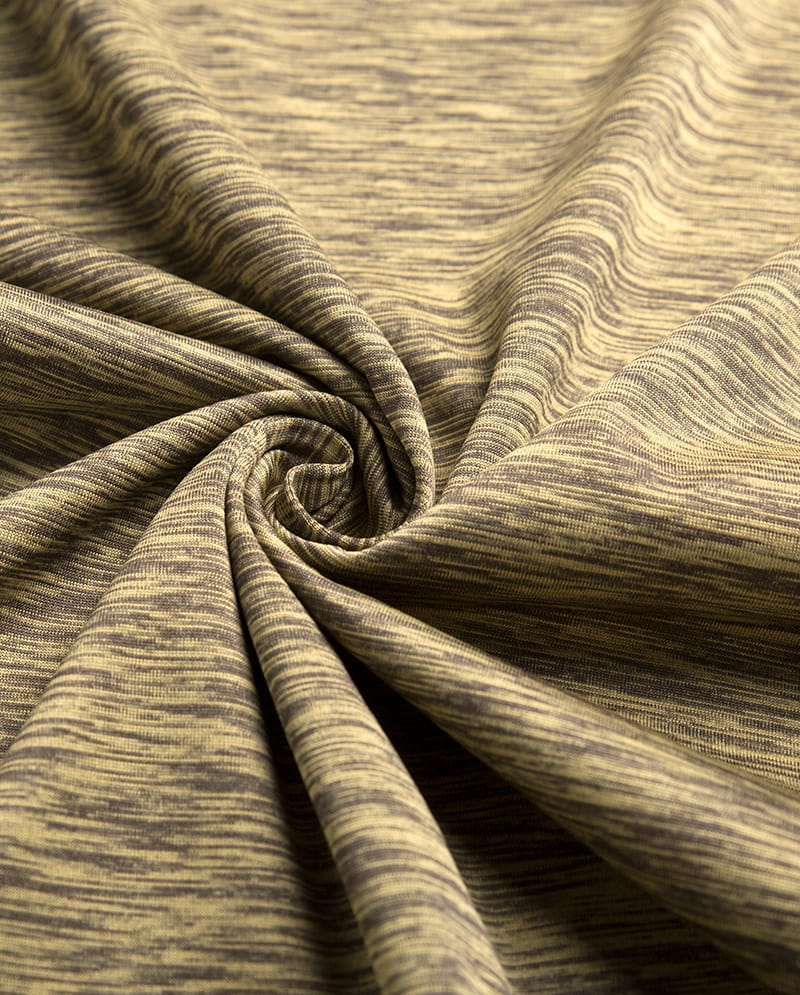
High-Stretch Cationic Jersey Fabric
-
High Quality Cationic DTY Spandex Two Sides Brush Dralon Knit Fabric for Garment Thermal Underwear
-
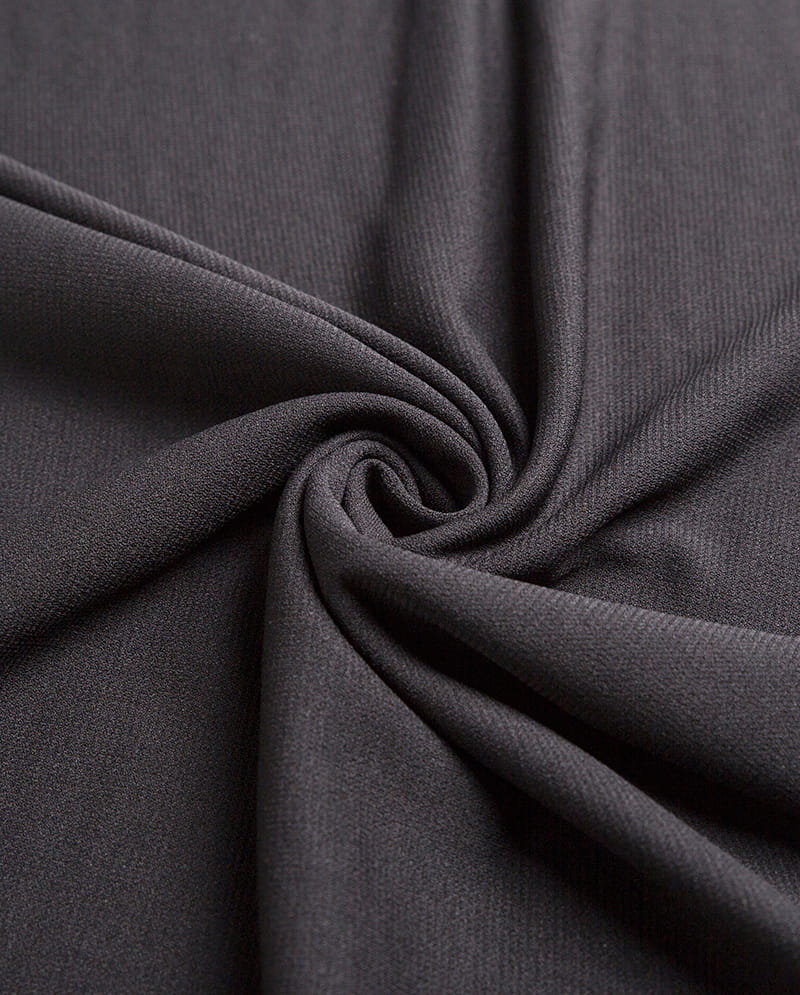
Durable Anti-Pilling Knitted Fabric for Home Textiles
-
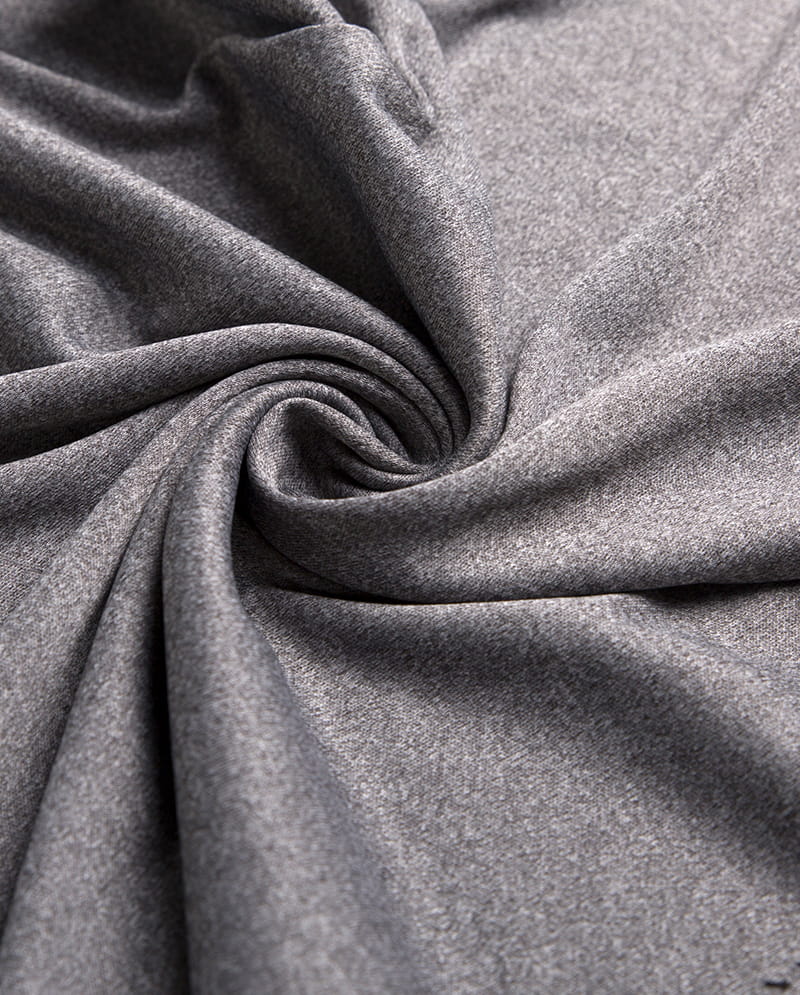
Wash-Resistant Cationic Elastic Knitted Fabric for Garment Industry
-
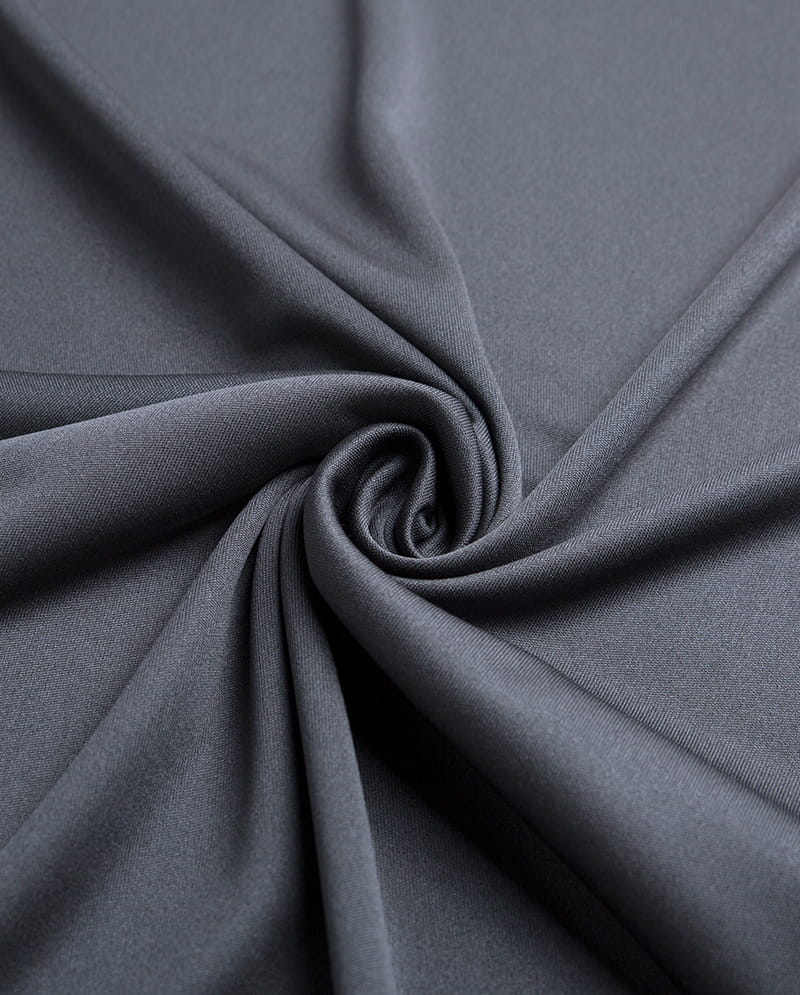
Breathable Double-Faced Elastic Composite Fabric
-
-
-
- whatsapp:
- 0086-13962559622
-
- skype:
- skype.aliceshenghong
-
- Wechat:


COPYRIGHT © 2016 Suzhou Junhui Textile Co., Ltd.
