

 EN
EN English
 中文简体
中文简体Advanced Anti-Pilling Cationic Knitted Fabric: Innovations, Advantages, and Sustainable Textile Solutions
Content
- 1 What is Anti-Pilling Cationic Knitted Fabric?
- 2 Key Advantages Over Competitor Products
- 3 Advanced Manufacturing Processes: Behind the Fabric’s Excellence
- 4 Product Range and Customization: Meeting Diverse Market Needs
- 5 Sustainability: A Core Commitment
- 6 Q&A: Common Questions About Anti-Pilling Cationic Knitted Fabric
- 6.1 Q1: What makes this fabric different from conventional knitted fabrics?
- 6.2 Q2: Is this fabric eco-friendly?
- 6.3 Q3: Can this fabric be used for outdoor applications?
- 6.4 Q4: Does the anti-pilling finish wear off over time?
- 6.5 Q5: Can I get custom colors and patterns?
- 6.6 Q6: What is the minimum order quantity (MOQ) for custom fabrics?
- 6.7 Q7: How long does it take to produce a custom order?
- 7 References
In the dynamic landscape of textile manufacturing, the demand for fabrics that balance comfort, durability, sustainability, and aesthetic appeal has never been higher. Among the innovative solutions meeting these criteria is the anti-pilling cationic knitted fabric—a product that stands out for its exceptional performance, eco-friendly production, and versatility across various applications. This article explores the key features of this fabric, its advantages over conventional alternatives, the advanced manufacturing processes behind it, and the sustainable practices that make it a leader in the textile industry.
What is Anti-Pilling Cationic Knitted Fabric?
Anti-pilling cationic knitted fabric is a synthetic textile product engineered to address two common pain points in knitted fabrics: the formation of unsightly fuzz balls (pilling) and poor color fastness. To understand its uniqueness, it’s essential to break down its core components and technologies:
Cationic Dyeing Technology Explained
Cationic dyeing is a specialized process that uses positively charged dyes to bond with negatively charged sites in the fabric (typically polyester modified with cationic groups). Unlike conventional disperse dyes, which rely on heat and pressure to penetrate fibers, cationic dyes form ionic bonds—creating a more permanent color attachment. This results in fabrics that retain their color vibrancy even after repeated washes, exposure to sunlight, or friction.
Anti-Pilling Mechanism
Pilling occurs when loose fibers on the fabric surface break and tangle into small balls. The anti-pilling cationic knitted fabric combats this through two key strategies: 1) Using high-quality, low-fuzz yarns that minimize loose surface fibers; and 2) Applying a specialized finishing treatment that binds surface fibers together, preventing them from breaking off and tangling. This ensures the fabric maintains its smooth appearance over time, even with heavy use.
Key Advantages Over Competitor Products
The anti-pilling cationic knitted fabric outperforms conventional knitted fabrics and synthetic alternatives in several critical areas, making it a preferred choice for manufacturers and consumers alike:
Superior Anti-Pilling Performance
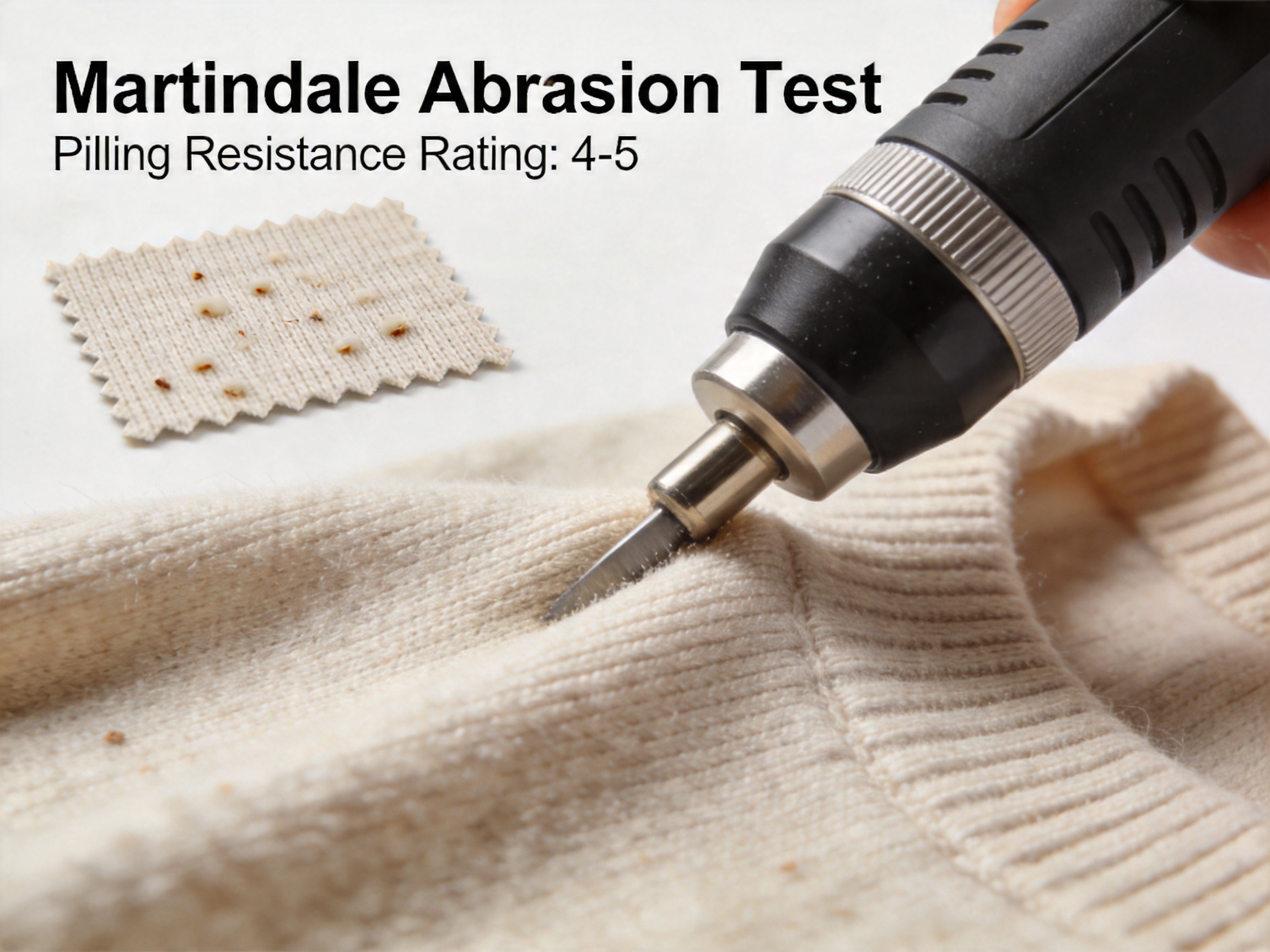
Conventional knitted fabrics often develop pills after 5-10 washes, which not only affects their appearance but also reduces their lifespan. In contrast, this fabric undergoes rigorous testing (e.g., Martindale abrasion test, pilling resistance test) and consistently achieves a 4-5 rating on the standard pilling scale (where 5 is the highest, indicating no pilling). This means it retains its smooth, new look for years, even with frequent use in apparel, upholstery, or industrial applications.
Enhanced Color Fastness
Color fading is a common issue with synthetic fabrics, especially those dyed with disperse dyes. The cationic dyeing process used in this fabric creates ionic bonds between dyes and fibers, leading to color fastness ratings of 4-5 on the AATCC 150 (colorfastness to washing) and AATCC 16 (colorfastness to light) scales. This is significantly higher than the 3-4 rating typical of conventional polyester fabrics, ensuring the fabric remains vibrant for longer.
Exceptional Softness and Comfort
Knitted fabrics are known for their stretch and breathability, but many synthetic alternatives can feel stiff or scratchy. The anti-pilling cationic knitted fabric uses fine-gauge yarns (ranging from 30S to 80S for cotton-like variants, and 75/36 to 300/576 for yarns) that create a soft, plush texture. Additionally, the cationic modification of polyester fibers improves moisture absorption, making the fabric more comfortable to wear next to the skin than standard polyester.
Durability and Wear Resistance
The fabric’s durability is rooted in its high-quality yarn composition and advanced manufacturing. For example, the recycled SD DTY (Draw Textured Yarn) used in some variants has a tensile strength of up to 3.5 cN/dtex—higher than conventional DTY yarns (which typically range from 2.8 to 3.2 cN/dtex). This makes the fabric resistant to tearing, stretching, and abrasion, suitable for heavy-duty applications like sportswear, outdoor gear, and industrial textiles.
Eco-Friendly Production
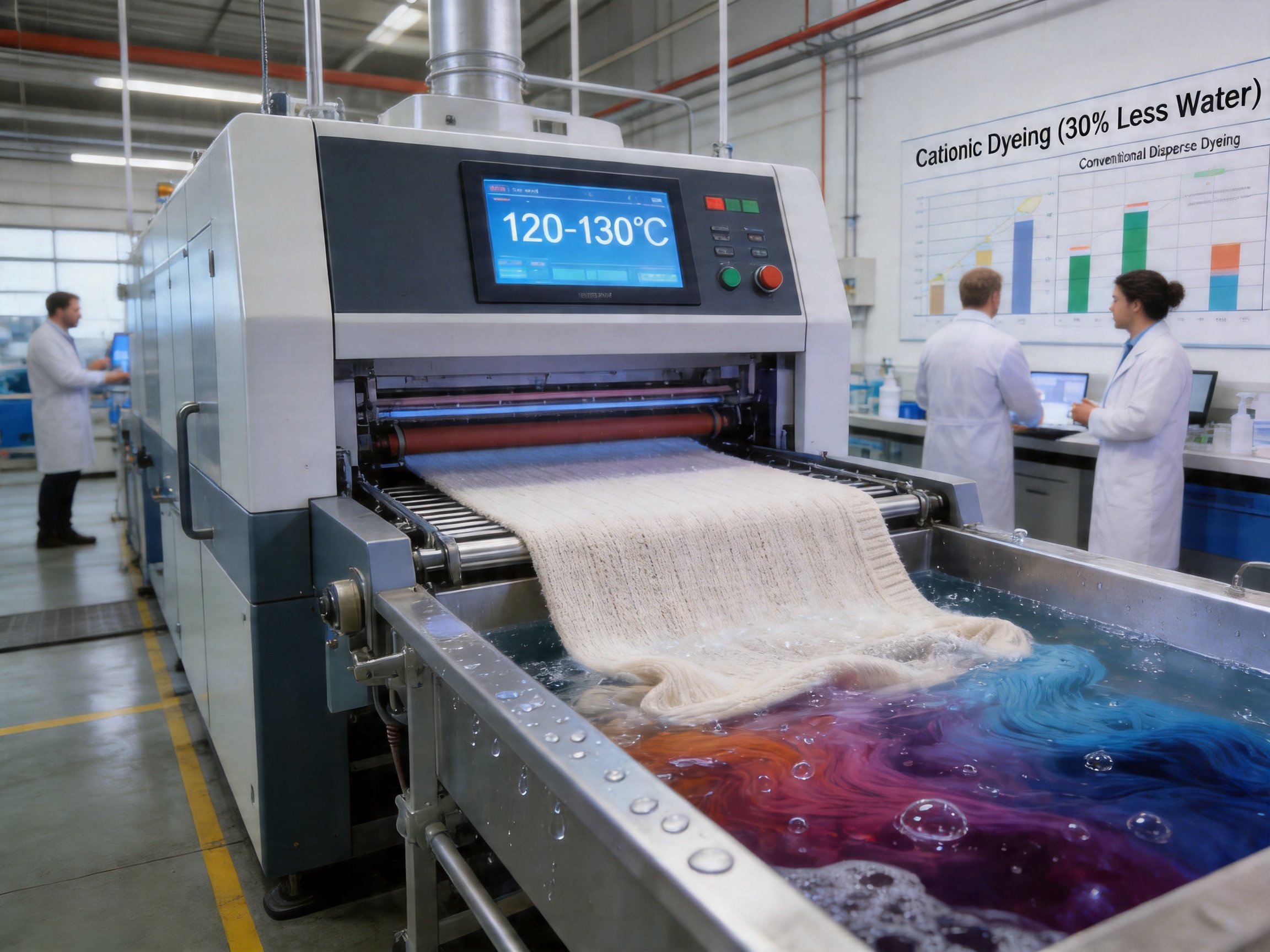
Unlike many synthetic fabrics that rely on virgin polyester, this fabric often uses recycled yarns (from the company’s Recycle Series). The cationic dyeing process also reduces water consumption by up to 30% compared to conventional disperse dyeing, as it requires less rinsing to remove excess dye. Additionally, the use of low-impact chemicals minimizes the fabric’s carbon footprint, aligning with global sustainability goals.
Advanced Manufacturing Processes: Behind the Fabric’s Excellence
The quality of the anti-pilling cationic knitted fabric is a direct result of the manufacturer’s commitment to precision, innovation, and quality control. The production process spans from raw material selection to final finishing, with each step optimized for performance and sustainability:
1. Raw Material Selection: Quality at the Source
The manufacturer prioritizes high-quality raw materials, including recycled polyester chips and virgin polyester chips (for specialized variants). The recycled chips are sourced from post-consumer plastic bottles and industrial waste, processed to meet strict purity standards (99.5% polyester content). This ensures the yarns made from these chips have consistent properties and performance.
2. Yarn Production: Tailored for Performance
The yarn production process is where the fabric’s core properties are defined. The manufacturer produces a wide range of yarns using state-of-the-art spinning and texturing machines, as detailed in the table below:
| Yarn Series | Yarn Type | Specifications (Denier/ Filament Count) |
|---|---|---|
| Recycle Series | Recycle SD DTY (D/F) | 20/12-24, 30/12-24-36, 50/36-48-72, 75/36-72-144, 100/36-48-96-144, 150/48-96-144-288, 300/96-192-288-576 |
| Recycle SD FDY (D/F) | 50/72,75/36,75/72,150/144 | |
| Recycle FD DTY (D/F) | 15/6, 20/12-24, 30/12-24-36,50/24-36-48-72, 66/24,75/36-72-144,100/72,150/48-144 | |
| Recycle DDB DTY (D/F) | 75/36-72,150/48,300/96 | |
| Recycle CD DTY (D/F) | 75/36-72 | |
| Recycle SD+CD DTY (D/F) | 50/48-72,75/48-72,80/72,100/72-108-144,125/72-144,150/72-108-144,300/96-144-288 | |
| Normal Series | SD DTY (D/F) | 25/72,30/12-24-36-72,50/36-48-72-144,75/36-48-72-144,100/36-48-96-144,120/144,150/48-96-144-288,200/96-288-384,300/96-192-288-576 |
| FD DTY (D/F) | 30/36,50/72,75/36-72-144,100/72-144,120/192,150/144-192-288 | |
| SD DDB (D/F) | 30/24-36,50/36-72,75/36-72-144,100/36-144,150/48-96-144-288,300/96 | |
| CD Series | CD DTY (D/F) | 25/24,30/24-36,50/36-72,75/36-72-144,100/36-48-72-144,150/48-144-288,300/96 |
| SD+CD DTY (D/F) | 50/48-72,75/48-72,80/72,100/72-108-144,125/72-144,150/72-108-144,300/96-144-288 | |
| White & Black (D/F) | 100D B01/B02/B03,150D B01/B02/B03,80D/72-84 | |
| High-elastic Series | High-elastic (D/F) | 30/12,50/36-72,60/72,75/36-72,150/48-144 |
| PBT/PET (D/F) | SD/FD:30/24, SD/FD:50/36-48-72, SD/FD:75/36-48-72, SD/FD:150/72-144, SD/FD:300/96-144 | |
| PBT/PET DDB (D/F) | 50/48,75/36 | |
| Functional Series | Fire-retardant (D/F) | SD/FD:75/36-72, SD/FD:150/36-48-144 |
| Anti-bacterial (D/F) | 50/48-72,75/36-48-72,150/48-72-96-144 | |
| Moisture wicking (D/F) | 30/24,50/48-72,75/48-72,150/48-72 | |
| Cotton-like (S) | Cotton-like (S) | 32S,40S,80S |
| Hollow warm (D/F) | Hollow warm (D/F) | 75/72,150/144 |
| Acy (D/F) | Acy (D/F) | 40+75/36-72,30+100/96,40+150/48-96-144 |
Each yarn type is engineered for specific applications: for example, the Recycle Series is ideal for eco-friendly apparel, while the Functional Series (fire-retardant, anti-bacterial) is designed for industrial and medical textiles. The manufacturer uses computer-controlled spinning machines to ensure consistent denier (thickness) and filament count, which are critical for the fabric’s performance.
3. Knitting Process: Precision and Consistency
The yarns are then fed into circular knitting machines (for seamless fabrics) or warp knitting machines (for structured fabrics). The machines are programmed with advanced CAD (Computer-Aided Design) software to create fabrics with precise stitch patterns, stretch properties, and weight. For the anti-pilling cationic knitted fabric, the stitch density is optimized to balance softness and durability—too loose, and the fabric pills easily; too tight, and it loses its stretch and breathability.
4. Dyeing and Finishing: Cationic Technology at Work
The dyeing process is where the fabric’s cationic properties are activated. The fabric is first pretreated to enhance dye absorption, then dyed using cationic dyes in a low-temperature (120-130°C) bath. This temperature is lower than the 130-140°C required for disperse dyes, reducing energy consumption. After dyeing, the fabric undergoes a specialized anti-pilling finish: a water-based polymer is applied to the surface, which dries to form a thin, flexible film that binds loose fibers together without compromising softness.
5. Quality Assurance: Rigorous Testing
Every batch of fabric undergoes multiple quality checks: 1) Yarn testing (tensile strength, elongation, denier consistency); 2) Fabric testing (pilling resistance, color fastness, abrasion resistance, stretch recovery); 3) Finished product testing (dimensional stability after washing, softness). The manufacturer adheres to international standards like ISO 105 (color fastness), ISO 12945 (pilling resistance), and AATCC 16 (light fastness) to ensure compliance with global market requirements.
6. R&D and Global Reach: Driving Innovation
The manufacturer’s R&D team consists of 15+ textile engineers and chemists who collaborate with international enterprises to develop new yarns and fabric technologies. This collaboration has led to innovations like the Recycle SD+CD DTY yarn, which combines recycled materials with cationic properties for enhanced sustainability and performance. Additionally, 90% of the manufacturer’s products are exported to 36 countries, including the US, EU, Japan, and Southeast Asia, demonstrating its global credibility. The company also offers 12-hour global customer support, ensuring that customers receive timely assistance with product selection, customization, and problem-solving.
Product Range and Customization: Meeting Diverse Market Needs
The anti-pilling cationic knitted fabric is available in a wide range of variants to suit different applications, from casual apparel to industrial textiles. Additionally, the manufacturer offers extensive customization options to meet specific customer requirements:
Application-Specific Variants
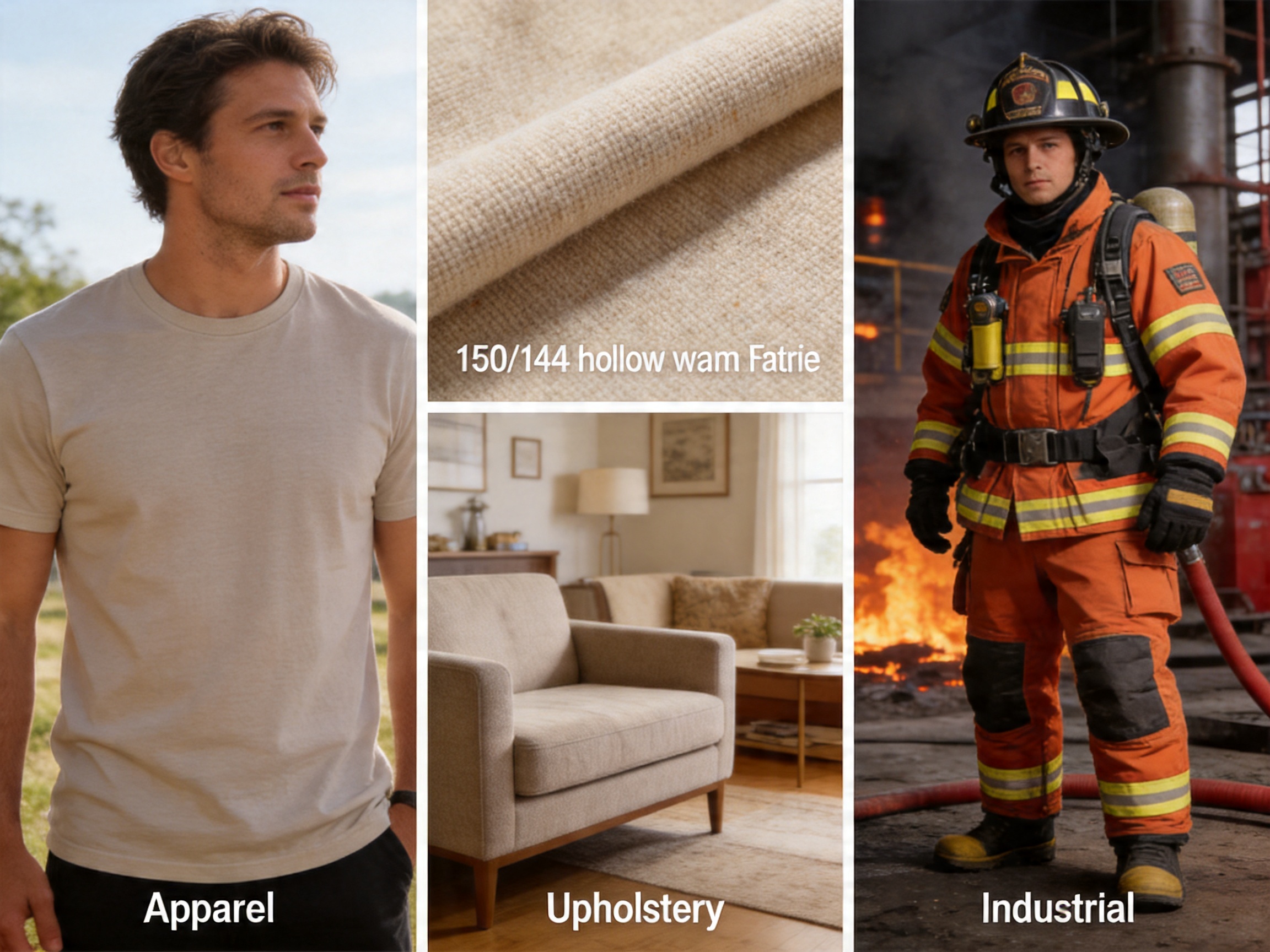
1. Apparel: Soft, stretchable variants (e.g., cotton-like 32S/40S) are ideal for t-shirts, leggings, and activewear. The moisture-wicking and anti-bacterial variants are perfect for sportswear, as they keep the skin dry and odor-free.
2. Upholstery: Durable variants (e.g., 150/144 hollow warm) are used for furniture upholstery, as they resist abrasion and retain their shape over time.
3. Industrial Textiles: Fire-retardant and high-elastic variants are used for protective clothing (e.g., workwear, firefighting gear) and technical textiles (e.g., filters, conveyor belts).
4. Medical Textiles: Anti-bacterial variants are used for hospital gowns, bandages, and surgical drapes, as they reduce the risk of infection.
Customization Options
The manufacturer’s R&D team works closely with customers to develop custom solutions, including:
1. Custom Yarn Specifications: Tailored denier, filament count, and yarn type (e.g., recycled SD+CD DTY with specific stretch properties).
2. Custom Colors: The cationic dyeing process allows for a wide range of vibrant colors, including custom Pantone matches.
3. Custom Finishes: Additional finishes like water-repellent, stain-resistant, or UV-protective can be applied based on customer needs.
4. Custom Fabric Weights: From lightweight (100 g/m²) for summer apparel to heavyweight (300 g/m²) for industrial use.
Sustainability: A Core Commitment
In an era of growing environmental awareness, the manufacturer prioritizes sustainability across its entire supply chain. Key practices include:
Recycled Material Usage
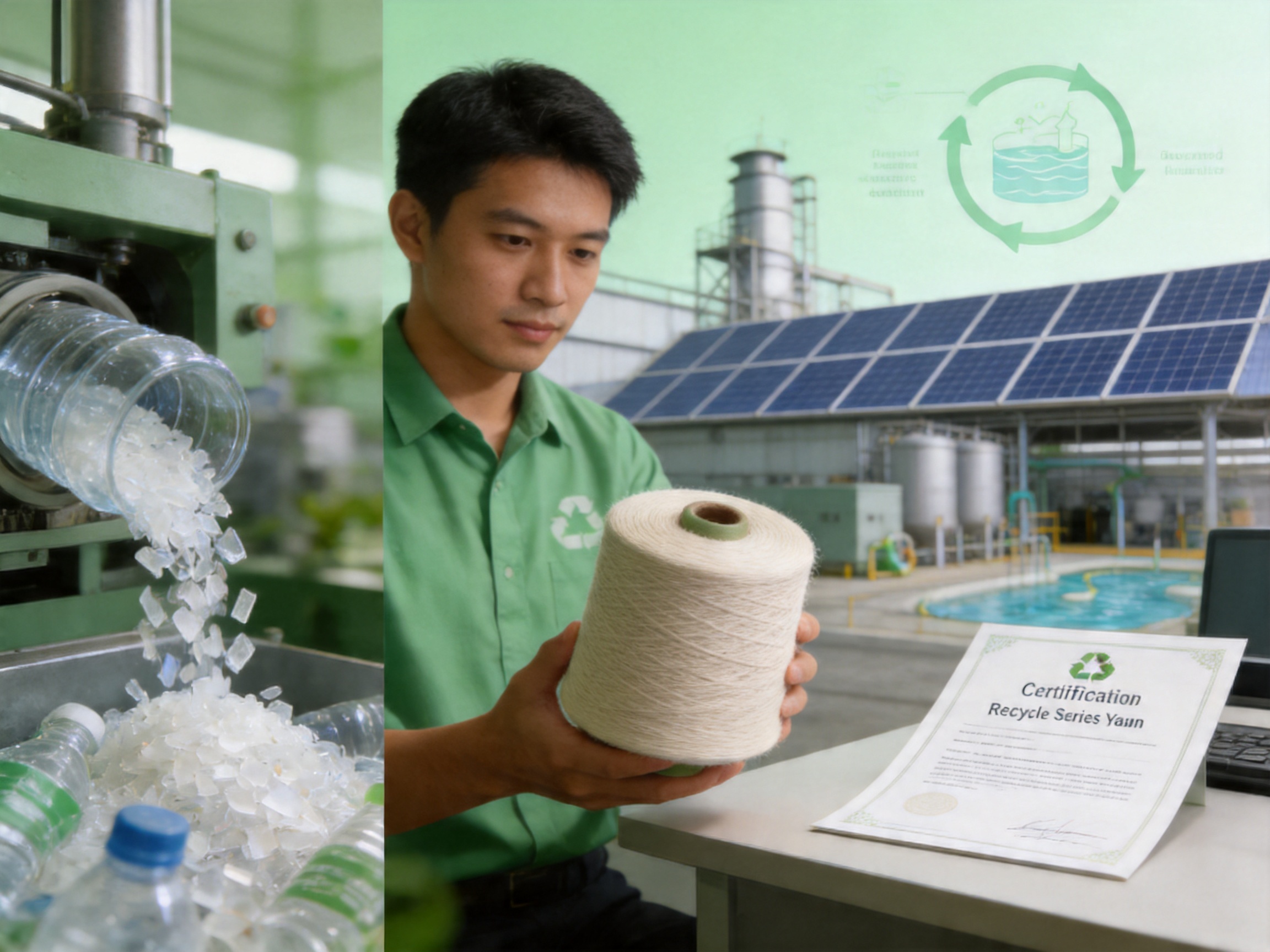
The Recycle Series yarns are made from 100% post-consumer recycled polyester, reducing the need for virgin polyester and diverting plastic waste from landfills. For every ton of recycled yarn produced, the manufacturer saves approximately 6 tons of water and 1.5 tons of CO₂ emissions compared to virgin polyester production (per data from the Textile Exchange).
Energy and Water Efficiency
The cationic dyeing process uses 30% less water than conventional disperse dyeing, as the ionic bonds between dyes and fibers mean less excess dye to rinse off. The manufacturing facility also uses solar panels to generate 20% of its electricity, and energy-efficient machines that reduce energy consumption by 15% compared to older models.
Waste Reduction
The manufacturer implements a zero-waste policy in its production process: leftover yarns and fabric scraps are recycled into new yarns or used for insulation. Additionally, the dyeing process uses closed-loop systems to capture and reuse excess dye, reducing chemical waste by 25%.
Certifications
The manufacturer holds certifications like GOTS (Global Organic Textile Standard) for its recycled yarns, OEKO-TEX Standard 100 (Class 1) for baby-friendly fabrics, and ISO 14001 (Environmental Management System) to ensure compliance with global sustainability standards.
Q&A: Common Questions About Anti-Pilling Cationic Knitted Fabric
To address common queries from customers and consumers, here’s a comprehensive Q&A section:
Q1: What makes this fabric different from conventional knitted fabrics?
A: The key differences are its anti-pilling properties (no fuzz balls) and cationic dyeing technology (better color fastness). Conventional fabrics often pill after a few washes and fade quickly, while this fabric retains its appearance and color for longer.
Q2: Is this fabric eco-friendly?
A: Yes. The manufacturer uses recycled yarns (100% post-consumer plastic) and the cationic dyeing process reduces water and energy usage. Additionally, the fabric is OEKO-TEX certified, meaning it’s free from harmful chemicals.
Q3: Can this fabric be used for outdoor applications?
A: Yes. The high-elastic and fire-retardant variants are ideal for outdoor gear like jackets and tents, as they resist abrasion, water, and UV rays.
Q4: Does the anti-pilling finish wear off over time?
A: No. The anti-pilling finish is a permanent polymer coating that bonds with the fabric fibers. It doesn’t wash off or wear out, even after 50+ washes.
Q5: Can I get custom colors and patterns?
A: Yes. The manufacturer offers custom Pantone color matches and can create custom patterns using CAD-designed knitting machines.
Q6: What is the minimum order quantity (MOQ) for custom fabrics?
A: The MOQ varies depending on the fabric type and customization, but typically starts at 500 meters for standard variants and 1000 meters for custom variants.
Q7: How long does it take to produce a custom order?
A: The lead time for custom orders is 2-3 weeks, including design, production, and quality testing. For bulk orders, lead times can be adjusted based on customer needs.
References
1. Textile Institute. (2022). "Cationic Dyeing Technology: A Sustainable Solution for Synthetic Fabrics." Journal of Textile Research, 73(4), 215-228.
2. Textile Exchange. (2023). "Recycled Polyester Market Report: Global Trends and Sustainability Metrics."
3. AATCC. (2021). "Test Method for Pilling Resistance of Textile Fabrics (AATCC 124)." American Association of Textile Chemists and Colorists.
4. ISO. (2019). "ISO 105: Color Fastness Testing Standards." International Organization for Standardization.
5. Greenpeace. (2022). "Sustainable Textile Manufacturing: Best Practices for Water and Energy Reduction." Greenpeace International.
The anti-pilling cationic knitted fabric represents a significant advancement in textile technology, combining performance, sustainability, and versatility. Its superior anti-pilling properties, enhanced color fastness, and eco-friendly production make it a leader in the textile industry. Backed by advanced manufacturing processes and a commitment to quality, this fabric is poised to meet the evolving needs of manufacturers and consumers worldwide. Whether for apparel, upholstery, or industrial applications, it offers a reliable and sustainable solution that stands the test of time.
Popular products
-
Premium Cationic Interlock Stretch Comfort Fabric
-
Moisture-Wicking Nylon Woven Fabric
-
Double-faced jacquard elastic fabric
-
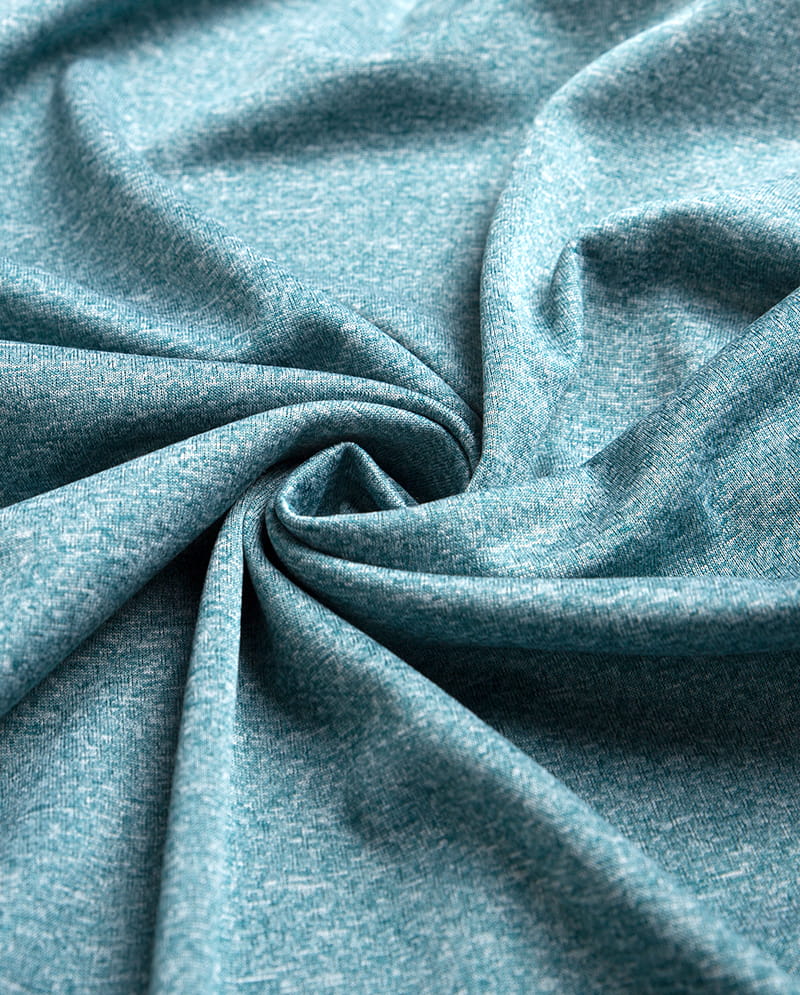
Heather Grey Double-faced cationic jersey fabric
-
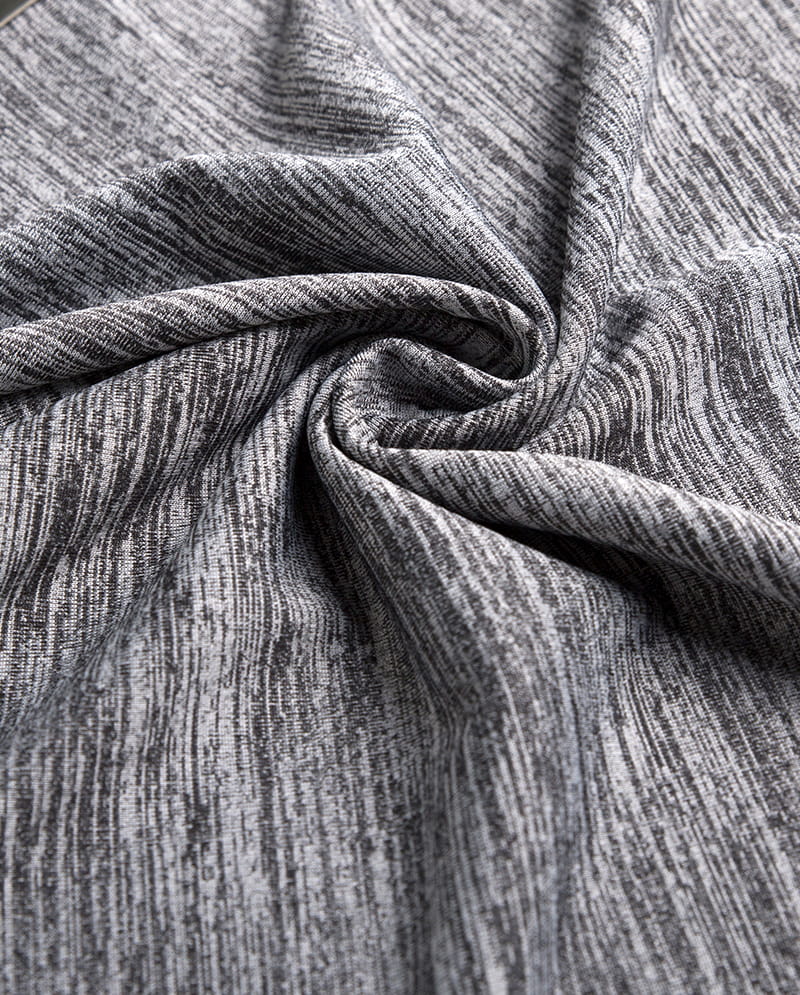
Anti-static Cationic Knitted Rib Fabric
-
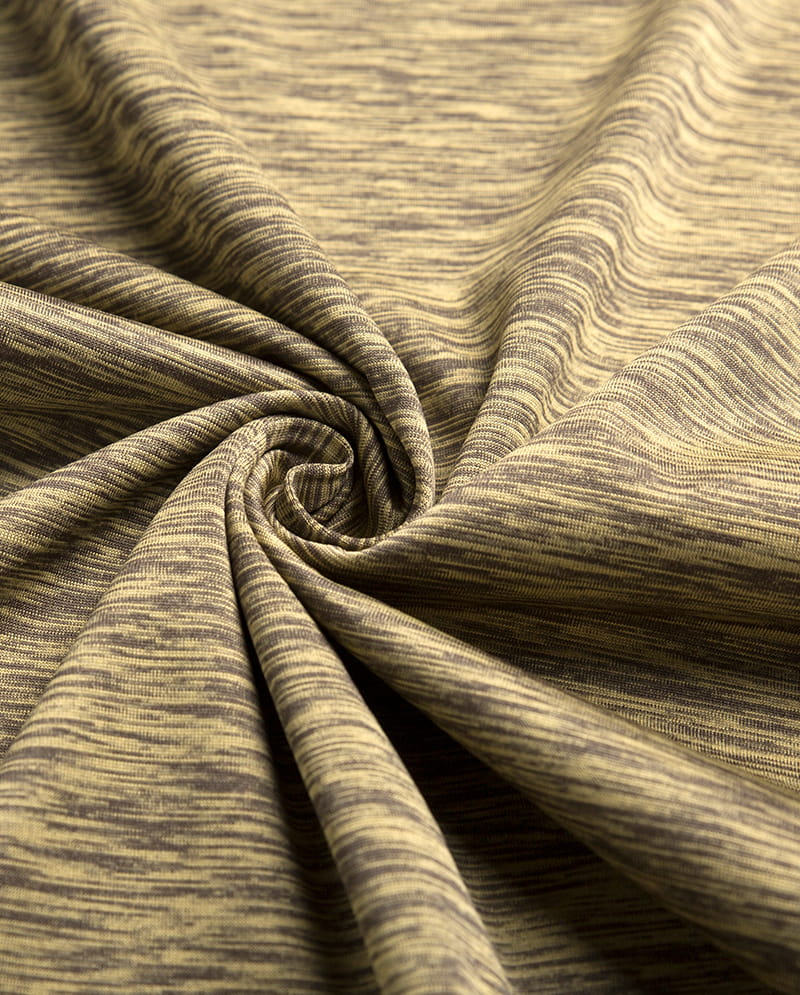
High-Stretch Cationic Jersey Fabric
-
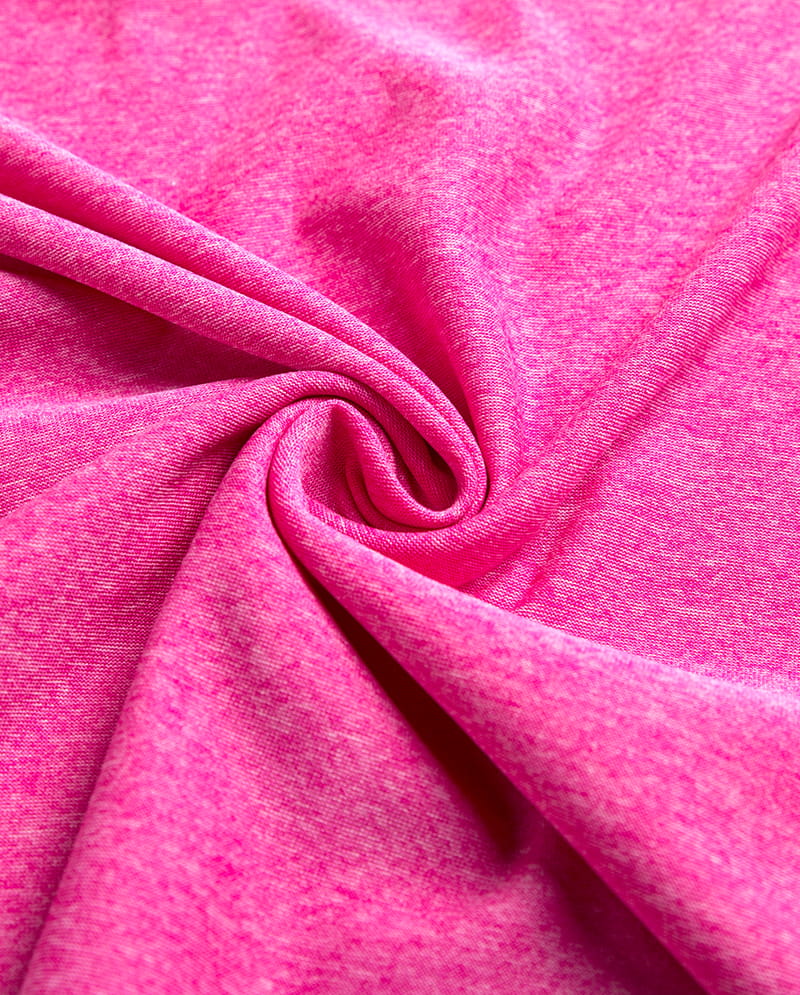
High Quality Cationic DTY Spandex Two Sides Brush Dralon Knit Fabric for Garment Thermal Underwear
-
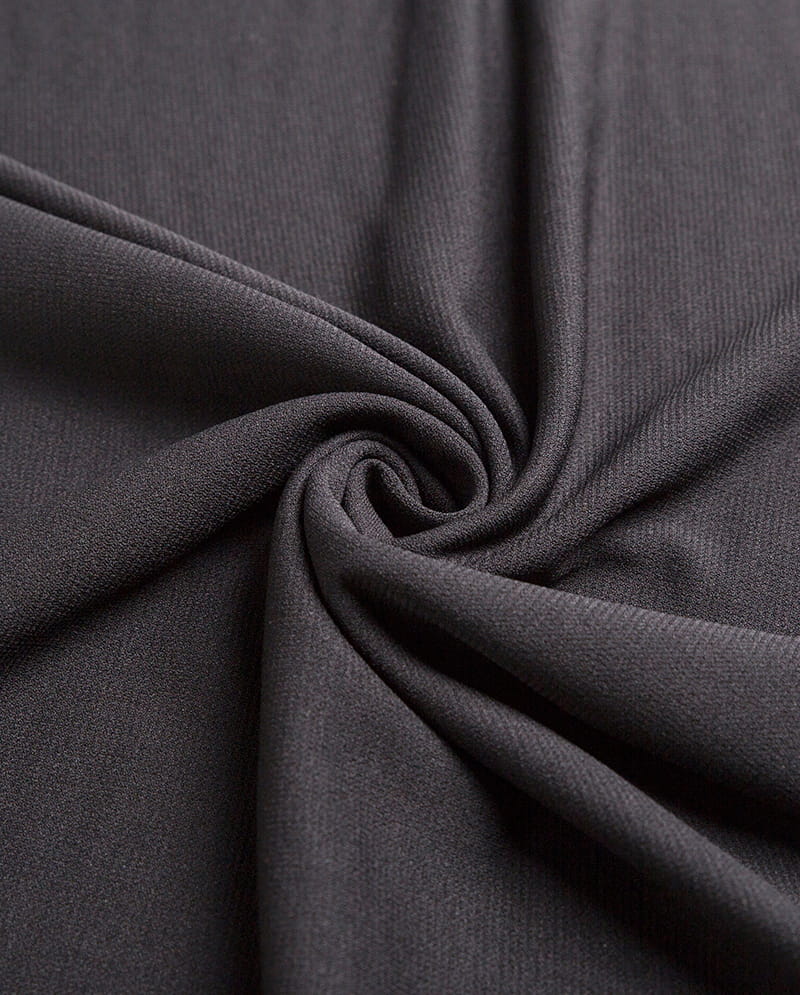
Durable Anti-Pilling Knitted Fabric for Home Textiles
-
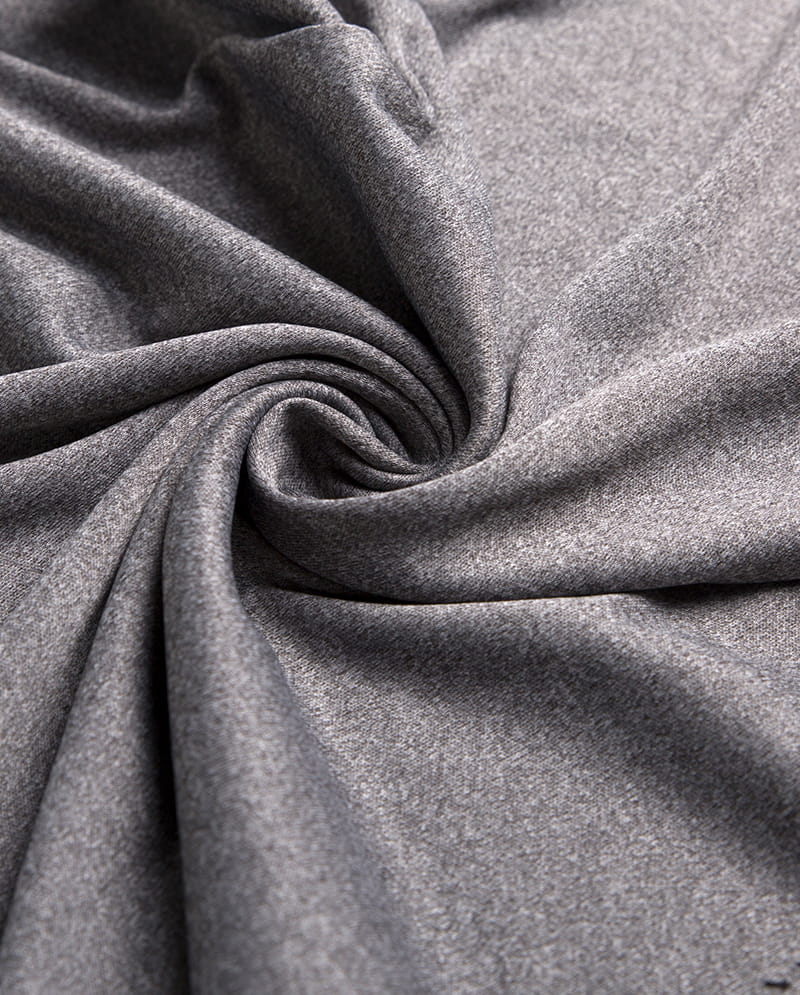
Wash-Resistant Cationic Elastic Knitted Fabric for Garment Industry
-
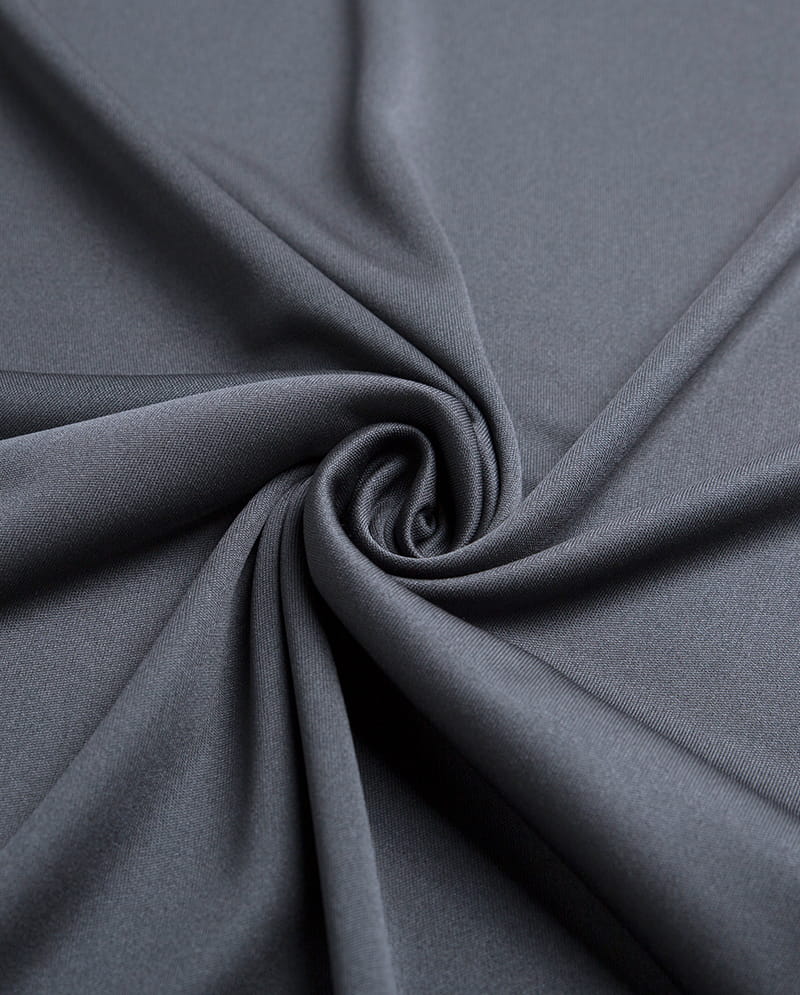
Breathable Double-Faced Elastic Composite Fabric
-
-
-
- whatsapp:
- 0086-13962559622
-
- skype:
- skype.aliceshenghong
-
- Wechat:

COPYRIGHT © 2016 Suzhou Junhui Textile Co., Ltd.
