

 EN
EN English
 中文简体
中文简体Advanced Anti-Bacterial Functional Yarn for High-Performance Textile Applications
Content
- 1 What Is Anti-Bacterial (D/F) Functional Yarn?
- 2 How the Air-Texturing Process Creates Product Value
- 3 Anti-Bacterial Performance and Functional Design
- 4 Available Specifications
- 5 Advantages Compared with Conventional Yarn Options
- 6 Manufacturing Strengths and Quality Control
- 7 Company Expertise and International Supply Capability
- 8 Applications in Woven and Knitted Textiles
- 9 Product Development Options
- 10 Recommended Evaluation Process for Buyers
- 11 Processing and Handling Recommendations
- 12 Environmental and Product Responsibility
- 13 Why Choose This Product for Competitive Textile Development?
- 14 Quality Considerations Before Purchase
- 15 Q&A
- 15.1 What is the main function of this yarn?
- 15.2 How is the yarn textured?
- 15.3 What does D/F mean?
- 15.4 Which specifications are available for the anti-bacterial series?
- 15.5 Can the yarn be used for knitting?
- 15.6 What are the main applications?
- 15.7 Is the yarn suitable for medical textiles?
- 15.8 Is the anti-bacterial function applied as a surface coating?
- 15.9 Can the product be customized?
- 15.10 Can recycled content be combined with anti-bacterial performance?
- 15.11 How should buyers select between the listed specifications?
- 15.12 What should be tested before bulk ordering?
- 15.13 Does the company support international customers?
- 15.14 How quickly can technical questions be answered?
- 16 Conclusion
- 17 References
- 18 Product: Anti-bacterial (D/F) Functional Yarn
Anti-bacterial functional yarn is becoming increasingly important as textile manufacturers respond to growing demand for cleaner, more comfortable and more durable fabrics. From household furnishings to carpets, upholstery and decorative fabrics, modern textile products are expected to deliver more than attractive color and a pleasant hand feel. They must also support hygiene, maintain performance during processing and provide dependable quality across different production environments.
Anti-bacterial (D/F) Functional Yarn is developed for manufacturers seeking a practical combination of surface coverage, distinctive texture, processing adaptability and hygiene-oriented performance. Produced through advanced air-texturing technology and material modification, the yarn forms a fluffy, looped structure with irregular kinked fiber circles. This construction gives the yarn a fuller appearance, a uniform hand feeling and good coverage when converted into woven or knitted fabric.
The product is supplied by Suzhou Junhui Textile Co., Ltd. and Suzhou Xiaoran New Materials Co., Ltd., textile companies specializing in differential yarn, recycled yarn, functional yarn and knitting fabric products. Their manufacturing and development capabilities support a broad product portfolio that includes recycled yarn, polyester dope-dyed yarn, microfine yarn, flame-retardant yarn, cationic-dyeing yarn, moisture-wicking yarn, high-elastic yarn and other customized yarn solutions.
For buyers, the value of this product lies not only in its anti-bacterial function. Its air-textured structure, wide application range, available specifications and compatibility with different textile processes make it a versatile option for both technical and decorative fabrics.
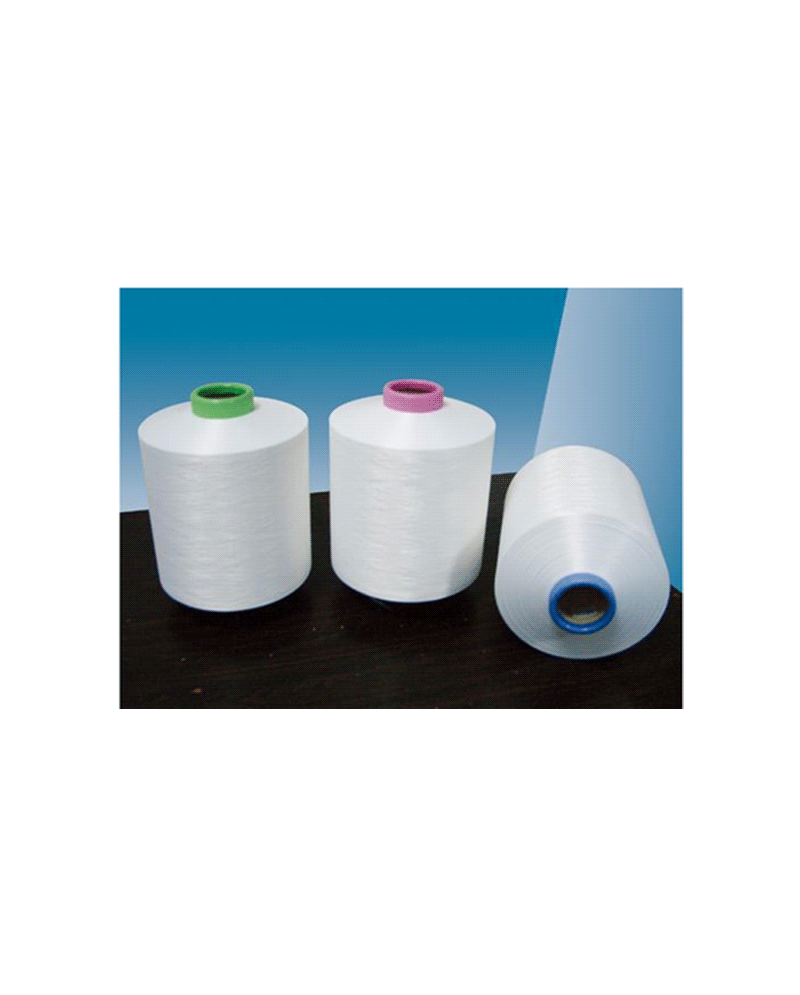
Anti-bacterial (D/F) Functional Yarn
What Is Anti-Bacterial (D/F) Functional Yarn?
Anti-bacterial (D/F) Functional Yarn is a polyester-based functional yarn designed to combine textile performance with anti-bacterial properties. The product is available in selected denier and filament combinations, including 50/48-72, 75/36-48-72 and 150/48-72-96-144. The exact meaning of the D/F designation, yarn construction and finishing requirements should be confirmed according to the intended production process and final fabric specification.
The yarn is manufactured using a modified material system and an air-injection texturing process. During air texturing, high-pressure airflow separates, entangles and loops the filaments. This produces irregular kinked fiber circles along the yarn body, creating a soft, bulky and visually distinctive structure. Unlike a conventional smooth filament yarn, the textured yarn offers improved surface fullness and coverage.
The anti-bacterial function is integrated into the yarn development process rather than being treated only as a temporary surface coating. Material modification can help inhibit the growth of common bacteria on the fabric surface. This approach is intended to provide a more durable functional effect than a finish that may gradually reduce after repeated handling or laundering. Performance should be verified through appropriate laboratory testing based on the target market and application.
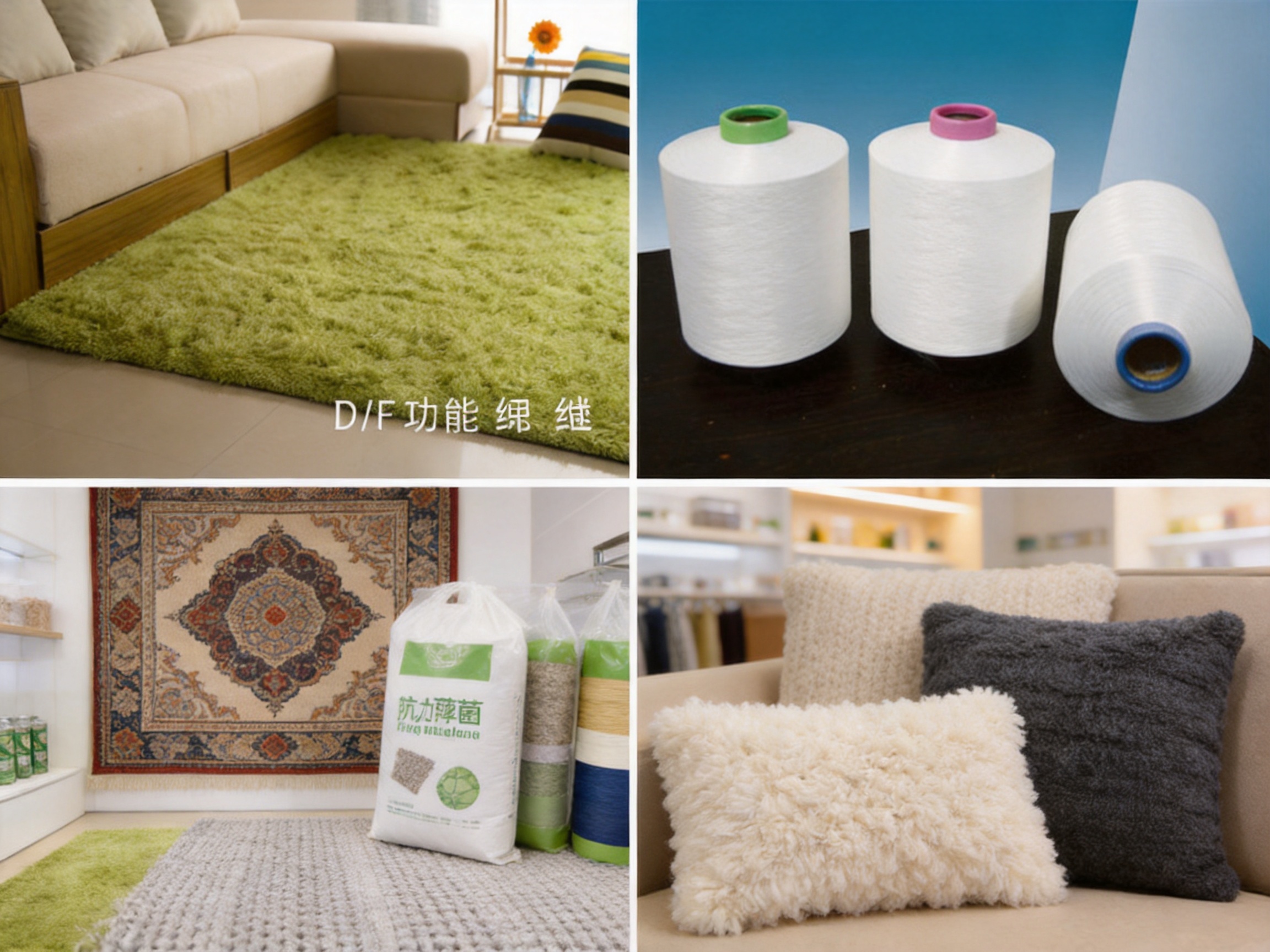
The yarn is suitable for woven and knitted fabrics. Its properties are especially useful in products requiring coarse denier yarn, enhanced coverage, a soft and uniform hand feel, or a textured visual effect. Typical applications include carpets, sofa cloth, tapestry fabrics, home decoration textiles and other furnishing materials.
How the Air-Texturing Process Creates Product Value
Air texturing is a specialized method that uses compressed air to transform a bundle of continuous filaments into a more voluminous and irregular yarn structure. The airflow creates turbulence inside the texturing chamber. Filaments are opened, displaced and intertwined, forming loops and curls around the main yarn body.
This process provides several functional and aesthetic benefits. First, it increases the apparent bulk of the yarn without requiring a proportionally heavier raw material input. Second, the loops and irregular kinked sections create a fuller surface that can improve fabric coverage. Third, the textured structure gives the yarn a distinctive appearance and a more tactile hand feel than a standard flat filament.
The air-textured construction is also valuable for furnishing and decorative textiles. Carpets, sofa fabrics and tapestries often require yarns that can fill the fabric structure effectively. A smooth, low-volume yarn may leave the base structure more visible, while a bulky textured yarn can create a denser visual effect. This helps textile manufacturers develop products with a richer appearance and more substantial touch.
Uniformity is essential in air-textured yarn production. If the loops are inconsistent, the final fabric may show streaks, uneven coverage or irregular surface effects. Advanced production control is therefore required to regulate air pressure, feed ratio, filament tension, winding speed and package formation. Careful control of these variables supports stable yarn appearance and helps reduce variation between production lots.
Main Characteristics of the Textured Structure
Fluffy looped form: The yarn contains irregular loops and kinked fiber circles created by air injection. This increases visual fullness and supports a softer, more dimensional fabric surface.
Good coverage: The bulky structure can help conceal the underlying fabric construction. This is particularly valuable in carpets, upholstery and tapestry applications where a dense appearance is desirable.
Uniform hand feeling: Properly controlled air texturing creates a consistent tactile response. A balanced hand feel is important for sofa cloth, decorative fabrics and products handled frequently by consumers.
Fine-knitting performance: The yarn can be used in suitable knitting processes to create fabrics with a textured surface and comfortable touch. Machine settings should be optimized according to yarn count, filament configuration and fabric construction.
Distinctive style: The irregular looped structure gives the resulting textile a different visual character from conventional smooth filament fabrics. This can help product developers create differentiated collections.
Functional material base: The anti-bacterial capability is developed as part of the yarn material system. This supports the production of fabrics designed for hygiene-oriented use, subject to technical testing and application requirements.
Anti-Bacterial Performance and Functional Design
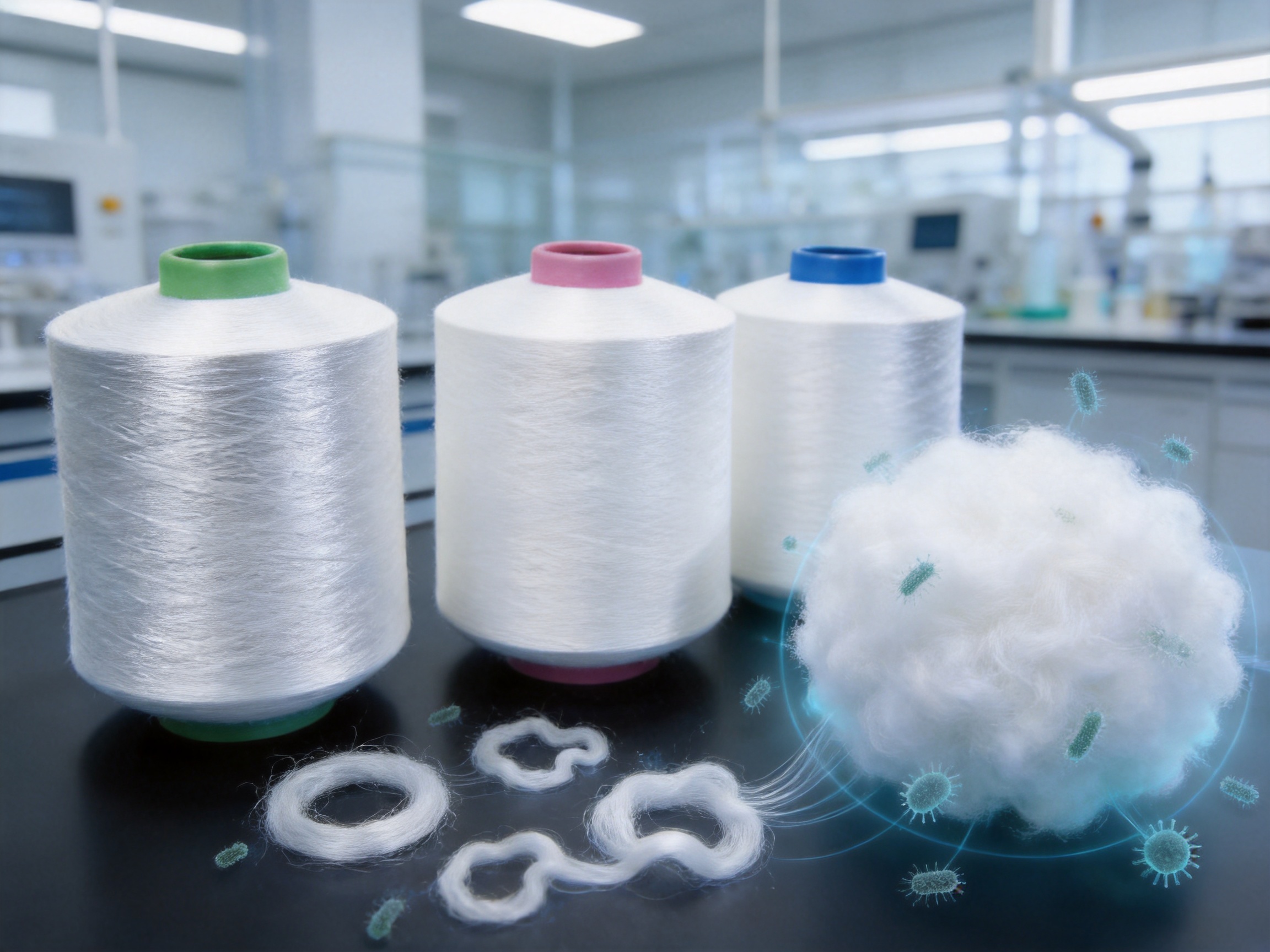
Hygiene-oriented textiles are used in environments where cleanliness and regular contact are important. Upholstery, carpets, decorative fabrics and household textiles may be exposed to moisture, skin contact, dust and other conditions that support bacterial growth. Anti-bacterial yarn can help manufacturers address these concerns at the fiber level.
The product’s anti-bacterial function is based on material modification intended to inhibit the growth of common bacteria on the fabric surface. The active system is incorporated during yarn development, allowing the functional property to be distributed through the yarn rather than depending exclusively on a final topical treatment.
This design can offer several potential advantages. A fiber-level approach may provide better functional stability during ordinary textile processing than a coating that exists only on the outer surface. It may also help maintain performance when the yarn is converted into fabric, although actual results depend on the active material, dosage, fabric construction, dyeing conditions, laundering method and end-use environment.
Manufacturers should define their anti-bacterial performance requirements before placing an order. Important considerations include the target bacteria, test method, required reduction level, washing durability, fabric composition, chemical compatibility and regulatory requirements in the destination market. The supplier can then recommend a suitable yarn construction and provide the technical documentation or sample support needed for evaluation.
It is important to distinguish between anti-bacterial functionality and sterilization. Anti-bacterial yarn is designed to inhibit or reduce bacterial growth under specified conditions. It should not automatically be described as a medical, sterilizing or disease-preventing material unless the finished product has completed the necessary testing and regulatory approval.
Available Specifications
The product list identifies several anti-bacterial D/F options intended for different fabric weights and construction requirements. Available specifications include the following:
Product category |
Available specifications |
Typical consideration |
Anti-bacterial D/F functional yarn |
50/48-72 |
Suitable for lighter or medium textile constructions, depending on fabric design |
Anti-bacterial D/F functional yarn |
75/36-48-72 |
Balanced option for textured woven or knitted furnishing fabrics |
Anti-bacterial D/F functional yarn |
150/48-72-96-144 |
Coarser option for high-coverage fabrics and decorative applications |
In yarn notation, the first number commonly refers to denier and the second number may refer to filament count, although notation can vary by product system. Buyers should confirm the exact specification, cross-section, luster, twist, texturing condition, package size and delivery form before production approval.
The manufacturer also accepts orders for different kinds of differentiation yarn. This is important for customers whose projects require a combination of anti-bacterial performance and another property, such as recycled content, cationic dyeability, moisture management, flame retardancy or elasticity.
Advantages Compared with Conventional Yarn Options
More Than a Standard Smooth Filament
A conventional smooth filament yarn can provide good strength, dimensional consistency and processing efficiency, but it may not provide the same fullness or surface coverage as an air-textured product. Anti-Bacterial (D/F) Functional Yarn adds a looped structure that can create a more substantial appearance and a softer tactile impression.
This makes it particularly suitable when the fabric designer wants a fuller surface without relying solely on high fabric density. In carpets and upholstery, improved coverage can contribute to a richer appearance. In tapestries and decorative fabrics, the textured yarn can add visual depth and help create a more expressive surface.
Integrated Function Instead of a Single-Stage Surface Treatment
Some anti-bacterial textile treatments are applied after fabric formation. While post-treatment can be useful, it may introduce additional production steps and may be affected by washing, abrasion or chemical exposure. A functional yarn approach allows anti-bacterial performance to be considered from the beginning of the material design.
Integrating the function into the yarn can simplify product planning and help create more consistent functional coverage throughout the fabric. It may also reduce dependence on a separate finishing operation. However, manufacturers should still evaluate the complete fabric because dyeing, finishing and laundering can influence final performance.
Improved Coverage for Coarse-Denier Applications
Coarse-denier applications often require yarns with volume and body. The air-textured structure of this product helps fill the fabric surface and reduce the visual exposure of the base material. This can be advantageous in sofa cloth, carpets and tapestry fabrics where a dense, covered appearance is part of the product specification.
Combination of Function and Design Flexibility
Functional products sometimes focus heavily on performance while offering limited aesthetic flexibility. This yarn is designed to retain a distinctive textile character, including a fluffy structure, uniform hand feeling and good coverage. Product developers can therefore work toward hygiene-oriented performance without giving up the tactile and decorative qualities required in household fabrics.
Broad Product Development Capability
The supplier’s wider portfolio includes recycled series, normal polyester series, cationic-dyeing products, high-elastic yarns, PBT/PET yarns, fire-retardant yarns, moisture-wicking yarns, hollow warm yarns, cotton-like yarns and other differentiated products. This breadth gives buyers access to a development partner rather than a single isolated yarn item.
For example, a customer may begin with an anti-bacterial yarn and later require a recycled version, a different luster, a special filament count or a combined functional effect. A company with experience across multiple yarn families is better positioned to discuss compatibility, sampling and alternative specifications.
Manufacturing Strengths and Quality Control
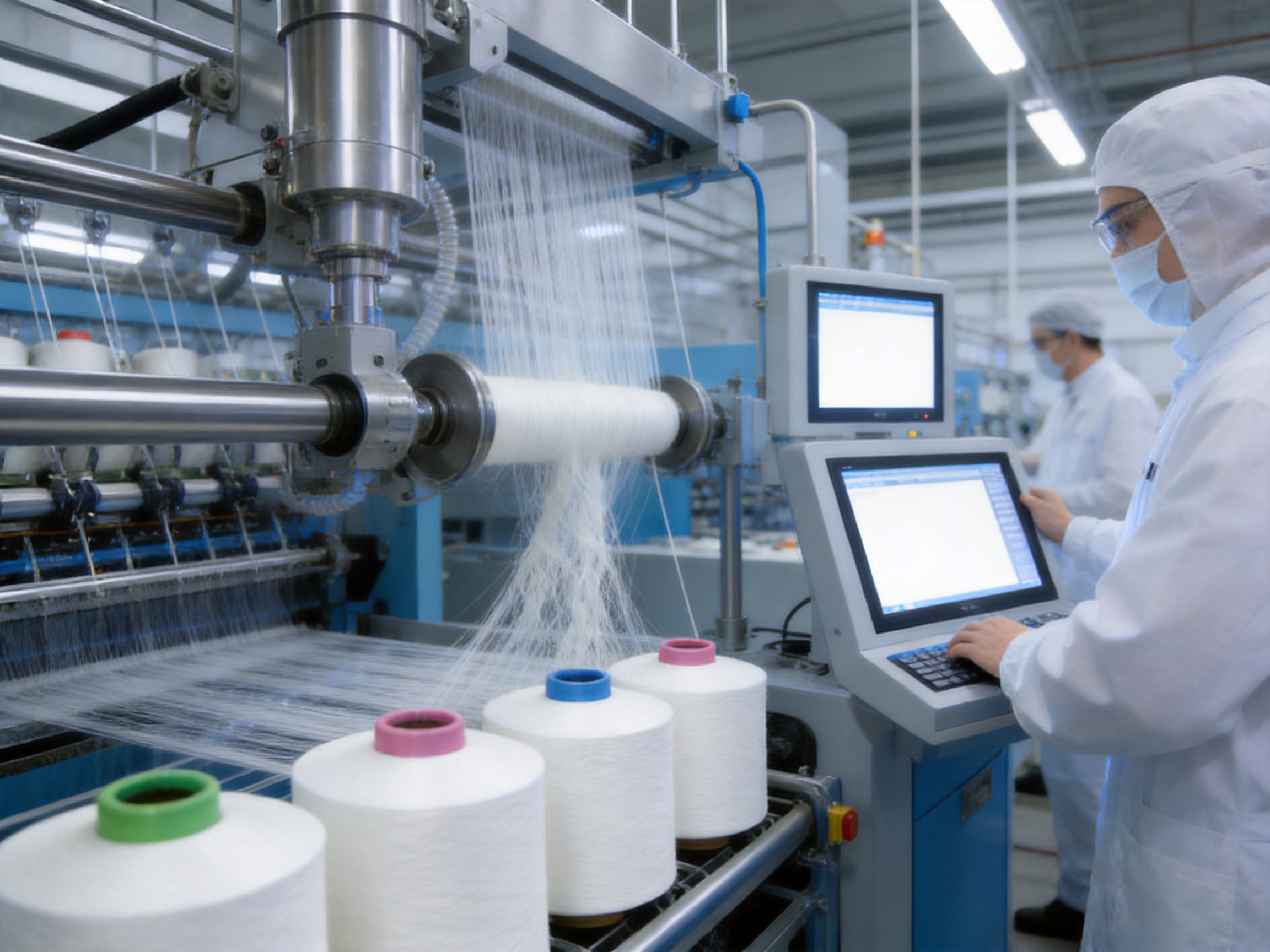
Reliable functional yarn production depends on more than adding an active ingredient to a polymer stream. It requires control over raw materials, polymer processing, spinning, texturing, winding, packaging and inspection. Each stage can affect yarn evenness, tenacity, elongation, surface appearance, dyeing behavior and functional performance.
Material Selection and Modification
The anti-bacterial property begins with material selection and modification. The functional component must be compatible with the yarn matrix and appropriate for the intended spinning and texturing conditions. A well-designed material system should disperse consistently and avoid excessive impact on yarn strength, elongation, color, hand feel or processing stability.
The supplier’s experience in new materials and differential yarn development supports the creation of products with specific performance targets. Research and development activities are directed toward environmental protection, functional yarn, functional fabric and application-oriented textile solutions.
Controlled Spinning and Filament Formation
Filament formation affects the uniformity of the final yarn. Stable spinning conditions help maintain consistent denier, filament distribution and physical properties. Variations at this stage may become more visible after air texturing, especially in fabrics with large surfaces or strong directional lighting.
Production control should include monitoring of polymer temperature, spinning pressure, cooling conditions, winding tension and other process variables. Appropriate controls help ensure that the yarn reaches the texturing stage with a stable and predictable structure.
Precision Air Texturing
The air-texturing process is central to the product’s performance. Air pressure and yarn speed must be balanced to form loops without creating excessive instability. Feed ratio influences bulk, entanglement and surface character. If the process is too aggressive, the yarn may become difficult to process or show unwanted irregularities. If it is too mild, the yarn may not achieve the required coverage or texture.
Experienced operators and process engineers can adjust these variables according to denier, filament count and final application. This application-based approach is important because a carpet yarn, upholstery yarn and knitted decorative yarn may require different combinations of bulk, stability and hand feel.
Winding and Package Formation
Even when the yarn is properly textured, poor winding can create downstream problems. Uneven packages may lead to tension variation, yarn breaks or feeding difficulties on weaving and knitting equipment. Controlled winding helps ensure that the yarn unwinds smoothly and remains suitable for long production runs.
Package design, winding density and packaging protection should be selected according to customer equipment and logistics requirements. Export-oriented production also requires careful attention to moisture protection, labeling, storage and handling.
Inspection and Application Testing
Quality evaluation should cover both yarn properties and fabric behavior. Typical checks may include appearance, linear density, filament count, tenacity, elongation, evenness, interlace or entanglement level, oil content, package hardness and winding quality. For anti-bacterial products, laboratory testing should be performed according to the customer’s required method.
Application testing is equally important. A yarn may meet a basic specification yet behave differently in a high-density weave, a pile construction or a knitted structure. Sampling allows the buyer to evaluate fabric coverage, hand feel, color development, abrasion behavior, pilling tendency and process compatibility before commercial production.
Company Expertise and International Supply Capability
Suzhou Junhui Textile Co., Ltd. and Suzhou Xiaoran New Materials Co., Ltd. were founded in June 2015 and focus on the development and sale of differentiated yarn and fabric products. Their portfolio reflects a commitment to product diversification and application-oriented development.
The companies serve international customers and report that more than 90 percent of their products are exported. Their customer base extends across 36 countries, demonstrating experience with international communication, product documentation, sample coordination and export order management.
The companies also work with internationally recognized enterprises on research, development and application in environmental protection, functional yarn and functional fabric. This type of cooperation can strengthen the connection between laboratory development and real production requirements. It also helps the supplier understand how yarns perform in different markets and manufacturing environments.
Customer support is positioned as an important part of the business model. The technical team assists with product selection, problem solving and development discussions. The company states that experts are ready to respond globally within 12 hours, providing a useful communication advantage for overseas buyers operating across different time zones.
For textile importers and fabric manufacturers, supply capability involves more than production volume. It includes clear communication, stable specifications, responsive sampling, reliable documentation and the ability to make reasonable adjustments. These strengths are especially valuable for functional yarn because buyers often need to confirm both textile performance and functional test results.
Applications in Woven and Knitted Textiles
Carpets
Carpets require yarns that can produce coverage, body and resistance to everyday handling. The fluffy, looped structure of air-textured anti-bacterial yarn can contribute to a fuller carpet surface. The anti-bacterial function may also support hygiene-oriented product concepts for residential, hospitality or commercial interiors.
Before production, carpet manufacturers should evaluate pile height, stitch density, abrasion resistance, colorfastness, soil-release behavior and cleaning durability. The yarn’s performance should be assessed in the complete carpet construction rather than in isolation.
Sofa Cloth and Upholstery
Upholstery fabrics must balance appearance, comfort and durability. A uniform hand feeling is important because sofa cloth is frequently touched. Good coverage can help create a dense, premium appearance, while the textured structure can add visual depth to plain or patterned designs.
Anti-bacterial yarn can support product positioning for household furniture, public seating and other applications where regular contact is expected. Fabric developers should also examine seam performance, abrasion, pilling, color migration and resistance to cleaning agents.
Tapestry and Decorative Fabrics
Tapestry fabrics benefit from yarns that provide texture and visual richness. The irregular loops produced by air texturing can contribute to a more dimensional surface and help create a handmade or decorative effect while retaining the consistency of industrial yarn production.
The yarn can be used in selected woven or knitted decorative products where a distinctive appearance is required. Designers may combine it with smooth filament, cationic yarn, recycled yarn or other differentiated materials to create contrast in texture and luster.
Household Textiles
Household products such as decorative covers, cushions, throws and interior accessories may benefit from the combination of tactile appeal and hygiene-oriented performance. Anti-bacterial functionality can be incorporated into a broader product strategy that also considers recycled content, easy care, moisture management or thermal comfort.
Specialty Knitted Fabrics
The yarn’s fine-knitting characteristics make it suitable for selected knitted constructions. Knitting parameters should be adjusted according to the yarn’s bulk, filament count and desired surface effect. Trial production can help identify suitable needle settings, loop density and take-down conditions.
Product Development Options
One of the company’s strengths is the ability to accept orders for different types of differentiated yarn. This supports customized development instead of limiting buyers to a fixed catalog item. Depending on the project, customization may involve yarn count, filament configuration, luster, color, recycled content, functional additives, elasticity or fabric application.
The broader product list includes recycled SD DTY, recycled SD FDY, recycled FD DTY, recycled SD plus CD DTY, recycled DDB DTY and recycled CD DTY. Normal series products include SD DTY, FD DTY and SD DDB. The CD series includes CD DTY, SD plus CD DTY and white and black options. High-elastic products include high-elastic yarn, PBT/PET yarn and PBT/PET DDB yarn.
Functional series products include fire-retardant yarn, anti-bacterial yarn and moisture-wicking yarn. Additional options include cotton-like yarn, hollow warm yarn and Acy yarn. This range allows product developers to compare several material routes and select the best balance between cost, performance, appearance and environmental objectives.
For a customer developing a new upholstery fabric, for instance, the project may require anti-bacterial performance, medium bulk, a soft hand and a specific color effect. The supplier can evaluate the functional yarn together with cationic or dope-dyed alternatives. For a carpet customer, a coarse-denier anti-bacterial structure may be compared with recycled or high-elastic options depending on the design and durability requirements.
Customization should begin with a detailed product brief. The brief should include end use, fabric construction, target weight, required color, dyeing process, performance standards, expected order quantity, packaging format and delivery schedule. Clear information at the beginning reduces sampling time and improves the accuracy of technical recommendations.
Recommended Evaluation Process for Buyers
Step One: Define the Final Fabric
Buyers should first define the finished textile rather than selecting yarn only by denier. The intended application, fabric structure, surface effect, hand feel, weight and performance requirements all influence yarn selection.
Step Two: Select a Preliminary Specification
The available anti-bacterial options can be used as a starting point. A lighter construction may be considered for medium-weight fabrics, while a coarser option may be more appropriate for carpets or high-coverage upholstery. The supplier can help determine whether the requested D/F arrangement is suitable for the machine and fabric design.
Step Three: Produce a Laboratory Sample
Sample yarn should be processed on the customer’s actual or representative equipment whenever possible. This enables evaluation of unwinding, feeding, tension stability, breakage, knitting or weaving behavior and fabric appearance.
Step Four: Test the Finished Fabric
Testing should be conducted on the final fabric, not only on the yarn. Relevant evaluations may include anti-bacterial performance, colorfastness, washing durability, abrasion, pilling, tensile properties, dimensional stability, moisture behavior and hand feel.
Step Five: Confirm Commercial Conditions
After technical approval, the buyer and supplier should confirm minimum order quantity, lead time, packaging, labeling, payment conditions, inspection procedure and shipping arrangements. A retained sample and approved specification should be kept for future lot comparison.
Processing and Handling Recommendations
Air-textured functional yarn should be stored in a clean, dry environment away from direct sunlight, excessive heat and chemical contamination. Packages should remain protected until they are introduced into production. Improper storage may affect package stability, moisture balance and processing performance.
During weaving or knitting, machine tension should be adjusted gradually. Excessive tension can reduce the visible bulk of the yarn or influence the final hand feel. Insufficient tension may result in feeding instability. The correct setting depends on machine type, fabric construction and yarn specification.
For dyeing and finishing, the customer should confirm the recommended temperature range, dye class, auxiliaries and treatment conditions. Functional yarns may respond differently from standard polyester yarns, particularly when additives or special material systems are used. Small-scale trials help prevent unwanted changes in color, texture or anti-bacterial performance.
Blending with other yarns can create attractive effects, but compatibility should be tested. Smooth FDY, semi-dull DTY, bright yarn, cationic yarn, recycled yarn and elastic yarn may have different shrinkage, dyeing and heat-setting behavior. A suitable blend ratio and finishing route can help preserve both the functional effect and the intended fabric appearance.
Environmental and Product Responsibility
Environmental responsibility is an increasingly important part of textile purchasing. The supplier’s product development activities include recycled yarn and environmental protection, enabling customers to consider recycled options alongside functional performance.
Anti-bacterial functionality and sustainability should be evaluated together. Buyers may ask about polymer source, recycled content, additive composition, production efficiency, packaging and end-of-life considerations. A functional product should be selected according to the complete life cycle and the genuine needs of the application.
The availability of recycled series products also provides opportunities to develop textiles that combine recycled material with surface functionality. Whether these properties can be combined in a particular yarn depends on technical feasibility, performance targets and testing requirements. The supplier can assist in assessing a customized development route.
Why Choose This Product for Competitive Textile Development?
Textile manufacturers compete through a combination of cost, appearance, technical performance, delivery reliability and product differentiation. Anti-Bacterial (D/F) Functional Yarn supports this strategy in several ways.
It offers a functional feature that can be communicated clearly to customers seeking hygiene-oriented textiles. It also provides a textured surface that can distinguish the finished fabric from standard smooth filament products. Its coverage and hand-feel advantages are valuable in furnishings and decorative materials, where consumers judge quality through both appearance and touch.
The product is supported by a supplier with experience in multiple differential yarn categories. This reduces the need to coordinate separate suppliers when a project requires more than one technical feature. Customers can discuss recycled, high-elastic, fire-retardant, moisture-wicking, cationic-dyeing and other alternatives with a company familiar with specialized yarn development.
Export experience is another practical advantage. International orders require attention to documentation, packaging, lead times and communication. Experience serving customers in numerous countries can help reduce misunderstandings and support smoother cooperation.
Finally, the supplier’s emphasis on research and customer support allows buyers to approach the product as part of a development project. Instead of simply purchasing a standard package, customers can discuss application requirements, sample testing and possible modifications.
Quality Considerations Before Purchase
Buyers should request a complete technical data sheet for the selected specification. Important information may include denier, filament count, luster, yarn type, texturing method, moisture regain, tenacity, elongation, boiling-water shrinkage, oil content, package weight and recommended processing conditions.
For anti-bacterial claims, documentation should identify the test method, tested microorganisms, test sample, treatment conditions and reported results. Claims should be matched to the actual test evidence and to the intended market regulations.
Customers should also clarify whether the yarn is supplied raw white, dope dyed, colored, semi-dull, full dull or bright. The product list includes different color and luster options across the wider portfolio, so the exact appearance should be confirmed through a physical sample.
When ordering customized yarn, the buyer should establish an approval standard before mass production. This may include a physical standard, color card, fabric swatch, anti-bacterial test target and acceptable variation range. A clear approval process protects both buyer and manufacturer.
Q&A
What is the main function of this yarn?
The main function is to provide anti-bacterial performance in a polyester-based functional yarn while also delivering a fluffy, looped and textured structure. The yarn is intended to help inhibit the growth of common bacteria on the fabric surface under specified test conditions.
How is the yarn textured?
The yarn is processed through air-injection texturing. High-pressure airflow separates and intertwines the filaments, forming irregular kinked fiber circles and a fluffy looped yarn structure.
What does D/F mean?
D/F is part of the product’s specification terminology. The exact construction represented by the designation should be confirmed with the supplier for each order. Buyers should verify denier, filament count, yarn structure and processing details before approval.
Which specifications are available for the anti-bacterial series?
The listed specifications include 50/48-72, 75/36-48-72 and 150/48-72-96-144. Availability may depend on order quantity, production planning and customization requirements.
Can the yarn be used for knitting?
Yes. The product is described as suitable for woven and knitted fabrics. Knitting trials are recommended because machine settings and fabric results depend on yarn bulk, filament configuration, loop density and the desired surface effect.
What are the main applications?
Typical applications include carpets, sofa cloth, tapestry fabrics, household textiles, decorative fabrics and selected knitted products requiring coarse denier yarn, good coverage and a distinctive hand feel.
Is the yarn suitable for medical textiles?
The product is designed for textile applications such as furnishings and decorative fabrics. It should not be treated as a medical or sterilizing material unless the finished product has completed all relevant testing and regulatory approval for a specific medical use.
Is the anti-bacterial function applied as a surface coating?
The product is developed through material modification and functional yarn production. This means the anti-bacterial property is considered at the material and yarn level rather than relying only on a final surface treatment. Actual durability must be verified through testing of the finished fabric.
Can the product be customized?
The supplier states that it can accept orders for different kinds of differentiation yarn. Customers may discuss customized specifications, color, material route, filament arrangement and combined functions according to technical feasibility and order requirements.
Can recycled content be combined with anti-bacterial performance?
A recycled functional version may be technically possible, but it requires project-specific evaluation. The polymer source, additive compatibility, spinning stability, final performance and required certifications should be reviewed before development.
How should buyers select between the listed specifications?
Selection should be based on the finished fabric, machine type, target weight, desired coverage, hand feel and required performance. A supplier consultation and sample trial are recommended before commercial production.
What should be tested before bulk ordering?
Buyers should test yarn processing behavior and finished-fabric properties. Relevant tests may include anti-bacterial performance, colorfastness, abrasion, pilling, dimensional stability, tensile properties, hand feel, appearance and washing durability.
Does the company support international customers?
Yes. The companies report that more than 90 percent of their products are exported and that they have customers in 36 countries. They also provide product selection, development and problem-solving support for international buyers.
How quickly can technical questions be answered?
The company states that its experts are prepared to provide global assistance within 12 hours. Response time for a specific project may depend on the complexity of the technical request and the information provided by the buyer.
Conclusion
Anti-Bacterial (D/F) Functional Yarn offers textile manufacturers a balanced solution for products that require functional performance, textile comfort and visual differentiation. Its air-textured construction creates irregular loops and a fluffy surface, supporting good coverage, a uniform hand feeling and a distinctive style. These characteristics make the yarn especially suitable for carpets, sofa cloth, tapestries, household textiles and selected woven or knitted fabrics.
The product’s anti-bacterial function is developed through material modification, providing a practical basis for hygiene-oriented fabric development. As with all functional textile products, performance should be verified through testing of the final fabric and evaluated against the requirements of the target market.
The manufacturing strengths of Suzhou Junhui Textile Co., Ltd. and Suzhou Xiaoran New Materials Co., Ltd. extend beyond this single product. Their experience in recycled yarn, differentiated polyester yarn, functional yarn and fabric development enables them to support customized projects and combined performance requirements.
With international export experience, a broad product portfolio, application-focused research and responsive technical support, the supplier can help buyers move from yarn selection to finished-fabric development. For manufacturers seeking a textured, coverage-oriented and hygiene-focused yarn, this product provides a versatile foundation for competitive textile production.
References
1. Supplier product information for Anti-Bacterial (D/F) Functional Yarn, including listed specifications, applications and processing characteristics.
2. Supplier product portfolio information covering recycled yarn, functional yarn, high-elastic yarn, cationic-dyeing yarn and knitting fabric products.
3. General technical principles of air-jet texturing, filament entanglement and loop formation in continuous-filament yarn production.
4. General textile quality-control practices for yarn evenness, tenacity, elongation, package formation and fabric processing performance.
5. General laboratory evaluation principles for anti-bacterial textile materials and finished fabrics.
6. General product-development practices for recycled, functional and differentiated polyester yarns.
Product: Anti-bacterial (D/F) Functional Yarn

Popular products
-
Premium Cationic Interlock Stretch Comfort Fabric
-
Moisture-Wicking Nylon Woven Fabric
-
Double-faced jacquard elastic fabric
-
Heather Grey Double-faced cationic jersey fabric
-
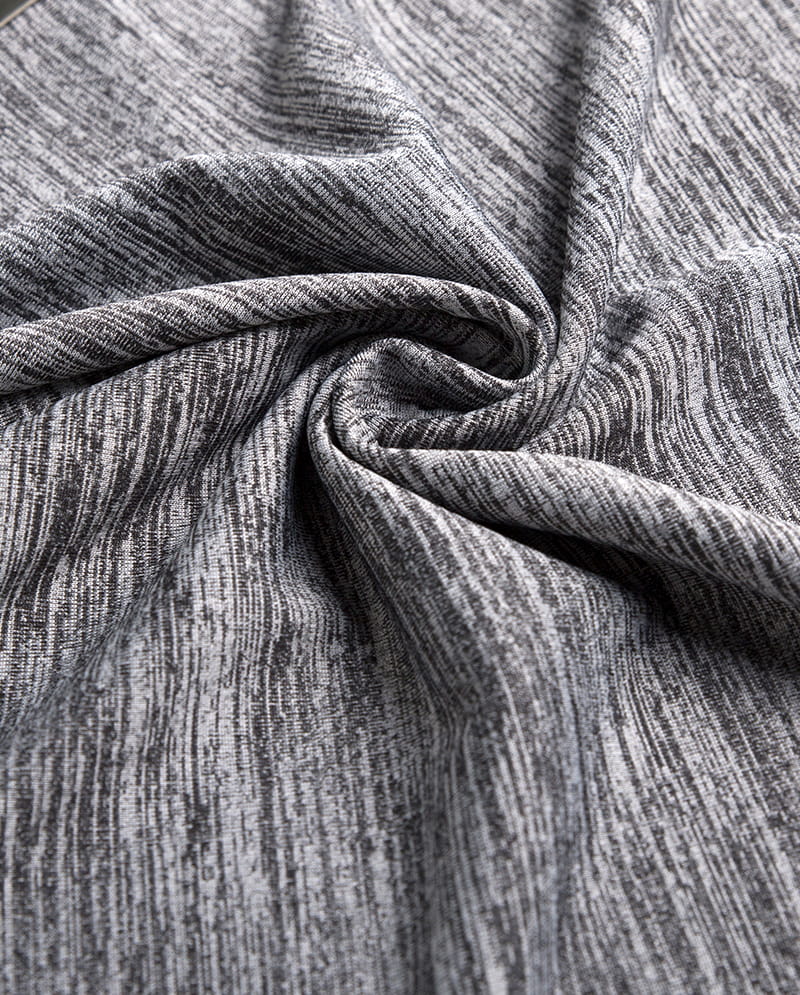
Anti-static Cationic Knitted Rib Fabric
-
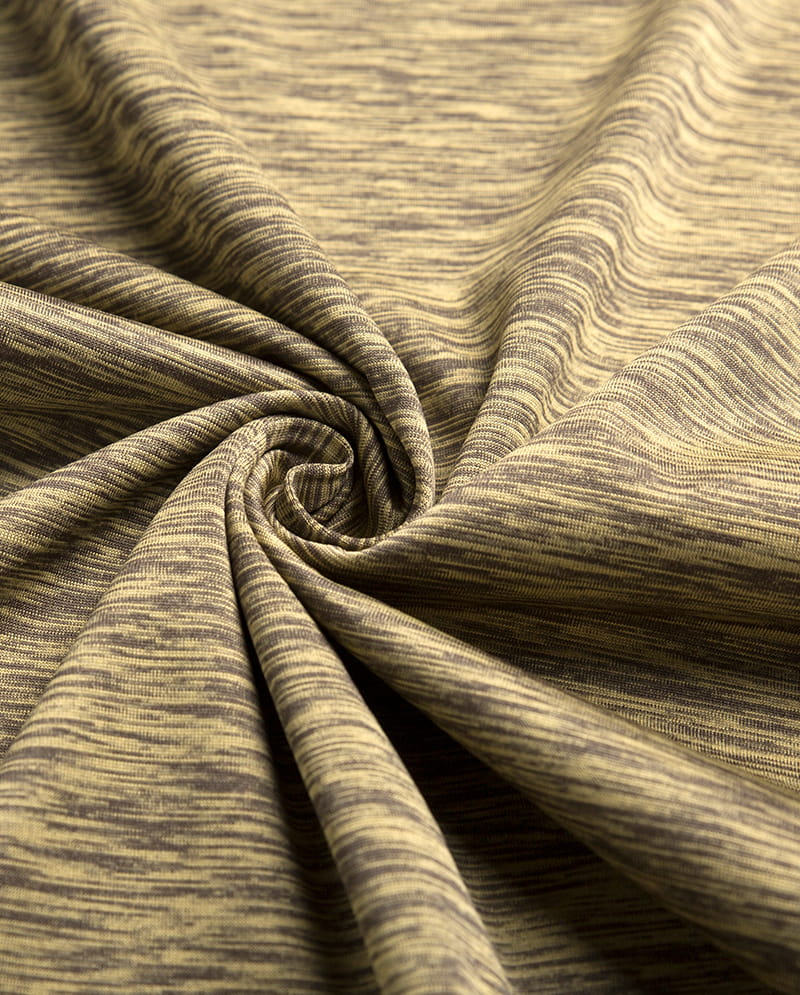
High-Stretch Cationic Jersey Fabric
-
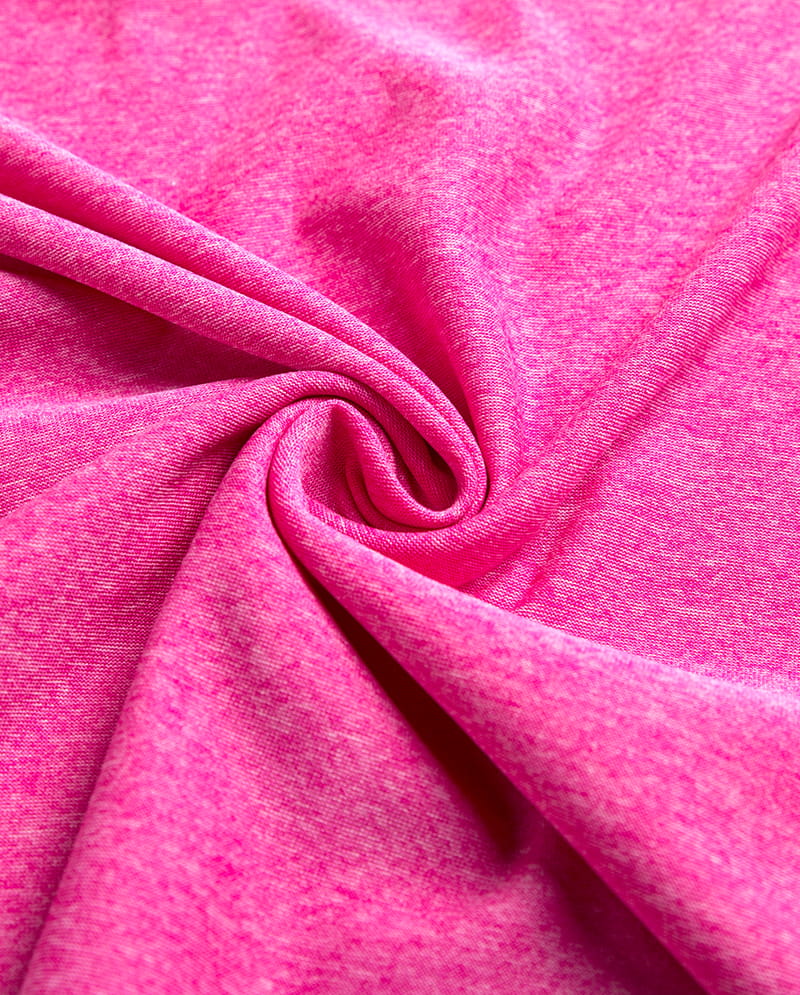
High Quality Cationic DTY Spandex Two Sides Brush Dralon Knit Fabric for Garment Thermal Underwear
-
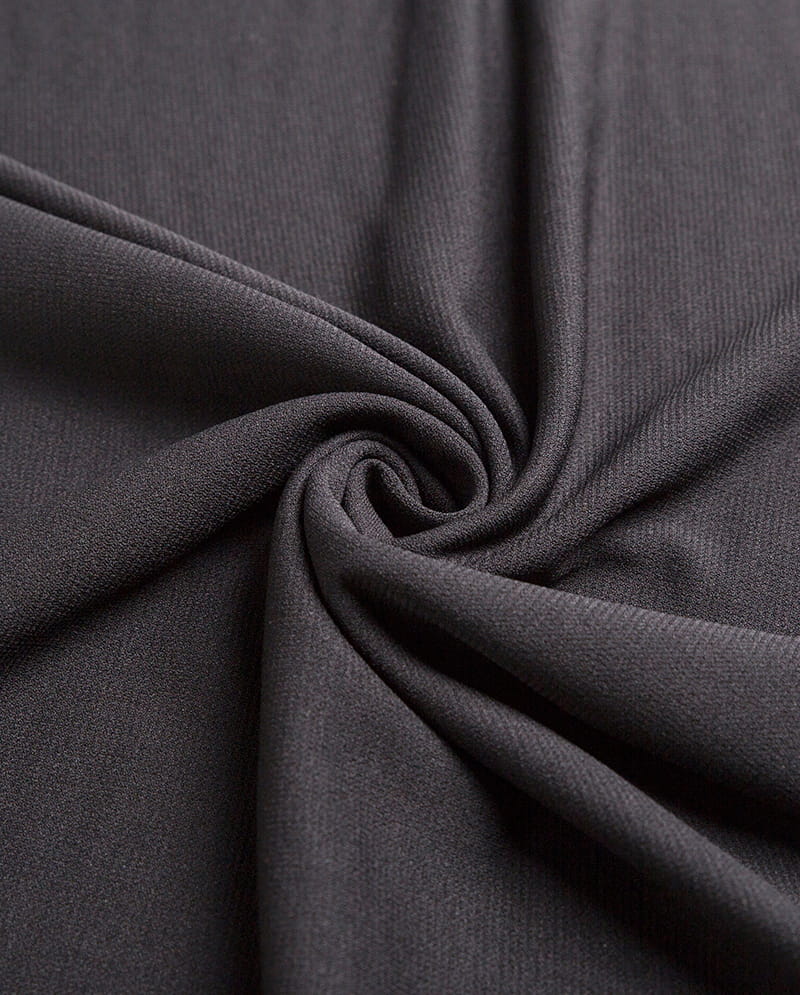
Durable Anti-Pilling Knitted Fabric for Home Textiles
-
Wash-Resistant Cationic Elastic Knitted Fabric for Garment Industry
-
Breathable Double-Faced Elastic Composite Fabric
-
-
-
- whatsapp:
- 0086-13962559622
-
- skype:
- skype.aliceshenghong
-
- Wechat:

COPYRIGHT © 2016 Suzhou Junhui Textile Co., Ltd.
